Top 19 Natural Monuments around Scilla
Best natural monuments around Scilla are found in a region characterized by its dramatic coastline, ancient geological formations, and proximity to mountainous landscapes. Scilla, located on Italy's "toe" in Calabria, offers a diverse natural environment ranging from unique underwater ecosystems to towering peaks. The area features a blend of sea caves, vibrant marine life, and extensive national park wilderness. These sites provide varied opportunities for exploring the region's natural heritage.
Best natural monuments around Scilla
- The most popular natural monuments…
Last updated: April 29, 2026
Aspromonte National Park
Highlight (Segment) • Forest
Translated by Google •
Tip by

Maesano Waterfalls
Highlight • Waterfall
Translated by Google •
Tip by

Sign up now to discover places like this
Get recommendations on the best single tracks, peaks, & plenty of other exciting outdoor places.
Sign up for free
Aspromonte
Highlight • Forest
Translated by Google •
Tip by

Montalto (1956 m)
Highlight • Summit
Translated by Google •
Tip by
Translated by Google •
Tip by

Sign up for free to discover even more natural monuments around Scilla.
Sign up for free
Already have an account?
Start today with a free account
Your next adventure awaits.
Login or Signup
Tips from the Community

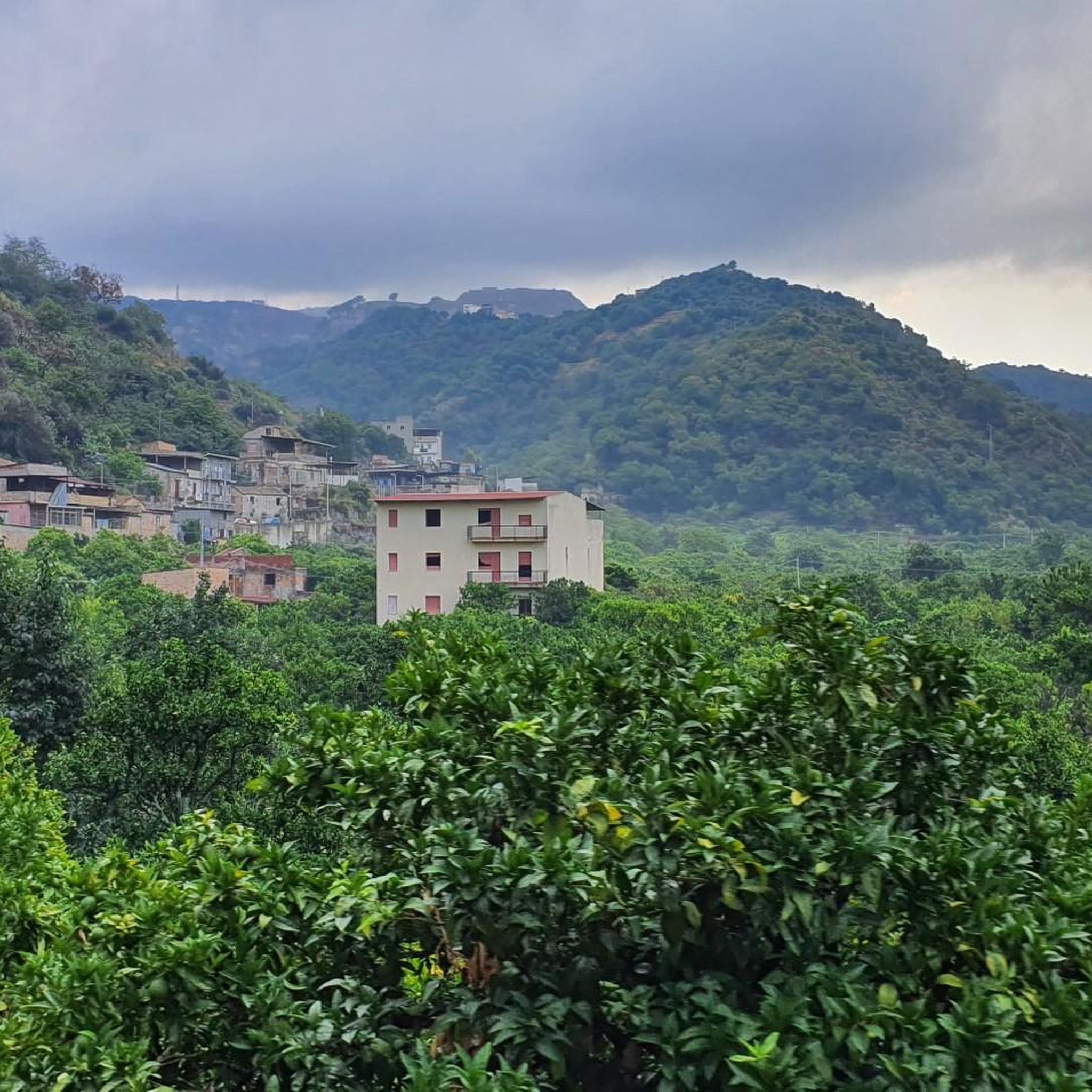
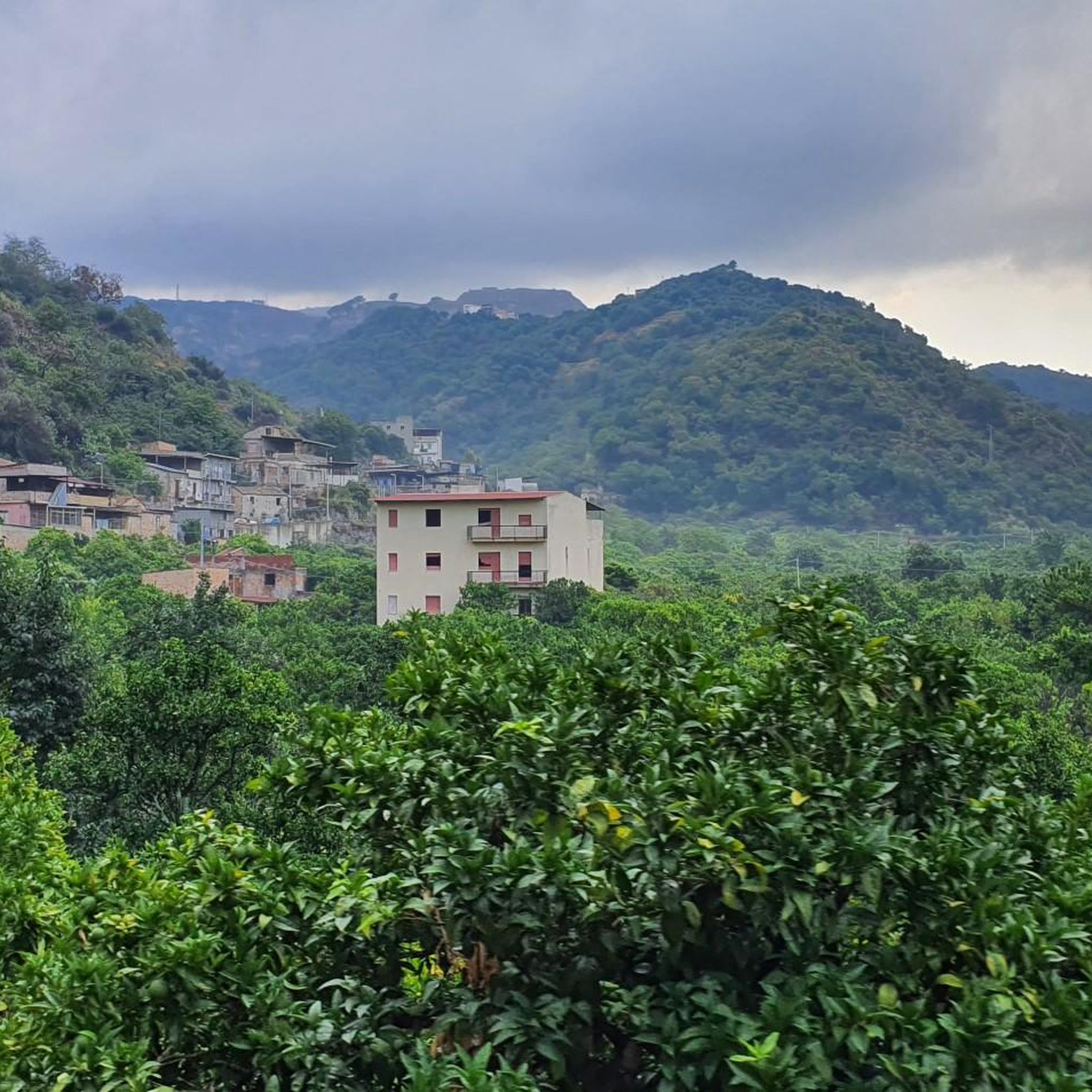
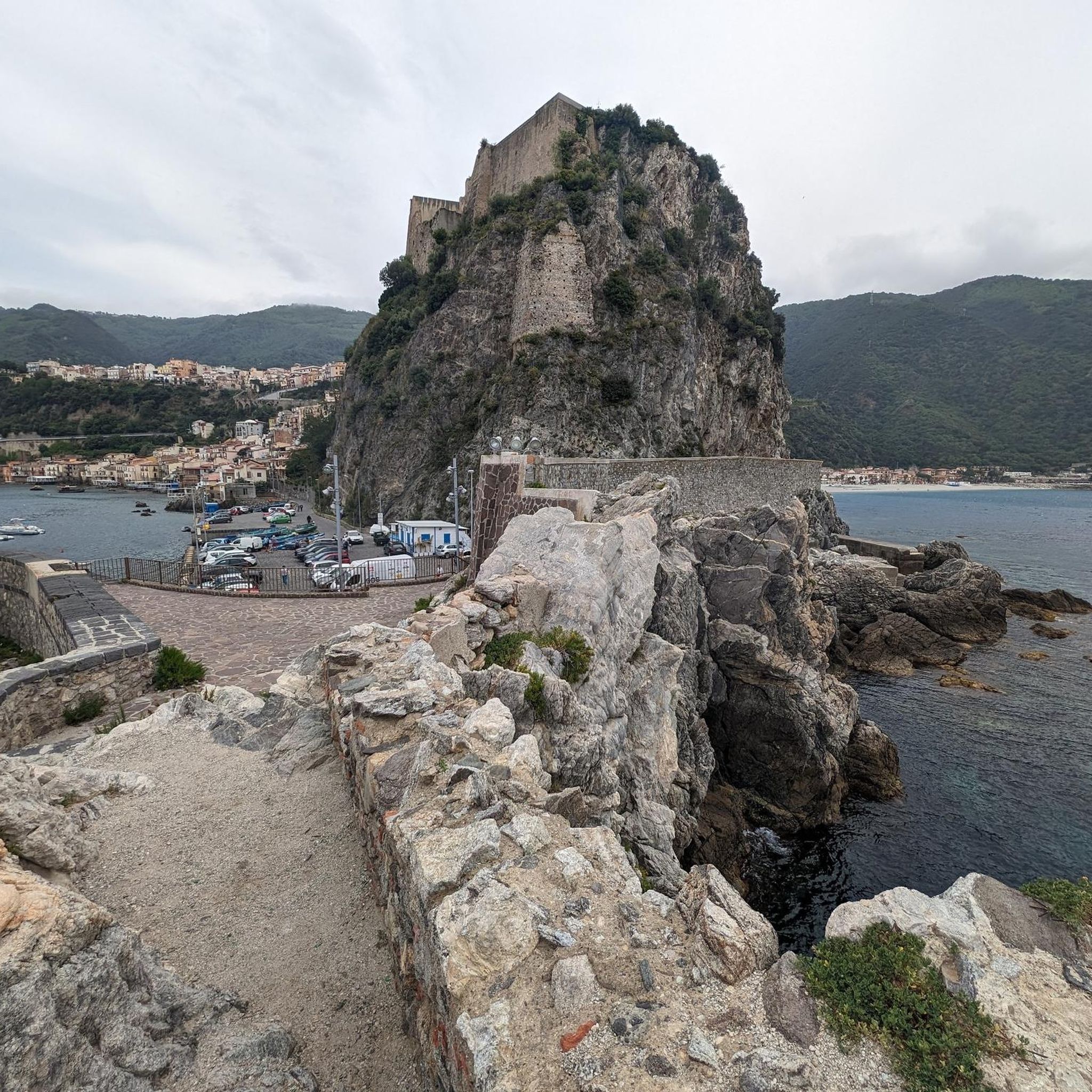
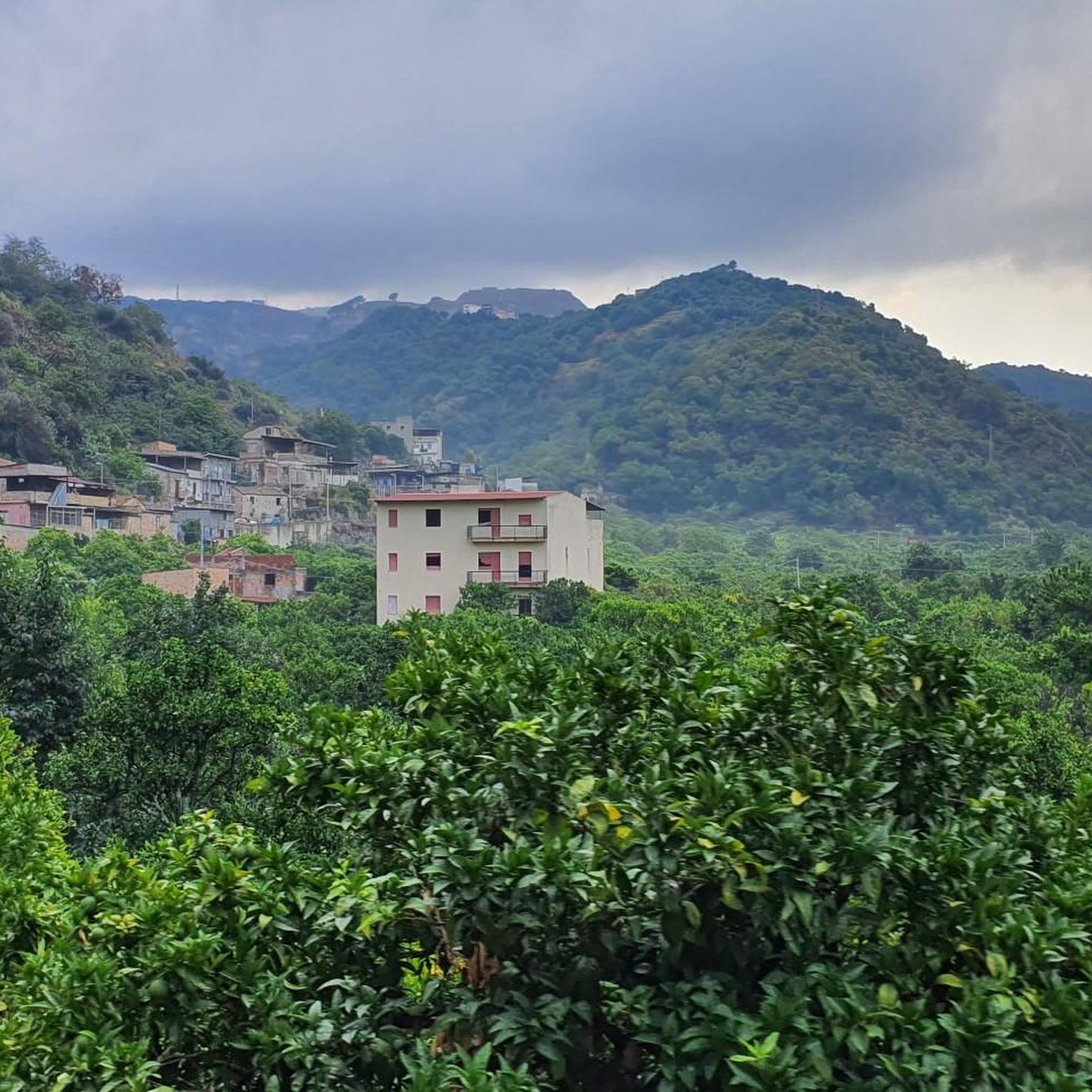
If the breathtaking route of the Sentiero del Tracciolino, which juts out over that steep stretch of cliff going from Palmi to Bagnara Calabra, with its deep and distant views, were not enough; if all this were not enough, you suddenly find yourself in front of a narrow, stone arch bridge, from which you have to pass to proceed with the route. Very beautiful and evocative, I recommend passing over it, with a bit of caution, instead of choosing the safer "land route" that bypasses the small bridge to its left.
0
0

You can also walk past it on the left for those who are not afraid of heights
0
0


Beautiful panorama overlooking the Ionian and Tyrrhenian Sea.
2
0

Always gentle slopes and at high altitude, among beech and fir forests. A monotony that never tires.
0
0

Here, in the lands of Aspromonte, you can immerse yourself in unspoiled and wild nature, which stands out among the most fascinating and precious in Italy. The Aspromonte National Park, with its vast mountainous territories, dense forests, impetuous torrents and majestic peaks, offers a unique and spectacular environment. Exploring this paradise, you will be able to admire an extraordinary variety of flora and fauna, let yourself be enveloped by the tranquility of the centuries-old woods and face exciting excursions to discover breathtaking panoramas. Aspromonte is an unmissable destination for nature lovers and adventurers looking for authentic and unforgettable experiences.
1
0


Green and coniferous forests, crossed by roads with little traffic. Possible off-road detours, services not always available within the park
0
0
Frequently Asked Questions
What unique geological formations can I explore around Scilla?
Scilla is rich in geological wonders. You can visit the Tremusa Caves, of Pleistocene origin, known for their fossilized Pecten shells, stalactites, and stalagmites. The coastline also features numerous sea caves, including those near Capo Pacì like the Cave of Glaucus and the Cave of Morgana, which are steeped in local mythology. Additionally, the underwater morphology around Scilla offers impressive rock complexes and vibrant coral formations for divers.
Are there opportunities for hiking and trekking near Scilla's natural monuments?
Yes, there are ample opportunities for hiking and trekking. The Aspromonte National Park offers diverse trails through dense forests and rugged mountain landscapes. The area around the Tremusa Caves also provides trails with breathtaking views of the Costa Viola and the Strait of Messina. For specific routes, you can explore options like the easy "Scilla and Castello Ruffo – Scilla Fishing Harbor loop from Scilla" or more challenging trails within Aspromonte.
What are the most popular natural monuments around Scilla?
Among the most popular natural monuments are the Stone Bridge and Panoramic View of the Tyrrhenian Sea (Tracciolino Trail), offering stunning vistas of the Tyrrhenian Sea, the Strait of Messina, and Sicily. The vast Aspromonte National Park is also highly regarded for its diverse landscapes, and the Maesano Waterfalls are a favorite for their impressive plunges into rock-carved pools.
Can I find family-friendly natural attractions in the Scilla area?
Yes, several natural attractions are suitable for families. The Maesano Waterfalls, with their three plunges into pools, offer a refreshing experience, especially in summer when a dip in the clear water is possible. Exploring parts of the Aspromonte National Park can also be a great family adventure, with opportunities to observe diverse flora and fauna in a natural setting.
What is the best time to visit Scilla's natural monuments?
The best time to visit depends on the activity. For coastal walks and enjoying the unique violet hues of the Costa Viola, sunset is particularly spectacular. If you plan to visit the Maesano Waterfalls and enjoy a swim in their pools, summer is ideal. Generally, spring and autumn offer pleasant temperatures for hiking and exploring the mountainous areas like Aspromonte National Park.
Are there any notable trees or forests to see?
Absolutely. The Aspromonte National Park is characterized by dense forests of holm oaks, conifers, beech, and rare pines. Within the mountainous area near Scilla, you can also find the Abetazzo, a monumental silver fir standing 32 meters high with a circumference of nearly five meters, recognized for its ecological significance.
What kind of marine life and underwater features can be found around Scilla?
The waters around Scilla are a diver's paradise, featuring extraordinary submerged morphology. Sites like 'Mpaddata boast rich astroides, violet sponges, and large two-color corals. La Montagna is a massive rock monolith teeming with red-yellow corals, Anthias, and Cerianthus. You can also explore passing caves like La Grotticella, adorned with white sponges and yellow anemones, and the impressive 'stone cathedrals' known as the Secche di Scilla.
What outdoor activities, besides hiking, can I do near Scilla's natural monuments?
Beyond hiking, the region offers excellent opportunities for cycling. You can explore various routes, such as the "From Bagnara Calabra to the Punta Pezzo Lighthouse along the coast of the Strait of Messina" for road cycling, or the "Gambarie to Menta Reservoir Loop" for touring cycling. The clear waters of the Costa Viola also provide excellent conditions for swimming and enjoying the Mediterranean Sea, and the underwater caves are ideal for diving and snorkeling.
What is the highest point I can reach to get panoramic views?
The highest peak in the area is Montalto, located within the Aspromonte National Park. At 1956 meters, it offers panoramic views that can stretch to Sicily and Mount Etna on clear days. Another excellent viewpoint is the Stone Bridge and Panoramic View of the Tyrrhenian Sea (Tracciolino Trail), which provides a broad vista including the Aeolian Islands.
Are there any natural monuments with historical or mythological significance?
Yes, Scilla's natural monuments are deeply intertwined with history and myth. The Tremusa Caves are not only geologically significant but also steeped in local legend, with theories linking their name to the 'Tre Muse' (three Muses) or pagan rituals. The recently discovered coastal sea caves near Capo Pacì, such as the Cave of Glaucus, Cave of Circe, and Cave of Morgana, are named after figures from Greek mythology, connecting them to ancient tales of sea monsters and sorceresses.
What makes the Costa Viola unique?
The Costa Viola, or 'Violet Coast,' is renowned for the unique violet hues of its waters, particularly at sunset. This phenomenon is believed to be caused by the reflections on the sea and various rock formations. It features dramatic cliffs that plunge into the Tyrrhenian Sea, interspersed with small beaches, offering breathtaking panoramic views and excellent conditions for swimming.
What can I expect to see at the Maesano Waterfalls?
The Maesano Waterfalls are a series of four waterfalls fed by the Amendolea river. They feature three impressive plunges into rock-carved pools. The route to reach them is scenic, passing through beech and pine forests. Visitors often enjoy a refreshing dip in the clear water of the pools, especially during warmer months.
Most popular attractions around Scilla

Get inspired with the komoot mobile app


Explore more
Extend your search for the best caves by checking out these guides of the top ones around Scilla:
