Top 20 Natural Monuments in Haute Côte / Archipel De Kvarken
Best natural monuments in Haute Côte / Archipel De Kvarken are part of a UNESCO World Heritage Site, spanning the Gulf of Bothnia between Sweden and Finland. This transboundary region is globally significant for its rapid post-glacial land uplift and distinctive glacial landforms. It offers unique opportunities to observe the Earth's continuous geological transformation. The landscape features dramatic coastlines, ancient forests, and a mosaic of islands constantly being reshaped by natural processes.
Best natural monuments in Haute Côte / Archipel…
Last updated: May 15, 2026
Slåttdalsskrevan Gorge
Highlight • Gorge
Translated by Google •
Tip by

Slåttdalsskrevan Gorge
Highlight • Gorge
Translated by Google •
Tip by

Sign up now to discover places like this
Get recommendations on the best single tracks, peaks, & plenty of other exciting outdoor places.
Sign up for free
Stantadalskrevant Stone Fields
Highlight • Natural Monument
Translated by Google •
Tip by

Saltkaret Observation Tower
Highlight • Viewpoint
Translated by Google •
Tip by

Steep Rocky Ascent in Skuleskogen National Park
Highlight (Segment) • Climb
Translated by Google •
Tip by
Sign up for free to discover even more natural monuments in Haute Côte / Archipel De Kvarken.
Sign up for free
Already have an account?
Start today with a free account
Your next adventure awaits.
Login or Signup
Popular around Haute Côte / Archipel De Kvarken
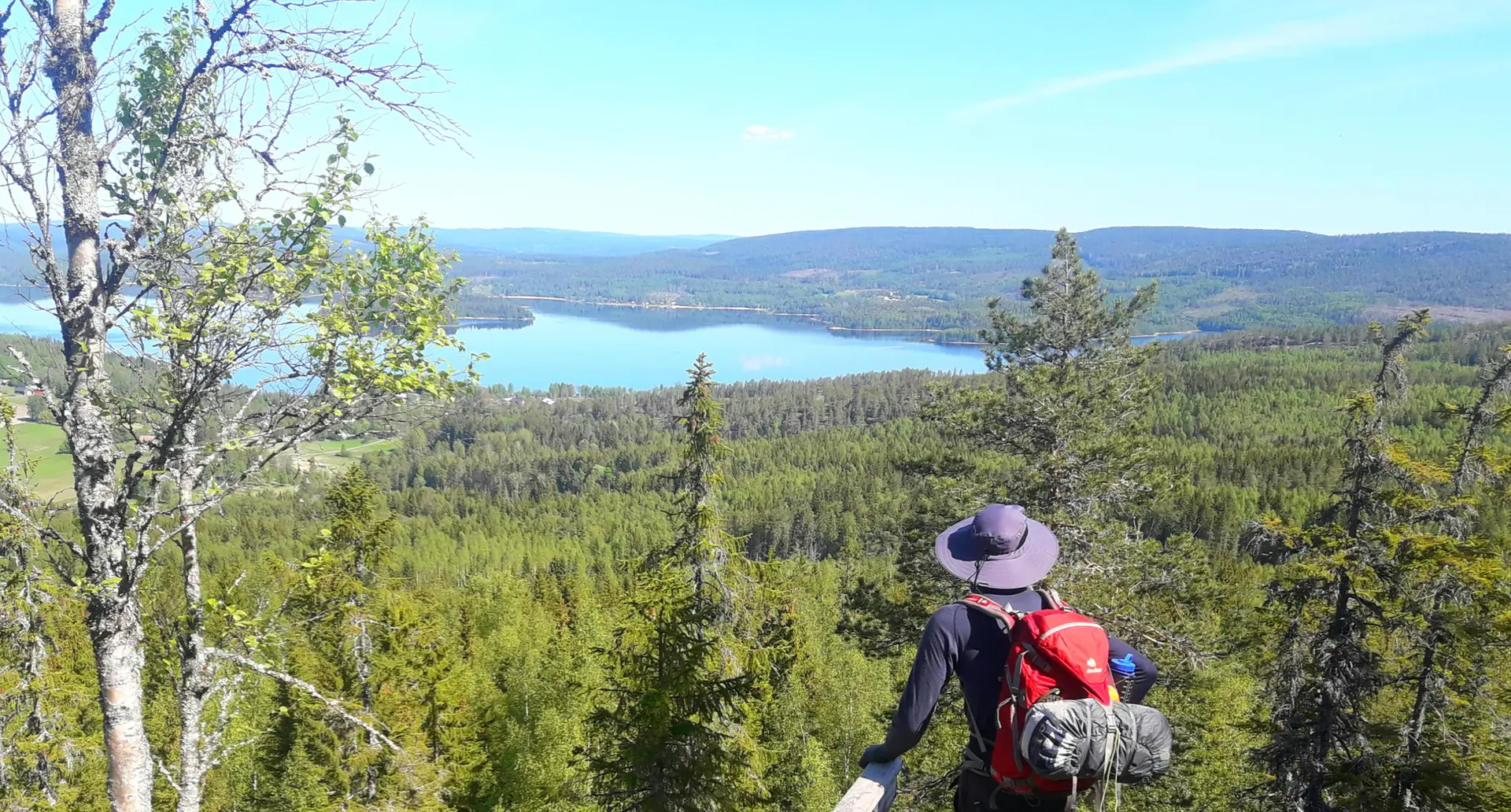
Hiking Sweden’s High Coast – Höga Kusten-leden
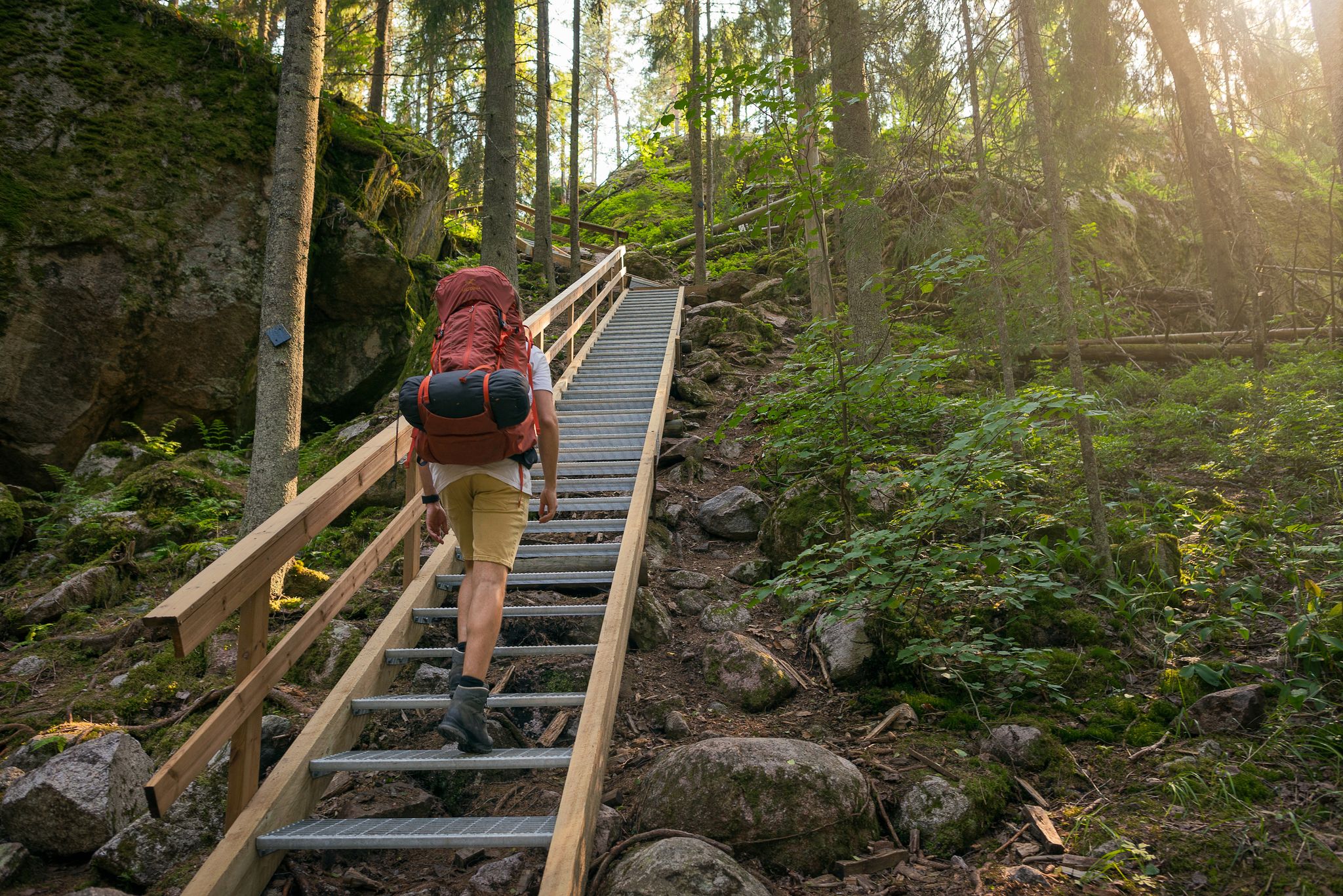
Hiking in Finland's south – the most beautiful trails and national parks
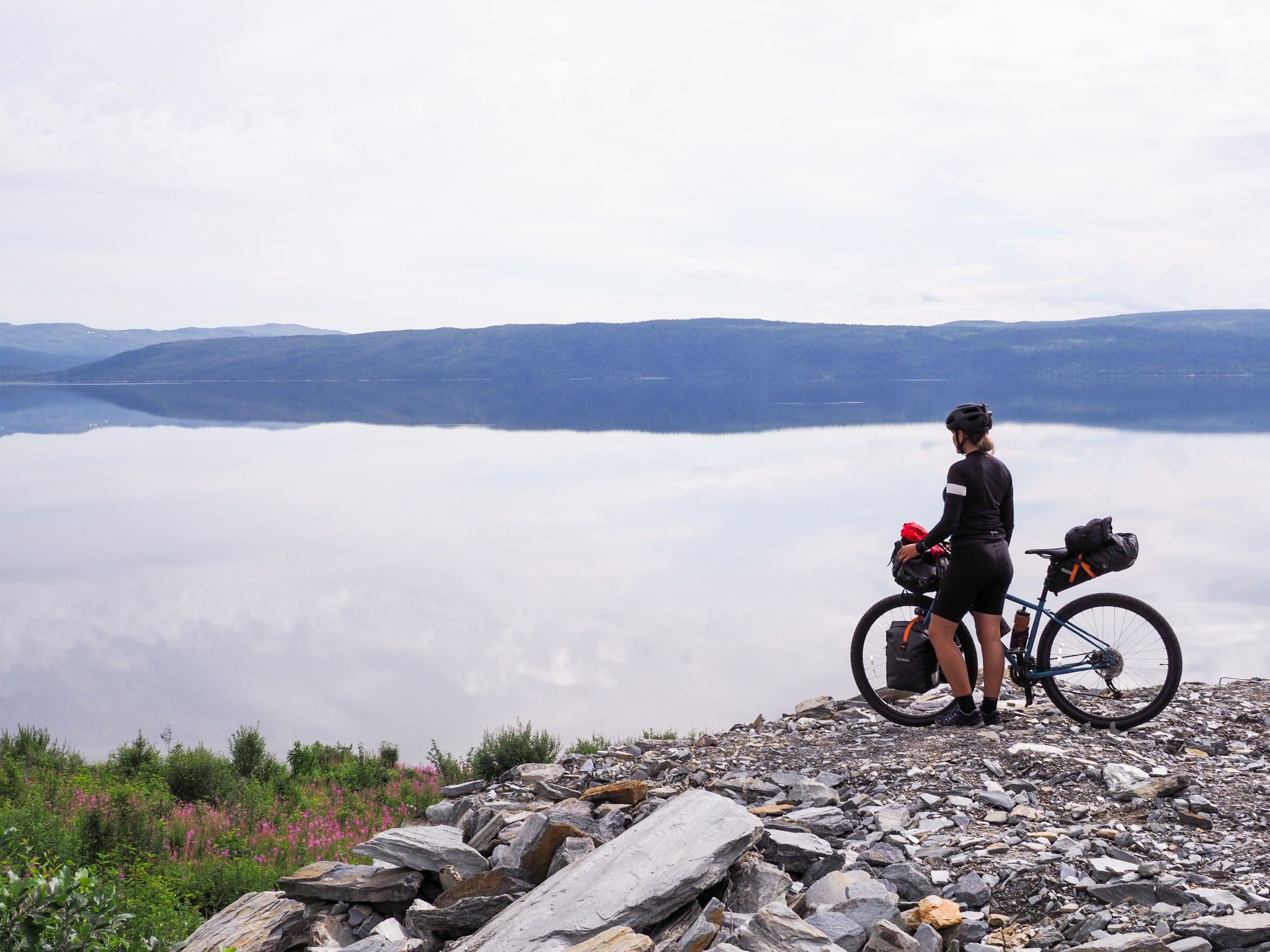
Crisscross through Sweden 🚴🏼
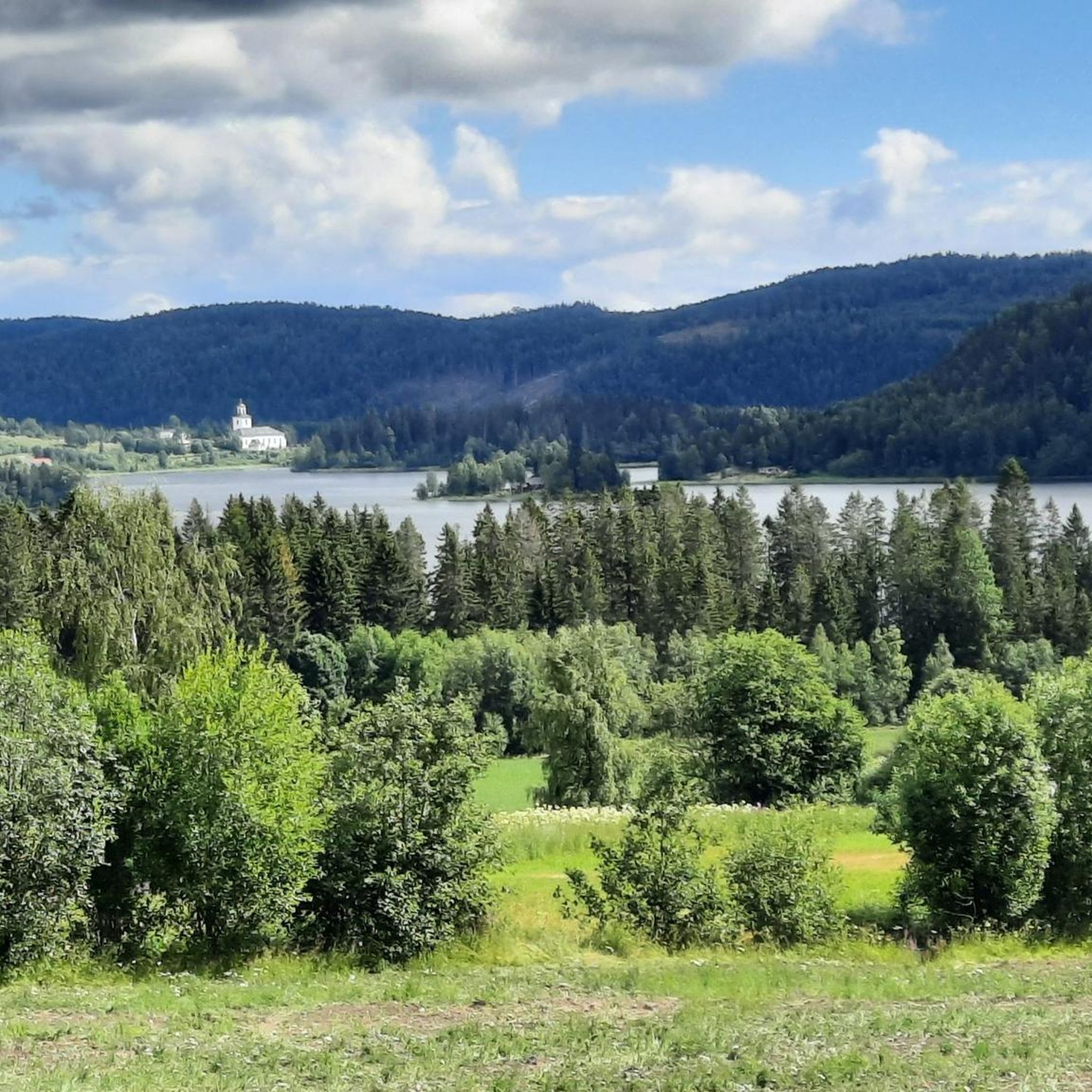
Hiking in Haute Côte / Archipel De Kvarken
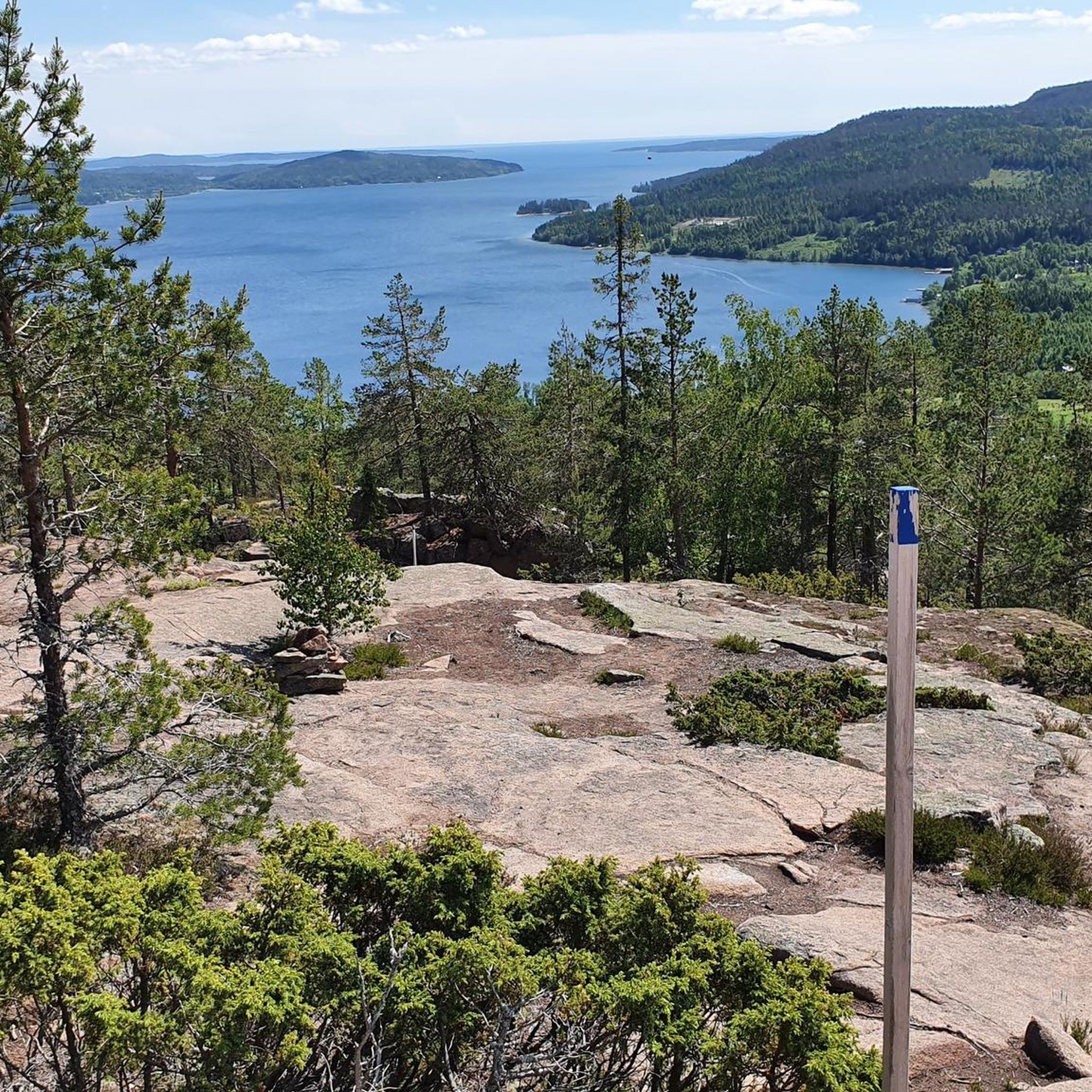
Cycling in Haute Côte / Archipel De Kvarken
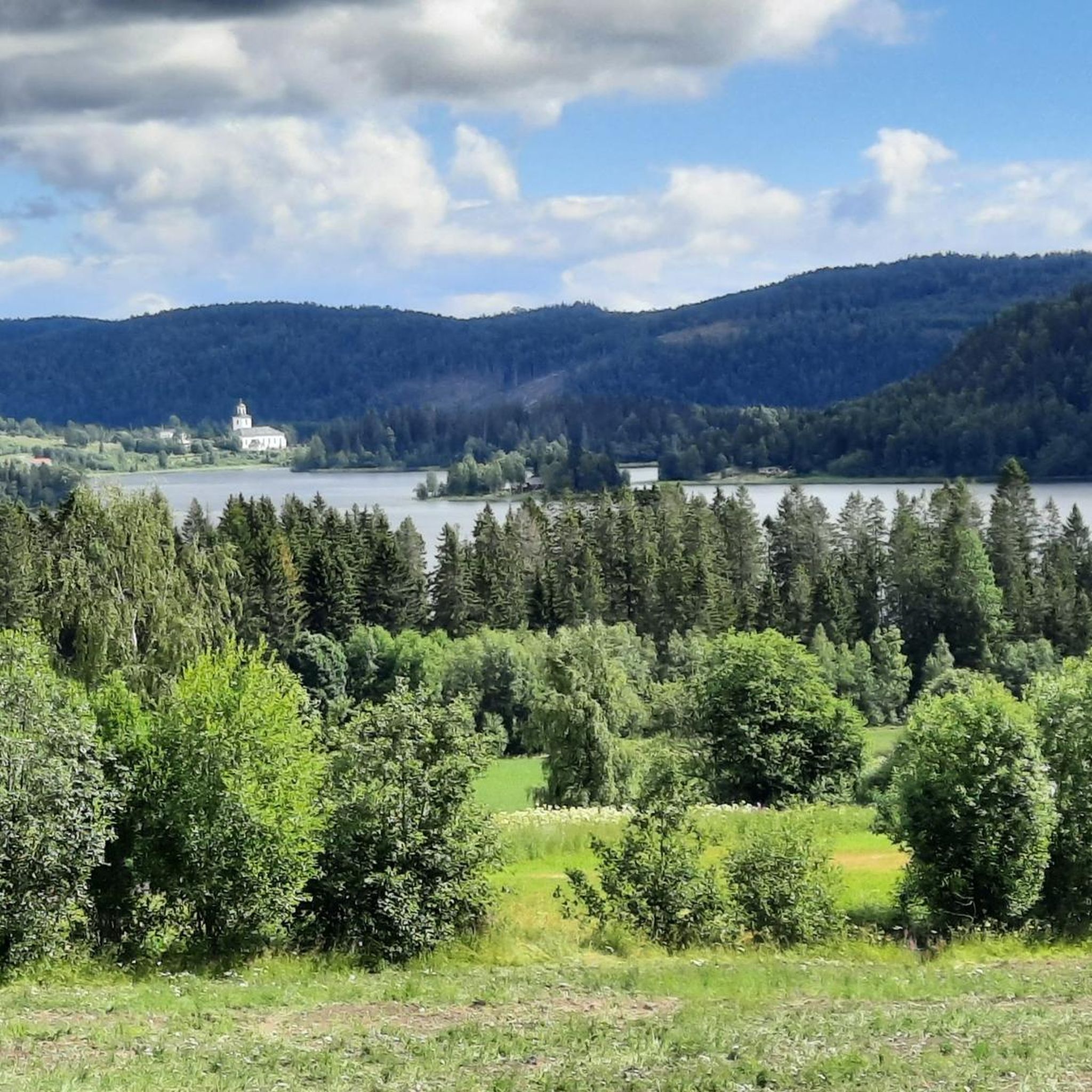
Road Cycling Routes in Haute Côte / Archipel De Kvarken
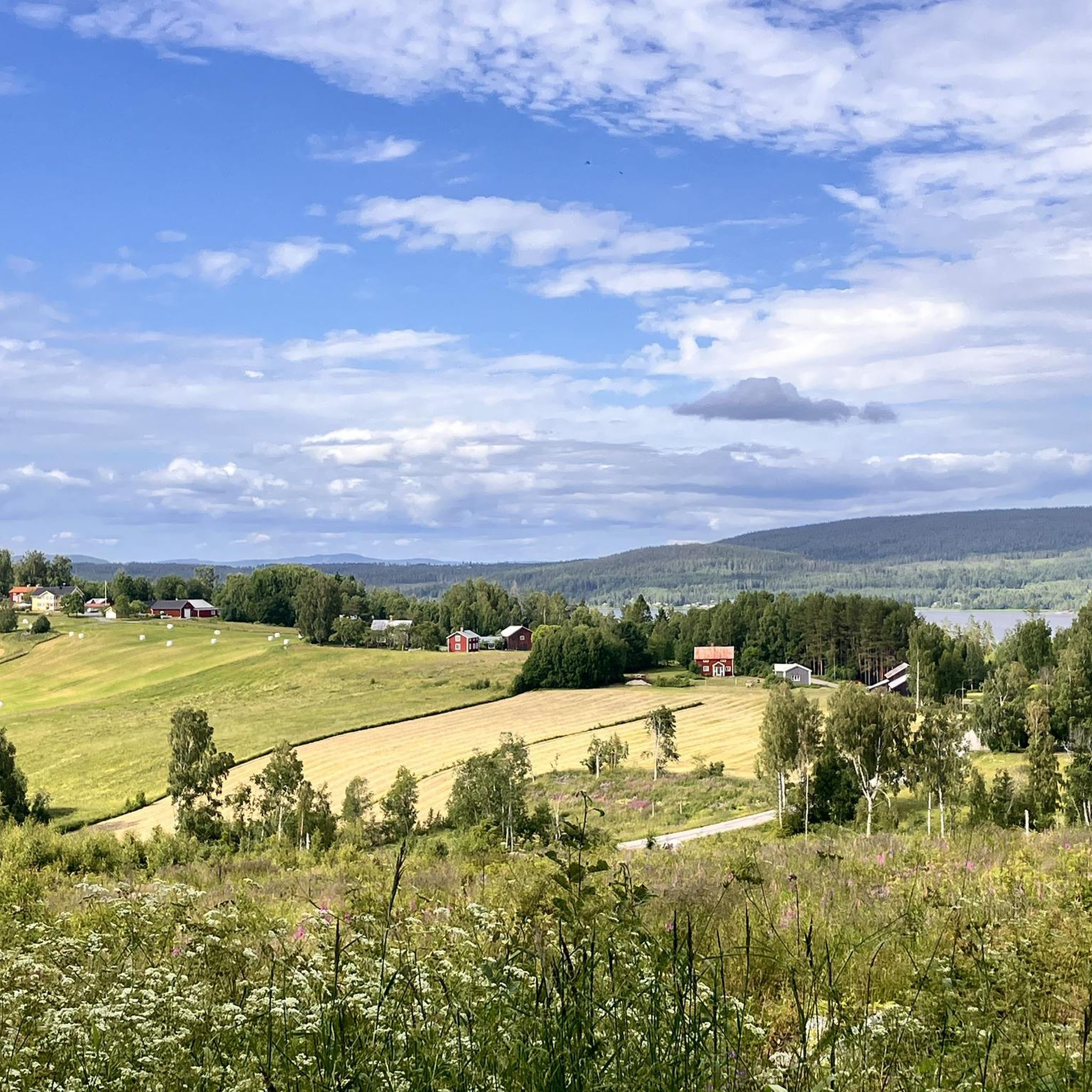
Running Trails in Haute Côte / Archipel De Kvarken
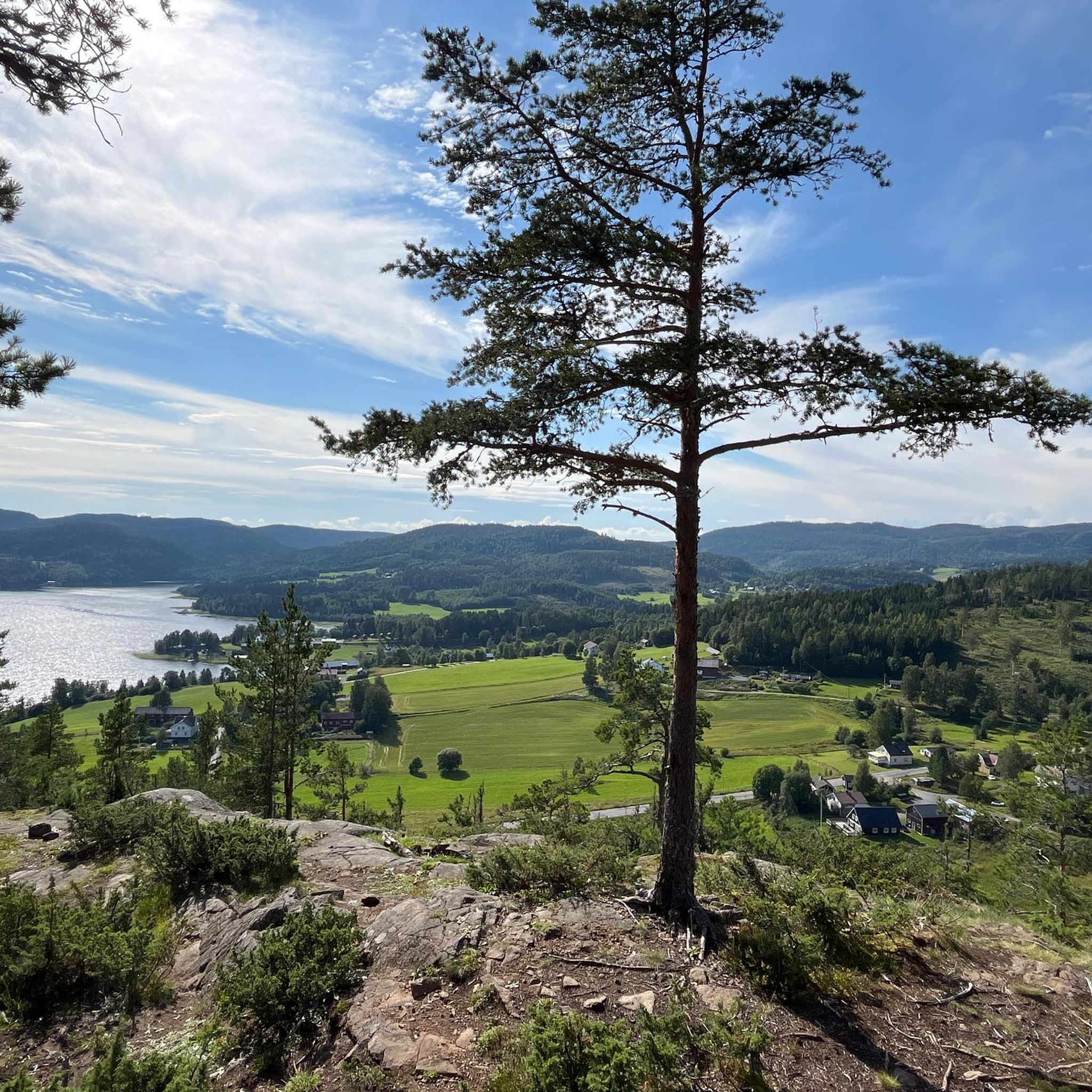
MTB Trails in Haute Côte / Archipel De Kvarken

Gravel biking in Haute Côte / Archipel De Kvarken

Mountain Hikes in Haute Côte / Archipel De Kvarken
Other adventures in Haute Côte / Archipel De Kvarken


Tips from the Community

Magnificent view over the archipelago in the Kvarken. We were lucky enough to get an introduction to the area from a guide.
1
0

The landscape is so beautiful and interesting. The climb is worth it.
0
0
Interesting landscape. You can walk on sodden planks nearby.
0
0

Spectacular view over the landscape.
2
0

The view from the observation tower is outstandingly beautiful! This nature is unique!
5
0
From the observation tower you have a fantastic view over the Kvarken archipelago in all directions!
5
0
An indescribably beautiful area for hiking and bird watching. The nature is great!
6
0

It is one of the most beautiful national parks, but the rocky sections are very challenging and not suitable for children under 10 years old. We also had to carry our little dog for a few short stretches. So please remember to wear proper footwear and bring plenty of water to drink. Our dog always had plenty of opportunities to drink natural water. A must for active hikers 🤩😍👍💕.
1
0
Frequently Asked Questions
What makes the Haute Côte / Archipel De Kvarken a unique natural monument region?
The Haute Côte / Archipel De Kvarken, also known as the High Coast / Kvarken Archipelago, is a UNESCO World Heritage Site renowned for its ongoing geological processes. It showcases the world's most rapid post-glacial land uplift, where the land is continuously rising from the sea, creating distinctive glacial landforms and a constantly changing landscape. This allows visitors to witness Earth's geological evolution in human timescales.
What are some of the most impressive natural features to see in the Swedish High Coast part of the region?
The Swedish High Coast offers dramatic landscapes. Highlights include Slåttdalsskrevan Gorge, a deep cleft in Skuleskogen National Park with towering rock walls, and the extensive stone fields nearby. Skuleberget mountain is another iconic landmark, known for its panoramic views and the world record for the highest ancient coastline. You can also visit Rotsidan Nature Reserve with its smooth, wind-polished cliffs.
What are the key natural monuments to explore in the Finnish Kvarken Archipelago?
In the Finnish Kvarken Archipelago, a must-see is the Saltkaret Observation Tower in Svedjehamn, offering fantastic views of the unique De Geer moraines and the effects of land uplift. The Valsörarna (Valassaaret) Islands are significant for birdwatching, being an important stopover for migrating birds. The entire archipelago itself is a dynamic natural monument, with new islands constantly emerging and bays transforming into lakes due to the rising land.
Are there family-friendly natural monuments in Haute Côte / Archipel De Kvarken?
Yes, several natural monuments are suitable for families. Svedjehamn Harbor in the Kvarken Archipelago is considered family-friendly and offers insights into the region's history and land uplift. The base of Skuleberget mountain in Sweden has the Naturrum Visitor Center, providing educational information. Many trails in Skuleskogen National Park are also accessible for families, though some sections like the Steep Rocky Ascent are challenging and not recommended for children under 10.
What kind of geological processes can I observe in the region?
The region is a living laboratory for geological processes. You can directly observe the effects of post-glacial land uplift, which causes the land to rise by 8-9 millimeters annually. This leads to new islands emerging, existing islands merging, and bays transforming into 'flads' (lagoons) and then 'glo-lakes' (freshwater lakes). The distinctive De Geer moraines in Kvarken are also clear evidence of the melting continental ice sheet from the last Ice Age.
What outdoor activities can I do near these natural monuments?
The region offers a variety of outdoor activities. You can find numerous cycling routes, such as the 'Ullånger loop' or 'High Coast Cycle Route 15 Loop', which you can explore further in the Cycling in Haute Côte / Archipel De Kvarken guide. For runners, there are trails like the 'Herrestaberget loop' or 'Långtjärnen – Tärnättvattnen loop', detailed in the Running Trails in Haute Côte / Archipel De Kvarken guide. Mountain biking enthusiasts can find routes like the 'Nora Church loop' in the MTB Trails in Haute Côte / Archipel De Kvarken guide.
Are there challenging hiking trails in the natural monument areas?
Yes, the region offers challenging hiking experiences. For instance, the Slåttdalsskrevan Gorge and the Stantadalskrevant Stone Fields in Skuleskogen National Park are known for their difficult terrain, requiring good footwear. The Steep Rocky Ascent in Skuleskogen National Park is particularly demanding, involving climbing through a very steep, rocky, and narrow gorge, but rewards hikers with significant views.
What is the best time to visit the natural monuments in Haute Côte / Archipel De Kvarken?
The best time to visit largely depends on your preferred activities. Summer (June-August) is ideal for hiking, sunbathing at places like Rotsidan, and enjoying boat trips to islands like Ulvön and Trysunda. Spring and autumn offer excellent birdwatching opportunities, especially at Valsörarna Islands, and the landscapes are beautiful with changing foliage. Winter provides unique opportunities for snow-based activities, though accessibility to some natural monuments might be limited.
Can I find historical or cultural sites alongside the natural monuments?
Yes, the region's natural history is intertwined with its cultural heritage. Ulvön and Trysunda islands, for example, feature charming old fishing villages with traditional red boathouses, offering a glimpse into local culture and historical significance, including Ulvön's fame as the home of fermented herring. Svedjehamn Harbor also provides insights into how the ongoing land uplift has impacted human settlements and activities over time.
What do visitors enjoy most about the natural monuments in Haute Côte / Archipel De Kvarken?
Visitors frequently praise the breathtaking views and the unique geological insights. The Saltkaret Observation Tower is highlighted for its fantastic panoramic views over the Kvarken archipelago and the ice age moraines. Hikers appreciate the challenging yet rewarding trails, such as those in Skuleskogen National Park, where the effort is met with stunning vistas. The overall experience of witnessing the Earth's dynamic processes firsthand is a major draw.
Are there any natural monuments that are wheelchair accessible?
Yes, the Saltkaret Observation Tower in Svedjehamn, Kvarken Archipelago, is noted as wheelchair accessible. This allows visitors with mobility challenges to enjoy the fantastic views over the archipelago and observe the unique De Geer moraines and the effects of ongoing land uplift.
Where can I find the best viewpoints in the Haute Côte / Archipel De Kvarken region?
For sweeping views, Saltkaret Observation Tower in the Kvarken Archipelago offers panoramic vistas of the moraine landscape and newly emerging islands. In the High Coast, the peak of Slåttdalsberget within Skuleskogen National Park provides extensive views of the wilderness. Skuleberget mountain also offers breathtaking panoramic views, accessible via hikes or its Via Ferrata routes.
Can I bring my dog to the natural monuments?
While specific dog policies vary by location, national parks like Skuleskogen generally allow dogs on trails, often requiring them to be on a leash. Some challenging sections, such as the Steep Rocky Ascent in Skuleskogen National Park, may require carrying smaller dogs due to the very steep and rocky terrain. It's always advisable to check local regulations for specific reserves or islands before your visit.
Most popular routes in Haute Côte / Archipel De Kvarken
Most popular attractions in Haute Côte / Archipel De Kvarken

Get inspired with the komoot mobile app


Explore more
Extend your search for the best caves by checking out these guides of the top ones in Haute Côte / Archipel De Kvarken:
