Top 6 Natural Monuments in Pays Des Collines Natural Park
Best natural monuments in Pays Des Collines Natural Park are characterized by undulating terrain, wooded hills, groves, and bocage landscapes. These distinctive "hills" are formed by ferruginous sandstone, offering picturesque views and gentle elevation. The park features extensive woodlands and bocage, providing rich biodiversity and tranquil environments for nature walks. Its preserved landscapes offer accessible outdoor recreation and diverse natural scenery.
Best natural monuments in Pays Des Collines Natural Park
- The most popular natural monuments is Kluisberg - Mont de…
Last updated: May 31, 2026
Livierenbos
Highlight • Forest
Translated by Google •
Tip by

Kluisberg - Mont de l'Enclus
Highlight • Monument
Translated by Google •
Tip by
Sign up now to discover places like this
Get recommendations on the best single tracks, peaks, & plenty of other exciting outdoor places.
Sign up for free
Translated by Google •
Tip by

Coupure Deweer
Highlight (Segment) • Lake
Translated by Google •
Tip by

The House of Medicinal Plants of Flobecq
Highlight • Natural Monument
Translated by Google •
Tip by

Sign up for free to discover even more natural monuments in Pays Des Collines Natural Park.
Sign up for free
Already have an account?
Start today with a free account
Your next adventure awaits.
Login or Signup
Popular around Pays Des Collines Natural Park
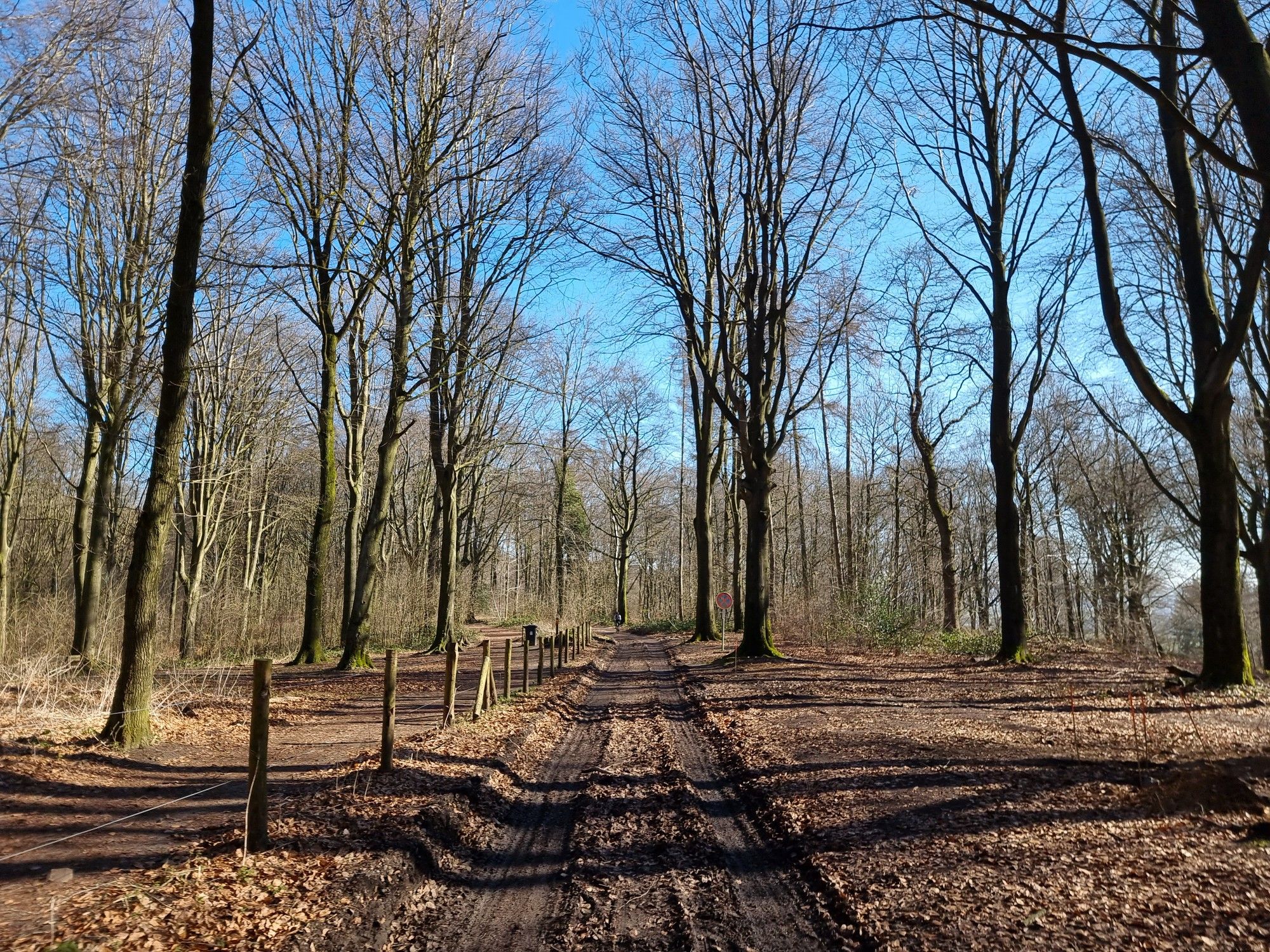
Grande Randonnée GRavel — Western Hainaut
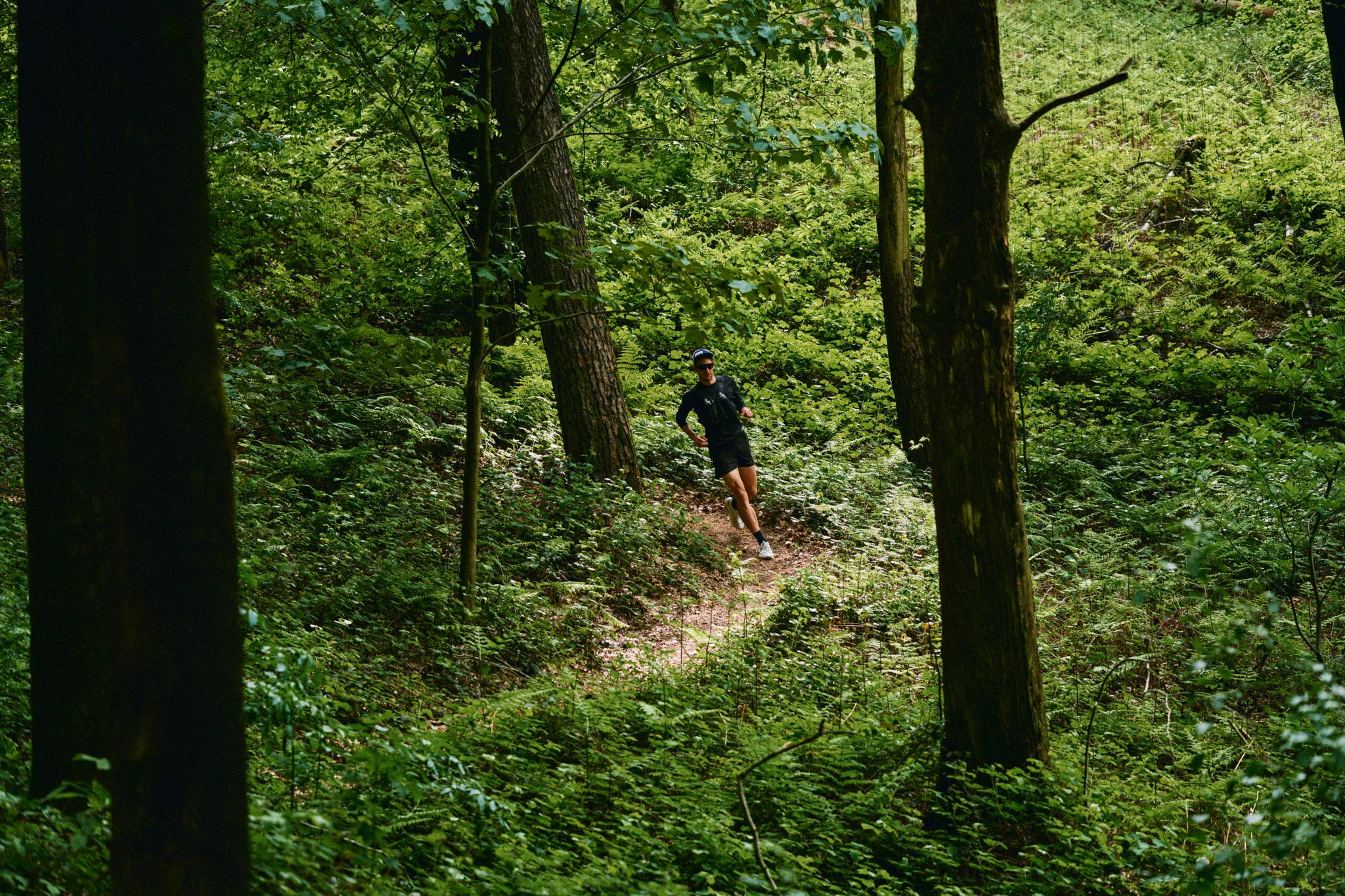
Through forests and fields – trail running in the Flemish Ardennes
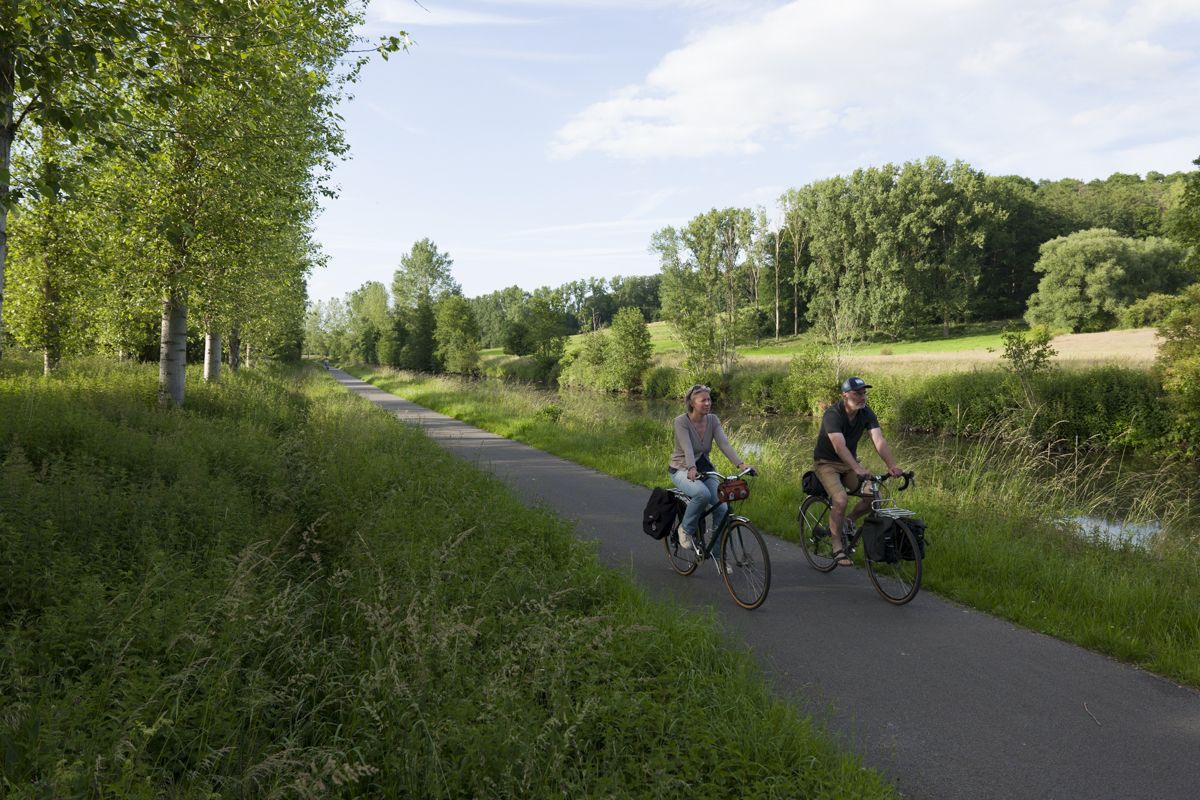
Cycling from Bethuné to Brussels – Eurovelo 5
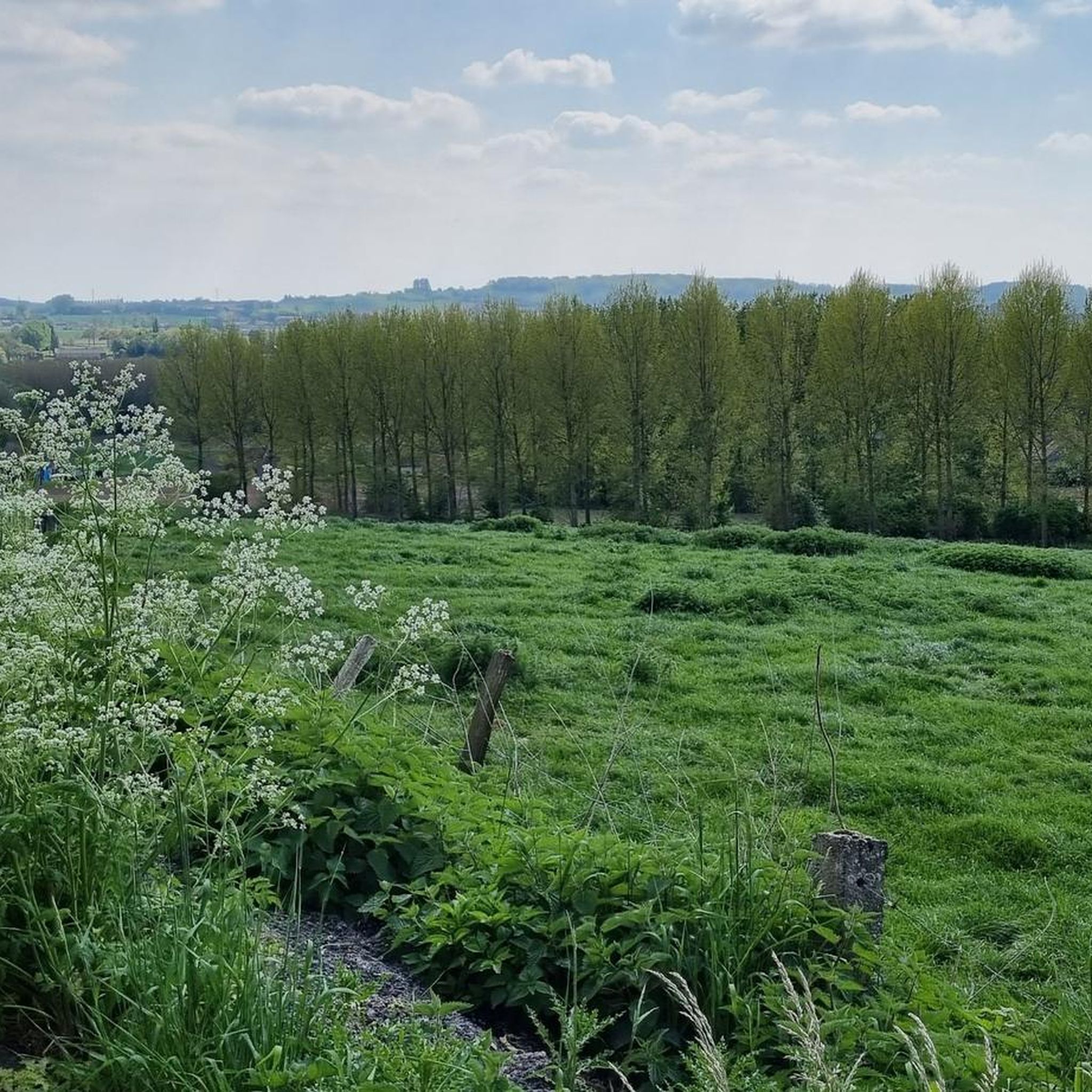
Hiking in Pays Des Collines Natural Park
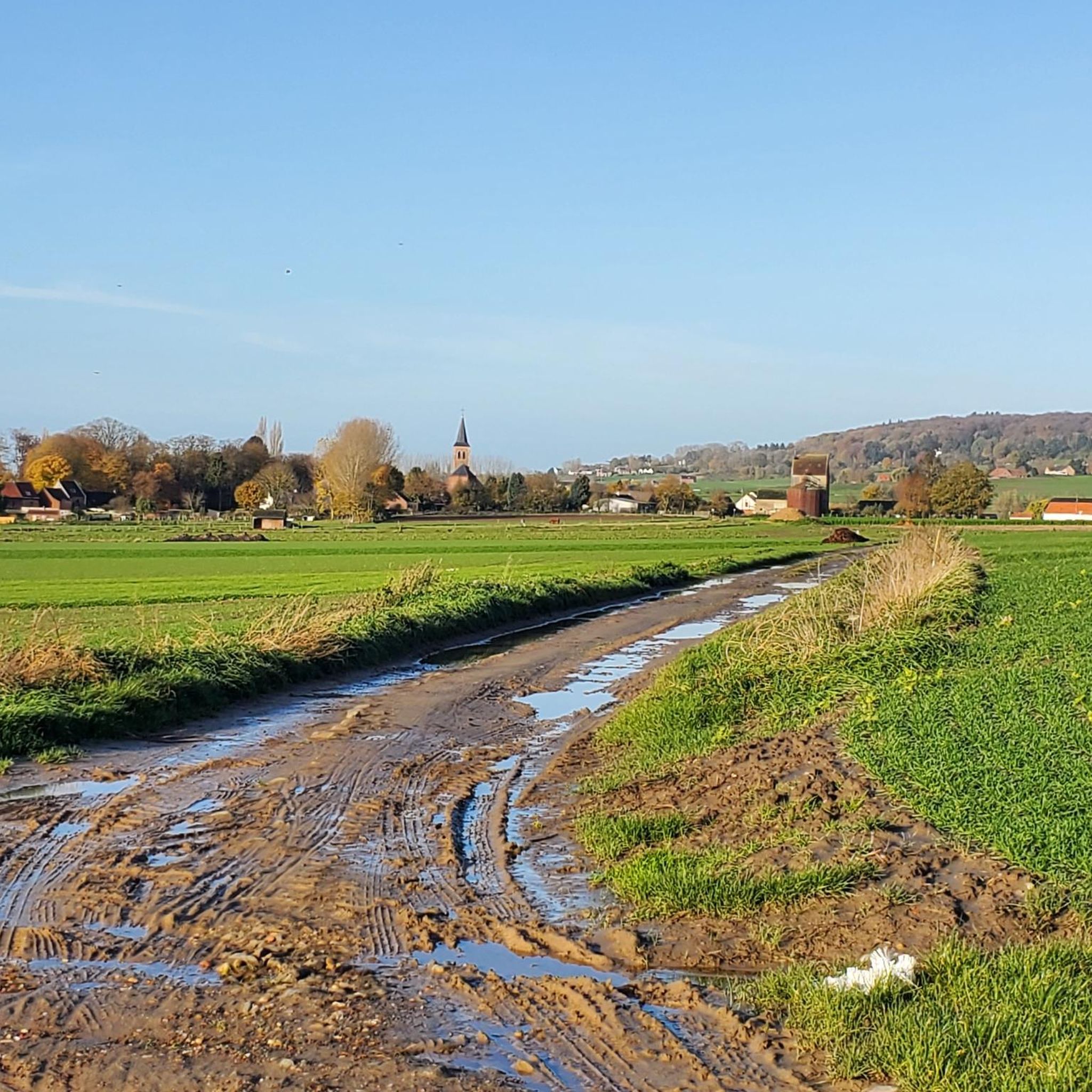
Running Trails in Pays Des Collines Natural Park
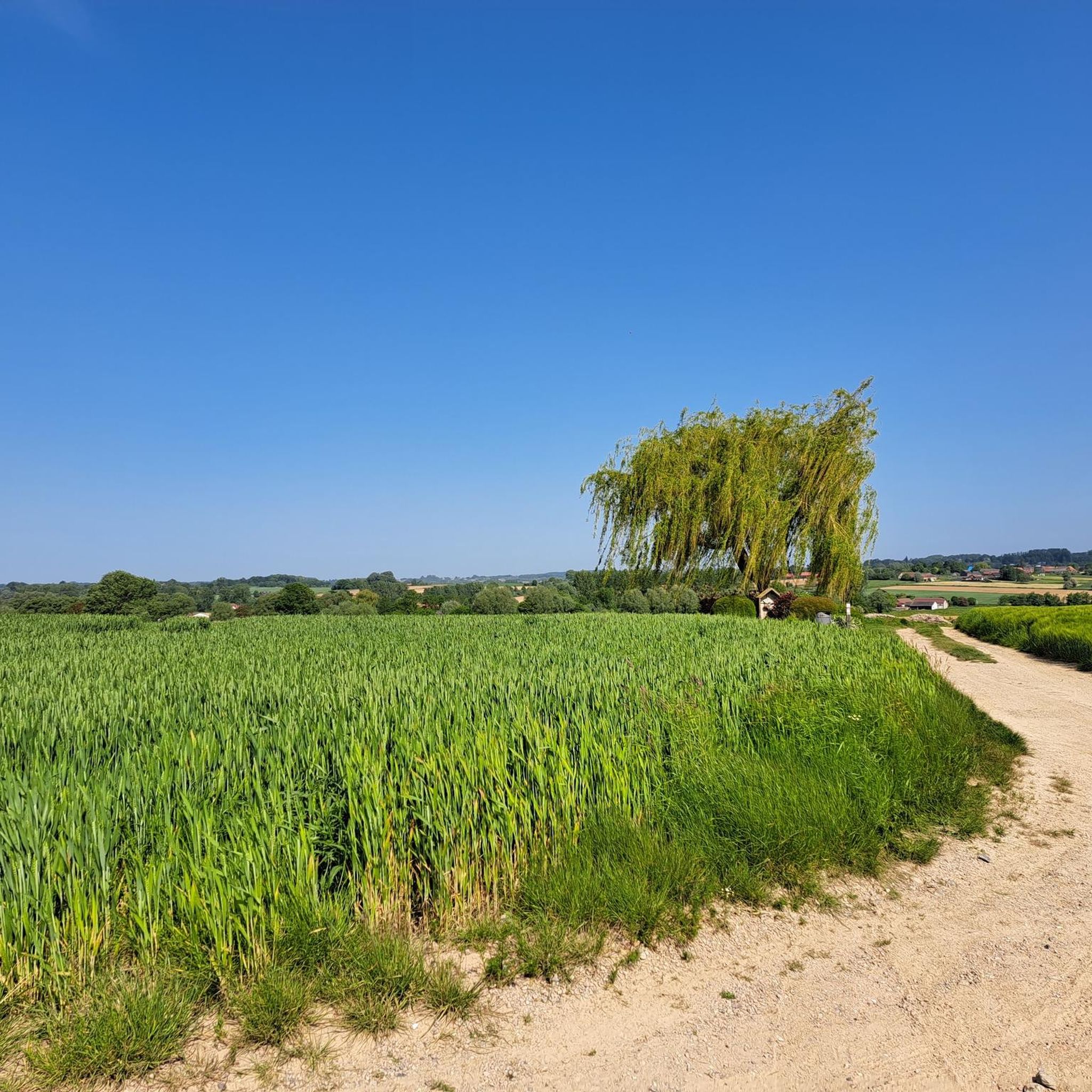
MTB Trails in Pays Des Collines Natural Park
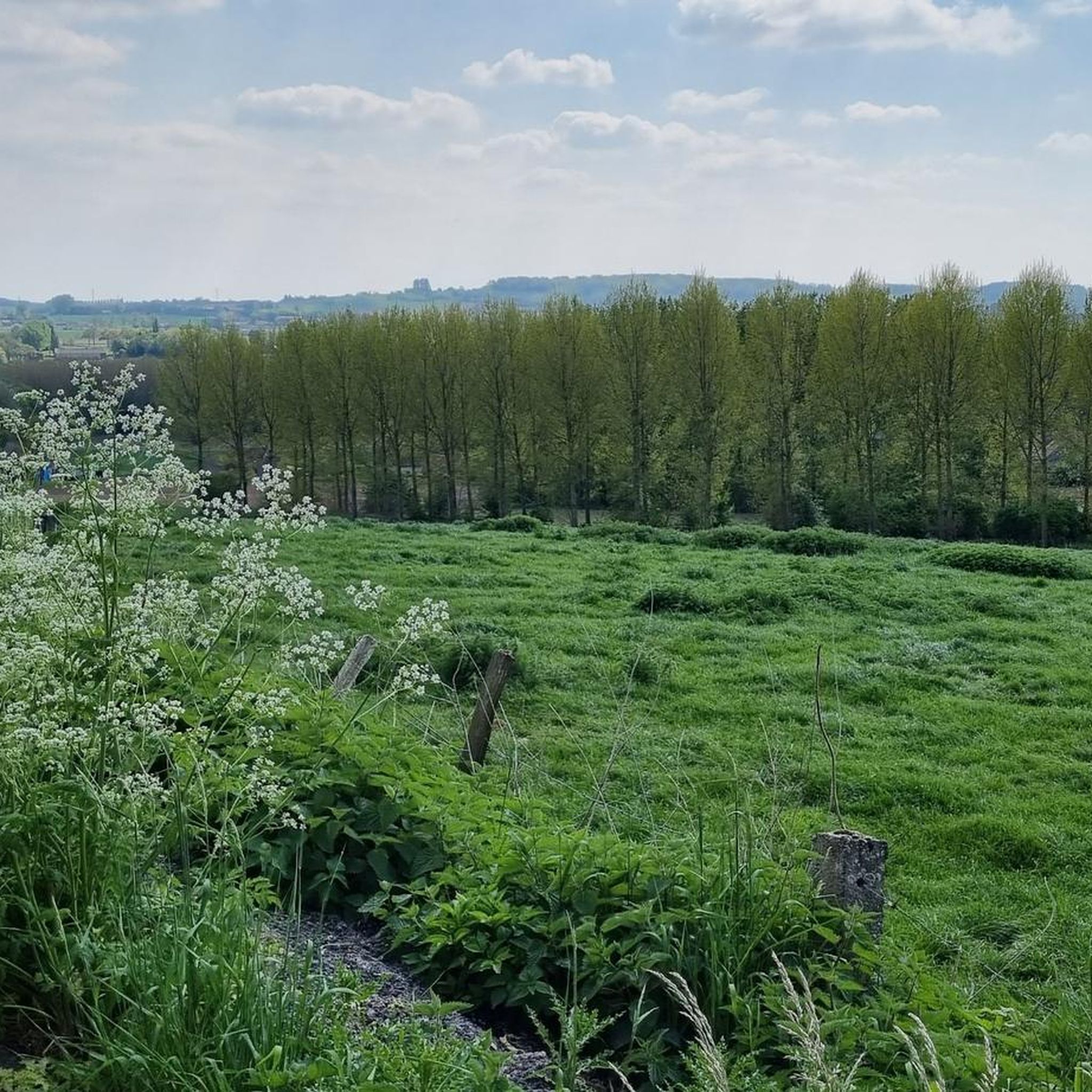
Cycling in Pays Des Collines Natural Park
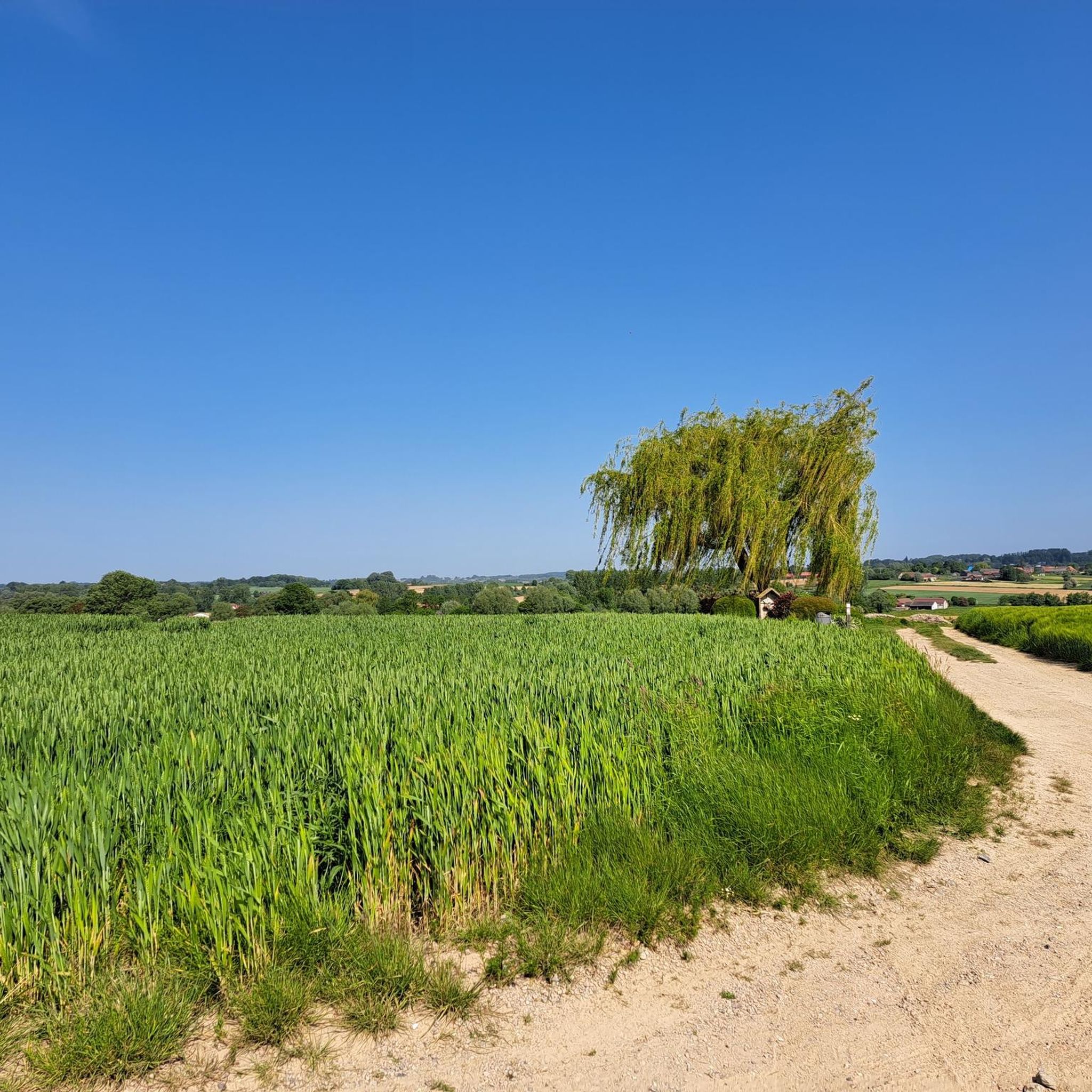
Road Cycling Routes in Pays Des Collines Natural Park

Gravel biking in Pays Des Collines Natural Park


Tips from the Community

In the Kluisbos - on top of the 141-meter-high Kluisberg - you'll never run out of walking or cycling opportunities. This is the largest forest in the Flemish Ardennes.
4
0

Superb forest path, in relatively good condition and with a gentle slope. Be careful, it can be quite slippery when it's wet.
1
0

Away from the hustle and bustle. Enjoy the mystical Livierenbos. The mystical Livierenbos is a large old forest with open spaces located on the border of the Flemish Ardennes and Pays des Collines. In this large forest, too, the bluebell is the main character every year in April. Historical significance: the name of the forest – in French Bois de la Louvière – is Romanesque in origin and refers to the presence of wolves. Wolves lived in the forest until the 17th century, which regularly led to fierce hunts. With the knowledge of the past (werewolves) and the possible appearance of flying witches, it is doubly enjoyable and we stroll dreamily along blue-purple carpets through the present.
7
0
The mystical Livierenbos is a large old forest with open spaces located on the border of the Flemish Ardennes and Pays des Collines. In this large forest, too, the bluebell is the main character every year in April. Historical significance: the name of the forest – in French Bois de la Louvière – is Romanesque in origin and refers to the presence of wolves. Wolves lived in the forest until the 17th century, which regularly led to fierce hunts. With the knowledge of the past (werewolves) and the possible appearance of flying witches, it is doubly enjoyable and we stroll dreamily along blue-purple carpets through the present.
3
2


A remarkable journey due to its landscapes, its relief, its fields and its farms
1
0

Very nice to have a drink on a terrace and recover from the climb
4
0

Mont de l'Enclus or Kluisberg is a hill located in the Flemish Ardennes, on the border of Flanders and Wallonia, which rises to 141 meters. A popular destination for cycling, tourism and recreation, the hill has a built-in tower. Two thirds of the area is in Kluisbergen. The Kluisbos stands out at the top of the Kluisberg! This 141 meter high mountain is one of the jewels of the Flemish Ardennes. Precious nature, magnificent views, sights and leisure activities for little nature lovers make it an ideal destination for young and old.
1
0
Frequently Asked Questions
What kind of natural features define the Pays des Collines Natural Park?
The Pays des Collines Natural Park is characterized by its undulating terrain, featuring wooded hills, groves, and bocage landscapes. These distinctive 'hills' are formed by ferruginous sandstone, offering picturesque views and gentle elevation. The park also boasts extensive woodlands and diverse flora, providing rich biodiversity and tranquil environments for nature walks.
Are there specific hiking trails to explore the natural monuments in Pays des Collines?
Yes, the park offers a network of trails that highlight its natural features and local folklore. A popular option is the Witches’ Trail – Sculpture Route, a 5.5 km easy hike that explores unique natural features and incorporates sculptures. You can also find trails like the 'Love Trail' and the 'Medicinal Plant Trail' mentioned in the region's research, which offer varied scenery and educational experiences.
What is the difficulty level of trails around the natural monuments?
The Pays des Collines Natural Park is known for its gently rolling hills, making many trails accessible. For instance, the Witches’ Trail is considered an easy hike suitable for various fitness levels. While some routes might have moderate sections, the overall terrain is generally manageable for most visitors.
What are some unique natural monuments or features to visit in the park?
Beyond the iconic hills, you can visit Coupure Deweer, a serene lake formed by a cut-off arm of the Scheldt, known for its delicate balance of aquatic life. Another unique spot is The House of Medicinal Plants of Flobecq, which features a garden with over 100 species of plants and a 4.5 km nature trail dotted with sculptures.
Are there any viewpoints offering scenic vistas of the Pays des Collines?
The 'hills' themselves, such as Kluisberg - Mont de l'Enclus, provide picturesque views from their summits. While a historic lookout tower on Kluisberg is closed, the elevation of 141 meters still offers great perspectives of the surrounding lowlands and the diverse landscape of the park.
What outdoor activities can I do near the natural monuments in Pays des Collines Natural Park?
The park is ideal for various outdoor activities. You can enjoy road cycling on routes like the 'Bourliquet Climb' or 'Les Plachettes Climb', or explore the area by touring bicycle with routes such as 'Le RAVeL des Collines'. Gravel biking is also popular, with options like the 'La Houppe Chapel – RAVeL along the Dender loop'. For more details on these and other routes, you can check the dedicated guides for Road Cycling, Cycling, and Gravel Biking in the region.
Are the natural monuments and trails in Pays des Collines Natural Park family-friendly?
Many areas and trails within the park are suitable for families. For example, the Witches’ Trail is highly recommended for families with children, offering an imaginative and adventurous walk with sculptures. Coupure Deweer and The House of Medicinal Plants of Flobecq are also noted as family-friendly destinations.
What is the best time of year to visit the natural monuments in Pays des Collines Natural Park?
The Pays des Collines Natural Park offers beauty throughout the seasons. Spring brings blooming flora, while summer provides pleasant weather for hiking and cycling. Autumn transforms the wooded landscapes with vibrant colors, and even winter offers tranquil, moss-covered environments. The rolling topography and varied landscapes are enjoyable year-round, depending on your preferred activities and weather conditions.
What do visitors enjoy most about the natural monuments in Pays des Collines Natural Park?
Visitors frequently praise the park's preserved landscapes and the unique experiences offered by its trails. The Witches’ Trail, for instance, is loved for its 'magnificent course' and 'many sculptures', creating an 'exciting, fascinating and mysterious' adventure for both children and adults. The overall natural beauty and accessible outdoor recreation are highly appreciated by the komoot community.
Are there any historical or cultural elements intertwined with the natural monuments?
Yes, the region has a rich history and folklore. The Witches’ Trail draws on local legends and the mystical reputation of the area. Additionally, the Giant Liedericq sculptures tell a legend connected to the Kluisberg, relating to the ancestor of the Counts of Flanders. The House of Medicinal Plants of Flobecq also delves into the historical use of therapeutic herbs in the region since antiquity.
Where can I find more information about the Pays des Collines Natural Park?
For additional information about the Pays des Collines Natural Park, including details on its attractions and activities, you can visit the official tourism website for Wallonia: visitwallonia.com.
Most popular routes in Pays Des Collines Natural Park
Most popular attractions in Pays Des Collines Natural Park

Get inspired with the komoot mobile app


Explore more
Extend your search for the best caves by checking out these guides of the top ones in Pays Des Collines Natural Park:
