Top 14 Natural Monuments in Burdinale-Mehaigne Natural Park
Natural monuments in Burdinale-Mehaigne Natural Park are situated within a diverse landscape where agricultural plains meet wooded valleys and wetlands. This region, located in the Hesbaye area of Belgium, spans over 11,000 hectares and features a confluence of oceanic and continental climates. The park's natural features include river valleys, forests, and unique geological sites, supporting a rich array of biodiversity. These natural monuments offer insights into the region's geology, ecology, and historical interaction with the landscape.
Best natural monuments in Burdinale-Mehaigne Natural Park
- The most popular natural monuments is Moha Castle, a castle that served as a defense for the region and offers views of its ruins. This medieval feudal castle is built on a rock at the confluence of the Mehaigne and Fosseroule rivers.
- Another must-see spot is Tree Frog Fountain, a man-made monument located on the edge of a protected wetland area. These marshy meadows play a role in water regulation and support a variety of typical fauna and flora.
- Visitors also love Champia Wood, a forest nature reserve known for its biodiversity in plants, birds, and special bee species. This rolling landscape features forests, hedges, shrubs, and meadows.
- Burdinale-Mehaigne Natural Park is known for its diverse landscapes, including forests, wetlands, and geological formations. The park offers a variety of natural monuments to see and explore, from ancient burial mounds to active quarries.
- The natural monuments in Burdinale-Mehaigne Natural Park are appreciated by the komoot community, with more than 270 upvotes and over 170 photos shared.
Last updated: May 15, 2026
Moha Castle
Highlight • Castle
Translated by Google •
Tip by

Quarry Lake in Parc Naturel Burdinale-Mehaigne
Highlight • Lake
Translated by Google •
Tip by

Sign up now to discover places like this
Get recommendations on the best single tracks, peaks, & plenty of other exciting outdoor places.
Sign up for free
Tree Frog Fountain
Highlight • Monument
This fountain is topped with a frog, a tree frog, as its name suggests. It is located on the edge of a “wet zone”, a marshy meadow. These wetlands are protected because they are disappearing (industrialization, urban pressure, pollution, etc.).
On the one hand, they have a primordial regulatory role: they store water during heavy rains, and redistribute it during periods of drought.
On the other hand, their particular biotope means that they are full of fairly typical fauna and flora.
Translated by Google •
Tip by

Champia Wood
Highlight • Forest
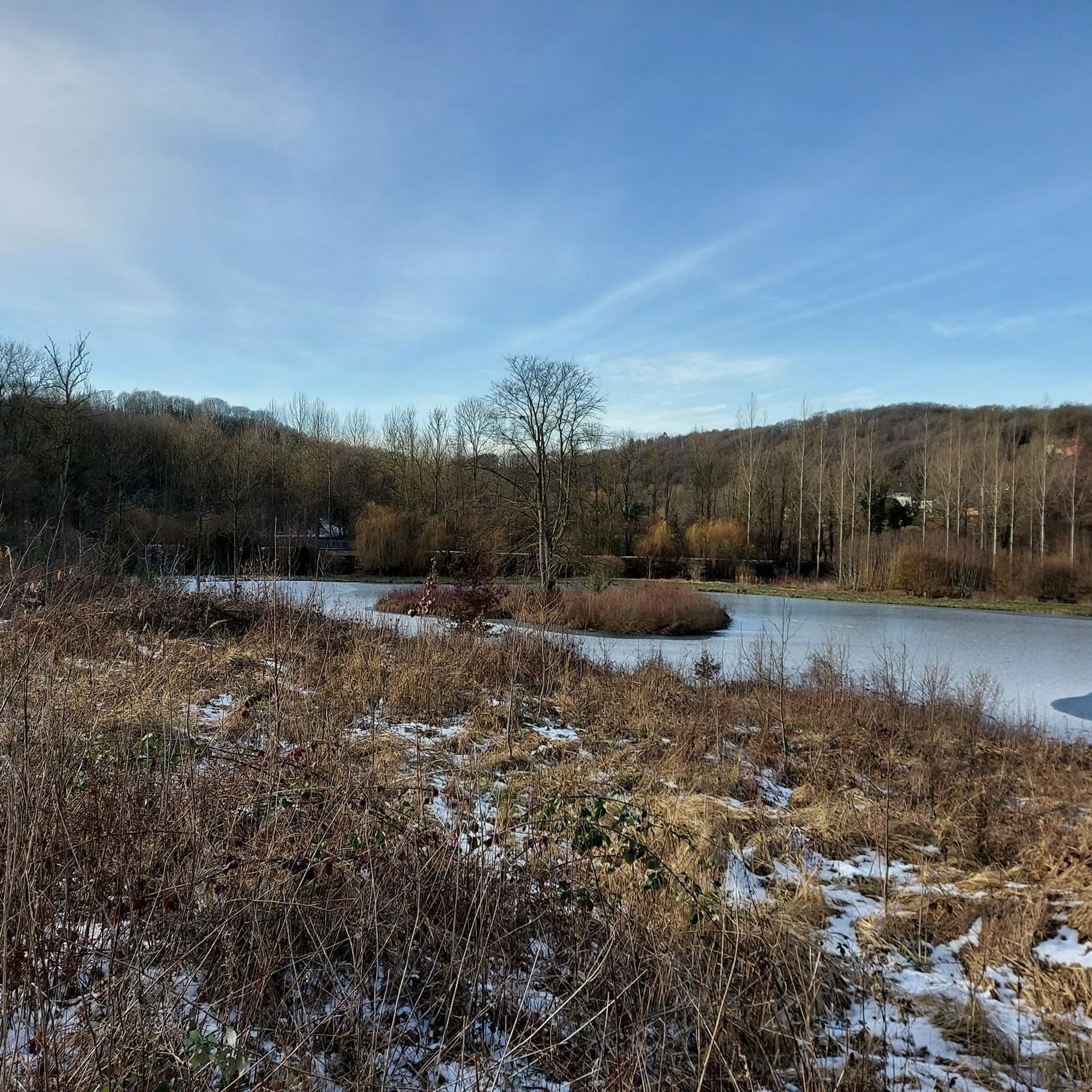
The winter sun on the low, frosted hillsides created a magical effect.
Translated by Google •
Tip by

Vissoul Tumulus
Highlight • Historical Site
In Gallo-Roman times, many tumuli were erected to serve as burial grounds for wealthy owners. They are generally established along roads and on heights, and were later used as observation posts. About sixty are still visible in Hesbaye.
The tomb was dug into the ground, then surrounded by a wooden or stone vault into which the ashes and remains of the funeral pyre were poured and where dishes, jugs and perfume bottles were placed. The mound was then erected. Most are between 3 and 8 meters high, but some reached 15 meters.
The Vissoul tumulus bears witness to a Gallo-Roman necropolis from the 1st century AD. It is said to have been looted during the passage of Louis XIV's troops at the end of the 17th century.
Translated by Google •
Tip by

Sign up for free to discover even more natural monuments in Burdinale-Mehaigne Natural Park.
Sign up for free
Already have an account?
Start today with a free account
Your next adventure awaits.
Login or Signup
Popular around Burdinale-Mehaigne Natural Park
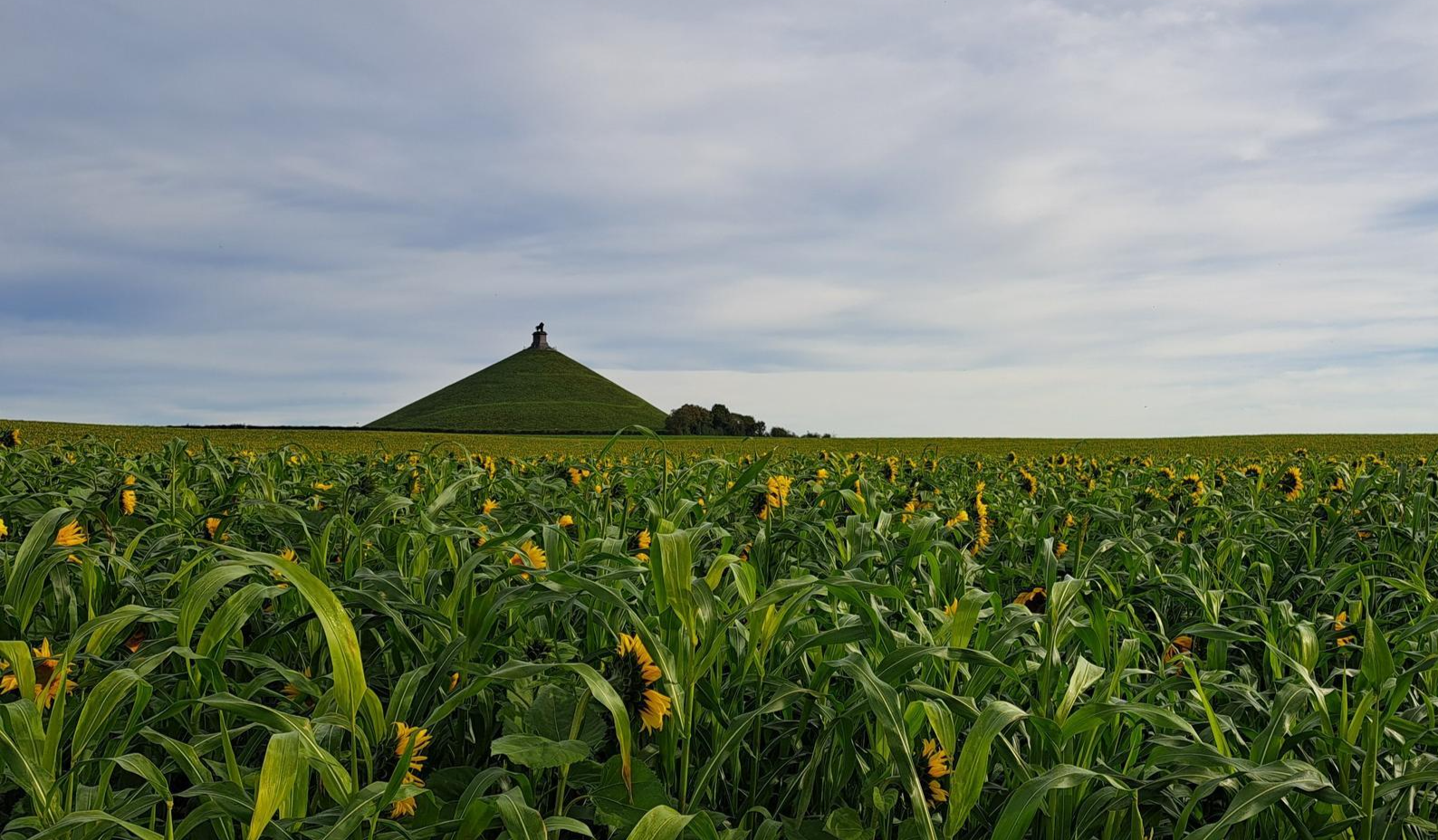
Crossing from east to west — Wallonia by Gravel
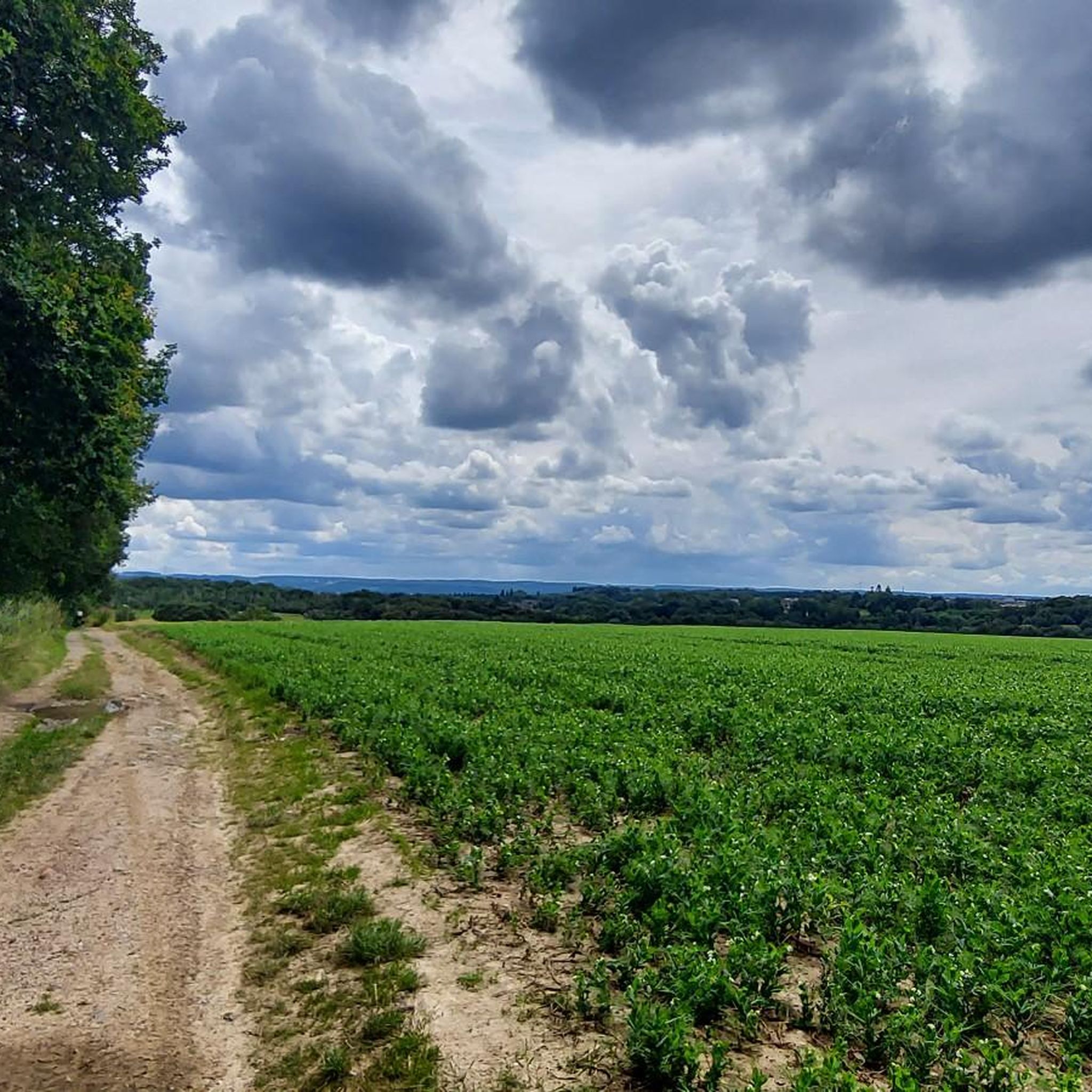
Hiking in Burdinale-Mehaigne Natural Park
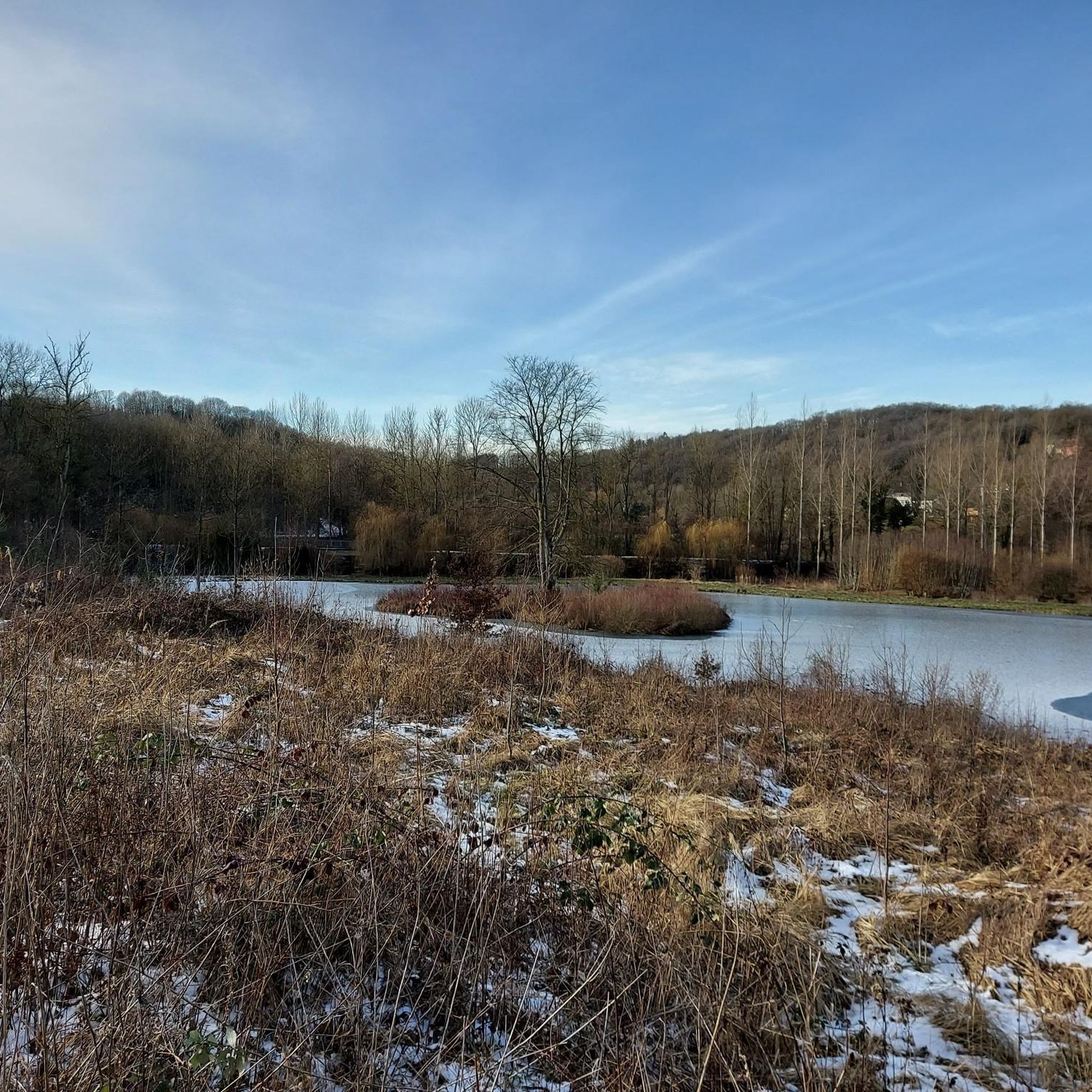
Running Trails in Burdinale-Mehaigne Natural Park
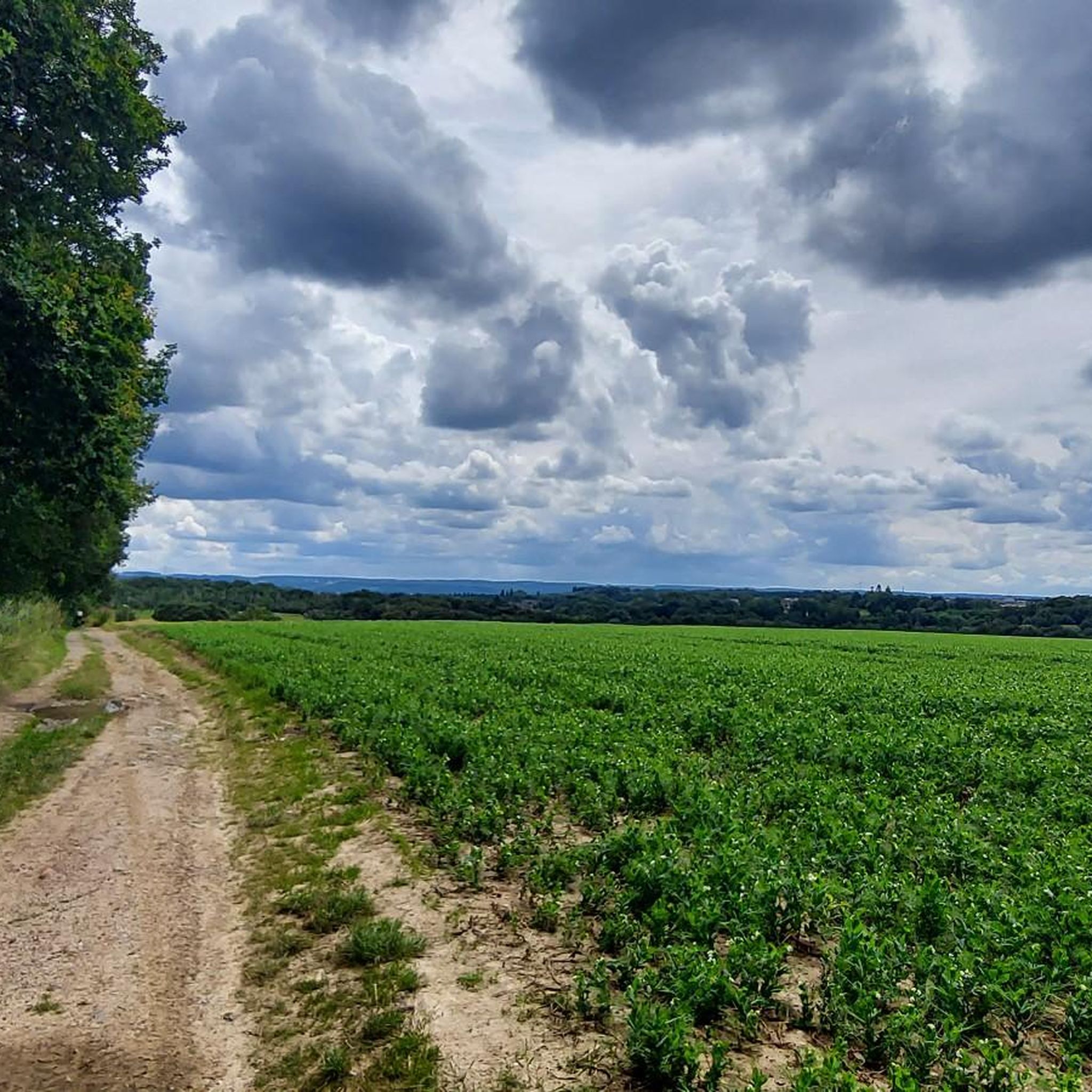
Cycling in Burdinale-Mehaigne Natural Park
MTB Trails in Burdinale-Mehaigne Natural Park
Road Cycling Routes in Burdinale-Mehaigne Natural Park

Gravel biking in Burdinale-Mehaigne Natural Park
Other adventures in Burdinale-Mehaigne Natural Park

Tips from the Community

Excavations are conducted year-round at Moha Castle, making it unique in Belgium. When I visited, two archaeologists were uncovering a wall that runs beneath the visible castle and likely dates back to the 12th century.
2
0
The castle is free to visit. At the foot of the rock, there's a visitor center where you can pick up a badge to open the gate. For €4, you can also get a brochure with information about the most important points. The castle is only open to visitors starting in April, but the friendly man at the visitor center let me in on February 27th... as far as you can even call it "inside" at this ruin ;-)
2
0
Quarries have been a major industry in this region for almost a century. In recent decades, further expansion projects have been planned here in Moha. These have repeatedly met with resistance from residents of neighboring Vinalmont, where the rural hamlets of Wanzoul and Roua are threatened by an expansion of the quarry's current infrastructure. During a public inquiry organized by the local government in 1997, the number of written protests (nearly 1,500) exceeded the total number of residents of Vinalmont (over 1,070). Source: Wikipedia
3
0

The exact origins of the medieval County of Moha remain unknown. It is likely that the county was formed during the fragmentation of the Carolingian Empire and the Hesbaye region at the end of the 9th century. The first known count, Albert of Moha, is mentioned in a document dated 1026 or 1028. The first defensive stone walls also date from the first half of the 11th century. Having no male heir, Albert of Moha married his daughter to Henry I of Dasbourg around 1050, thus linking the county's destiny to that of this powerful family of Alsatian origin. Initially, it is highly unlikely that the Counts of Dasbourg regularly resided in Moha, entrusting the county's administration to trusted men and a small garrison. However, the situation changed with Hugh II (1130-1180) and his son Albert II (d. 1212), who decided to become more involved in the region's politics. Albert II, in particular, chose to align his interests with those of his nephew, Duke Henry I of Brabant, whose policies he would follow until the end of the 12th century. In 1204, Count Albert III, having lost hope of having a son, chose the Prince-Bishop of Liège as his heir. But the late birth of his daughter Gertrude would jeopardize these agreements. Quickly betrothed to Thibaut of Lorraine, who died in 1219, she then married Thibaut of Champagne, who repudiated her, and subsequently Simon of Linange. At 19, she died childless. On March 19, 1225, the Prince-Bishop of Liège, Hugues de Pierrepont, took possession of Moha. Under the Prince-Bishops, Moha became a prison for political prisoners and a fortification tasked with controlling the city of Huy and blockading merchants. This policy was deeply unpopular and led to reprisals: the people of Huy besieged Moha in 1255. The fortress of Moha was considered impregnable. It was therefore through trickery that the people of Huy, taking advantage of a request for a truce, seized the castle on May 6, 1376. After the attack on the castle, the site's history is largely unknown. Mass is still celebrated twice a year in the castle chapel. During the 18th century, the ruins served as a refuge for a hermit. The castle's stones were gradually plundered, notably to build the surrounding houses. In 1889, the ruins of the castle were purchased by the Belgian state. Source: https://chateaumoha.be/histoire
6
0

Moha's old career
0
1

The "Rocher du Château de Moha" is a limestone outcrop rising from the Mehaigne valley. It was a strategically important site in the Middle Ages, when more castles were built on rocks. This made the site difficult to besiege, and it was well-placed as a control point over the valley. The rock is very recognizable in the landscape. The ruins on the rock are still clearly visible, and the medieval structures are still easily recognizable.
7
0
The Château de Moha is a medieval feudal castle in Wanze, built on a rock at the confluence of the Mehaigne and Fosseroule rivers. Dating back to the 7th century, the castle served as a defense for the region. It became the property of the Prince-Bishops of Liège, who used it as a fortress and prison. In 1376, the castle was captured by the inhabitants of Huy through deception, marking the end of its military function. The castle subsequently fell into disrepair, but the ruins have been preserved and are open to the public.
7
0
The "Bois de Champia" is a beautiful nature reserve in the valley of the Doyard (or Basse Judie), a tributary of the Mehaigne. The rolling landscape with forests, hedges, shrubs and meadows has a great biodiversity (it is a SGIB: a Site de Grande Interêt Biologique), both in terms of plants, birds and special bee species. The winter sun on the low, frosted hillsides created a magical effect.
4
0
Frequently Asked Questions
What unique natural monuments can I explore in Burdinale-Mehaigne Natural Park?
The park offers a diverse range of natural monuments. You can visit the historic Moha Castle, built on a rock at the confluence of rivers, or the ecologically significant Champia Wood, known for its rich biodiversity. Another unique site is the Moha Quarry, where you can learn about 350-million-year-old marine limestone and see a striking turquoise lake.
Are there family-friendly natural monuments in Burdinale-Mehaigne Natural Park?
Yes, several natural monuments are suitable for families. The Tree Frog Fountain in Hosdent, located on the edge of a protected wetland, is an interesting spot to observe local fauna and flora. The Vissoul Tumulus, an ancient Gallo-Roman burial mound, offers a historical perspective within a natural setting that can be explored by families.
What kind of landscapes can I expect to see among the natural monuments?
The natural monuments are set within a varied landscape characterized by agricultural plains, wooded valleys, and wetlands. You'll encounter rolling forests, hedges, and meadows at sites like Champia Wood, and marshy wetlands around the Tree Frog Fountain. The river valleys of the Burdinale and Mehaigne themselves are significant natural features, creating intimate and diverse scenery.
What geological features can I discover in the park?
The Moha Quarry is a prime example, showcasing 350-million-year-old marine limestone. You can follow the “Promenade de la Pierre” to learn about the history and uses of this stone. The park's landscape also features limestone outcrops, such as the "Rocher du Château de Moha" where Moha Castle stands, offering insights into the region's geological past.
Are there historical natural monuments in the park?
Yes, the park features sites where nature and history intertwine. The Vissoul Tumulus is a significant Gallo-Roman necropolis from the 1st century AD, providing a glimpse into ancient human interaction with the landscape. Additionally, Moha Castle, while a medieval structure, is built on a strategically important rock formation, highlighting its historical significance within a natural setting.
What wildlife can I observe near the natural monuments?
The park's diverse habitats support a variety of wildlife. Champia Wood is a nature reserve with significant biodiversity, including various plants, birds, and special bee species. The protected marshy meadows around the Tree Frog Fountain are home to typical wetland fauna and flora. The wider park is known for species like hares, partridges, black woodpeckers, and roe deer.
What is the best time to visit the natural monuments in Burdinale-Mehaigne Natural Park?
The park can be enjoyed throughout the year, with each season offering a different experience. Spring brings blooming flora and active wildlife, while autumn showcases vibrant foliage. The region experiences a confluence of oceanic and continental climates, making it pleasant for exploration during milder months. For specific seasonal activities or conditions, it's advisable to check local forecasts.
What outdoor activities can I do near these natural monuments?
The Burdinale-Mehaigne Natural Park offers a variety of outdoor activities. You can find numerous hiking trails, including easy walks like "The Marsh Tree Frog" near the Tree Frog Fountain, or routes like "Fosseroulle Stream – Moha Quarry loop from Moha" near the Moha Quarry. For more options, explore the easy hikes in Burdinale-Mehaigne Natural Park.
Are there cycling routes that pass by or near the natural monuments?
Yes, the park is well-suited for cycling. You can find various cycling routes, including the "Burdinale-Mehaigne Castles Circuit" which might pass by historical sites like Moha Castle. For mountain biking enthusiasts, there are trails like "Moha Castle loop from Marneffe" or "Moha Castle Ruins loop from Oteppe." Discover more options in the cycling guide for Burdinale-Mehaigne Natural Park.
What do visitors enjoy most about the natural monuments in Burdinale-Mehaigne Natural Park?
Visitors appreciate the harmonious blend of natural beauty and historical significance. The scenic views from sites like Moha Castle, the rich biodiversity of Champia Wood, and the educational insights offered by the Moha Quarry are frequently highlighted. The tranquil and biodiverse environments, often with well-maintained paths, make for enjoyable exploration.
Are there any hidden gems or lesser-known natural spots worth visiting?
Beyond the main highlights, the general area of the Burdinale and Mehaigne river valleys offers many intimate and varied landscapes. The Wood of Ferrières, managed in partnership with the Natural Park, provides scenic paths and is part of a site with significant heritage value, including orchards and floristically rich meadows. Exploring these riverine areas can reveal quiet spots and diverse ecosystems.
What should I pack for a visit to the natural monuments?
Given the diverse terrain of forests, wetlands, and agricultural plains, comfortable walking shoes or hiking boots are recommended. Depending on the season, waterproof outerwear might be useful, especially when exploring wetland areas like those near the Tree Frog Fountain. Don't forget water, snacks, and a camera to capture the scenic views and wildlife.
Most popular routes in Burdinale-Mehaigne Natural Park
Most popular attractions in Burdinale-Mehaigne Natural Park

Get inspired with the komoot mobile app


Explore more
Extend your search for the best caves by checking out these guides of the top ones in Burdinale-Mehaigne Natural Park:
