Top 20 Natural Monuments in Chartreuse
Best natural monuments in Chartreuse are found within the Chartreuse Regional Nature Park, a 76,700-hectare area between the Isère and Savoie departments in France. This region features a diverse landscape of mountains, forests, limestone cliffs, and gorges. The park is dedicated to preserving its natural and cultural heritage, offering over 1,300 km of marked walking trails. It provides a range of natural features for exploration, from high peaks to serene water bodies.
Best natural monuments in Chartreuse
- The most popular…
Last updated: October 1, 2026
Saint-Même Cirque Waterfalls
Highlight • Waterfall
Translated by Google •
Tip by

Lake Saint-André
Highlight • Lake
In the leisure area, unsupervised, swimming is tolerated at the risk and peril of users. Prohibited in the rest of the lake.
Translated by Google •
Tip by

Sign up now to discover places like this
Get recommendations on the best single tracks, peaks, & plenty of other exciting outdoor places.
Dent de Crolles
Highlight • Summit
Translated by Google •
Tip by

Aulp du Seuil Pass
Highlight • Mountain Pass
Translated by Google •
Tip by

La Cochette Cross
Highlight • Summit
Translated by Google •
Tip by

Sign up for free to discover even more natural monuments in Chartreuse.
Already have an account?
Start today with a free account
Your next adventure awaits.
Popular around Chartreuse
Crossing the Chartreuse – History in the making
P'tites Routes du Soleil (Little Routes of the Sun)
Cycling around La Belle Via — Bike rides in Isère
Summits, plateaus and panoramas — 20 trail outings in Chartreuse
The Alps trail – UT4M off
At the gates of Chartreuse in France – Grenoble to Voiron
P'tites Routes du Soleil – crossing the pre-Alps from Lake Geneva to Nice
Great e-bike routes in Isère, France
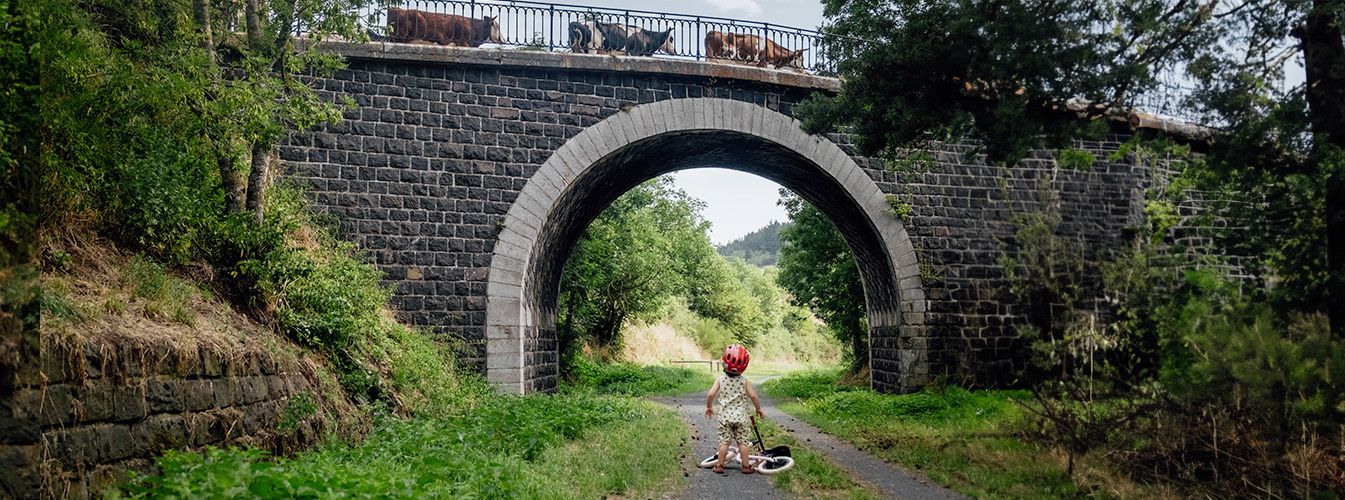
‘La Joyeuse Vadrouille’ – two months cycling with the family
Follow the Huguenots — from Grenoble to Geneva on the GR 965
Other adventures in Chartreuse


Tips from the Community

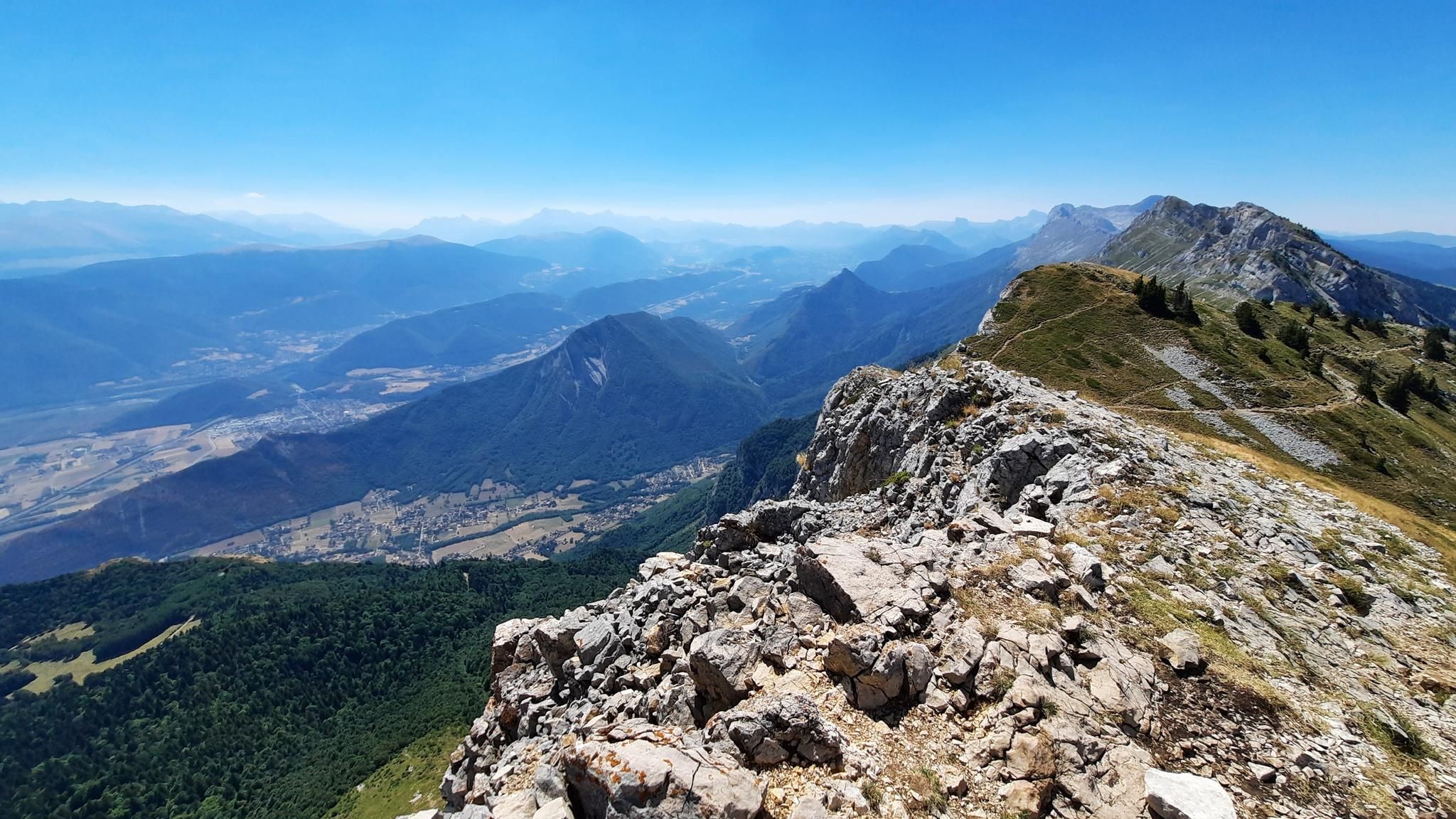
The Dent de Crolles, at 2,062 meters, is one of the best-known peaks in the Chartreuse. This distinctive limestone mountain towers high above the surrounding area and offers, on a clear day, a magnificent view over the Alps and the Grenoble valley. The hike there leads through varied mountain meadows, rocky terrain, and impressive limestone landscapes. A strenuous climb, but the views and the special atmosphere of the Chartreuse make it absolutely worthwhile.
0
0


The Cirque de Saint-Même, located at an altitude of 900 m, offers walkers landscapes of rare beauty. In a green setting, you will enjoy the coolness of three superb waterfalls dominated by an impressive cliff amphitheater. https://www.chartreuse-tourisme.com/offres/cirque-de-saint-meme-saint-pierre-dentremont-fr-2715680/
0
0

The access is very well signposted, and you can do a lovely loop hike, starting from Saint-Même-le-Haut, or from Saint-Pierre-d'Entremont for the more adventurous. At the end of winter, the water level can be very high.
0
0

Magnificent view of the heart of the Chartreuse region, the plain of St. Laurent du Pont, and Mont Blanc in the background, seemingly within arm's reach. The access path via the ridge that connects to Outheran is very straightforward. The climb from St. Jean de Couz on the SW side is quite complicated. The path is barely visible and rather difficult to follow on a very steep face. The final section leads up a very steep couloir, through a slippery and unstable scree slope. Furthermore, the exposure to falling rocks is quite significant; extreme caution is required (helmet recommended). The final section consists of short climbing sections and very steep ascents in fairly exposed grassy terrain (fairly straightforward, but exposed).
1
0

The cross of the Aulp du seuil is located at 1825m above the cirque and marks the entrance to the high plateaus.
0
0

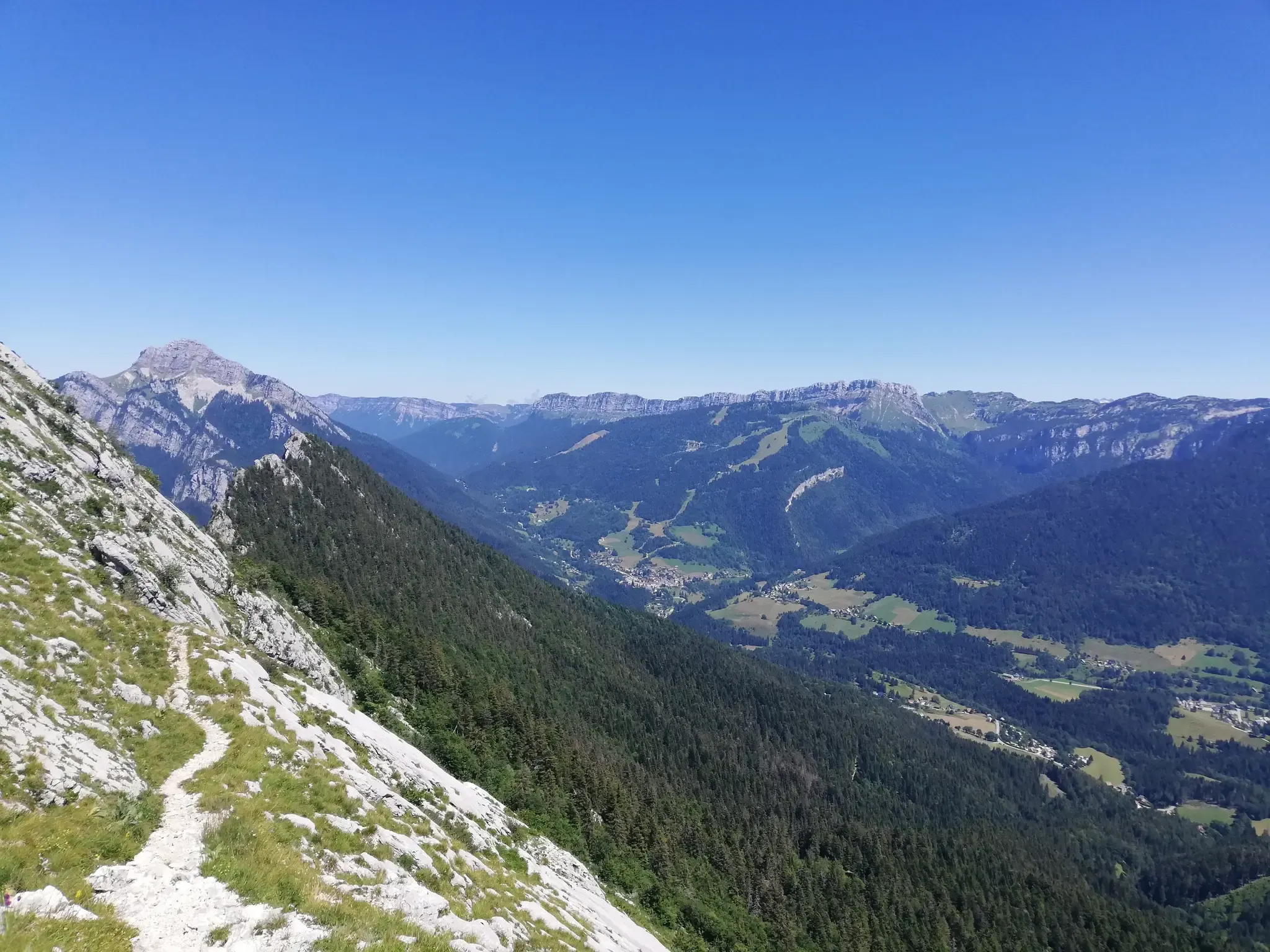
A stunning summit with views of Mont Blanc. The two climbs from the Col des Ayes are relatively steep, but steel cables are installed at the more dangerous sections. The climb north via the Trou du Glaz is a bit longer and a bit easier. The climb east is a bit steeper and more exposed. The view is good, though.
1
0

Magnificent! But be careful on the second part it is much more technical so hiking is ok, running less so :/
0
0
Frequently Asked Questions
What are some of the most scenic natural monuments in Chartreuse?
The Chartreuse region offers numerous scenic natural monuments. Beyond the popular Saint-Même Cirque Waterfalls, which features a captivating walk through forest and torrent to four distinct waterfalls, you can also visit Dent de Crolles, the second highest summit in the massif, offering expansive views over the Grésivaudan valley. Another beautiful spot is Lake Saint-André, nestled amidst vineyards, perfect for a peaceful visit.
Are there family-friendly natural monuments in Chartreuse?
Yes, Chartreuse has several natural monuments suitable for families. The Saint-Même Cirque Waterfalls offers an easy hike, ideal for children, with a meadow nearby for relaxation. Lake Saint-André is another excellent choice, providing a picnic area and a discovery trail in a scenic setting.
What kind of natural features can I expect to see in Chartreuse?
The Chartreuse Regional Nature Park is characterized by a diverse topography. You'll encounter dramatic limestone cliffs, deep gorges like the Guiers Mort Gorges, dense pine forests, and verdant alpine meadows. The region is also home to numerous summits, such as Dent de Crolles and La Cochette Cross, offering stunning panoramic views, as well as serene water bodies like Lake Saint-André and various waterfalls.
What are the best times to visit the natural monuments in Chartreuse?
The best time to visit Chartreuse largely depends on the activities you plan. Spring and summer (May to September) are ideal for hiking, mountain biking, and enjoying the lush landscapes and waterfalls. Autumn offers beautiful foliage. In winter, the park transforms into a snowy wonderland, suitable for snowshoeing or skiing, though access to some higher natural monuments might be more challenging due to snow.
Are there opportunities for wild swimming near the natural monuments?
While swimming is generally regulated in natural areas, it is tolerated at your own risk and peril in the leisure area of Lake Saint-André. Always check local regulations and safety guidelines before attempting wild swimming.
What hiking trails are available near the natural monuments in Chartreuse?
The Chartreuse Regional Nature Park boasts over 1,300 km of marked walking trails. For waterfall enthusiasts, you can explore routes like the Cirque de Saint-Même Waterfalls Trail. If you're looking for more challenging hikes to summits, trails leading to Dent de Crolles or Bellefont Pass offer rewarding views. You can find more detailed hiking routes in the Waterfall hikes in Chartreuse guide.
What other outdoor activities can I do near the natural monuments in Chartreuse?
Beyond hiking, Chartreuse is a hub for various outdoor activities. The park is excellent for cycling, with routes like the 'Le Col de la Cluse' loop or the 'Tour de Chartreuse: Four Passes Loop' for road cyclists. Mountain biking, climbing, and even hang gliding are popular in summer. In winter, snowshoeing and skiing are common. For cycling routes, check out the Cycling in Chartreuse guide or the Road Cycling Routes in Chartreuse guide.
Are there any natural monuments with exceptional panoramic views?
Absolutely. Dent de Crolles offers an expansive panorama over the entire Grésivaudan valley, with potential views of Mont Blanc. Charmant Som is also renowned for its stunning 360° panoramic views. Additionally, Bellefont Pass provides breathtaking vistas of Mont Blanc and the highest peaks of the Chartreuse massif.
What is the Hauts de Chartreuse Nature Reserve and what can I see there?
The Hauts de Chartreuse Nature Reserve is a protected area within the park, extending from Mont Granier to Dent de Crolles. It's accessible only on foot and is dedicated to preserving its exceptional biodiversity and grandiose landscapes. Here, you can observe rare animal species like pygmy owlets and black grouse, and unique plant species. Its diverse habitats include steep cliffs, pine forests, high grazing areas, and caves, making it ideal for responsible hiking and wildlife observation. More information can be found on the Chartreuse Tourisme website.
Are the natural monuments in Chartreuse generally accessible by public transport or do I need a car?
While some areas of the Chartreuse Regional Nature Park might be reachable by public transport, accessing many natural monuments and trailheads often requires a car for convenience and flexibility. Parking is typically available near popular trailheads, but it's advisable to check specific access details for each monument you plan to visit.
What geological features are prominent in the Chartreuse region?
The Chartreuse massif is primarily known for its distinctive limestone geology. This has resulted in dramatic features such as towering limestone cliffs, deep gorges like the Guiers Mort Gorges, and unique cirques such as the Cirque de Saint-Même. The region's karst topography also means there are numerous caves and underground water systems, contributing to its unique natural beauty.
What do visitors enjoy most about the natural monuments in Chartreuse?
Visitors frequently praise the stunning panoramic views from summits like Dent de Crolles and Bellefont Pass. The captivating walks to waterfalls, such as those at Saint-Même Cirque, are also highly appreciated. Many enjoy the tranquility and scenic beauty of places like Lake Saint-André, and the opportunity to observe diverse wildlife and unique flora in areas like the Hauts de Chartreuse Nature Reserve.
Most popular routes in Chartreuse
Most popular attractions in Chartreuse

Get inspired with the komoot mobile app


Explore more
Extend your search for the best caves by checking out these guides of the top ones in Chartreuse:
