Krkonošský Národní Park
Krkonošský Národní Park
Top 20 Natural Monuments in Krkonošský Národní Park
Best natural monuments in Krkonošský Národní Park showcase a landscape shaped by ancient glaciations, featuring towering peaks, deep valleys, and pristine waterfalls. As the highest mountain range in the Czech Republic, the park is a UNESCO Biosphere Reserve. Visitors can explore diverse natural features, including rare peat bogs and unique geological formations. The park offers a variety of natural landmarks for exploration.
Best natural monuments in Krkonošský Národní Park
- The most popular natural monuments is Śnieżka (Schneekoppe) Summit, a…
Last updated: May 15, 2026
Śnieżka (Schneekoppe) Summit
Highlight • Summit
Translated by Google •
Tip by

Source of the Elbe
Highlight • River
Translated by Google •
Tip by

Sign up now to discover places like this
Get recommendations on the best single tracks, peaks, & plenty of other exciting outdoor places.
Sign up for free
Pančava Waterfall
Highlight • Waterfall
Showing Translation
Tip by

Mumlava Waterfall
Highlight • Waterfall
Translated by Google •
Tip by

Labský Waterfall (Elbe Falls)
Highlight • Waterfall
Translated by Google •
Tip by
Sign up for free to discover even more natural monuments in Krkonošský Národní Park.
Sign up for free
Already have an account?
Start today with a free account
Your next adventure awaits.
Login or Signup
Popular around Krkonošský Národní Park
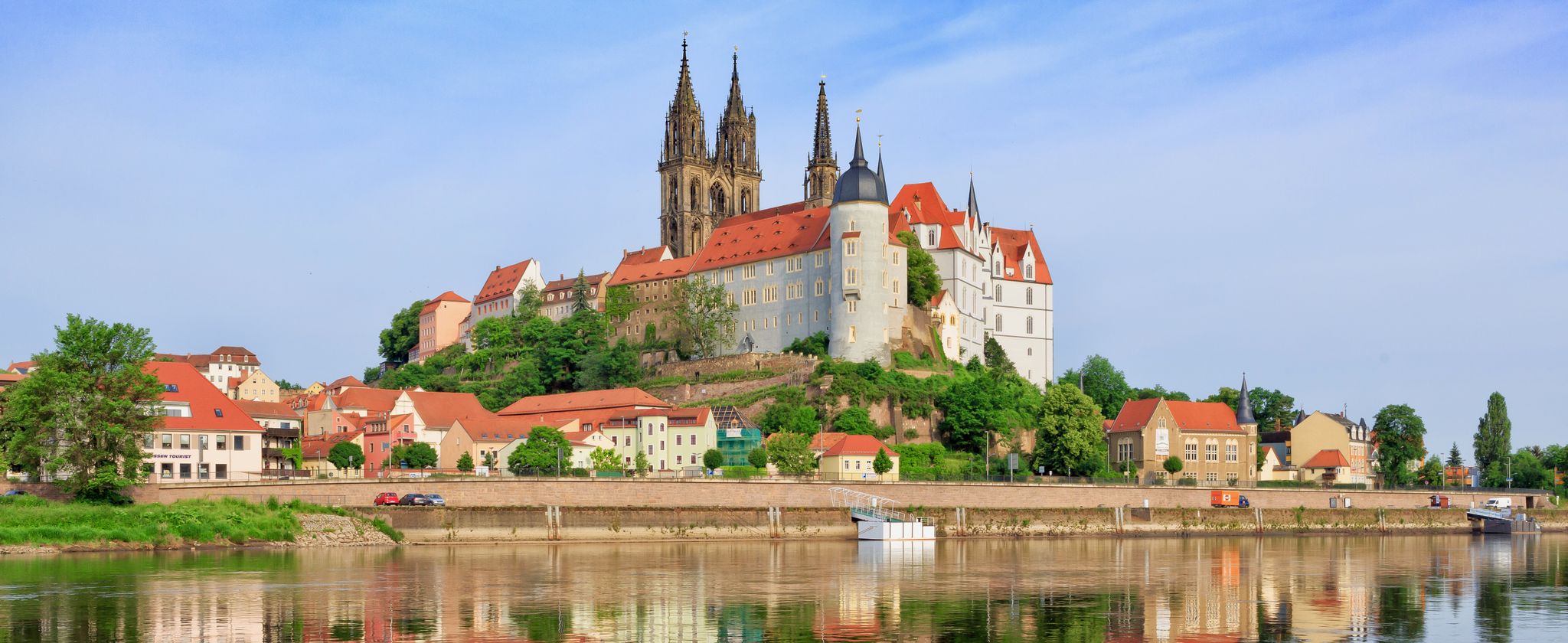
The Elbe Cycle Path — cross-border cycling pleasure
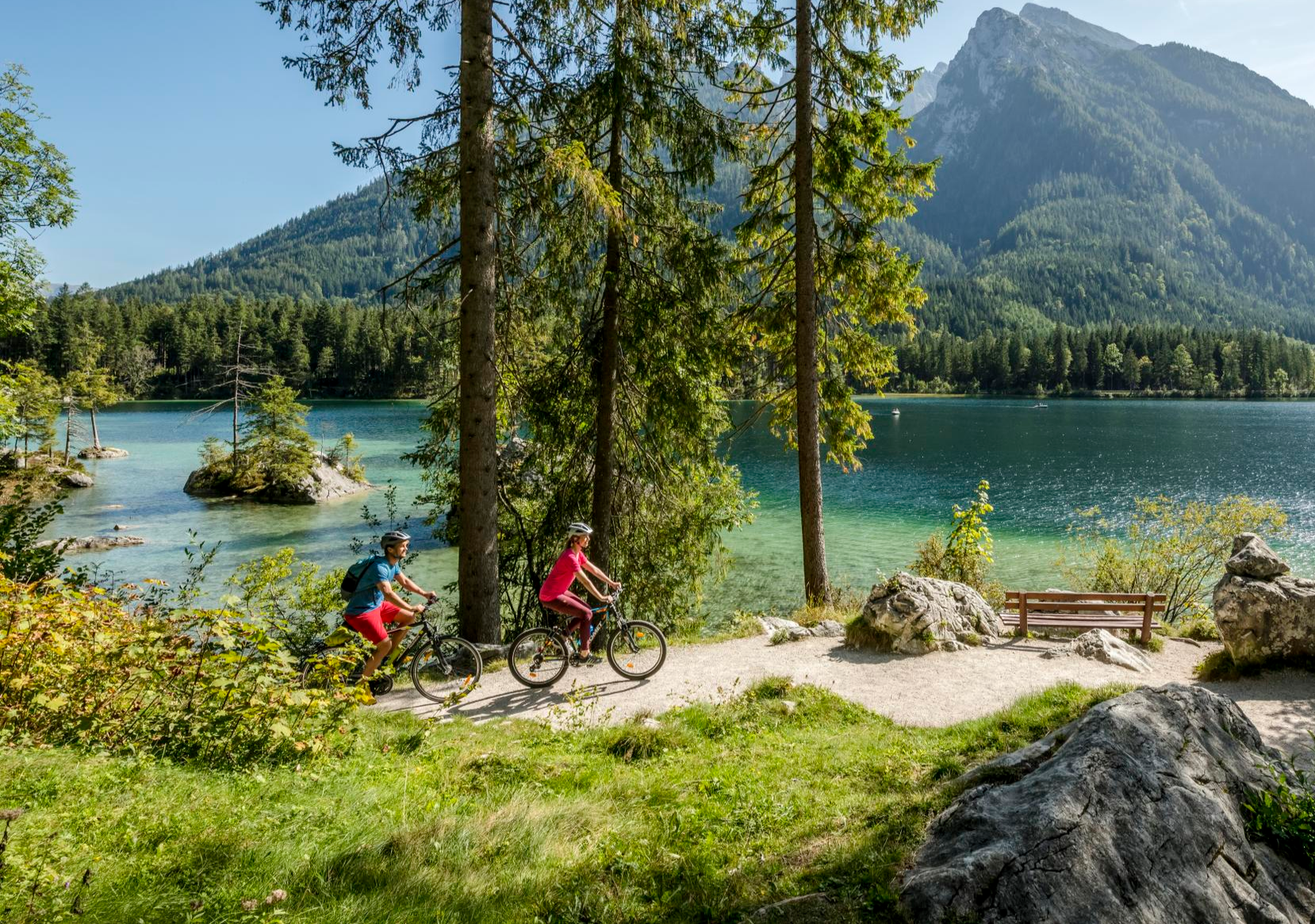
Discover Germany's diversity on enchanting cycling routes
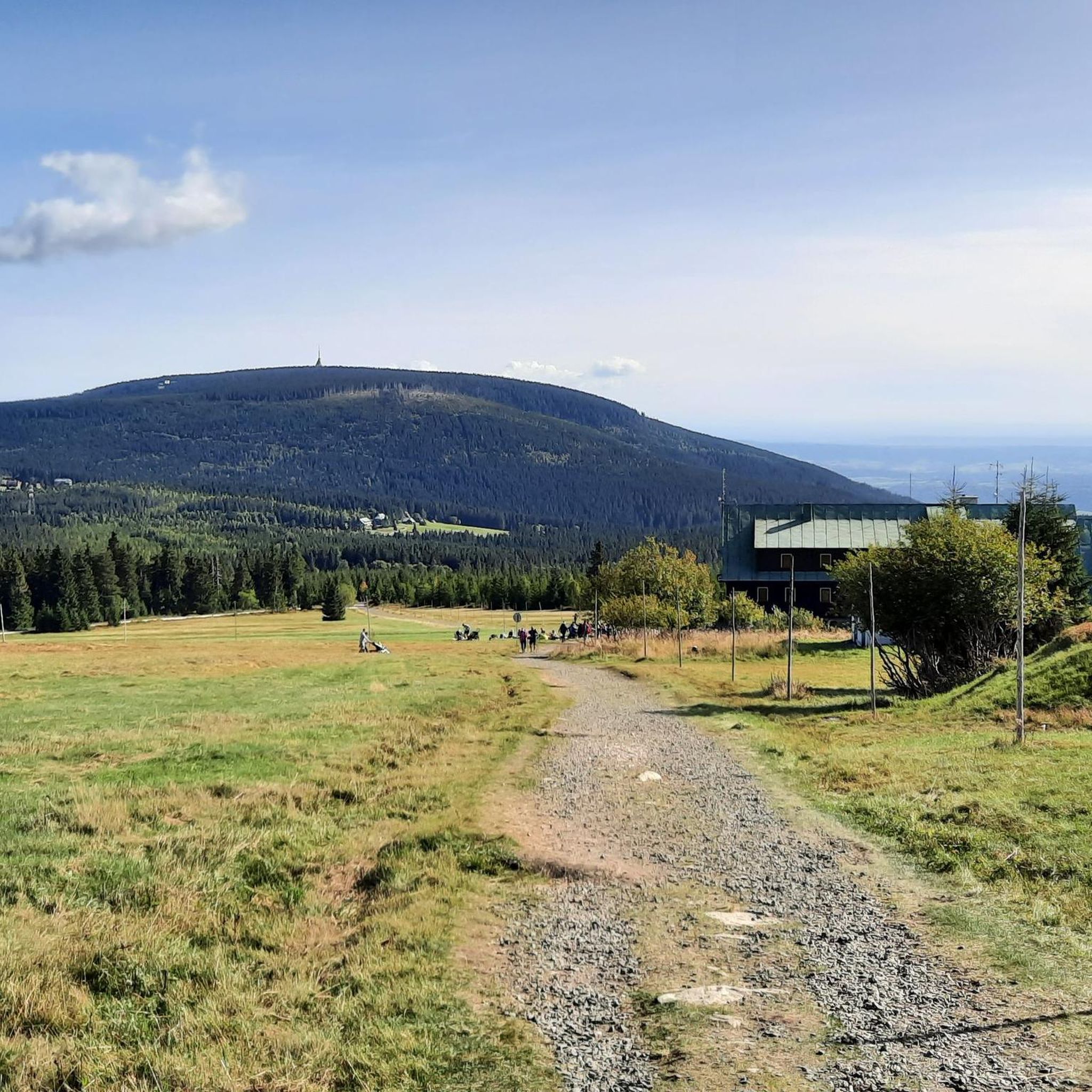
Hiking in Krkonošský Národní Park
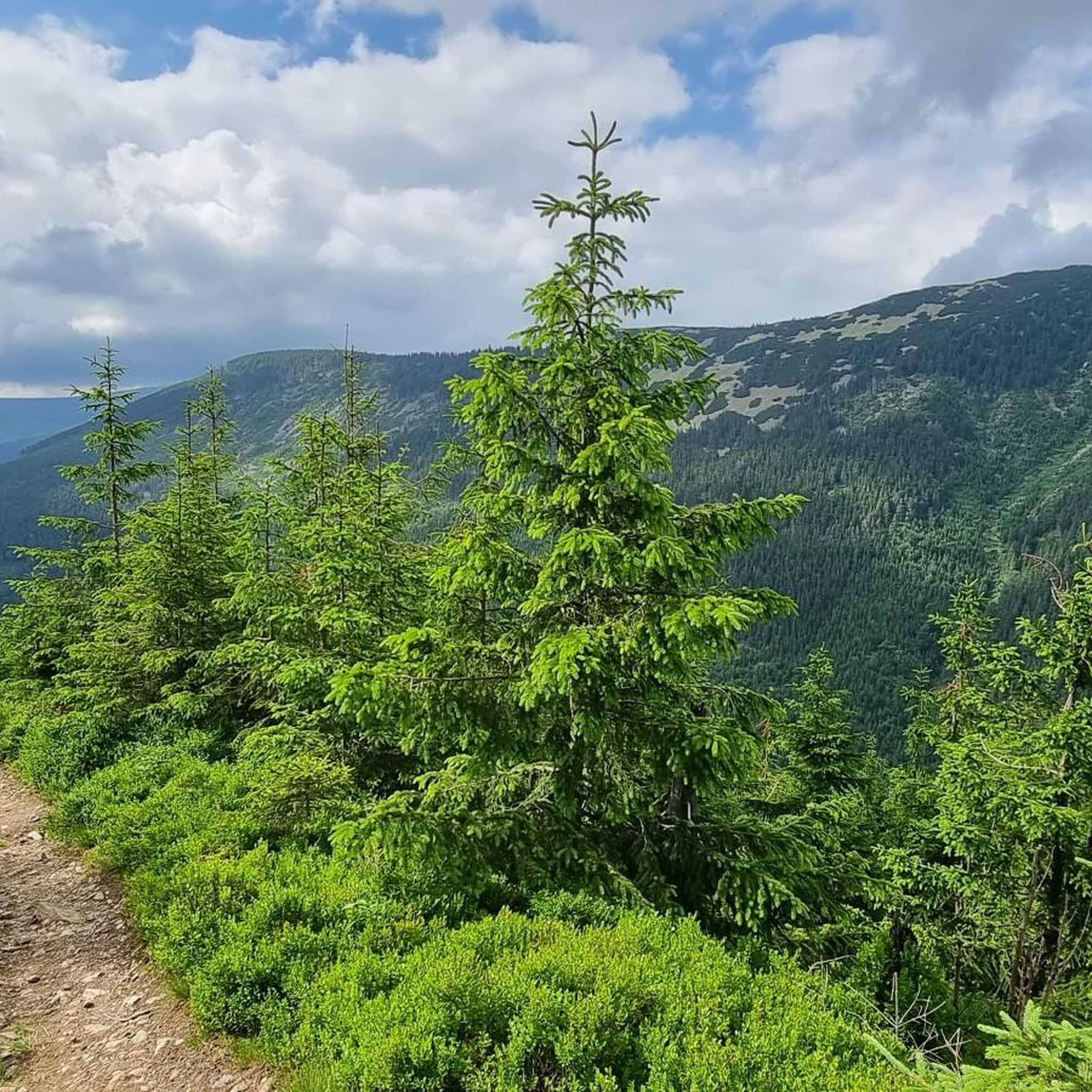
Road Cycling Routes in Krkonošský Národní Park
Mountain Hikes in Krkonošský Národní Park
Running Trails in Krkonošský Národní Park
Cycling in Krkonošský Národní Park
MTB Trails in Krkonošský Národní Park
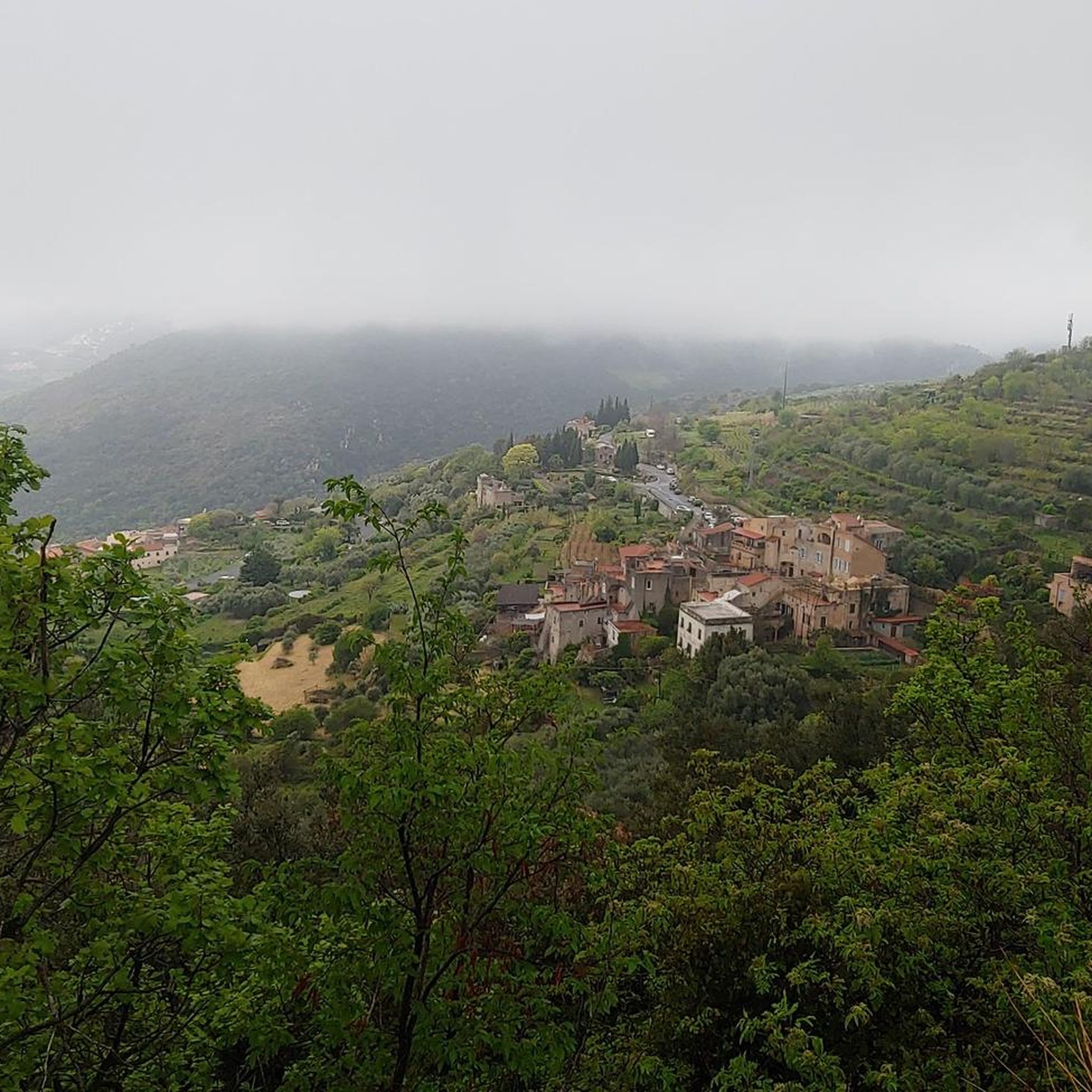
Gravel biking in Krkonošský Národní Park


Tips from the Community

The climb was totally worth it, being rewarded with this impressively beautiful waterfall and view 🥰.
10
0

The Elbe Falls (Czech: Labský vodopád) is a waterfall on the Elbe River in the Czech part of the Giant Mountains. There, about one kilometer past its source, the river plunges 40 meters from the edge of the Elbe valley (1,258 meters above sea level) into the Labské jámy (German: Elbe Basin).
8
0
The Pančevo waterfall, located approximately one kilometer from the Labská bouda, is the highest waterfall in the Giant Mountains at 148 meters.
9
0
Its symbolic source lies at an altitude of 1,386 m above sea level. It is enclosed in a brick ring with inflow and outflow, and its stone-paved surroundings offer benches for relaxation. In 1968, a wall of rough rock was added, bearing the coats of arms of 26 important cities through which the Elbe flows on its way to the North Sea.
7
0

Once you reach the top you usually have a great panoramic view, unfortunately I didn’t
2
0

The source of the Elbe is located on the ridge of the Giant Mountains (1386 m) on the Elbe meadow (Labská louka). The real source of the Elbe is in the peat bogs about 150 to 300 m from here and is not open to the public for nature conservation reasons. In 1968, a stone wall was erected here with the colored city coats of arms of the 26 important cities through which the Elbe flows into the North Sea. https://www.elberadweg.de/Poi/elbquelle/#:~:text=The%20Elbquelle%20is%20sich%20auf,f%C3%BCr%20the%20%C3%96public%20not%20train%C3% A4ngle.
13
2

Well-developed hiking trails to the source of the Elbe. The symbolic spring is worth a trip. Interesting to see which cities the Elbe flows through and how long it actually is. On site all coats of arms of the cities are made in mosaic. Great.
71
6
Pančavský vodopád is one of the most impressive waterfalls in the Krkonoše mountains. It is located 1 km south of Labská bouda, by the Pančavský creek.
79
4
Frequently Asked Questions
What are some of the most impressive natural features to explore in Krkonošský Národní Park?
Beyond the well-known peaks and waterfalls, Krkonošský Národní Park offers diverse natural features. You can explore the unique glacial cirques known as Sněžné jamy (Snow Pits) with their steep granite walls, or witness the fascinating "Map of the Republic" snow phenomenon on Studniční Mountain. The park's geological diversity also includes karst phenomena found in the Albeřice quarries.
When is the best time of year to visit the natural monuments in Krkonošský Národní Park?
The best time to visit depends on your preferred activities. Summer (June-August) offers ideal conditions for hiking and exploring with lush greenery and warmer temperatures. Spring (April-May) brings melting snow and vibrant flora, while autumn (September-October) showcases stunning fall foliage. Winter (November-March) transforms the park into a snowy wonderland, perfect for winter sports, but requires appropriate gear and awareness of trail conditions.
Are there family-friendly natural monuments with easy access in Krkonošský Národní Park?
Yes, for families seeking easier access, the Mumlava Waterfall is a great option. It's a picturesque spot perfect for hiking and relaxation amidst serene landscapes, often accessible via well-maintained paths. Many trails around it are suitable for families, and it's less strenuous than some of the higher mountain routes.
What should I wear for hiking natural monuments in Krkonošský Národní Park, especially in winter?
In winter, proper layering is crucial due to the harsh mountain climate. Wear thermal base layers, insulating mid-layers (fleece or down), and a waterproof and windproof outer shell. Sturdy, waterproof hiking boots with good grip are essential, along with warm socks, gloves, a hat, and gaiters to keep snow out of your boots. Always check the weather forecast before heading out.
Are there any ancient forests or unique ecological sites among the natural monuments?
Absolutely. The Dvorský les (Rýchory ancient forest), located at the highest point of the Rýchory ridge, is a rare and cherished natural monument. Additionally, the Černohorské rašeliniště (Černá Hora Peat Bog) is a significant wetland area housing unique flora and fauna, offering a glimpse into the park's ecological diversity.
Can I find amenities like cafes or accommodation near the natural monuments?
Yes, several natural monuments are located near mountain huts or towns that offer amenities. For example, the Pančava Waterfall is about one kilometer from Labská bouda, which provides refreshments. Near Mumlava Waterfall, you can find a bouda (mountain chalet) offering food. Larger towns like Pec pod Sněžkou or Špindlerův Mlýn, which serve as gateways to many natural sites, offer a wider range of cafes, pubs, and accommodation options.
What outdoor activities can I do near these natural monuments?
The park offers a wide range of outdoor activities. You can embark on challenging mountain hikes, explore scenic waterfall trails, or enjoy gravel biking through picturesque landscapes. Many routes lead directly to or pass by natural monuments like the Source of the Elbe or Pančava Waterfall, offering breathtaking views and diverse terrain.
Are there specific hiking trails that lead to the Source of the Elbe River?
Yes, the Source of the Elbe River is a popular hiking destination. A well-marked route leads to this symbolic spot on the Elbe meadow. You can find several waterfall hikes that incorporate the Source of the Elbe, such as the loop from Horní Mísečky, which also visits the Pančava Waterfall.
What makes the Obří důl Valley a significant natural monument?
The Obří důl Valley is a perfectly developed glacial mountain valley that leads up to Sněžka. Along with Labský důl, it forms a significant part of the park's unique glacial landscape. The route through Obří důl to Sněžka is demanding but offers wonderful vistas of expansive alpine scenery, showcasing the powerful effects of ancient glaciations.
What do visitors enjoy most about exploring the natural monuments in Krkonošský Národní Park?
Visitors frequently praise the breathtaking panoramic views, especially from high points like Śnieżka (Schneekoppe) Summit. The impressive cascades of waterfalls like Pančava Waterfall are also highly appreciated, particularly after rainfall. Many also enjoy the sense of tranquility and immersion in unspoiled nature found along the various hiking trails, often noting the unique geological formations and diverse landscapes.
Are there any hidden gem natural monuments in Krkonošský Národní Park that are less crowded?
While many sites are popular, you can find quieter spots. The Rýchory nature trail, which passes through the Dvorský les ancient forest, offers beautiful views and unspoiled nature away from the main tourist areas. Exploring the less-frequented parts of the Černohorské rašeliniště (Černá Hora Peat Bog) can also provide a more secluded experience.
What public transport options are available to reach natural monuments in Krkonošský Národní Park?
Public transport to Krkonošský Národní Park is available, primarily through buses that connect major towns like Pec pod Sněžkou, Špindlerův Mlýn, and Harrachov with regional train stations. During peak season, special 'Krkonoše buses' often operate within the park, providing access to various trailheads and natural attractions. It's advisable to check local schedules, especially outside of summer, as services can be less frequent.
Most popular routes in Krkonošský Národní Park
Most popular attractions in Krkonošský Národní Park

Get inspired with the komoot mobile app


Explore more
Extend your search for the best caves by checking out these guides of the top ones in Krkonošský Národní Park:
