Top 10 Natural Monuments in Podyjí
Best natural monuments in Podyjí National Park are found in a captivating natural area in the South Moravian Region of the Czech Republic. This cross-border protected area, shared with Austria's Thayatal National Park, safeguards the deeply incised valley of the Dyje (Thaya) River. The park's well-preserved biome is considered unique in Central Europe, featuring a 40-kilometer canyon-like valley up to 220 meters deep. It offers diverse landscapes, from river ecosystems to historic vineyards and extensive heathlands.
Best natural monuments in…
Last updated: October 1, 2026
Suspension Bridge Over the Thaya River
Highlight • Bridge
Translated by Google •
Tip by

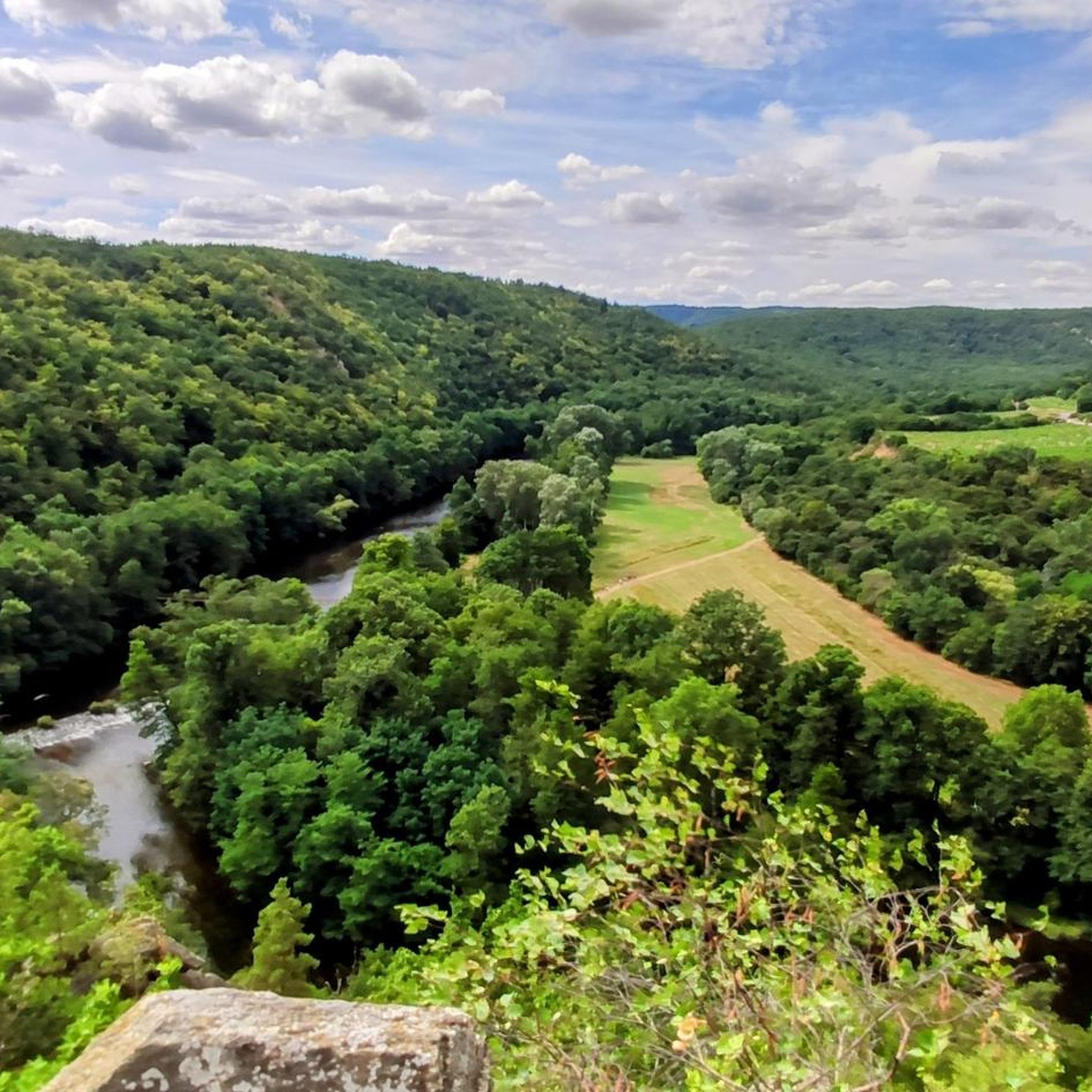
View of the Thaya Valley
Highlight • Viewpoint
Translated by Google •
Tip by

Sign up now to discover places like this
Get recommendations on the best single tracks, peaks, & plenty of other exciting outdoor places.
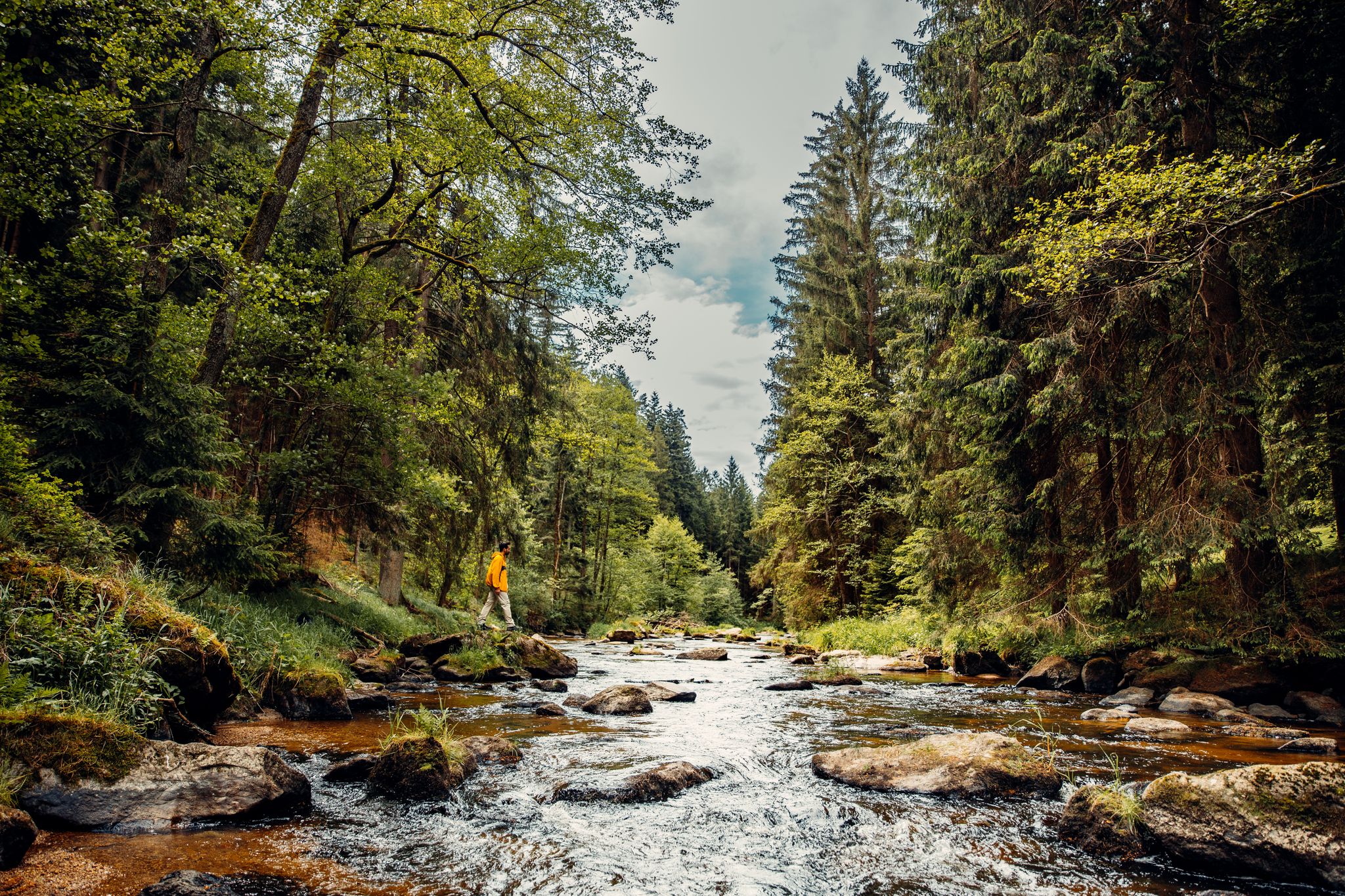
Natural Trail Along the Thaya River
Highlight (Segment) • Trail
Translated by Google •
Tip by

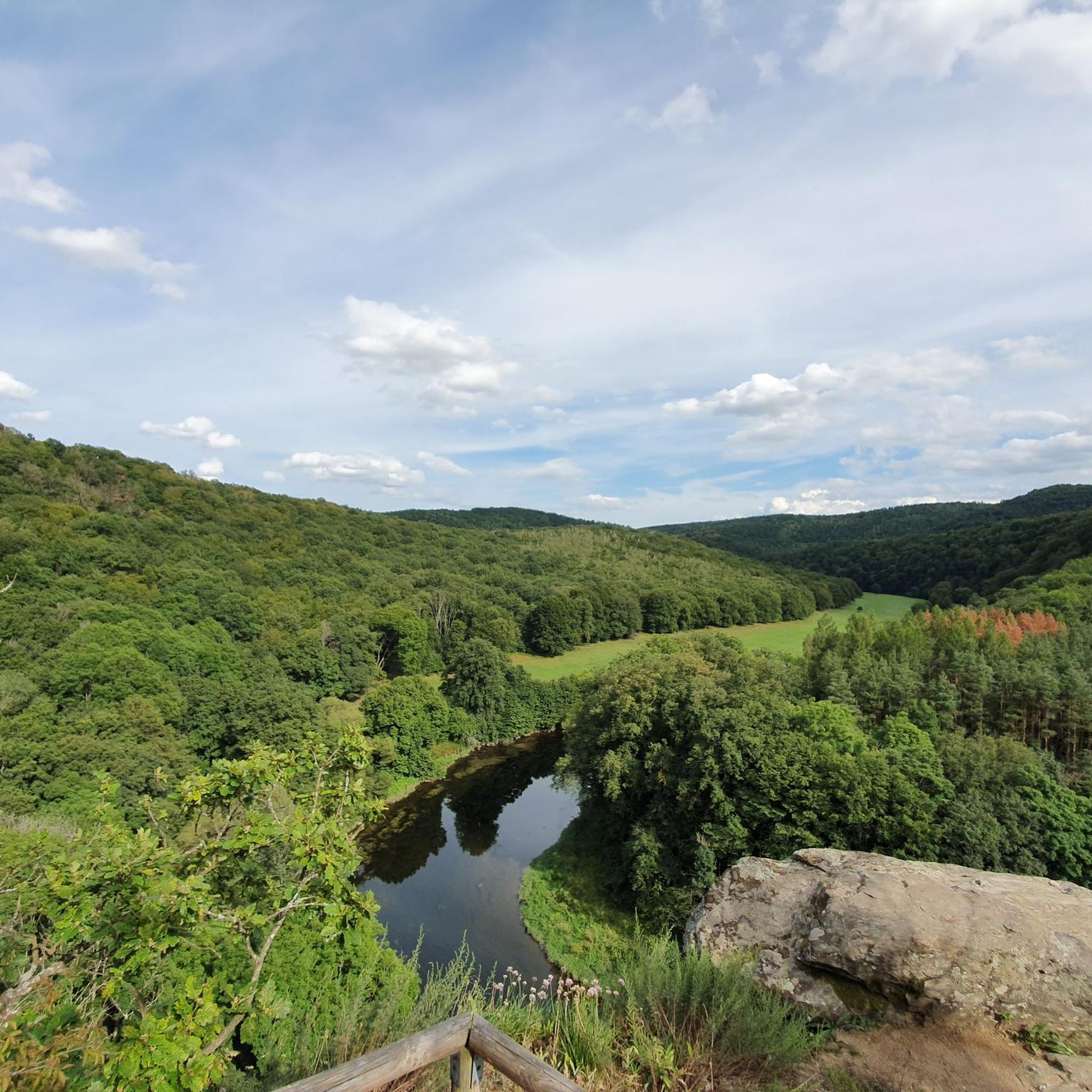
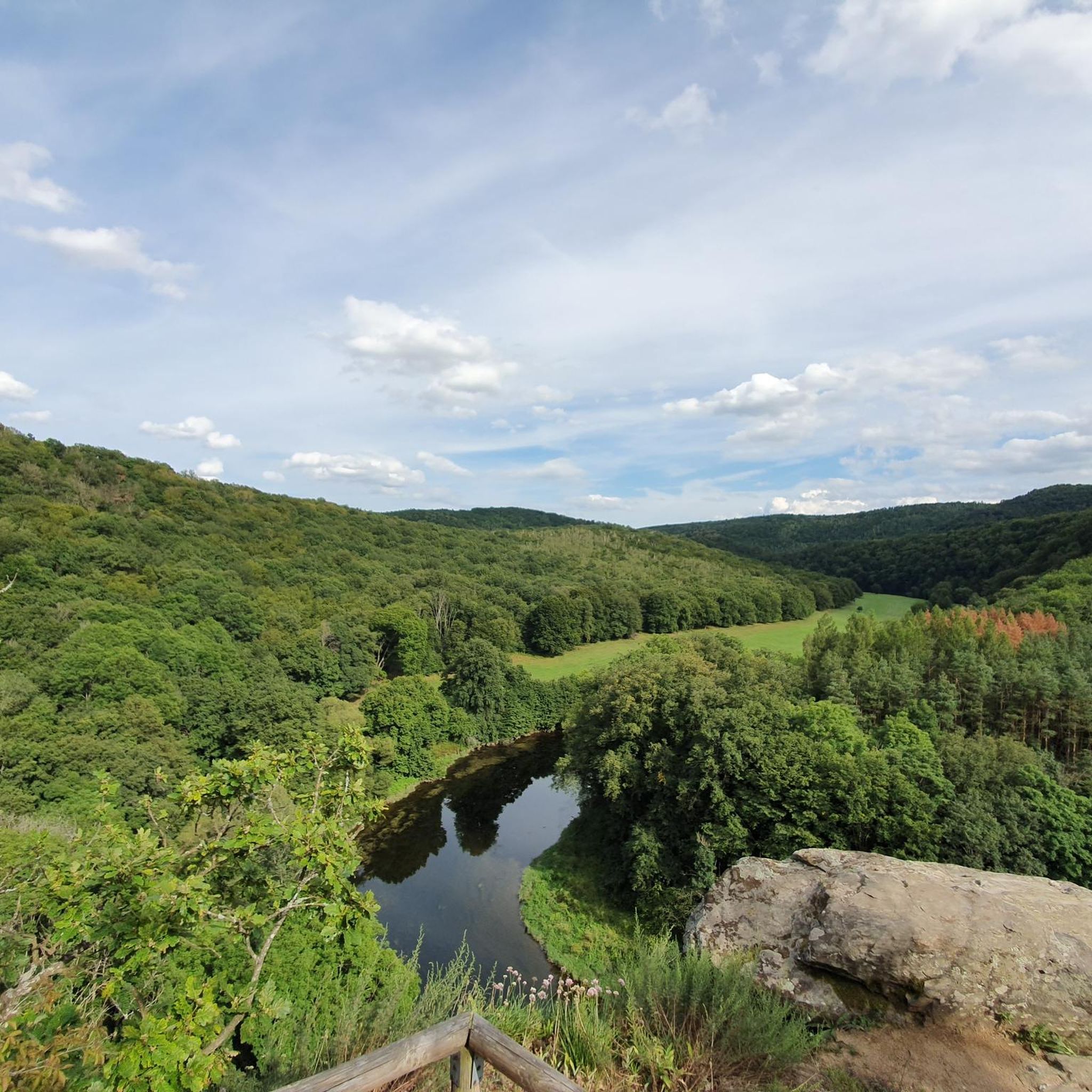
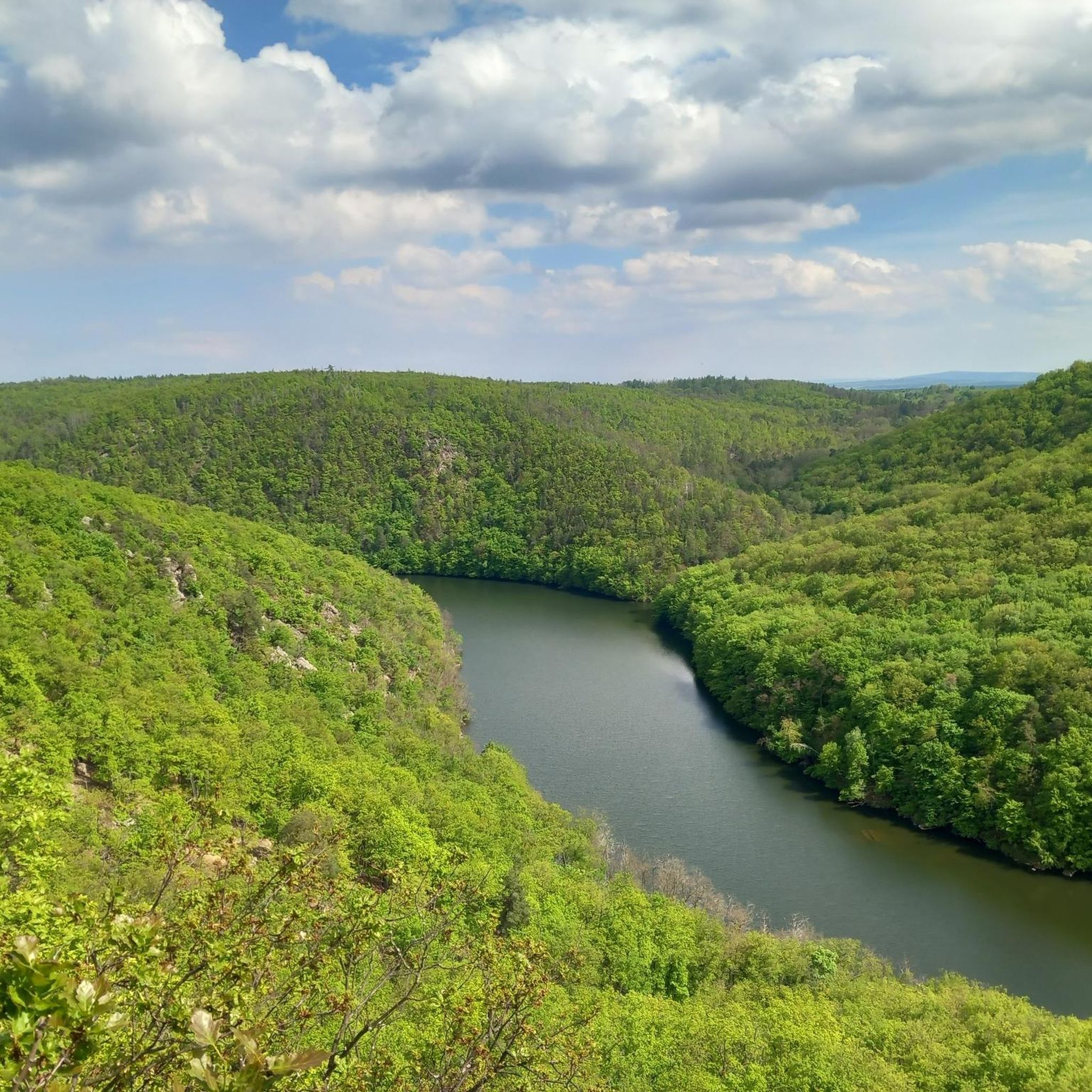
View of the Thaya River bend from Umlaufberg
Highlight • Viewpoint
Translated by Google •
Tip by

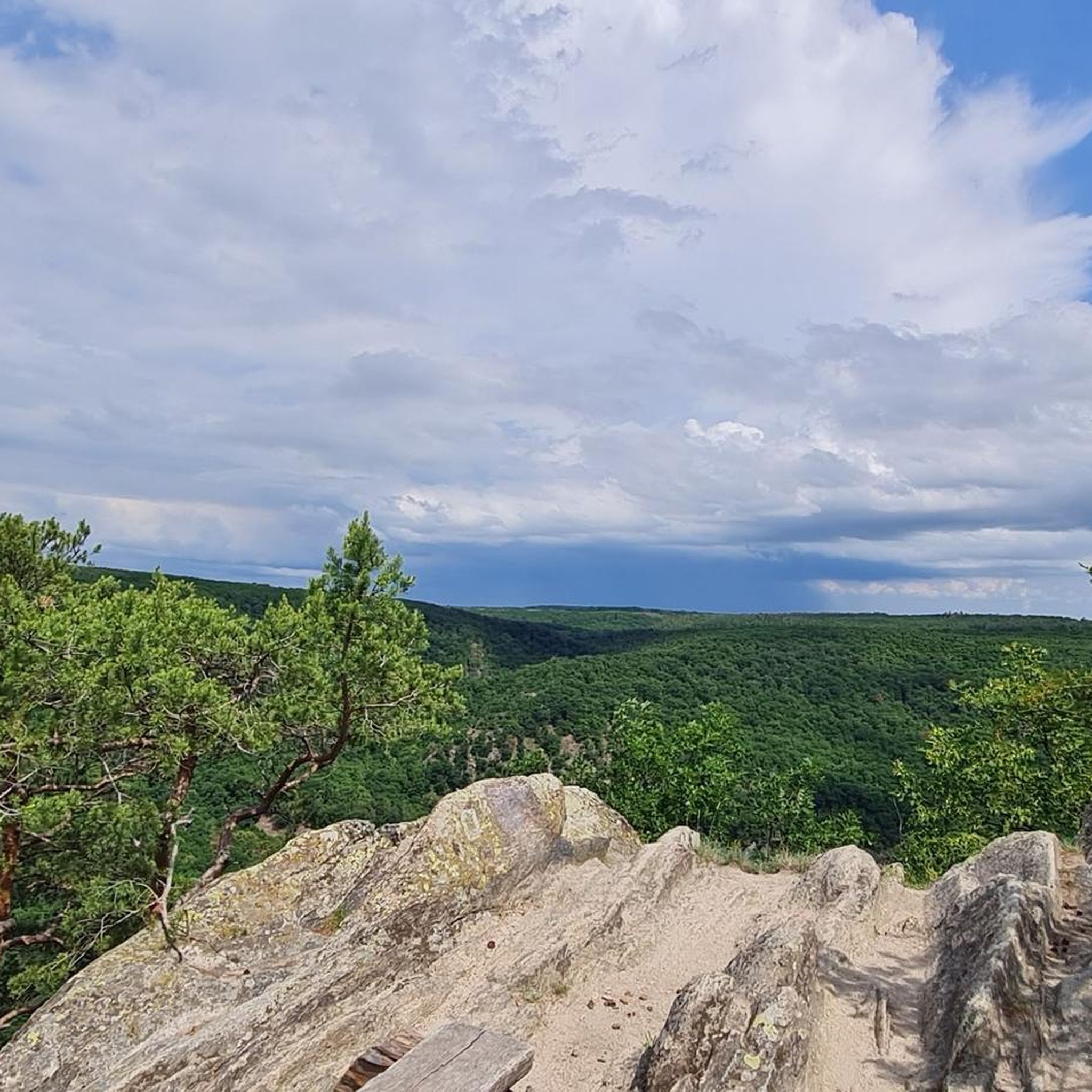
Králův Stolec Lookout
Highlight • Viewpoint
From a lookout you have a nice overview of the Thayatal.
Translated by Google •
Tip by

Sign up for free to discover even more natural monuments in Podyjí.
Already have an account?
Start today with a free account
Your next adventure awaits.
Other adventures in Podyjí

Tips from the Community

Very nice, narrow trail. When it's wet and muddy, it might get difficult, partly there are also alternative routes at high water levels...
0
0

An impressive view of the Thaya Valley
0
0

You walk right next to the Thaya, one small slip and you inevitably end up in the Thaya. Not recommended in cold weather, in my opinion too dangerous in sub-zero temperatures and snow
0
0

Dream view of the Thaya loop 🥰
0
0

For me, this natural section of the Thayatal Trail is the most beautiful trail in the national park. Sure-footedness and sturdy shoes are advisable. The reward is a fantastic nature experience with the opportunity to observe the national park's "Big Five". The constantly changing light moods are enchanting!
2
0
A wonderful place for a break, a very informative information board and of course a fantastic view - the steep climb is definitely worth it!!!
1
0

From the rather wobbly bridge you have a wonderful view of the water and the rushing weirs.
4
0

Steep path to a worthwhile viewpoint with a bench.
0
1
Frequently Asked Questions
What are the most scenic viewpoints in Podyjí National Park?
Podyjí National Park offers several breathtaking viewpoints. The View of the Thaya Valley provides a perspective over the national park's meandering river. Another popular spot is the View of the Thaya River bend from Umlaufberg, offering a unique vantage point of the river loop. Additionally, the Králův Stolec Lookout provides a great overview of the Thayatal, and the Hardegg Viewpoint offers spectacular views of the Dyje River valley and the Austrian town of Hardegg with its medieval castle.
Are there any unique geological features to explore in Podyjí National Park?
Yes, Podyjí National Park is home to several unique geological features. The Dyje River carves a deep, canyon-like valley with fascinating meanders and dramatic steep cliffs. You can also explore the Ice Caves (Ledové sluje), which maintain chilly temperatures year-round due to their unique microclimate and serve as a habitat for 17 different species of bats.
What kind of wildlife can I expect to see in Podyjí National Park?
The park's diverse habitats support a rich array of wildlife. The Dyje River valley is a prime example of a near-natural river ecosystem, home to otters and beavers. The Ice Caves provide a habitat for 17 different species of bats. The extensive heathland and steppe heath landscapes are crucial habitats for many rare plant and insect species, offering a distinct ecological experience.
Are there family-friendly activities or natural monuments suitable for children in Podyjí?
Many of the natural monuments and trails in Podyjí National Park are suitable for families. Easy walking trails are available, such as those found in the Easy hikes in Podyjí guide, which includes routes like the Sealsfield Stone Viewpoint loop. The Suspension Bridge Over the Thaya River can also be an exciting experience for children, offering a unique perspective of the river.
Can I bring my dog to the natural monuments in Podyjí National Park?
Podyjí National Park is generally dog-friendly, but it's important to keep dogs on a leash to protect the local wildlife and ensure their safety. Many hiking trails and natural monuments welcome dogs, allowing you to explore the park's beauty with your canine companion.
What are the best hiking trails to experience the natural monuments?
To experience the natural monuments, consider trails that lead to viewpoints or along the river. The Natural Trail Along the Thaya River is highly recommended for its fantastic nature experience. For a broader selection of routes, you can explore the Hiking in Podyjí guide, which features trails like the Thaya Valley Path and loops to the Sealsfield Stone Viewpoint.
Are there options for cycling or gravel biking near the natural monuments?
Yes, Podyjí National Park offers opportunities for cycling, including gravel biking. The Gravel biking in Podyjí guide provides routes such as the National Park Thayatal gravel bike Tour, allowing you to explore the wider region and its natural beauty on two wheels.
When is the best time of year to visit Podyjí National Park's natural monuments?
The best time to visit Podyjí National Park's natural monuments largely depends on your interests. Spring (April-May) is beautiful for flowering species like cyclamen and pasque flower, and for observing the awakening of nature. Summer (June-August) offers warm weather ideal for hiking and exploring. Autumn (September-October) provides stunning fall foliage, especially in the Dyje River valley and around the Šobes Vineyard, which is also harvest season. Even winter can be appealing for quiet contemplation and unique views, though some trails might be challenging due to ice or snow.
How accessible are the natural monuments in Podyjí National Park?
Accessibility varies across the park. Many viewpoints, like the View of the Thaya Valley, may involve steep climbs. Trails along the Dyje River, such as the Natural Trail Along the Thaya River, can require sure-footedness and sturdy shoes. While some paths might be easier, visitors should be prepared for varied terrain, including ascents and descents, as the park is characterized by its deeply incised river valley.
What is the Šobes Vineyard, and why is it considered a natural monument?
The Šobes Vineyard is a historic vineyard nestled in the heart of Podyjí National Park. It's considered a natural monument due to its unique microclimate, sun-soaked southern slopes, and winemaking tradition dating back to medieval times. Its exceptional natural conditions contribute to its reputation as one of Europe's best vineyards, offering not only high-quality local wine but also exceptional scenic views, particularly from the Devět mlýnů (Nine Mills) viewpoint.
Are there any historical sites connected to the natural monuments in Podyjí?
Yes, some natural monuments have historical connections. The Králův Stolec Lookout is associated with Polish King Sobieski, who is said to have given this rocky outcrop its name in 1685. The Šobes Vineyard also has a rich history, with archaeological excavations indicating settlement about 7,000 years ago and a winemaking tradition dating back to medieval times. Additionally, the Hardegg Viewpoint overlooks the charming Austrian town of Hardegg with its towering medieval castle, offering a glimpse into the region's past.
Where can I find refreshments or accommodation near the natural monuments?
While the park itself is focused on preserving its natural state, the surrounding towns and villages offer various options for refreshments and accommodation. Znojmo, a nearby town, is a good base for exploring the park and provides cafes, pubs, and lodging. Within the park, the Šobes Vineyard offers opportunities to taste local wine, and some trails may lead to or pass by smaller establishments.
Most popular routes in Podyjí
Most popular attractions in Podyjí

Get inspired with the komoot mobile app


Explore more
Extend your search for the best caves by checking out these guides of the top ones in Podyjí:
