Top 5 Natural Monuments in Nacionalni Park Fruska Gora
Best natural monuments in Nacionalni Park Fruska Gora include diverse ecosystems and unique geological formations. This national park, Serbia's oldest, features a landscape shaped by ancient geological periods, once an island in the Pannonian Sea. Visitors can explore a variety of natural features, from ancient forests to man-made caves and panoramic viewpoints. The park provides opportunities to observe undisturbed natural habitats and significant geological history.
Best natural monuments in Nacionalni Park Fruska Gora
- The most popular natural monuments is Beli…
Last updated: August 7, 2026
Beli Majdan (White Quarry) — Rakovac Cave
Highlight • Cave
Tip by

Dumbovački Waterfall
Highlight • Waterfall
Tip by

Sign up now to discover places like this
Get recommendations on the best single tracks, peaks, & plenty of other exciting outdoor places.
Sign up for free
Orlovo Bojište Viewpoint
Highlight • Viewpoint
Translated by Google •
Tip by

Fruška Gora National Park
Highlight (Segment) • Forest
Much up and down, but …
Translated by Google •
Tip by

Start today with a free account
Your next adventure awaits.
Login or Signup
Tips from the Community


It is slippery and quite dangerous during the rain and after. It was very hard to climb the rock next to the waterfall when it was wet, and there are steep hills on the routes to the waterfall. Be careful.
0
0

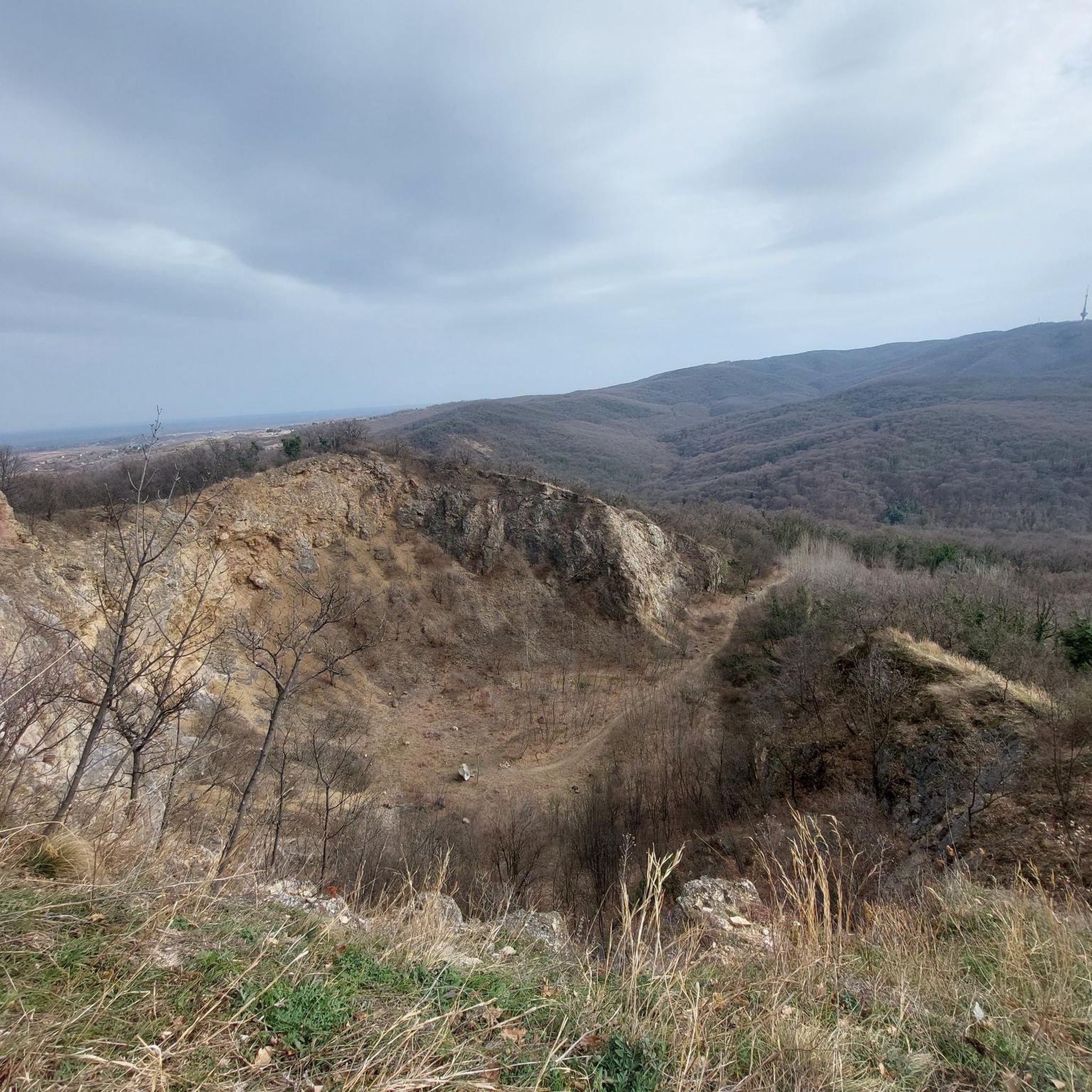
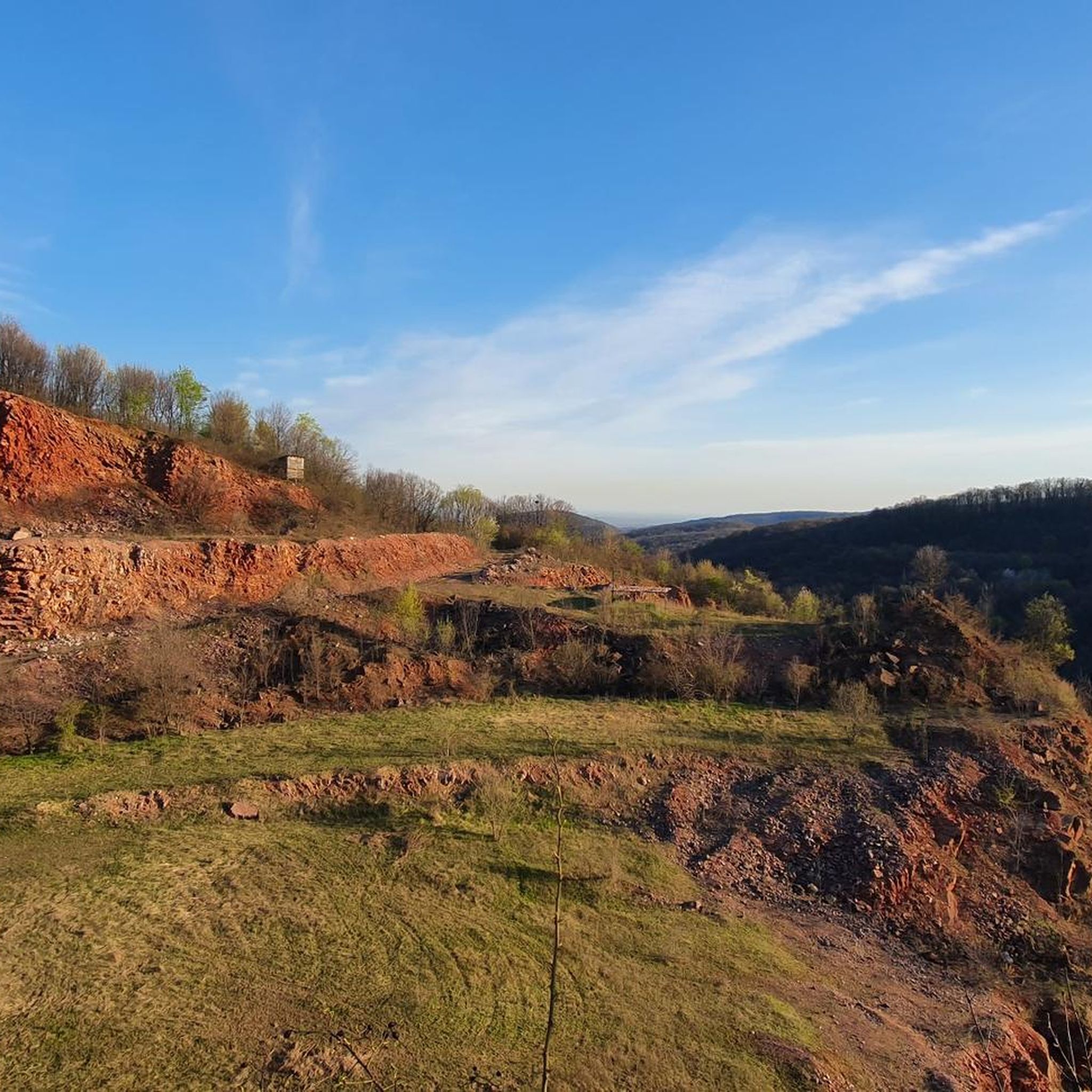
"Beli Majdan" (which means "White Quarry"), also known as the Rakovac Cave, is a stone quarry where granite stone was likely dug, probably since the Middle Ages, and used as building blocks for the nearby Rakovac Monastery, houses in the Rakovac village, as well as for tombstones at the local graveyard. By digging out granite blocks, a unique cave complex was formed, with 4-meter-high galleries supported by stone pillars. During World War II, the "Beli Majdan" cave was used as a common hideout for the local population of the village of Rakovac and workers of the Rakovac quarry during raids organized by the occupiers. This was also the case during the Great Enemy Offensive on Fruška Gora on August 28, 1942. Those who hid in the „Beli Majdan“ remained safe, whereas 58 workers from the Rakovac quarry were arrested. The director of the Rakovac quarry, Ing. Josip Suić, intervened and managed to liberate 32 workers, but the rest were sent to the internment camp in Sremska Mitrovica, where most of them were killed. [This site is part of the Liberation Routes Hiking Tour "The Liberation Walk" (6km)] Tour: https://www.komoot.com/tour/1881448190?share_token=aQX2irH9OHv16zbghqkWFCaaumiVA4C634I6ri4nXXDKLs8eSK&ref=wtd
1
0

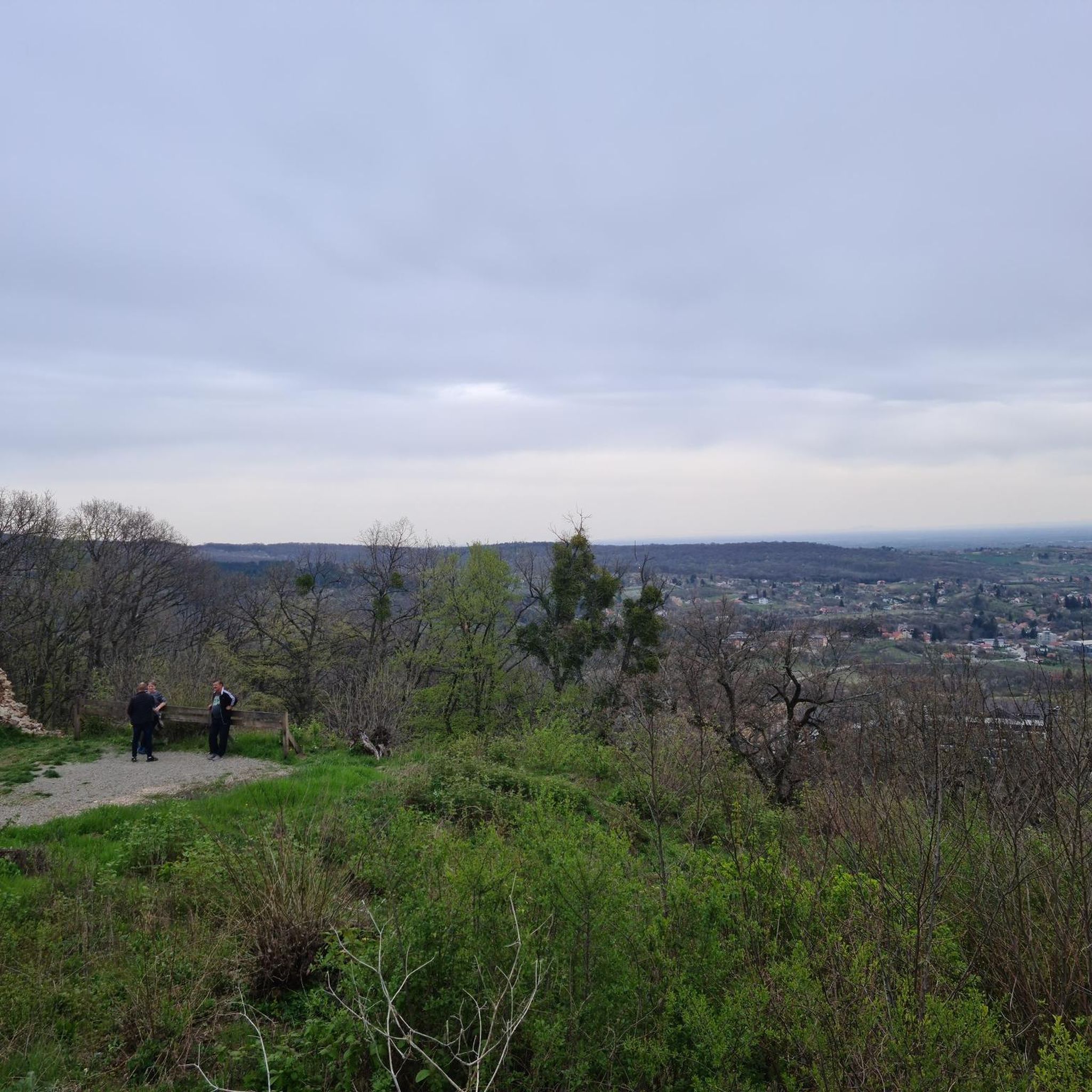
Very nice view to surrounding mountains and forest, there are benches and few tables for you to take a sandwich with a cup of tea.
0
0
Warning, this is more a hike for mountaineers. We walked the trail today and it was very challenging. There are very steep hills, you slip frequently and have to grab on to the trunks of the trees (some of them have even anchors attached to them). We had to climb up 3 times and really struggled. This is not an easy hike!
2
0

There are a lot of insects! Get some bug spray ready, you'll need eye and face protection! The trail is not easy: mud, water, stones. You need powerful shoes!
0
0

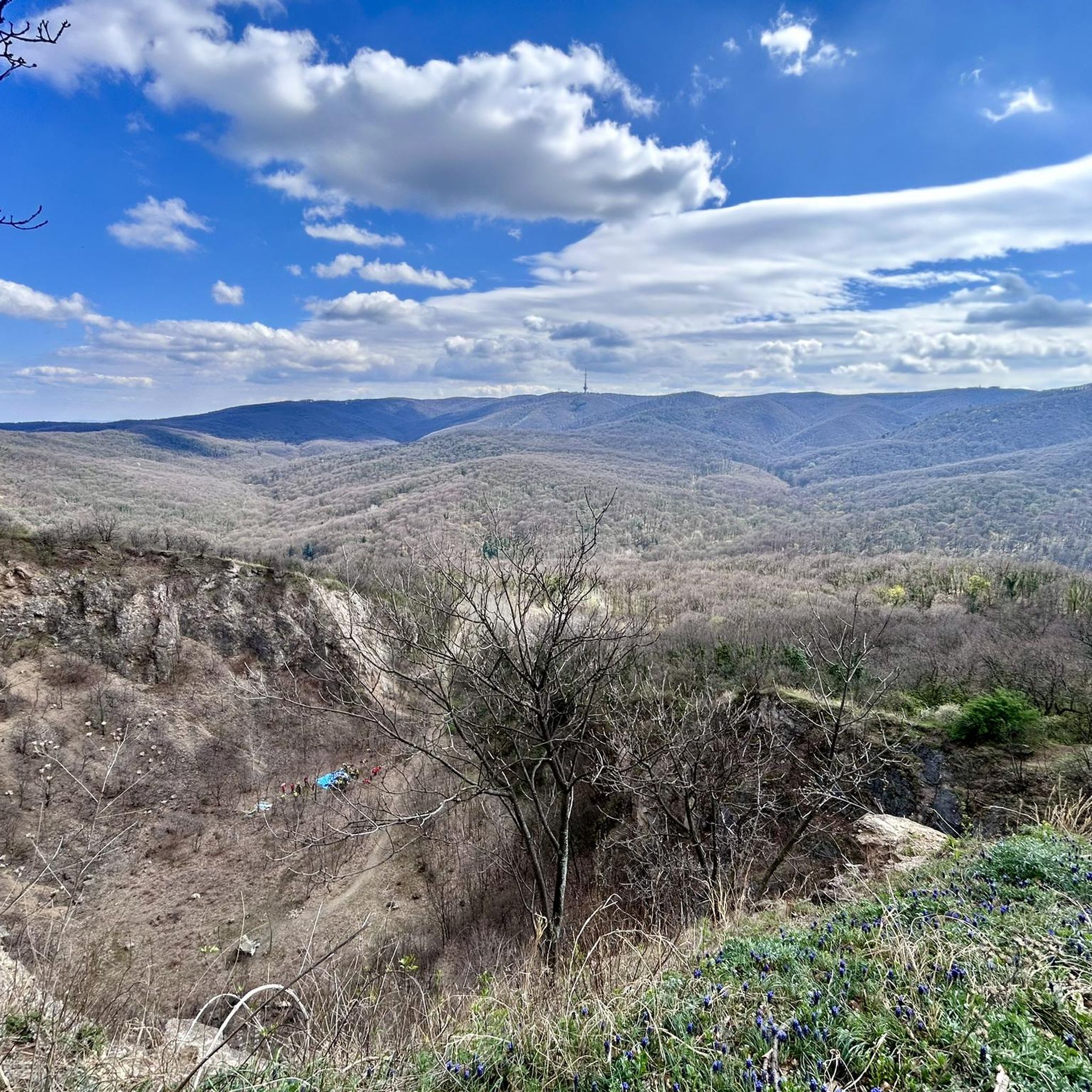
Lookout Eagle Battlefield. A monument of freedom and a bombed TV tower were seen.
0
0

A lot of up and down, trying to get their early in the morning. Unfortunately, there is a lot of trash around the picnic areas. Much up and down, but quite in the woods, best in the morning driving. Unfortunately, the rest areas are rather garbage places
1
0
Frequently Asked Questions
What are some of the most notable natural monuments in Nacionalni Park Fruška Gora?
Nacionalni Park Fruška Gora offers a variety of significant natural monuments. Among them, Beli Majdan (White Quarry) — Rakovac Cave stands out as a unique man-made cave complex. The park also features ancient forests like Javorova gudura and Papratski do, which are under high protection, and the picturesque Dumbovački Waterfall.
What is the historical significance of Beli Majdan (White Quarry) — Rakovac Cave?
Beli Majdan (White Quarry) — Rakovac Cave is an old stone quarry where granite was extracted, likely since the Middle Ages, to build structures like the Rakovac Monastery. The quarrying created a unique cave complex with 4-meter-high galleries supported by stone pillars. During World War II, it served as a hideout for the local population.
What unique natural features can I explore in Fruška Gora National Park?
Fruška Gora National Park is home to diverse natural features. You can explore ancient forests such as Javorova gudura and Papratski do, which are rich in linden, oak, and beech trees. The park itself is a geological phenomenon, once an island in the ancient Pannonian Sea, with evidence of fossilized marine life. Additionally, there are twelve artificial lakes, like Borkovac Lake, offering recreational opportunities.
Where can I find panoramic views of the region?
For panoramic views, Orlovo Bojište Viewpoint offers vistas of the surrounding mountains and forest, complete with benches and tables. Another excellent spot is Crveni Čot, the highest peak in Fruška Gora at 539 meters, which provides breathtaking views of the Pannonian Plain and the Danube River.
What can I expect when visiting Dumbovački Waterfall?
Dumbovački Waterfall is a tranquil oasis with picturesque, foamy cascades. However, be aware that the trail to the waterfall can be challenging, with steep, slippery sections, and may require grabbing onto tree trunks. It is particularly difficult during or after rain, so appropriate footwear and caution are advised. Bug spray is also recommended.
Are there family-friendly natural monuments in Nacionalni Park Fruška Gora?
Yes, some areas are more family-friendly. Orlovo Bojište Viewpoint is considered family-friendly, offering views and amenities like benches. While some trails can be challenging, exploring the general areas of the ancient forests or the shores of the artificial lakes can also be suitable for families, depending on the specific path chosen.
Are there hiking opportunities near the natural monuments?
Yes, Nacionalni Park Fruška Gora offers numerous hiking opportunities. You can find routes like the easy Dumbovački Waterfall loop from Чукља or the moderate Kobila Viewpoint – Dumbovački Waterfall loop from Stari Rakovac. The park also features more challenging trails for experienced hikers, especially around areas like Crveni Čot. For more options, explore the Waterfall hikes in Nacionalni Park Fruska Gora guide.
When is the best time to visit the natural monuments in Nacionalni Park Fruška Gora?
The best time to visit largely depends on your preferred activities. Spring and autumn offer pleasant temperatures for hiking and enjoying the lush greenery or vibrant fall colors. Summer is ideal for exploring the lakes and shaded forest areas. Even in winter, the Dumbovački Waterfall retains its magnificent appearance, though trails can be more challenging due to ice and mud.
Does Fruška Gora have unique geological formations or lakes?
Yes, Fruška Gora is renowned for its unique geology. The entire mountain is considered a geological phenomenon, formed from rocks from nearly all geological periods, and was once an island in the ancient Pannonian Sea. This history is evident in fossilized remains found within the park. Additionally, Fruška Gora features twelve artificial lakes, with some, like Borkovac Lake, offering well-equipped facilities for recreation and nature observation.
Can I spot wildlife near the natural monuments?
The ancient forests of Fruška Gora, such as Javorova gudura and Papratski do, represent pristine natural habitats that support a vast array of flora and fauna. The park is home to over 1500 plant species and 1800 fungal species. While specific wildlife sightings are never guaranteed, these undisturbed natural areas offer the best opportunities for observing the park's biodiversity.
What other outdoor activities can I do in Nacionalni Park Fruška Gora?
Beyond visiting natural monuments, Nacionalni Park Fruška Gora is excellent for various outdoor activities. You can find extensive cycling routes, including challenging options like the Iriški Venac TV tower memorial loop. Gravel biking is also popular, with routes like the Gravel loop from Dobrilovac. The park's diverse terrain makes it suitable for hiking, mountain biking, and general nature exploration.
How much time should I allocate to visit the natural monuments?
The time needed depends on how many monuments you wish to see and your pace. Visiting a single site like Beli Majdan (White Quarry) — Rakovac Cave or Dumbovački Waterfall might take a few hours, including travel and exploration. To experience several key natural monuments and enjoy some hiking, dedicating a full day or even a weekend would allow for a more comprehensive visit.
Most popular routes in Nacionalni Park Fruska Gora
Most popular attractions in Nacionalni Park Fruska Gora

Get inspired with the komoot mobile app


Explore more
Extend your search for the best caves by checking out these guides of the top ones in Nacionalni Park Fruska Gora:
