Top 20 Natural Monuments in Nationalpark Vadehavet
Natural monuments in Nationalpark Vadehavet showcase a dynamic landscape shaped by the North Sea tides. This UNESCO World Heritage site features extensive mudflats, dunes, and salt marshes, providing crucial habitats for migratory birds and seals. The region is characterized by its unique tidal ecosystem, which is considered one of the world's top tidal flats. Visitors can experience a constantly changing environment that supports a rich biodiversity of plants and animals.
Best natural monuments in Nationalpark Vadehavet
- The most popular natural…
Last updated: October 1, 2026
Lakolk Beach
Highlight • Beach
Translated by Google •
Tip by

Wind-Shaped Trees in Vadehavet National Park
Highlight • Natural Monument
Translated by Google •
Tip by

Sign up now to discover places like this
Get recommendations on the best single tracks, peaks, & plenty of other exciting outdoor places.
Skallingen Peninsula
Highlight • Natural
Translated by Google •
Tip by

Stagebjerg Summit
Highlight • Summit
On the Stagebjerg was a radar station during World War II and buried under the sand is still a bunker.
Translated by Google •
Tip by

Rickelsbüller Koog
Highlight • Natural Monument
Translated by Google •
Tip by
Sign up for free to discover even more natural monuments in Nationalpark Vadehavet.
Already have an account?
Start today with a free account
Your next adventure awaits.
Popular around Nationalpark Vadehavet
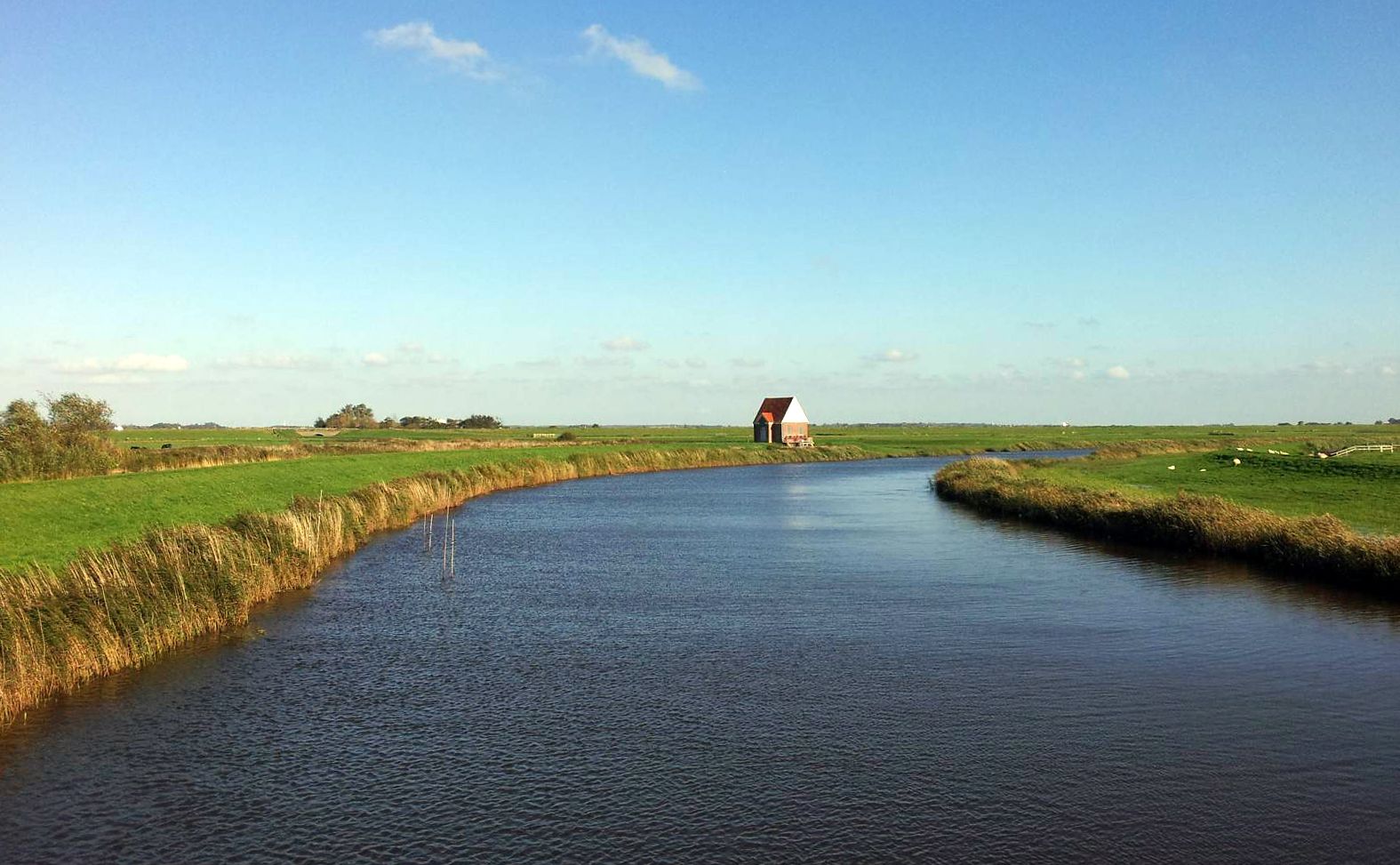
Border Route — in 3 days from the North Sea to the Baltic Sea
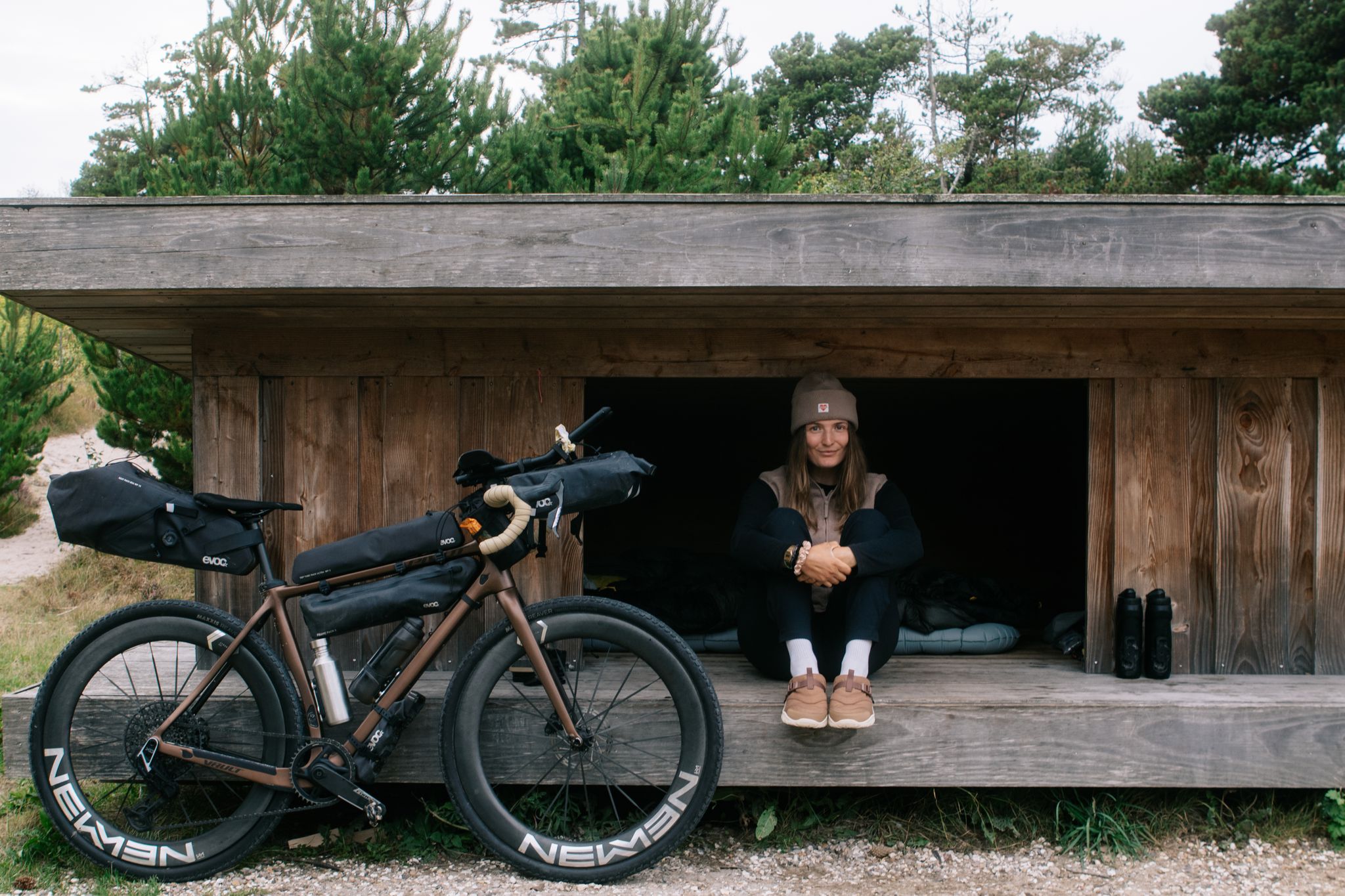
Bikepacking Adventures in Denmark
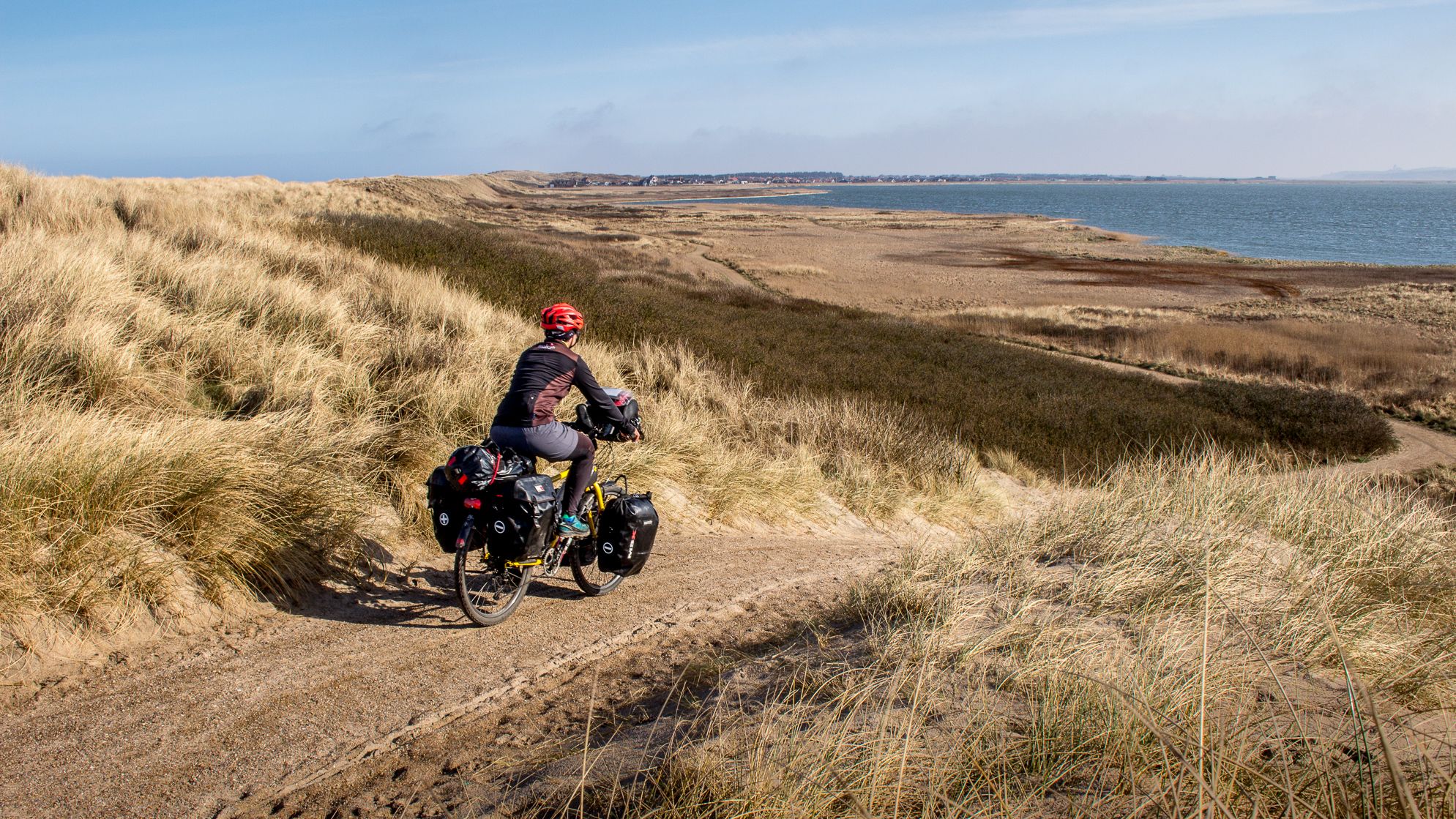
West Coast Route – National Cycle Network Route 1
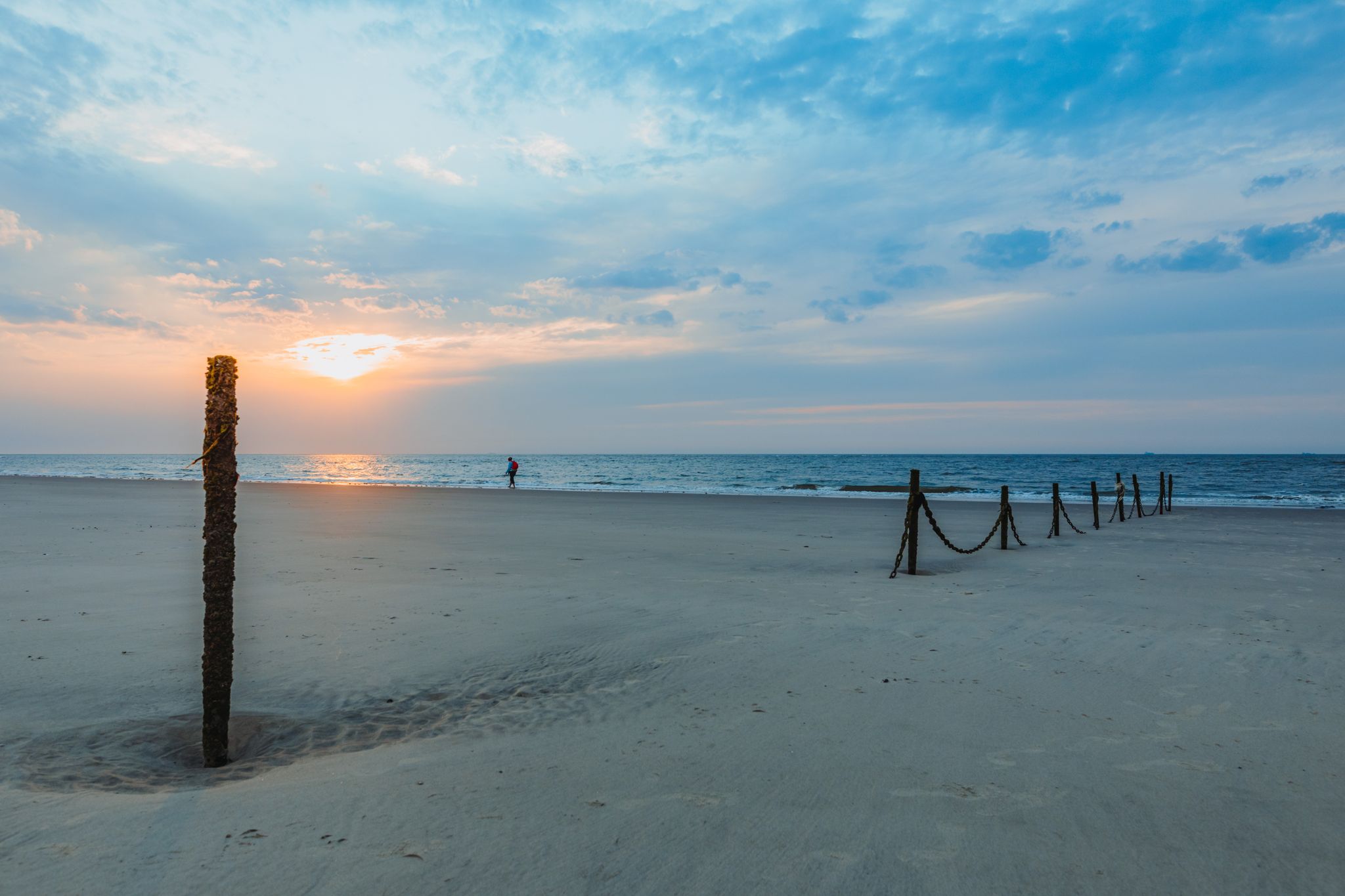
D-Route 1: North Sea Coast Route
Radurlaub im hohen Norden – Mit dem E-Bike an die Küste
Radfernwege im Grünen Binnenland in Schleswig-Holstein
Radfernwege im Binnenland Schleswig-Holstein
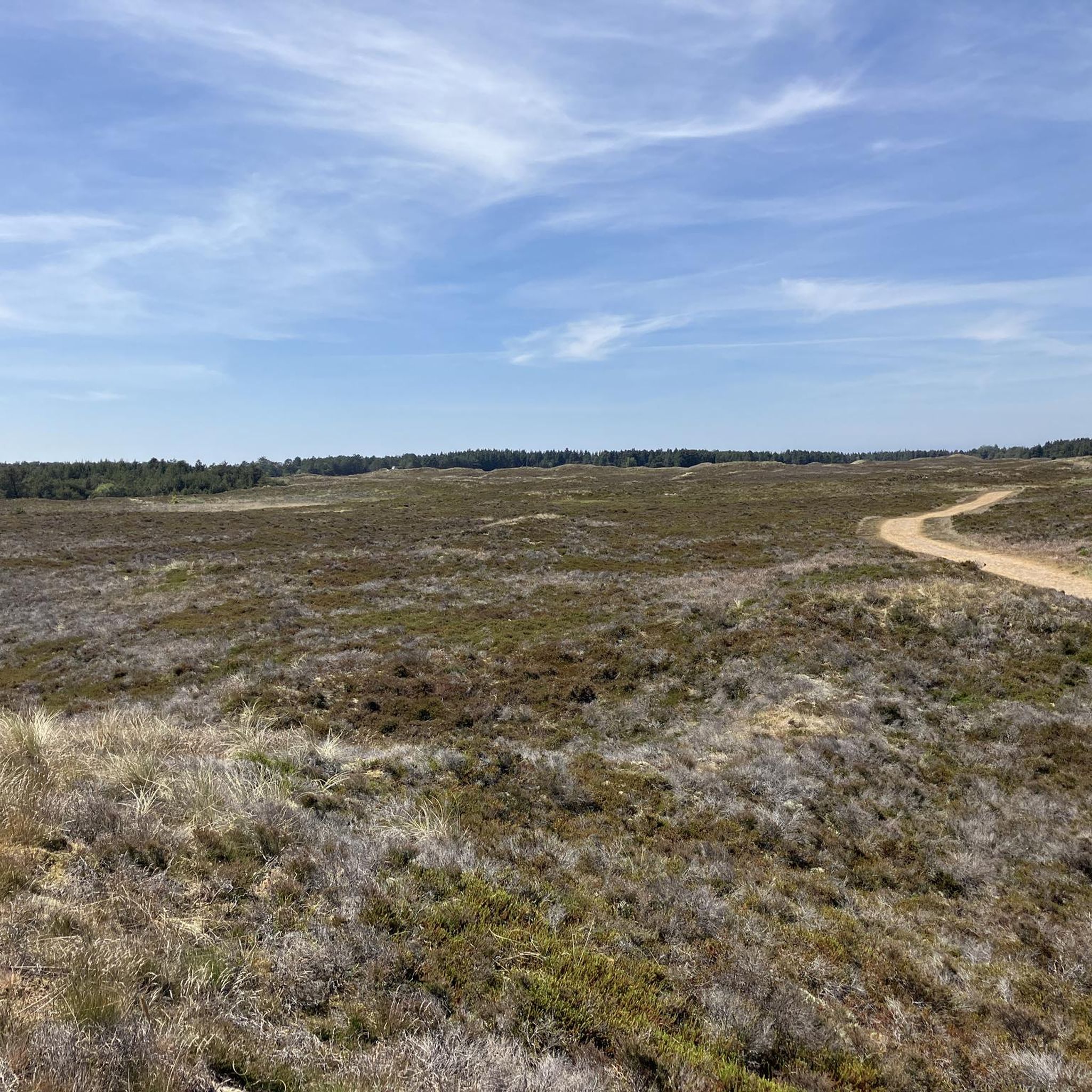
Cycling in Nationalpark Vadehavet
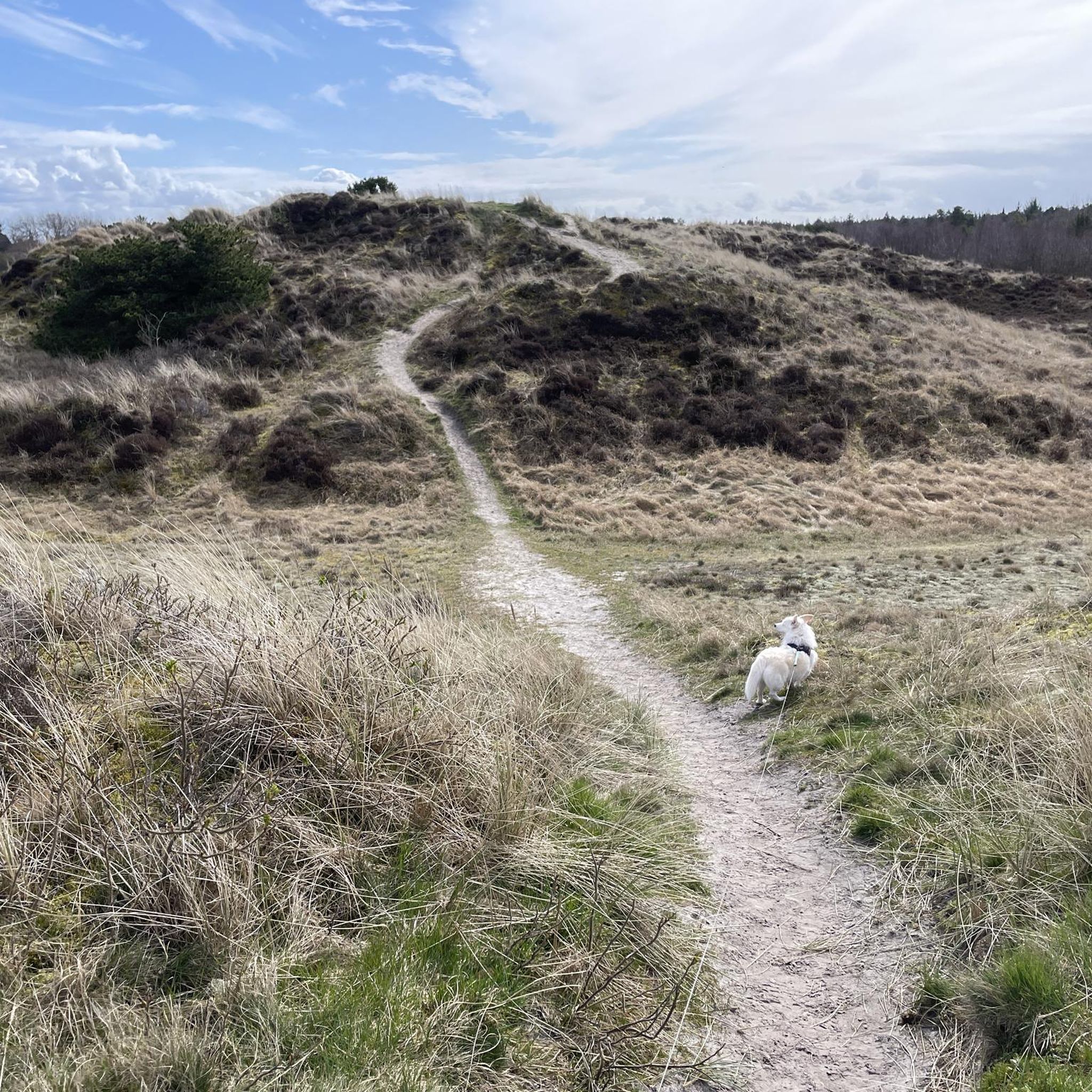
Hiking in Nationalpark Vadehavet
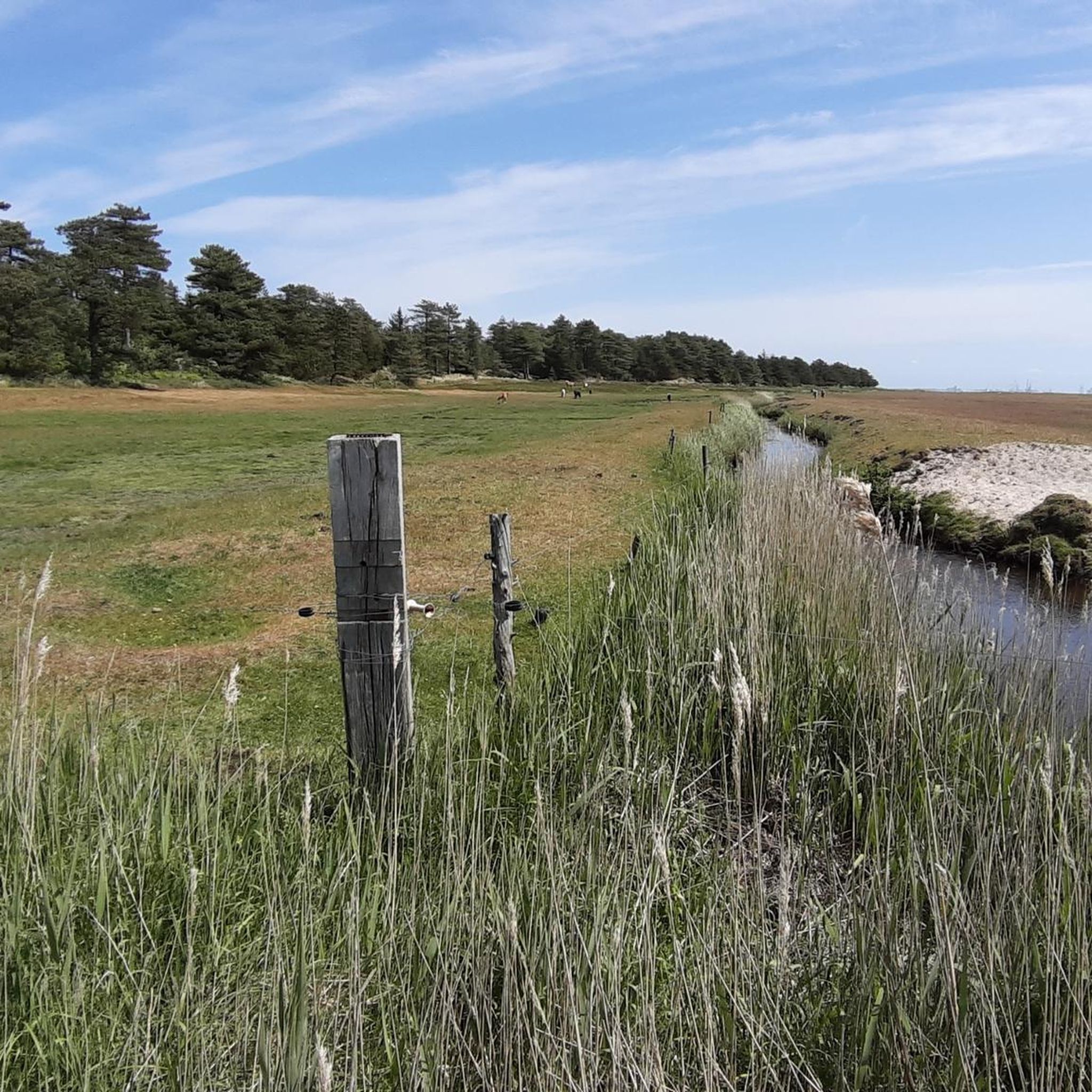
MTB Trails in Nationalpark Vadehavet
Other adventures in Nationalpark Vadehavet


Tips from the Community

The construction of the Rickelsbüller Koog began in 1979, and it was inaugurated in 1981. It is named after the village of Rickelsbüll, which was lost in the Great Flood on December 1, 1615, the remains of which are located under the dike between the Wiedingharder Neuen Koog and the Rickelsbüller Koog. In 1982, the koog was declared a nature reserve, thus replacing the previous protected area 'Bird Sanctuary North Sea East of Sylt'. On December 10, 1997, an information pavilion was opened by the Schleswig-Holstein state government, which provides information about the bird species found there in both German and Danish.
0
0

The Rickelsbüller Koog is a nature reserve covering approximately 534 hectares in the North Frisian district – the northwesternmost point of mainland Germany lies there, directly on the border dam near Rodenäs-Markhäuser. Since its embankment in 1981 and official designation as a protected area in 1982, it offers a mosaic of wet meadows, reed beds, and inland waters that developed from the former mudflats and salt marshes. For birdwatchers, the Koog is a true paradise: it is one of the most important resting and breeding areas along the Schleswig-Holstein North Sea coast. Species such as pink-footed goose, barnacle goose, redshank, black-tailed godwit, dunlin, knot, and many more rest and breed here in large numbers. Particularly impressive are the now regular sightings of white-tailed eagles – a testament to the ecological importance of the area. The landscape is crisscrossed by easily accessible dikes and observation points, including an observation hut. Ideal for nature lovers: binoculars are a must to experience the vibrant birdlife in action. The circular trail – for example, part of the "WWF Tour – Boundless Birdlife" – runs approximately 13 km through the area, offering extensive experiences of the open landscape and the opportunity to experience the northernmost point of the mainland. The Koog is accessible via Rodenäs: By bike or car, you can reach a free parking area directly next to the dike via the border road. From there, paths lead into the protected area – the clear landscape, the rich birdlife, and the peacefully flowing border make the destination a special natural location.
2
0

the landscape with the various flying animals
2
0

The trees here have been shaped by the wind that constantly blows across the island.
1
0

a wonderful joint nature conservation project between Germany and Denmark
4
0

Beware of headwind 💨
0
0


Super nice path with a wide view to Esbjerg
2
0
Frequently Asked Questions
What are some of the most unique natural monuments to experience in Nationalpark Vadehavet?
The Skallingen Peninsula stands out as one of Denmark's youngest land formations, offering a dramatic contrast between the North Sea coast and the Wadden Sea marshlands. It's a place where natural processes are largely undisturbed. Another unique sight is the Wind-Shaped Trees in Vadehavet National Park, where the constant winds have sculpted the trees into distinctive forms, particularly noticeable in the Vråby plantation area.
Where can I find expansive beaches and coastal views within the Nationalpark Vadehavet?
For vast sandy beaches, Rømø Island is renowned for having some of the widest in Northern Europe, such as Lakolk and Sønderstrand. You can also visit Blåvand Beach North, known for its wildness and strong currents, making it ideal for long walks and amber hunting. The Blåvand Beach and Mule Bunkers also offer a wide sandy expanse with unique historical elements.
Are there any natural monuments that offer panoramic views?
Yes, the Stagebjerg Summit on Rømø island, despite its modest height of 18 meters, provides excellent views of the Vråby plantation, surrounding dunes, and heath. It's one of the highest points on the island and offers a great vantage point.
What kind of wildlife can I expect to see at the natural monuments in Nationalpark Vadehavet?
Nationalpark Vadehavet is a crucial habitat for migratory birds and seals. The expansive tidal flats of the Wadden Sea itself are a vital resting and feeding ground for 10-12 million migratory birds annually. You can observe massive flocks of birds, including the 'Black Sun' phenomenon of starlings, and spot common seals basking on sandbanks, especially around areas like Mandø Island and Fanø Island.
What are some family-friendly natural monuments or activities in the park?
Many areas are family-friendly. The wide, sandy beaches of Rømø Island are perfect for various activities, from swimming and relaxation to kite flying. The journey to Mandø Island across the seabed at low tide is a unique adventure for families. Additionally, exploring the Wind-Shaped Trees in Vadehavet National Park can be an interesting and accessible experience for all ages.
What is the best time to visit Nationalpark Vadehavet to experience its natural monuments?
The Wadden Sea is dynamic year-round. Spring and autumn are excellent for birdwatching, especially during migration seasons when millions of birds pass through. Summer offers pleasant weather for exploring beaches and islands like Rømø and Fanø. Even winter can be dramatic, with the raw power of nature on display, though some access might be tide-dependent.
Are there opportunities for hiking near the natural monuments?
Absolutely. The diverse landscapes of Nationalpark Vadehavet offer many hiking opportunities. You can find easy hikes, such as those listed in the Easy hikes in Nationalpark Vadehavet guide, which include routes like the Heart path at Marbæk or the Spidsbjerg Ascent loop on Rømø. The Skallingen Peninsula also offers trails to experience its untouched nature.
Can I go cycling to explore the natural monuments?
Yes, cycling is a popular way to explore the flat landscapes of Nationalpark Vadehavet. There are numerous routes, including those mentioned in the Cycling in Nationalpark Vadehavet guide, such as the Panoramarute 402 or the Vikings and the Wadden Sea Trail. For road cycling, the Road Cycling Routes in Nationalpark Vadehavet guide features routes like the Lakolk Road loop on Rømø.
What makes the Wadden Sea itself a natural monument?
The Wadden Sea is a UNESCO World Heritage site and is considered one of the world's top ten tidal flats. Its defining feature is the expansive tidal flats where the sea retreats twice daily, revealing a rich ecosystem. This constant movement of one billion cubic meters of water creates a constantly changing landscape, supporting over 500 species of plants and animals, making it a globally significant natural phenomenon.
How can I visit Mandø Island, and what makes it special?
Mandø Island is unique as the only Wadden Sea island accessible by car, bicycle, or on foot via two routes—Ebbevejen or Låningsvejen—both only at low tide. This journey across the seabed is an adventure dictated by the tides. Mandø is a marsh island with small dunes, a designated nature reserve, and a 'Dark Sky' area, offering exceptional stargazing and an intimate experience with Wadden Sea birdlife.
What are the natural features of Fanø Island?
Fanø Island, located north of the Wadden Sea barrier islands, boasts diverse natural beauty. It features long, wide beaches, unbroken dune rows, valuable dune slacks, fine dune heathlands, and reed forests along its eastern coast. The Fanø Klitplantage (dune plantation) also offers a varied landscape for exploration, making it excellent for hiking and observing bird and animal life.
What do visitors enjoy most about the natural monuments in Nationalpark Vadehavet?
Visitors frequently appreciate the dramatic tidal movements, the opportunity to observe massive flocks of migratory birds and seals, and the sense of remote tranquility. The unique ecosystems and constantly changing landscapes, such as those found at the Skallingen Peninsula, offer a powerful connection to nature. Many also enjoy the long beach walks and the unique historical elements found in some areas.
Most popular routes in Nationalpark Vadehavet
Most popular attractions in Nationalpark Vadehavet

Get inspired with the komoot mobile app


Explore more
Extend your search for the best caves by checking out these guides of the top ones in Nationalpark Vadehavet:
