Top 20 Natural Monuments in Serra De Collserola
Best natural monuments in Serra De Collserola are found within a vast natural park bordering Barcelona, offering a diverse range of landscapes and ecosystems. This metropolitan park features significant natural features, including peaks, ancient trees, and geological formations. The area is characterized by Mediterranean mountain flora and serves as a vital wildlife habitat. Exploring these natural monuments provides insight into the region's ecological value and natural beauty.
Best natural monuments in Serra De Collserola
- The most popular natural monuments is…
Last updated: May 15, 2026
Cypresses Viewpoint
Highlight • Viewpoint
Translated by Google •
Tip by

Salt de l'Aigua Waterfall
Highlight • Waterfall
Translated by Google •
Tip by

Sign up now to discover places like this
Get recommendations on the best single tracks, peaks, & plenty of other exciting outdoor places.
Sign up for free
Santa Maria de Collserola Sanctuary
Highlight • Religious Site
Translated by Google •
Tip by
Vallvidrera Reservoir
Highlight • Lake
Translated by Google •
Tip by

Camp del Miracle Fountain
Highlight • Natural Monument
Translated by Google •
Tip by
Sign up for free to discover even more natural monuments in Serra De Collserola.
Sign up for free
Already have an account?
Start today with a free account
Your next adventure awaits.
Login or Signup
Popular around Serra De Collserola
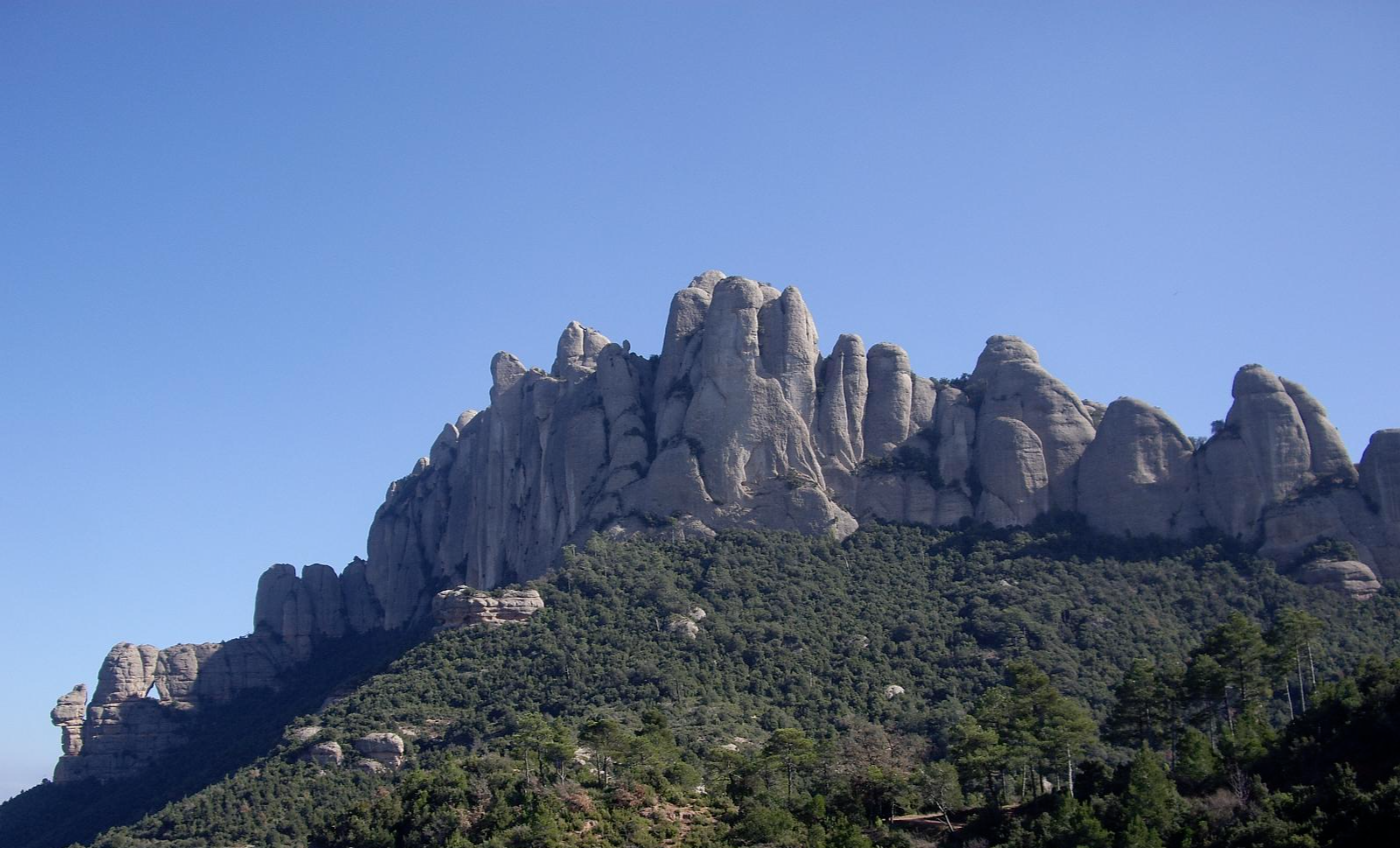
The Pilgrims' Road to Montserrat - GR 96
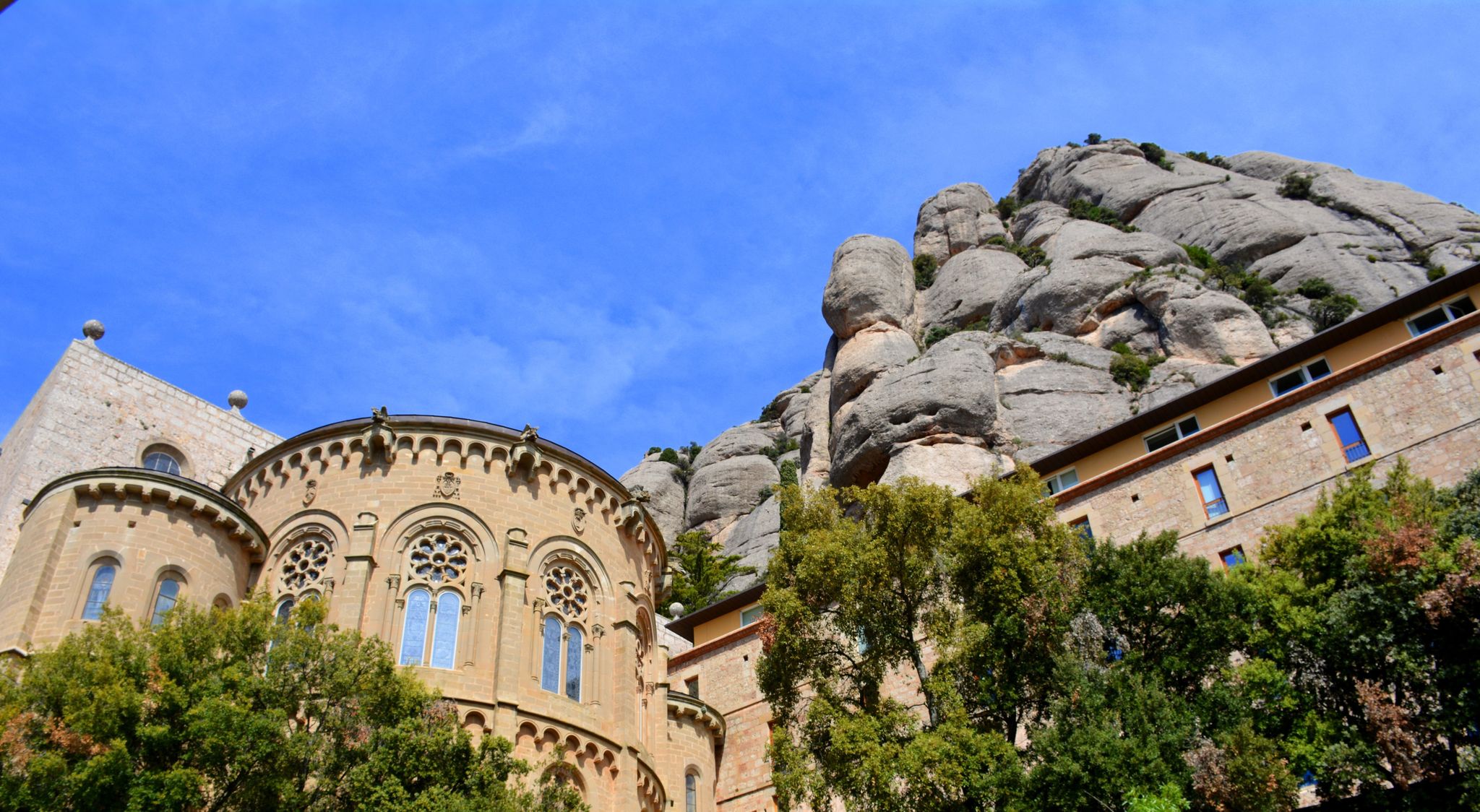
From the city to the forests – Camí Romeu de Montserrat (GR 96)
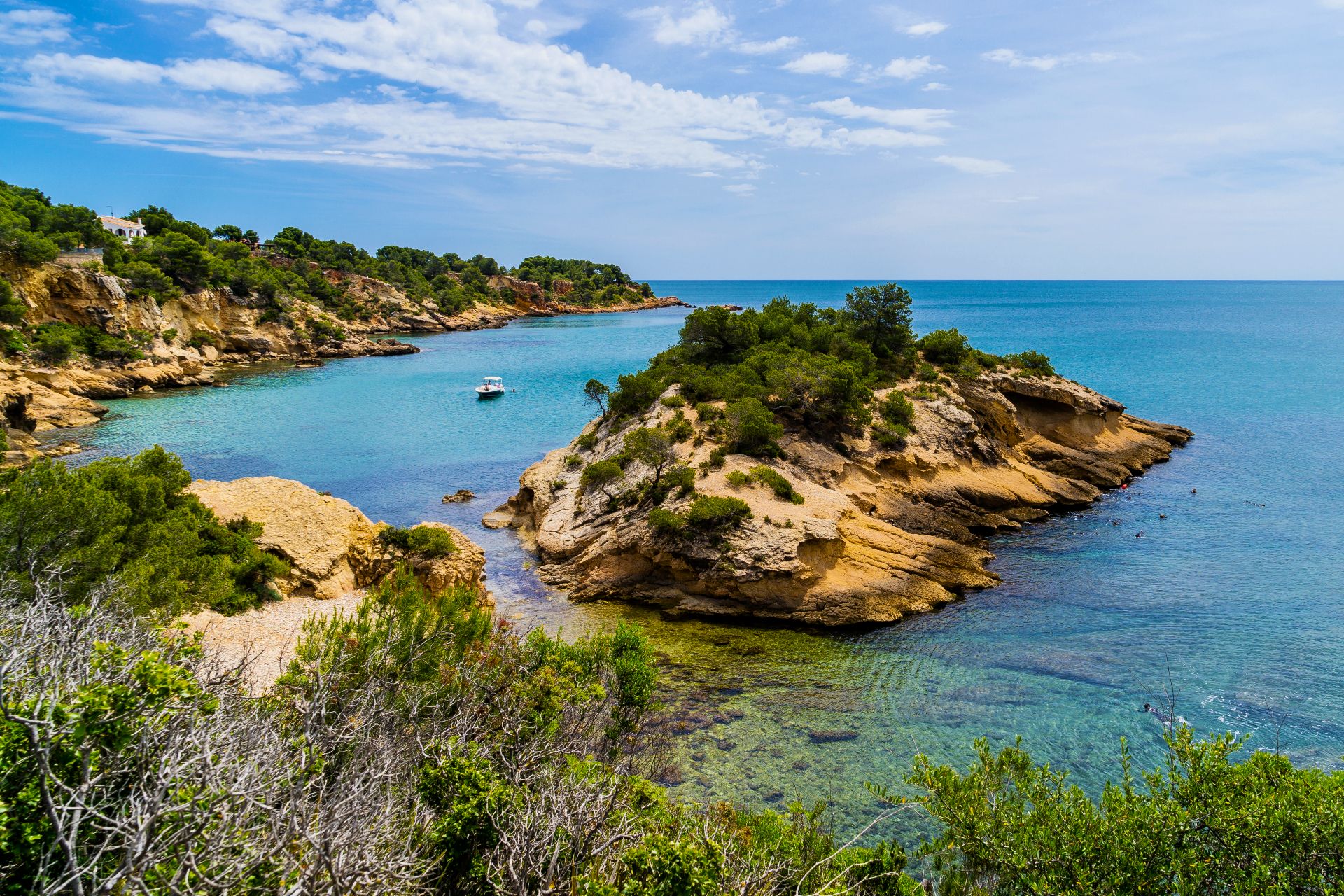
The Catalan coast on foot – Mediterranean Path (GR 92)
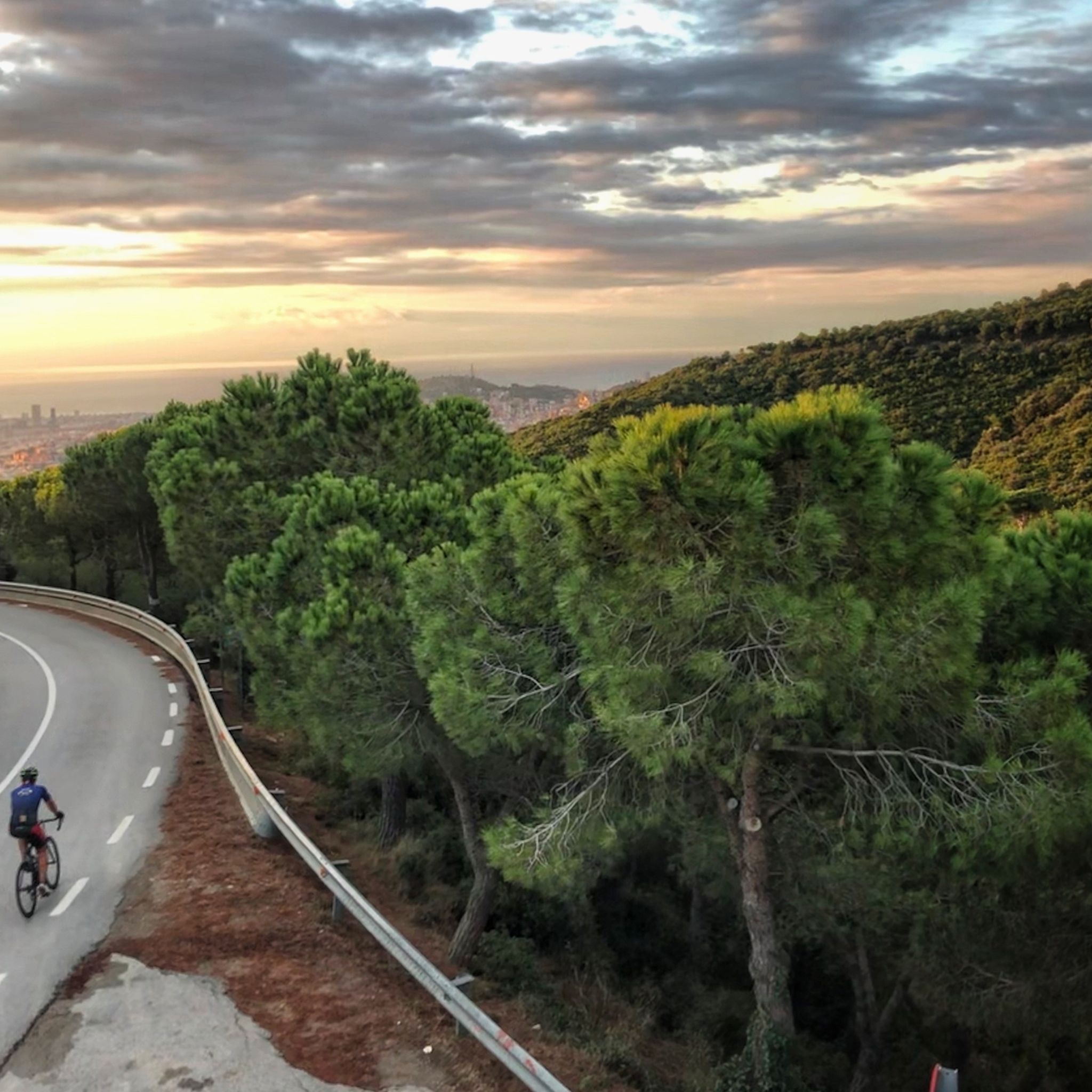
Road Cycling Routes in Serra De Collserola
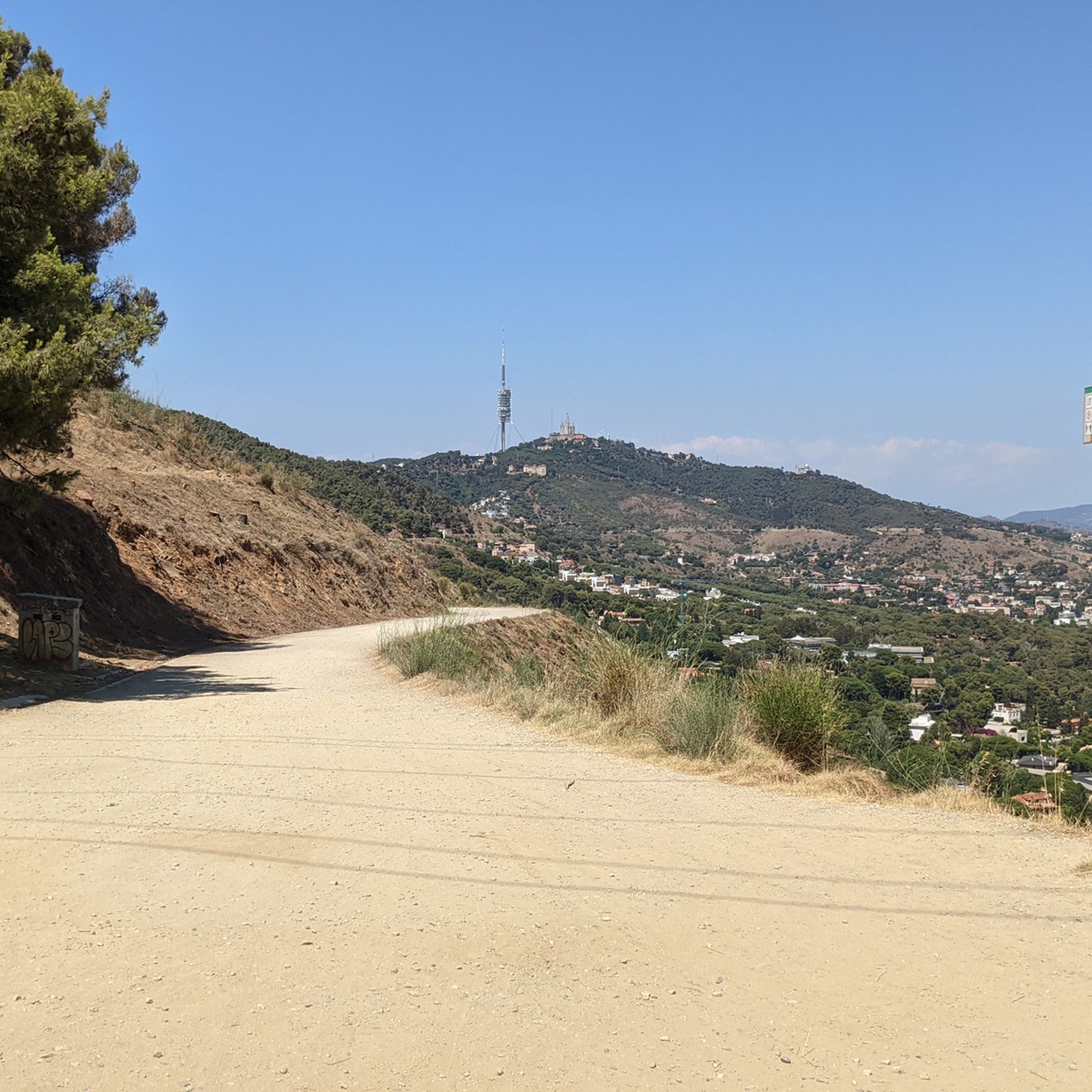
MTB Trails in Serra De Collserola
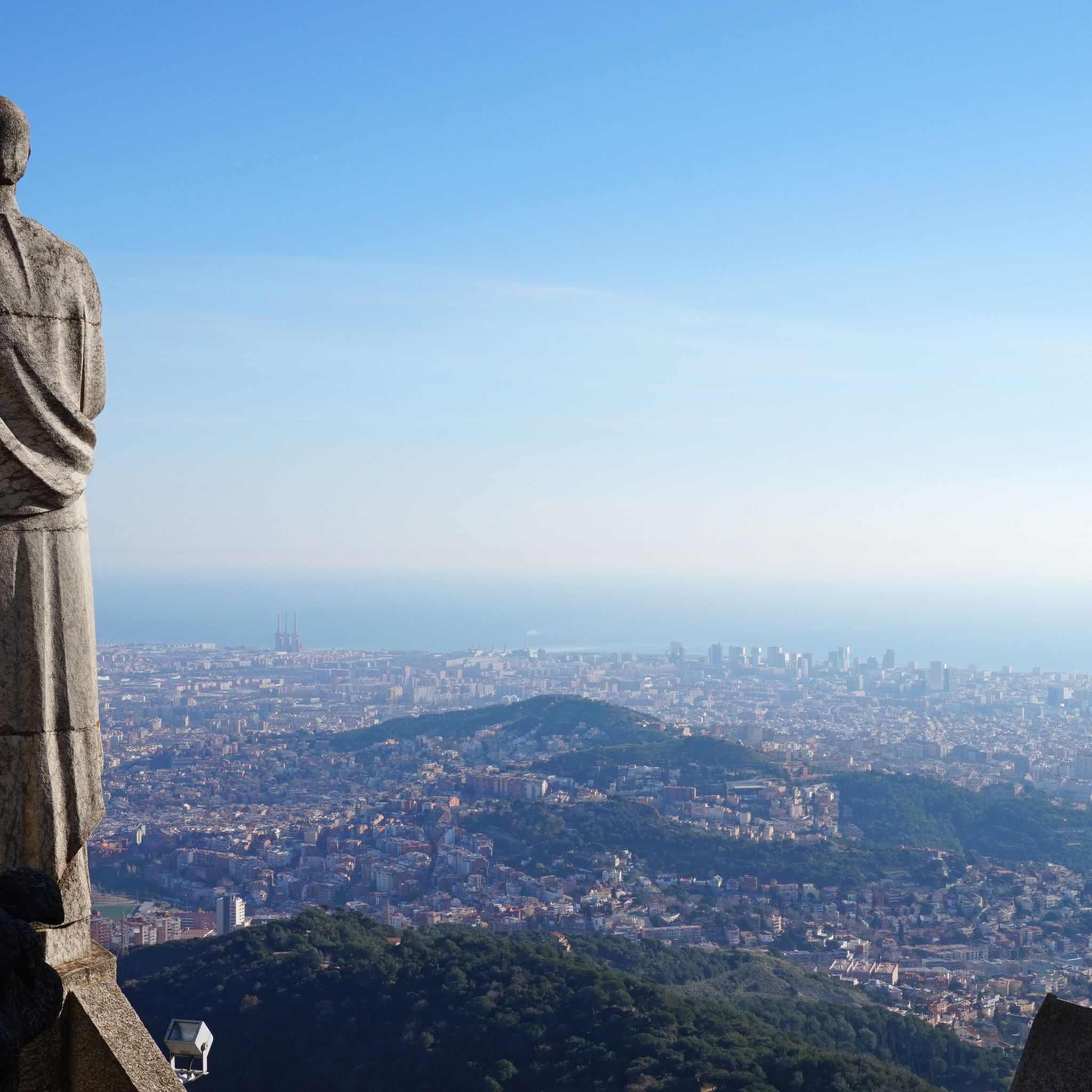
Hiking in Serra De Collserola
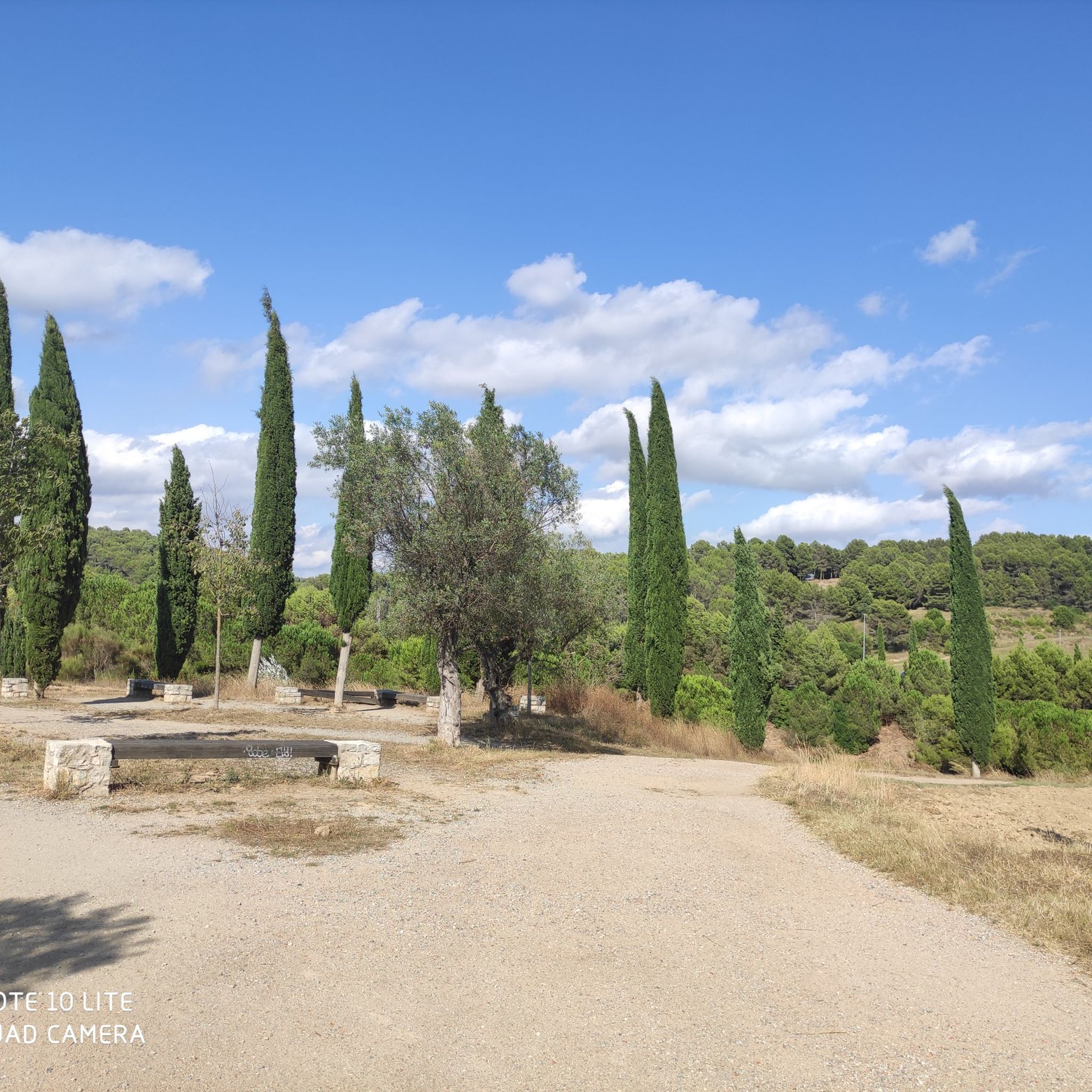
Running Trails in Serra De Collserola
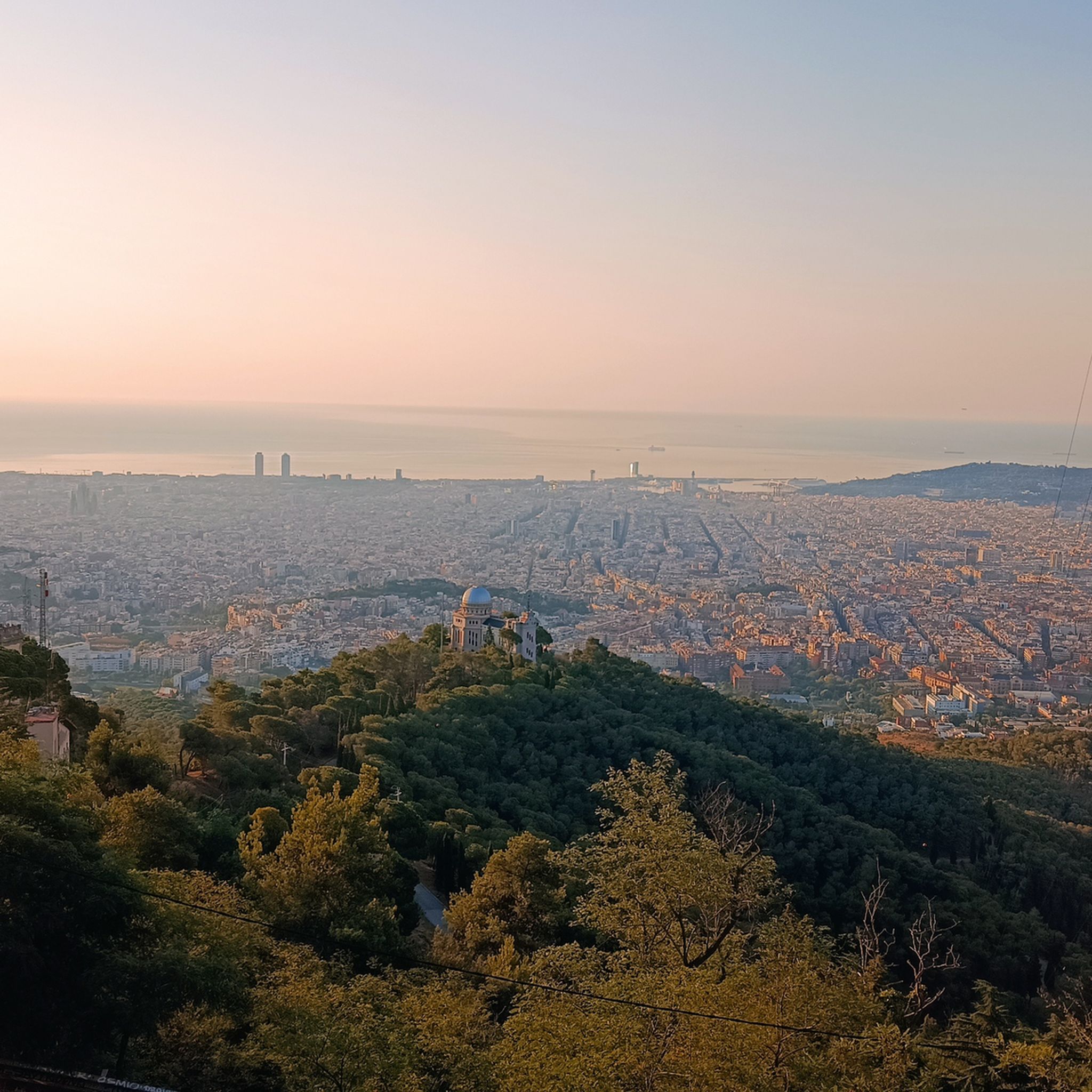
Cycling in Serra De Collserola

Gravel biking in Serra De Collserola
Other adventures in Serra De Collserola


Tips from the Community

Regarding the Mother of God, to whom this local shrine is dedicated, here is a reflection by Albino Luciani from his time as Patriarch of Venice (later Pope John Paul I): "A privileged place in the Bible is reserved for Mary, who was chosen to become the Mother of God and to participate positively in the Incarnation and the Redemption. In the past, the grace of divine election was emphasized above all. Today, Mary's response is also emphasized, her yes, or rather, her 'active and responsible consent.' A responsible and courageous yes to a task that encompassed the entire world..." Text: Albino Luciani (Pope John Paul I)
0
0

place of worship to the Virgin Mary of Collserola, and a point of reference and visit for mountain biking and hiking lovers 🥾
0
0

In front of the small sanctuary of Santa Maria de Collserola there is a large square with a stone circle and a cross.
4
0

A very good cycle path, with views of Barcelona
0
0

Simple and small sanctuary of bricks and tiles with the image of Santa Maria de Collserola, which from its tiny display case observes the Sacred Heart located at the top of Tibidabo.
25
0

A simple and small sanctuary of bricks and tiles, with the image of Santa Maria de Collserola. Access to this point is through leafy and narrow paths in the middle of a semi-dark forest.
3
0

Exuberant and shady corner where we will definitely forget that we are close to Barcelona. We are in one of those spaces that alone justify a trip. The stream forms a small jump thanks to an artificial lock built in the s. XIX that brought water from the stream through a pipe, which we can still see on one side of the jump, to the Can Planes mill. We can go down to the small pond that forms the caient, where, in the summer, the little ones can still take a bath. El Salt is surrounded by lush and shady vegetation, with bananas, oaks and oaks that bring freshness in the summer. It is one of the most crowded places in Collserola due to its proximity and ease of access.
2
1

Just in front of the Ermita de Sant Medir, on the other side of the esplanade, is the Font del Camp del Miracle. Made by APAC and the Penya Regalèssia, the fountain is presided over by a mosaic in homage to Sant Medir and the gathering that is held here every year at the beginning of March. Built of stoneware, it has four taps with a push button and a large running sink.
1
0
Frequently Asked Questions
What are some of the most notable natural features to explore in Serra De Collserola?
Serra De Collserola Natural Park is rich in diverse natural features. You can find significant geological formations like Les Escletxes del Papiol, which are popular for caving and rock climbing. The park also boasts ancient trees such as the monumental Pi d'en Xandri, over 250 years old, and various natural springs like the Budellera Spring, offering serene spots for rest.
Are there family-friendly natural monuments in Serra De Collserola?
Yes, several natural monuments in Serra De Collserola are suitable for families. The Cypresses Viewpoint is easily accessible and offers panoramic views, making it a great stop for all ages. Another excellent option is the Salt de l'Aigua Waterfall, a notable water feature in the Molins area that is also considered family-friendly.
What kind of wildlife can I expect to see in Serra De Collserola?
Serra De Collserola is a vital wildlife habitat. The park is home to a variety of animals, including wild boars, foxes, genets, and badgers. Birdwatchers can spot species like blue tits, woodpeckers, and various raptors. The area also supports amphibians such as salamanders and newts, and different frog and turtle species, highlighting its importance as a natural reserve.
Where can I find the best panoramic views of Barcelona and the surrounding area?
For breathtaking panoramic views, Tibidabo Peak is the highest point in the Collserola range, offering unparalleled vistas of Barcelona and the Mediterranean Sea. Additionally, the Santa Maria de Collserola Sanctuary, nestled on leafy paths within a forest, provides views towards Tibidabo itself.
What outdoor activities are available near the natural monuments?
The park offers a wide range of outdoor activities. You can enjoy cycling on routes like the 'Tibidabo from Sant Cugat - circular through the Collserola Natural Park' or 'Collserola Tower – Sanctuary of Santa Creu d'Olorda loop'. For mountain biking, consider trails such as 'Parc de Collserola, Can Borrell, Paseo de las aguas'. Hikers have options like the 'Vallvidrera Reservoir Trail' or the 'Budellera Spring – Saint Mary of Vallvidrera loop'. You can find more details on these activities in the Cycling in Serra De Collserola, MTB Trails in Serra De Collserola, and Easy hikes in Serra De Collserola guides.
Are there any natural water features or reservoirs to visit?
Yes, the park features several natural water elements. The Vallvidrera Reservoir, originally built in 1865, is now a popular leisure area. You can also find natural springs throughout the park, such as the Budellera Spring, and the Salt de l'Aigua Waterfall, which is a notable natural water feature in the Molins area.
What is the best time of year to visit Serra De Collserola for natural monuments?
Serra De Collserola can be enjoyed year-round, but spring and autumn generally offer the most pleasant weather for exploring the natural monuments. During these seasons, temperatures are mild, and the park's diverse flora is particularly vibrant, making for comfortable hiking and cycling conditions. Summers can be hot, while winters are generally mild but can be cooler at higher elevations.
How can I access the natural monuments using public transport?
Serra De Collserola is well-connected to Barcelona by public transport. Various bus lines and FGC (Catalan Railways) services reach different access points of the park. For instance, areas along the Carretera de les Aigües are accessible, and some natural monuments like the Cypresses Viewpoint can be reached via Passeig de les Aigües, which is served by public transport routes.
Are there facilities like drinking water sources near the natural monuments?
Yes, some natural monuments and trails offer facilities. For example, the Camp del Miracle Fountain, located near the Ermita de Sant Medir, provides drinking water with multiple taps. The Cypresses Viewpoint also has a source where you can refill water bottles.
What makes the flora of Serra De Collserola unique?
The flora of Serra De Collserola is typical of a Mediterranean mountain range near the sea, making it quite diverse. The park boasts over a thousand major plant species and around thirty plant communities. You'll find extensive forests of Aleppo pines and nut pines, evergreen oaklands, riverside copses, maquis, scrublands, brush, and savannah grasslands, offering a rich tapestry of Mediterranean plant life.
What is the Carretera de les Aigües and why is it significant?
The Carretera de les Aigües (Water Road) is a significant natural feature within Serra De Collserola. It's a popular route that runs along the Collserola ridge, offering continuous panoramic views of Barcelona. It's widely used by cyclists and walkers, providing an accessible way to experience the park's natural beauty and vistas.
Most popular routes in Serra De Collserola
Most popular attractions in Serra De Collserola

Get inspired with the komoot mobile app


Explore more
Extend your search for the best caves by checking out these guides of the top ones in Serra De Collserola:
