Top 20 Natural Monuments in Valles Occidentales
Best natural monuments in Valles Occidentales are found within the Valles Occidentales Natural Park, located in the Aragonese Pyrenees. This protected area features diverse landscapes, including Atlantic forests, high mountain peaks, glacial valleys, and unique karstic formations. The region encompasses the valleys of Ansó, Hecho, Aragüés del Puerto, and Aísa, offering a rich variety of natural features. Its complex access has contributed to its well-preserved state, making it a prime location for exploring natural beauty.
Best natural monuments in Valles…
Last updated: May 31, 2026
Ibón de Acherito
Highlight • Lake
Estanés Lake
Highlight • Lake
Translated by Google •
Tip by

Sign up now to discover places like this
Get recommendations on the best single tracks, peaks, & plenty of other exciting outdoor places.
Sign up for free
Table of the Three Kings (Hiru Erregen Mahaia)
Highlight • Summit
Translated by Google •
Tip by

Llano de Tacheras
Highlight • Viewpoint
There is a parking area that can be reached by car along the track …
Translated by Google •
Tip by

Valle de los Sarrios
Highlight (Segment) • Gorge
Legend has it that a …
Translated by Google •
Tip by
Sign up for free to discover even more natural monuments in Valles Occidentales.
Sign up for free
Already have an account?
Start today with a free account
Your next adventure awaits.
Login or Signup
Popular around Valles Occidentales
Classic Swallows Route in Spain – Mountains with history
Aragon along the Pyrenean Trail – GR 11
Hiking in Valles Occidentales
Running Trails in Valles Occidentales
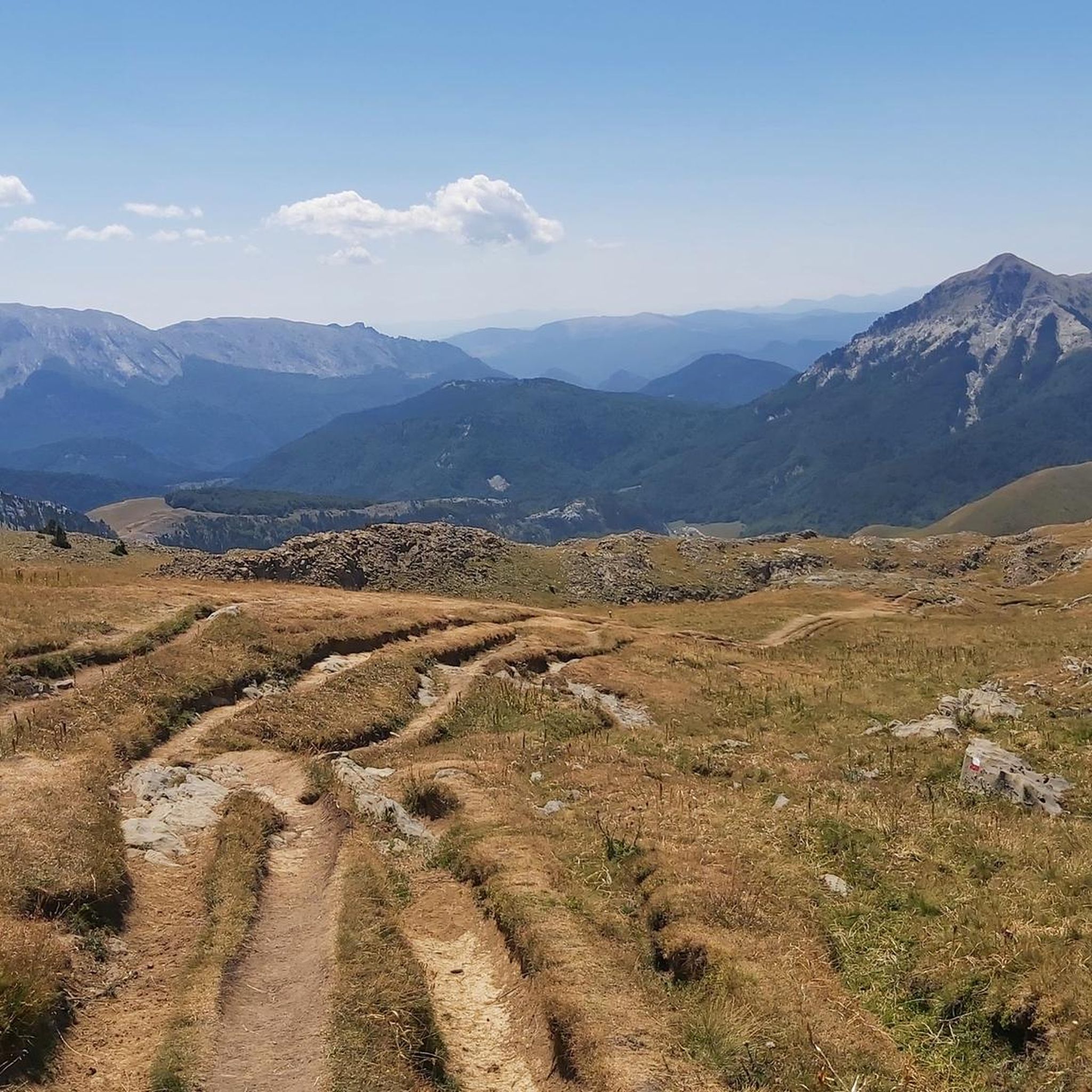
Road Cycling Routes in Valles Occidentales
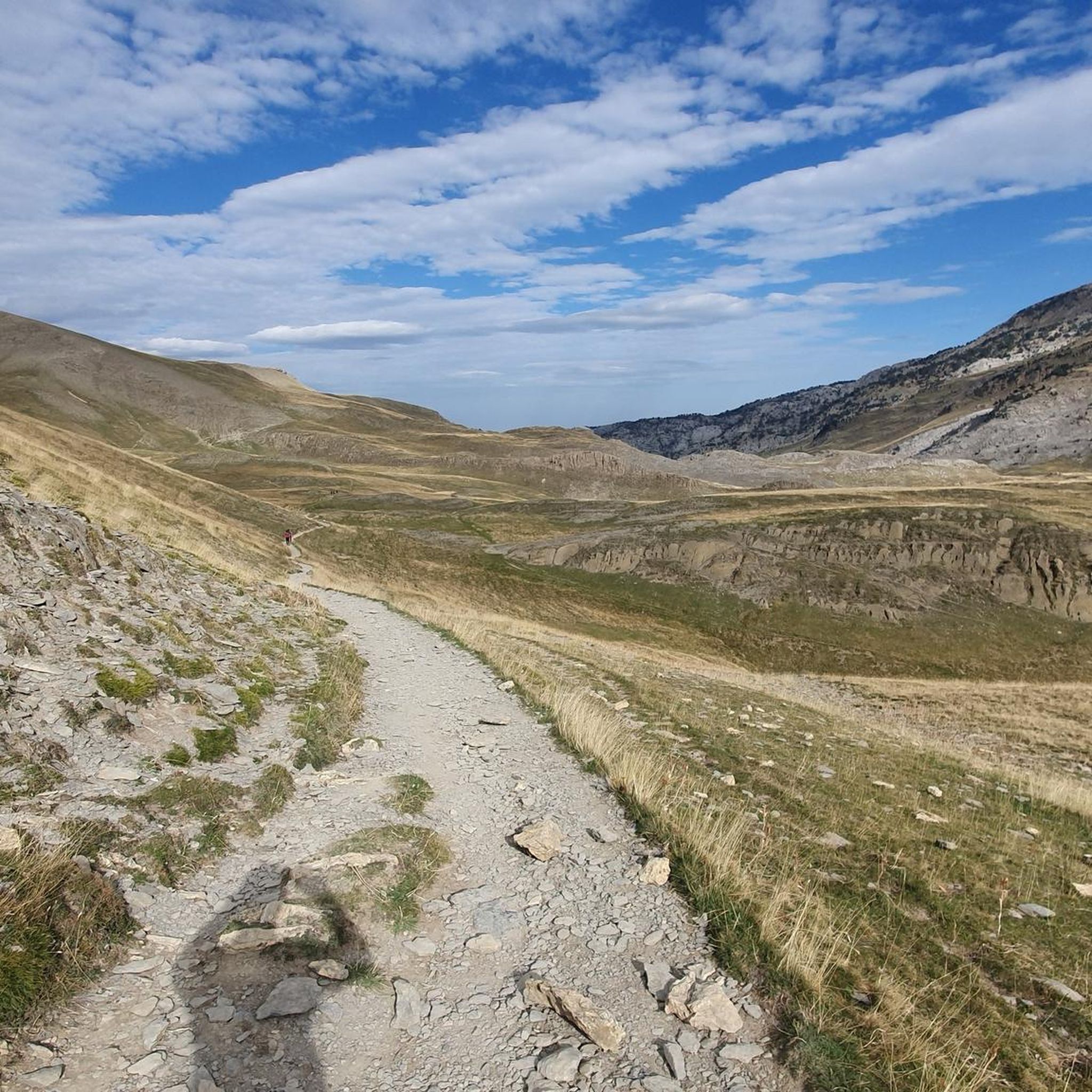
MTB Trails in Valles Occidentales
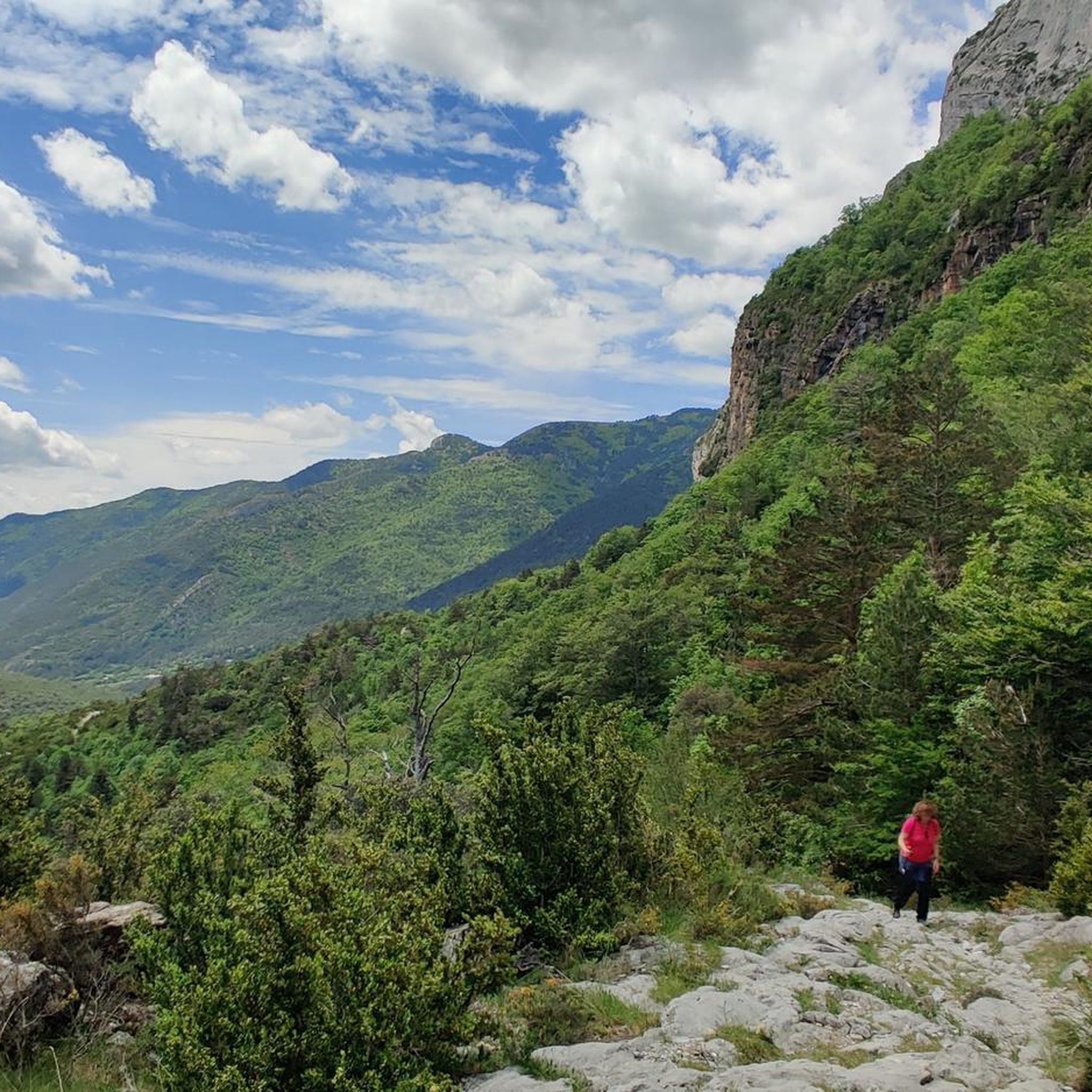
Cycling in Valles Occidentales

Mountain Hikes in Valles Occidentales

Gravel biking in Valles Occidentales


Tips from the Community

There is a drinking water point after the bridge.
0
0

The Mesa de los Tres Reyes is the highest peak in Navarra with 2444 meters. It starts from the Linza refuge, being a hard and demanding climb due to the distance (17 km round trip) and the difference in altitude (1309 meters); and the last climb to reach the top in which you inevitably have to put your hands down on a steep slope with loose stones, although it is even more impressive on the way down. But the effort is rewarded by the areas that are crossed and the views throughout the journey.
1
0

It is best to put the bag down before climbing to the table.
0
0

One of the "must do" summits if you live "not so far" from it.
5
0

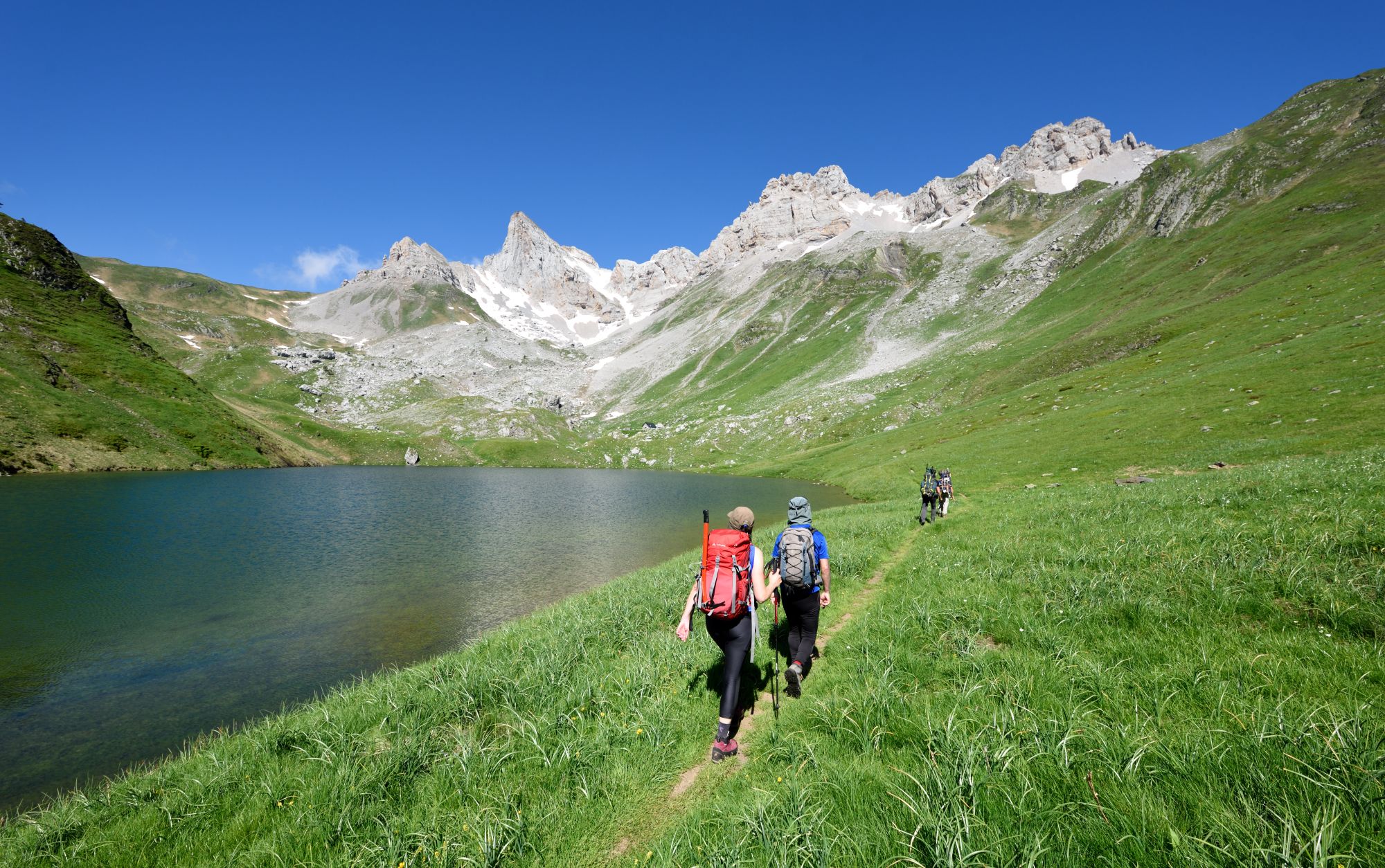
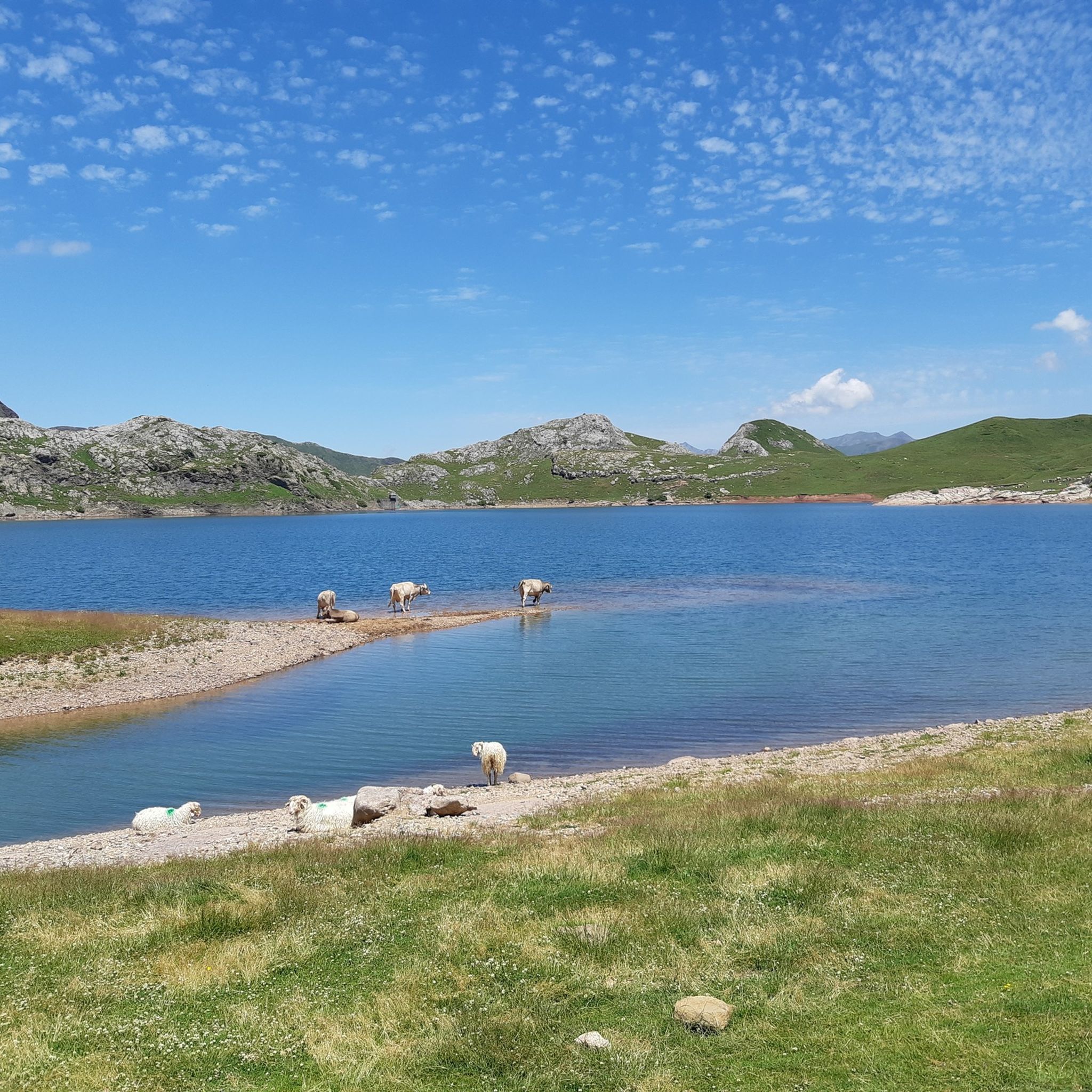
Located on the Spanish side, the lake is 1,754 meters above sea level. Nestled at the foot of beautiful rocky mountains, it invites you to take a timeless break.
0
0

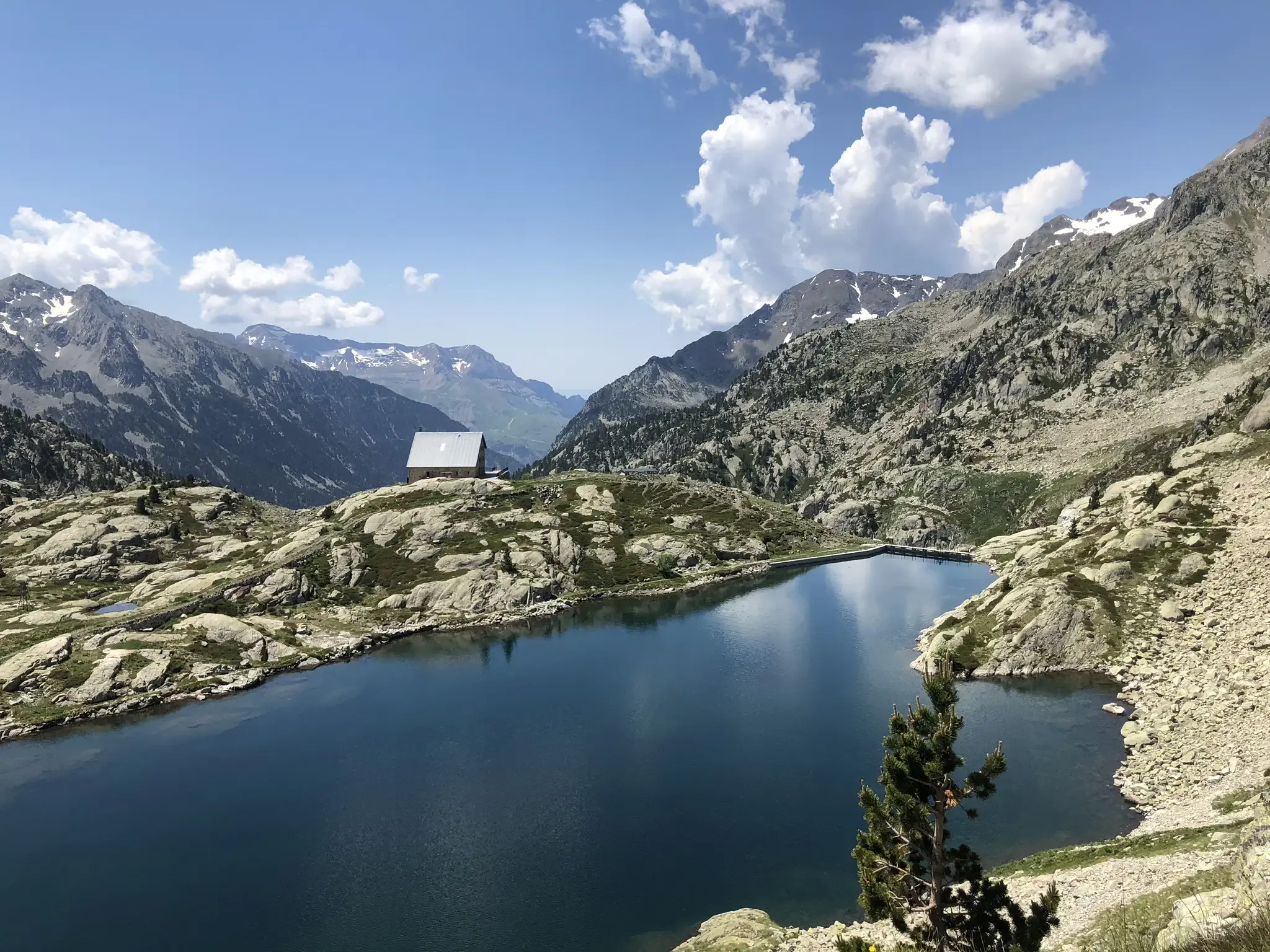
This ibón, at 1,875 m above sea level, is the westernmost of the Pyrenees. A colony of Pyrenean newts with some endemic characteristics lives in it. All the Aragonese lakes are protected as they are included in the Inventory of Singular Wetlands, so any activity that could modify the quality of their waters is prohibited. While bathing is not specifically mentioned, it is understood that bathing with chemicals on the skin such as sunscreens, deodorants, perfumes or creams is negatively affecting the quality of the water, so it cannot be done. You can read the protection decree and the list of wetlands included here: http://www.boa.aragon.es/cgi-bin/EBOA/BRSCGI?CMD=VEROBJ&MLKOB=558856590404
4
0

The Valle de los Sarrios is a perfectly drawn glacial valley below the steep Cirque de l'Ibón. It is comfortable to walk and visually imposing. Legend has it that a shepherd often frequented the valley and that wild chamois ended up joining his flock. The shepherd passed away, but they say that it is usual to find chamois next to some stones where the shepherd used to sit down to rest, right in the middle of the valley.
0
0
The Tacheras plain is the starting point for many excursions through the Valles Occidentales National Park. There is a parking area that can be reached by car along the track from the Zuriza campsite and that is why it is an accessible site for those who want to venture across the Tacheras pass or climb Petraficha, Los Alanos or Peña Forca.
3
0
Frequently Asked Questions
What unique geological features can I find in Valles Occidentales?
The Valles Occidentales Natural Park is rich in diverse geological formations. You can explore the impressive 'hanging syncline' of Castillo de Acher, which gives the mountain its fortress-like appearance. The region also features extensive karstic landscapes, particularly around Pico Bisaurín, with spectacular rock formations and deep sinkholes. Glacial activity has sculpted many areas, creating U-shaped valleys like Valle de los Sarrios and cirques where glacial lakes like Ibón de Acherito are nestled. The Boca del Infierno gorge in Selva de Oza is also notable for its depth and waterfalls.
Are there any family-friendly natural monuments suitable for all ages?
Yes, several natural monuments are great for families. The Selva de Oza offers parking, picnic areas, and numerous well-marked hiking trails of varying difficulties, allowing families to immerse themselves in nature. Estanés Lake is also highly popular due to its accessibility and relatively easy route, making it an excellent option for families and those new to hiking. The Llano de Tacheras is another accessible starting point for excursions, featuring a parking area.
Where can I experience the region's rich history and ancient past?
For a glimpse into the region's ancient past, visit Aguas Tuertas, a glacial valley renowned for its ancient megalithic monuments, including several dolmens like the Dolmen de Aguas Tuertas, some dating back over 4,500 years. You can also find various megalithic remains near Ibón de Acherito, adding a historical dimension to the stunning natural scenery.
What are some of the most rewarding hiking experiences for experienced mountaineers?
Experienced mountaineers will find challenging and rewarding ascents in Valles Occidentales. Climbing Castillo de Acher (2,384 meters) is a demanding journey offering spectacular views. Pico Bisaurín, the highest peak in the Valles Occidentales at 2,670 meters, provides breathtaking panoramic views across the Pyrenees. The Table of the Three Kings (Hiru Erregen Mahaia), the highest peak in Navarra at 2,444 meters, is another demanding climb with extensive views throughout the journey.
What kind of wildlife can I expect to see in Valles Occidentales?
The Valles Occidentales Natural Park is a haven for diverse wildlife due to its well-preserved state. In Selva de Oza, you might spot roe deer, wild boar, and griffon vultures. Ibón de Acherito is home to a unique colony of Pyrenean newts. The park as a whole is a privileged location for rare species, including the brown bear, bearded vulture, and Pyrenean desman. The peat bogs near Ibón de Estanés are important habitats for species like the common frog.
Are there opportunities for trail running near these natural monuments?
Yes, the Valles Occidentales area offers excellent opportunities for trail running. You can find routes like the challenging 'Castillo d'Acher - trail running from Selva de Oza' or the 'Ibon de Acherito - trail running circular from Selva de Oza'. For more options, explore the Running Trails in Valles Occidentales guide.
What are the best times of year to visit the natural monuments?
The best times to visit depend on your preferred activities. Spring, summer, and autumn are ideal for hiking and mountaineering, especially for high-mountain treks to peaks like Pico Bisaurín. The vibrant colors of Selva de Oza are particularly stunning in autumn. Ibón de Estanés can be enjoyed year-round, including snowshoeing in winter, offering a different kind of beauty.
Can I go cycling or mountain biking in the Valles Occidentales Natural Park?
Yes, the park offers various cycling routes. You can find options like 'Hike up to Aguas Tuertas — round trip through the Western Valleys Natural Park' or 'View of Agua Tuertas Valley – Selva de Oza Valley loop'. For a comprehensive list of routes and their difficulties, refer to the Cycling in Valles Occidentales guide.
What makes Aguas Tuertas a unique natural monument?
Aguas Tuertas is unique for its striking glacial valley where the Aragón Subordán river meanders in serpentine loops across a wide, flat plain, creating a picturesque and almost mythical landscape. This area is also significant for its ancient megalithic monuments, including several dolmens, which add a historical layer to its natural beauty. It's known for being a relatively easy and highly recommended hiking experience.
Are there any specific regulations regarding bathing in the glacial lakes (ibones)?
The Aragonese lakes, including Ibón de Acherito and Estanés Lake, are protected as part of the Inventory of Singular Wetlands. While bathing might not be explicitly prohibited, any activity that could modify the quality of their waters is forbidden. It is understood that bathing with chemicals on the skin, such as sunscreen, deodorant, perfume, or lotion, negatively affects water quality and should be avoided to preserve these pristine environments.
Where can I find dense forests and lush vegetation in the park?
The Selva de Oza is the primary destination for experiencing dense forests and lush vegetation. It is one of the most important massifs of trees in Aragon, characterized by a harmonious mix of beech, fir, and black pine trees. Its humid and cool climate supports a rich variety of flora, making it a vibrant and immersive natural environment.
What is the highest point in the Valles Occidentales Natural Park?
The highest point within the Valles Occidentales Natural Park is Pico Bisaurín, standing at 2,670 meters. It offers unparalleled panoramic views of the surrounding Pyrenees and is a challenging but rewarding destination for mountaineers.
Is there parking available at the natural monuments?
Yes, for some natural monuments, parking is available. For instance, Selva de Oza offers parking facilities, and the Llano de Tacheras has a dedicated parking area accessible by car, serving as a starting point for many excursions.
Most popular routes in Valles Occidentales
Most popular attractions in Valles Occidentales

Get inspired with the komoot mobile app


Explore more
Extend your search for the best caves by checking out these guides of the top ones in Valles Occidentales:
