Top 7 Natural Monuments in Broads
Best natural monuments in Broads are found within a unique landscape of rivers and shallow lakes, known as "broads," which constitute Britain's largest protected wetland. These broads are flooded medieval peat diggings that have created a rich habitat for wildlife. The intricate network of waterways, fens, marshes, and woodlands spans over 300 square kilometers across Norfolk and Suffolk. This area supports a remarkable biodiversity, including over a quarter of the UK's rarest species.
Best natural monuments in Broads
- The most…
Last updated: October 1, 2026
Horsey Beach Seal Colony
Highlight • Beach
Tip by

Breydon Water Nature Reserve
Highlight • Natural
Tip by
Sign up now to discover places like this
Get recommendations on the best single tracks, peaks, & plenty of other exciting outdoor places.
Thorpe Marshes Nature Reserve
Highlight • Lake
Close to the River Yare, the area …
Tip by

Upton Dyke
Highlight • Natural
Tip by
How Hill Windmill and Nature Reserve
Highlight • Structure
howhilltrust.org.uk
Tip by

Sign up for free to discover even more natural monuments in Broads.
Already have an account?
Start today with a free account
Your next adventure awaits.
Popular around Broads
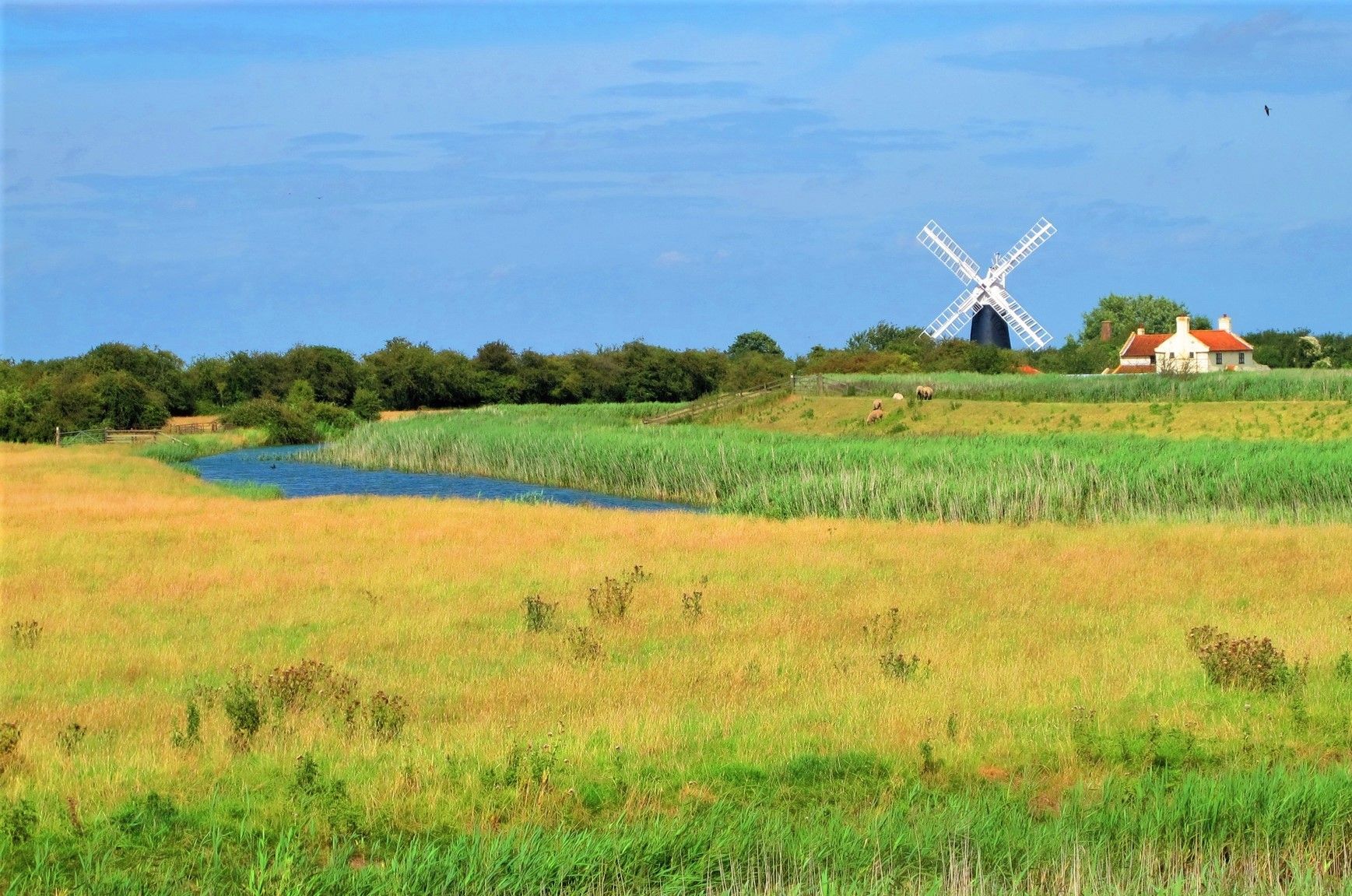
Norfolk Trails – long-distance walks
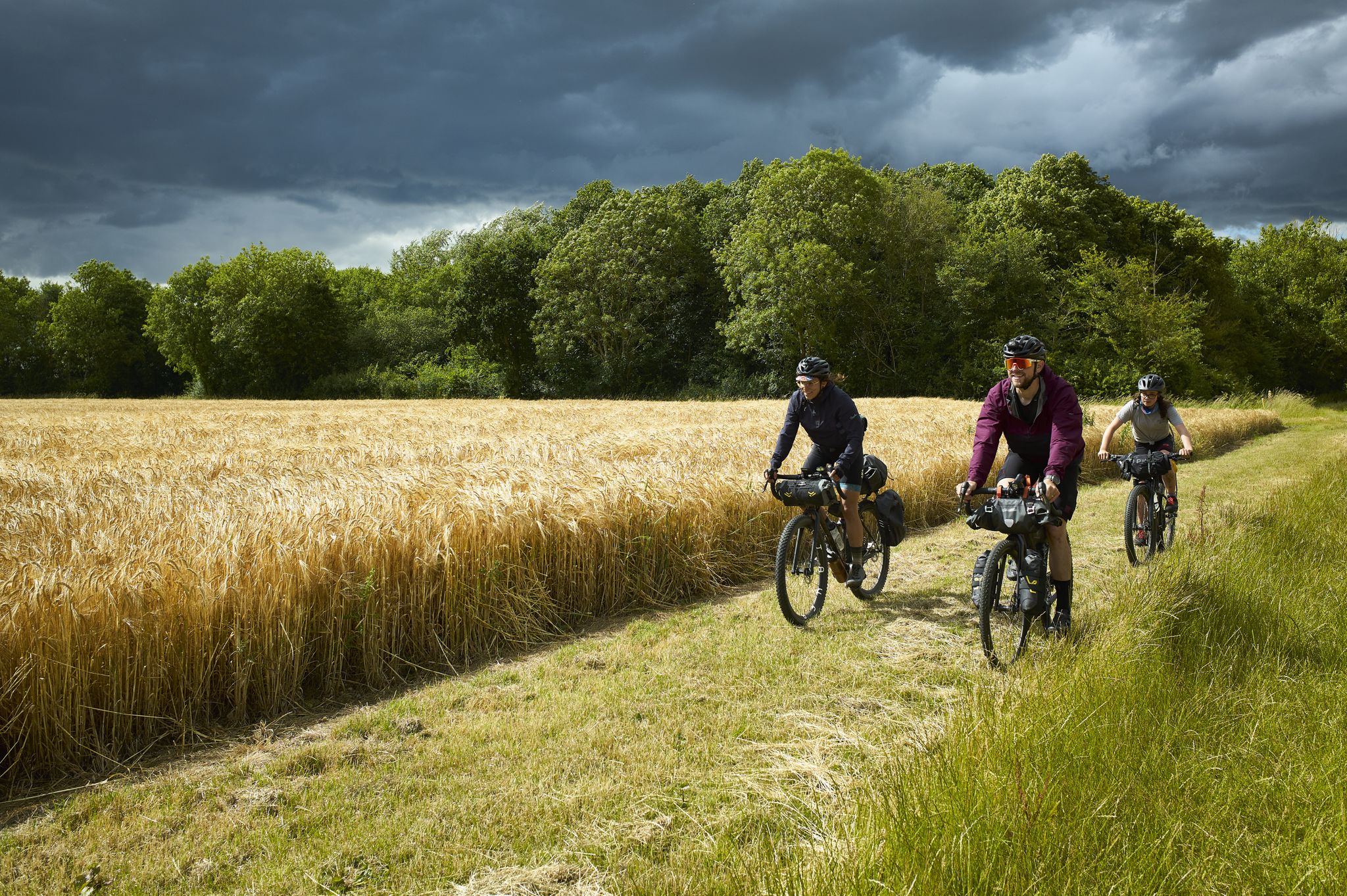
The Rebellion Way — all ability bikepacking in Norfolk
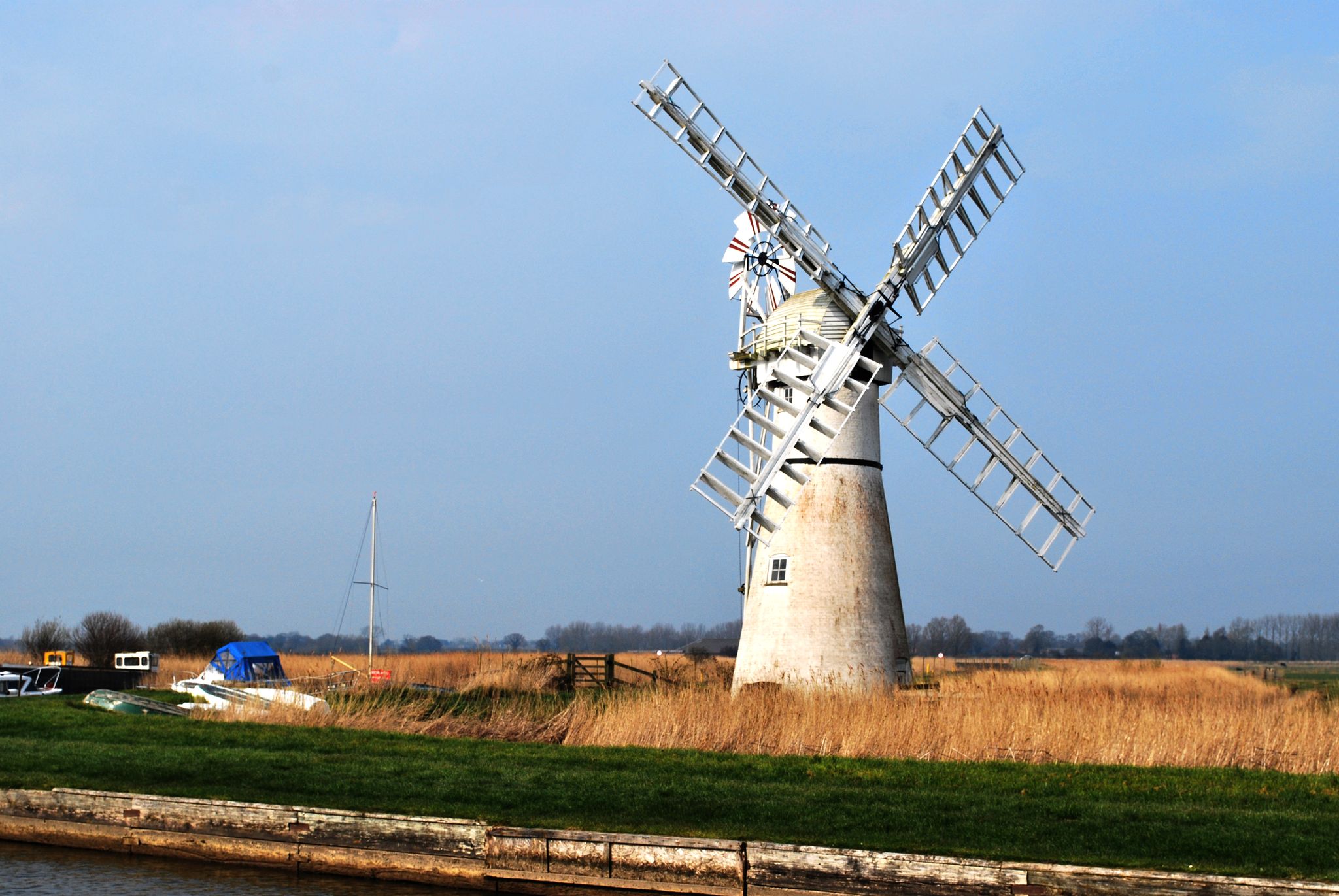
Wherryman's Way — Wildlife and windmills on waterside hike
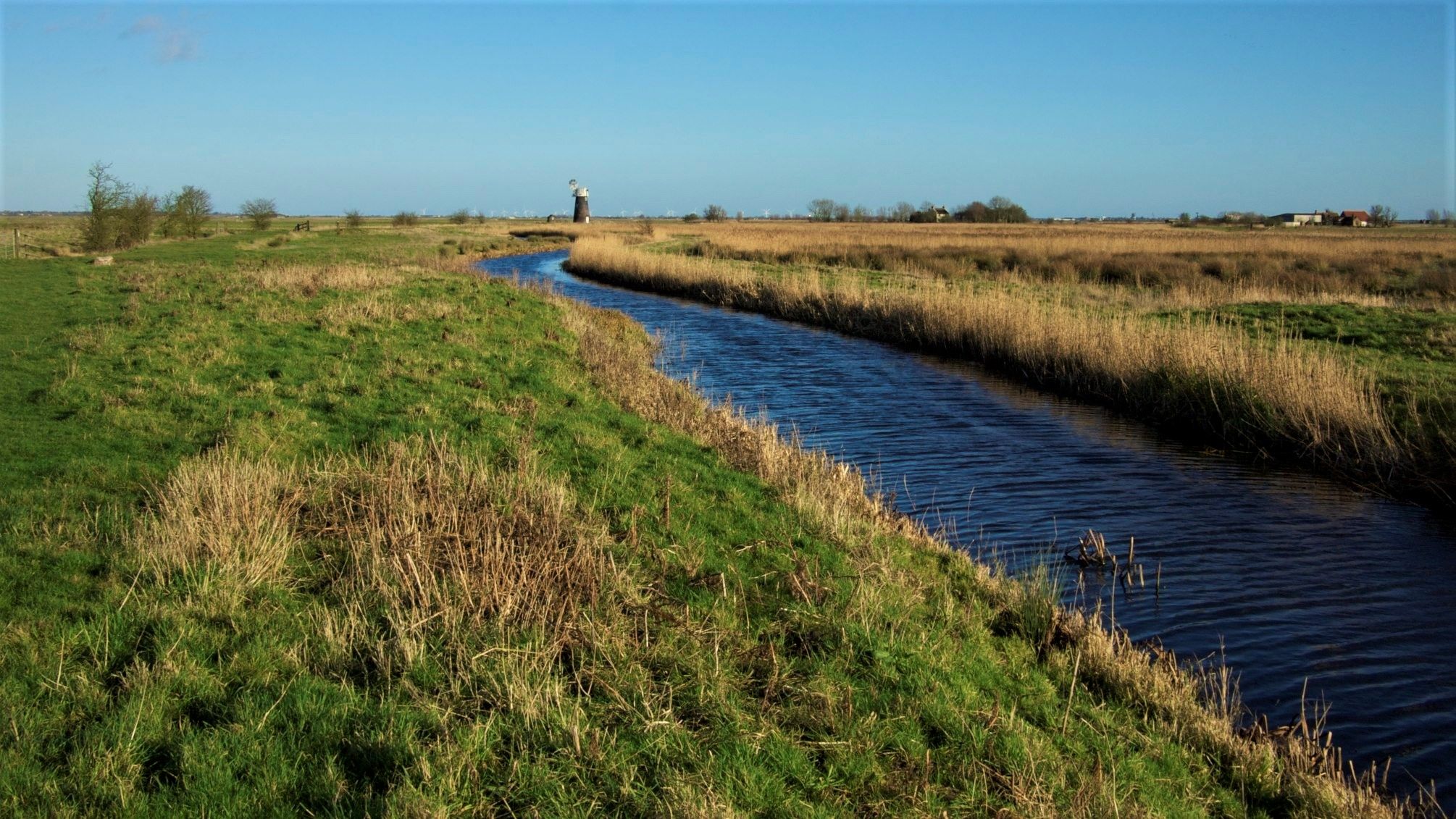
Weavers' Way — Hike the rich and varied landscapes of Norfolk
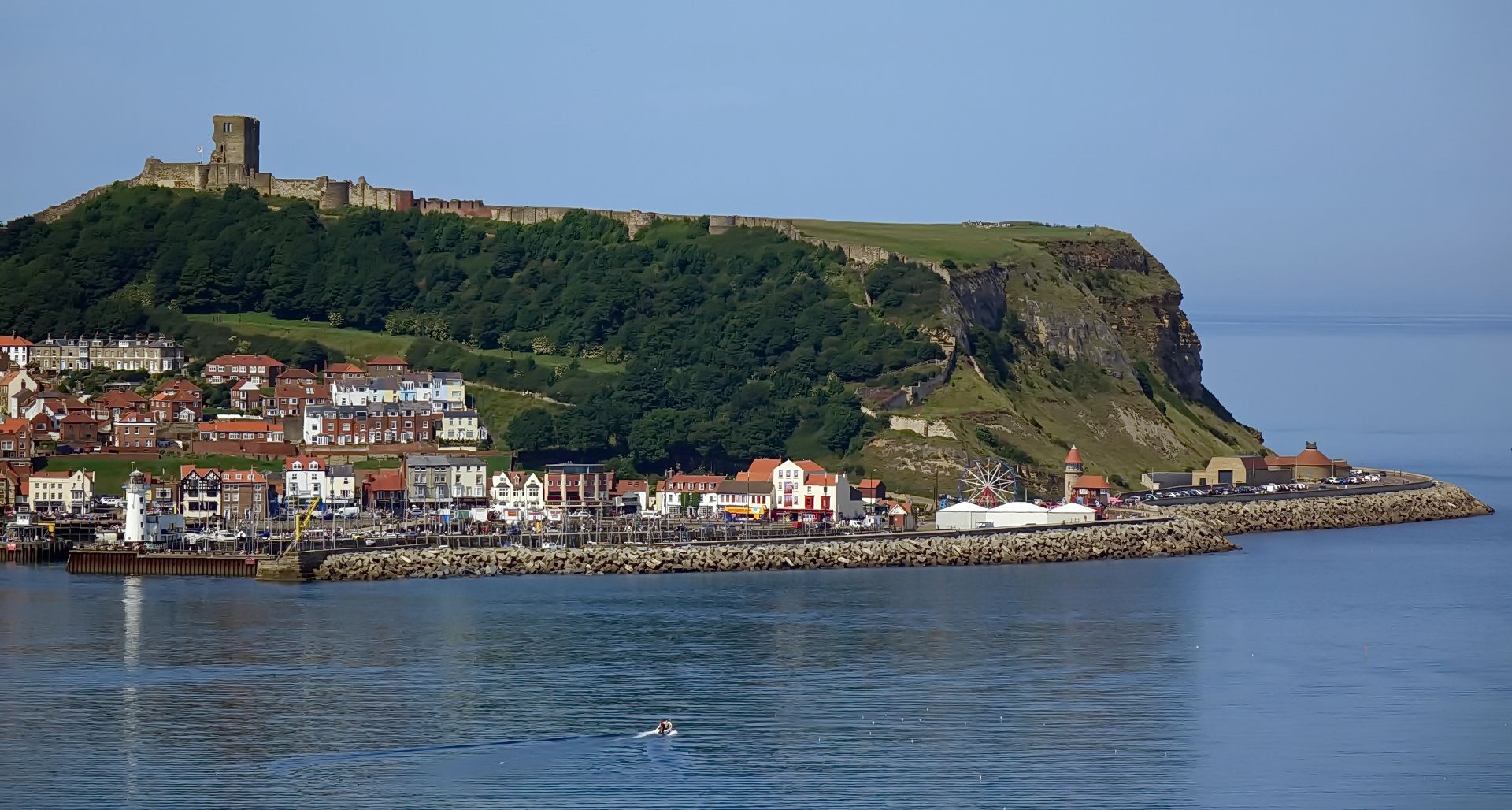
The North Sea Coast Cycle Route — England
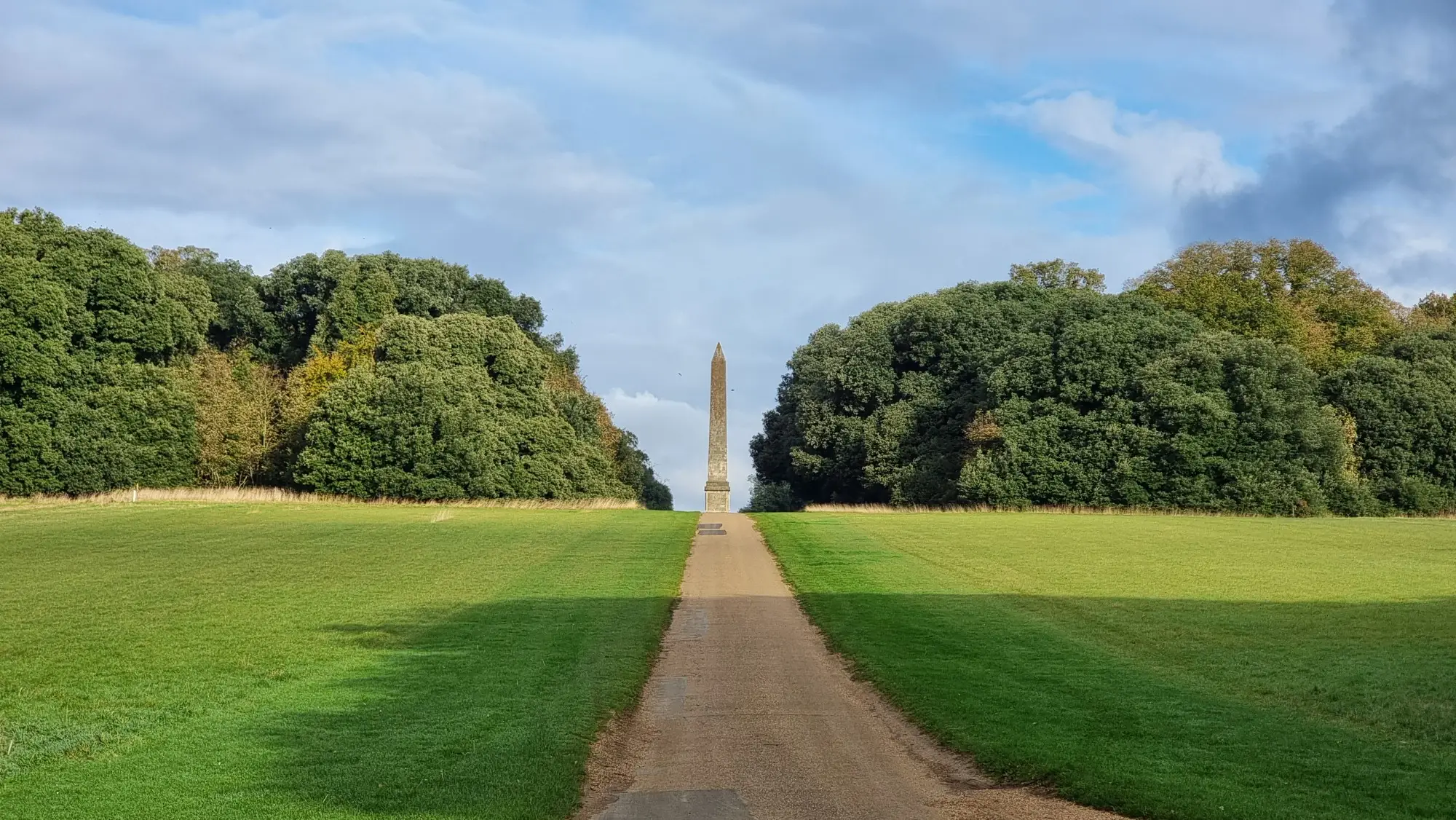
Norfolk Coast loop from Norwich – castle to coast
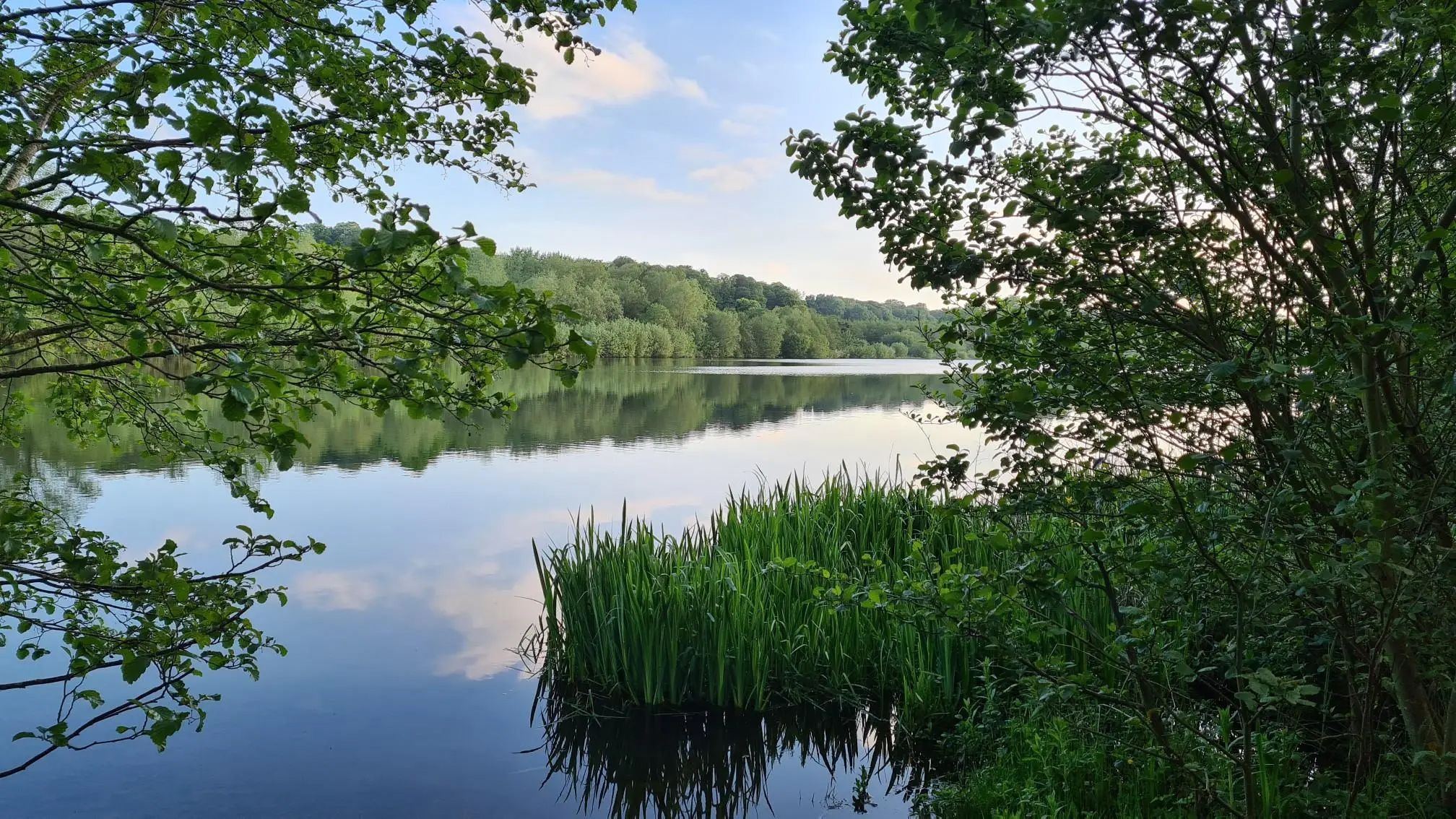
Enchanting family walks in the beautiful Broads National Park
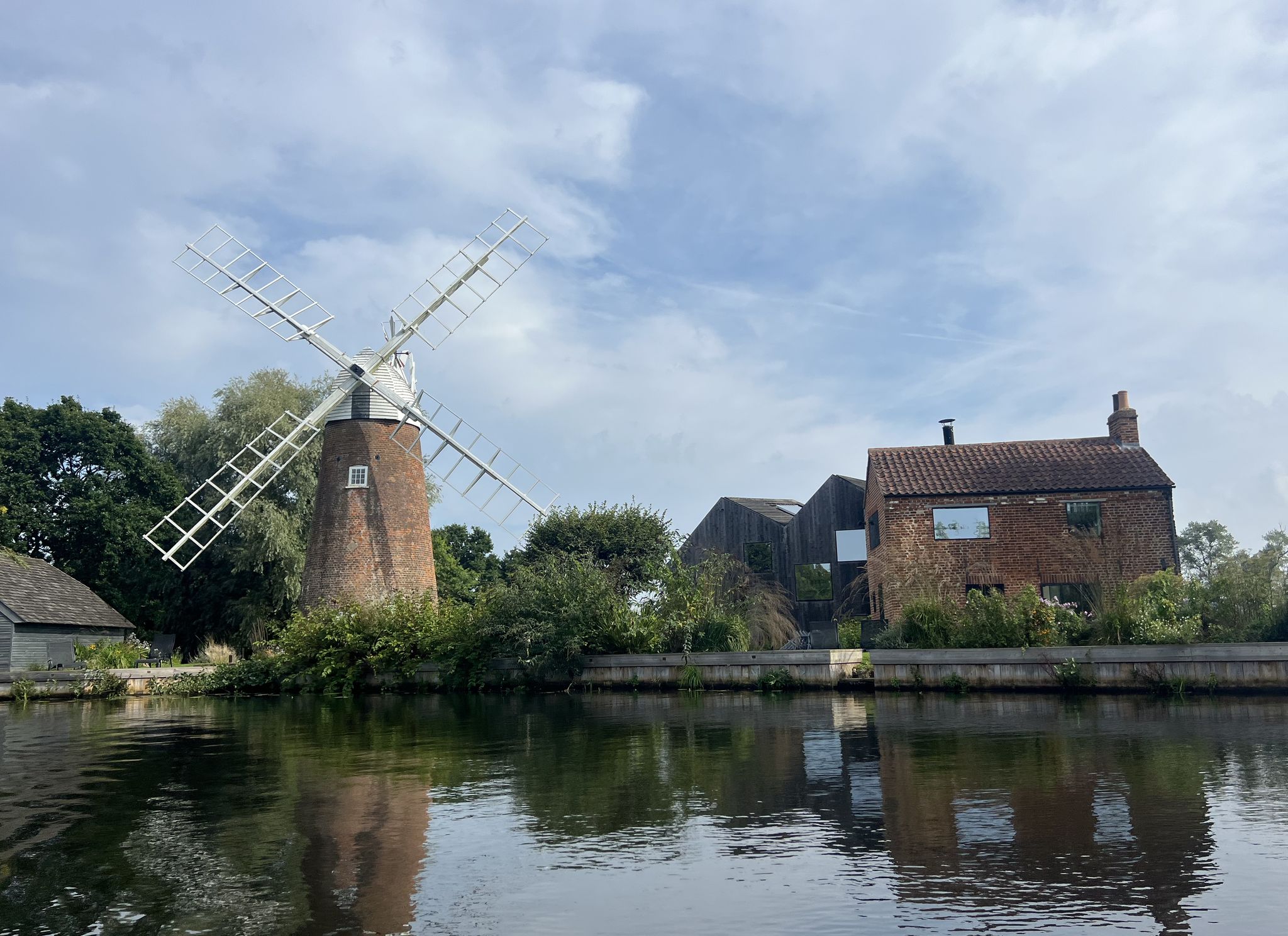
A Walk in the Parks – across the Broads National Park
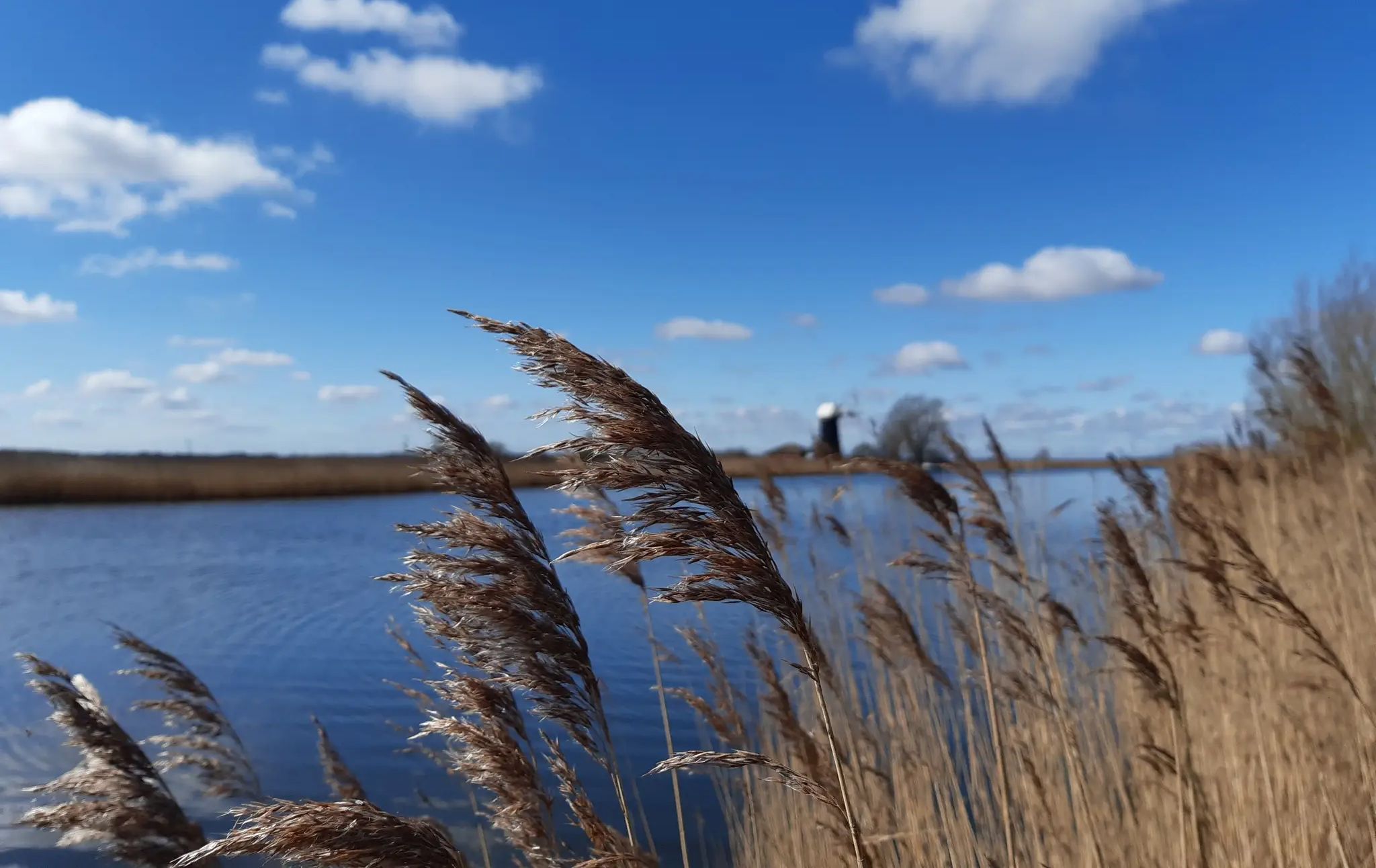
Windmills, wildlife and waterways – best walks in the Broads National Park
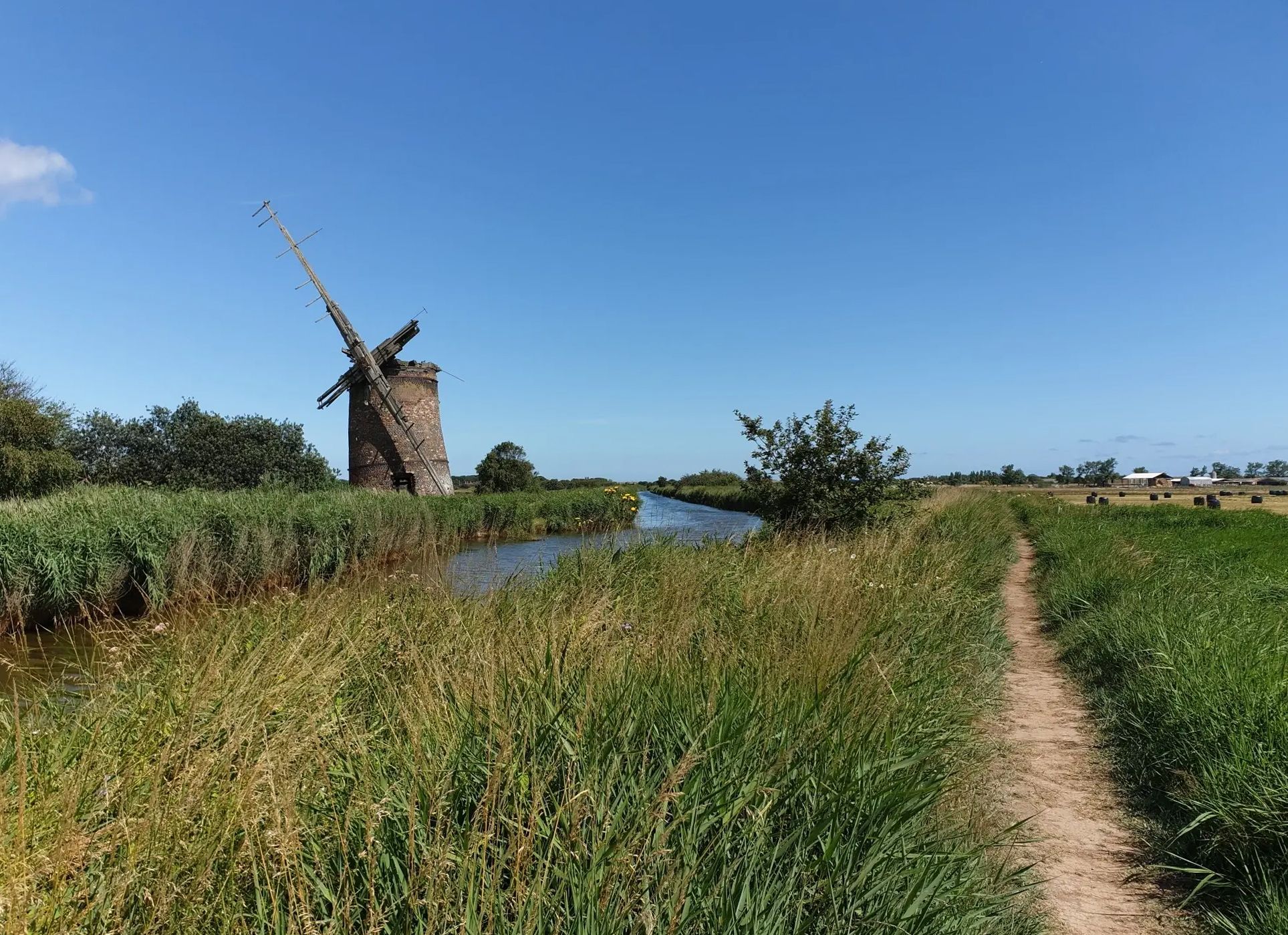
Golden autumn walks in the Broads National Park
Other adventures in Broads


Tips from the Community

It is not 10 metres as some are claiming on here. It is 100 metres (330 feet) 😩 https://www.friendsofhorseyseals.co.uk/
0
0

You can't see that much of the marshes from the road but the woods are very pleasant.
0
0

Thorpe Marshes is a diverse habitat situated in Norwich, offering walkers a peaceful respite from the hustle and bustle of city life. The marshes feature reed beds, wet meadows, and open water, which provide a home for a diverse range of bird species such as kingfishers, herons, and terns.
1
0

The helpers and conservationists give valuable tips on where the groups can best be seen at the moment and they protect these dear animals and discourage some unreasonable tourists from getting too close to the seals. At the end of October I was able to see a few dozen young seal families. Good close-ups were possible with a 5x zoom lens.
3
0

Located on the edge of Norwich, Thorpe Marshes is a wonderful mixture of habitats in a nature reserve managed by Norfolk Wildlife Trust. Close to the River Yare, the area is covered in wildflower marshes and dykes. You may spot dragonfly, damselfly and butterfly here, as well as many waterbirds. Chinese water deer, and smaller Muntjac deer have also taken up residence.
1
0

In the summer months you. Will find the common seal and pups PLEASE do not get close if you frighten the mums they will abandon the pups the recommended distance is to keep 10+ meters away
0
1
The beach is closed to the public from November to end of March all viewing is done from the 2 viewing areas . Wardens are on duty weekends and all week to guide visitors and protect the seals in bad weather the seals come up into the dunes to give birth
0
1

When we passed through in early spring, we were amazed at the amount of Mute Swans on the surrounding farmland. On several occasions, groups of swans flew over to land in Upton Dyke and the River Bure. There is a small car park that is free to use.
1
0
Frequently Asked Questions
What kind of wildlife can I expect to see at the natural monuments in Broads?
The Broads National Park is a haven for wildlife. At Horsey Beach Seal Colony, you can observe hundreds of grey seals, especially between November and February when they breed. Horsey Mere is known for its diverse birdlife, including wigeon, teal, and bitterns. Breydon Water Nature Reserve is a significant spot for over 64,000 birds annually, particularly in winter for geese, ducks, and swans. Hickling Broad is excellent for spotting common cranes, bitterns, marsh harriers, and even otters, while Ranworth Broad offers views of great crested grebes, cormorants, and kingfishers, along with rare insects like Swallowtail butterflies and Norfolk Hawker dragonflies in summer.
Which natural monuments in Broads offer the best views?
For panoramic vistas, Horsey Mere is regarded as one of the most beautiful of the northern broads, with a great viewing area. Hickling Broad features a 60-foot tree tower providing unbeatable views for bird-watching. How Hill Windmill and Nature Reserve also offers superb views over the landscape.
What unique natural features define the Broads National Park?
The Broads National Park is characterized by its unique landscape of rivers and shallow lakes, known as 'broads,' which are actually flooded medieval peat diggings. This intricate network includes fens, marshes, and woodlands, forming Britain's largest protected wetland. It's distinguished by a mosaic of open water, wet woodlands (carrs), reed and sedge fens, and expansive grazing marshes, supporting an extraordinary array of flora and fauna, including nationally protected species like the fen orchid.
Are there any historical or cultural sites among the natural monuments in Broads?
While primarily natural, some sites have historical significance. The broads themselves are a result of medieval peat diggings. How Hill Windmill and Nature Reserve includes a historic windmill and the Toad Hole Cottage Museum, offering a glimpse into the area's past. Horsey Windpump, though not a natural monument itself, is a prominent historic landmark near the natural area of Horsey Mere.
Are there family-friendly natural monuments to visit in Broads?
Yes, several natural monuments in Broads are great for families. Horsey Beach Seal Colony is a unique experience for all ages, especially during seal breeding season. Horsey Mere and Upton Dyke are also listed as family-friendly, offering opportunities for gentle walks and wildlife spotting. Hickling Broad has accessible boardwalks and a tree tower, making it suitable for families.
Can I find dog-friendly natural monuments or trails in Broads?
Many areas within the Broads National Park are dog-friendly, though it's crucial to keep dogs under control, especially near wildlife. For instance, when visiting Horsey Beach Seal Colony, dogs must be kept on a lead to protect the seals. Horsey Mere is also listed as dog-friendly. Always check local signage for specific restrictions, particularly in nature reserves.
What outdoor activities, like hiking or cycling, can I do near the natural monuments in Broads?
The Broads offer extensive opportunities for outdoor activities. You can find numerous hiking trails, such as the 'Horsey Mere and Dunes' or 'Horsey Windpump and Estate Walk,' which are moderate in difficulty. For cycling, routes like the 'Norfolk broad loop from Thurne' or the 'Two Rivers Cycle Route' pass through scenic areas. You can explore more options for hiking, road cycling, and general cycling in the Broads.
When is the best time to visit the natural monuments in Broads for wildlife viewing?
The best time depends on the specific wildlife you wish to see. For observing the grey seal colony at Horsey Beach, the period between November and February is ideal for seeing breeding seals and pups. Winter is also spectacular at Breydon Water Nature Reserve for thousands of wintering ducks, geese, and swans. For rare insects like Swallowtail butterflies and Norfolk Hawker dragonflies, summer is the prime time, particularly around Ranworth Broad.
Are the natural monuments in Broads accessible for visitors with limited mobility or wheelchairs?
While the Broads landscape can be varied, some natural monuments offer better accessibility. Hickling Broad features accessible boardwalks, making it easier for visitors with limited mobility to enjoy the nature reserve and its 60-foot tree tower. It's always advisable to check specific site information for detailed accessibility features before your visit.
What are the parking options like at the natural monuments in Broads?
Parking availability varies by location. For instance, Upton Dyke has a small, free car park. For popular spots like Horsey Beach Seal Colony, there are designated parking areas, though they can get busy during peak season. It's recommended to research specific parking facilities for each natural monument you plan to visit.
Where can I go for a circular walk around a natural monument in Broads?
The Broads offer several circular walking routes that allow you to experience the natural monuments. For example, you can find routes like 'Horsey Mere and Dunes' or 'Horsey Windpump and Estate Walk' which offer circular paths around significant natural areas. For more options, explore the hiking guide for Broads.
What makes the Broads National Park a unique natural monument in itself?
The Broads National Park is unique because it's Britain's largest protected wetland, a landscape of rivers and shallow lakes that were originally medieval peat diggings. This human-made origin, combined with centuries of natural processes, has created an intricate network of waterways, fens, marshes, and woodlands. It boasts a remarkable biodiversity, supporting over a quarter of the UK's rarest species, and offers more navigable waterways than Venice and Amsterdam combined, making it an unparalleled destination for nature and recreation.
Most popular routes in Broads
Most popular attractions in Broads

Get inspired with the komoot mobile app


Explore more
Extend your search for the best caves by checking out these guides of the top ones in Broads:
