Top 11 Natural Monuments around Lauwersmeer
Best natural monuments around Lauwersmeer include Lauwersmeer National Park, a unique landscape transformed from a sea into a freshwater lake in 1969. Designated a National Park in 2003 and a Dark Sky Park in 2016, the area is known for its diverse ecosystems. It features wetlands, grasslands, and forests, providing habitats for abundant birdlife and unique flora and fauna. This region offers opportunities to observe nature and experience exceptionally dark night skies.
Best natural monuments around Lauwersmeer
- The most popular…
Last updated: May 31, 2026
Lauwersmeer National Park
Highlight • Natural Monument
Translated by Google •
Tip by

Lauwersmeer National Park
Highlight • Natural Monument
The Lauwerszee, an inlet named after the river Lauwers, used to be open to the Wadden Sea. After the storm surge of 1953, fears of flooding led to plans …
Translated by Google •
Tip by

Sign up now to discover places like this
Get recommendations on the best single tracks, peaks, & plenty of other exciting outdoor places.
Sign up for free
Observation Tower Lauwersmeer Dark Sky Park
Highlight • Viewpoint
Translated by Google •
Tip by

Lauwersmeer National Park
Highlight • Natural Monument
Bantpolder
Highlight • Natural Monument
Translated by Google •
Tip by

Sign up for free to discover even more natural monuments around Lauwersmeer.
Sign up for free
Already have an account?
Start today with a free account
Your next adventure awaits.
Login or Signup
Popular around Lauwersmeer
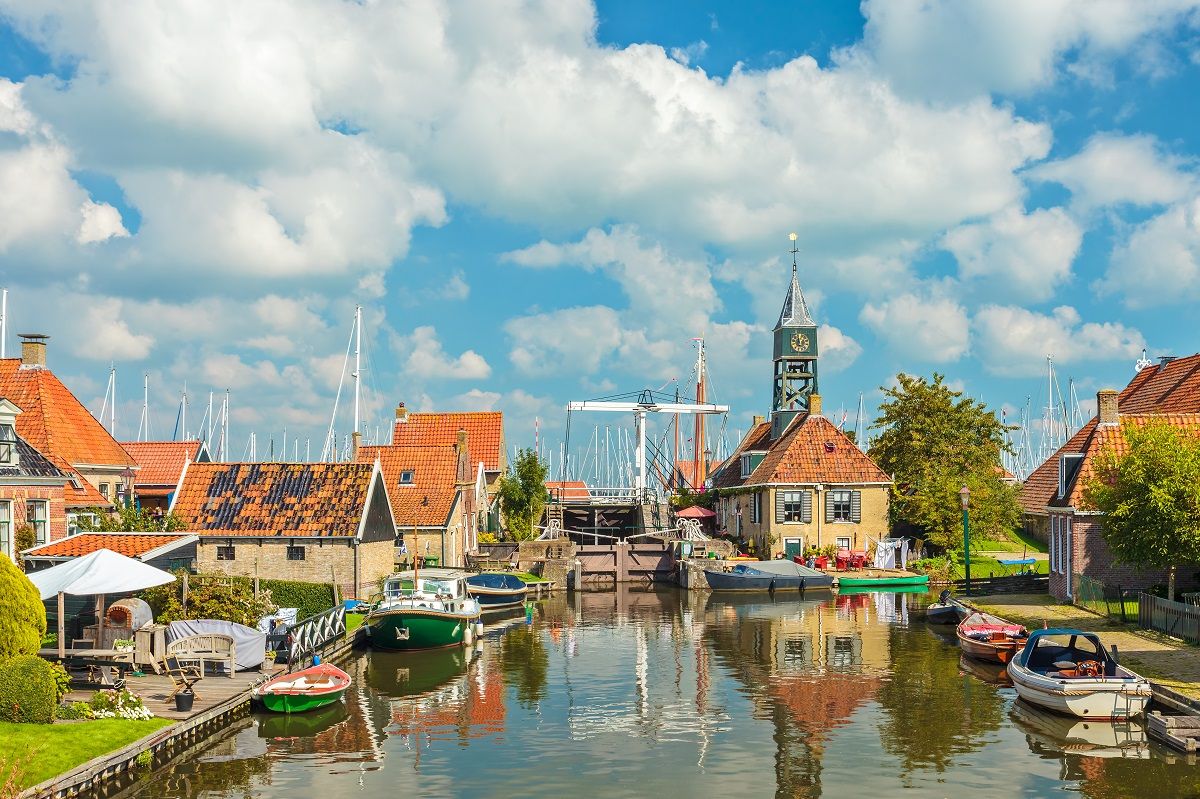
Ten rejuvenating bike rides through Friesland
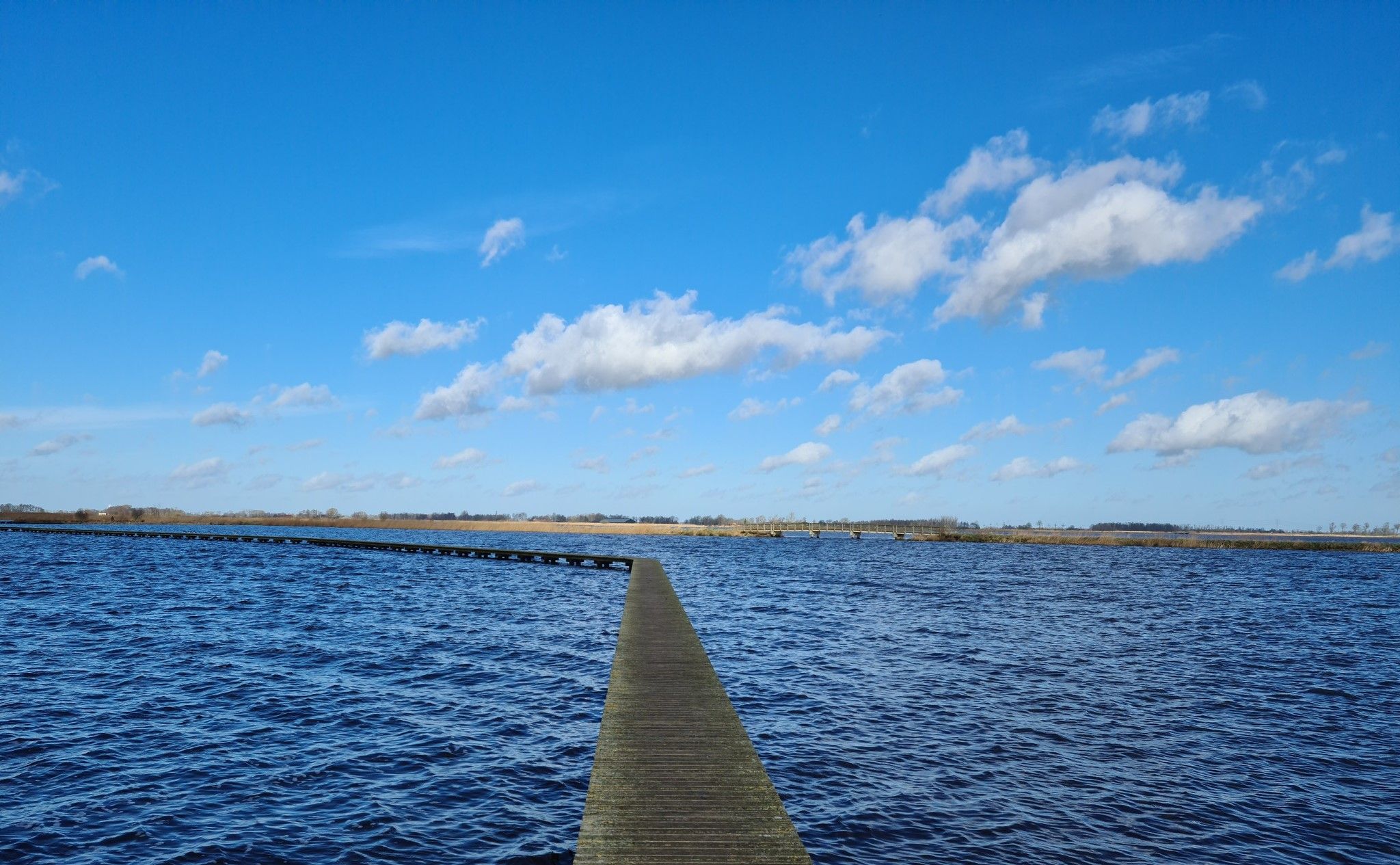
Right in the middle of nature - 20 accessible routes in Groningen
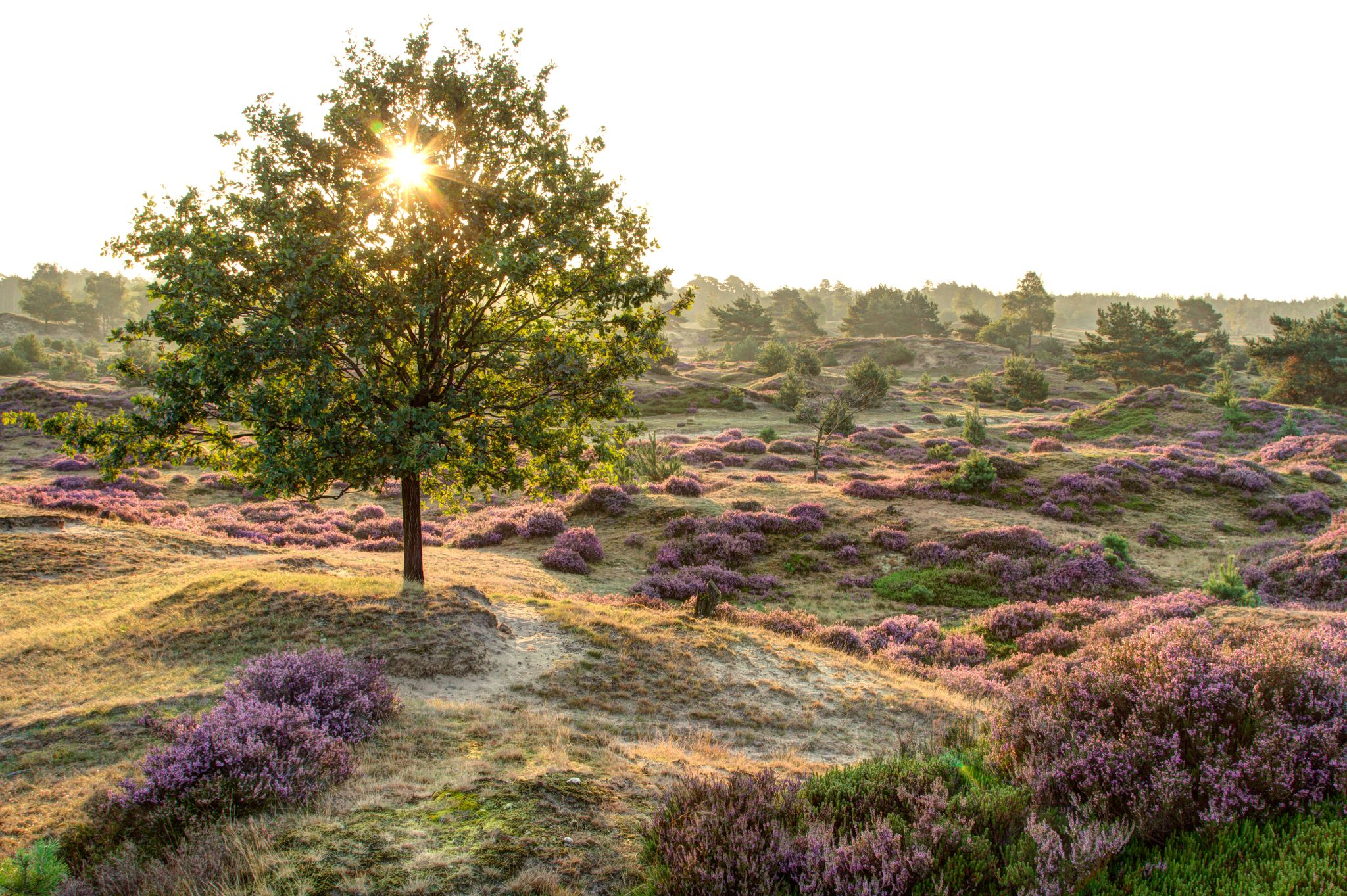
A complete hiking bucket list through every Dutch National Park
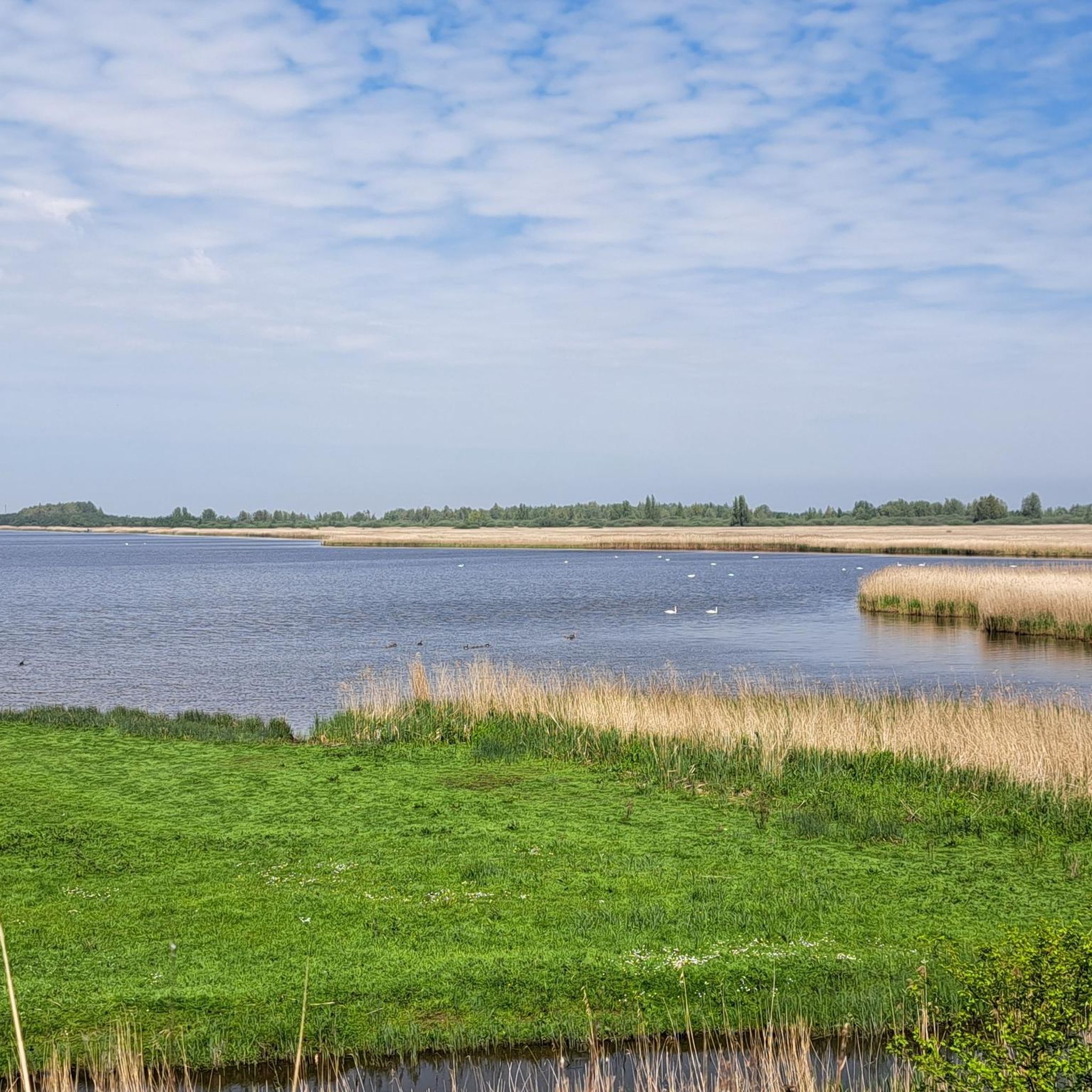
Hiking around Lauwersmeer
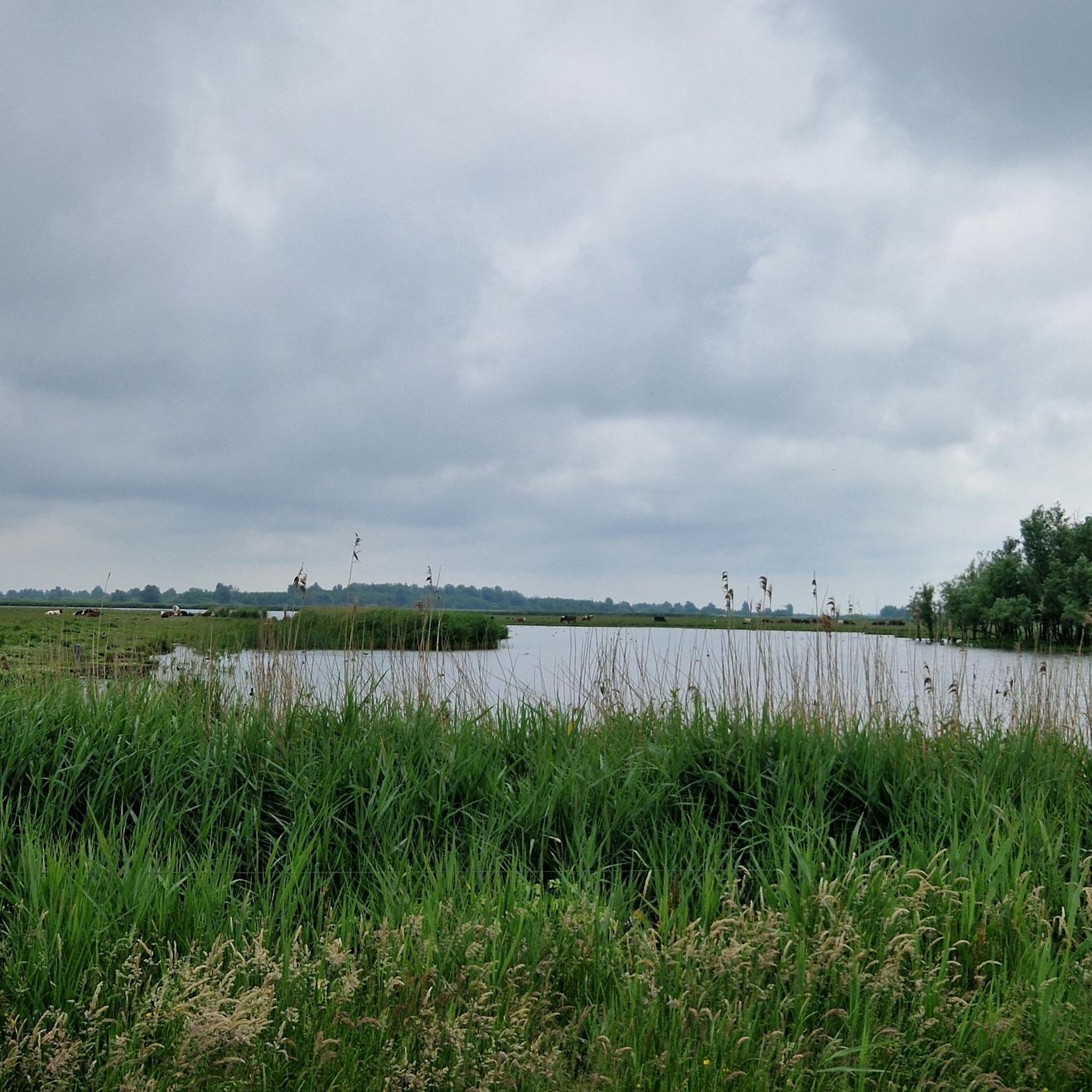
Cycling around Lauwersmeer
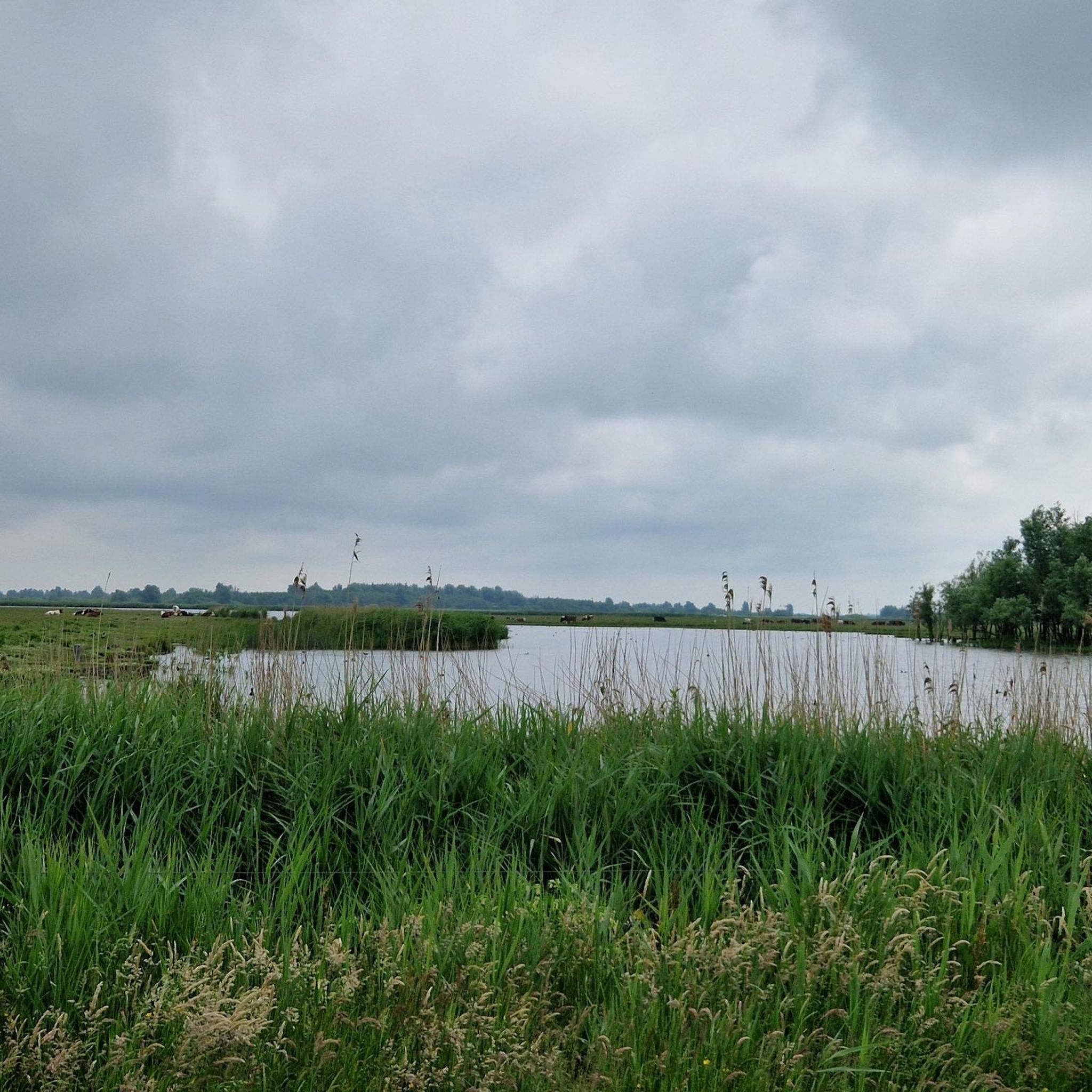
Road Cycling Routes around Lauwersmeer
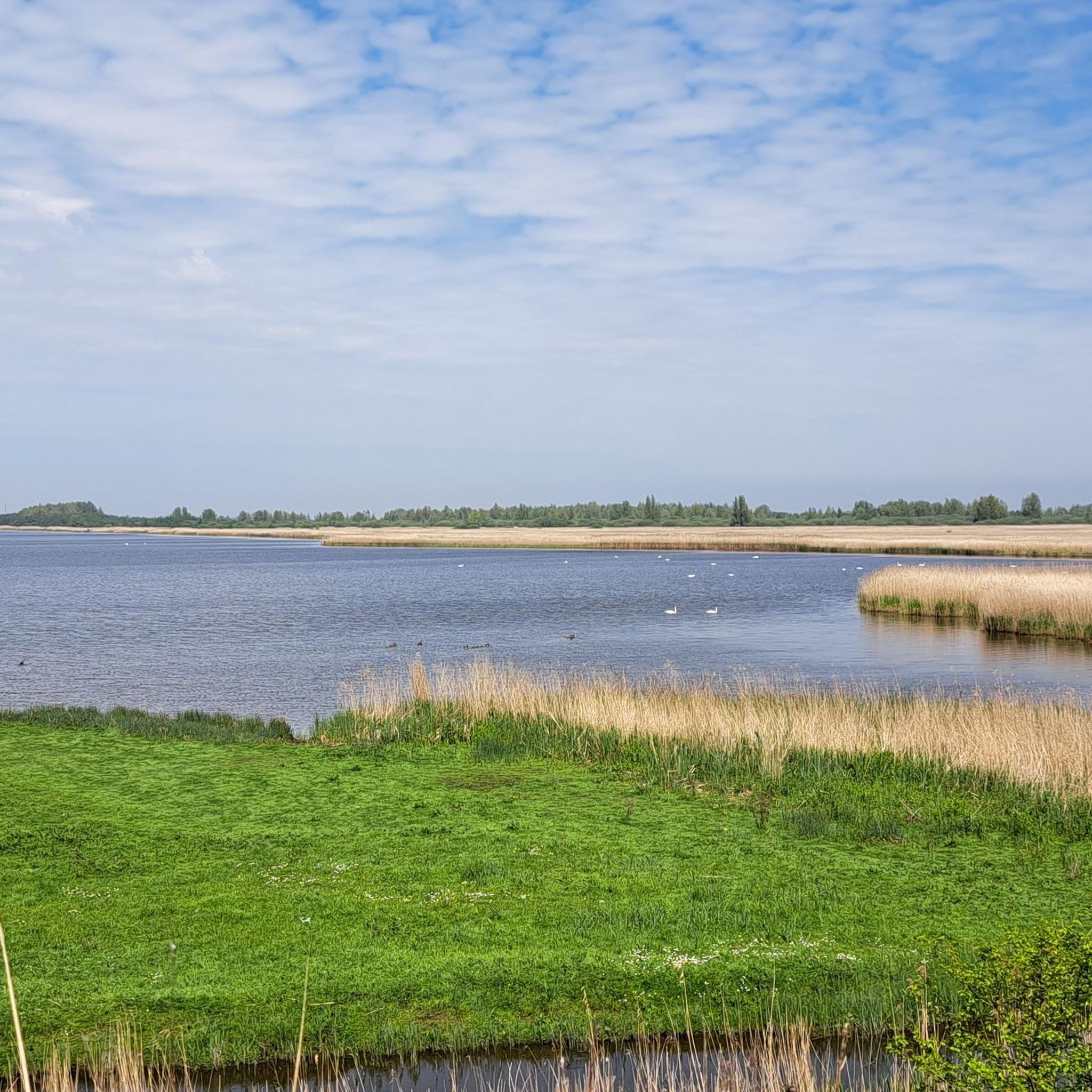
MTB Trails around Lauwersmeer
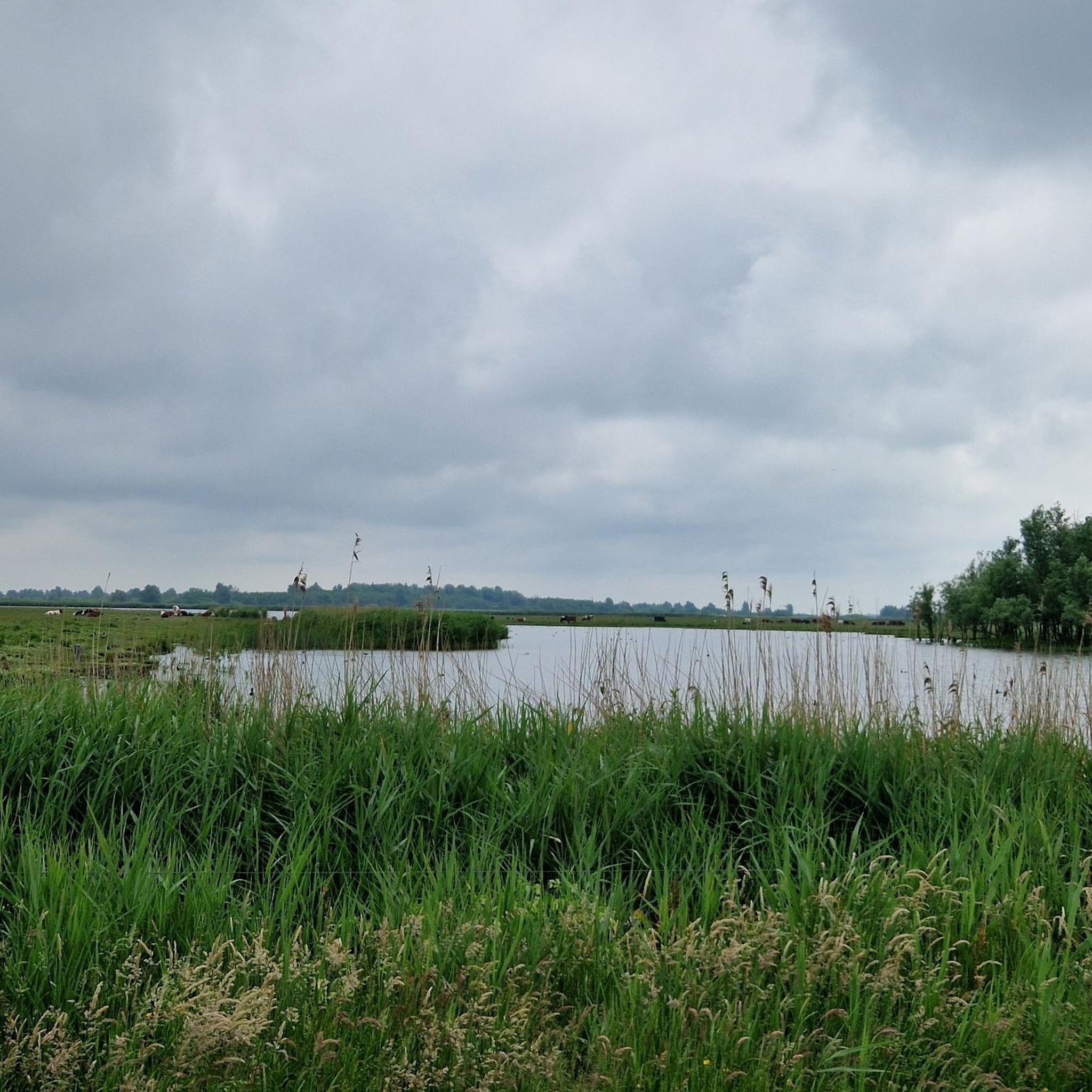
Running Trails around Lauwersmeer

Gravel biking around Lauwersmeer
Other adventures around Lauwersmeer


Tips from the Community


In earlier times, fresh and salt water flowed together in the Lauwerszee. Fear of flooding led to the construction of a dam in 1969. A beautiful new landscape emerged on the former seabed, a true bird paradise. The nature in the Lauwersmeer is so unique that the area has been designated a National Park. Visitors are welcome day and night.
10
0

Super tour, sometimes quite a headwind
1
3

Round Lauwersmeer we also came through these Frisian villages! What a beautiful route round Lauwersmeer!
0
0

The Lauwersmeer is a truly idyllic place, there are beautiful cycle paths leading there and you can find many beaches where you can go to the harbour or where you can take a break.
2
0

Wide landscape, dominated by water.
1
1

Flora and fauna The park is home to a variety of orchids, marsh marigolds and wild roses. The open areas are protected from overgrowth by grazing Scottish Highland cattle. In addition to the cattle, a population of Konik horses has also been established in the national park. The national park is an important resting place for migratory birds on their journeys. In addition to common waterfowl such as geese and ducks, rarer species such as the kingfisher or birds of prey such as sea eagles and peregrine falcons can also be observed. Flamingos have also been spotted in the national park.
4
0
Geography The Lauwerszee, an inlet named after the river Lauwers, used to be open to the Wadden Sea. After the storm surge of 1953, fears of flooding led to plans for a dam, which was completed in 1969. The inlet became a closed lake, now called the Lauwersmeer, and the higher seabed (the former mudflats) was drained. The reclaimed land was left completely to itself for the first few years, so that the flora and fauna typical of the area could establish themselves. The area has a predominantly open character, although there is a forest called the Ballastplaatbos near Lauwersoog and the Zomerhuisbos forest area to the south near Dokkumer Nieuwe Zijlen. Larger areas of the park are not accessible to the public, while the lake is also open to boats in its deeper areas. The shallow lakes and wetlands may not be entered for reasons of landscape protection.
4
0
Frequently Asked Questions
What are the most popular natural monuments around Lauwersmeer?
The central and most popular natural monument is Lauwersmeer National Park itself, renowned for its unique ecosystem, diverse landscapes, and abundant birdlife. Another highly regarded spot is the Observation Tower Lauwersmeer Dark Sky Park, offering exceptional stargazing opportunities.
What unique natural features can I experience in Lauwersmeer National Park?
Lauwersmeer National Park, once a seabed, now features diverse landscapes including wetlands, grasslands, forests, and shallow waterways. It's home to unique flora like various orchids, marsh marigolds, and wild roses, and fauna such as Scottish Highland cattle and Konik horses that help maintain the open grasslands. The park is also a designated Dark Sky Park, offering exceptionally clear views of the night sky.
Are there family-friendly natural monuments in the Lauwersmeer area?
Yes, Lauwersmeer National Park is very family-friendly, offering opportunities for nature observation and easy walks. The Observation Tower Lauwersmeer Dark Sky Park is also suitable for families, providing a unique experience of stargazing. The Bantpolder is another great spot for families to observe birds in a natural setting.
What outdoor activities can I do near the natural monuments in Lauwersmeer?
The Lauwersmeer area offers a wide range of outdoor activities. You can enjoy hiking on various trails, with options for easy hikes. Cycling is also popular, with dedicated routes for gravel biking and mountain biking. Water-based activities like canoeing, surfing, and boating are also available on the lake.
Where can I go birdwatching in Lauwersmeer National Park?
Lauwersmeer National Park is a renowned bird paradise. You can observe over 100 breeding species and numerous migratory birds throughout the park. Specific excellent spots include the Bantpolder, which is an excellent bird area year-round, and various bird-watching huts and observation towers scattered across the park. Tens of thousands of geese overwinter here, and you might spot species like peregrine falcons, spoonbills, and sea eagles.
When is the best time to visit Lauwersmeer National Park?
The best time to visit depends on your interests. For birdwatching, spring and autumn are ideal due to migratory birds, while winter offers opportunities to see large groups of overwintering geese. For stargazing, any clear night is suitable, especially during new moon phases, as the park is a designated Dark Sky Park. Summer provides pleasant weather for hiking and cycling, and you can see orchids in bloom.
Are there dog-friendly trails or areas within Lauwersmeer National Park?
Yes, some areas and trails within Lauwersmeer National Park are dog-friendly. For example, the Lauwersmeer Dark Sky Observation Tower is noted as dog-friendly. It's always advisable to keep dogs on a leash to protect the wildlife, especially in a nature reserve of this importance.
What should I pack for a trip to Lauwersmeer National Park?
Given the diverse activities and natural environment, it's recommended to pack layers of clothing suitable for varying weather conditions. Essential items include comfortable walking shoes, binoculars for birdwatching, a camera for photography, and if visiting at night, a red-light flashlight to preserve night vision for stargazing. Don't forget water and snacks, especially for longer routes.
How long should I plan for a visit to the natural monuments around Lauwersmeer?
A visit can range from a few hours to several days, depending on your interests. A half-day might suffice for a short hike and birdwatching. To fully experience the park's diverse landscapes, enjoy a longer hike or bike ride, and stay for stargazing, a full day or even an overnight stay is recommended. The Activity Center Lauwersnest can be a good starting point for planning your visit.
Where can I find information about public transport or parking near Lauwersmeer National Park?
While specific details on public transport routes and parking spots are best checked with local tourist information or the park's official website, Lauwersmeer National Park is generally accessible by car with designated parking areas. Public transport options, such as buses, connect nearby towns to the park's vicinity. For detailed travel planning, it's recommended to consult Visit Wadden or local transport providers.
What makes Lauwersmeer National Park a Dark Sky Park?
Lauwersmeer National Park was designated a Dark Sky Park in 2016 by the International Dark Sky Association. This status recognizes its exceptionally dark night skies, which are free from significant light pollution. This allows visitors to experience nature in complete darkness and observe stars, planets, and even the Milky Way with remarkable clarity, a rare opportunity in the Netherlands.
Most popular routes around Lauwersmeer
Most popular attractions around Lauwersmeer

Get inspired with the komoot mobile app


Explore more
Extend your search for the best caves by checking out these guides of the top ones around Lauwersmeer:
