Top 6 Natural Monuments around Kavo Gkreko
Best natural monuments around Kavo Gkreko, a scenic headland in southeastern Cyprus, offers a protected nature reserve with geological wonders. This region, nestled between Ayia Napa and Protaras, features a diverse natural landscape. Visitors can explore 6 distinct natural monuments, showcasing the area's unique coastal formations and natural beauty. The landscape provides opportunities for outdoor activities within its protected environment.
Best natural monuments around Kavo Gkreko
- The most popular natural monuments is Sea Caves of Cape Greco, a cave that features impressive rock formations carved by sea erosion. The crystal-clear waters invite exploration, and the interplay of light and shadow within the caves is notable.
- Another must-see spot is Kamara tou Koraka Nature Bridge, a natural rock bridge spanning the Mediterranean waters. This formation offers panoramic views, though access across the bridge is restricted due to its fragility.
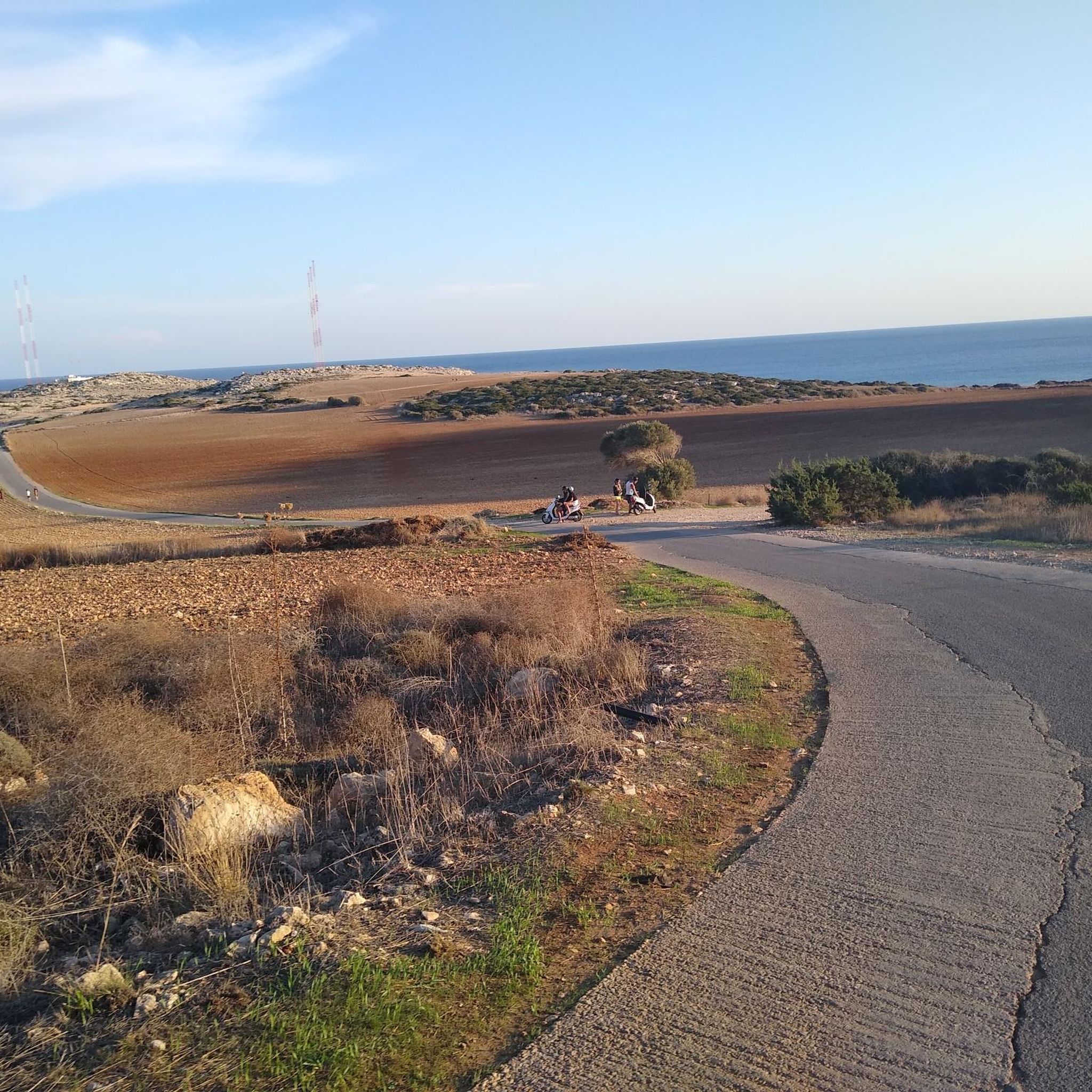
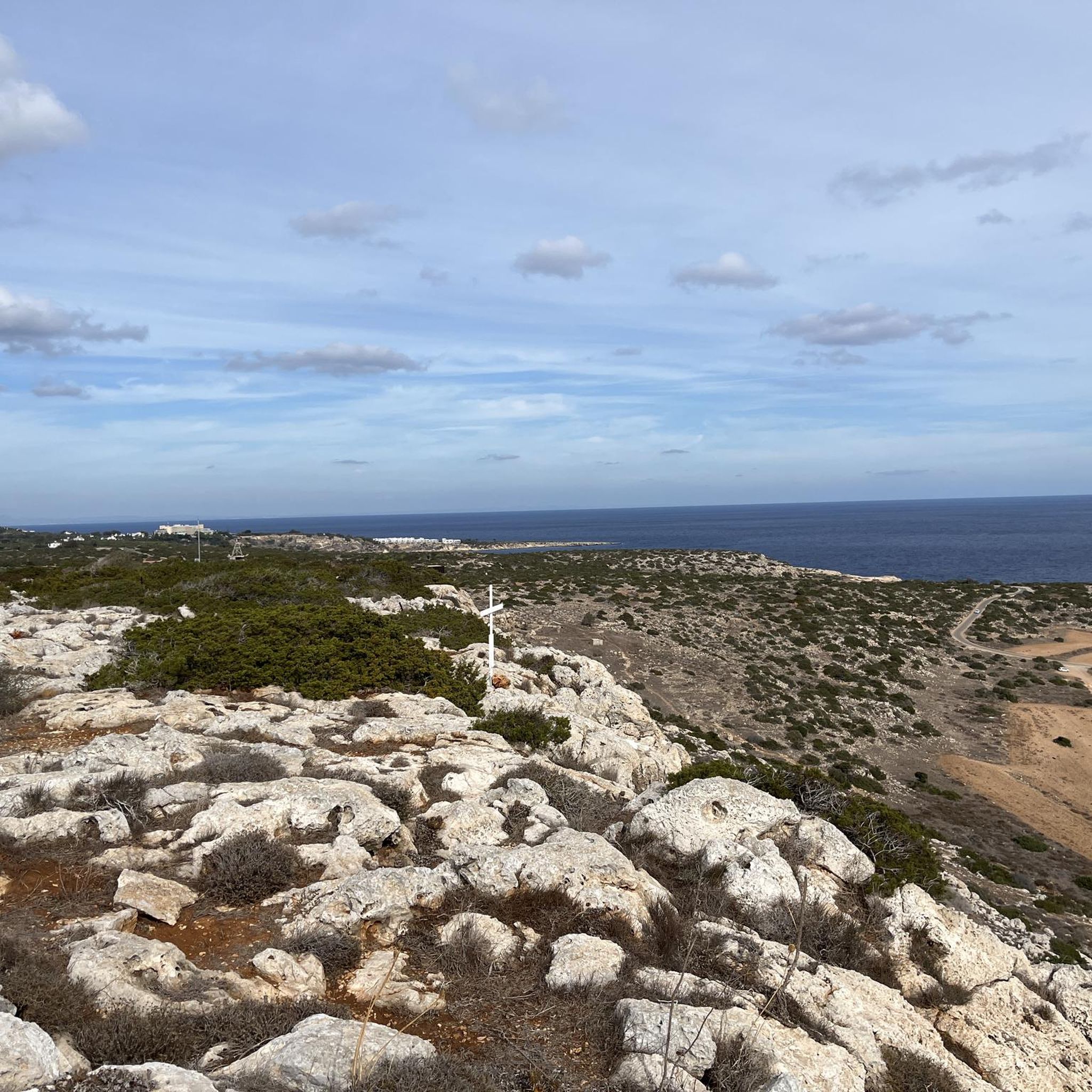
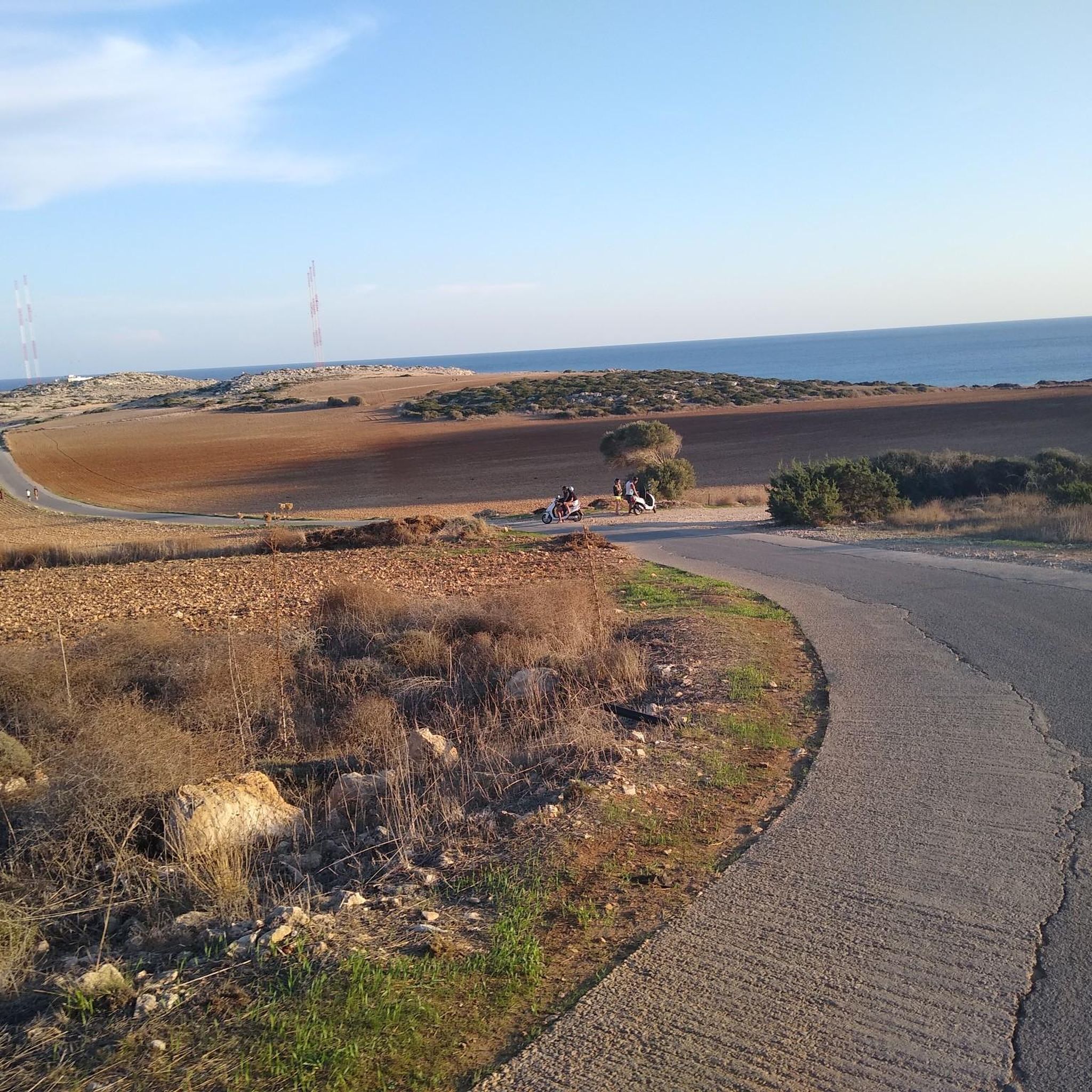
- Visitors also love View of Cape Greco Peninsula and radio towers, a viewpoint offering expansive vistas of the park and its surroundings. Small benches are available to enjoy the scenery.
- Kavo Gkreko is known for its variety of natural monuments, including sea caves, natural rock bridges, and scenic viewpoints. The area provides diverse natural formations to see and explore.
- The natural monuments around Kavo Gkreko are appreciated by the komoot community, with more than 200 photos and 233 upvotes across the highlights.
Last updated: August 7, 2026
Sea Caves of Cape Greco
Highlight • Cave
Translated by Google •
Tip by

Kamara tou Koraka Nature Bridge
Highlight • Bridge
Translated by Google •
Tip by
Sign up now to discover places like this
Get recommendations on the best single tracks, peaks, & plenty of other exciting outdoor places.
Sign up for free
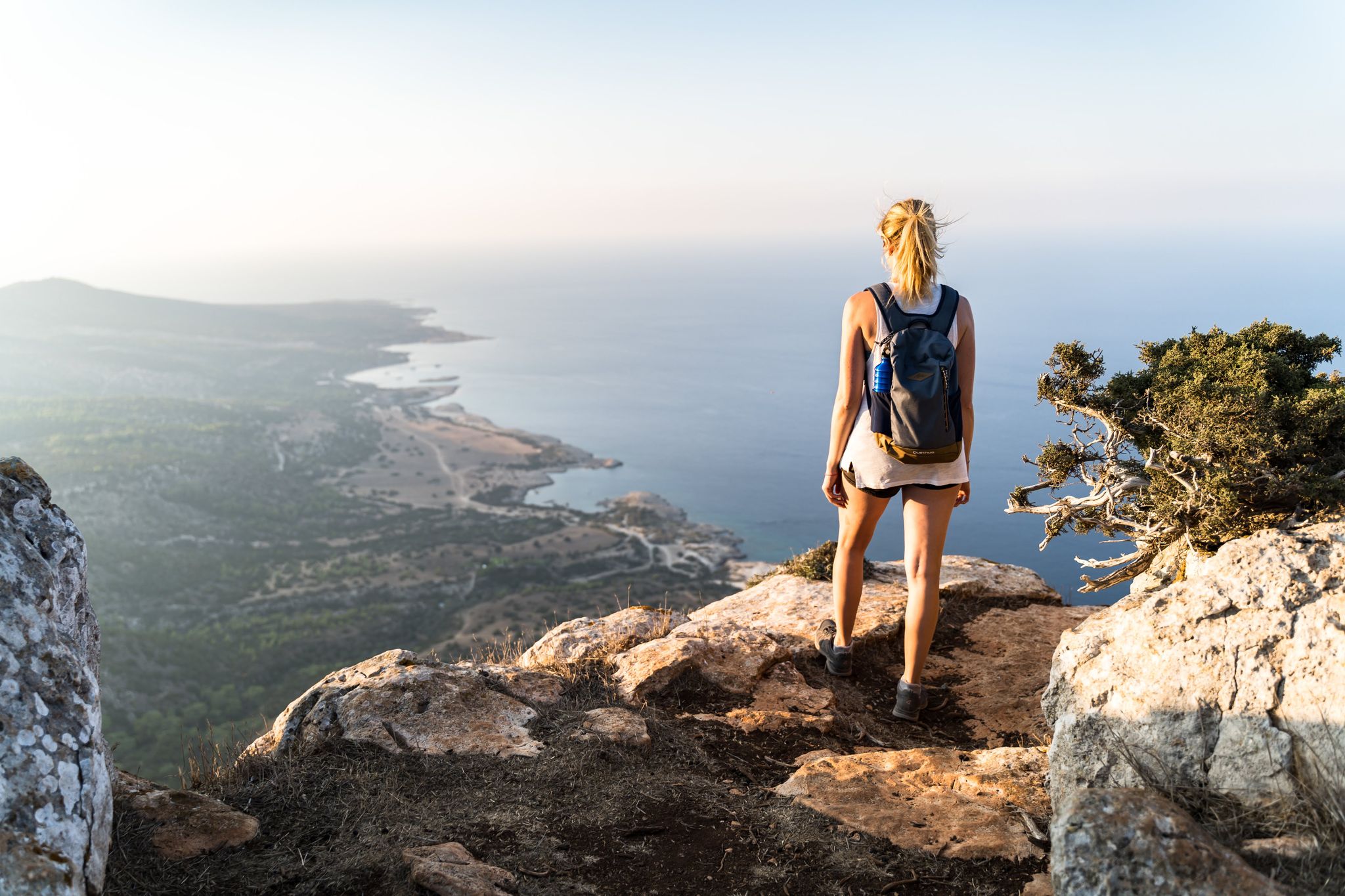
Cape Greco Summit
Highlight • Summit
Especially at sunset, the colors of the sandstone shine golden and the temperatures are pleasant. Be sure to think about sun protection as there is little shade here.
Translated by Google •
Tip by
View of Cape Greco Peninsula and radio towers
Highlight • Viewpoint
Translated by Google •
Tip by

Ancient Phoenician Juniper (Juniperus Phoenicea) with Bench
Highlight • Natural Monument
The leaves of Juniperus phoenicea are scale-like and arranged in opposite pairs. The plant produces small, berry-like cones that are reddish-brown when mature and take about 18 months to ripen. These cones are an important food source for various bird species.
Juniperus phoenicea is known for its resilience in difficult environmental conditions and is often used in landscaping and reforestation projects in drought-prone areas. In addition, the wood and resin of this plant have historically been used for medicinal and aromatic purposes.
This tree is truly romantic.
In any case, it serves as a perfect protection from the sun
Translated by Google •
Tip by

Sign up for free to discover even more natural monuments around Kavo Gkreko.
Sign up for free
Already have an account?
Start today with a free account
Your next adventure awaits.
Login or Signup
Other adventures around Kavo Gkreko

Tips from the Community

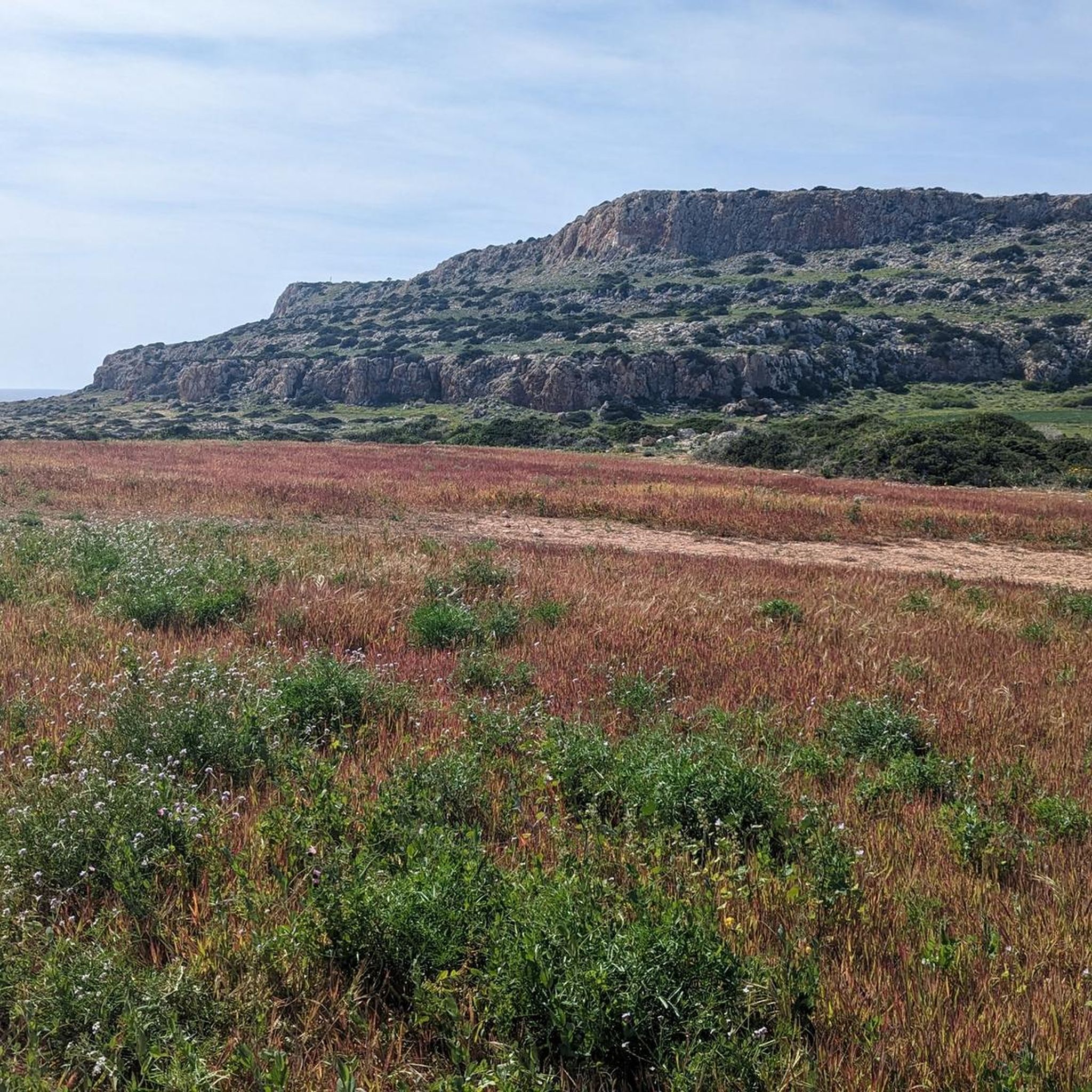
A wonderful view (especially at sunset) to Agia Napa and across the sea from the viewpoint at Cape Greco. If you don't feel like climbing the 95-meter-high table mountain, you can drive to just below the summit and park there. There is also a small snack van there. For hiking enthusiasts, however, the route along the wildly rugged coast from Agia Napa, past the Sea Caves, is recommended. Remember to wear sun protection, as there is a little wind up there and only a covered picnic area offers some shade.
0
0

Juniperus phoenicea, commonly known as Phoenician juniper or Arâr, is a species of juniper native to the Mediterranean region. This evergreen shrub or small tree is well adapted to arid and semi-arid climates and often grows on rocky or sandy soils. It typically reaches a height of 2–8 meters, but can sometimes grow up to 12 meters. The leaves of Juniperus phoenicea are scale-like and arranged in opposite pairs. The plant produces small, berry-like cones that are reddish-brown when mature and take about 18 months to ripen. These cones are an important food source for various bird species. Juniperus phoenicea is known for its resilience in difficult environmental conditions and is often used in landscaping and reforestation projects in drought-prone areas. In addition, the wood and resin of this plant have historically been used for medicinal and aromatic purposes. This tree is truly romantic. In any case, it serves as a perfect protection from the sun
2
0
The "Rock Bridge" or "Rock Arch", often known as "Kamara tou Koraka", is a natural rock formation in the eastern part of the island, near Cape Greco (Cape Greco). This impressive rock bridge is one of the most popular attractions in the area and attracts many visitors due to its picturesque beauty. Kamara tou Koraka is located in the Cape Greco National Park, a nature reserve between the towns of Ayia Napa and Protaras. The bridge is made of limestone and stretches over the turquoise sea in an elegant arch. The structure was formed by natural erosion over thousands of years. The rock bridge is a delicate structure and is under close observation as erosion slowly weakens it further. For safety reasons, visitors are not allowed to walk across the bridge.
2
0

Great view from the summit, where a canopy has been set up to provide shade.
1
0
View of the lighthouse and the Blue Lagoon (on the left side of the peninsula).
0
0

This Nature Bridge is not that worth seeing, but the entire hiking area around Cape Greko is very beautiful and interesting. The most beautiful is the Nature Trail from Cape Greko to Konnos Beach. It is best to go in this direction. This year we went from Konnos towards the Cape and we took two wrong turns into dead ends where the path was not passable due to rockfalls or thorn bushes. It was not well signposted. From Cape Greko towards Konnos Beach it is clearer. But in any case the Nature Trail is an absolute must if you are in the area.👍🏻👍🏻👍🏻
3
0

The name of the National Forest Park "Kavo Gkreko" is misleading; there are only a few trees and they are rather small.
0
0
There are always small benches that invite you to linger and enjoy the wonderful view.
1
0
Frequently Asked Questions
What types of natural monuments can I explore in Kavo Gkreko?
Kavo Gkreko offers a diverse range of natural formations. You can explore impressive sea caves, such as the Sea Caves of Cape Greco, and unique geological structures like the Kamara tou Koraka Nature Bridge. The area also features scenic viewpoints and ancient trees like the Ancient Phoenician Juniper.
Are there any natural monuments suitable for families with children?
Yes, the Ancient Phoenician Juniper is listed as family-friendly. It provides a nice shaded spot with a bench to relax. The general area of Cape Greco National Forest Park also offers numerous marked hiking and cycling trails, some of which are suitable for families, providing spectacular coastal views.
What are the best natural rock formations to see in Kavo Gkreko?
The most prominent natural rock formations include the dramatic Sea Caves of Cape Greco, carved by sea erosion, and the iconic Kamara tou Koraka Nature Bridge, a natural arch spanning the Mediterranean waters. Another intriguing spot is the Cyclops Cave, steeped in mythology and accessible via a scenic coastal trail.
Where can I find the best viewpoints to enjoy the scenery?
For panoramic vistas of the park and its surroundings, visit the View of Cape Greco Peninsula and radio towers, where benches are available to enjoy the scenery. The Kamara tou Koraka Nature Bridge also offers stunning views, especially at sunrise or sunset.
What outdoor activities can I do near the natural monuments?
The Cape Greco National Forest Park offers a variety of outdoor activities. You can explore numerous marked hiking and cycling trails. For hiking, check out the Easy hikes around Kavo Gkreko guide. If you prefer mountain biking, there are MTB Trails around Kavo Gkreko, and for general cycling, see the Cycling around Kavo Gkreko guide. The crystal-clear waters are also ideal for swimming, snorkeling, and diving.
Are there any wild swimming spots or places to snorkel?
Yes, the Sea Caves of Cape Greco are known for their crystal-clear turquoise waters, inviting visitors for swimming and snorkeling. The Blue Lagoon, another beautiful spot in Cape Greco, also boasts pristine waters perfect for swimming or admiring from a boat.
What is the best time of year to visit Kavo Gkreko's natural monuments?
Cape Greco is beautiful year-round, but for comfortable hiking and outdoor activities, spring (April-May) and autumn (September-October) offer pleasant temperatures. Summer (June-August) is ideal for swimming and water activities, though it can be very warm for extensive hiking. Winter offers milder temperatures for walking, but some facilities might have reduced hours.
What makes the Sea Caves of Cape Greco a popular spot?
The Sea Caves of Cape Greco are popular due to their impressive rock formations carved by sea erosion and the crystal-clear waters. It's a favorite spot for photography, especially at sunset, and for swimming, snorkeling, and cliff jumping (with caution). Visitors often gather here to enjoy the natural beauty.
Can I walk across the Kamara tou Koraka Nature Bridge?
No, due to its fragility and for safety reasons, access across the Kamara tou Koraka Nature Bridge is restricted. You can admire its beauty from safe viewing points along the coast, which still offer spectacular photographic opportunities.
Are there any historical or mythical sites among the natural monuments?
Yes, the Cyclops Cave is steeped in Greek mythology, named after the one-eyed giants. Historically, it may have been used to store goods or was formed by quarrying limestone. Additionally, while man-made, the Ayioi Anargyroi Chapel is perched above a sea cave with a hermit's cave below, mentioned in local legends.
What do visitors enjoy most about the natural monuments in Kavo Gkreko?
Visitors frequently praise the remarkable geological formations, the stunning scenic beauty, and the crystal-clear waters perfect for swimming and snorkeling. Many also appreciate the opportunities for hiking and cycling along the coastal trails, and the breathtaking views from various viewpoints, especially during sunrise and sunset.
Are there any less crowded natural monuments in Kavo Gkreko?
While popular spots like the Sea Caves and Kamara tou Koraka can attract crowds, exploring the extensive network of trails within the Cape Greco National Forest Park can lead you to quieter sections. The Ancient Phoenician Juniper offers a serene spot away from the main coastal attractions.
Most popular routes around Kavo Gkreko
Most popular attractions around Kavo Gkreko

Get inspired with the komoot mobile app


Explore more
Extend your search for the best caves by checking out these guides of the top ones around Kavo Gkreko:
