Tatra National Park, Poland
Tatra National Park, Poland
Top 15 Mountain Passes around Tatra National Park, Poland
Best mountain passes around Tatra National Park, Poland, are part of a spectacular alpine range within the Carpathian Mountains. This region is characterized by rugged, rocky terrain and significant elevation gains, offering diverse hiking experiences. The park features dramatic landscapes, including deep valleys, glacial lakes, and jagged peaks. It is a prominent area for high-mountain trekking, attracting visitors seeking challenging trails and panoramic views.
Best mountain passes around Tatra National Park, Poland
- The most popular mountain passes is Miętusi Pass…
Last updated: August 7, 2026
Między Kopami Pass
Highlight • Mountain Pass
Translated by Google •
Tip by

Miętusi Pass
Highlight • Mountain Pass
A good place to stop.
Translated by Google •
Tip by

Sign up now to discover places like this
Get recommendations on the best single tracks, peaks, & plenty of other exciting outdoor places.
Sign up for free
Zawrat Pass
Highlight • Mountain Pass
Translated by Google •
Tip by

Kondracka Pass
Highlight • Mountain Pass
Translated by Google •
Tip by
Karb Pass (1,853 m)
Highlight • Mountain Pass
Translated by Google •
Tip by

Sign up for free to discover even more mountain passes around Tatra National Park, Poland.
Sign up for free
Already have an account?
Start today with a free account
Your next adventure awaits.
Login or Signup
Popular around Tatra National Park, Poland
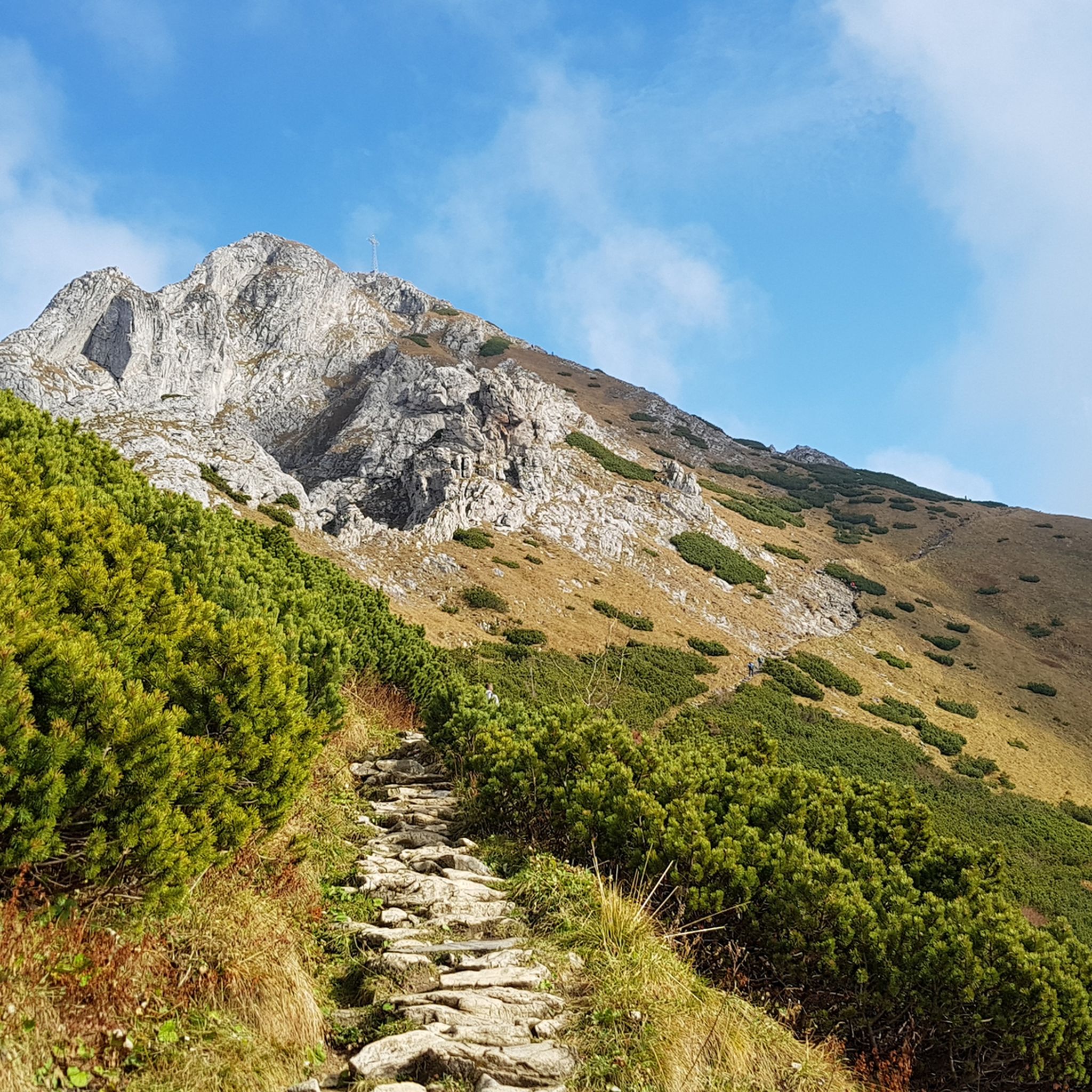
Hiking around Tatra National Park, Poland
Mountain Hikes around Tatra National Park, Poland
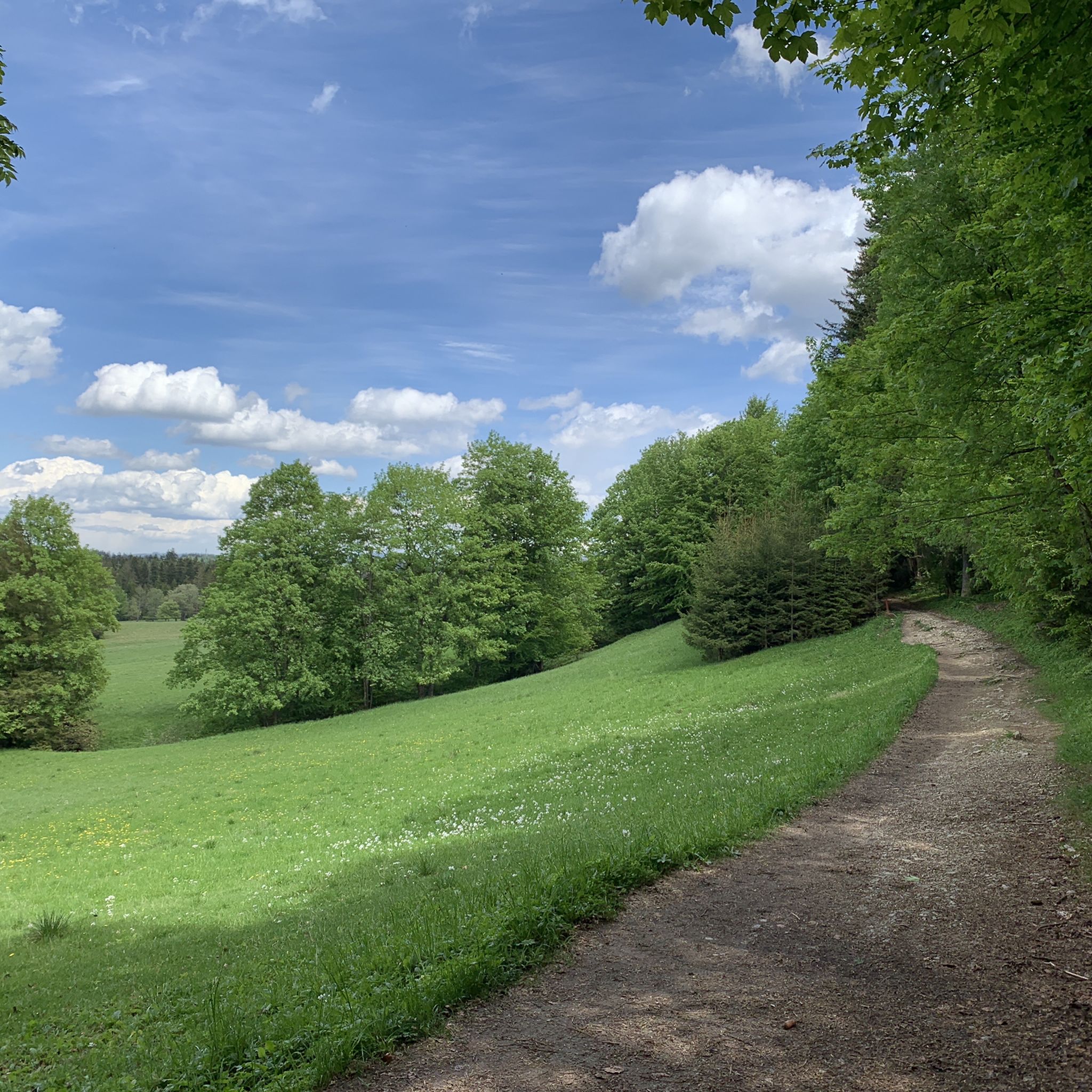
MTB Trails around Tatra National Park, Poland
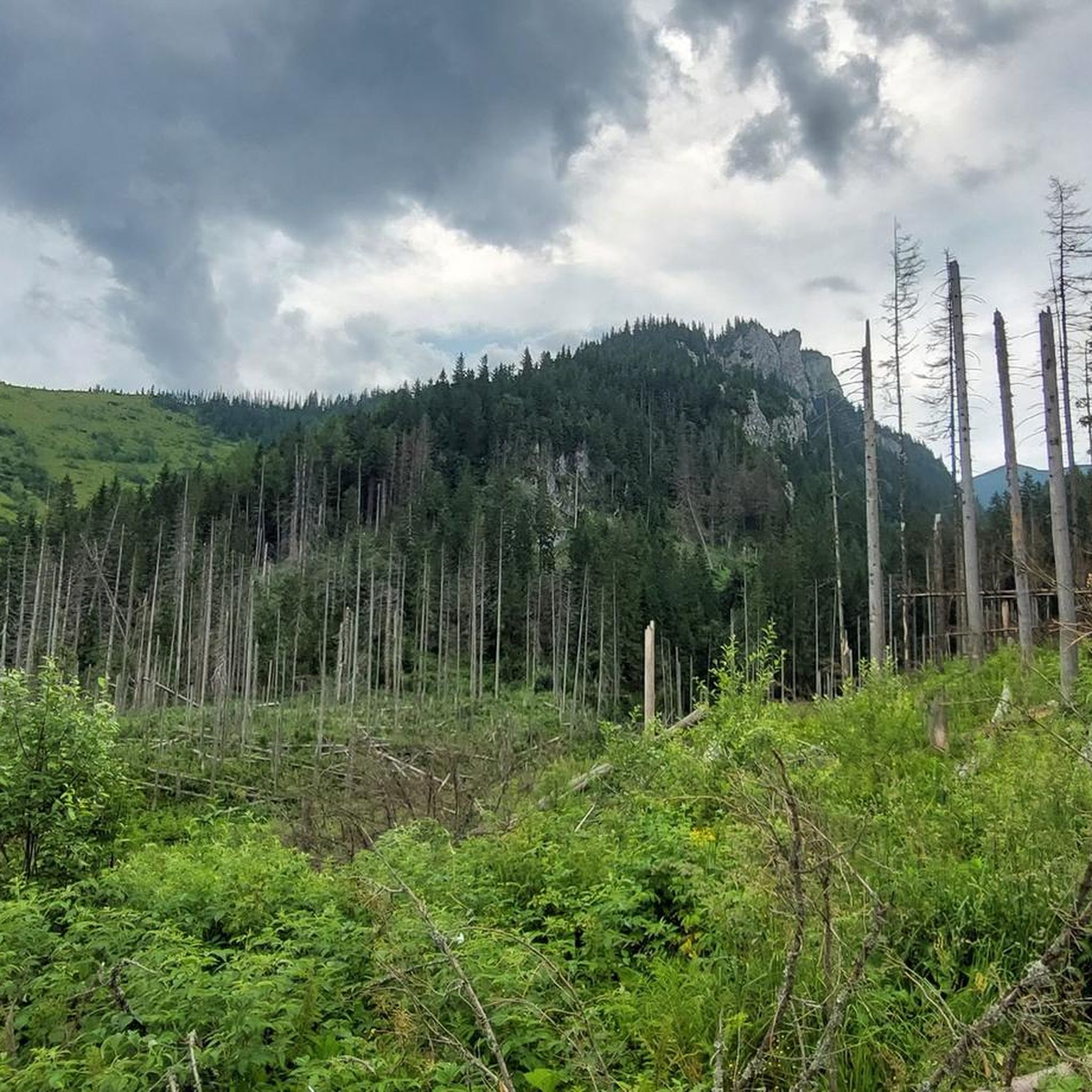
Running Trails around Tatra National Park, Poland
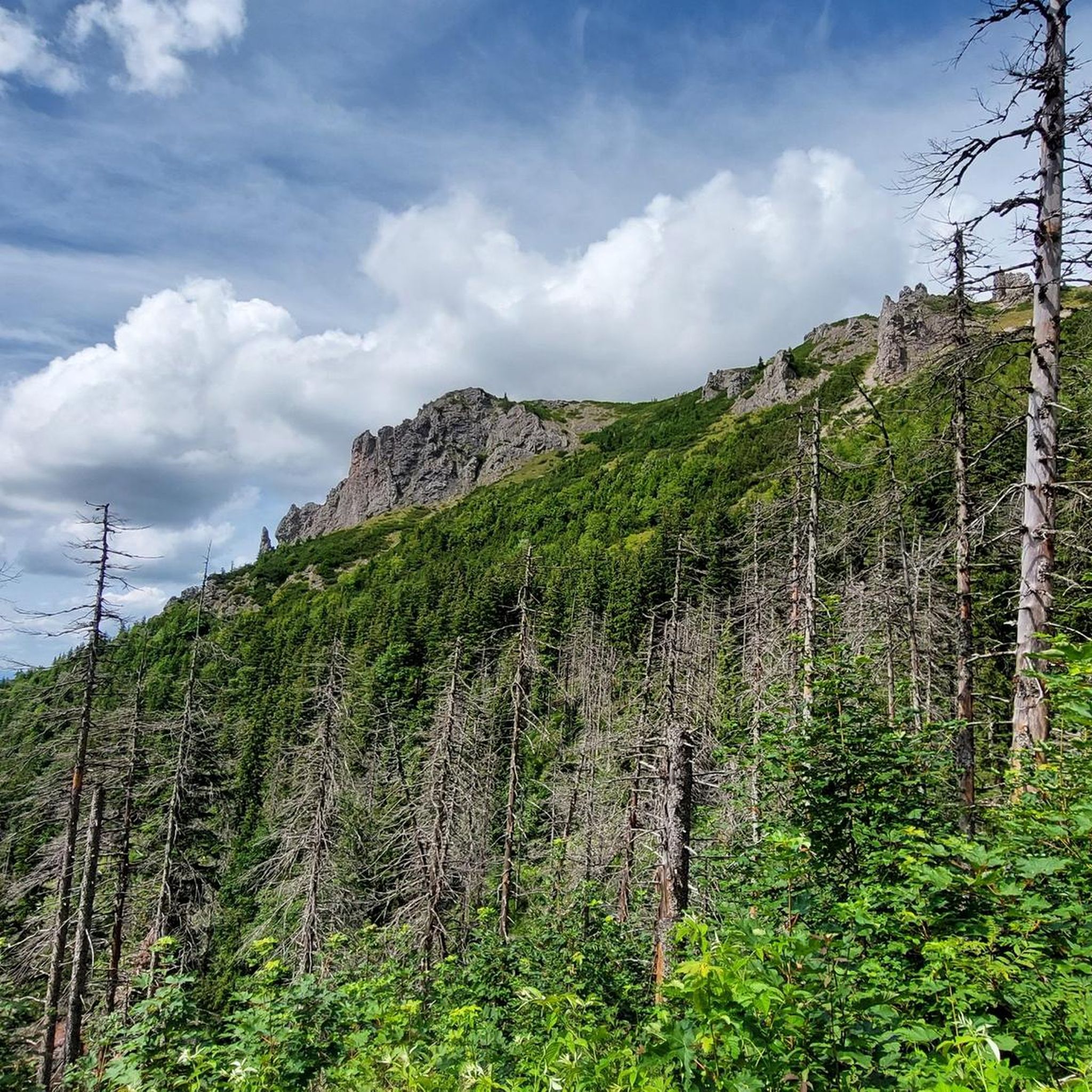
Cycling around Tatra National Park, Poland
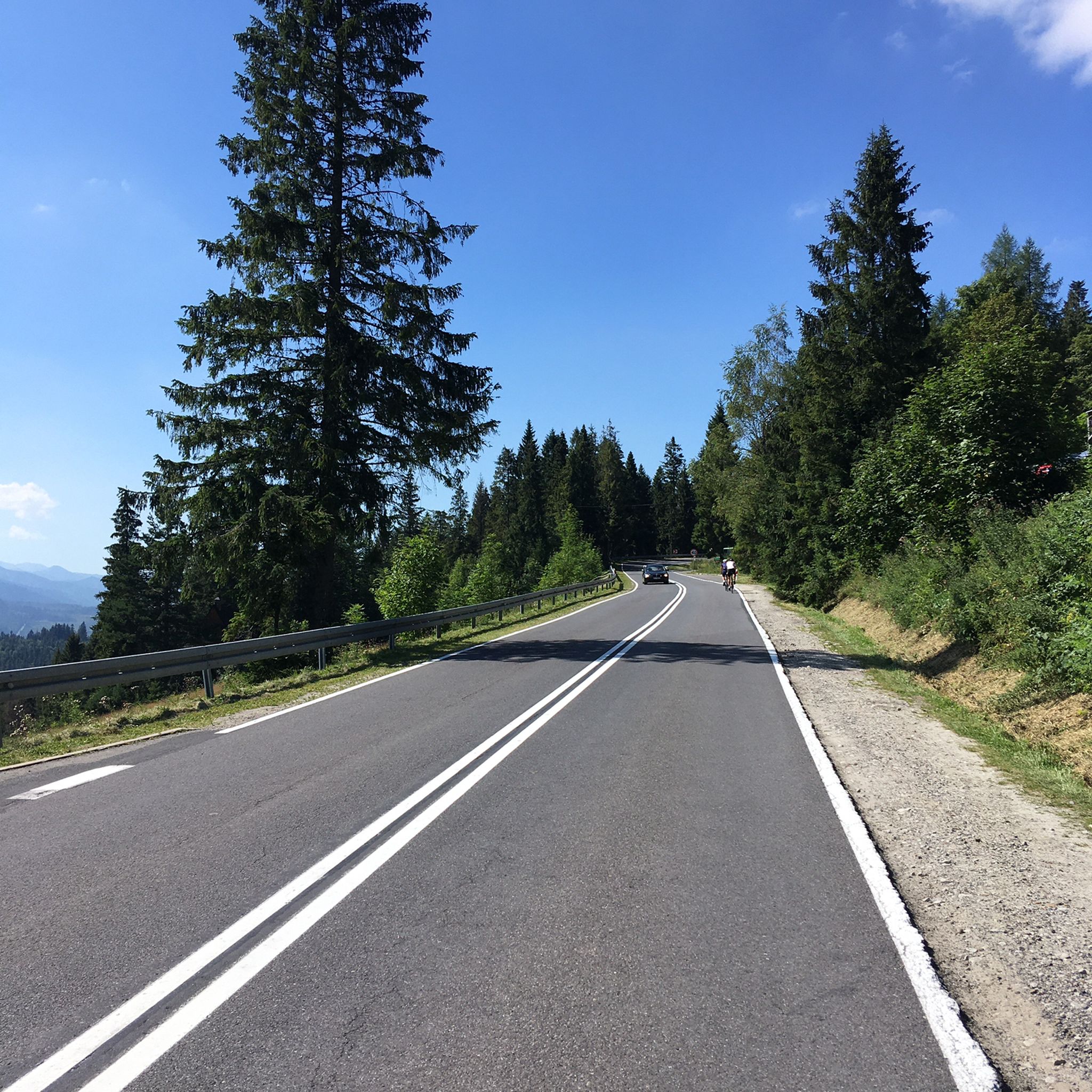
Road Cycling Routes around Tatra National Park, Poland
Gravel biking around Tatra National Park, Poland
Tips from the Community

A resting place for many tourists heading to Hala Gąsienicowa.
0
0
A beautiful pasture at the crossroads of trails
0
0

In heavy fog, choose the blue sign
0
0

Here, the dilemma was whether to go left or right. I chose the safer option: Świnica instead of Orla Perć.
1
0
If we are going to Kościelec from the Gąsienicowy Pond, here we can go down to the right towards Kasprowy Wierch to make a loop.
0
0

The last crossroads before the summit attack on Kościelec
0
0

Easy ascent from D5SP, more difficult from Gąsienicowa Valley. Beautiful views of D5SP.
0
0

A small pass, from which the glades offer beautiful views of Giewont, Czerwone Wierchy and more. This pass separates the Mała Łąka Valley from Kościeliska and Miętusia. A good place to stop.
0
0
Frequently Asked Questions
What are some of the most scenic mountain passes in Tatra National Park, Poland?
The Tatra National Park offers numerous passes with breathtaking views. For panoramic vistas, consider Szpiglasowa Pass, which provides exceptional views of both the Five Lakes Valley and Morskie Oko lake. Miętusi Pass offers beautiful views of Giewont and Czerwone Wierchy, while Karb Pass (1,853 m) provides a stunning perspective of the Czarna Valley and Zielona Gąsienicowa, complete with picturesque ponds.
What is the best time of year to visit the mountain passes in Tatra National Park?
The ideal time to visit for hiking is during the summer months, from June to September. Trails are generally snow-free, and the weather is more stable. While July and August can be crowded, September offers a good alternative with fewer tourists and pleasant conditions. Be prepared for potentially cold and windy conditions, even in summer, as snow can persist as late as June in higher elevations.
Are there any particularly challenging mountain passes for experienced hikers?
Yes, the Tatra National Park is known for its challenging terrain. Zawrat Pass is considered one of the most dramatic and challenging, involving rocky terrain and steep sections secured with chains. It also serves as a gateway to the famous Orla Perć (Eagle's Path), considered Poland's most challenging marked trail. Hikers attempting this should have good fitness, upper body strength, and comfort with exposure.
What kind of natural features can I expect to see around the mountain passes?
You'll encounter a diverse range of alpine landscapes. Expect rugged, rocky terrain, deep valleys, and jagged peaks. Many passes offer views of glacial lakes, such as those in the Five Lakes Valley and the iconic Morskie Oko lake. The scenery often includes lush green pastures and unique rock formations, providing a true high-mountain experience.
What are the general difficulty levels of trails leading to these mountain passes?
Many trails in the Tatra Mountains are rugged and rocky, with significant elevation gains, often between 1,000m to 1,500m. Some sections may be slippery, exposed, narrow, and require scrambling with the aid of chains. While some passes like Między Kopami Pass offer varied climbs that are not overly demanding, others like Zawrat Pass are classified as challenging and require good fitness and preparation.
What outdoor activities can I do near the mountain passes in Tatra National Park?
Beyond exploring the passes themselves, the region offers a variety of outdoor activities. You can find numerous mountain hikes, including challenging routes like the "Black Lake below Rysy – Morskie Oko loop". There are also options for cycling and gravel biking, with routes such as the "Wielka Krokiew Ski Jump – View of Giewont loop". For more details on these activities, you can explore the Mountain Hikes, Cycling, and Gravel Biking guides for the area.
Do I need to pay an entry fee for Tatra National Park?
Yes, an entry fee is required to access the Polish Tatra National Park. Typically, this is 9 PLN for a day pass or 45 PLN for a weekly pass. It's advisable to check the official park website for the most current fee information and regulations.
What safety precautions should I take when hiking in the Tatra mountain passes?
Safety is paramount in the Tatras due to rapidly changing weather and rugged terrain. Always carry a paper map and GPS. Be aware that all trails are closed from dusk until dawn between April 1 and November 30. Certain trail sections may also be closed during specific periods, particularly from December to May, due to snow and avalanche risks. For challenging routes, consider bringing a helmet and ensure you have appropriate gear and fitness.
Are there any accommodations available near the mountain passes?
Yes, there are mountain huts (schroniska górskie) located near popular lake destinations and challenging trails within the park. These huts offer basic accommodation and meals, providing convenient resting points for multi-day hikes. Reservations are highly recommended, especially during peak season, as they can fill up quickly.
What do visitors enjoy most about the mountain passes in Tatra National Park?
Visitors consistently praise the breathtaking panoramic views and the sense of accomplishment from navigating challenging trails. Many highlight the unique experience of seeing iconic landmarks like Morskie Oko and the Five Lakes Valley from elevated perspectives. The rugged beauty and the opportunity for a true high-mountain adventure are frequently mentioned as key attractions.
Are there any regulations tourists should be aware of in Tatra National Park?
Yes, there are several important regulations. As mentioned, trails are closed from dusk until dawn during certain months. It's crucial to stay on marked trails to protect the fragile alpine environment. Dogs are generally not permitted on most trails to protect wildlife. Always carry out all your trash, and respect the natural surroundings. For comprehensive and up-to-date regulations, it's best to consult the official Tatra National Park website: tpn.gov.pl.
What should I pack for hiking the Polish Tatra passes?
Given the variable mountain weather, it's essential to pack layers, including waterproof and windproof outerwear, even in summer. Sturdy hiking boots with good ankle support are a must for the rocky terrain. Other essentials include a map and compass/GPS, sufficient water and snacks, a first-aid kit, sun protection (hat, sunglasses, sunscreen), and a headlamp. For more challenging routes, consider trekking poles and potentially a helmet.
Most popular routes around Tatra National Park, Poland
Most popular attractions around Tatra National Park, Poland

Get inspired with the komoot mobile app


Explore more
See even more epic mountain passes by checking out these guides around Tatra National Park, Poland:
