Top 9 Natural Monuments around Serra de São Mamede
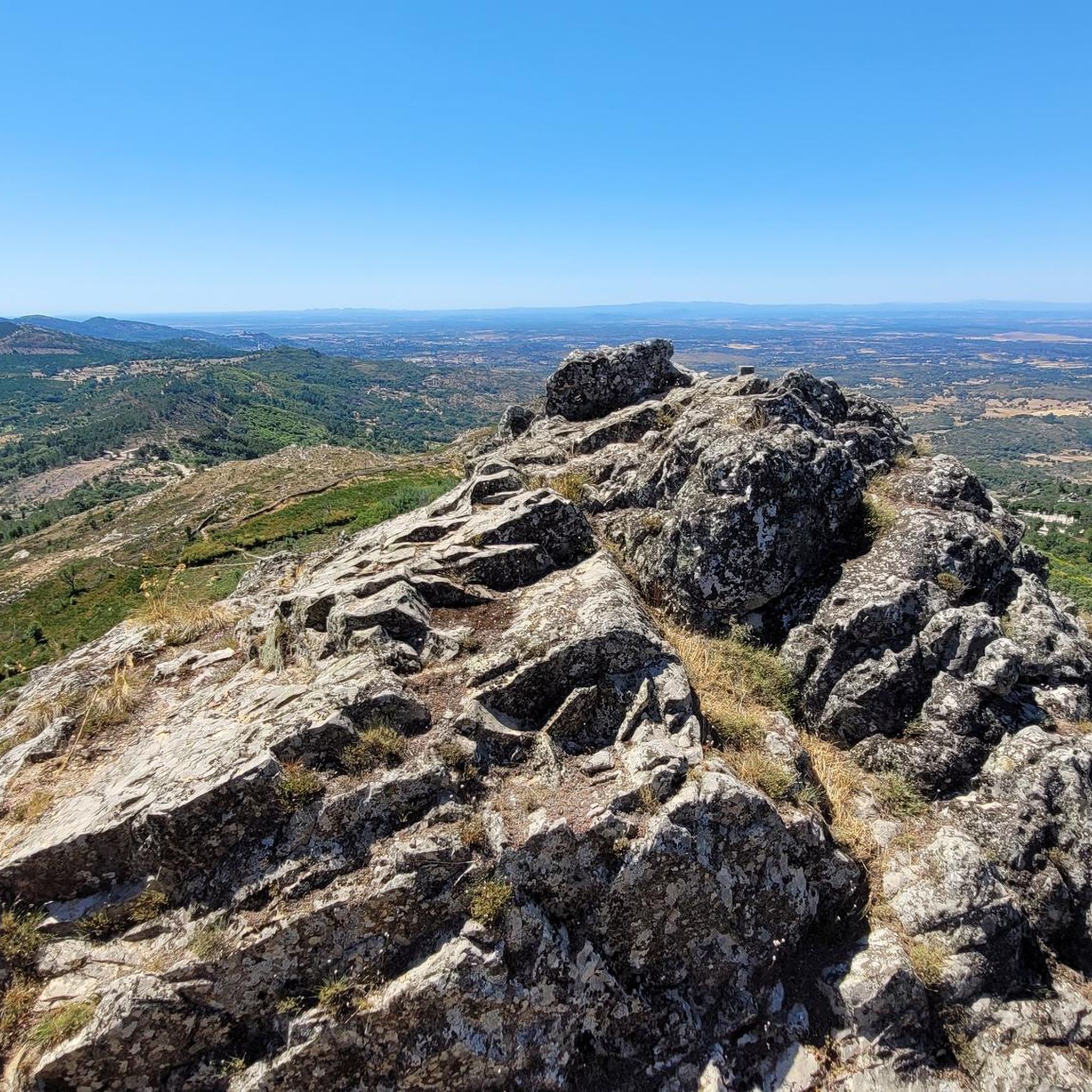
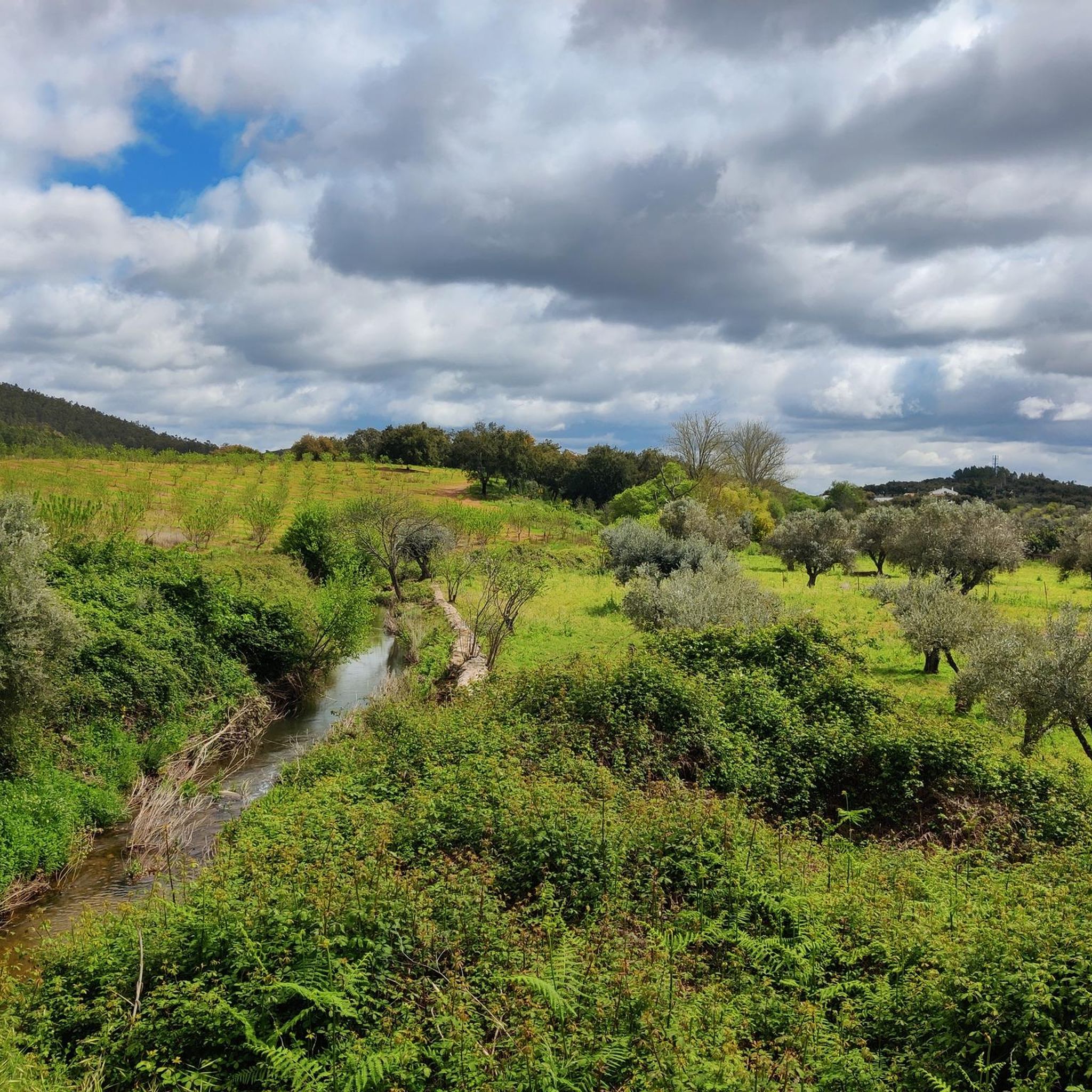
Best natural monuments around Serra de São Mamede are found within a protected area in the Alentejo region of Portugal. This mountainous landscape features diverse ecosystems and a unique microclimate. The park is characterized by prominent quartzite ridges, granite, shale, and limestone outcrops, contributing to its rugged beauty. It serves as an important refuge for various animal species and boasts a rich variety of trees and plant life.
Best natural monuments around Serra de São Mamede
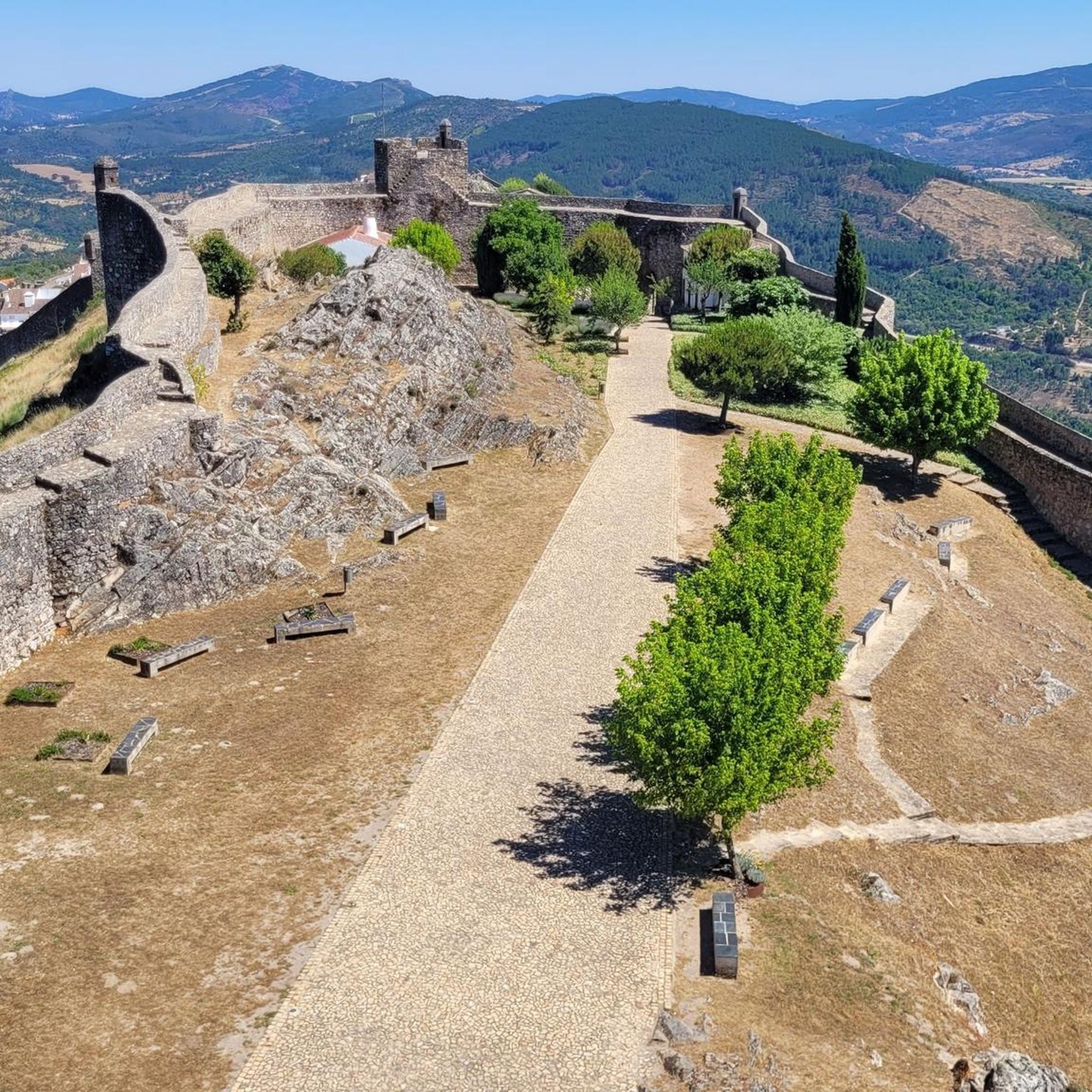
- The most popular natural monuments is Marvão Castle, a castle and natural monument offering panoramic views. This historical site provides clear-air vistas of the surrounding area and into Spain.
- Another must-see spot is Cabroeira Waterfall, a waterfall located in the São Mamede mountain range. Visitors can access a viewpoint with views of the waterfall.
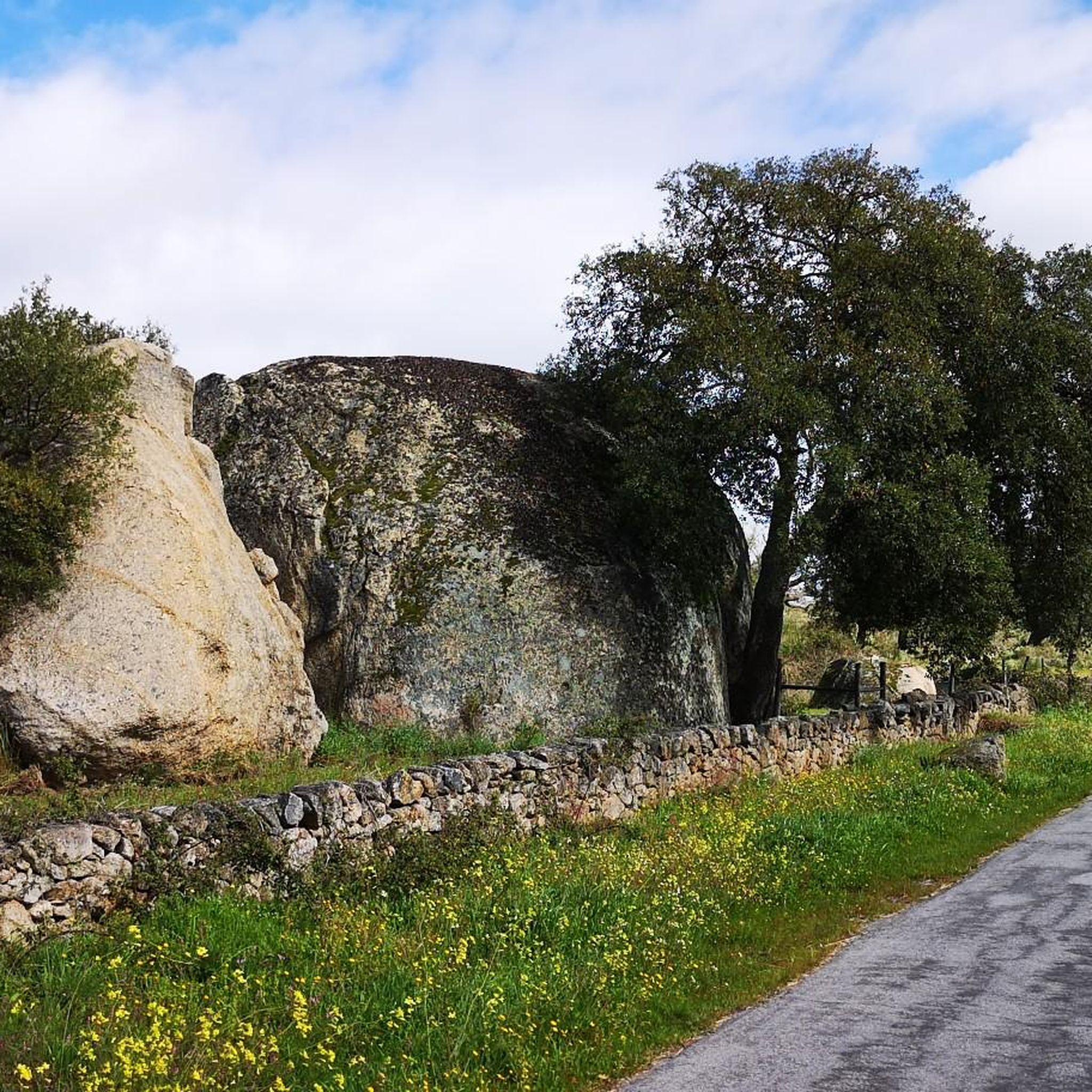
- Visitors also love Menir da Meada, a man-made monument. This menhir is almost 7 meters high, making it one of the highest in the Iberian Peninsula, and offers a connection to ancient history in a peaceful landscape.
- Serra de São Mamede is known for its summits, waterfalls, and ancient stone structures. The park offers a variety of natural monuments to explore, from geological formations to diverse forest and plant life.
- The natural monuments around Serra de São Mamede are appreciated by the komoot community, with over 80 upvotes and more than 150 photos shared across its highlights.
Last updated: May 31, 2026
Marvão Castle
Highlight • Castle
Translated by Google •
Tip by

Cork oak grove in Serra de São Mamede Natural Park
Highlight • Forest
Translated by Google •
Tip by

Sign up now to discover places like this
Get recommendations on the best single tracks, peaks, & plenty of other exciting outdoor places.
Sign up for free
Cabroeira Waterfall
Highlight • Waterfall
Translated by Google •
Tip by

Alto de São Mamede Summit (1,025 m)
Highlight • Summit
This location is known as a good birdwatching spot, especially for species such as the crested tit and the linnet, and is surrounded by pine forests that are home to other birds such as the crested tit and the coal tit. Cruz do Cume also serves as a support and access point for outdoor activities, such as hiking and trail running, and is a stopover point for important races such as the Ultra Trail São Mamede (UTSM).
In short, Cruz do Cume is an emblematic location in the Serra de São Mamede, valued for its nature, birdlife and relevance for mountain sports.
Translated by Google •
Tip by
Menir da Meada
Highlight • Monument
Translated by Google •
Tip by
Nisa/Lage da Prata Plateau and Ancient Stone Structures
Highlight (Segment) • Historical Site
Translated by Google •
Tip by

Póvoa e Meadas Reservoir
Highlight • Lake
Translated by Google •
Tip by

Chafurdão of Vale de Cales
Highlight • Structure
Tip by

Water All Year Round and Horse Refuge
Highlight • Trail
Translated by Google •
Tip by
Penha Amarela
Highlight • Natural Monument
Translated by Google •
Tip by
Sign up for free to discover even more natural monuments around Serra de São Mamede.
Sign up for free
Already have an account?
Start today with a free account
Your next adventure awaits.
Login or Signup

Tips from the Community

A place to visit every month. It's wonderful.
2
0

An old, stone-paved road leads from Portagem through cork oak forests up to Marvão. A strenuous journey in summer. The scenery is breathtaking.
1
0

The chafurdão is a traditional dry-stone shelter with a false dome, typical of the region’s vernacular heritage. Though most surviving examples are recent (the oldest dated to 1733), they follow ancient construction techniques. Oriented toward sunrise, these structures include ventilation and lighting through wall openings. Built for temporary use by farmers and shepherds, they often have walled pens and a compact earth-covered roof stabilized by stone capping.
0
0

The Albufeira de Póvoa e Meadas is an artificial lake immersed in a landscape of great natural beauty. This is also a perfect place for birdwatching, thanks to its remarkable richness and diversity of avifauna species.
0
0
The Albufeira de Póvoa e Meadas is an artificial lake immersed in a landscape of great natural beauty. This is also a perfect place for birdwatching, thanks to its remarkable richness and diversity of avifauna species.
0
0
Marvão is dominated by its imposing and well-preserved medieval castle. The fortified walls embrace the entire village, enclosing a maze of narrow cobbled streets, white houses with red roofs and small flower-filled squares. The views from the walls are breathtaking, taking in a vast panorama of hills, valleys and, on a clear day, all the way to the Serra da Estrela mountain range. Marvão is a true open-air museum, preserving the atmosphere and architecture of centuries past. It is on the UNESCO tentative list of potential World Heritage Sites, and is an ideal destination for those seeking history, tranquility and spectacular scenery.
1
0

It is worth visiting the Menir da Meada to feel the silent power of a monument that is over 7,000 years old. It is the largest menhir in the Iberian Peninsula, located in a peaceful landscape in the north of the Alentejo and conveys a rare feeling of connection to the land and history. Ideal for those seeking nature, contemplation and authentic heritage, whether on foot, by bike or for a peaceful break.
0
0

Cruz do Cume is a small crossroads located in the Serra de São Mamede, in the district of Portalegre, in the northeast of Alentejo, near the city of Portalegre. It is located about 1 km downhill from Alto de São Mamede, which is the highest point in the mountain range at 1025 metres above sea level. This location is known as a good birdwatching spot, especially for species such as the crested tit and the linnet, and is surrounded by pine forests that are home to other birds such as the crested tit and the coal tit. Cruz do Cume also serves as a support and access point for outdoor activities, such as hiking and trail running, and is a stopover point for important races such as the Ultra Trail São Mamede (UTSM). In short, Cruz do Cume is an emblematic location in the Serra de São Mamede, valued for its nature, birdlife and relevance for mountain sports.
2
0
Frequently Asked Questions
What natural features define the Serra de São Mamede Natural Park?
The Serra de São Mamede Natural Park is characterized by its mountainous landscape, diverse ecosystems, and a unique microclimate. You'll find prominent quartzite ridges, granite, shale, and limestone outcrops, contributing to its rugged beauty. It's also known for its rich variety of trees and plant life, and serves as an important refuge for various animal species.
Are there any significant waterfalls to visit in the park?
Yes, the park is home to several beautiful waterfalls. Notable ones include Cabroeira Waterfall, located near the village of Rabaça, and Ribeira de Arronches Waterfall. These offer serene beauty and a refreshing experience, especially during warmer months.
Where can I find panoramic views in Serra de São Mamede?
For exceptional panoramic views, head to Alto de São Mamede Summit (1,025 m), the highest point in the park, offering vistas into Spain. Another spot with great views is Marvão Castle, which provides clear-air views of the surrounding area.
Can I see ancient historical monuments within the natural park?
Yes, the park features several ancient historical monuments. You can visit Menir da Meada, one of the tallest menhirs in the Iberian Peninsula. Additionally, the Nisa/Lage da Prata Plateau offers ancient stone structures like menhirs and dolmens, providing a connection to ancient history.
What kind of wildlife can I observe in Serra de São Mamede?
The park is a significant refuge for diverse wildlife. It's an important area for birdwatchers, with over 200 species, including rare birds of prey like the Bonelli's eagle, black vulture, griffon vulture, and kite. With luck, you might also spot wild boar or deer, and even otters, though the Iberian lynx is rarely seen.
Are there specific areas for birdwatching?
Yes, the Alto de São Mamede Summit area, particularly around Cruz do Cume, is known as a good birdwatching spot for species like the crested tit and linnet. The Porto de Roque Ridge is also significant for observing griffon vultures in their natural habitat.
What types of plant life are unique to the Serra de São Mamede Natural Park?
The park's unique microclimate, combining Mediterranean and Atlantic influences, creates a rich and diverse vegetation. It's considered a 'vegetation laboratory' where you can find rare plants like the trumpet narcissus and stonecrop, alongside Solomon’s seal, honeysuckle, and wild roses. Oak and chestnut trees dominate in the north, while cork oak and holm oak groves are common in the south.
Are there family-friendly natural monuments or activities in the park?
Yes, several spots are suitable for families. Menir da Meada offers an interesting historical stop in a peaceful landscape. The Póvoa e Meadas Reservoir is another family-friendly natural monument, offering a tranquil setting.
What outdoor activities are available near the natural monuments?
The park offers numerous opportunities for outdoor activities. You can explore various hiking and cycling routes. For example, there are several road cycling routes, touring bicycle routes, and MTB trails that allow you to discover the natural beauty of the region.
What is the best time of year to visit the natural monuments in Serra de São Mamede?
The unique microclimate means the park can be enjoyed throughout the year. Spring (March-May) is ideal for seeing wildflowers and lush vegetation, while autumn (September-November) offers pleasant temperatures and beautiful fall colors. The waterfalls are particularly impressive after rainfall, typically in late winter or spring.
What geological formations are prominent in the Serra de São Mamede landscape?
The landscape is marked by prominent quartzite ridges, especially visible near the border with Spain and in Castelo de Vide. These geological features, along with outcrops of granite, shale, and limestone, add to the rugged beauty of the park and offer interesting formations to explore.
What do visitors particularly enjoy about the natural monuments here?
Visitors frequently praise the breathtaking panoramic views, especially from Marvão Castle and Alto de São Mamede Summit. The peaceful atmosphere and connection to ancient history at sites like Menir da Meada are also highly valued. Many appreciate the diverse vegetation and the opportunities for birdwatching and immersing themselves in nature.
Most popular routes around Serra de São Mamede
Most popular attractions around Serra de São Mamede

Get inspired with the komoot mobile app


Explore more
Extend your search for the best caves by checking out these guides of the top ones around Serra de São Mamede:
