Top 6 Natural Monuments around Zempléni-hegység
Best natural monuments around Zempléni-hegység showcase a region shaped by its volcanic origin, dating back approximately 15 million years. This geological history has created a unique environment with rhyolite and andesite rock formations. The Zempléni-hegység, also known as the Tokaj Mountains, offers diverse landscapes, significant biodiversity, and numerous natural features for exploration. It is a destination for those interested in geological wonders and natural beauty.
Best natural monuments around Zempléni-hegység
- The most popular natural monuments is Megyer Hill Tarn,…
Last updated: August 7, 2026
Megyer Hill Tarn
Highlight • Lake
Translated by Google •
Tip by

Kerek kő
Highlight • Viewpoint
Tip by

Sign up now to discover places like this
Get recommendations on the best single tracks, peaks, & plenty of other exciting outdoor places.
Sign up for free
Király-hegy Millstone Quarry
Highlight (Segment) • Structure
Translated by Google •
Tip by
View from Gereblye-kő
Highlight • Viewpoint
Tip by

Füzér Castle
Highlight • Castle
Translated by Google •
Tip by

Sign up for free to discover even more natural monuments around Zempléni-hegység.
Sign up for free
Already have an account?
Start today with a free account
Your next adventure awaits.
Login or Signup
Tips from the Community

The castle was built at the beginning of the 13th century and is one of the earliest stone castles in Hungary. It is located on a steep volcanic cone in the easternmost part of the Zemplén Mountains. Once at the top, you have a breathtaking view of the surroundings.
2
0


Alone on the mountain. There are no crowds, but the sight is here
0
0

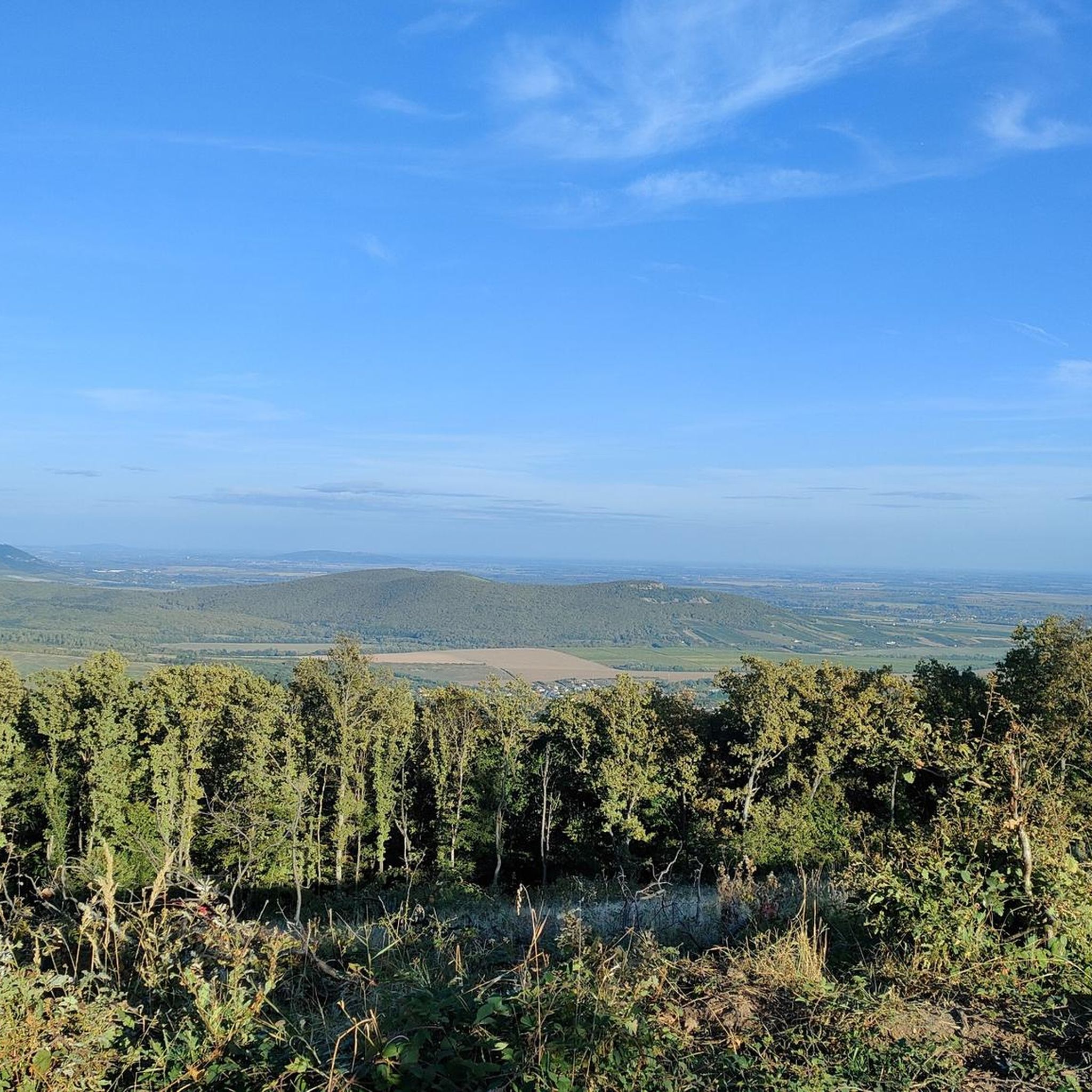
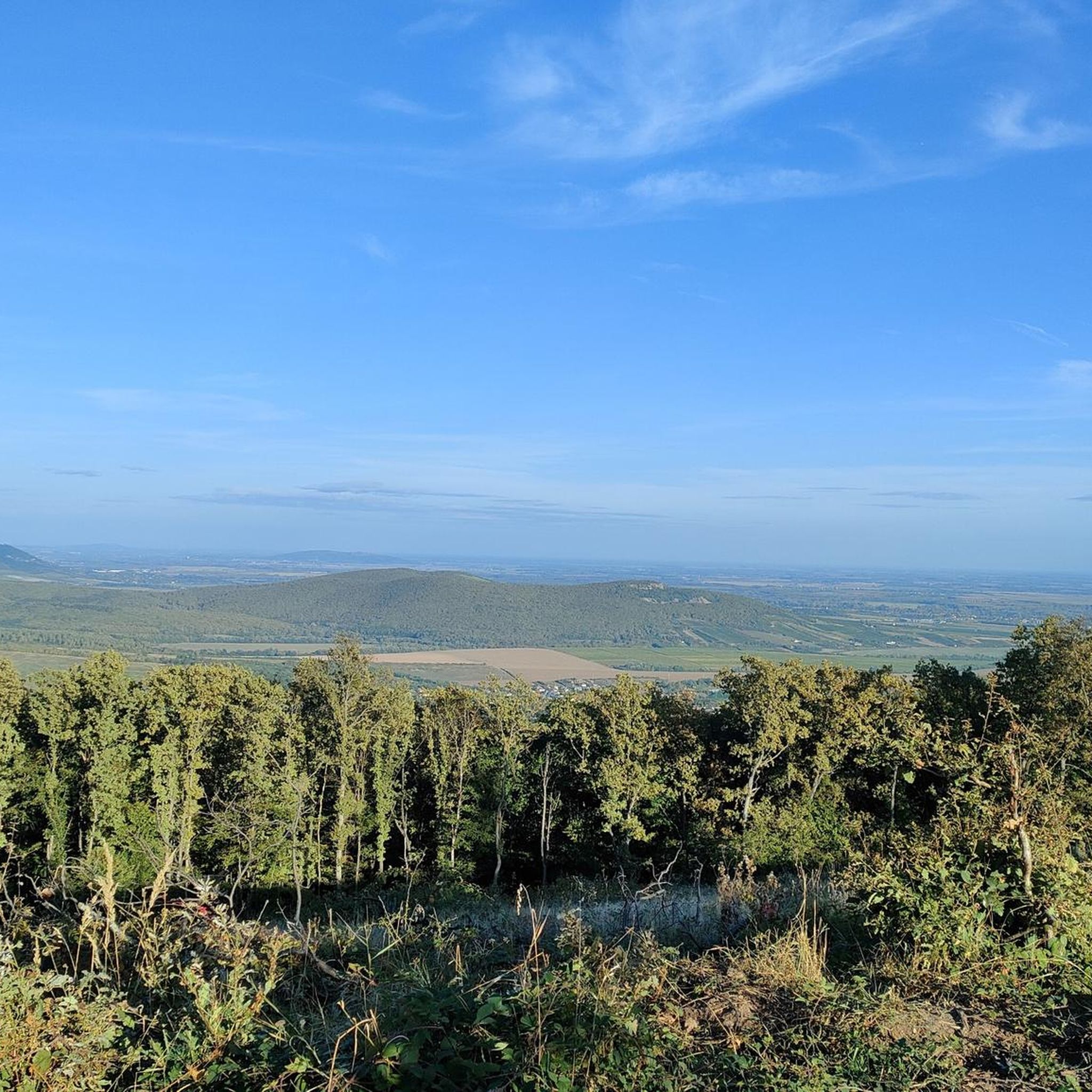
The hydroquartzite mine on Király Hill, which rises above Sárospatak, was a millstone mine known throughout Europe in the second half of the 19th century. The rocks of Király-hegy are heavily fermented, Miocene-aged Megyer-hegyi rhyolite orphan, but the ridge of the mountain is several meters thick hydroquartz, which was the raw material of high-quality millstones. Once this was primarily produced, the remaining mining yard was quite zigzagged. Minerals are primarily associated with hydrocartzite winters. The quarry has long been abandoned, reclaimed by nature, so good finds are becoming rarer. On the side of the mountain - however, due to the continuous viticulture - to this day, a good number of minerals from the mountain can be collected from the surface, especially the famous white opal. The King's Mountain mine is the so-called The highest point of the millstone educational trail. It can be reached from Makkoshotyka, at the Szilvás-kút Tourist House, by the red T-marked educational trail, or from Sárospatak, by parking at the Bot-kő car park and also using the red T-marked educational trail. From both sides approx. You have to walk 3 km. For those who would be too diligent on this trip, stop their car along the road connecting Makkoshotyka with Sárospatak and walk up to the vineyards, where you will find the same as above. The view is definitely royal!
0
0
The 300 m high Megyer Mountain was created during the Tertiary period of geological history, during the Middle Miocene (Baden) volcanism, and its mass is mainly made up of chert-silica rhyolite tuff. The approx. Volcanic activity that began 15 million years ago took place below sea level, and later the volcanic structures rose above water level. The sedimentation in the marine environment is told by the impressions of mollusk turtles (e.g. shells) mixed in the material of the rhyolite tuff. During the intense explosive volcanic activity, the glowing debris tumbled down the sides of the volcanoes like an avalanche and accumulated due to its high temperature. This is how the homogeneous, unstratified rock that forms the material of Megyer Mountain was created. After volcanism ended, siliceous solutions flowed along the fault lines and penetrated the rhyolite tuff. As a result of the post-volcanic activity, the softer parts of the rock body became more resistant to the effect of silicic acid, while some parts (such as the horzak stones) hardened, making the rock material of Megyer-hegy sloppy, "wasp stone". After solidification, the products of volcanic eruptions impregnated with siliceous solutions became very hard and resistant, and their crystalline inclusions and cavities made them excellent for the production of millstones. There was already a millstone quarry on Megyer Mountain in the 15th century, where millstones were extracted and processed for centuries using similar techniques, tools and manual labor. The so-called "Italian type" millstones were carved in a block from the siliceous rhyolite tuff. Before the decline in production at the end of the 19th century and the cessation of operations in 1907, the average production of the millstone mine varied between 300-450 millstones per year. In the 19th century, the focal point of millstone mining moved to the neighboring Király Hill, where "French-type" millstones were already produced (the millstones were already assembled from several elements). To remove the bottom water accumulated in the mine, the deepening of the drainage ditch was started in 1844 and continued for decades in the southwest corner of the medieval Old Mine. The lake that was later named "eye of the sea" was formed in the excavation pit of the abandoned millstone mine. In addition to the pond, the former miners' lodgings carved into the rhyolite tufa can also be studied. In 1997, the lake and its surroundings were declared a nature conservation area.
1
0

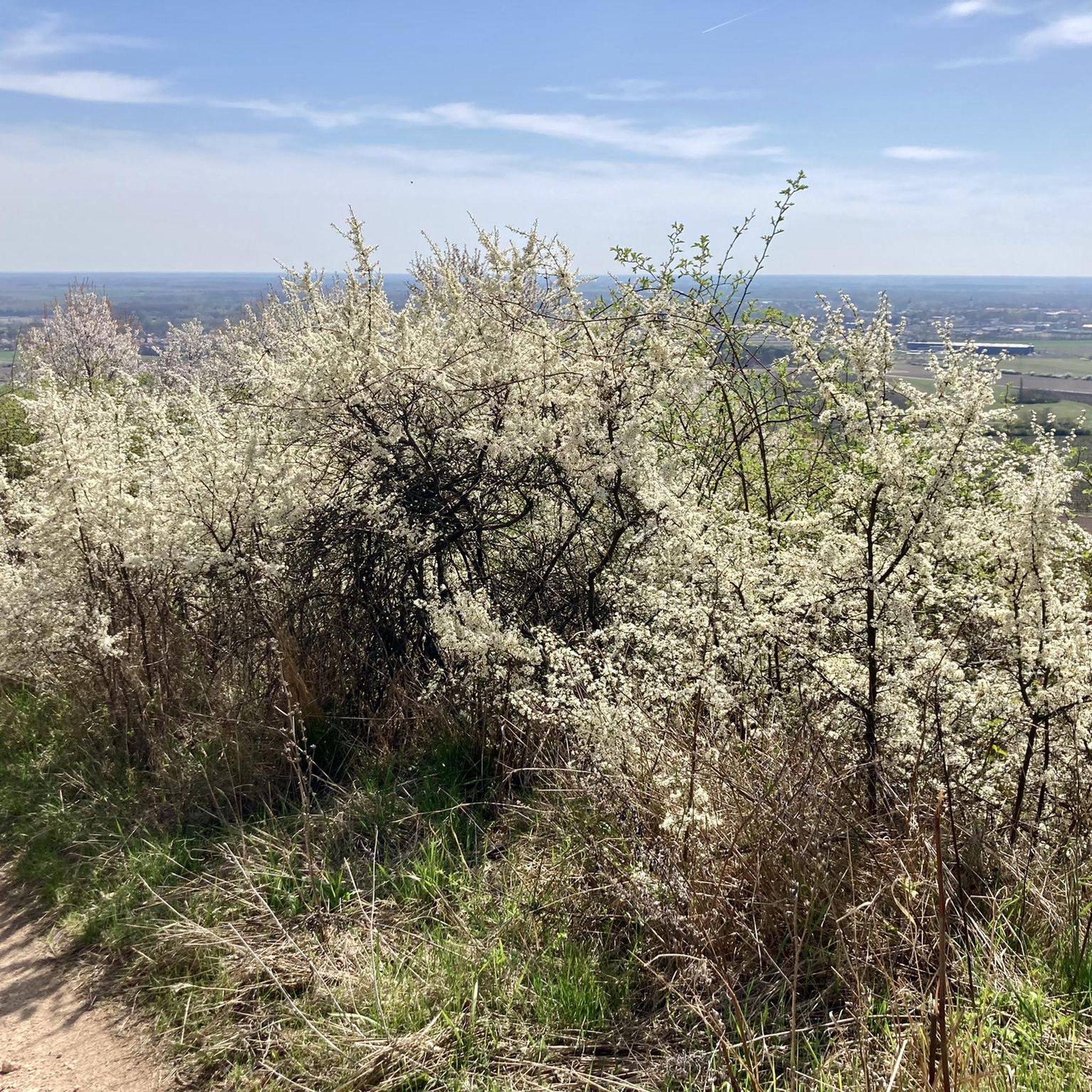
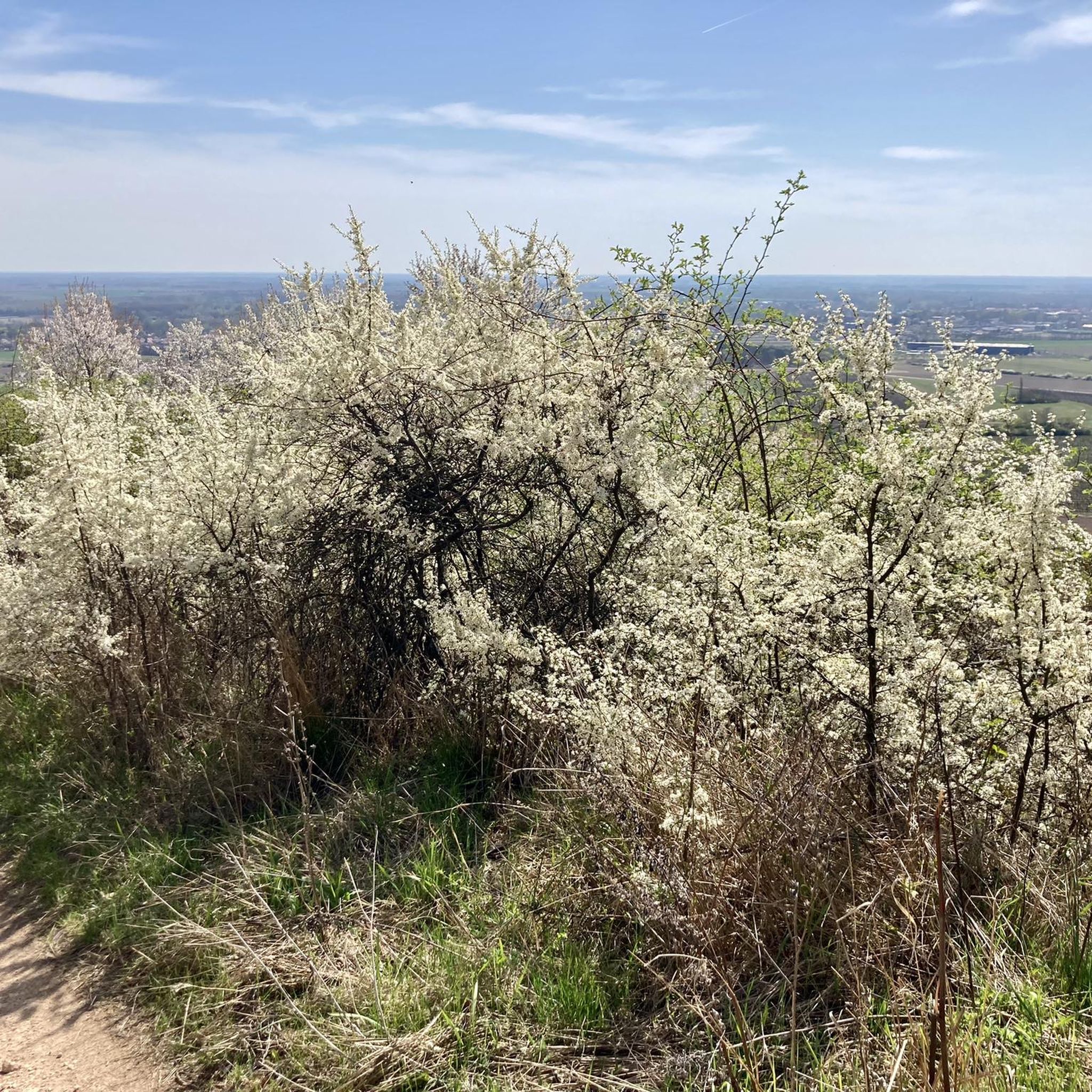
From the cliffs You can see below Araka village and the Hernád valley. You can leave your car beside the curch of Arka. Till the cliffs you have to follow the electric cable pilars up the hill. There are no tourist signs so recomended to use a gps device.
1
0

Frequently Asked Questions
What are some unique natural monuments to explore in Zempléni-hegység?
The Zempléni-hegység, shaped by its volcanic origin, offers several unique natural monuments. A standout is the Megyer Hill Tarn, a lake formed in an abandoned millstone mine, where you can explore former miners' lodgings carved into the rhyolite tufa. Another significant site is Nagy-Milic Peak, the highest summit, offering panoramic views over the Tokaj vineyards and distant Carpathians. You can also discover the dramatic rock formations of Sólyom-kő (Sziklatűk) near Nagyhuta.
What kind of views can I expect from the natural monuments in the region?
The Zempléni-hegység is rich in viewpoints offering expansive vistas. Kerek kő provides a 270-degree panoramic view of the Zemplén Hills. From the View from Gereblye-kő, you can see Araka village and the Hernád valley. Additionally, the summit of Nagy-Milic Peak offers breathtaking panoramic views, ideal for sunrises, while Füzér Castle, perched on a volcanic cone, also provides stunning surroundings.
Are there family-friendly natural monuments around Zempléni-hegység?
Many natural monuments in Zempléni-hegység are suitable for families, depending on the activity level. The Megyer Hill Tarn offers good walking paths around the lake and a chance to explore the unique history of the millstone mine. The Zempléni Landscape Protection Area features numerous well-marked trails that can be enjoyed by families, providing opportunities for nature observation in diverse ecosystems.
What geological features define the natural monuments of Zempléni-hegység?
The Zempléni-hegység's natural monuments are primarily defined by its volcanic origin, dating back approximately 15 million years. This has resulted in unique rhyolite and andesite rock formations. Sites like the Megyer Hill Tarn showcase chert-silica rhyolite tuff, while the dramatic rock towers at various viewpoints like Sólyom-bérc are formed from andesite. Tokaj Mountain (Kopasz-hegy) is another significant volcanic cone in the region.
What outdoor activities can I do near these natural monuments?
The Zempléni-hegység offers a variety of outdoor activities. You can find numerous hiking trails, with options ranging from moderate to difficult, such as the Károlyi lookout tower – Nagy-Milic loop from Füzér. Cycling is also popular, with routes like the Füzér Castle – Kőkapu loop from Nagyhuta. For runners, there are challenging trails like the Áfonyás-tó loop from Rostalló. You can explore more options for hiking, cycling, and running in the region.
Are there historical sites among the natural monuments?
Yes, several natural monuments in the Zempléni-hegység also have significant historical aspects. The Megyer Hill Tarn is a former millstone mine active since the 15th century, with remnants of miners' lodgings. The Király-hegy Millstone Quarry was also a well-known millstone mine. Additionally, Füzér Castle, one of Hungary's earliest stone castles from the 13th century, is situated on a steep volcanic cone, blending natural beauty with rich history.
What is the best time to visit the natural monuments in Zempléni-hegység?
The Zempléni Landscape Protection Area, encompassing much of the mountains, offers diverse ecosystems and vibrant wildlife throughout the changing seasons. Spring and autumn are particularly pleasant for hiking and enjoying the lush forests and rolling hills, with comfortable temperatures and beautiful foliage. Summer is also suitable for outdoor activities, while winter can offer a unique, serene experience, though some trails might be more challenging due to snow or ice.
What kind of wildlife and biodiversity can I expect to see?
The Zempléni Landscape Protection Area is known for its rich biodiversity. It is home to protected species like the golden eagle. The region's diverse ecosystems, including lush forests and hills, support a variety of flora and fauna. Bodrogzug, a protected flood plain at the confluence of the Tisza and Bodrog rivers, is particularly notable for its exceptional variety of bird species, including teal, great egrets, small egrets, and corn crakes, especially during spring floods.
Are there any easy-to-access natural monuments for a quick visit?
While many natural monuments involve some hiking, the region offers options for varying difficulty. The Megyer Hill Tarn is generally accessible, with good walking paths around the lake. For viewpoints, some, like View from Gereblye-kő, might require a short walk up from a parking spot, but offer immediate rewards. It's always recommended to check specific trail details for accessibility.
What do visitors enjoy most about the natural monuments in Zempléni-hegység?
Visitors frequently appreciate the breathtaking views and the secluded atmosphere found at many sites. For instance, Kerek kő is highly regarded for its 270-degree panoramic views, considered worth the effort to reach. The View from Gereblye-kő is noted for its tranquility and lack of crowds, offering a peaceful experience. The unique geological history and the opportunity for both walking and more adventurous activities like via ferrata at Megyer Hill Tarn are also popular highlights.
Can I find information about specific hiking trails near these natural monuments?
Yes, the Zempléni-hegység offers numerous hiking trails that often lead to or pass by these natural monuments. For example, you can find moderate to difficult trails like the Károlyi lookout tower – Nagy-Milic loop from Füzér, or the Kerek kő – View of the Zemplén Mountains loop from Újhuta. These trails allow you to experience the region's natural beauty firsthand. More detailed information on various hiking routes can be found in the Hiking around Zempléni-hegység guide.
Are there any protected areas or special ecological sites?
Yes, a significant portion of the Zemplén Mountains is covered by the Zempléni Landscape Protection Area, which safeguards its diverse ecosystems, lush forests, and wildlife. Additionally, Bodrogzug, located at the confluence of the Tisza and Bodrog rivers, is a protected flood plain recognized on the Ramsar list as a wetland of international importance due to its exceptional variety of bird species.
Most popular routes around Zempléni-hegység
Most popular attractions around Zempléni-hegység

Get inspired with the komoot mobile app


Explore more
Extend your search for the best caves by checking out these guides of the top ones around Zempléni-hegység:
