Top 9 Natural Monuments around Buchhorst
Natural monuments around Buchhorst are found within the Landschaftsschutzgebiet 'Buchhorst', a mixed deciduous forest area. This region features several designated natural monuments and significant natural attractions, offering a serene environment for nature exploration. The area includes specific protected trees and historically significant water bodies. Buchhorst provides opportunities to experience diverse natural features and ecological value.
Best natural monuments around Buchhorst
- The most popular natural monument is Monk Ponds, a lake that was historically used for fish farming by Cistercian…
Last updated: July 11, 2026
Riddagshausen Nature Reserve
Highlight • Forest
Translated by Google •
Tip by

Arboretum Riddagshausen
Highlight • Forest
Translated by Google •
Tip by

Sign up now to discover places like this
Get recommendations on the best single tracks, peaks, & plenty of other exciting outdoor places.
Sign up for free
Monk Ponds
Highlight • Lake
Translated by Google •
Tip by

American Red Oak (Quercus rubra), Arboretum Braunschweig
Highlight • Natural Monument
Translated by Google •
Tip by

Schapener Graben Impoundment
Highlight • Natural
Translated by Google •
Tip by

Sign up for free to discover even more natural monuments around Buchhorst.
Sign up for free
Already have an account?
Start today with a free account
Your next adventure awaits.
Login or Signup
Tips from the Community

beautiful, but mercilessly crowded on weekends.
0
0

A beautiful natural area has been created here and the wildlife enjoys it.
1
0
A number of interesting animals can be observed in this area.
2
0
Some very impressive oaks stand along the way here.
1
0

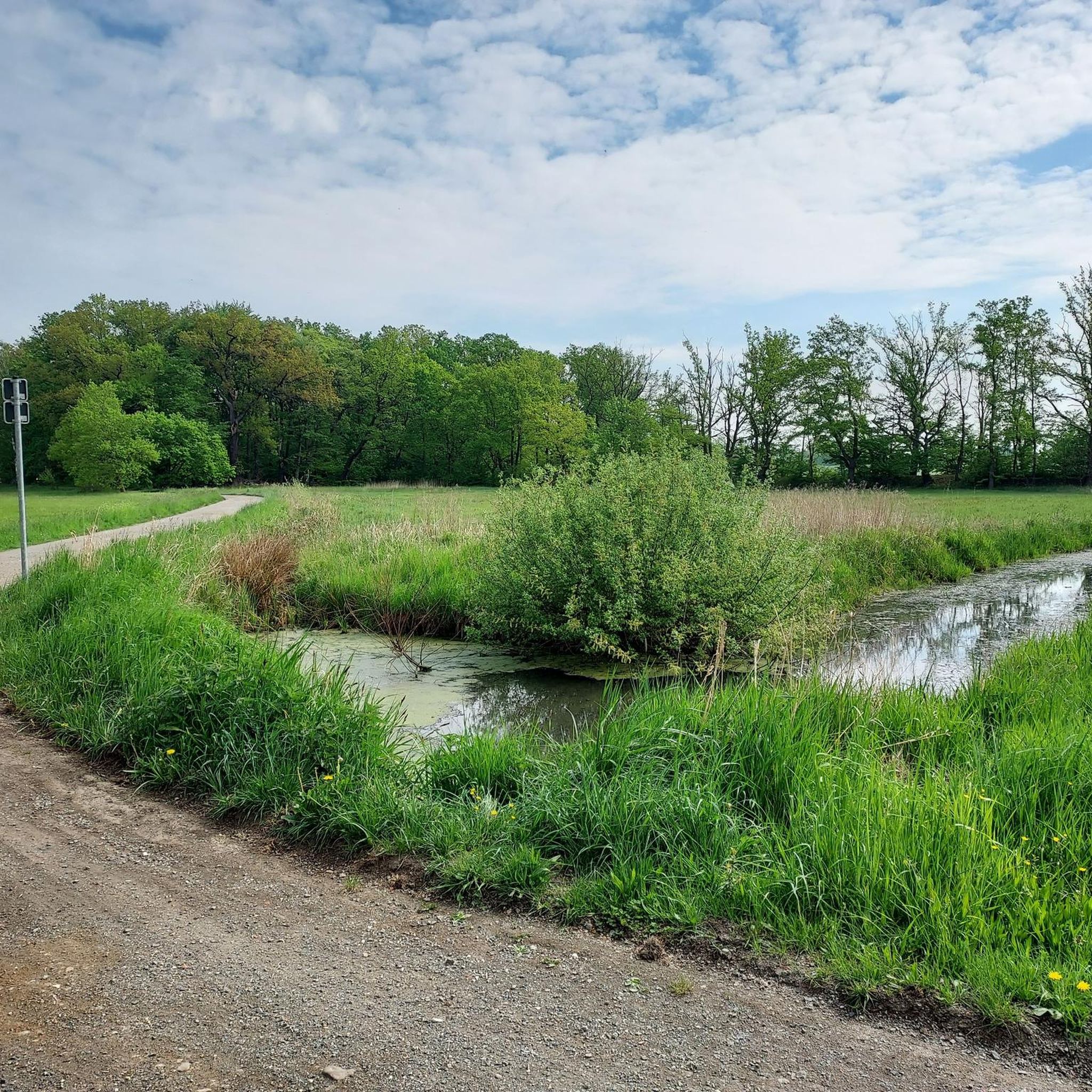
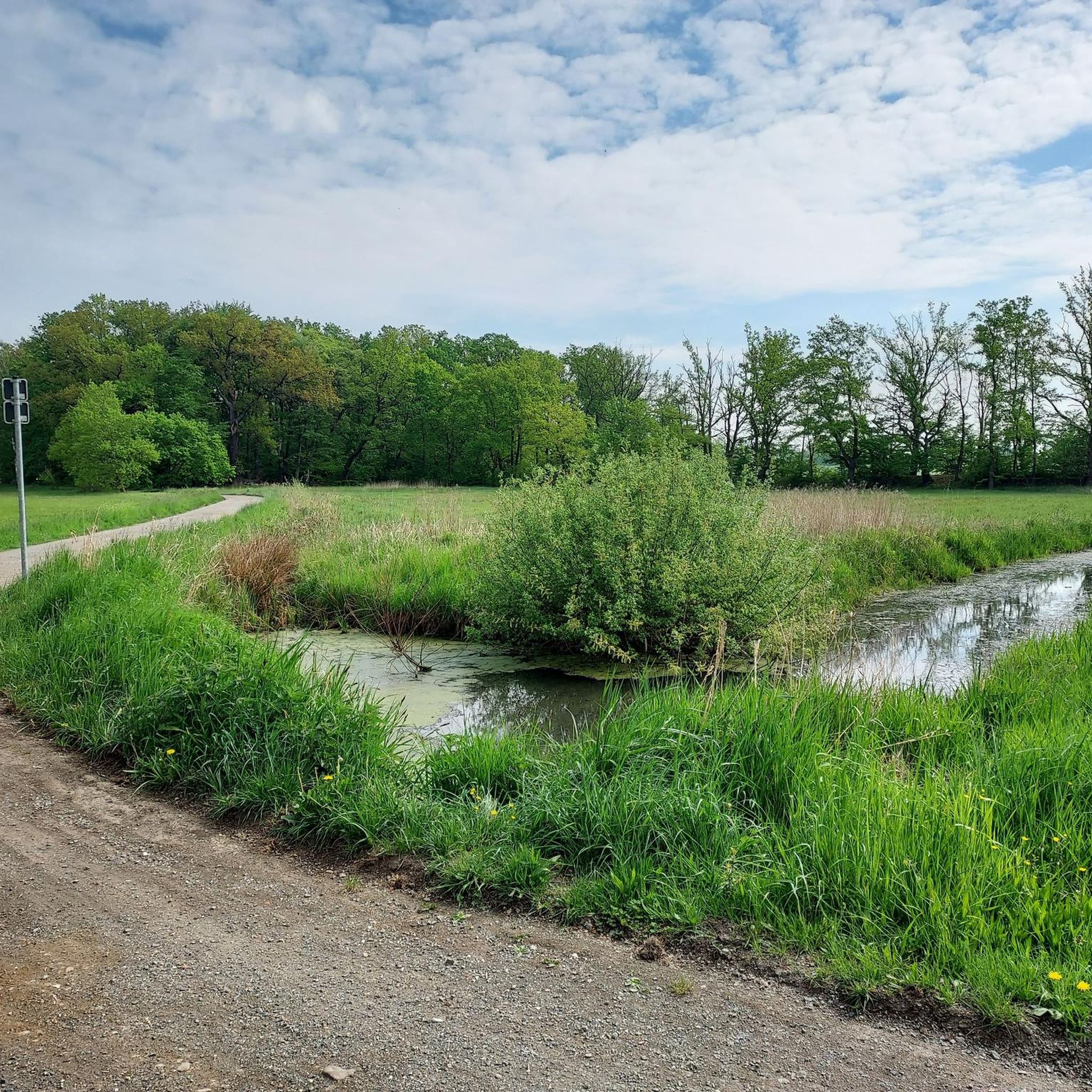
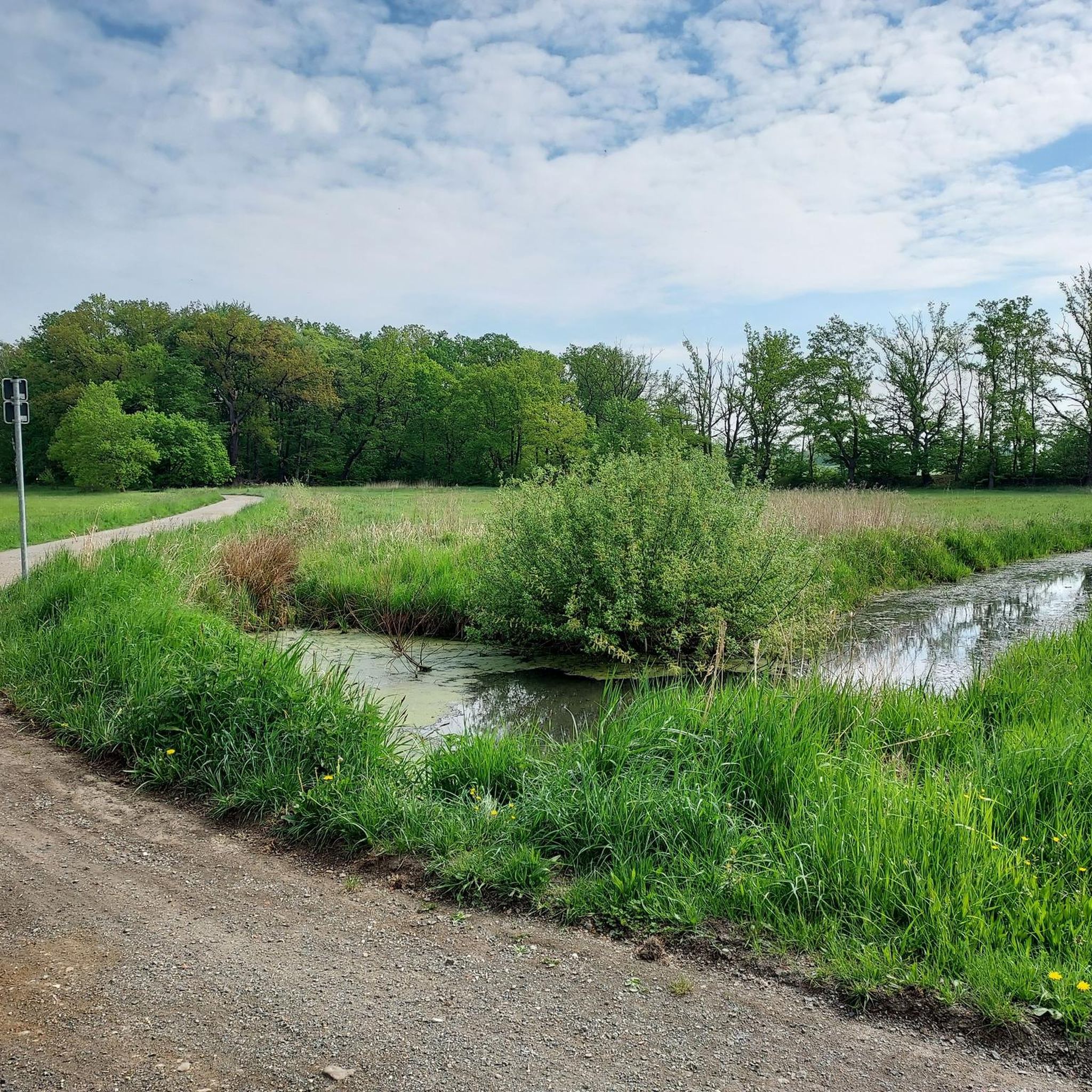
The paths are wet, but a detour to the ponds is worth it - the view over the water is truly idyllic.
2
0

In the NSG there are many paths with information boards and stations as well as viewing points that invite you to enjoy and experience nature. Many water birds can be observed at the ponds and in the forest areas nature is largely left to its own devices.
1
1

The ponds, which were originally used for fish farming, date back to the time of the Cistercian monks in the nearby Riddagshausen monastery.
4
0

The Mönchsteich is a beautiful photo opportunity!
0
0
Frequently Asked Questions
What are the most popular natural monuments around Buchhorst?
The most popular natural monument is the Monk Ponds, a beautiful lake historically used for fish farming. Visitors also highly appreciate the Schapener Graben Impoundment, known for its unique swampy area supporting rare plants and animals, and the Legdenanger Observation Tower, offering great views and birdwatching opportunities.
Are there family-friendly natural monuments in Buchhorst?
Yes, several natural monuments in Buchhorst are suitable for families. The Monk Ponds, Schapener Graben Impoundment, and Legdenanger Observation Tower are all categorized as family-friendly. The American Red Oak within the Arboretum Braunschweig and the Natural Forest Plot Riddagshausen also offer engaging experiences for all ages.
What unique natural features can I expect to see in Buchhorst?
Buchhorst is home to diverse natural features. You can explore the serene Monk Ponds, which are historically significant. The Schapener Graben Impoundment creates a unique swampy habitat for rare plants and animals. The region also features protected trees like the American Red Oak and an English oak within the Arboretum Braunschweig, and the wild, untouched Natural Forest Plot Riddagshausen.
What historical significance do the natural monuments in Buchhorst hold?
The Monk Ponds have a rich history, having been used for fish farming by Cistercian monks from the nearby Riddagshausen monastery. The Arboretum Braunschweig, where the American Red Oak is located, was founded in 1838 as a forest garden for forestry education, adding a layer of historical context to the natural landscape.
What outdoor activities can I do near the natural monuments in Buchhorst?
The Buchhorst area offers various outdoor activities. You can enjoy road cycling on routes like the 'Newly Paved Road to Glentorf' or 'Road to Berg' (find more at Road Cycling Routes around Buchhorst). For touring cyclists, options include the 'Ringgleis Braunschweig' or 'Aquarius Café & Beer Garden' loops (explore more at Cycling around Buchhorst). Running trails, such as the 'Buchhorst Bullet‑Trap Memorial – Monk Ponds loop', are also available (see Running Trails around Buchhorst).
Are there specific hiking trails around the natural monuments?
While specific hiking trails directly named after each natural monument aren't detailed, the Buchhorst area, being a mixed deciduous forest, offers numerous paths for exploration. The Monk Ponds are described as having paths around them, though they can be wet. For dedicated running and hiking, you can find routes like the 'Buchhorst Bullet‑Trap Memorial – Monk Ponds loop' in the Running Trails around Buchhorst guide.
What is the best time of year to visit the natural monuments in Buchhorst?
The Buchhorst region, with its mixed deciduous forest and ponds, offers beauty throughout the year. Spring and summer are ideal for lush greenery and wildlife spotting. The Schapener Graben Impoundment is dammed from November to July, creating a unique swampy area that supports many insects and plant growth, making late spring and early summer particularly interesting for this specific site.
Can I observe wildlife at the natural monuments?
Yes, wildlife observation is possible. The Schapener Graben Impoundment is noted for providing a habitat for many animal species, especially insects in spring. The Legdenanger Observation Tower is specifically highlighted as a place where you can watch birds, and the wider Buchhorst forest is known to host species like the rare middle spotted woodpecker.
What makes the trees in Buchhorst special?
Buchhorst is recognized for its protected trees, including two officially designated natural monuments: an English oak and a red oak. The American Red Oak, located in the Arboretum Braunschweig, is part of a collection where trees are exhibited and identified. These large, old trees contribute significantly to the ecological value of the forest, providing habitats and showcasing majestic natural beauty.
Are there any viewpoints or observation spots?
Yes, the Legdenanger Observation Tower is a dedicated viewpoint where you can enjoy views of the nearby monastery and observe birds. The Monk Ponds also offer idyllic views over the water, making them excellent for photography.
What is the 'Natural Forest Plot Riddagshausen'?
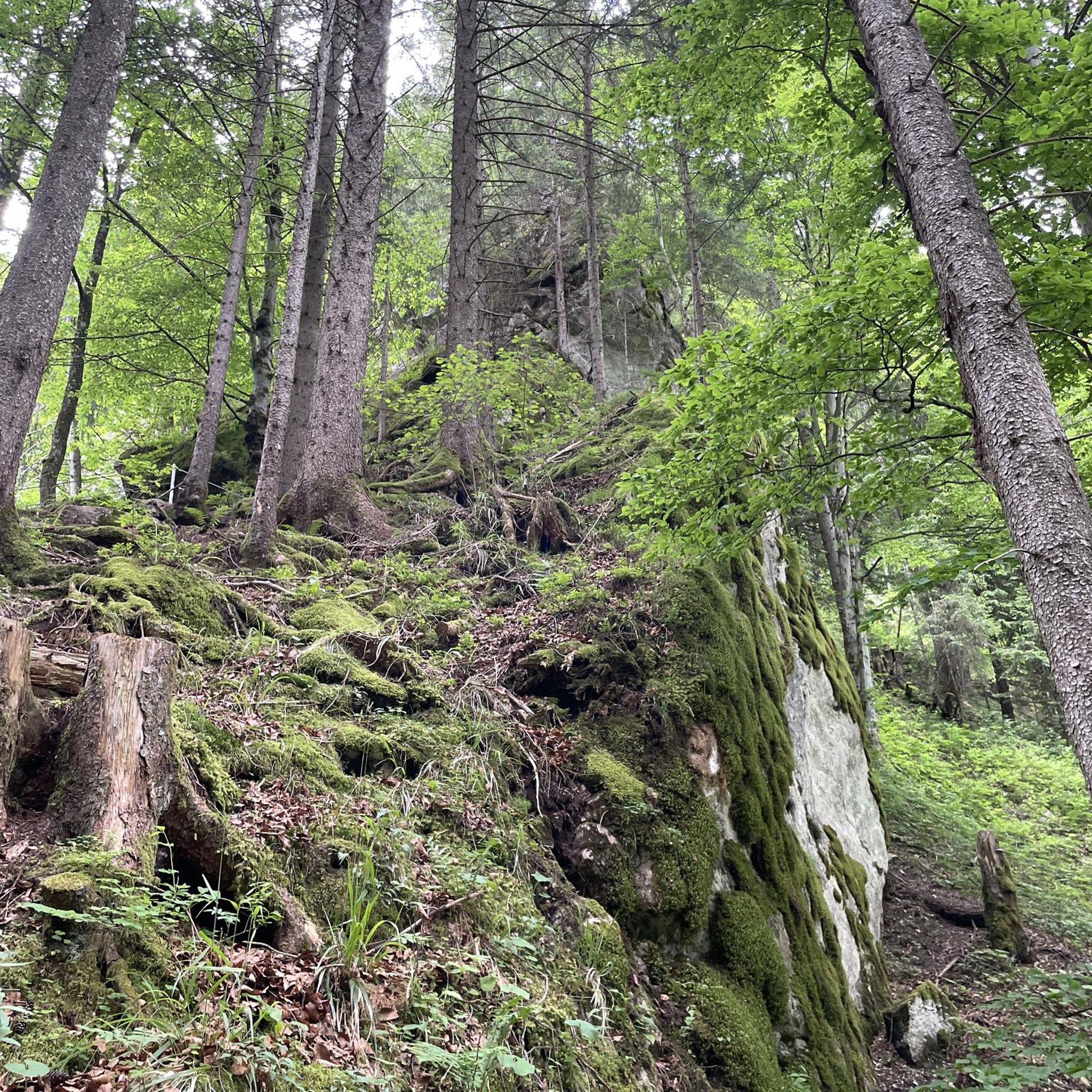
The Natural Forest Plot Riddagshausen is a significant area within the Buchhorst region, covering approximately 33 hectares. Here, the forest is left to develop naturally without human intervention, creating a wild, 'jungle-like' environment that is part of nature conservation efforts. It offers a unique experience of untouched woodland.
Most popular routes around Buchhorst
Most popular attractions around Buchhorst

Get inspired with the komoot mobile app


Explore more
Extend your search for the best caves by checking out these guides of the top ones around Buchhorst:
