Top 2 Natural Monuments around Hildener Heide
Best natural monuments around Hildener Heide are found within a gently undulating and predominantly wooded heathland in North Rhine-Westphalia, Germany. This region features diverse landscapes, including heathlands, extensive forests, and various nature reserves. It is recognized for its wealth of rare and endangered plant species, making it an important botanical site. The area offers well-marked hiking trails and running routes for exploration.
Best natural monuments around Hildener Heide
- The most popular natural monument is Sandberg in the Hildener Heide, a natural monument that represents the transition from the main to the middle terrace. This area features both extremely dry and wet zones, supporting diverse flora and fauna, including rare sand bees and tiger beetles.
- Another must-see spot is Hilden Heath, an other natural area with significant nature reserves. Visitors can find rare plant species like the carnivorous sundew and bog lily, as well as various rare insect and lizard species.
- Visitors also love Hilden Heath, a forest area covering approximately 430 hectares. It is primarily used for recreation, offering around 100 benches, forest playgrounds, and over 30 km of hiking trails.
- Hildener Heide is known for its natural monuments, including heathlands, forests, and unique wetland areas. The region offers a variety of natural features to see and explore, from dry heathland to moist oak-birch forests and alder carrs.
- The natural monuments around Hildener Heide are appreciated by the komoot community, with more than 600 upvotes and over 250 photos shared across 5 highlights.
Last updated: May 15, 2026
Sandberg in the Hildener Heide
Highlight • Natural Monument
Translated by Google •
Tip by

Hilden Heath
Highlight • Natural
Translated by Google •
Tip by

Sign up now to discover places like this
Get recommendations on the best single tracks, peaks, & plenty of other exciting outdoor places.
Sign up for free
Hilden Heath
Highlight • Forest
"The Hilden city forest covers an area of approx. 430 hectares and is a classic mixed forest. It consists of two-thirds deciduous trees and one-third conifers.
The tasks associated with the city forest are nature conservation and forestry in the narrower sense, i.e. sustainable wood production. In addition, the forest is primarily used for the recreation of Hilden's citizens. For this purpose, it offers all visitors and nature lovers around 100 benches, three forest playgrounds, a fitness trail, three jogging routes of different lengths, a dog exercise meadow, a lookout tower on the Jahberg, 12 km of riding trails and 30 km of hiking trails for walking, dog walking, cycling or jogging .
About 20% of the Hilden city forest consists of nature reserves, the entire other forest area is designated as a landscape conservation area. These are in particular the dry heathland on the Sandberg and the heathland moor in the Schönholz area. In these areas there are still many very rare plant species such as the carnivorous sundew, roe ail, bog lily and king fern as well as animal species that have become rare (including some insect species and lizards). Many of these plants and animals are on the "Red List of Threatened Species". The preservation and protection of these areas is therefore of particular importance."
Translated by Google •
Tip by

Jaberg Observation Tower
Highlight • Monument
The stories about the Jaberg go back to the Stone Age. The mountain is said to be the grave of Attila, king of the Huns, who is said to be buried here in his golden armor and in a golden coffin.
Translated by Google •
Tip by

Watershed Between the Düssel and Itter
Highlight • Natural Monument
Translated by Google •
Tip by

Start today with a free account
Your next adventure awaits.
Login or Signup

Tips from the Community

The Hilden Heath is a gently rolling, largely wooded heathland in North Rhine-Westphalia. It is part of the Hilden-Lintorfer Sandterrassen natural area and thus part of the Bergisch Heath Terrace. It is located on the eastern outskirts of Hilden and is partially protected. The area borders the Autobahn 3 motorway to the west, the Autobahn 46 to the north, and the neighboring town of Haan to the east. The Itter River flows south of the site. Federal Highway 228 from Hilden to Haan bisects the area from west to east. The Hilden Forest Swimming Pool is located on this road. See: https://de.m.wikipedia.org/wiki/Hildener_Heide#:~:text=Die%20Hildener%20Heide%20ist%20ein,und%20steht%20teilweise%20unter%20Naturschutz.
3
0

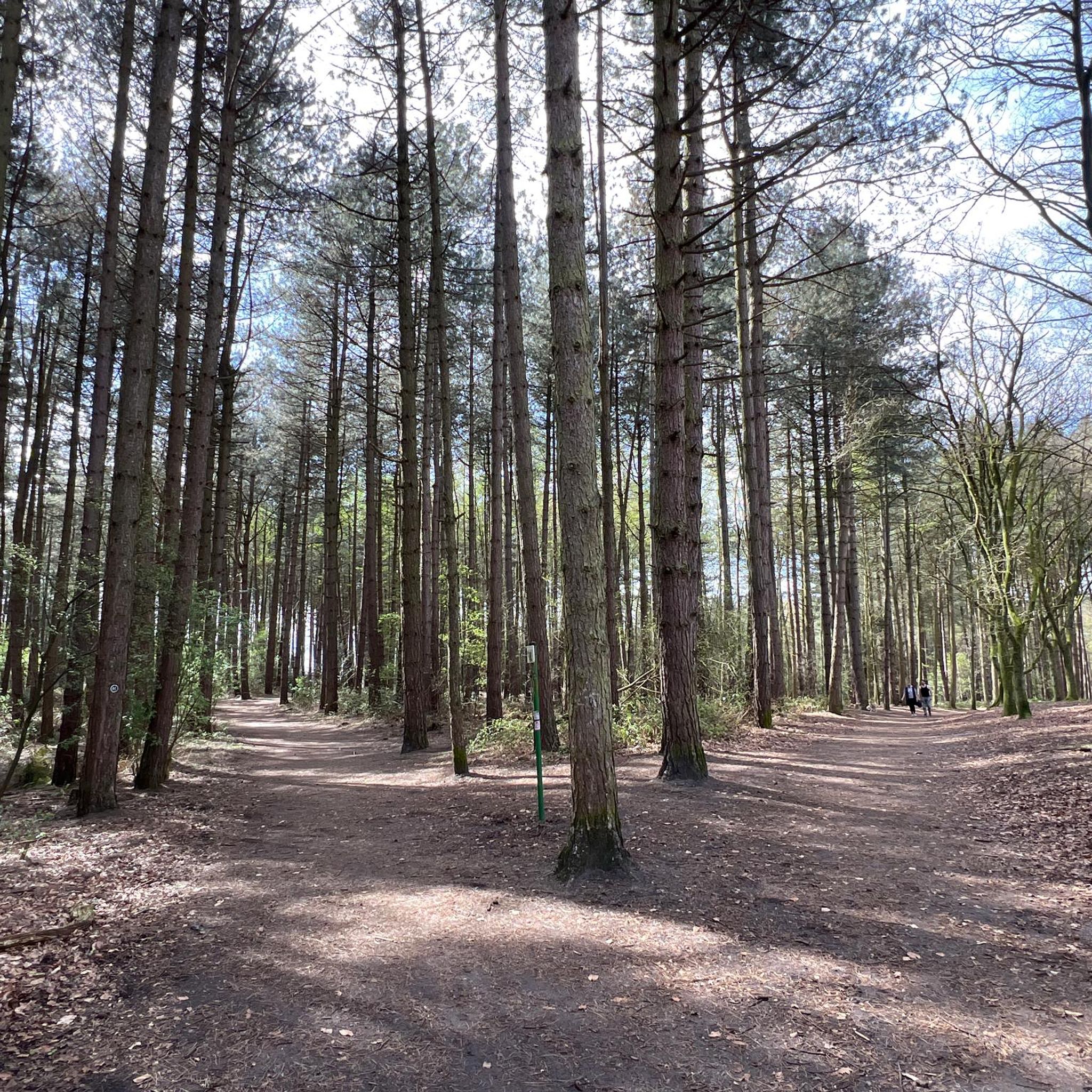
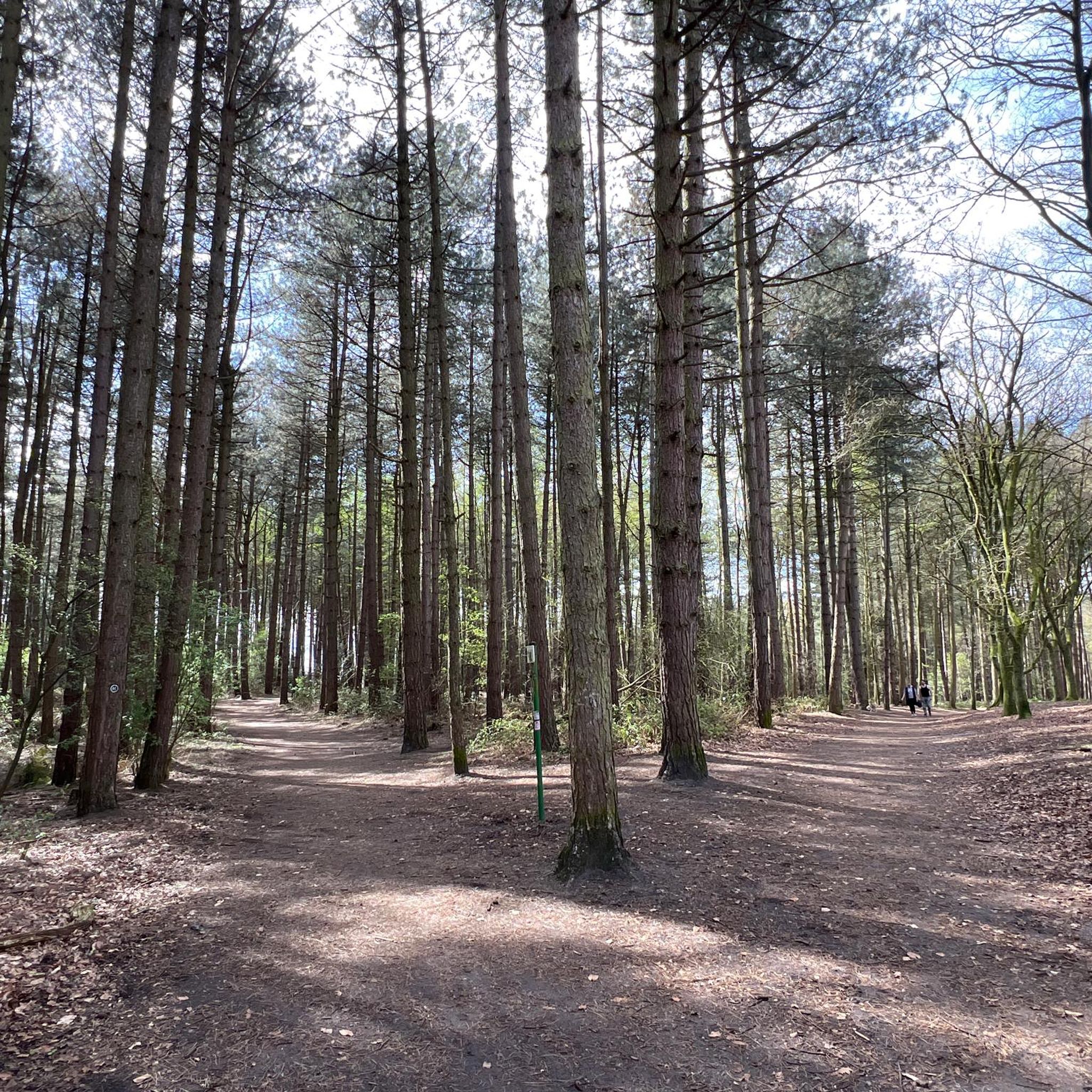
The Hilden Heath is a beautiful place for walkers, joggers and cyclists. Especially in autumn, the leaves change colour and the sunshine comes into its own.
1
0

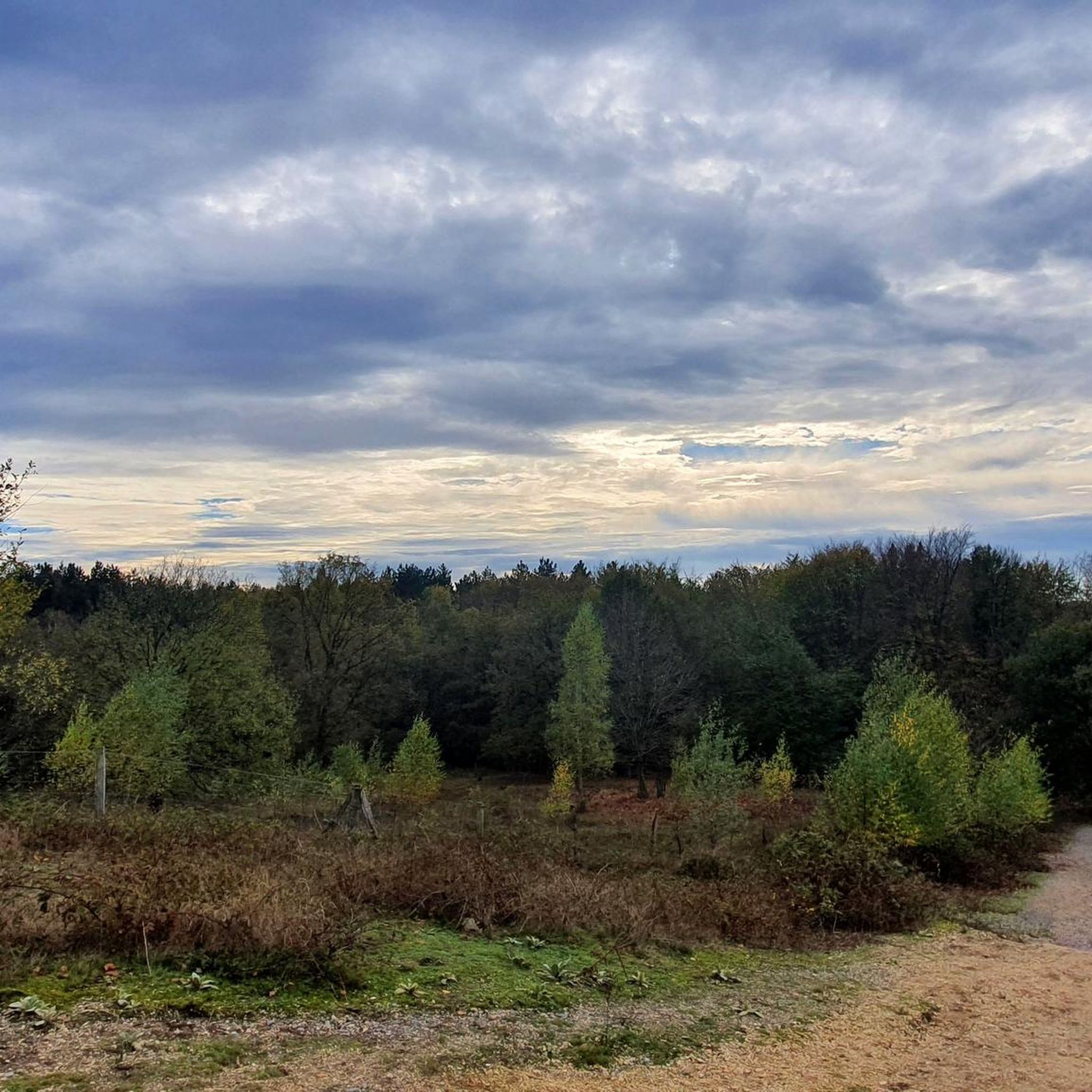
A very beautiful heath landscape
2
0
Signposts to the Neanderlandsteig
2
0

https://www.hilden.de/sv_hilden/More%20erleben/Freizeit/Hildener%20Stadtwald/ "The Hilden city forest covers an area of approx. 430 hectares and is a classic mixed forest. It consists of two-thirds deciduous trees and one-third conifers. The tasks associated with the city forest are nature conservation and forestry in the narrower sense, i.e. sustainable wood production. In addition, the forest is primarily used for the recreation of Hilden's citizens. For this purpose, it offers all visitors and nature lovers around 100 benches, three forest playgrounds, a fitness trail, three jogging routes of different lengths, a dog exercise meadow, a lookout tower on the Jahberg, 12 km of riding trails and 30 km of hiking trails for walking, dog walking, cycling or jogging . About 20% of the Hilden city forest consists of nature reserves, the entire other forest area is designated as a landscape conservation area. These are in particular the dry heathland on the Sandberg and the heathland moor in the Schönholz area. In these areas there are still many very rare plant species such as the carnivorous sundew, roe ail, bog lily and king fern as well as animal species that have become rare (including some insect species and lizards). Many of these plants and animals are on the "Red List of Threatened Species". The preservation and protection of these areas is therefore of particular importance."
4
0
About 20% of the Hilden city forest consists of nature reserves, the entire other forest area is designated as a landscape conservation area. These are in particular the dry heathland on the Sandberg and the heathland moor in the Schönholz area. In these areas there are still many very rare plant species such as the carnivorous sundew, roe ail, bog lily and king fern as well as animal species that have become rare (including some insect species and lizards). Many of these plants and animals are on the "Red List of Threatened Species". The preservation and protection of these areas is therefore of particular importance.
5
0

The Hildener Heide is flat with wide paths and well suited for prams, bicycles and wheelchairs. It can get crowded on weekends, but mostly it's a good get-together.
3
0

Very nice hiking area in the triangle of the densely populated metropolitan regions of the Bergisch city triangle, Cologne and Düsseldorf. The Hildener Heide merges seamlessly into the Ohligser Heide (towards Solingen), which is also worth hiking and is even larger.
7
0
Frequently Asked Questions
What are the most notable natural monuments to visit in Hildener Heide?
The Hildener Heide region offers several significant natural monuments. The Sandberg in the Hildener Heide is known as the largest contiguous heathland area in the Mettmann district, featuring diverse flora and fauna across dry and wet zones. For panoramic views, visit the Jaberg Observation Tower, located on Hilden's highest point. The Hilden Heath itself encompasses several nature reserves, including areas with rare plant species like the carnivorous sundew.
Are there family-friendly natural monuments or activities in Hildener Heide?
Yes, the Hildener Heide is very family-friendly. The Hilden Heath offers wide, flat paths suitable for prams and bicycles, along with three forest playgrounds and a dog exercise meadow. The Sandberg in the Hildener Heide is also a great spot for walks, where children might enjoy spotting sand lizards or the moorland sheep that graze there in summer.
What kind of unique natural features or wildlife can I expect to see?
The Hildener Heide is rich in biodiversity. At the Sandberg, you can find rare sand lizards, grasshoppers like the small club insect, and the heather carnation. The nature reserves within the Hilden Heath are home to rare plant species such as the carnivorous sundew, bog lily, and king fern, as well as various insect species. The Naturschutzgebiet Hildener Heide, östlich Taubenberg, specifically features Bell Heather, Marsh Gentian, Narrow-leaved Cotton Grass, and Oblong-leaved Sundew.
What are the best times to visit the natural monuments in Hildener Heide?
The Hildener Heide is beautiful year-round. Summer is ideal for seeing the heathland in bloom and observing the moorland sheep grazing at the Sandberg. Autumn offers stunning foliage, especially in the mixed forests of the Hilden Heath. Late April is particularly special in the Naturschutzgebiet Spörkelnbruch, where Marsh Marigolds bloom in abundance.
Are there accessible paths for wheelchairs or prams in the Hildener Heide natural monuments?
Yes, parts of the Hilden Heath are known for being flat with wide paths, making them well-suited for prams, bicycles, and wheelchairs. Additionally, the Watershed Between the Düssel and Itter is also noted as wheelchair accessible.
What outdoor activities can I do near these natural monuments?
The Hildener Heide area is excellent for various outdoor activities. You can enjoy extensive hiking on well-marked trails, including sections of the Neandertal Steig near the Sandberg. For cycling, there are numerous routes, including traffic-free options. You can find more details on traffic-free bike rides or MTB trails in the wider region.
Where can I find viewpoints to enjoy the landscape?
The Jaberg Observation Tower offers expansive panoramic views over the heath terrace and surrounding cities, being the highest point in Hilden. The Sandberg in the Hildener Heide also provides scenic views of the heathland from its paths.
What is the significance of the Naturschutzgebiet Hildener Heide-Schönholz?
The Naturschutzgebiet Hildener Heide-Schönholz is a 36-hectare nature reserve established in 1938, located northeast of Hilden's city center. It is highly valued for its moist oak-birch forests, alder carrs, and moor forests, particularly south of the Jaberg and southwest of the Sandberg. It contains unique features like very wet moor forests with sphagnum mosses and areas with Bog-myrtle, Bell Heather, and Sundew, making it a crucial habitat for species like Marsh Gentian.
Are there any historical aspects related to the natural monuments?
Yes, the Jaberg Observation Tower, built in 1931, stands on the Jaberg, which has historical tales dating back to the Stone Age, including legends about Attila, king of the Huns. Additionally, the former Kesselsweier gliding airfield, now a nature reserve, is recognized as both a nature reserve and a historical monument, showcasing successful ecological restoration after its use for gliding ceased in 2008.
What is the Naturschutzgebiet Spörkelnbruch known for?
The Naturschutzgebiet Spörkelnbruch, located in the eastern part of the Hildener Stadtwald, is renowned for its approximately three-hectare wet meadows, which are among the most species-rich in the region. It's famous for the blooming Marsh Marigolds in late April and hosts numerous orchid species and rare grasshopper species like the Short-winged Conehead. Newly created ponds also support a variety of dragonflies and amphibians.
Can I bring my dog to the natural monuments in Hildener Heide?
Yes, the Hildener Heide is generally dog-friendly. The Hilden Heath specifically features a dog exercise meadow and 30 km of hiking trails suitable for dog walking. Always ensure your dog is under control and follow local regulations regarding leashing, especially in nature reserve areas to protect wildlife.
Most popular routes around Hildener Heide
Most popular attractions around Hildener Heide

Get inspired with the komoot mobile app


Explore more
Extend your search for the best caves by checking out these guides of the top ones around Hildener Heide:
