Top 5 Natural Monuments around Westerholz
Best natural monuments around Westerholz are found in a landscape characterized by its coastal position on the Baltic Sea. This region offers diverse natural features, including significant historical sites and protected forest areas. The area provides opportunities to explore its scenic beauty and natural heritage.
Best natural monuments around Westerholz
- The most popular natural monuments is Westerholz Nature Forest Reserve (Reiherschlag), a forest that features a designated 40-acre natural forest reserve where no forestry use occurs. This area is…
Last updated: May 31, 2026
The Two Earthworks in Westerholz
Highlight • Historical Site
Small rampart:
Bronze Age (1800-1250 BC) and La Tène period (500-15 BC) shards have accumulated at this site over time.
Translated by Google •
Tip by

Sign up now to discover places like this
Get recommendations on the best single tracks, peaks, & plenty of other exciting outdoor places.
Sign up for free
Small and Large Rampart in Westerholz
Highlight • Historical Site
Hallstatt Period Burial Mounds
Highlight • Historical Site
Burial Mound
Highlight • Historical Site
Start today with a free account
Your next adventure awaits.
Login or Signup
Tips from the Community

Two ramparts in the Westerholz region Small rampart: Bronze Age (1800-1250 BC) and La Tène period (500-15 BC) shards have accumulated at this site over time. Large rampart: A embankment and a ditch begin at the head of the erosion gully and extend in a wide arc, first eastward, then southward, and finally westward to the edge of the slope. Roman pottery pieces have also been found at the rampart.
2
0

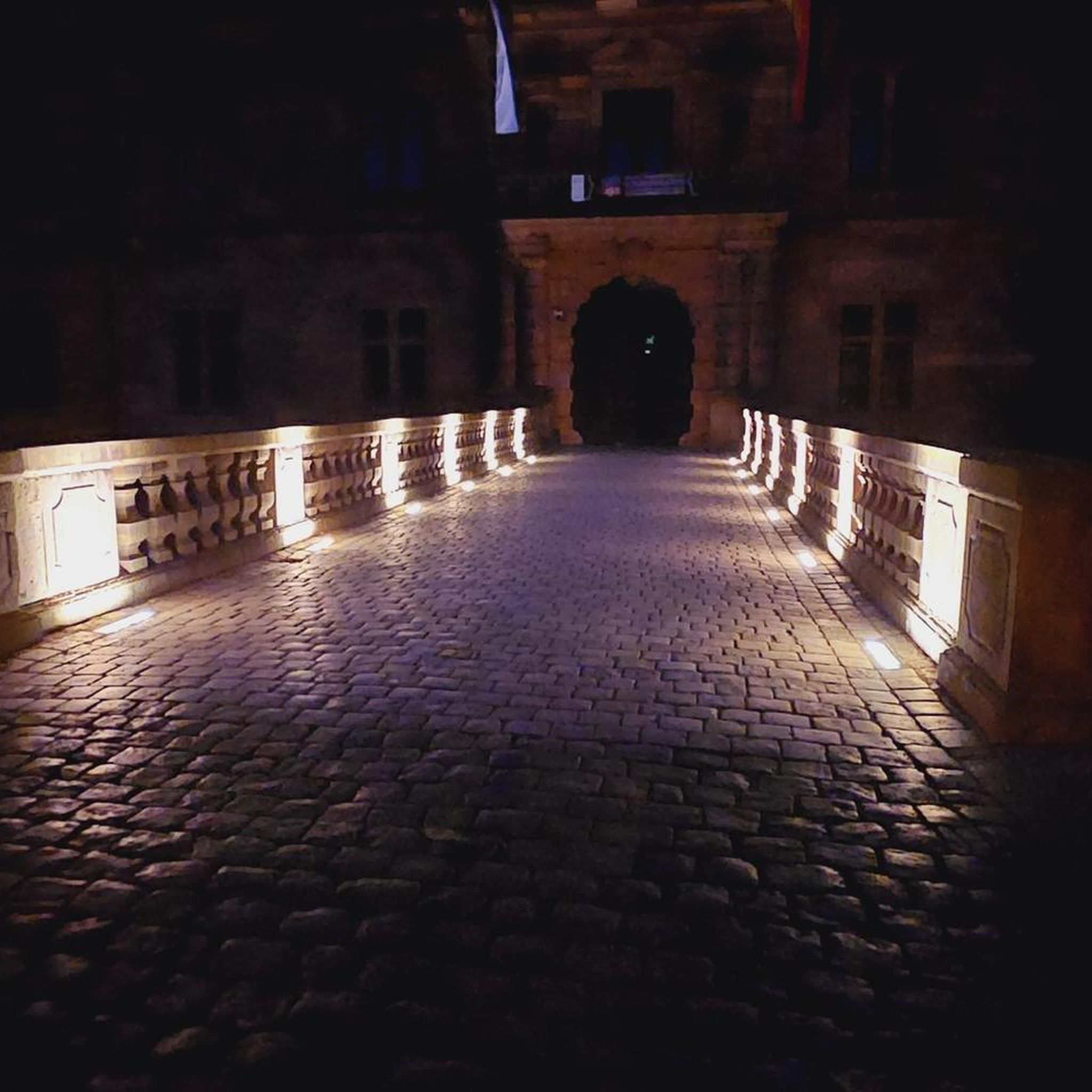
Sign pointing to the former castle
0
0

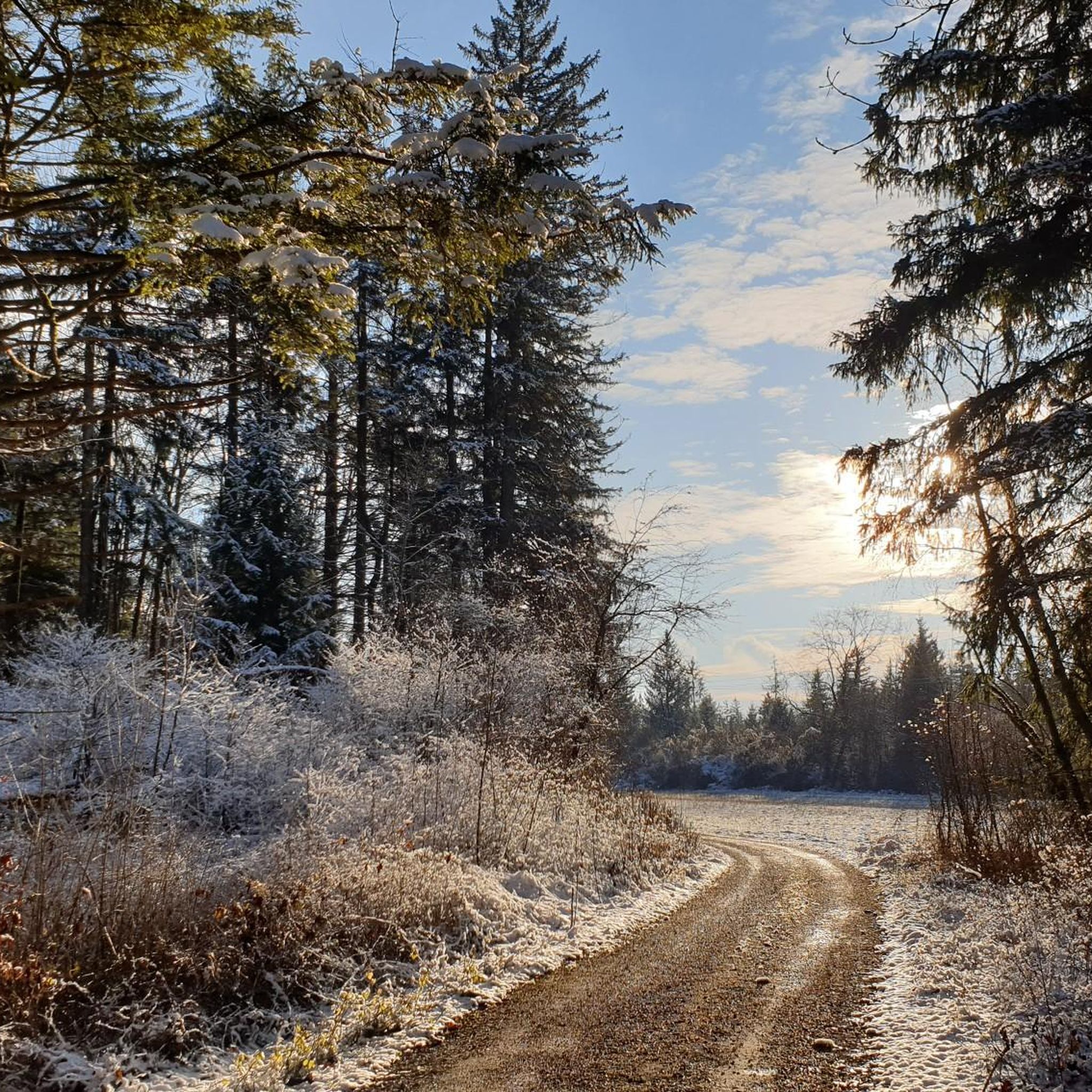
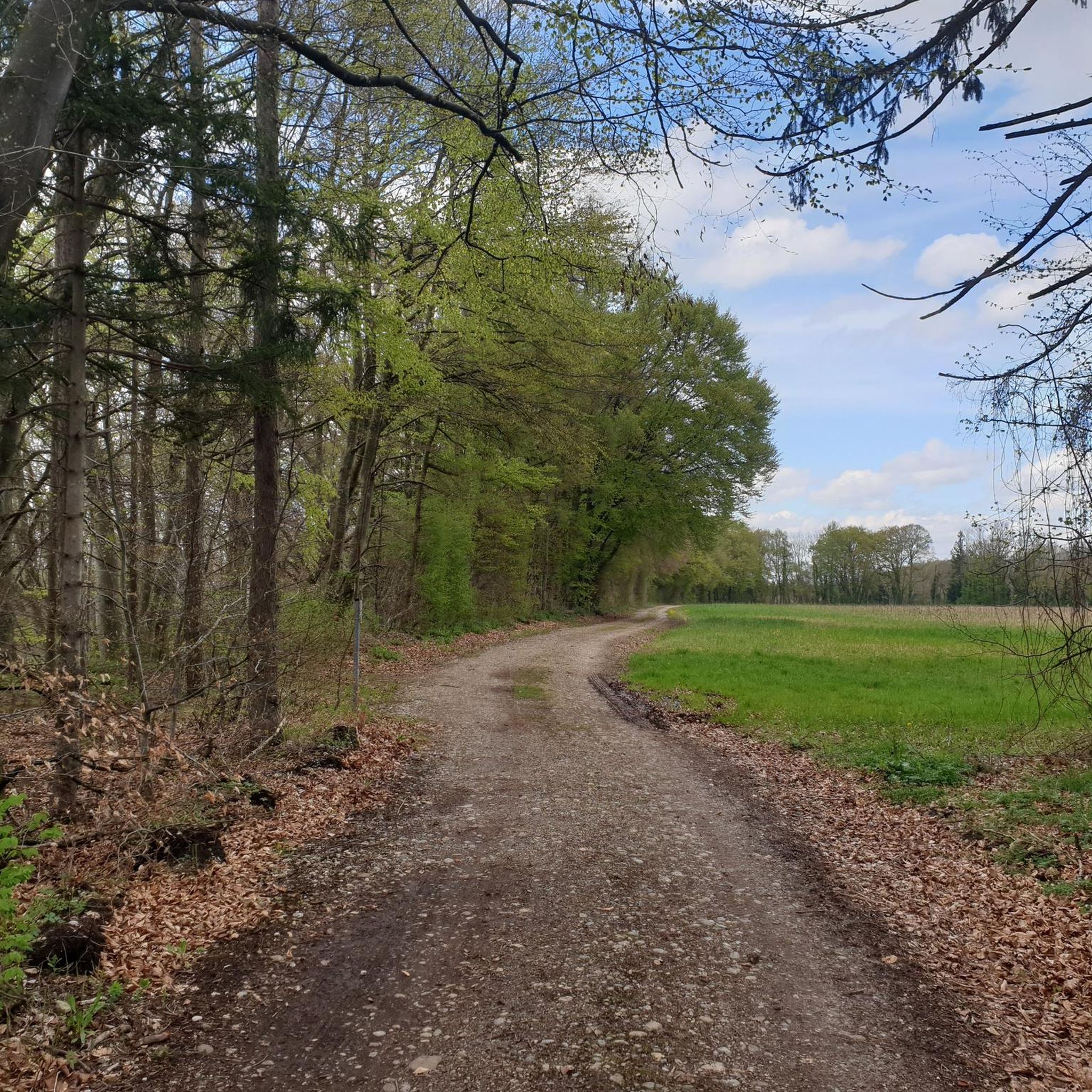
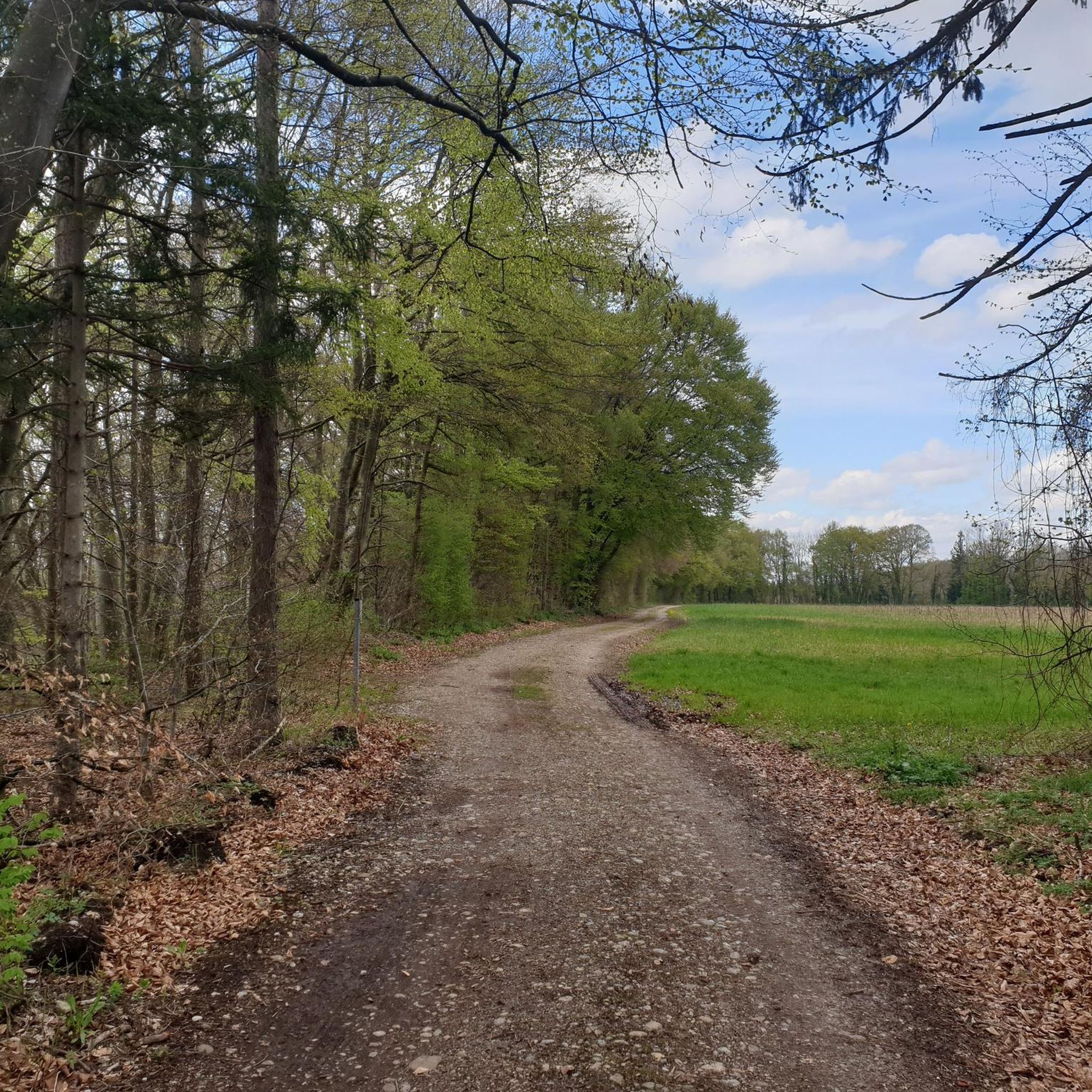
In the northeast of Westerholz is located within the state forest area, the designated and 40-acre natural forest reserve (also known as egret blow). Here no forestry use of the forest takes place. Characteristic of the Westerholz: are the spruce with hochrankendem ivy
4
0
Frequently Asked Questions
What historical natural monuments can I explore around Westerholz?
Westerholz is rich in historical natural monuments. You can visit Small and Large Rampart in Westerholz, which were used as early as the Bronze Age and expanded in the early Middle Ages. Another significant site is The Two Earthworks in Westerholz, where findings from the Bronze Age, La Tène period, and Roman pottery pieces have been discovered. Additionally, there are several Hallstatt Period Burial Mounds and a general Burial Mound, offering a glimpse into ancient history.
Are there any natural forest reserves to visit in the area?
Yes, the Westerholz Nature Forest Reserve (Reiherschlag) is a designated 40-acre natural forest reserve where no forestry use occurs. It's characterized by spruce trees with high-climbing ivy and offers a very nice section for nature observation.
What are some unique natural features or viewpoints in the Westerholz area?
Beyond the historical sites, the region offers diverse natural beauty. The Two Earthworks in Westerholz also serve as a viewpoint. For broader natural scenery, the nearby Holnis Peninsula provides impressive views over the fjord and the Danish coast, including the Holnis Nordspitze. Westerholz Beach itself is a picturesque coastal paradise with fine sand and clear waters, offering diverse perspectives of the coastal landscape.
What do visitors particularly enjoy about the natural monuments here?
Visitors appreciate the historical depth and natural tranquility. For instance, the redoubts like the Small and Large Rampart in Westerholz are valued for their ancient history, even if they require a bit of imagination to visualize. The Westerholz Nature Forest Reserve is enjoyed for its untouched forest environment and the unique interplay of light through the trees.
Are the natural monuments around Westerholz suitable for families?
Yes, the Westerholz Nature Forest Reserve (Reiherschlag) is categorized as family-friendly, offering a peaceful environment for all ages. Additionally, Westerholz Beach is known as a popular spot for families, featuring a paddling area for children.
Can I bring my dog to the natural monuments?
Westerholz Beach is welcoming to dog owners. For other natural monuments, it's generally advisable to keep dogs on a leash, especially in nature reserves like the Geltinger Birk, to protect local wildlife. Always check local signage for specific regulations.
What is the best time of year to visit the natural monuments around Westerholz?
The natural monuments around Westerholz can be enjoyed year-round. Spring and autumn offer pleasant temperatures for exploring historical sites and forests, with beautiful foliage changes. Summer is ideal for combining visits with time at Westerholz Beach. The Holnis Peninsula's 'Heckentunnel' (hedge tunnel) is particularly beautiful when green and overgrown, typically in spring and summer.
How can I reach the natural monuments, and is parking available?
Many natural monuments, especially those within the Westerholz forest, are accessible via local roads. Westerholz Beach often provides free and convenient parking. For specific historical sites like the burial mounds, parking might be available nearby, though signposting can sometimes be limited. Public transport options to the immediate vicinity of all natural monuments may vary, so planning ahead is recommended.
What outdoor activities can I do near the natural monuments around Westerholz?
The region offers a variety of outdoor activities. You can find numerous hiking opportunities, including easy hikes around Westerholz. The Holnis Peninsula is ideal for hiking and cycling along the coast. For more adventurous cycling, there are MTB trails and gravel biking routes available. Westerholz Beach also offers watersports like kayaking, kitesurfing, or windsurfing.
Are there easy hiking trails near these natural monuments?
Yes, there are several easy hiking options. For example, the 'The Two Earthworks in Westerholz – Neolithic Information Panel loop' is an easy 7 km hike. You can find more details and other accessible routes in the Easy hikes around Westerholz guide.
What kind of wildlife might I encounter in the natural areas?
The Geltinger Birk Nature Reserve, a significant natural area near Westerholz, is known for being a habitat for rare bird species. In the forest areas, you might observe various woodland creatures. The coastal areas, including Westerholz Beach and the Holnis Peninsula, also support diverse birdlife and marine species.
Are there any other significant natural areas near Westerholz worth exploring?
Absolutely. The **Geltinger Birk Nature Reserve** is a highly recommended natural attraction known for its diverse landscape and opportunities for wildlife observation and guided walks. The **Holnis Peninsula** offers impressive views, cycling paths, and a unique 'Heckentunnel' (hedge tunnel). Additionally, **Westerholz Beach** itself is a beautiful natural coastal paradise perfect for relaxation and watersports.
Most popular routes around Westerholz
Most popular attractions around Westerholz

Get inspired with the komoot mobile app


Explore more
Extend your search for the best caves by checking out these guides of the top ones around Westerholz:
