Top 2 Natural Monuments around Filsø
Best natural monuments around Filsø are centered on a re-established lake and nature reserve in West Jutland, Denmark. This area is a significant wetland ecosystem, restored to its natural state. It serves as a prominent bird sanctuary, attracting diverse wildlife and offering opportunities for nature exploration. The landscape includes meadows, wetlands, and heath areas, providing varied terrain for visitors.
Best natural monuments around Filsø
- The most popular natural monuments is Filsø, a lake that offers great scenery and extensive…
Last updated: November 10, 2026
Filsø
Highlight • Lake
Translated by Google •
Tip by

Filsø Nature Reserve
Highlight • Lake
Translated by Google •
Tip by

Sign up now to discover places like this
Get recommendations on the best single tracks, peaks, & plenty of other exciting outdoor places.
Filsø Birdwatching Observation Point
Highlight • Mountain Hut
Translated by Google •
Tip by
Start today with a free account
Your next adventure awaits.
Tips from the Community

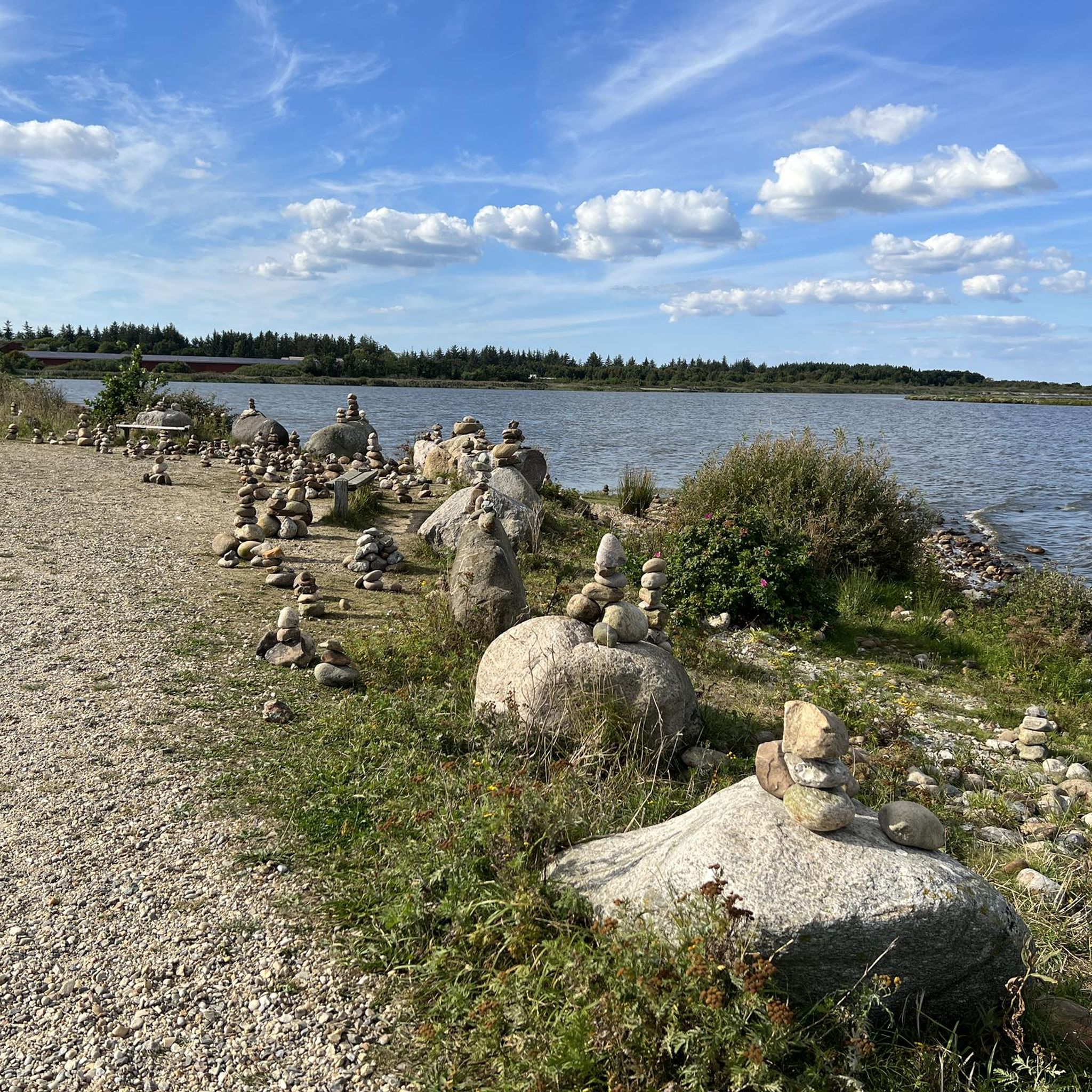
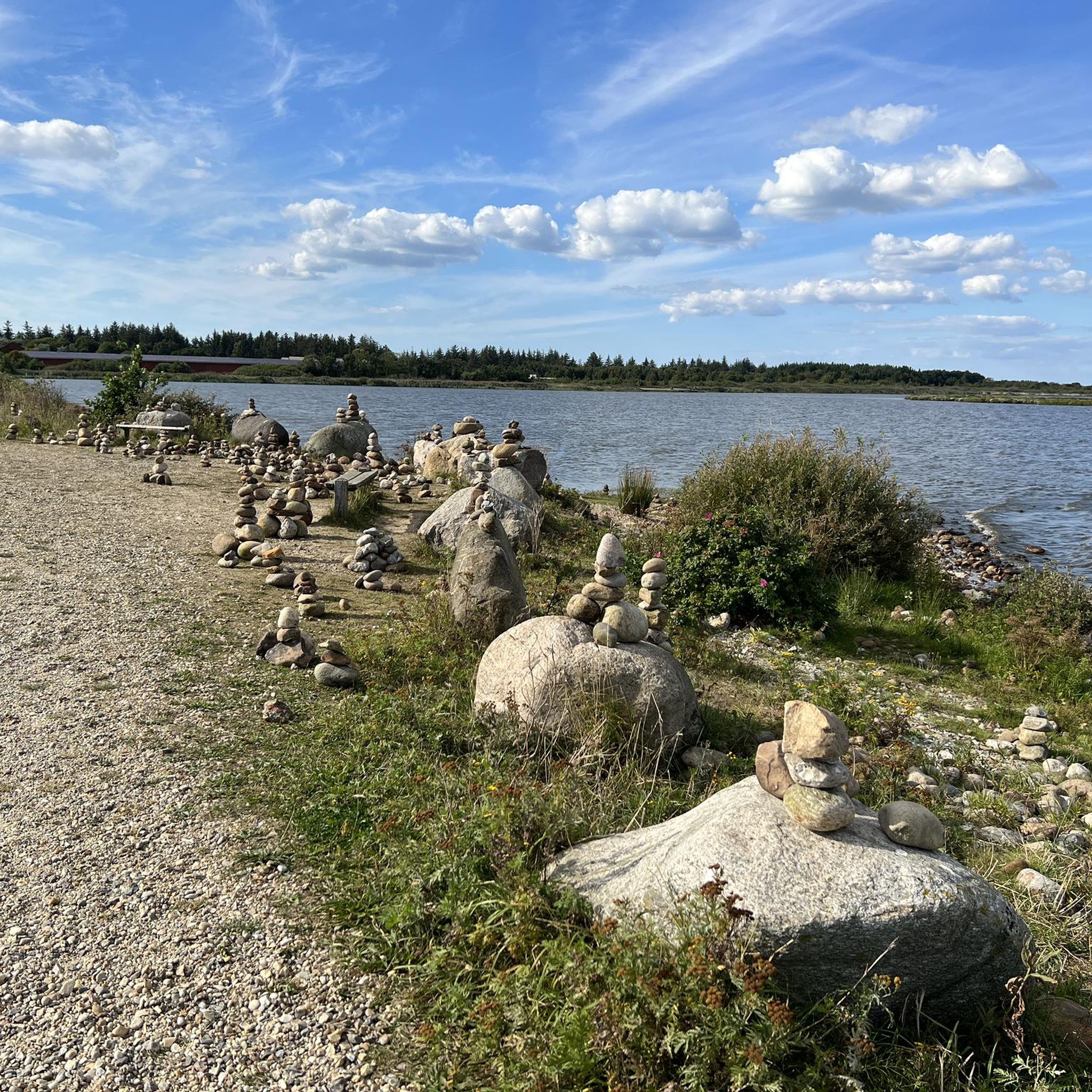
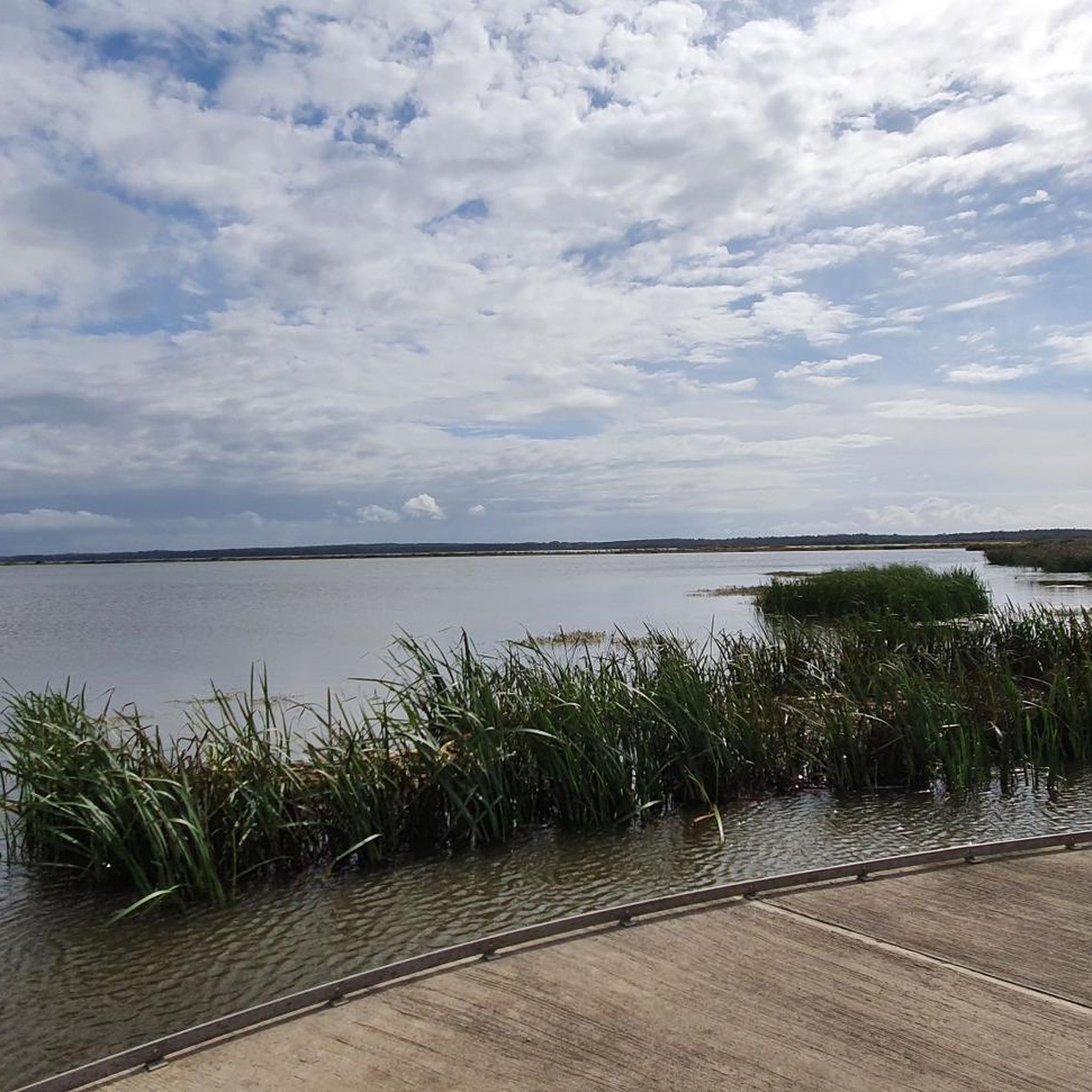
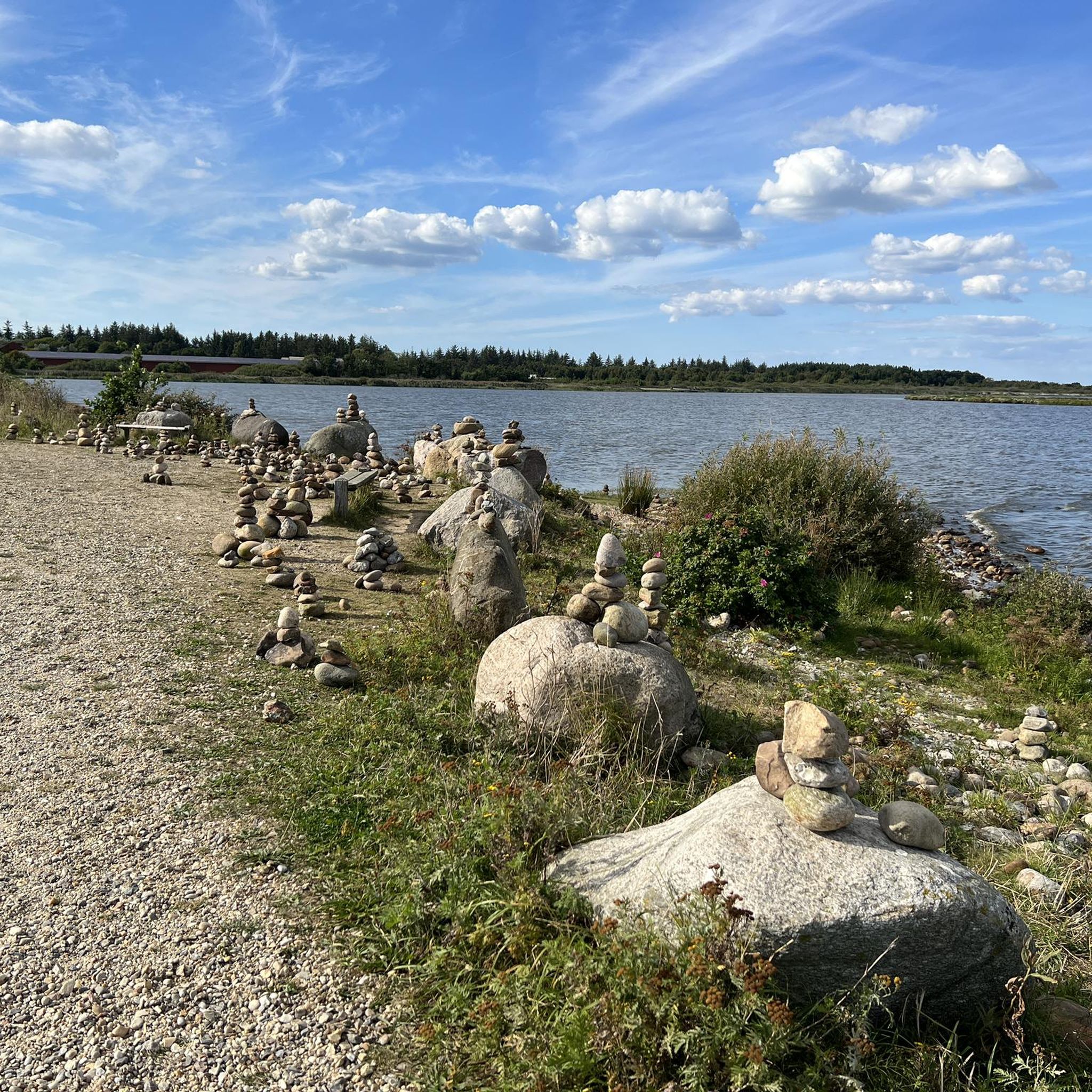
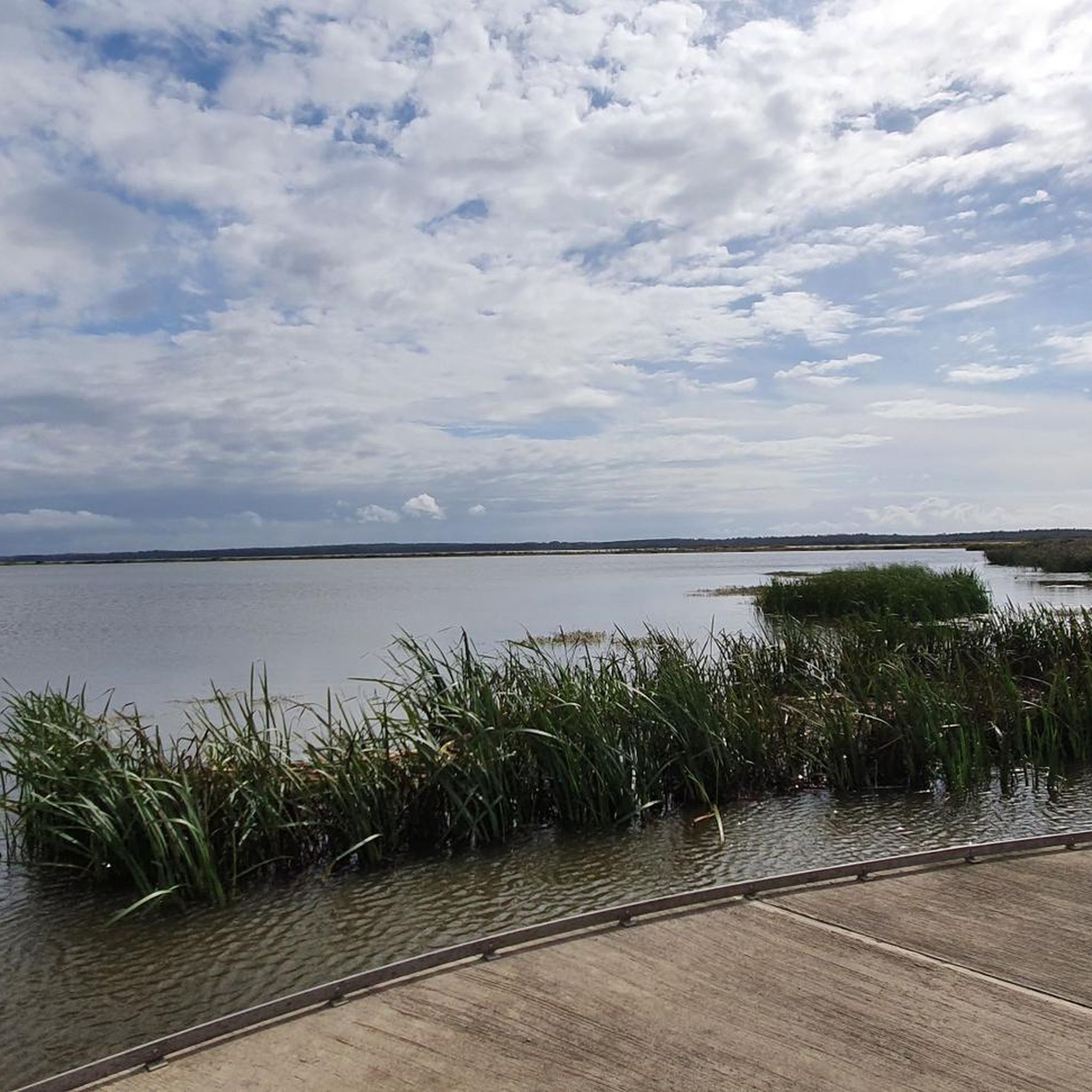
Good place with a view of the nature reserve.
3
1

Such a great nature reserve, a beautiful place for birds! Observation points, resting places in between, very recommendable.
5
1

Filsö is always a highlight, not just for bird watchers
6
1

Filsø was originally run by Henne Mølle, but in 1941 the current main building for Filsø Avlsgård was built. The main building was designed by the architect Jacob Kjær from Ølgod and was given an apartment for the administrator in the eastern part of the building and an apartment in the western part for the management of the farm, which was used for meetings and overnight stays. The main building is a representative of the “Bedre Byggeskik” style, starting with Neoclassicism, which was very popular in Denmark from 1915-1945. Connected to the main building is a wing with rooms for the farm staff and the former horse stables. In 1941 there were 15 servants, three maidservants, an administrator, a sub-administrator as well as a manager and his wife who were all fed there. At the height of the harvest in 1951 there were 107 employees including casual workers. In 2011 only a few people were employed to run the farm.
4
1

You get the most beautiful pictures just before dawn in the "blue hour".
3
1


Filsø already played an important role in the Viking Age. At that time it was an inlet to the North Sea. At that time, Henne Kirkeby had a large Viking settlement with workshops in which wool was spun and woven. The estuary was closed by sand walks. Nevertheless, the lake area was of great importance to fishermen and hunters until modern times, so that they also protested the drainage of the lake. Without success. Except for the small Fiddesø, the Filsø disappeared and became arable land. With the rewetting of the arable land, a wonderful nature reserve area has emerged, which is a delight in any season. If you walk along the dam, you get an idea of the huge expanse of water that the original lake must have had. The renaturation of the lake is already called a "botanical wonder" because the development has exceeded all expectations. Many rare plants have already settled, including a type of hedgehog hose that was last documented in Denmark in 1975. Filsø is now one of the Danish most biodiverse lakes with over 60 different aquatic plants and over 250 different bird species. 6 hiking routes and trails open up the area for nature lovers. Numerous observation houses and places provide a good view of the huge lake area. There is a tank ditch at Langeoddetårnet that was part of the Atlantic Wall. There are information boards on the small bridge. If you continue along the small path at the observation house, you will reach an old weighing station, where the grain was previously weighed. Filsø is a great example of successfully combining nature and tourism. Definitely worth seeing.
8
1
Frequently Asked Questions
What natural features can I expect to see around Filsø?
The Filsø area is primarily known for its re-established lake and extensive wetlands. You'll find diverse landscapes including meadows, heath areas, and the large freshwater lake itself. The successful restoration of Filsø has created a thriving ecosystem.
What makes Filsø a significant natural monument?
Filsø is significant due to its remarkable ecological restoration. Once drained for agriculture, its re-establishment as a lake and nature reserve has created a vital wetland habitat. It's now a prominent bird sanctuary, home to over 240 recorded bird species, making it a prime example of successful conservation.
Are there good viewpoints for observing the landscape and wildlife?
Yes, the area features strategically placed observation towers and viewpoints. The Filsø Birdwatching Observation Point is an excellent spot to watch the abundant birdlife without disturbance. Many trails also offer scenic views across the lake and surrounding nature.
What kind of wildlife can I observe at Filsø?
Filsø is a haven for birdwatchers. You can observe over 240 bird species, including rare ones like the gull-billed tern, cranes, herons, Eurasian spoonbills, and the white-tailed eagle. The Filsø Nature Reserve is particularly rich in diverse and rare bird species.
Are there family-friendly activities or trails around Filsø?
Absolutely. The natural monuments around Filsø are very family-friendly. Many trails are suitable for walks with children, and the observation points are accessible. The area also has picnic spots, some covered, for family outings. The Filsø and Filsø Nature Reserve highlights are specifically noted as family-friendly.
What outdoor activities can I do near these natural monuments?
The Filsø area offers a comprehensive network of trails for various outdoor activities. You can enjoy walking, cycling, and jogging. For specific routes, you can explore options like easy hikes around Filsø, cycling routes around Filsø, or running trails around Filsø.
Are there historical sites or information about the area's past?
Yes, Filsø has a rich history dating back to the Stone Age, with evidence of Viking settlements and Iron Age farmsteads and burial mounds. The Filsø Visitor Center provides insights into the area's wildlife and its fascinating history, including the story of the lake's draining and restoration.
What is the best time to visit Filsø for nature observation?
The best time to visit Filsø for nature observation, especially birdwatching, is generally during spring and autumn migration periods when the diversity of bird species is at its peak. However, the area offers beautiful scenery and wildlife viewing opportunities throughout the year.
Are there facilities like toilets or picnic areas available?
Yes, the Filsø nature reserve is well-equipped for visitors. You'll find picnic areas, some of which are covered, providing comfortable spots to relax. There are also clean public toilets available, particularly near the main parking areas and visitor centers.
How long should I plan for a visit to the Filsø natural monuments?
The duration of your visit can vary depending on your interests. A short visit to an observation point might take an hour, while exploring the extensive network of trails by foot or bike could easily fill half a day or more. Many visitors spend several hours enjoying the scenery and wildlife.
Is Filsø accessible by public transport?
While Filsø is a natural area, public transport options to the immediate vicinity might be limited. It's advisable to check local bus schedules or consider driving, as there are parking facilities available near key access points and visitor centers.
Can I bring my dog on the trails around Filsø?
Many natural areas in Denmark, including Filsø, generally allow dogs on trails, often requiring them to be kept on a leash to protect wildlife. It's always best to look for specific signage at trailheads or check with the Filsø Visitor Center for the most current regulations regarding dog access.
Most popular routes around Filsø
Most popular attractions around Filsø

Get inspired with the komoot mobile app


Explore more
Extend your search for the best caves by checking out these guides of the top ones around Filsø:
