Słowiński Park Narodowy
Słowiński Park Narodowy
Top 14 Natural Monuments around Słowiński Park Narodowy
Best natural monuments around Słowiński Park Narodowy is a UNESCO Biosphere Reserve on Poland's Baltic coast, known for its unique landscapes. The park features dynamic moving dunes, significant coastal lakes, and diverse forests. This region offers a variety of natural features shaped by wind and water, providing distinct ecological habitats. It is a place to observe geological processes and diverse flora and fauna.
Best natural monuments around Słowiński Park Narodowy
- The most popular natural monument is Łącka Dune, a…
Last updated: November 24, 2026
Łącka Dune
Highlight • Natural Monument
Translated by Google •
Tip by

Pier with a view of Gardno and Rowokół
Highlight • Viewpoint
Translated by Google •
Tip by

Sign up now to discover places like this
Get recommendations on the best single tracks, peaks, & plenty of other exciting outdoor places.
Czolpinska Dune
Highlight (Segment) • Natural Monument
Translated by Google •
Tip by
Krakulice viewing platform
Highlight • Viewpoint
Translated by Google •
Tip by

Trail to the Dunes (Mierzeja Conservation Area)
Highlight (Segment) • Natural Monument
Translated by Google •
Tip by

Sign up for free to discover even more natural monuments around Słowiński Park Narodowy.
Already have an account?
Start today with a free account
Your next adventure awaits.
Popular around Słowiński Park Narodowy
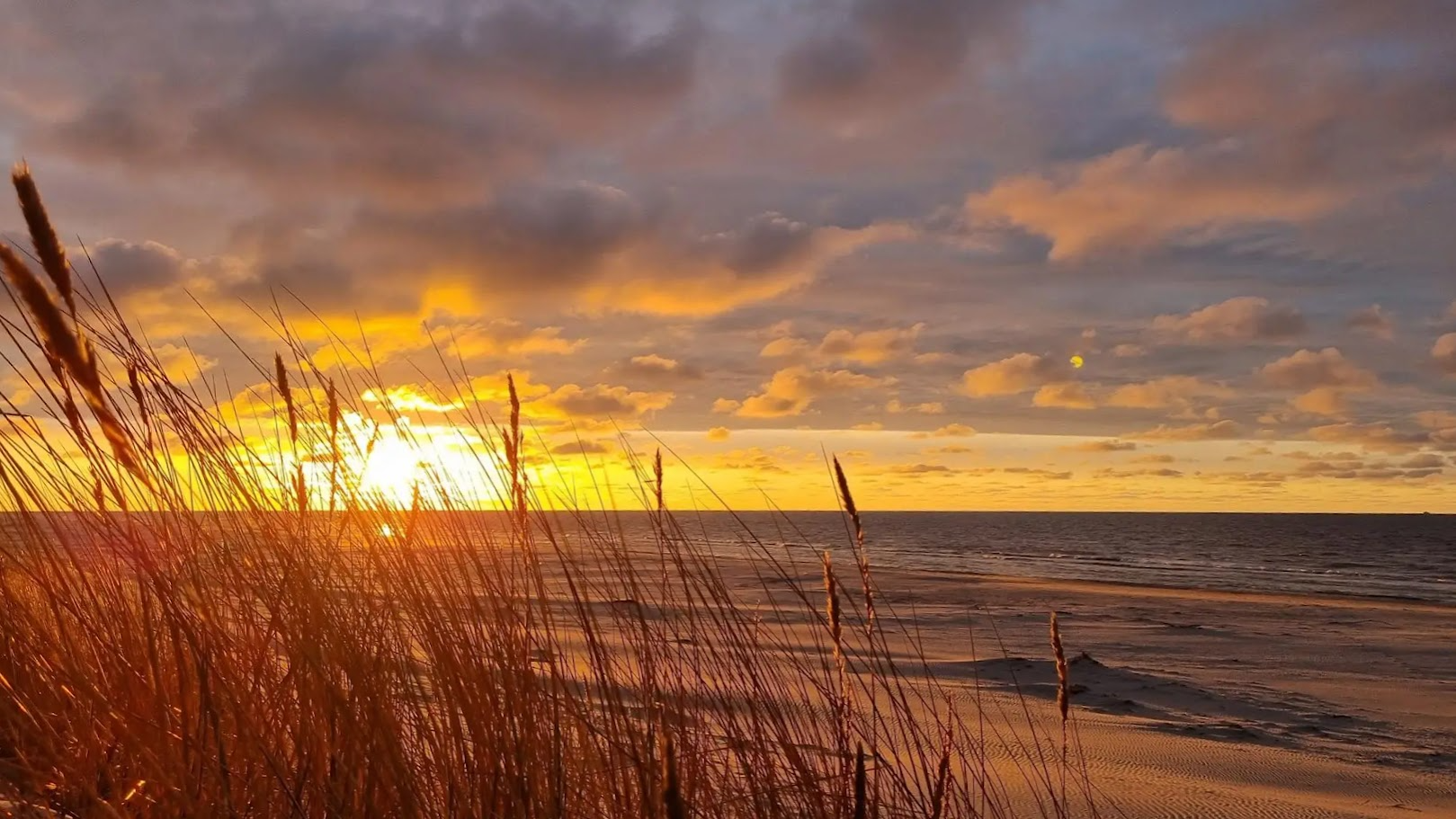
Seaside Trail – the beauty and majesty of the Baltic beaches
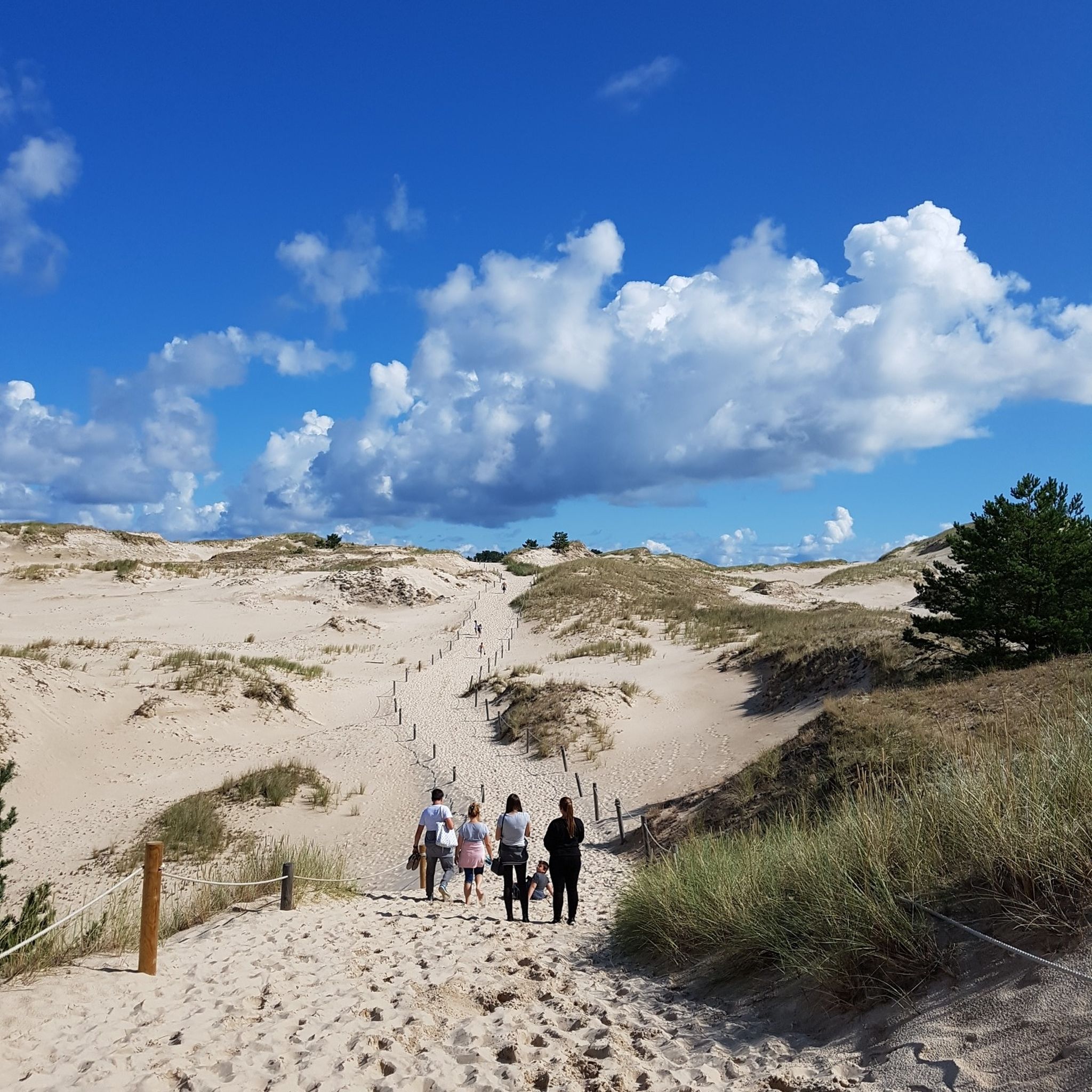
Hiking around Słowiński Park Narodowy
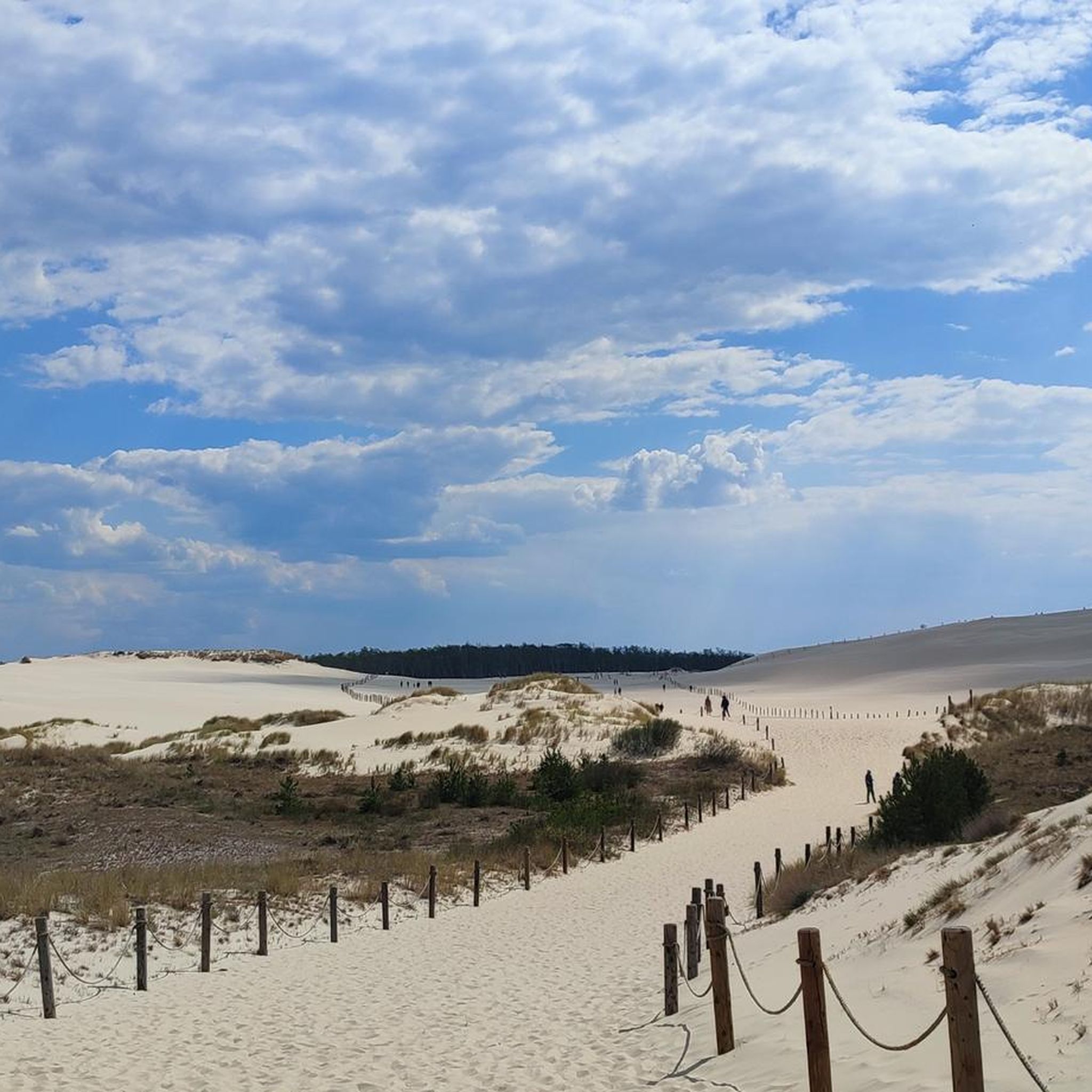
Cycling around Słowiński Park Narodowy
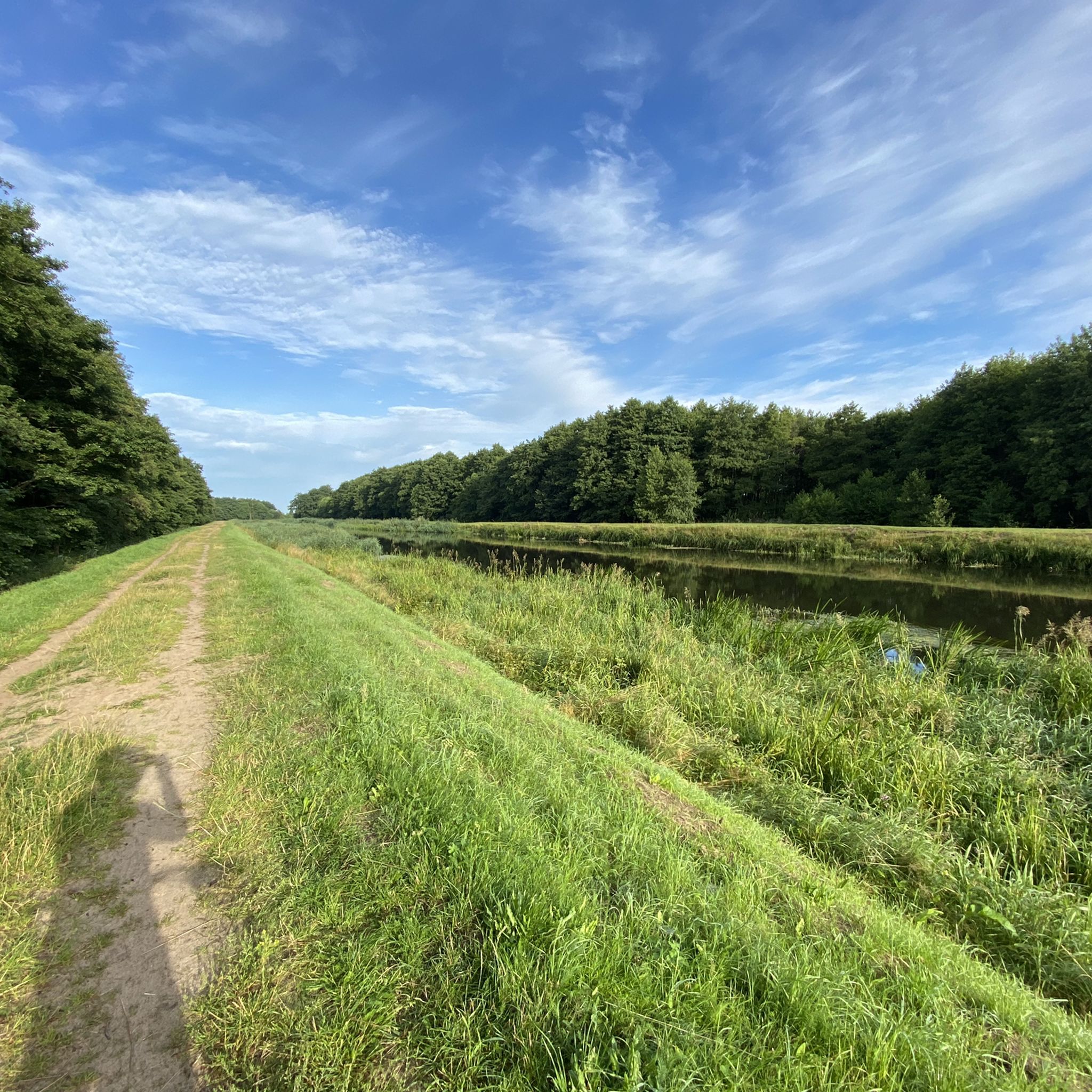
MTB Trails around Słowiński Park Narodowy
Running Trails around Słowiński Park Narodowy
Road Cycling Routes around Słowiński Park Narodowy

Gravel biking around Słowiński Park Narodowy
Other adventures around Słowiński Park Narodowy

Tips from the Community

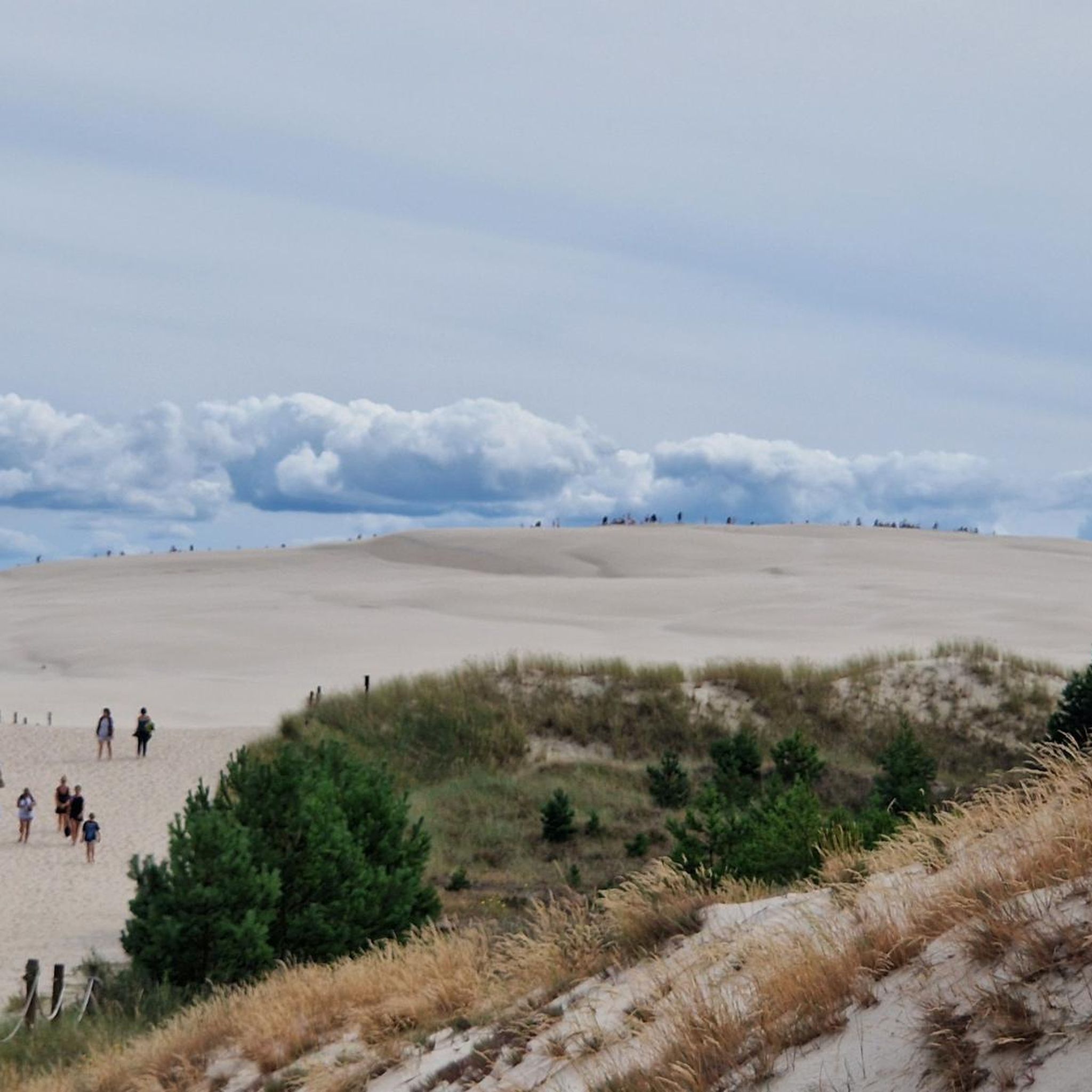
The Lontzkedüne (Polish Wydma Łącka) is the largest shifting dune on the Pomeranian Baltic coast in Poland. It is located in the spectacular Słowiński National Park (Słowiński Park Narodowy) on a spit between the Baltic Sea and Lake Łebsko, about 8 to 9 kilometers west of the well-known resort town of Łeba. Because of its massive dimensions and barren sandy landscape, the region is often referred to as the "Sahara of Poland". The dune is about 1,300 meters long, 500 meters wide and reaches a height of 30 to 42 meters. Driven by strong westerly winds, the fine sand moves about 12 meters to the east every year. In doing so, the dune relentlessly devours everything in its path, including pine forests and moors. Historically, it even buried the former village of Łączka, after which it is named. In the calmer spring and summer, the dune tends to grow in height, while the strong autumn and winter storms flatten it and accelerate its migration speed.
2
0

Lake Gardno is a bird reserve. You mostly see only reeds.
0
0

Great trail through the dunes, hiking poles and a hat are useful
0
0

A fantastic viewing platform overlooking Lake Gardno. Beautiful views of the water, the pier is of good quality (which isn't necessarily true of all such platforms!), and there are benches and tables nearby if needed.
1
0

We were here in July. On a Saturday. Everything was great.
1
1

The Krakulice nature reserve includes a complex of peat bogs and wetlands in the Słowiński National Park. It is worth deviating from the route for a moment and walking along wooden footbridges to the viewing platform. This is an ideal place for bird watching, and in the undisturbed silence you will certainly hear their voices. In the summer you will certainly spot cranes.
3
0

From May to September, there's an admission charge. It's best to visit early in the season when the weather is nice, as it's always busy. We recommend cycling and driving there.
1
0
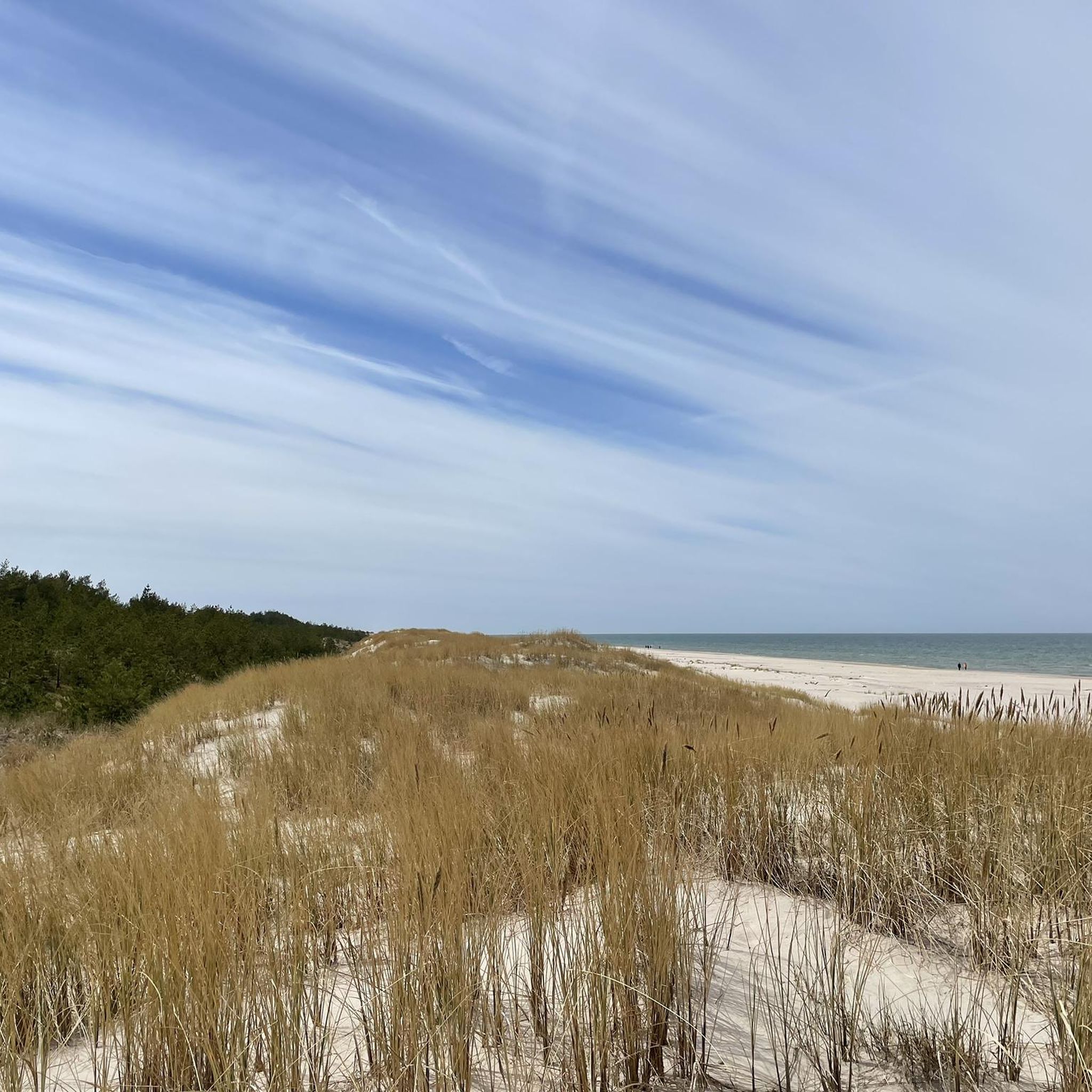
Less popular than the Łącka Dune, but equally beautiful, and perhaps more peaceful? Both are the most recognizable dunes in Słowiński National Park. A beautiful sight.
2
0
Frequently Asked Questions
What are the most iconic natural monuments in Słowiński Park Narodowy?
The most iconic natural monuments are the Łącka Dune and Czolpinska Dune, both part of the famous moving dunes often called the "Polish Sahara." These shifting sand formations offer surreal, desert-like landscapes and panoramic views of the Baltic Sea.
What unique natural features can I expect to see in Słowiński Park Narodowy?
Beyond the moving dunes, you can explore vast coastal lakes like Łebsko and Gardno, which are crucial habitats for migratory birds. The park also features diverse forests, including the unique Leaning Pine Forest, and peat bogs with specialized flora.
Where can I find good spots for birdwatching in the park?
The coastal lakes, particularly Łebsko and Gardno, are excellent for birdwatching as they lie on an international avian 'highway route.' The Krakulice viewing platform, located within a complex of peat bogs and wetlands, is specifically designed for observing wildlife, including cranes, in undisturbed silence.
Are there any natural monuments suitable for families with children?
Yes, many areas are family-friendly. The Leaning Pine Forest is a unique and engaging spot for families. While the dunes can be challenging for very young children due to soft sand, older children often enjoy climbing them. The wooden footbridges at the Krakulice viewing platform also offer an accessible and interesting experience for all ages.
What is the best time of year to visit the natural monuments?
Visiting during the shoulder seasons (spring or early autumn) is often recommended. The weather is pleasant, and you can avoid the peak summer crowds, especially at popular spots like the dunes. Some visitors also suggest visiting out of season for a more peaceful experience, as mentioned for the Trail to the Dunes (Mierzeja Conservation Area).
What kind of outdoor activities can I do near these natural monuments?
The area offers a variety of outdoor activities. You can find numerous hiking trails, such as those listed in the Easy hikes around Słowiński Park Narodowy guide. There are also MTB Trails and Road Cycling Routes available for exploring the diverse landscapes.
Are there specific hiking trails to explore the natural monuments?
Yes, there are several hiking opportunities. For instance, you can hike to the Łącka Dune, which is one of Europe's largest hiking dunes. The Trail to the Dunes (Mierzeja Conservation Area) also provides access to the shifting sands. For birdwatching, wooden footbridges lead to the Krakulice viewing platform.
What do visitors enjoy most about the natural monuments in Słowiński Park Narodowy?
Visitors are particularly impressed by the surreal experience of the moving dunes, often described as walking on the "Polish Sahara." The panoramic views from the top of dunes like Łącka Dune are highly praised. The tranquility of the lakes and forests, and the opportunity for birdwatching, also receive positive feedback.
Is there a less crowded alternative to Łącka Dune?
Yes, the Czolpinska Dune is often cited as a beautiful and perhaps more peaceful alternative to the more popular Łącka Dune. It offers a similar experience of the shifting sands but with potentially fewer visitors.
Can I get panoramic views of the entire Słowiński Park Narodowy region?
For expansive views of the surrounding park landscape, Rowokół Hill, the highest peak in the park at 115 meters (377 ft) above sea level, serves as an excellent observation point. Additionally, climbing the Łącka Dune offers panoramic vistas of the park and the Baltic Sea.
Are there any specific tips for visiting the moving dunes?
When visiting the moving dunes, be prepared for a challenging walk on soft sand. It's advisable to arrive early, especially during peak season, as they can get crowded. Cycling to the entrance of the Trail to the Dunes (Mierzeja Conservation Area) is often recommended, and remember there might be an admission charge from May to September.
Most popular routes around Słowiński Park Narodowy
Most popular attractions around Słowiński Park Narodowy

Get inspired with the komoot mobile app


Explore more
Extend your search for the best caves by checking out these guides of the top ones around Słowiński Park Narodowy:
