Śnieżnicki Park Krajobrazowy
Śnieżnicki Park Krajobrazowy
Top 20 Natural Monuments around Śnieżnicki Park Krajobrazowy
Natural monuments around Śnieżnicki Park Krajobrazowy are located in the Sudetes region of southwestern Poland, encompassing the Śnieżnik Massif, Bialskie Mountains, and Złote Mountains. This area features varied terrain, old river valleys, and high mountain basins. The park's diverse and rich natural landscape offers numerous remarkable natural monuments for exploration. It is characterized by subalpine zones, dense forests, and mountainous terrain.
Best natural monuments around Śnieżnicki Park Krajobrazowy
- The most popular natural monuments is Králický Sněžník Summit, a summit…
Last updated: May 14, 2026
Králický Sněžník Summit
Highlight • Summit
Translated by Google •
Tip by

Wilczka waterfall
Highlight • Waterfall
Translated by Google •
Tip by
Sign up now to discover places like this
Get recommendations on the best single tracks, peaks, & plenty of other exciting outdoor places.
Sign up for free
Stone Elephant Monument on Králický Sněžník
Highlight • Monument
It would be nice if the inn were still standing; it's missing from the mountain.
Translated by Google •
Tip by

Morava Spring (Pramen Moravy)
Highlight • Natural Monument
Translated by Google •
Tip by

Bear Cave (Jaskinia Niedźwiedzia) in Kletno
Highlight • Cave
Translated by Google •
Tip by

Sign up for free to discover even more natural monuments around Śnieżnicki Park Krajobrazowy.
Sign up for free
Already have an account?
Start today with a free account
Your next adventure awaits.
Login or Signup
Popular around Śnieżnicki Park Krajobrazowy
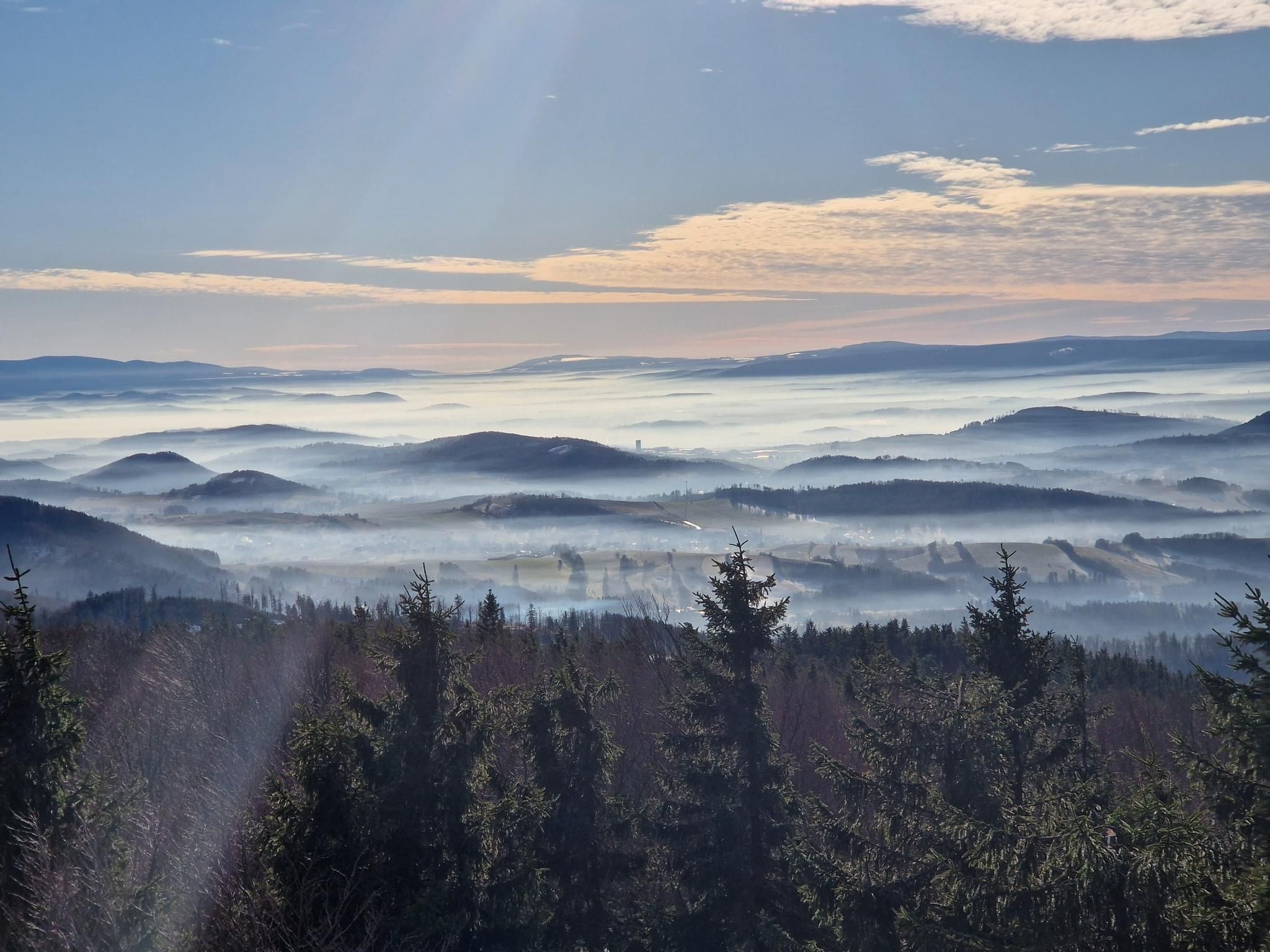
The Main Sudeten Route – a great Polish mountain adventure
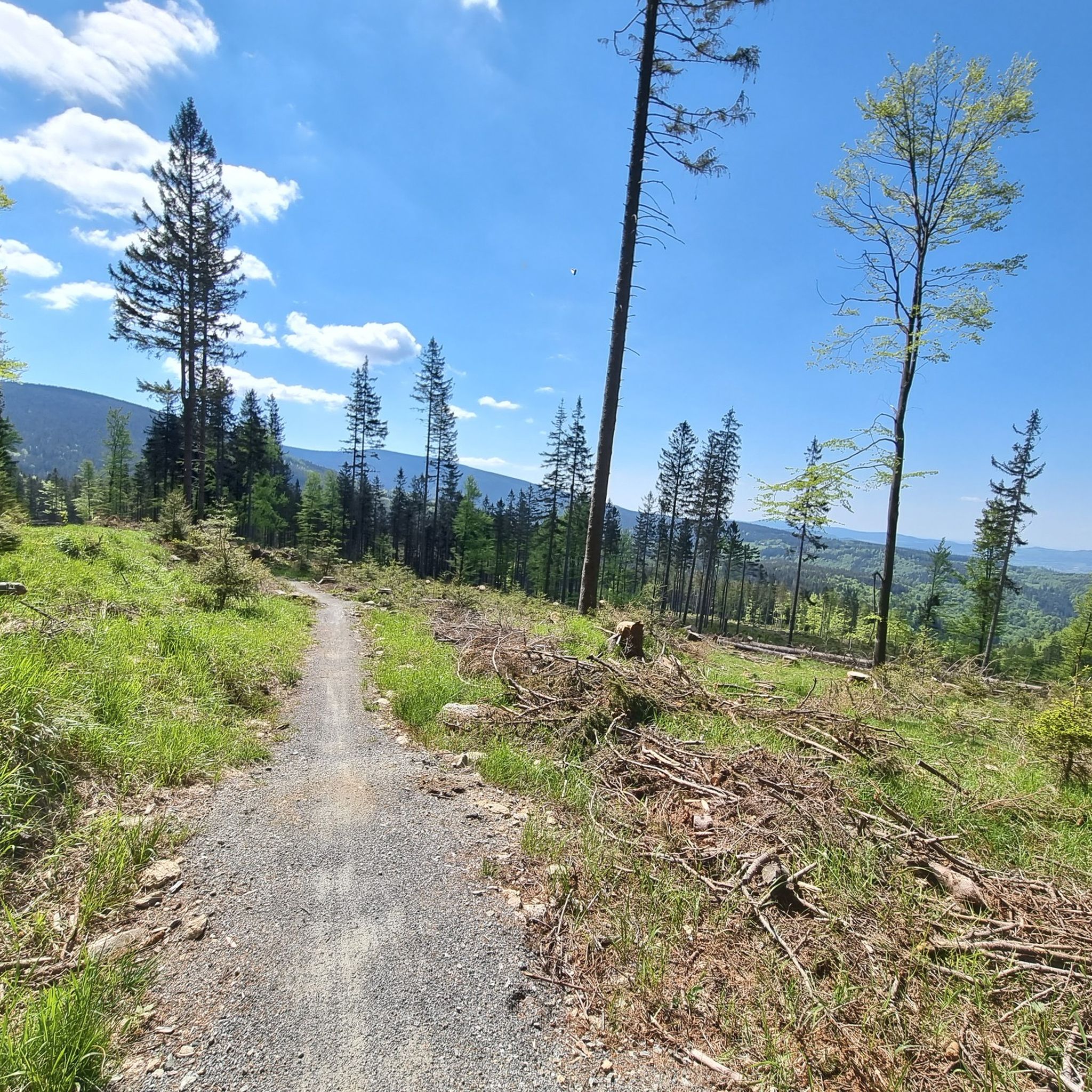
MTB Trails around Śnieżnicki Park Krajobrazowy
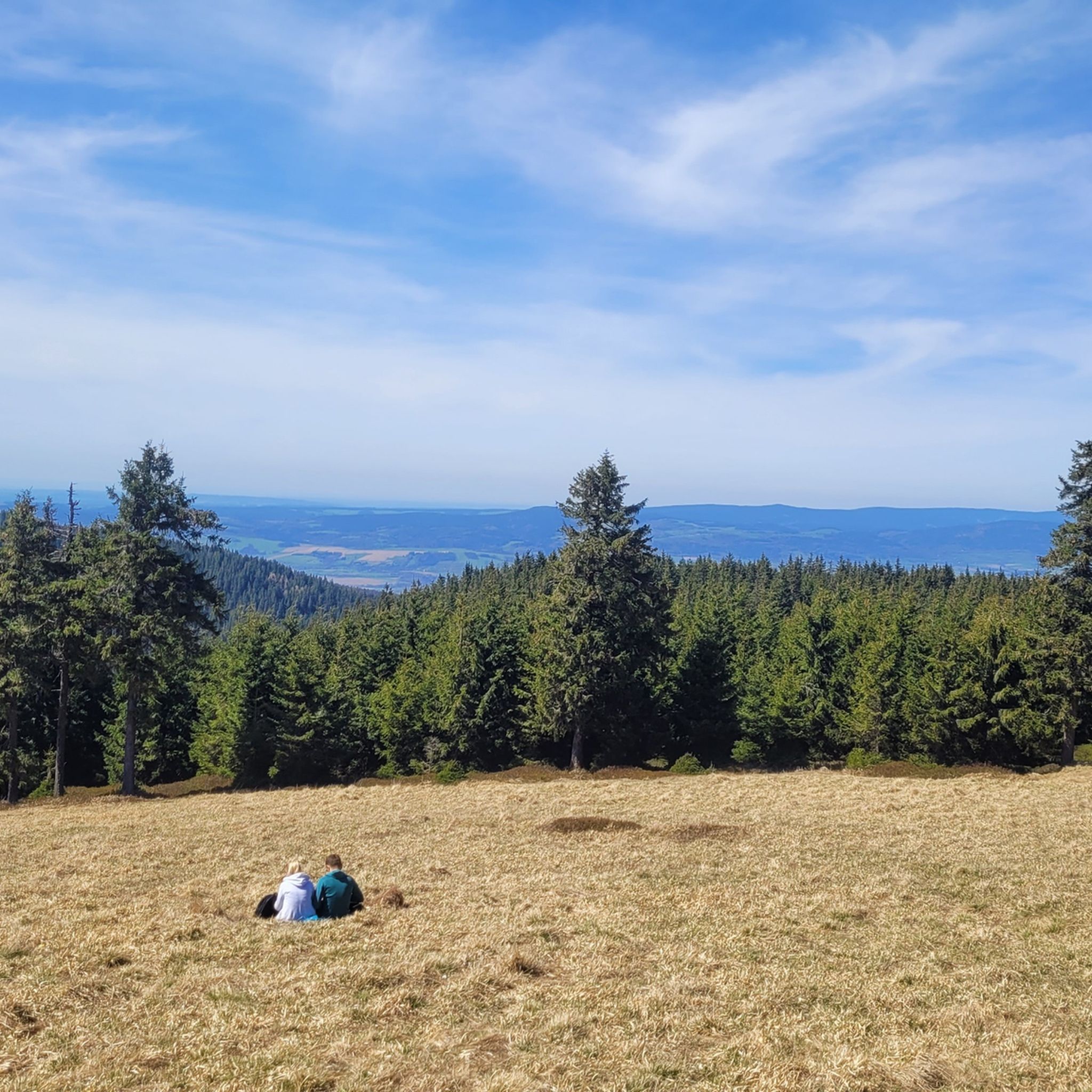
Hiking around Śnieżnicki Park Krajobrazowy
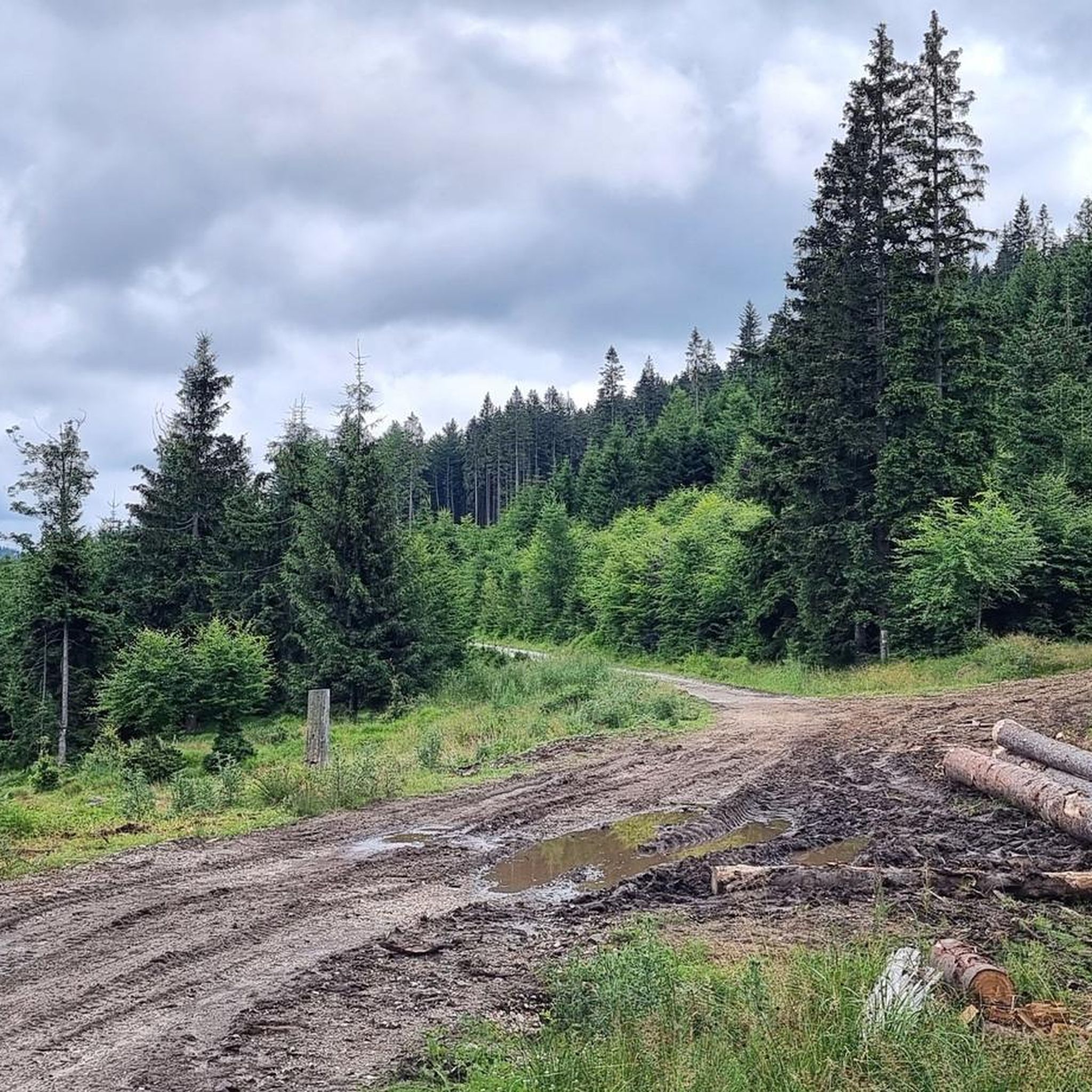
Cycling around Śnieżnicki Park Krajobrazowy
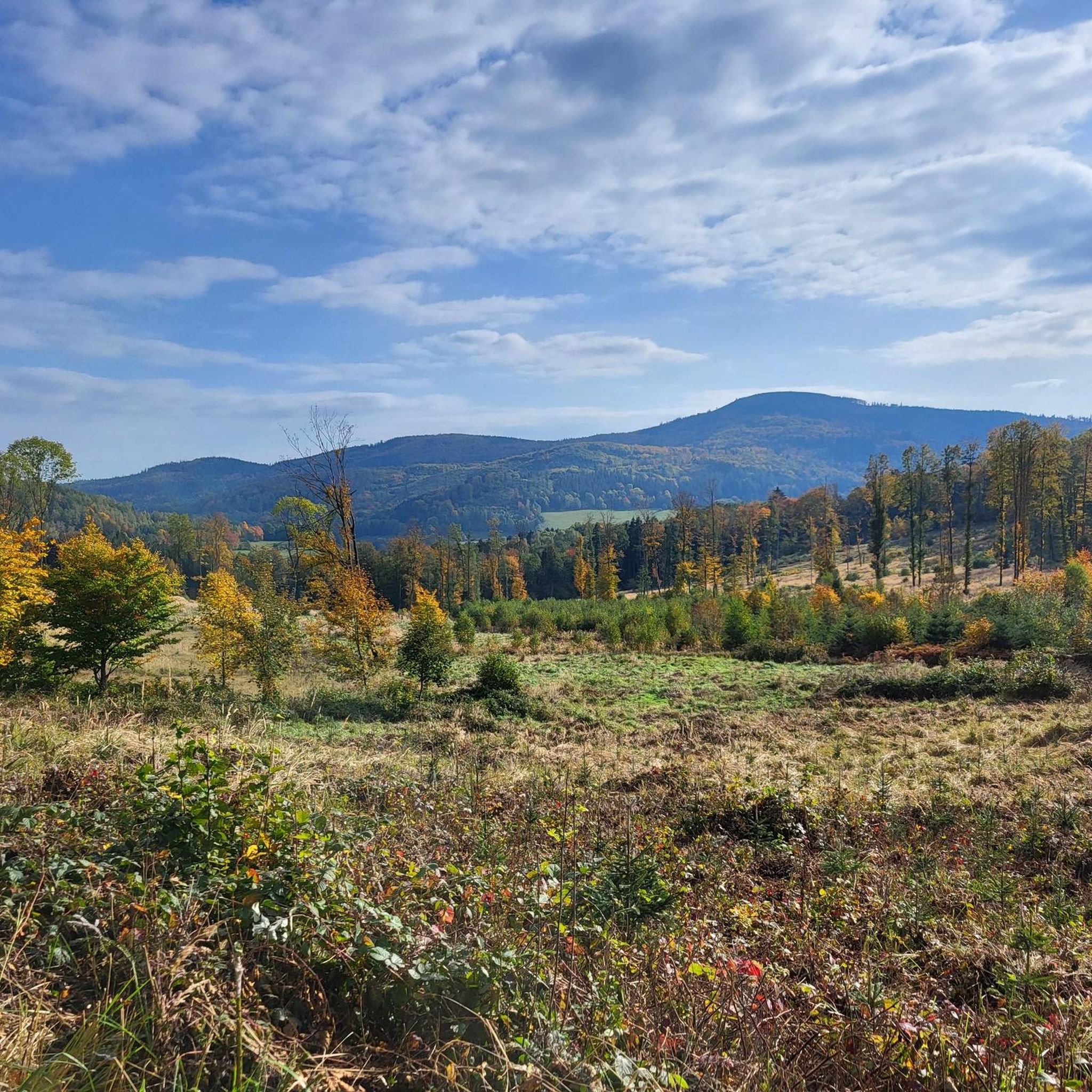
Running Trails around Śnieżnicki Park Krajobrazowy

Mountain Hikes around Śnieżnicki Park Krajobrazowy
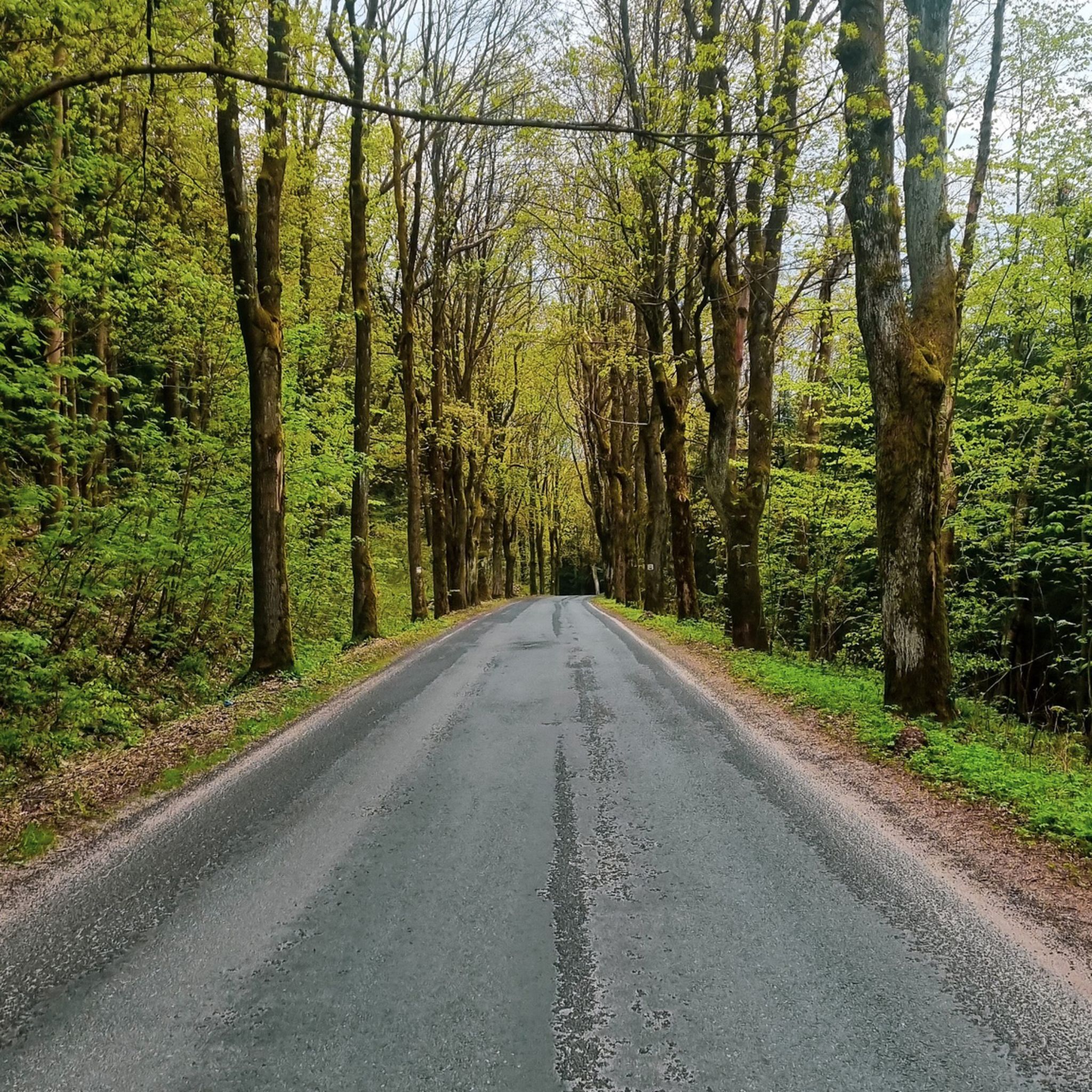
Road Cycling Routes around Śnieżnicki Park Krajobrazowy

Gravel biking around Śnieżnicki Park Krajobrazowy
Other adventures around Śnieżnicki Park Krajobrazowy

Tips from the Community

The Wilczki Waterfall was formerly called Wodogrzmoty Żeromskiego (The Żeromski Waterfall). Years ago, the waterfall reached a height of approximately 27 meters, but after the great flood of 1997, the water eroded the artificially created 5-meter threshold, and now the water falls from a height of approximately 22 meters. Admission to the waterfall is free. However, the Wilczki Waterfall is not accessible to people with strollers or wheelchairs due to the numerous steps. Around the Wilczki Waterfall, there are viewing platforms from which you can admire the waterfall and its surroundings, as well as benches for walkers where you can sit, immersing yourself in the atmosphere of this extraordinary place and listening to the sound of the falling water. Above the waterfall itself, an iron bridge provides a beautiful view of the falling water.
1
1

The climb is not easy, but the view makes up for it.
7
0
It makes a good photo opportunity, but I don't know the story behind it. It would be nice if the inn were still standing; it's missing from the mountain.
7
0

The highest waterfall in the Śnieżnik massif (22 meters tumbling into a cauldron) is a sight to behold (and listen to). Good trails offer numerous viewing points. There's also a restaurant right next door, so once you've admired and admired it, you can relax comfortably.
1
0

The elephant on Śnieżnik probably found itself in the same circumstances as the leopard on Kilimanjaro.
0
0

From the "last" parking lot to the entrance to the cave there is an asphalt road which will take ~30 minutes.
1
0
The highest peak (1425m) in the Eastern Sudetes and the Śnieżnik Massif - is located on the Polish-Czech border. Králický Sněžník is of course the Czech equivalent of "Śnieżnik". Great views in every direction - there is also a great observation tower at the top, which is worth climbing (if you haven't had enough of climbing yet...)
3
0

Frequently Asked Questions
What are the most popular natural monuments to visit in Śnieżnicki Park Krajobrazowy?
Visitors frequently enjoy the diverse natural monuments within the park. Among the most popular are the Králický Sněžník Summit, offering extensive panoramic views, and the impressive Wilczka waterfall, which tumbles 22 meters into a cauldron. Another significant site is the Morava Spring (Pramen Moravy), marking the source of the Morava River.
Are there any family-friendly natural monuments or activities in Śnieżnicki Park Krajobrazowy?
Yes, several natural monuments are suitable for families. The Wilczka waterfall is considered family-friendly, with good trails providing numerous viewing points. The Bear Cave (Jaskinia Niedźwiedzia) in Kletno is also a family-friendly historical and natural site, offering an engaging experience for all ages.
What kind of geological features can I expect to see in the natural monuments of this region?
The region is characterized by varied terrain, including old river valleys and high mountain basins. You can explore significant geological formations such as the marble quarry where the Bear Cave (Jaskinia Niedźwiedzia) was discovered, revealing impressive stalactite formations. The Śnieżnik Massif itself features an alpine character with ridges separated by deep erosive valleys.
What outdoor activities can I do near the natural monuments in Śnieżnicki Park Krajobrazowy?
The park's diverse landscapes are ideal for various outdoor activities. You can find numerous routes for gravel biking, cycling, and running. For example, there are challenging gravel biking loops like the 'Orłowiec Loop Trailhead – Złota Loop Descent' and cycling routes such as the 'Kletno Uranium Mine loop'. Running enthusiasts can tackle trails like the 'Králický Sněžník Summit – Black Mountain loop'. You can explore more options on the Gravel biking around Śnieżnicki Park Krajobrazowy, Cycling around Śnieżnicki Park Krajobrazowy, and Running Trails around Śnieżnicki Park Krajobrazowy guide pages.
What is the best time of year to visit the natural monuments in Śnieżnicki Park Krajobrazowy?
The park offers a vibrant palette of colors, especially during autumn, making it an excellent time for photography and hiking. While specific natural monuments can be visited year-round, the subalpine zones and dense forests are particularly appealing in warmer months for hiking and enjoying the panoramic views. Winter also offers opportunities for winter hiking, though conditions can be more challenging.
Are there any historical or man-made monuments associated with the natural features?
Yes, some natural monuments have historical connections. For instance, near the Králický Sněžník Summit, you can find the Stone Elephant Monument on Králický Sněžník, which has stood on a pedestal since 1932. Historically, a panoramic stone tower also stood on the summit of Śnieżnik, and efforts are being made to rebuild it.
What kind of wildlife can be observed around the natural monuments?
The Śnieżnik Massif and surrounding areas are renowned for exceptionally rich wildlife, where Sudeten, Alpine, Carpathian, and Mediterranean species converge. You might encounter deer, wild boars, and mouflons. There are even occasional sightings of bears and wolves. The park is also home to numerous bat species and approximately 100 bird species, enhancing its natural appeal.
What do visitors enjoy most about the natural monuments in Śnieżnicki Park Krajobrazowy?
Visitors frequently praise the breathtaking panoramic views from high peaks like Králický Sněžník Summit. The impressive sight and sound of the Wilczka waterfall are also highly appreciated. Many enjoy the tranquility and natural beauty, often combining visits with hiking or photography. The area has received 242 upvotes and features 194 photos from visitors, reflecting its popularity.
Are there any easy walks or trails to access the natural monuments?
While some trails, like those leading to Králický Sněžník Summit, can be challenging, there are also easier options. The Wilczka waterfall has good trails providing numerous viewing points, making it accessible. For the Bear Cave (Jaskinia Niedźwiedzia), there is an asphalt road from the 'last' parking lot to the entrance, taking about 30 minutes.
Can I bring my dog to the natural monuments in Śnieżnicki Park Krajobrazowy?
Generally, dogs are permitted on trails within national parks and protected areas in Poland, often on a leash. However, specific rules may apply to certain nature reserves or indoor attractions like the Bear Cave (Jaskinia Niedźwiedzia). It is always advisable to check local regulations for each specific natural monument before your visit to ensure a pleasant experience for you and your pet.
What are the elevation and terrain like around the natural monuments?
The region encompasses the Śnieżnik Massif, Bialskie Mountains, and Złote Mountains, featuring varied terrain. The Králický Sněžník Summit is the highest peak at 1,425 meters, indicating significant elevation changes. The landscape includes high mountain basins, subalpine zones, and dense forests, offering a mix of challenging ascents and more moderate paths, depending on the specific monument and chosen route.
Most popular routes around Śnieżnicki Park Krajobrazowy
Most popular attractions around Śnieżnicki Park Krajobrazowy

Get inspired with the komoot mobile app


Explore more
Extend your search for the best caves by checking out these guides of the top ones around Śnieżnicki Park Krajobrazowy:
