Naturpark Fanes-Sennes-Prags - Parco Naturale Fanes-Sennes-Braies
Naturpark Fanes-Sennes-Prags - Parco Naturale Fanes-Sennes-Braies
Top 20 Natural Monuments around Naturpark Fanes-Sennes-Prags - Parco Naturale Fanes-Sennes-Braies
Best natural monuments around Naturpark Fanes-Sennes-Prags - Parco Naturale Fanes-Sennes-Braies, a UNESCO World Heritage site, encompasses an expansive area of approximately 25,680 hectares in South Tyrol. This region is characterized by diverse geological formations, including high plateaus, towering peaks, and unique karst phenomena. It offers a landscape rich in natural features, making it a notable destination for outdoor exploration.
Best natural monuments around Naturpark Fanes-Sennes-Prags - Parco Naturale Fanes-Sennes-Braies
- The most popular natural monuments is Lake Braies north shore,…
Last updated: October 27, 2026
Lake Braies north shore
Highlight • Lake
Translated by Google •
Tip by

Lake Braies / Pragser Wildsee
Highlight • Lake
Translated by Google •
Tip by

Sign up now to discover places like this
Get recommendations on the best single tracks, peaks, & plenty of other exciting outdoor places.
Lake Dobbiaco
Highlight • Lake
Translated by Google •
Tip by

View of Seekofel
Highlight • Viewpoint
Translated by Google •
Tip by

Lake Dürrensee
Highlight • Lake
Translated by Google •
Tip by

Sign up for free to discover even more natural monuments around Naturpark Fanes-Sennes-Prags - Parco Naturale Fanes-Sennes-Braies.
Already have an account?
Start today with a free account
Your next adventure awaits.
Popular around Naturpark Fanes-Sennes-Prags - Parco Naturale Fanes-Sennes-Braies
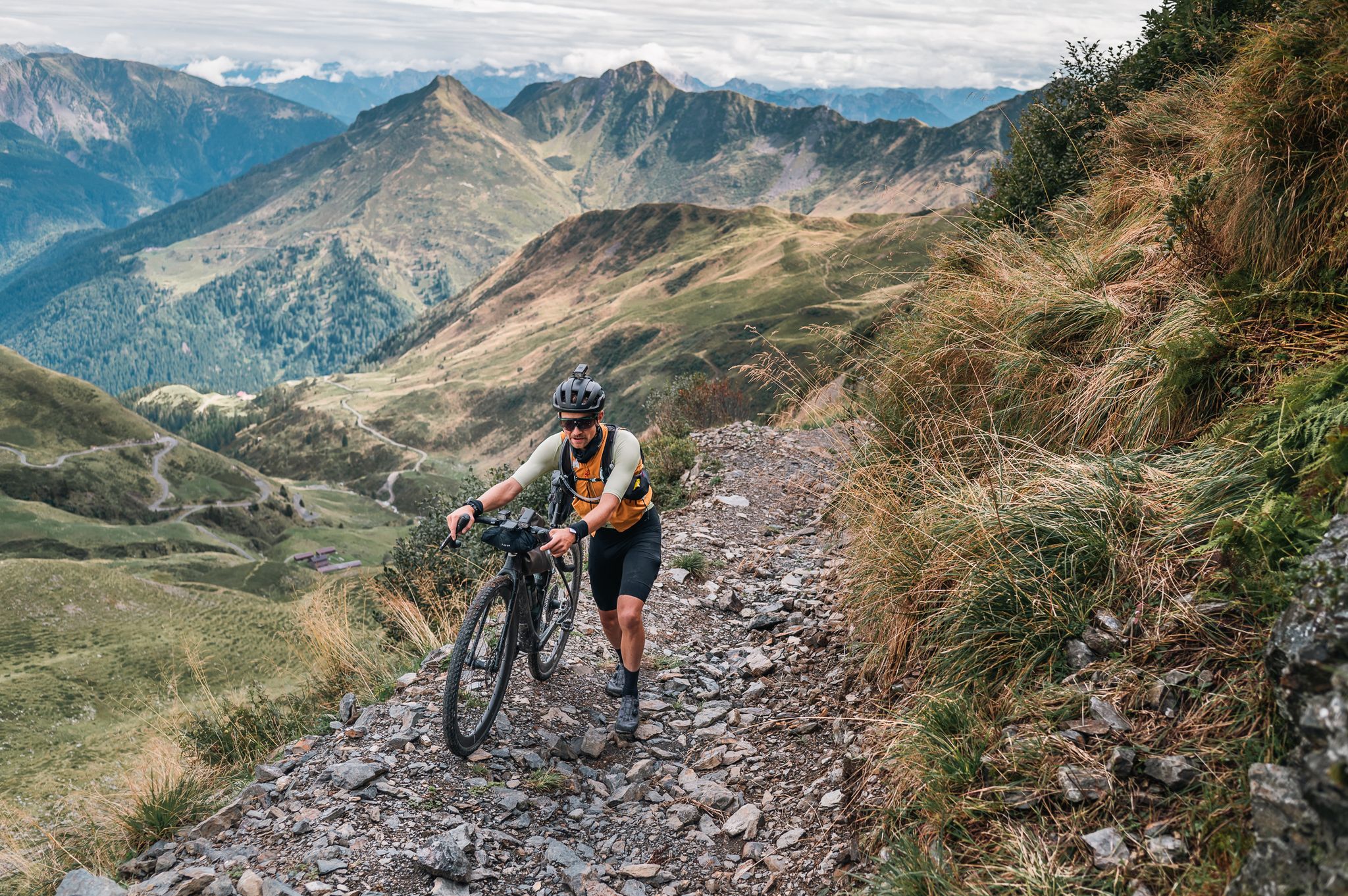
Sneak Peaks ADVENTURE 🥇
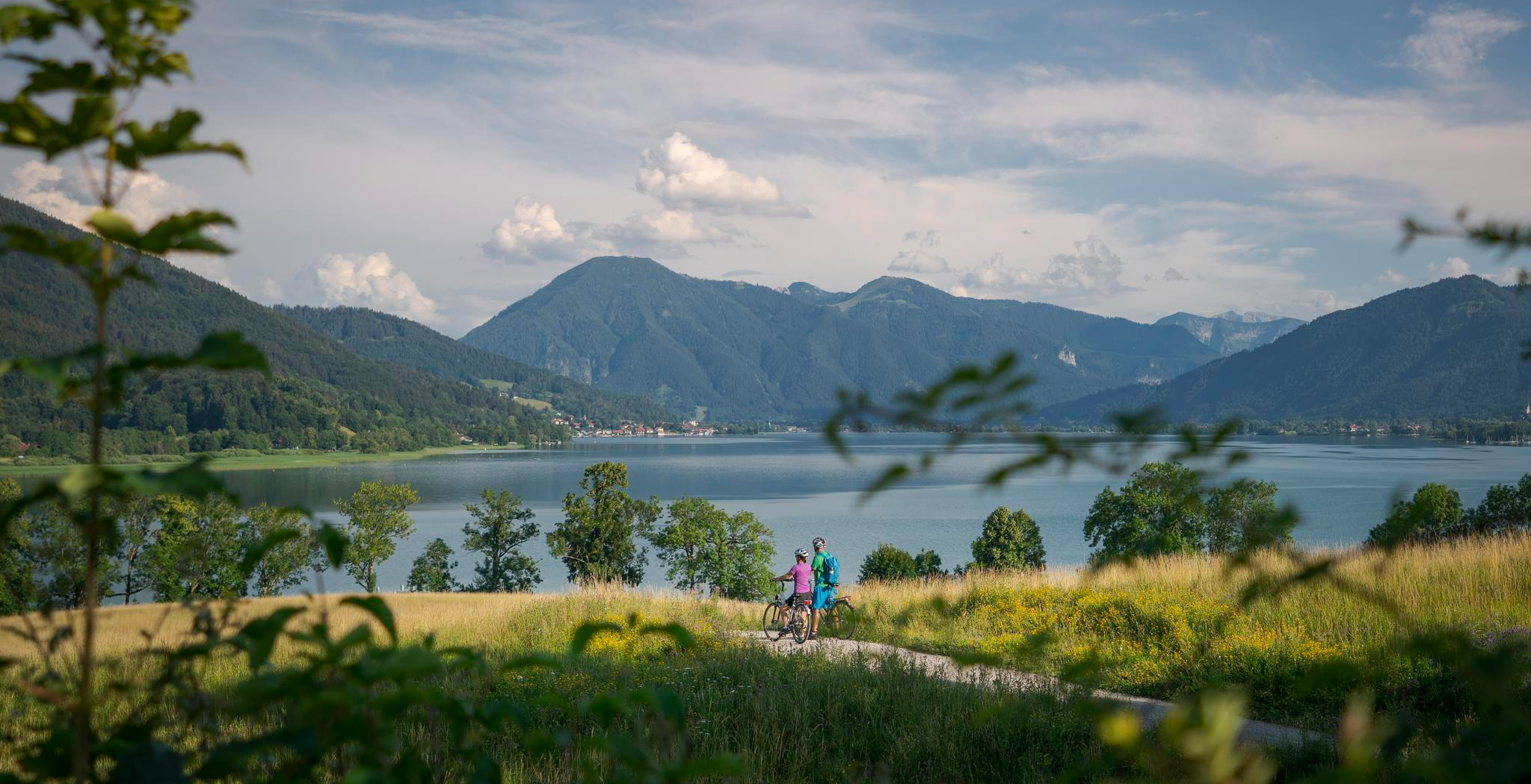
The Munich-Venice Long-Distance Cycle Path – A beautiful Alps crossing
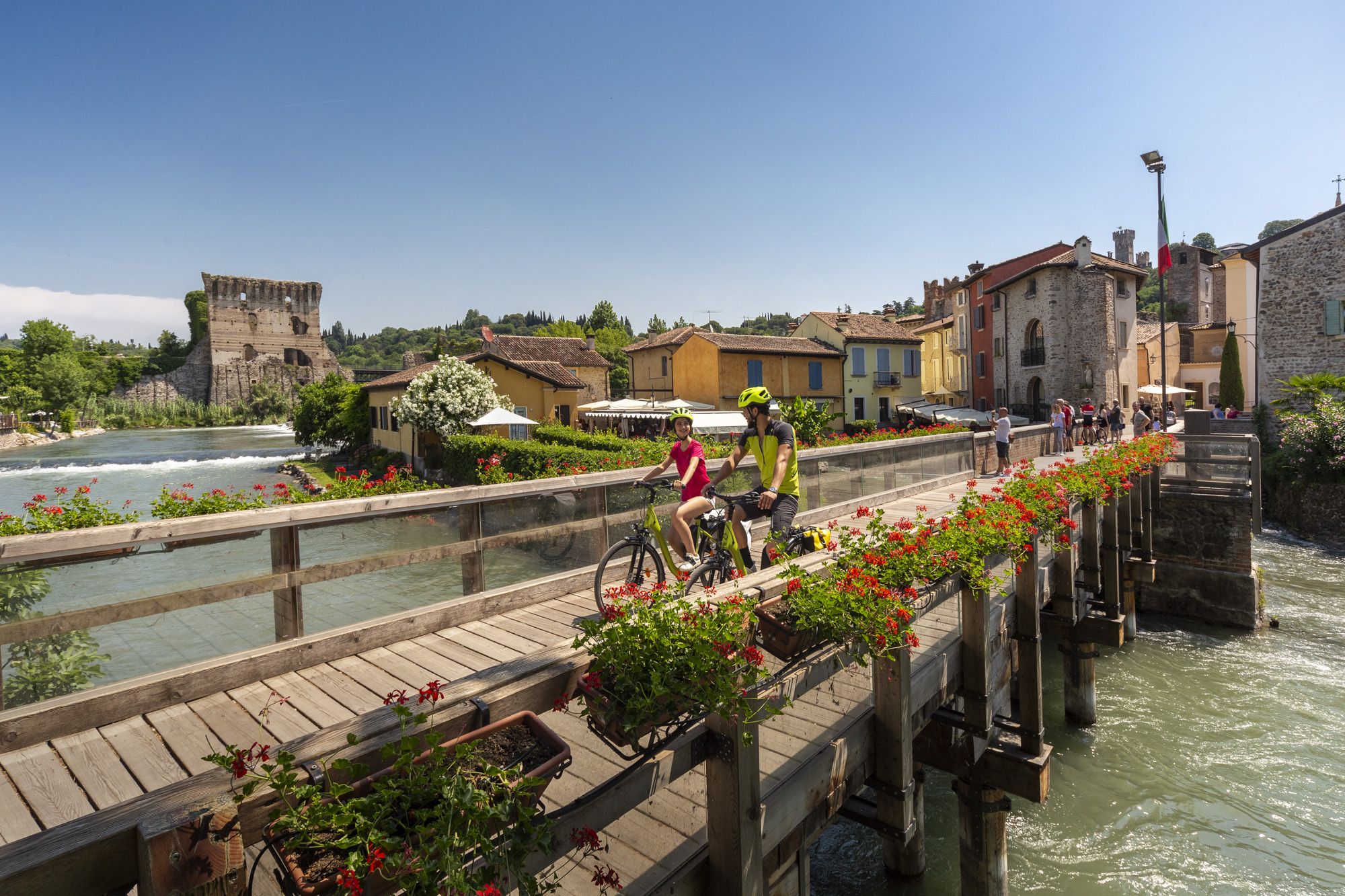
Explore Veneto at a slow pace – day trips by bike
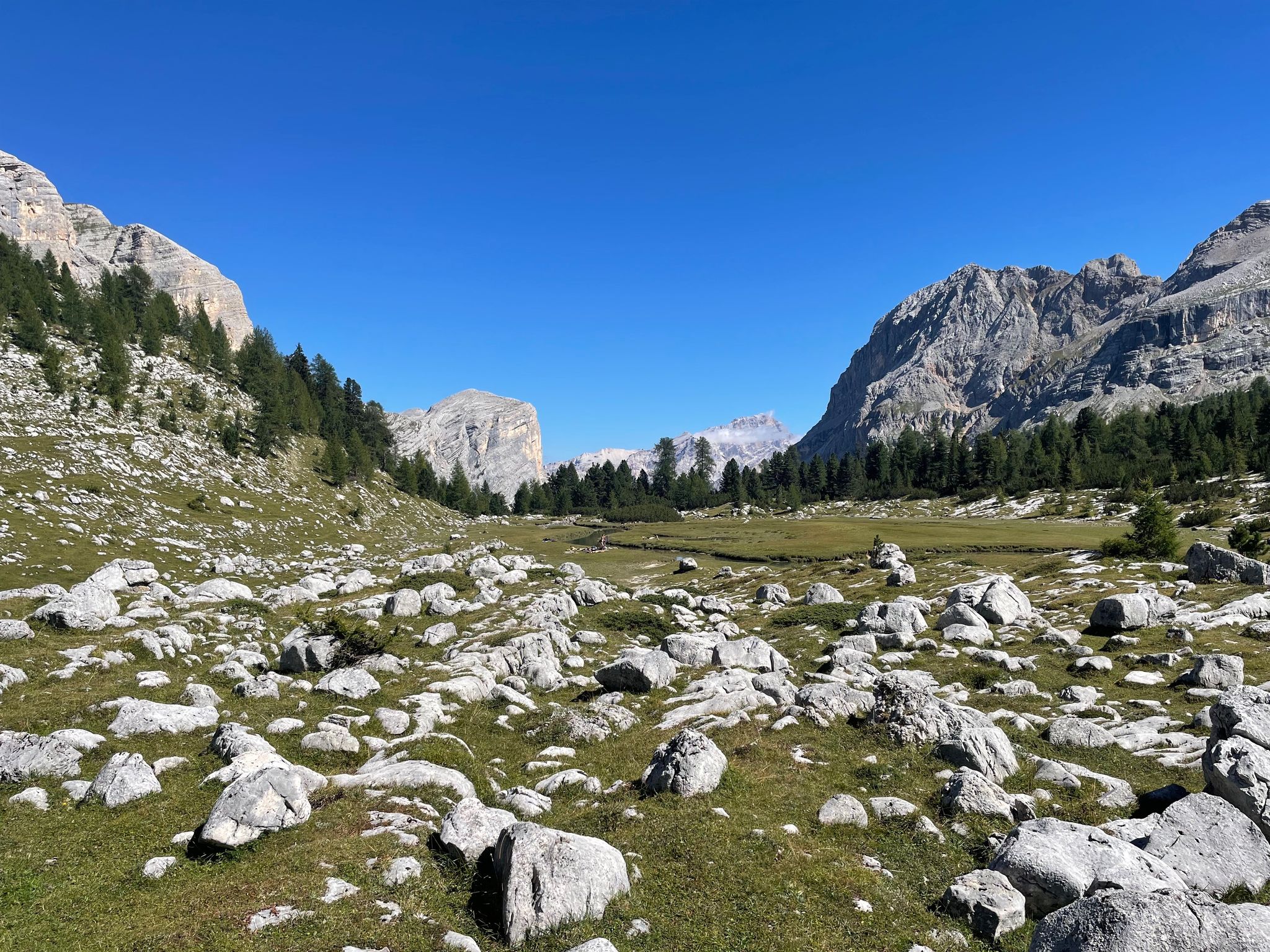
The rugged peaks of Trentino - Hiking in South Tyrol
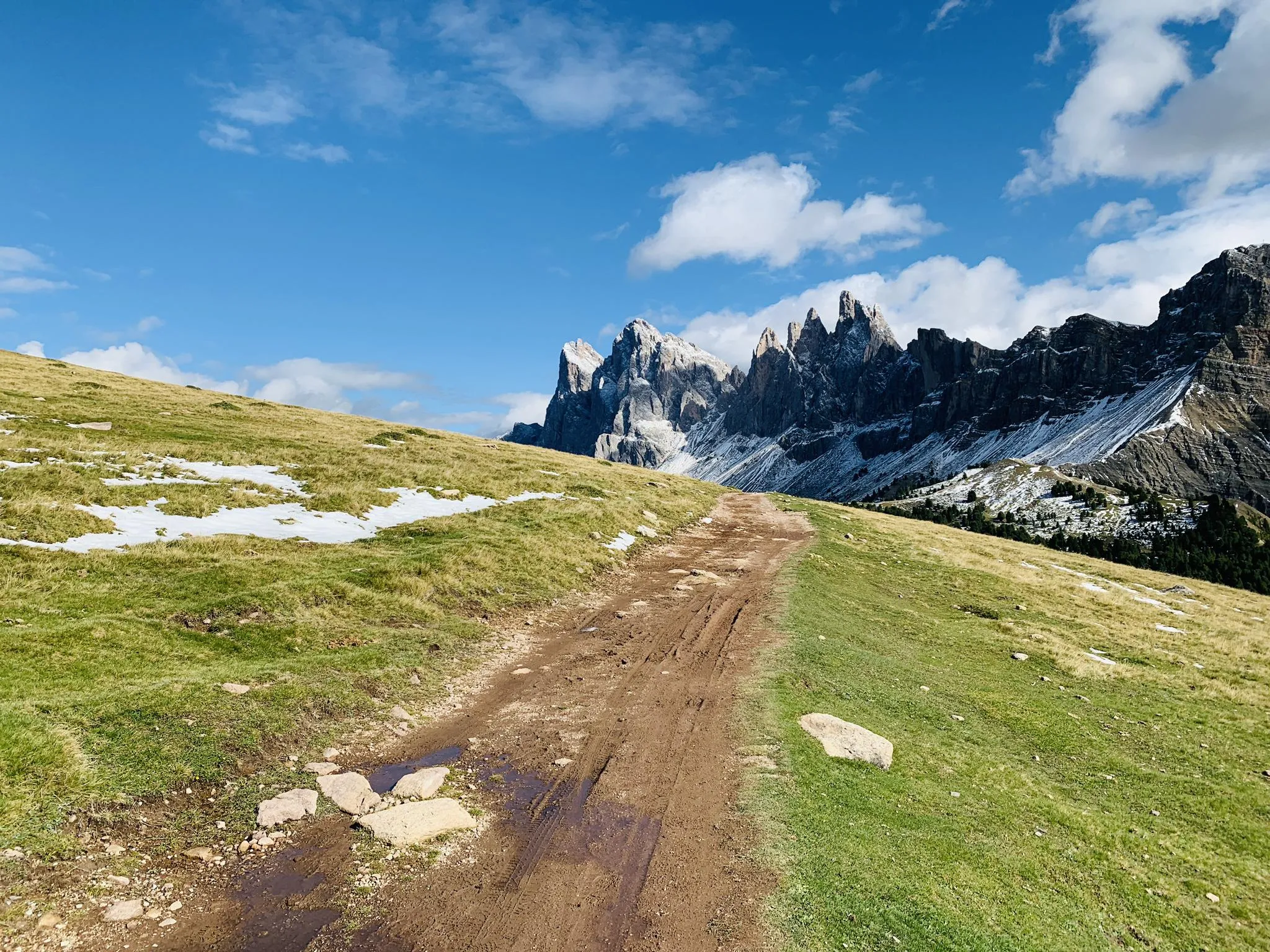
Between gorges and peaks – Dolomites UNESCO Geotrail
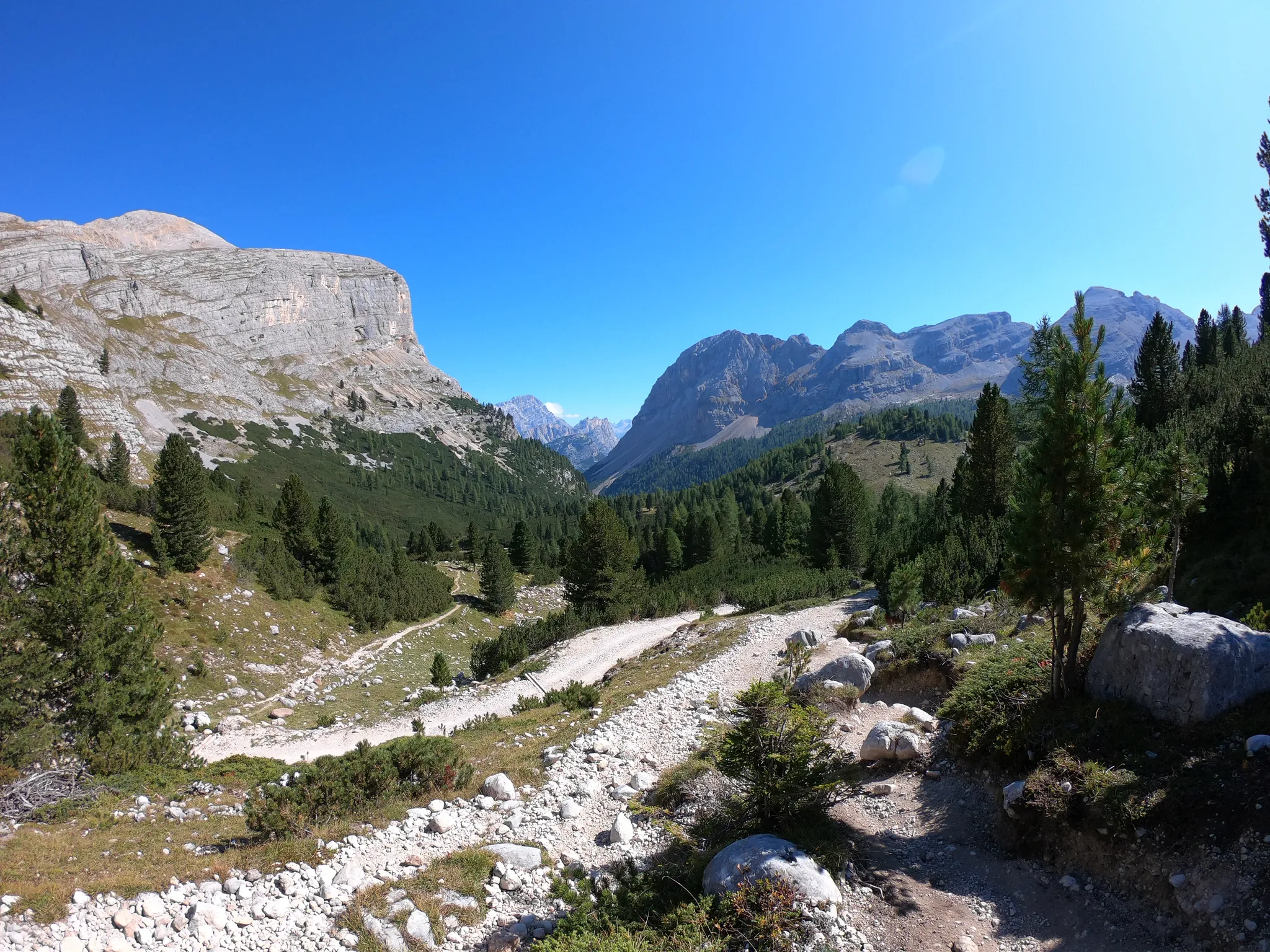
Run through the clouds – Alta Via 1 in the Dolomites
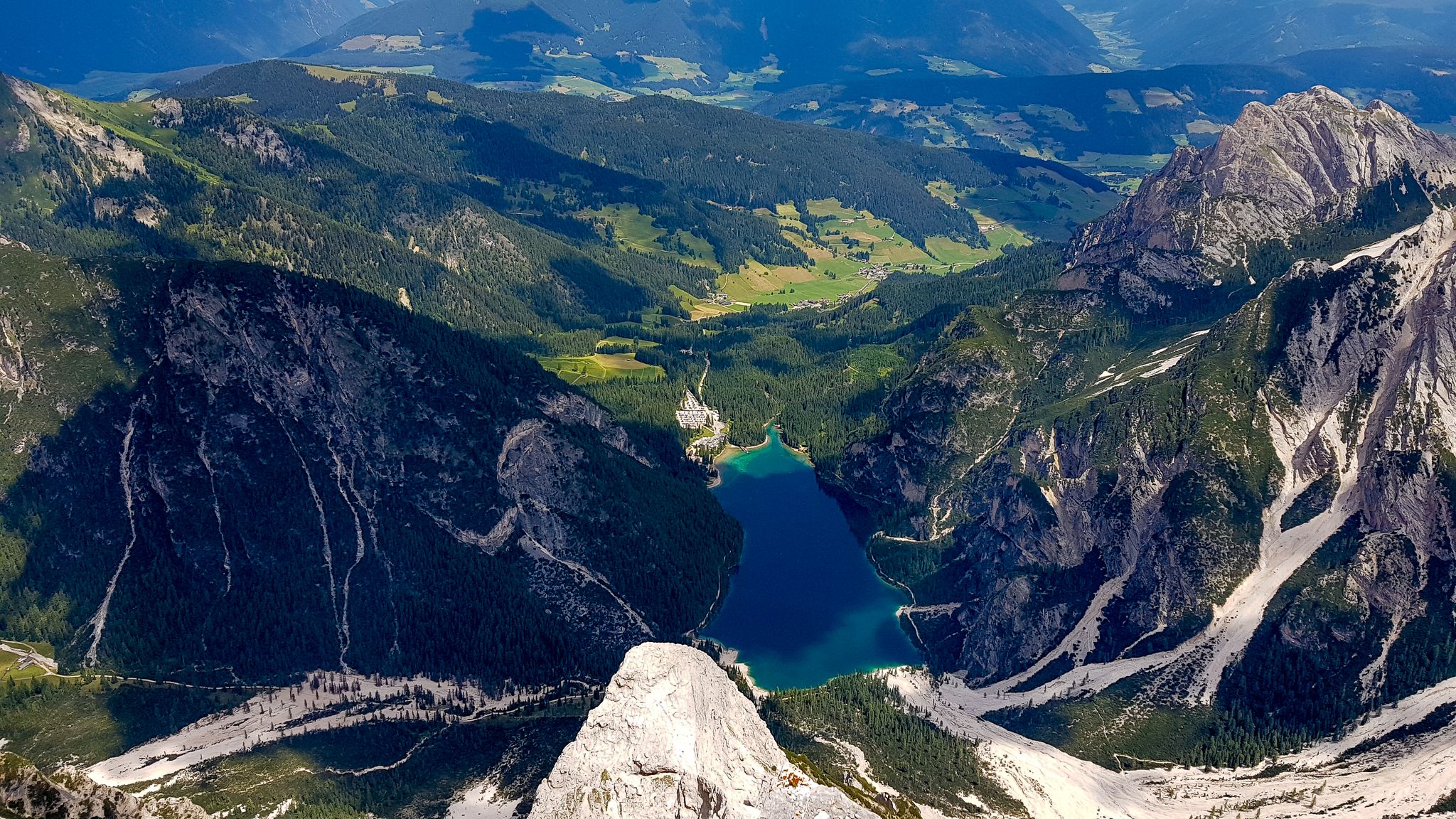
Wild Braies Valley – hikes in Alta Pusteria
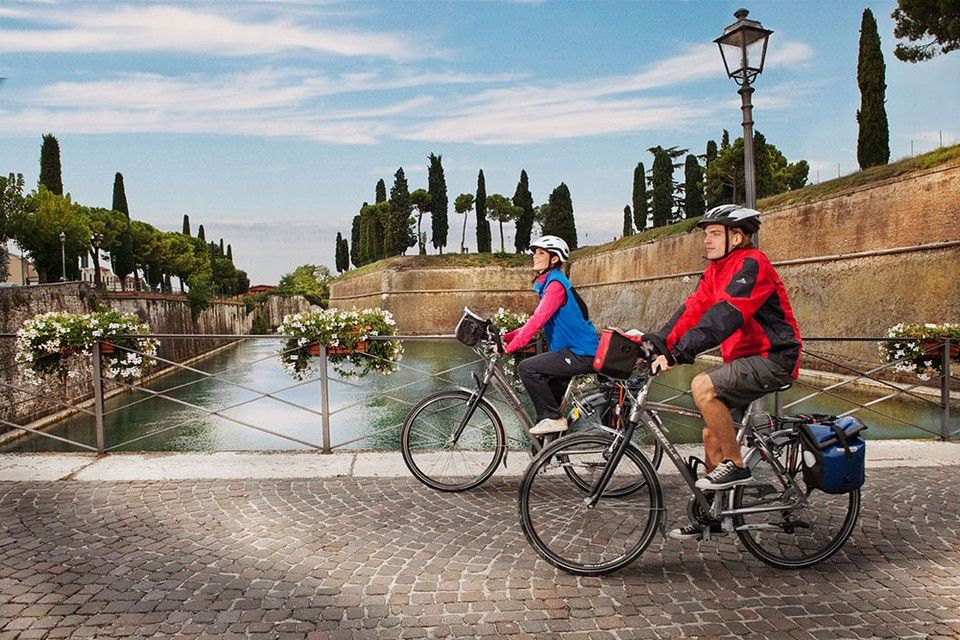
Between Lake Garda and the Adriatic Sea – cycle Tours in Italy’s Veneto
Hiking one step from heaven – Alta Via delle Dolomiti 1
Bike & hike in the Dolomites – MTB hut Tour with summit hikes
Other adventures around Naturpark Fanes-Sennes-Prags - Parco Naturale Fanes-Sennes-Braies


Tips from the Community

The western shore of Lake Wildsee is the most easily accessible area for visitors of all ages. The well-developed section of the circular trail here allows for barrier-free strolls and child-friendly short excursions.
16
0
Lake Braies (Italian: Lago di Braies) lies at an altitude of approximately 1,500 meters in the Prags Valley, a side valley of the Puster Valley. It is considered one of the most beautiful lakes in the region and is often called the "Pearl of the Dolomites" due to its clear, emerald green to turquoise-blue shimmering water. Surrounded by steep rock faces and dense forests, the lake offers an impressive natural backdrop and is one of the most photographed motifs in South Tyrol. It is approximately 1.2 kilometers long, up to 36 meters deep, and can be circumnavigated on foot in about an hour on a scenic circular path. Excursions in traditional wooden rowboats are particularly popular in summer, lending the lake a romantic character. In addition to its scenic beauty, the lake also has historical significance, as it was the scene of a liberation of concentration camp prisoners during World War II. An information panel about this is located at the entrance to the Chapel of St. Mary.
39
0
The Seekofel (Italian: Croda del Becco) towers imposingly at 2,810 meters above Lake Braies and dominates the lake's panorama, especially on the north side. From the lakeshore, especially along the western shore and around the boat rentals, an iconic view awaits: the emerald-green water reflects the steep mountain and the surrounding Dolomites, a classic postcard motif. For mountain hikers, the Seekofel is also accessible via the Dolomites High Route No. 1. The ascent requires surefootedness and good fitness, but is rewarded with a breathtaking panorama: a deep-blue lake, striking Dolomite peaks such as the Three Peaks and the Marmolada, as well as the surrounding valleys. The view of the Seekofel is thus a scenic highlight of Lake Braies, both from the shore and from the summit.
39
0

Great path around the lake with ever-changing views of Seekofel and Co. It is best to travel by bus (line 442) and in the morning there are still very few visitors.
9
0
It's a dream how the lake is nestled in front of the Seekofel. A great opportunity for a circular hike.
9
0

The Pragser Wildsee (Italian Lago di Braies) is a mountain lake in the Pragser Valley in the South Tyrolean municipality of Prags. It is located a few kilometers south of the Alta Pusteria between Bruneck and Dobbiaco in the Braies Dolomites. It is part of the Fanes-Sennes-Prags Nature Park and a protected natural monument. Source: Wikipedia
16
1

Lake Landro is located at the end of the Val di Landro, in Alto Adige, about twenty kilometers from Cortina d'Ampezzo. From the cycle path that runs along the shore of the lake you can admire the steep rock faces of the Dolomites.
7
1
Lake Landro (Dürrensee in German) is located at the bottom of Val di Landro, in Alto Adige, in the municipality of Dobbiaco, a few kilometers north of the crossroads, near Carbonin, which forks towards Lake Misurina or Cimabanche, at a distance of about twenty kilometers from Cortina d'Ampezzo. At the lake you can admire the steep rocky walls of the Dolomites, in the territory of the Sesto Dolomites Natural Park. In winter, the lake is frozen for many months.
6
0
Frequently Asked Questions
Are there family-friendly natural monuments to visit in Naturpark Fanes-Sennes-Prags?
Yes, several natural monuments are well-suited for families. Lake Braies north shore and Lake Braies / Pragser Wildsee offer easy, barrier-free strolls along their western shores. Lake Dobbiaco also features a circular route with educational information about the lake and its surroundings, making it engaging for all ages. Lake Dürrensee is another great option, with its circumnavigable path and pebbly beach for summer bathing.
What unique geological features can I explore in Naturpark Fanes-Sennes-Prags?
The park is renowned for its diverse geological formations. You can explore the vast Fanes and Sennes Plateaus, which are distinctive for their karst phenomena, including karst fields, wells, and cracks. The region also features towering peaks reaching up to 3,000 meters, such as Croda Rossa d'Ampezzo and Cima Cunturines, and spectacular natural displays like the Fanes Falls, recognized as the highest waterfalls in the Dolomites.
What kind of hiking opportunities are available near the natural monuments?
The area offers a wide range of hiking opportunities, from easy walks around lakes to challenging mountain tours. For instance, Lake Braies north shore serves as a starting point for numerous mountain tours and the Dolomite high-altitude trail no. 1. You can find more detailed routes and difficulty levels in the Mountain Hikes guide for the region, which includes routes like the 'Dürrenstein Peak loop from Plätzwiese - Prato Piazza'.
When is the best time to visit the natural monuments in Naturpark Fanes-Sennes-Prags?
The best time to visit depends on your interests. For tranquility at popular spots like Lake Braies north shore, visiting early in the morning, perhaps for sunrise, is highly recommended. Summer is ideal for bathing at Lake Dürrensee due to its warmer temperatures. Spring and autumn are excellent for birdwatching at Lake Dobbiaco, as many rare migratory birds can be seen during these seasons.
Can I observe wildlife at the natural monuments in the park?
Yes, the Naturpark Fanes-Sennes-Prags is rich in wildlife. The Fanes and Sennes Plateaus are particularly known for their marmots, the park's symbol, as well as chamois and ibexes. Lake Dobbiaco, with its diverse riparian vegetation, is an ideal resting and nesting place for many different waterfowl, especially during bird migration in spring and autumn.
Are there any historical or cultural sites associated with the natural monuments?
Yes, the region is steeped in local legends and history. Lake Braies north shore is central to Ladin legends, with tales suggesting it was a gateway to the underground realm of the Fanes. The Alpe di Fanes features a rocky amphitheater known as the 'marmot parliament,' which holds a special place in the Fanes cycle legends. Additionally, Lake Braies / Pragser Wildsee has historical significance as the scene of a liberation of concentration camp prisoners during World War II, with an information panel near the Chapel of St. Mary.
What do visitors enjoy most about the natural monuments in Naturpark Fanes-Sennes-Prags?
Visitors frequently praise the breathtaking scenery and the tranquility found in the park. The emerald green waters of Lake Braies north shore, framed by steep rock faces, are a particular highlight. Many appreciate the well-maintained circular paths around the lakes, offering ever-changing views and opportunities to connect with nature. The diverse natural features, from lakes to high plateaus and mountain peaks, also contribute to a memorable experience.
Are there opportunities for cycling or mountain biking near these natural monuments?
Absolutely. The region offers excellent routes for both cycling and mountain biking. You can explore trails that pass by natural monuments or offer stunning views of the surrounding landscape. For example, the MTB Trails guide includes routes like the 'View of the Fanes Valley – Sennes Hut loop'. Cyclists can also enjoy the Cycling guide, featuring routes such as the 'Dobbiaco–Cortina Cycle Path'.
Where can I find the highest waterfalls in the Dolomites within the park?
The highest waterfalls in the Dolomites are the Fanes Falls, located within the Fanes area of the park. This spectacular natural display offers opportunities for hiking, including sections where you can cross behind the water wall of the upper waterfall, secured with ropes for safety. The surrounding Fanes stream also features beautiful meanders.
What are some notable mountain peaks in Naturpark Fanes-Sennes-Prags?
The park is characterized by numerous impressive peaks. Notable examples include Croda Rossa d'Ampezzo (3,146 m), Cima Cunturines (3,064 m), La Varella (3,055 m), and Cima Dieci (3,026 m). The imposing Seekofel (2,810 m), also known as 'Sass dla Porta', dominates the southern end of Lake Braies north shore and offers breathtaking views from its summit.
Is there a specific natural monument known for ancient discoveries?
Yes, the Conturines Cave, located in Fanes, gained scientific prominence in 1987 with the discovery of fossils of the Ladin bear. This species lived in the Austrian Alps approximately 50,000 years ago, and today, the Conturines Cave holds the distinction of being the highest bear cave in the world.
Are there any natural monuments that offer panoramic viewpoints?
Many natural monuments in the park offer stunning panoramic views. The surrounding mountains of Lake Braies north shore provide breathtaking vistas of the lake itself. From the shores of Lake Dürrensee, you can enjoy a unique panorama with the Sesto Dolomites to the east and the Fanes-Sennes-Braies Nature Park to the west. The View of Seekofel highlight specifically points out an iconic view of the mountain reflecting in Lake Braies.
Most popular routes around Naturpark Fanes-Sennes-Prags - Parco Naturale Fanes-Sennes-Braies
Most popular attractions around Naturpark Fanes-Sennes-Prags - Parco Naturale Fanes-Sennes-Braies

Get inspired with the komoot mobile app


Explore more
Extend your search for the best caves by checking out these guides of the top ones around Naturpark Fanes-Sennes-Prags - Parco Naturale Fanes-Sennes-Braies:
