Top 6 Mountain Passes around Parc Natural dels Ports
Best mountain passes Parc Natural dels Ports traverse a mountainous massif spanning Catalonia, Aragon, and Valencia. This region is characterized by ravines, torrents, cliffs, and dense forests, offering diverse terrain. The area provides numerous mountain passes that feature significant elevation changes and natural features. Visitors can explore a variety of landscapes, from Mediterranean environments to higher-altitude areas.
Best mountain passes around Parc Natural dels Ports
- The most popular mountain passes is Ascent to Mont Caro from Tortosa, a climb…
Last updated: May 30, 2026
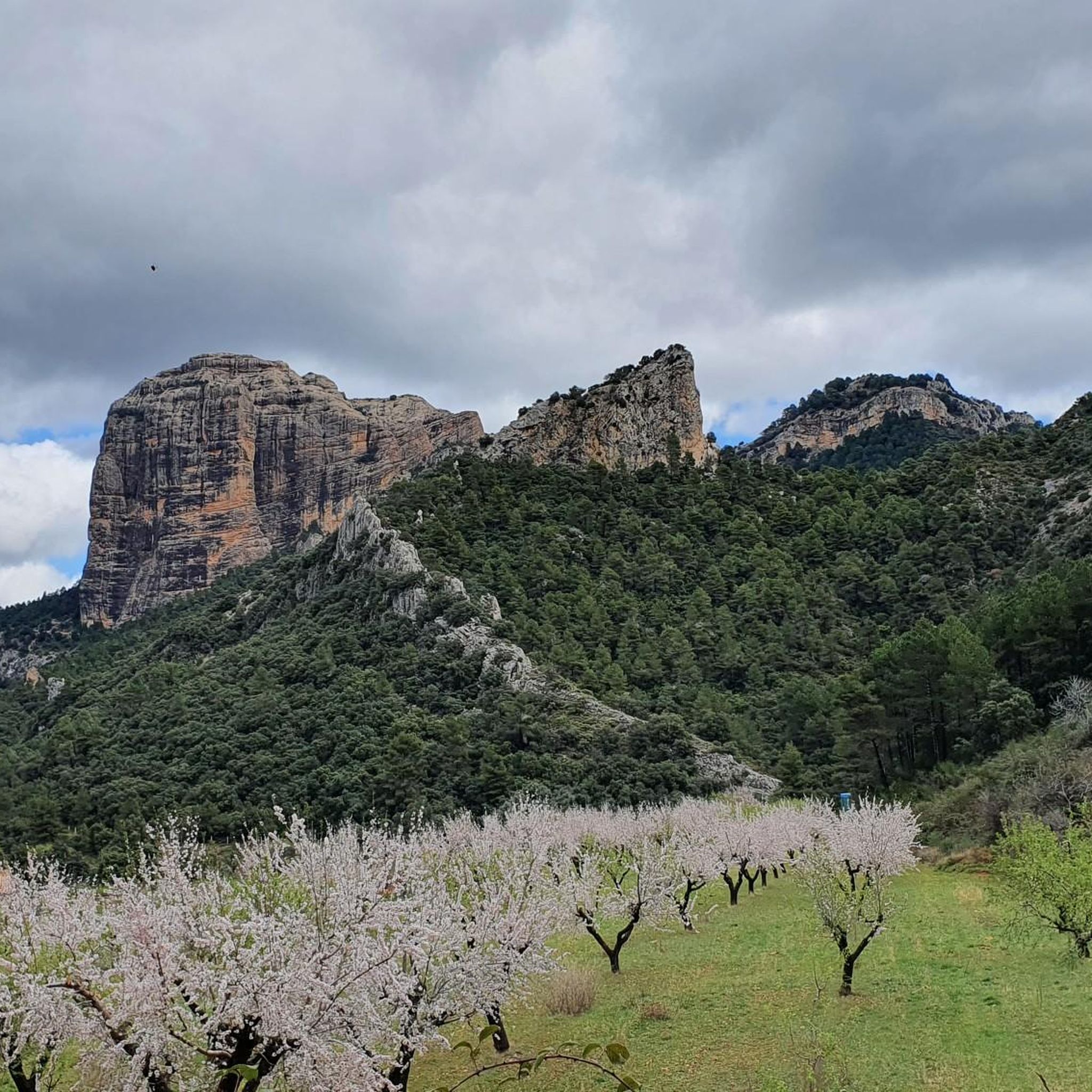
Ascent to Mont Caro from Tortosa
Highlight (Segment) • Climb
Translated by Google •
Tip by

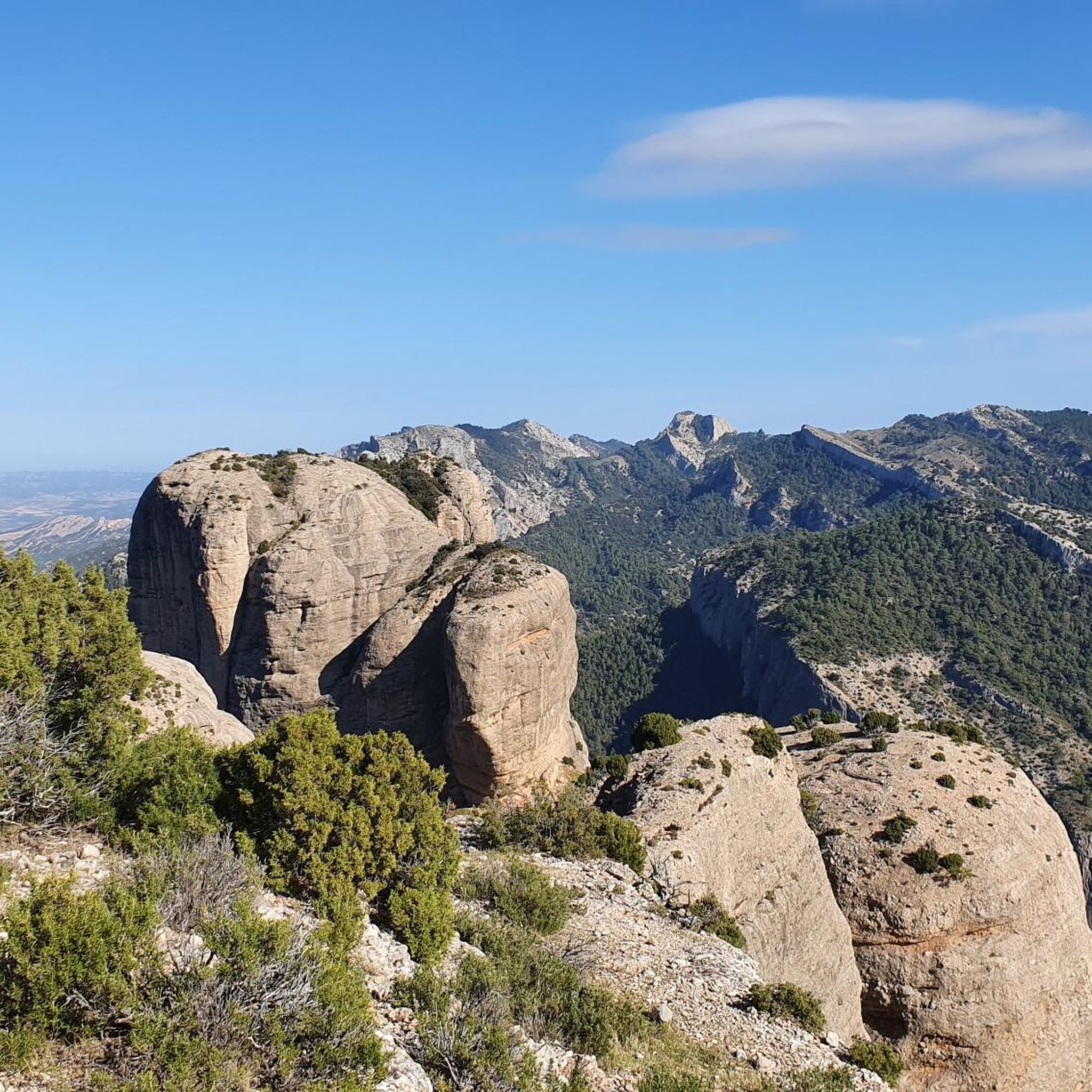
Pallers Pass
Highlight • Mountain Pass
Translated by Google •
Tip by

Sign up now to discover places like this
Get recommendations on the best single tracks, peaks, & plenty of other exciting outdoor places.
Sign up for free
Gilaberta Pass
Highlight • Mountain Pass
From this point we can ascend to the S. to Punta de l'Aigua (1092m), …
Translated by Google •
Tip by

Vallfiguera Pass
Highlight • Mountain Pass
Translated by Google •
Tip by

Coll de Carabasses
Highlight • Mountain Pass
The GR 7 and …
Translated by Google •
Tip by
Sign up for free to discover even more mountain passes around Parc Natural dels Ports.
Sign up for free
Already have an account?
Start today with a free account
Your next adventure awaits.
Login or Signup
Popular around Parc Natural dels Ports
10 hikes with teenagers — Catalan paradises
Six spectacular circular tours to discover Catalonia
A land of contrasts – Tarragona to the Pyrenees on the GR 7
Hiking around Parc Natural dels Ports
Running Trails around Parc Natural dels Ports
MTB Trails around Parc Natural dels Ports
Road Cycling Routes around Parc Natural dels Ports
Cycling around Parc Natural dels Ports

Gravel biking around Parc Natural dels Ports
Other adventures around Parc Natural dels Ports


Tips from the Community

pass that has a carpet of grass to rest or bivouac on, crossroads to reach different peaks
0
0

Wonderful vantage point with great views
3
0

We will visit corners of great beauty, brutal views of the Port
0
0

Mountain pass that is in the middle of the Portell group of mills, where it comes from the town of El Toscar and that goes in the direction of El Mascar, a group of houses that are located below Mont Caro.
1
0

Crossroads and crossing point that connects the Vall d'Uixò to the west with the Toscar in the Levant, the Caro in Migjorn and Paüls in Tramuntana. The GR 7 and the Estels del Sud route, which follows it throughout this stage, pass through this pass.
2
0
The Coll de Pallers (1218m) is the pass between Cresta del Marturi in the SW. and the ridge that leads to the Caro through the Gronsa and the Moleta Round to the NE.
2
0
Strategic pass that joins the Paüls slope through the Escudelleta ravine with the Vall del Magre. From this point we can ascend to the S. to Punta de l'Aigua (1092m), to the N, to Punta dels Raus (1088m) and Punta dels Llambrars (1056m), even to Tossal d'En Grilló (1072m) 💯 summits, being able to complete the round to Paüls by looking for the GR 171.
0
0

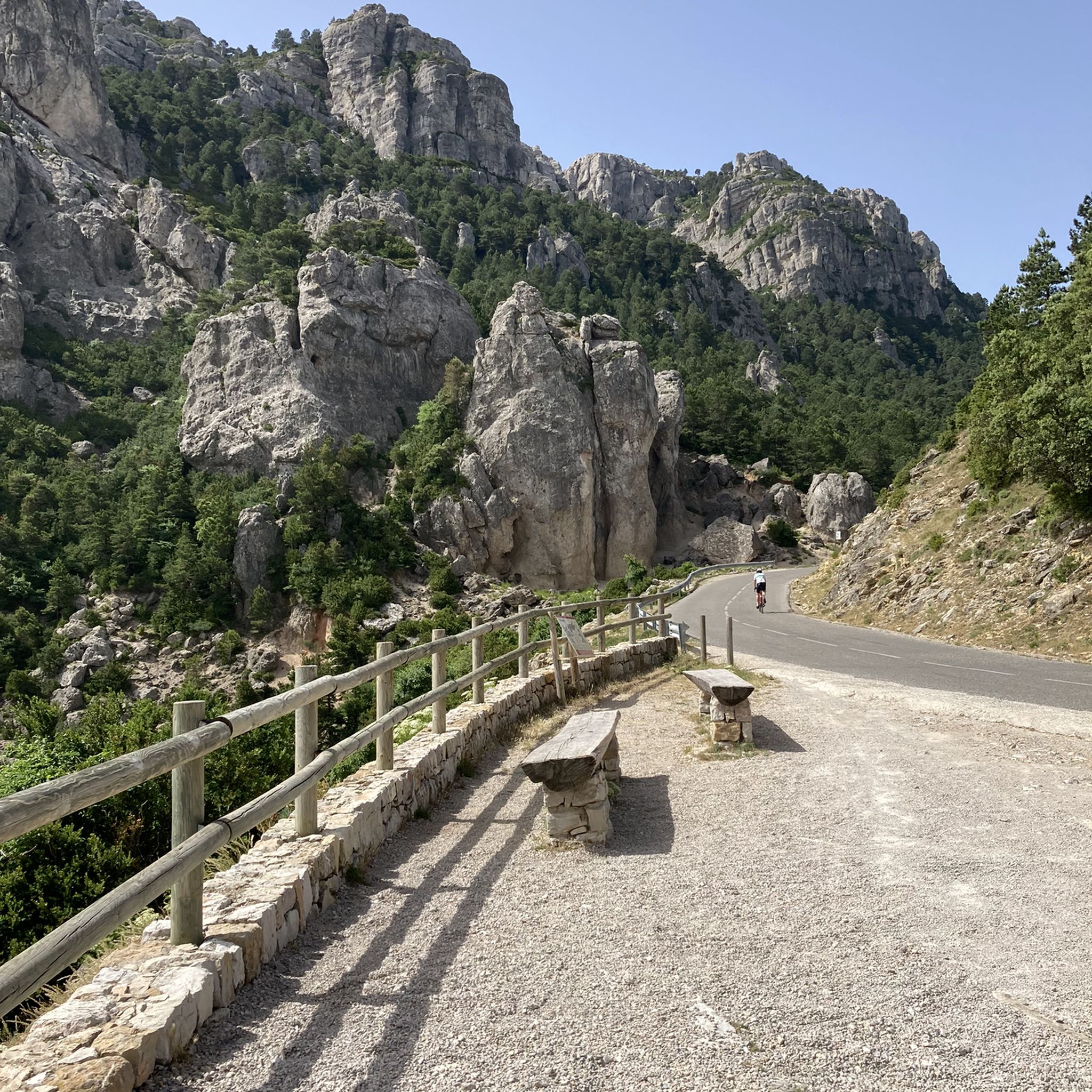
Mont Caro is one of the most difficult passes in the region. The climb is fairly steep but steady, with sections reaching 20% incline. Downhill cornering forces you to keep control of the brakes. The view from the top is worth it! Don't hesitate to take advantage of the panoramic viewpoints to catch your breath.
2
0
Frequently Asked Questions
What are some of the most notable mountain passes in Parc Natural dels Ports?
The Parc Natural dels Ports is home to several significant mountain passes. Among them, Ascent to Mont Caro from Tortosa stands out as the highest peak in the massif, offering exceptional panoramic views. Other notable passes include Pallers Pass, known for its wonderful vantage point, and Gilaberta Pass, an intermediate route through a forest with brutal views of the Port. The broader Beceite Mountain Passes area is also renowned for its wild character and impressive vistas.
What kind of views can I expect from the mountain passes in Parc Natural dels Ports?
The mountain passes in Parc Natural dels Ports offer diverse and breathtaking views. From the summit of Mont Caro, on clear days, you can reportedly see the Pyrenees and even the Balearic Islands. Passes like Pallers Pass and Gilaberta Pass provide wonderful vantage points over the dramatic landscapes, characterized by ravines, torrents, cliffs, and dense forests. The Beceite Mountain Passes area, particularly from points like La Picossa, offers impressive views of the massif and the Matarranya region.
Are there challenging mountain passes for experienced hikers or cyclists?
Yes, Parc Natural dels Ports is known for its challenging routes. The ascent to Mont Caro is particularly demanding for both hikers and cyclists, featuring steep sections up to 20% incline. Cyclists can also tackle the Fredes Pass and Bel Pass, which are part of a demanding 200 km cycling route with significant elevation gain. For hikers, the Beceite Mountain Passes offer long, high-difficulty routes, and multi-day treks like Estels del Sud traverse challenging passes such as Coll de la Creu, Coll de Xertó, and Coll de Pelele.
What outdoor activities can I do near the mountain passes in Parc Natural dels Ports?
Beyond exploring the passes themselves, the region offers a variety of outdoor activities. You can find numerous gravel biking routes, such as those along the Via Verde de la Terra Alta, which range from moderate to difficult. There are also many hiking opportunities, including waterfall hikes and challenging trails like the Mont Caro Viewpoint loop. For runners, the area provides difficult running trails, including the Montsagre de Paüls circular route and the climb to Mont Caro. For more details, explore the gravel biking, waterfall hikes, and running trails guides for the area.
What makes the mountain passes in Parc Natural dels Ports unique?
The mountain passes in Parc Natural dels Ports are unique due to their dramatic landscapes, rich biodiversity, and the sense of immersion in a wild and relatively untouched natural environment. The terrain features ravines, torrents, cliffs, and dense forests, providing diverse experiences. You'll encounter significant elevation changes and a mix of Mediterranean environments transitioning to cooler, higher-altitude areas. The park is also an important reserve for wildlife, including the Spanish ibex.
Are there mountain passes that offer a more secluded or forested experience?
Yes, some passes provide a more secluded and forested atmosphere. Gilaberta Pass is an intermediate mountain pass that takes you through a forest, connecting the Paüls slope with the Vall del Magre. Similarly, Vallfiguera Pass is situated amidst a forest, offering a tranquil experience. The broader Beceite Mountain Passes area is also known for its remote natural environments and solitary paths.
What is the best time of year to visit the mountain passes in Parc Natural dels Ports?
The Parc Natural dels Ports offers rewarding experiences throughout the year, but the best time to visit depends on your activity. Spring and autumn generally provide pleasant temperatures for hiking and cycling, with vibrant flora or colorful foliage. Summer can be hot, especially at lower altitudes, but higher passes like Mont Caro offer cooler conditions. Winter can bring snow to the highest peaks, making some routes more challenging but also very scenic for those equipped for cold weather.
Can I find multi-day hiking routes that incorporate several mountain passes?
Yes, the Parc Natural dels Ports is ideal for multi-day hiking adventures that traverse several passes. The Estels del Sud is a notable 6-day circular trek through the Ports massif, emphasizing the wild beauty of the area and including passes like Coll de la Creu, Coll de Xertó, and Coll de Pelele. The Beceite Mountain Passes also offer long, multi-stage hikes, covering significant distances and elevation across Teruel and Castellón, perfect for exploring remote environments.
What are some of the less-known but equally rewarding mountain passes to explore?
Beyond the most popular spots, you can discover other rewarding passes. Vallfiguera Pass, located in the middle of the Portell group of mills, offers a scenic route through a forest. Coll de Carabasses serves as an important crossroads and crossing point, connecting various valleys and being part of the GR 7 and the Estels del Sud route. These passes provide unique perspectives and often lead to other peaks or scenic areas.
Are there any specific passes that are part of historical or long-distance trails?
Yes, some passes are integral to established long-distance trails. Coll de Carabasses is a significant point where the GR 7 and the Estels del Sud route converge and pass through. This makes it a key location for those undertaking longer treks through the region, connecting various parts of the massif and offering a glimpse into the historical routes used for passage.
What kind of wildlife might I encounter around the mountain passes?
The Parc Natural dels Ports is renowned for its rich biodiversity, and while exploring the mountain passes, you have a good chance of encountering various wildlife. The park is an important reserve for the Spanish ibex, which can often be spotted in the rocky, higher-altitude areas. Other species, including various birds of prey and smaller mammals, also inhabit the diverse ecosystems of the massif, from dense forests to open cliffs.
Are there any passes suitable for intermediate-level adventurers?
Absolutely. Many passes in Parc Natural dels Ports cater to intermediate levels. Pallers Pass and Gilaberta Pass are both categorized as intermediate mountain passes, offering rewarding experiences without the extreme difficulty of the most challenging climbs. These passes often feature well-defined trails through forests or provide accessible viewpoints, making them perfect for those looking for a moderate adventure.
Most popular routes around Parc Natural dels Ports
Most popular attractions around Parc Natural dels Ports

Get inspired with the komoot mobile app


Explore more
See even more epic mountain passes by checking out these guides around Parc Natural dels Ports:
