Espai Natural de les Guilleries-Savassona
Espai Natural de les Guilleries-Savassona
Top 11 Natural Monuments around Espai Natural de les Guilleries-Savassona
Best natural monuments around Espai Natural de les Guilleries-Savassona are found within a protected area in the Osona region of Catalonia. This natural space connects Mediterranean and Pyrenean environments, featuring diverse landscapes and significant geological formations. The area is characterized by dramatic cliffs, serene reservoirs, and varied forests, offering a range of natural and historical points of interest. It provides opportunities to observe geological history, diverse ecosystems, and ancient human settlements.
Best natural monuments around Espai Natural de les Guilleries-Savassona
…Last updated: August 6, 2026
Sant Feliuet de Savassona Hermitage
Highlight • Religious Site
The church was …
Translated by Google •
Tip by

Pedra de les Bruixes Rock Engravings
Highlight • Historical Site
Translated by Google •
Tip by

Sign up now to discover places like this
Get recommendations on the best single tracks, peaks, & plenty of other exciting outdoor places.
Sign up for free
Petroglyphs of the Pedra de l'Home (Pla de Savassona)
Highlight • Historical Site
Translated by Google •
Tip by

The Stone of Sacrifices
Highlight • Historical Site
Translated by Google •
Tip by
Views of the Sant Feliu de Savassona hermitage
Highlight • Religious Site
Translated by Google •
Tip by

Sign up for free to discover even more natural monuments around Espai Natural de les Guilleries-Savassona.
Sign up for free
Already have an account?
Start today with a free account
Your next adventure awaits.
Login or Signup
Popular around Espai Natural de les Guilleries-Savassona
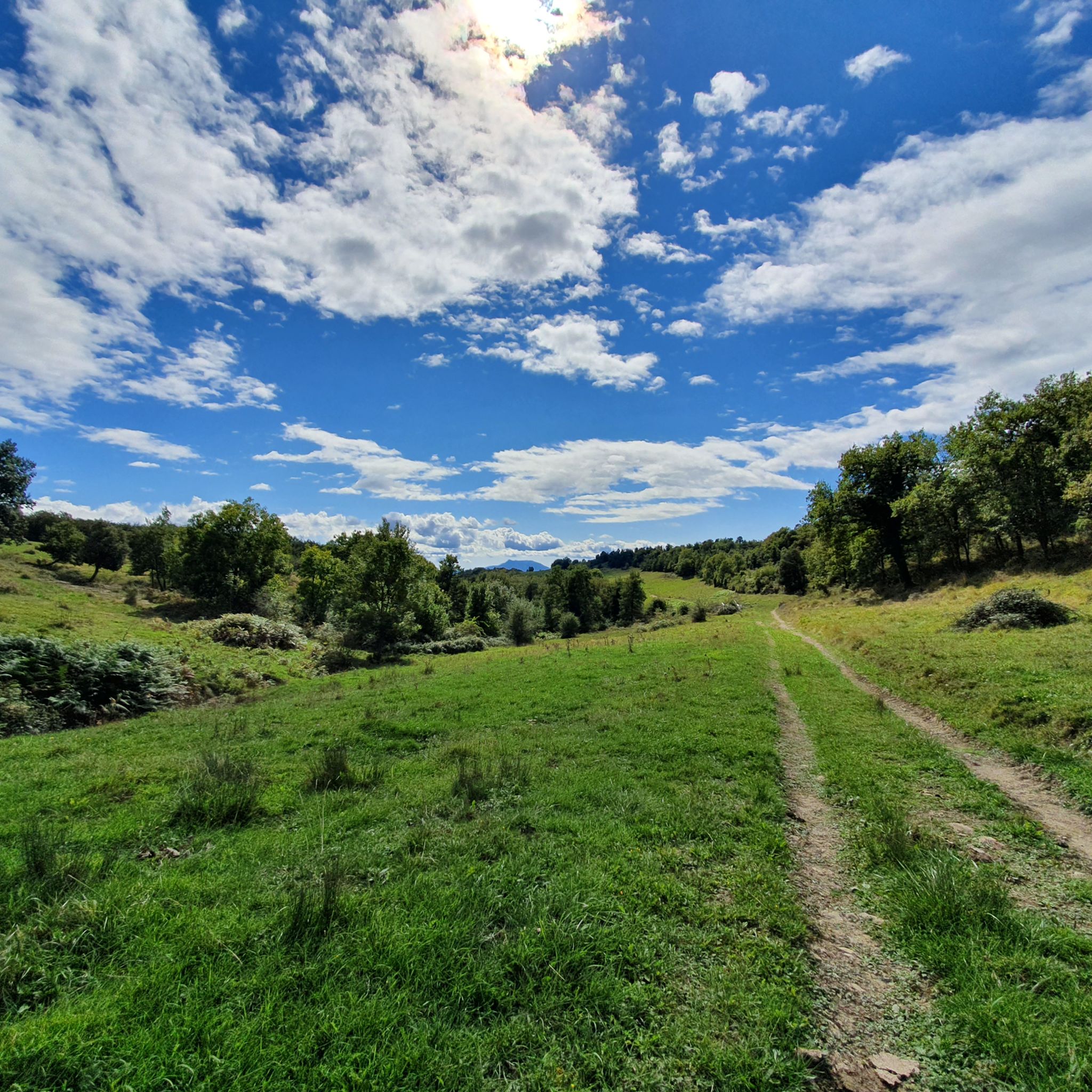
Hiking around Espai Natural de les Guilleries-Savassona
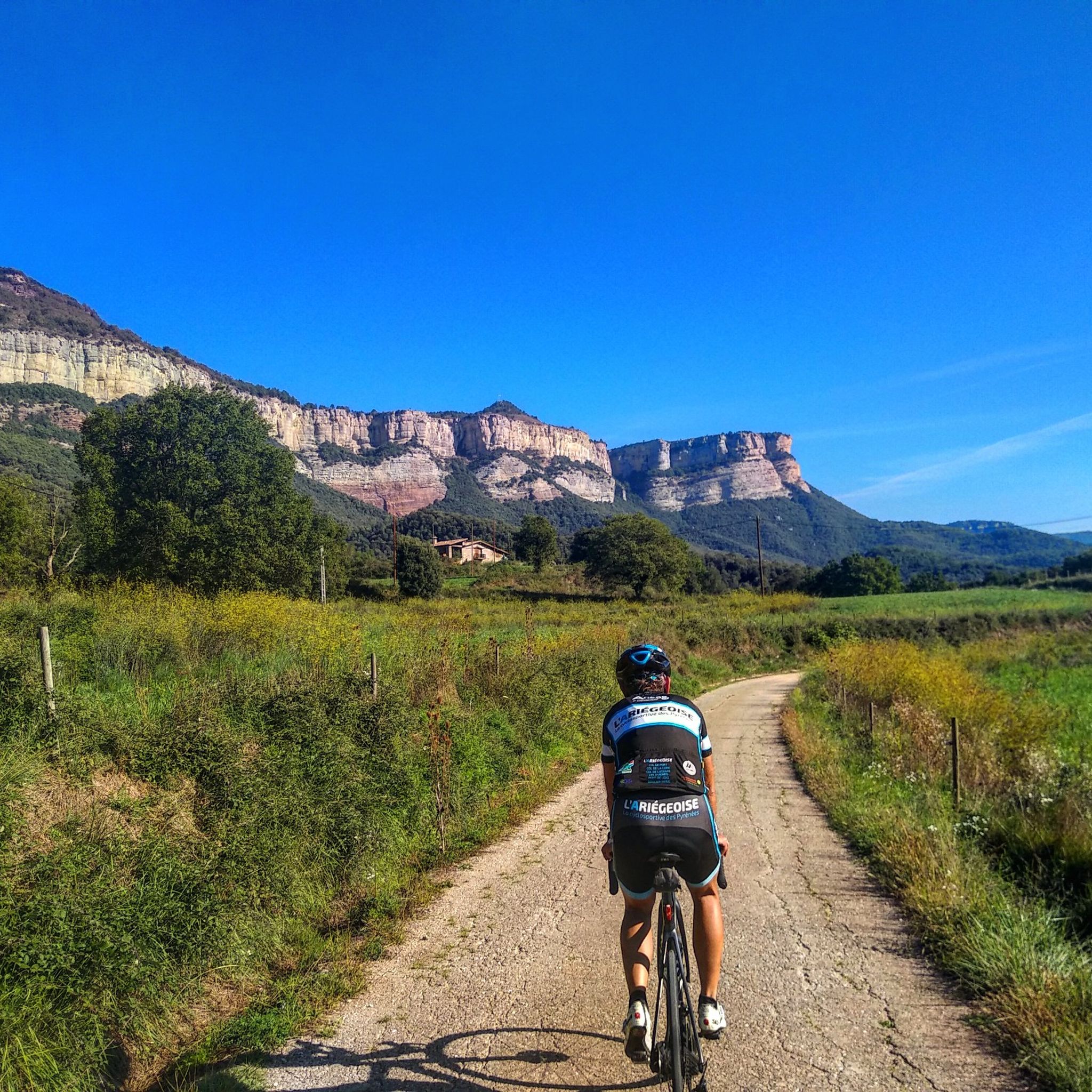
Road Cycling Routes around Espai Natural de les Guilleries-Savassona
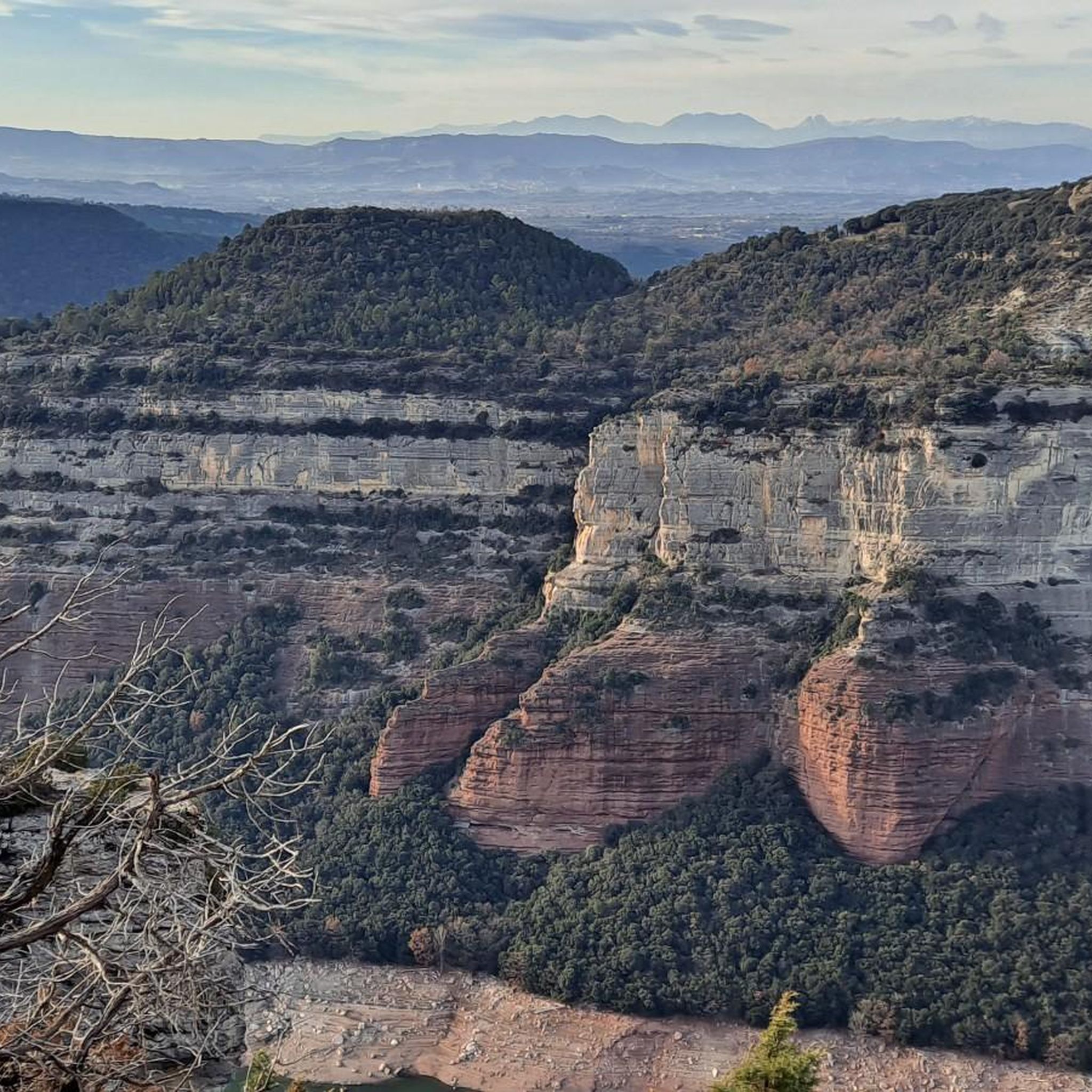
Cycling around Espai Natural de les Guilleries-Savassona
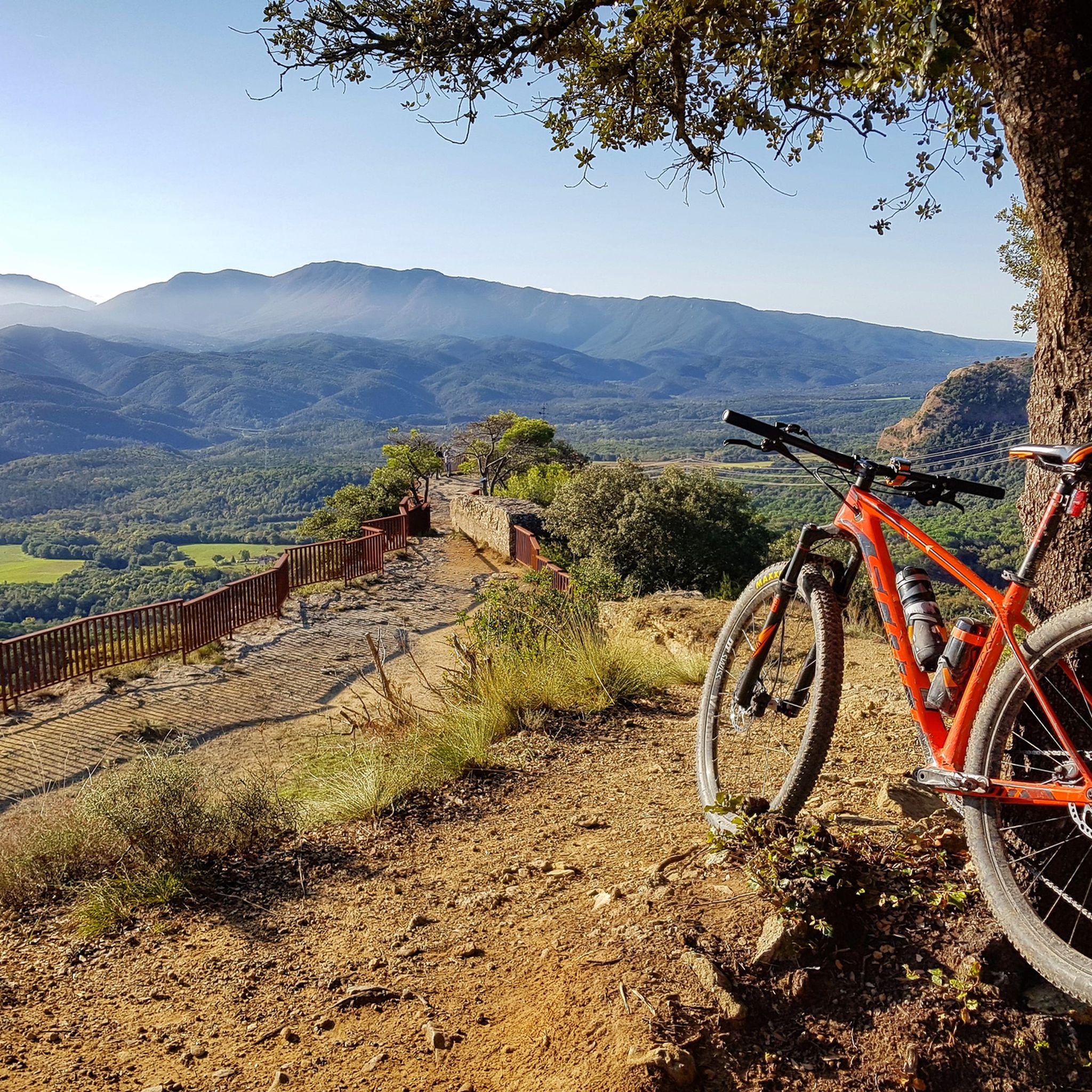
MTB Trails around Espai Natural de les Guilleries-Savassona
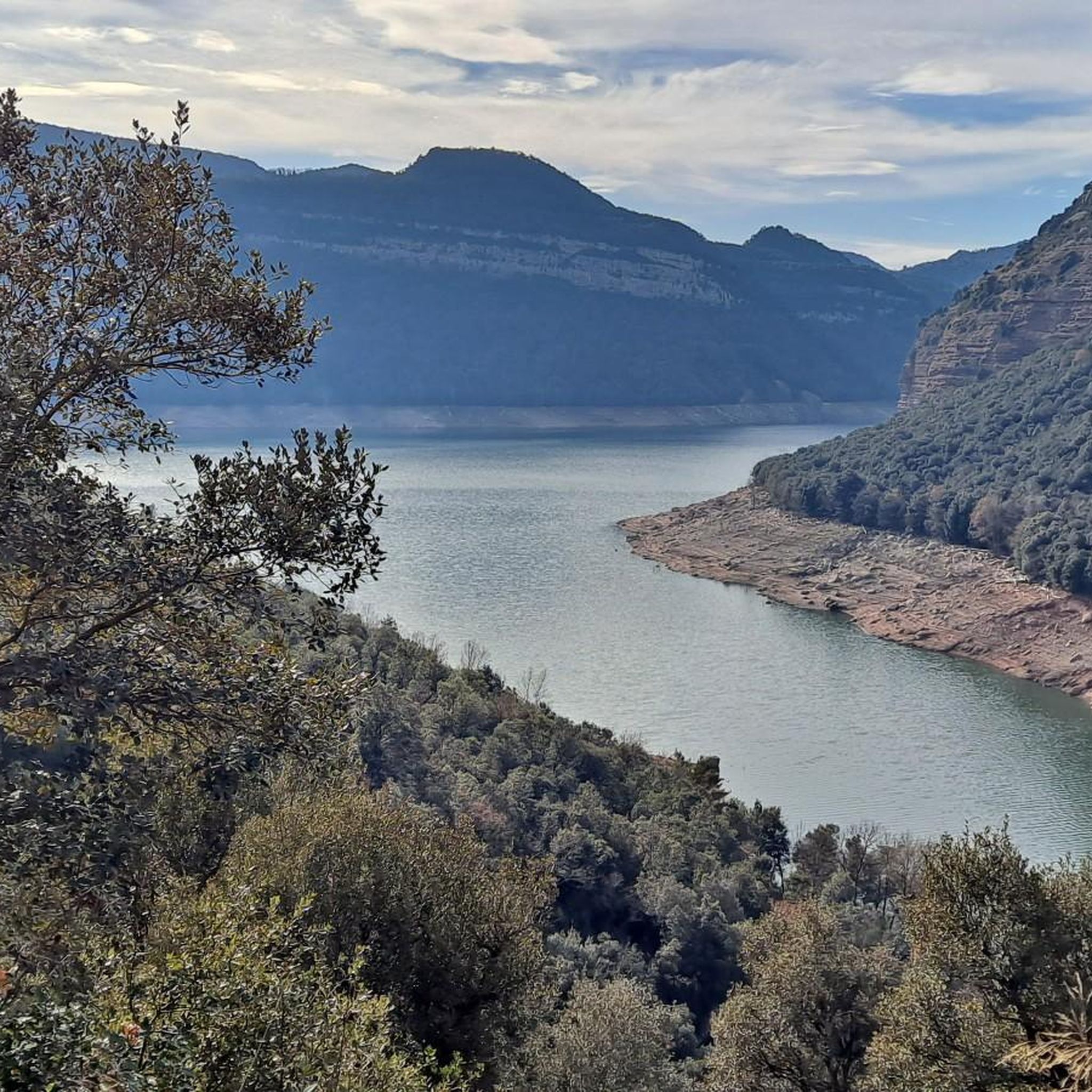
Running Trails around Espai Natural de les Guilleries-Savassona
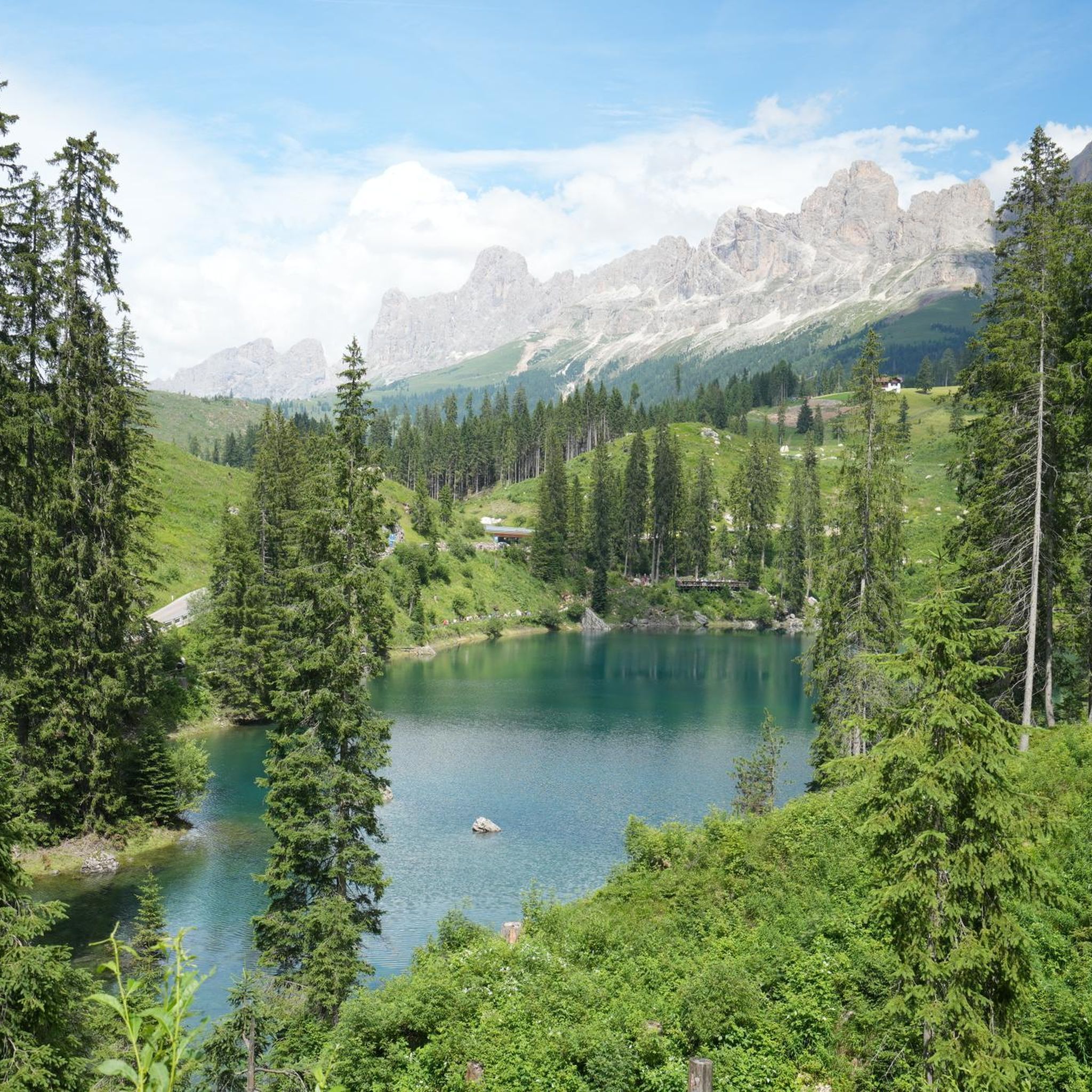
Gravel biking around Espai Natural de les Guilleries-Savassona
Tips from the Community

In the excavations of 1960, human remains, ceramics and arrowheads were found, which would be a NEOLITHIC pit.
0
0
Here you can see some impressive sunsets, with specially placed benches, to enjoy some views, and incredible sunsets 🤩
0
0
On this rock we can see the figure of a man engraved, although it is a little difficult to see because of the moss that covers it.
0
0

Itinerary through the Plan de Savassona that includes the Romanesque hermitage of Sant Feliu as well as medieval remains such as anthropomorphic tombs, medieval stairs, several engraved stones used for sacrifices and magical acts: The Dau, Stone of Sacrifices, Stone of the Witches, Stone of the 'Man. https://parcs.diba.cat/documents/75109/15894265/p02d067.pdf/9ed9c436-da7a-4c78-b59a-bab3ad98e942
0
0

The Pla de Savassona, in the heart of the natural area, houses an interesting archaeological site that includes various rocks with engravings and Neolithic, Iron Age, Iberian and medieval remains. The one known as the stone of Man, for example, presents an anthropomorphic petroglyph, while the stone of the Witches presents engravings in the shape of a horseshoe and a cross. Under the Sacrifice stone, one of the largest in the site, two tombs have been found.
2
1

One of the most spectacular engravings that can be found in Plan de Savassona is that of the anthropomorphic figure on the small stone known as Pedra de l'Home or Pedra del Nen. It is a figure made with a very well-marked stroke with a very large head and incisions representing the eyes and mouth or nose. The shapes are disproportionate and simple. She seems asexual, although some studies attribute her female sex. On the same stone we see many very different marks, but a combination of elements around the human figure that wants to represent a goat or similar animal stands out. The anthropomorphic figure was particularly affected by mosses, algae and lichens. During the cleaning work carried out in the summer of 2012, it was possible to identify a red stain caused by some cremation done on the rock at some undetermined time. The Pedra de l'Home has been granted BCIN (Cultural Property of National Interest) degree of protection.
1
2
It is a large stone with a central cleft that divides it into two halves, which has a great density and diversity of engravings. There are more than a hundred representations: fifty cruciform elements dominated by the Latin cross topped with small bowls at the ends; nine horseshoes; six casseroles; several circles; and other figures among which stand out two V-shaped, two 8-shaped, and three combinations of peculiar elements. The variety of motifs and techniques used do not allow defining a single meaning or a single chronology. The most frequent chronological attributions range from the Bronze Age to the medieval period.
1
1

The Stone of the Witches is a large natural stone with a large central crack that divides it into two halves. On this stone you can see a lot of medieval engravings - more than 50 crosses, 9 horseshoes, 6 bowls, various circles and other figures. According to legend, these marks were made by witches who were at odds with the Baron of Savassona. It seems that the Baron of Savassona was connected to the Inquisition and the witches wanted to send him a warning.
1
1
Frequently Asked Questions
What are some of the most striking natural monuments to explore in Espai Natural de les Guilleries-Savassona?
The region offers several impressive natural monuments. A must-see is the View of the Cingles de Tavertet from Sau Reservoir, offering panoramic views of the reservoir and the dramatic cliffs. Another significant site is the Sant Feliuet de Savassona Hermitage, perched on a hill overlooking the Ter river, which combines natural beauty with historical architecture. You can also discover the unique geological formations and ancient engravings at the Pedra de les Bruixes Rock Engravings.
Are there any natural monuments with historical or archaeological significance in the area?
Yes, the Espai Natural de les Guilleries-Savassona is rich in historical natural monuments. The Sant Feliuet de Savassona Hermitage is not only a beautiful viewpoint but also a historical site with pre-Romanesque architecture and nearby anthropomorphic graves. Additionally, the Stone of Sacrifices was an Iron Age burial place, and the Petroglyphs of the Pedra de l'Home (Pla de Savassona) feature ancient rock engravings, including an anthropomorphic figure.
What kind of geological features can I observe within the natural monuments of Espai Natural de les Guilleries-Savassona?
The region is renowned for its significant geological features. The dramatic
Cliffs of Tavertet
are composed of sedimentary materials from the Eocene period, revealing distinct bands of marl, conglomerates, and limestones, often rich in fossils. The Savassona Area also features distinctive large stone blocks and unique rock formations that have been shaped over millennia.What outdoor activities can I do near these natural monuments?
The rugged landscape of Espai Natural de les Guilleries-Savassona is ideal for various outdoor activities. You can enjoy hiking, with many trails offering breathtaking views. For example, there are several easy hikes around the area, including routes near Sant Feliuet de Savassona. Gravel biking is also popular, with challenging routes like the Romegats Pass. For runners, there are numerous running trails, such as the moderate loop from Tavèrnoles.
Are there any viewpoints that offer panoramic vistas of the region's natural monuments?
Absolutely. The View of the Cingles de Tavertet from Sau Reservoir provides a stunning panoramic perspective of the reservoir and the surrounding mountains. Another excellent natural viewpoint is Puig del Far (Santuari del Far), which stands at over 800 meters and offers extensive views of the entire Espai Natural.
What makes the Sau Reservoir a significant natural monument?
The Sau Reservoir (Pantà de Sau) is one of the most emblematic landscape elements of the region. Surrounded by impressive cliffs, it offers spectacular scenery and is part of a system of three reservoirs. Its presence creates a unique landscape, and during dry periods, the bell tower of the submerged village of Sant Romà de Sau becomes visible, adding a historical dimension to its natural beauty.
What kind of wildlife and vegetation can I expect to see in the Guilleries Massif?
The Guilleries Massif is characterized by its dense and varied forests, which include beech, oak, and holm oak, reflecting a transition between Mediterranean and Euro-Siberian vegetation. This diverse ecosystem provides a habitat for a rich array of wildlife, such as wild boars, foxes, eagles, and various amphibians, making it an excellent spot for nature observation.
Is the Espai Natural de les Guilleries-Savassona suitable for family visits?
The area offers diverse landscapes and activities that can be enjoyed by families. While specific family-friendly highlights are not explicitly listed, the varied terrain, historical sites, and opportunities for easy hikes (like those found in the Easy hikes around Espai Natural de les Guilleries-Savassona guide) make it a good option for outdoor-loving families.
What is the significance of the Salt de la Minyona?
The Salt de la Minyona is notable for a meteorological phenomenon called thermal inversion, where cooler air is trapped in valleys, leading to the formation of fogs and cloud seas. This high humidity positively influences the local vegetation, contributing to the area's unique natural environment.
What do visitors enjoy most about the natural monuments in Espai Natural de les Guilleries-Savassona?
Visitors particularly appreciate the spectacular scenery, especially the panoramic views from spots like the View of the Cingles de Tavertet from Sau Reservoir. The combination of towering cliffs, serene reservoirs, and lush forests creates a visually stunning environment. Many also enjoy the geological significance of the exposed rock faces and the rich biodiversity, making it a great location for nature observation and active tourism.
Are there any unique natural phenomena or features to look out for?
Beyond the dramatic cliffs and reservoirs, the region offers unique features like the thermal inversion phenomenon at Salt de la Minyona, which creates fogs and cloud seas. The Savassona Area is also known for its distinctive large stone blocks and ancient structures intertwined with nature, offering a blend of natural and cultural intrigue.
Most popular routes around Espai Natural de les Guilleries-Savassona
Most popular attractions around Espai Natural de les Guilleries-Savassona

Get inspired with the komoot mobile app


Explore more
Extend your search for the best caves by checking out these guides of the top ones around Espai Natural de les Guilleries-Savassona:
