Top 10 Natural Monuments around National Park Sierra Espuña
Natural monuments around National Park Sierra Espuña showcase a diverse landscape in the Murcia region of Spain. The park features varied terrain, including extensive forests, arid badlands, and high-mountain areas, resulting from its uneven relief and significant reforestation efforts. These natural features, combined with historical elements like the Pozos de Nieve, offer insights into the region's geology and human interaction with the environment. The park is recognized for its unique geological formations and diverse ecosystems.
Best natural monuments around National…
Last updated: May 30, 2026
Collado Bermejo
Highlight • Mountain Pass
Translated by Google •
Tip by

Morrón de Alhama Summit
Highlight • Summit
Translated by Google •
Tip by

Sign up now to discover places like this
Get recommendations on the best single tracks, peaks, & plenty of other exciting outdoor places.
Sign up for free
Morra de las Moscas
Highlight • Summit
Translated by Google •
Tip by

Airplane Viewpoint
Highlight • Viewpoint
Translated by Google •
Tip by
Views of El Peñón
Highlight • Viewpoint
Translated by Google •
Tip by

Sign up for free to discover even more natural monuments around National Park Sierra Espuña.
Sign up for free
Already have an account?
Start today with a free account
Your next adventure awaits.
Login or Signup
Popular around National Park Sierra Espuña
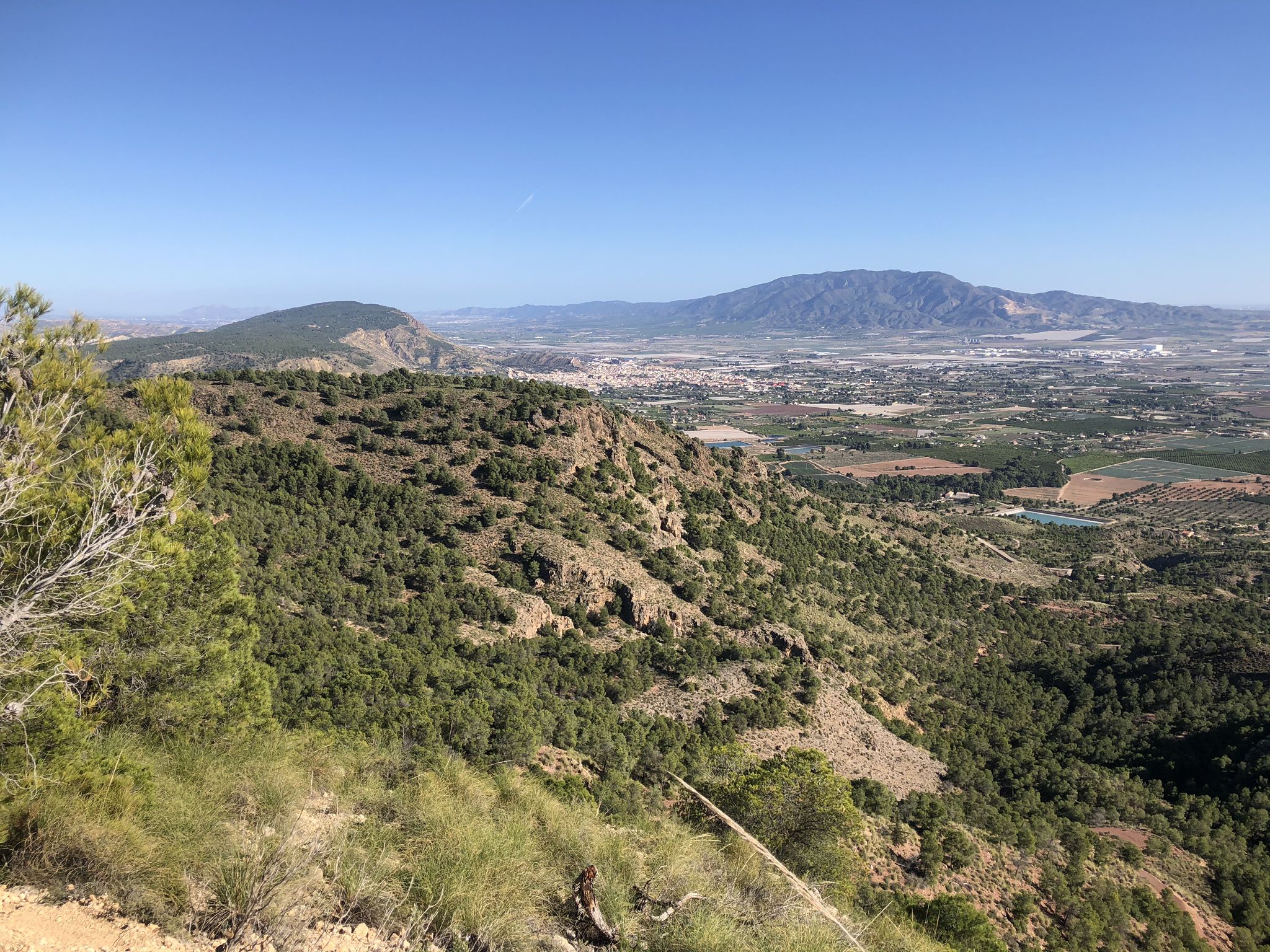
The lungs of Murcia in Spain – Sierra Espuña
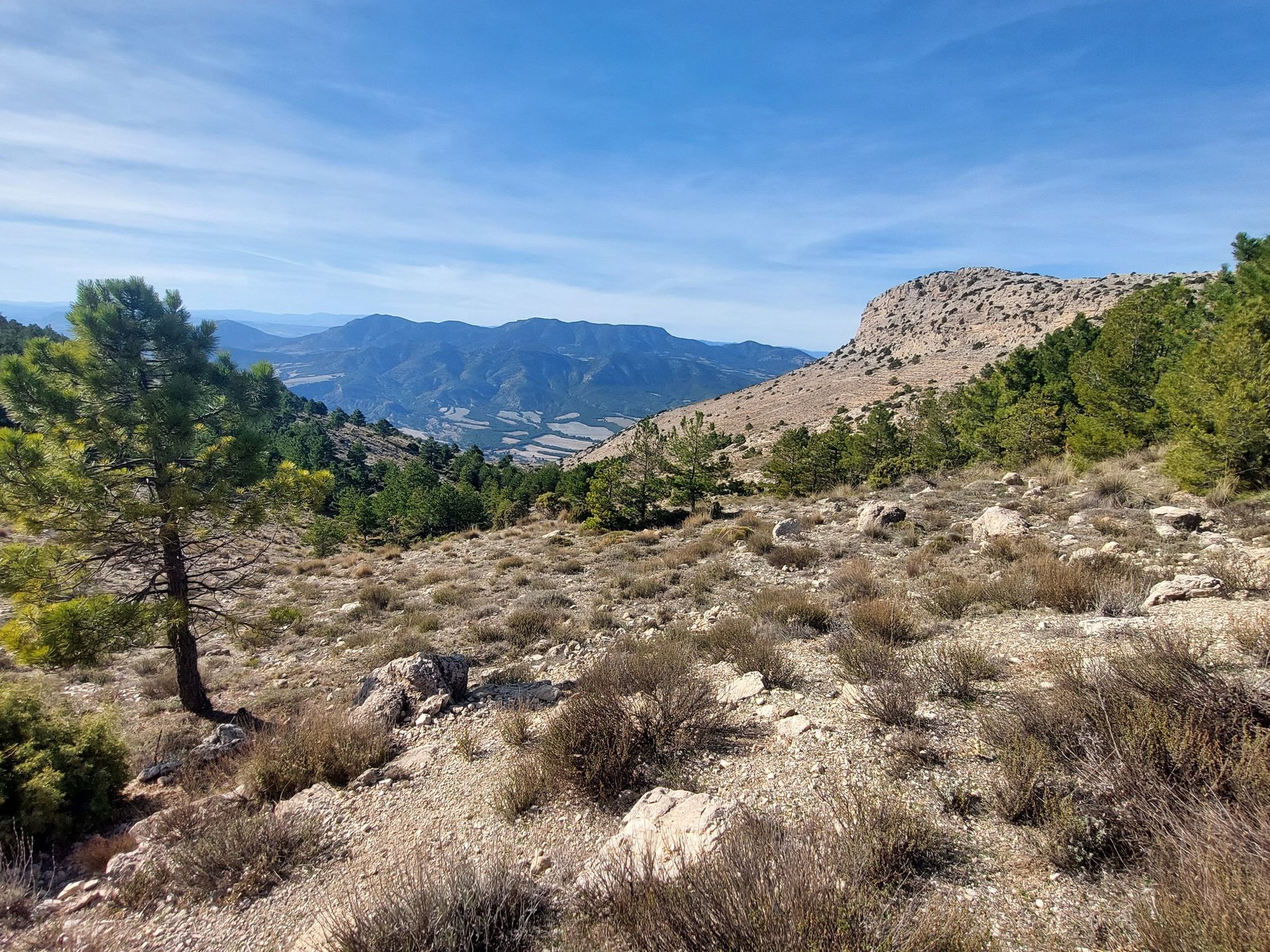
Badlands, limestone hills and pine forests – cycle around Sierra Espuña
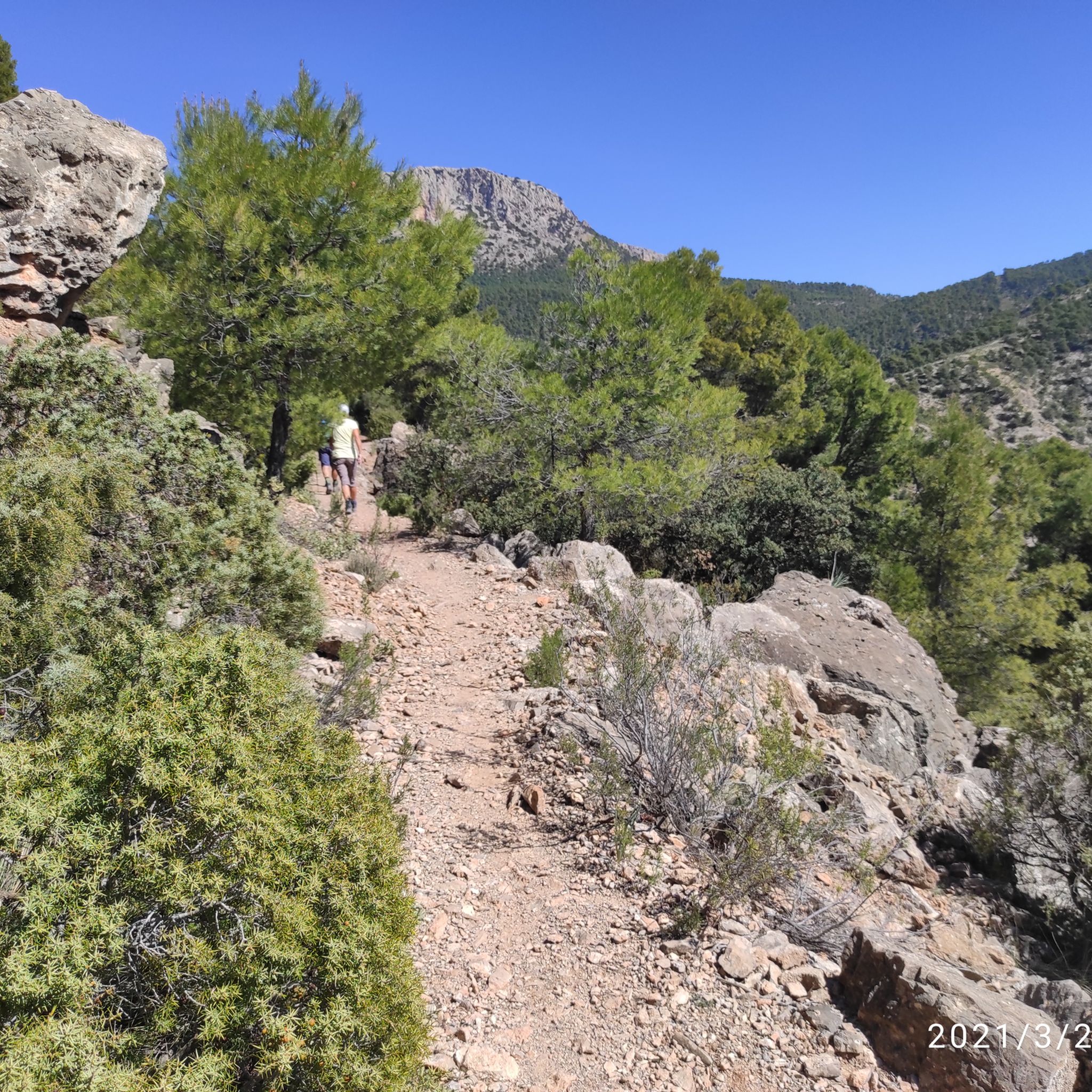
Hiking around National Park Sierra Espuña
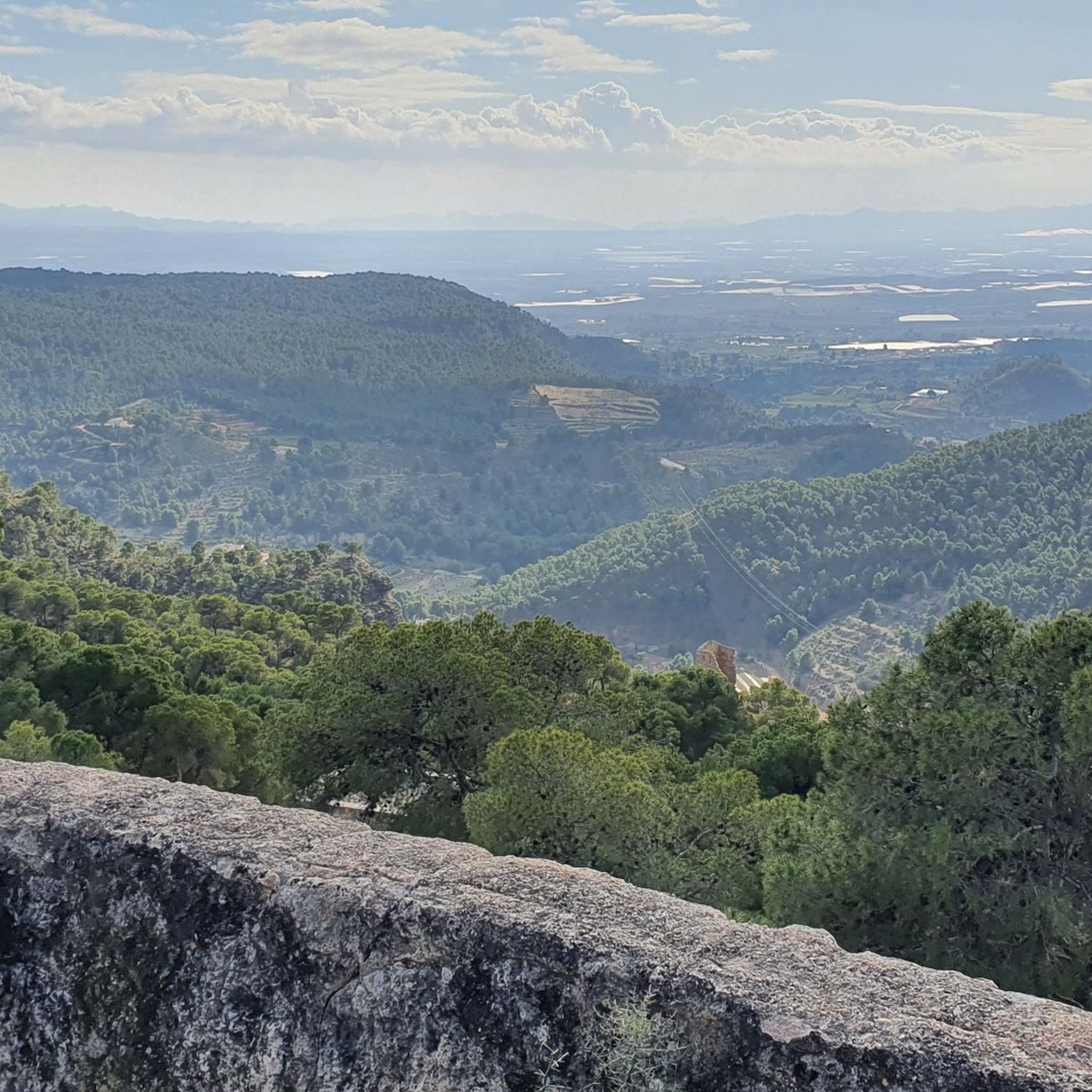
MTB Trails around National Park Sierra Espuña
Road Cycling Routes around National Park Sierra Espuña
Running Trails around National Park Sierra Espuña
Cycling around National Park Sierra Espuña

Gravel biking around National Park Sierra Espuña
Other adventures around National Park Sierra Espuña


Tips from the Community

Beautiful views of the Pedro López peak
0
0
From the Ricardo Codorniú Visitor Centre, a very long forest track leads up to this mountain pass.
0
0

Very beautiful loop starting from La Perdrix which leads to Morrón de Alhama via the Portillo pass, the Blanco pass and the descent via Carascoy.
1
1

Cruce de los Molejones, at this point several paths and roads converge
0
0

Good summit to link Collado Mangueta and Morrón de Alhama.
0
0

Summit of the pass through the Enspuña.
0
0

From the track there are magnificent views of the bare limestone cliff known as El Peñón. The white vertical wall devoid of vegetation stands out between the green of the forest and the blue of the sky.
0
0

Located in the Sierra Espuña and at an altitude of 1,201 m, we reach the Bermejo pass accompanied by a pine forest during the ascent and where we find a beautiful viewpoint. At this point, a brief false flat is imposed to recover energy and breath and contemplate the panorama and places as beautiful as Umbría de Peña Apartada, Peña Apartada itself, Cerro de la Garita, and of course, the deep and green Valley of the Espuna River. To the north, we find the Morrón de Espuña, and to the west the Barranco de Enmedio, El Purgatorio and the Pedro López hill.
1
1
Frequently Asked Questions
What diverse natural features can I explore in Sierra Espuña National Park?
Sierra Espuña National Park offers a wide range of natural features. You can discover the striking, arid landscape of the Barrancos de Gebas, often described as a 'badlands' or lunar environment, with its unique geological formations. The park also features impressive limestone cliff faces like Paredes de Leyva, and high tablelands such as La Muela Plateau, which provides expansive panoramic views. Additionally, you can explore deep ravines like Barranco de la Hoz, showcasing the park's dramatic geology.
Are there any historical natural monuments in Sierra Espuña National Park?
Yes, the Pozos de Nieve (Snow Pits) are significant historical and cultural monuments within the park. Dating back to the 16th century, these large, circular holes were used to store snow in winter and distribute it as ice during warmer months. Visiting them offers a fascinating glimpse into past resource management practices amidst breathtaking mountain scenery.
What are some of the best viewpoints to experience the natural beauty of Sierra Espuña?
For stunning vistas, consider visiting Collado Bermejo, a mountain pass offering panoramic views of the Sierra, including Umbría de Peña Apartada and the Valley of the Espuña River. Another excellent spot is Airplane Viewpoint, which provides picturesque views of the entire Sierra Espuña regional park and the Huerta de Murcia valley. The summit of Morrón de Alhama also offers spectacular views of the regional park and the Guadalentín valley.
What kind of wildlife can I spot around the natural monuments in Sierra Espuña?
Sierra Espuña is a haven for wildlife. The park is a Special Protection Area for birds, so you might spot numerous species, including majestic eagle owls and golden eagles. The diverse flora, with almost a thousand different plant species, also supports a rich variety of other fauna throughout the different natural monument areas.
What outdoor activities can I do near these natural monuments?
The region around Sierra Espuña National Park is ideal for various outdoor activities. You can find numerous hiking opportunities, from moderate to difficult, such as the 'Purgatory Trail' or the 'Regional Park of Serra Espuña — Circular via the Leiva Ravine'. For cyclists, there are road cycling routes like the 'Tajo-Segura Transfer Canal loop'. You can explore more options on the Hiking around National Park Sierra Espuña and Road Cycling Routes around National Park Sierra Espuña guide pages.
Are there family-friendly natural monuments or activities in Sierra Espuña?
While specific 'family-friendly' categories aren't always assigned to natural monuments, many areas within Sierra Espuña offer accessible trails and viewpoints suitable for families. The general park environment, with its diverse landscapes and opportunities for gentle walks, can be enjoyed by all ages. For specific routes, look for 'easy' difficulty trails in the nearby hiking guides, such as those found on the Waterfall hikes around National Park Sierra Espuña page, which includes shorter loops.
What is the best season to visit the natural monuments in Sierra Espuña?
The Sierra Espuña National Park can be visited year-round, but the best season often depends on your planned activities. Spring and autumn offer pleasant temperatures for hiking and exploring, with vibrant flora in spring and beautiful colors in autumn. Summers can be hot, especially in the arid areas like Barrancos de Gebas, making early mornings or late afternoons preferable. Winters can be cool, and higher elevations like Pico Morrón or the Pozos de Nieve may experience snow, offering a different, serene experience for winter hiking.
Are there easy hiking routes to access some of the natural monuments?
Yes, there are easier routes available. For example, the Airplane Viewpoint can be reached via several trails of varying difficulty, including easier options. When planning your visit, consult the Waterfall hikes around National Park Sierra Espuña guide, which lists routes like 'Hiking loop from Cabezo de los Castillicos' and 'Airplane Viewpoint loop from Cabezo de los Castillicos' as easy difficulty.
What makes the Cuchillos de El Bosque unique among Sierra Espuña's natural monuments?
The Cuchillos de El Bosque are distinctive rock formations that stand out as a highlight of Sierra Espuña. These formations are a prime example of the unique geological processes that have shaped the park's landscape, offering a visually striking contrast to other features and contributing to the park's dramatic scenery.
Can I find cafes or refreshment spots near the natural monuments?
While the natural monuments themselves are often in wilder, undeveloped areas, the towns and villages surrounding Sierra Espuña National Park, such as Alhama de Murcia or Totana, offer various cafes, restaurants, and shops where you can find refreshments and meals before or after your exploration. It's always advisable to carry water and snacks, especially when venturing into more remote parts of the park.
What is the highest point I can visit in Sierra Espuña National Park?
While Pico Morrón is the highest peak in Sierra Espuña at 1,583 meters, its summit is a military area and not directly accessible. However, the surrounding areas provide challenging hiking opportunities and stunning vistas. For accessible high points with incredible views, consider Morra de las Moscas, which offers panoramic views above 1,500 meters, or Morrón de Alhama Summit at 1444 meters.
Are there any permits required to visit the natural monuments in Sierra Espuña?
Generally, no specific permits are required for general access to the natural monuments and trails within Sierra Espuña National Park for recreational purposes. However, for certain activities like rock climbing on features such as Paredes de Leyva, or for organized events, it's always best to check with local park authorities or information centers for any specific regulations or requirements that might apply.
Most popular routes around National Park Sierra Espuña
Most popular attractions around National Park Sierra Espuña

Get inspired with the komoot mobile app


Explore more
Extend your search for the best caves by checking out these guides of the top ones around National Park Sierra Espuña:
