Top 5 Natural Monuments around Reserva Natural do Estuário do Sado
Best natural monuments around Reserva Natural do Estuário do Sado are found within a diverse landscape between Alcácer do Sal, Comporta, and Setúbal. This region is characterized by the Sado River estuary, which supports a rich biodiversity including Portugal's only resident population of bottlenose dolphins. The reserve encompasses vital habitats such as salt marshes, mudflats, and coastal dunes, alongside cork oak and pine forests. It is recognized as an important wetland for over 200 bird species, offering opportunities for wildlife…
Last updated: August 6, 2026
Carrasqueira Palafitic Pier
Highlight • Monument
Translated by Google •
Tip by

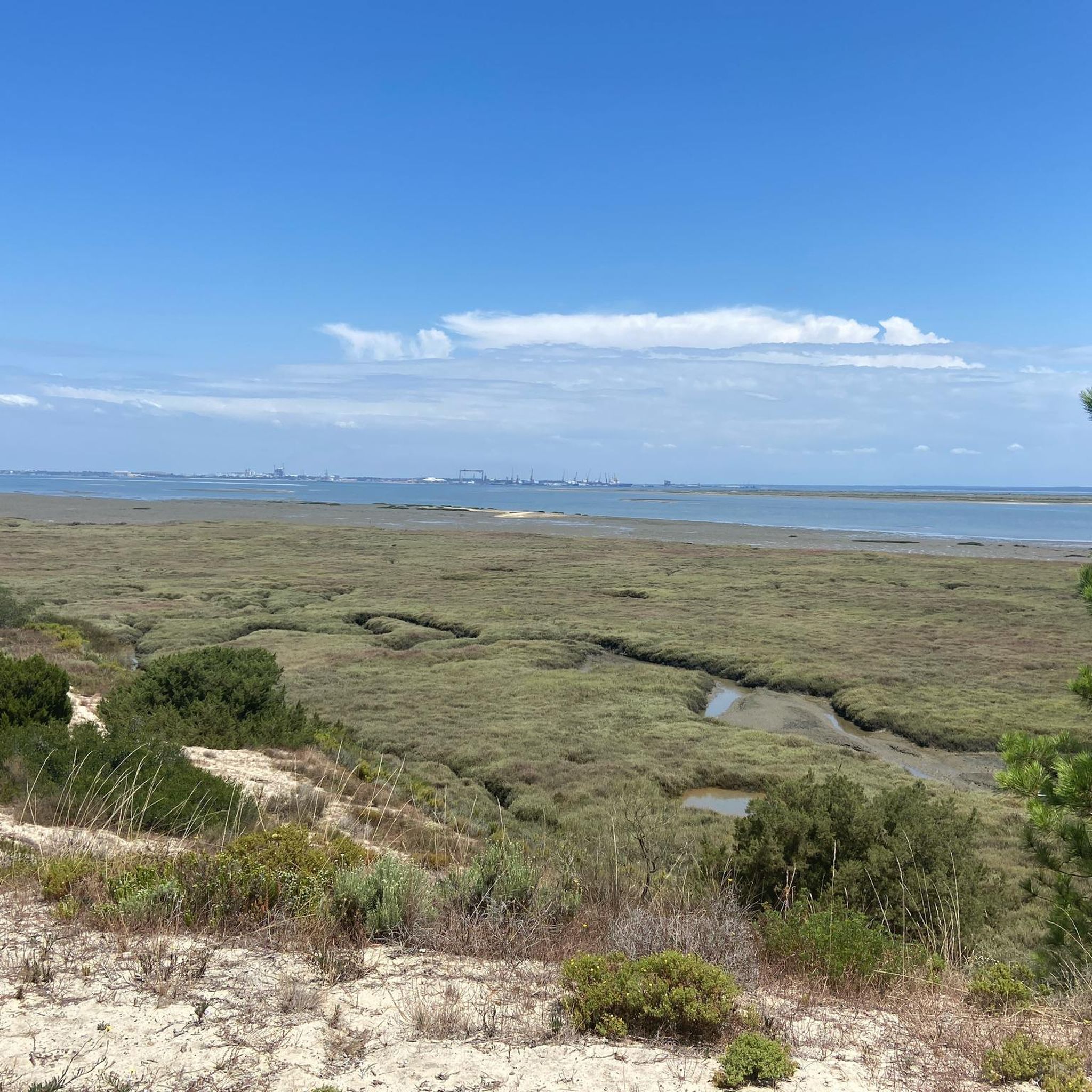
Sado Estuary Nature Reserve
Highlight • Natural
Translated by Google •
Tip by

Sign up now to discover places like this
Get recommendations on the best single tracks, peaks, & plenty of other exciting outdoor places.
Sign up for free
Scenic dune landscape
Highlight • Natural
Translated by Google •
Tip by
View of the Sado Estuary Nature Reserve
Highlight (Segment) • Viewpoint
Tip by

Mourisca Tide Mill
Highlight (Segment) • Monument
Check the tide table, better to go during the low tide ! More chances to see birds. Golden hours sunrise or sunset will be the best !
Translated by Google •
Tip by

Sign up for free to discover even more natural monuments around Reserva Natural do Estuário do Sado.
Sign up for free
Already have an account?
Start today with a free account
Your next adventure awaits.
Login or Signup
Popular around Reserva Natural do Estuário do Sado
Road Cycling Routes around Reserva Natural do Estuário do Sado
Cycling around Reserva Natural do Estuário do Sado
Hiking around Reserva Natural do Estuário do Sado
MTB Trails around Reserva Natural do Estuário do Sado
Running Trails around Reserva Natural do Estuário do Sado

Gravel biking around Reserva Natural do Estuário do Sado
Tips from the Community

Carrasqueira is probably the most traditional of the small villages in Comporta. It is located 1:15 from Lisbon, on the banks of the mouth of the Sado River, opposite Setùbal. It is famous for its port on stilts, with old wooden mooring lines for the local fishing boats. Carrasqueira in Comporta also houses original fishing huts. Carrasqueira’s farmlands and estuary have been exploited by migrant workers who have settled in the traditional fishermen’s huts over the years. They have been preserved and used in this way for decades. They are also known as “Comporta cabanas” and are the inspiration for more recent constructions in the region that combine wood, traditional masonry and thatched roofs. These fishing huts are now protected and are part of Comporta’s historical heritage. The village of Carrasqueira has a large main street where most commercial activities are located. This includes restaurants, bars, cafes and some small general stores and supermarkets.
6
1

Recommendation: Check the tide table to find low tide. Check the tide table, better to go during the low tide ! More chances to see birds. Golden hours sunrise or sunset will be the best !
0
0
The Carrasqueira Comporta Palafítico Pier is a place known for being an architectural masterpiece and promises to be an excellent choice for any season of the year. This piece was built between the 50s and 60s, with irregular wooden stakes, fragile in appearance. Today it is intended to serve as a pier for fishing boats that dock there, and has a few hundred meters where you can walk. The Palafítico Pier is one of the most visited places in the municipality because it allows you to see the boats up close and some birds from the Sado Estuary area, all while walking around the site. If you like, you can also watch the sunset from this pier.
11
0

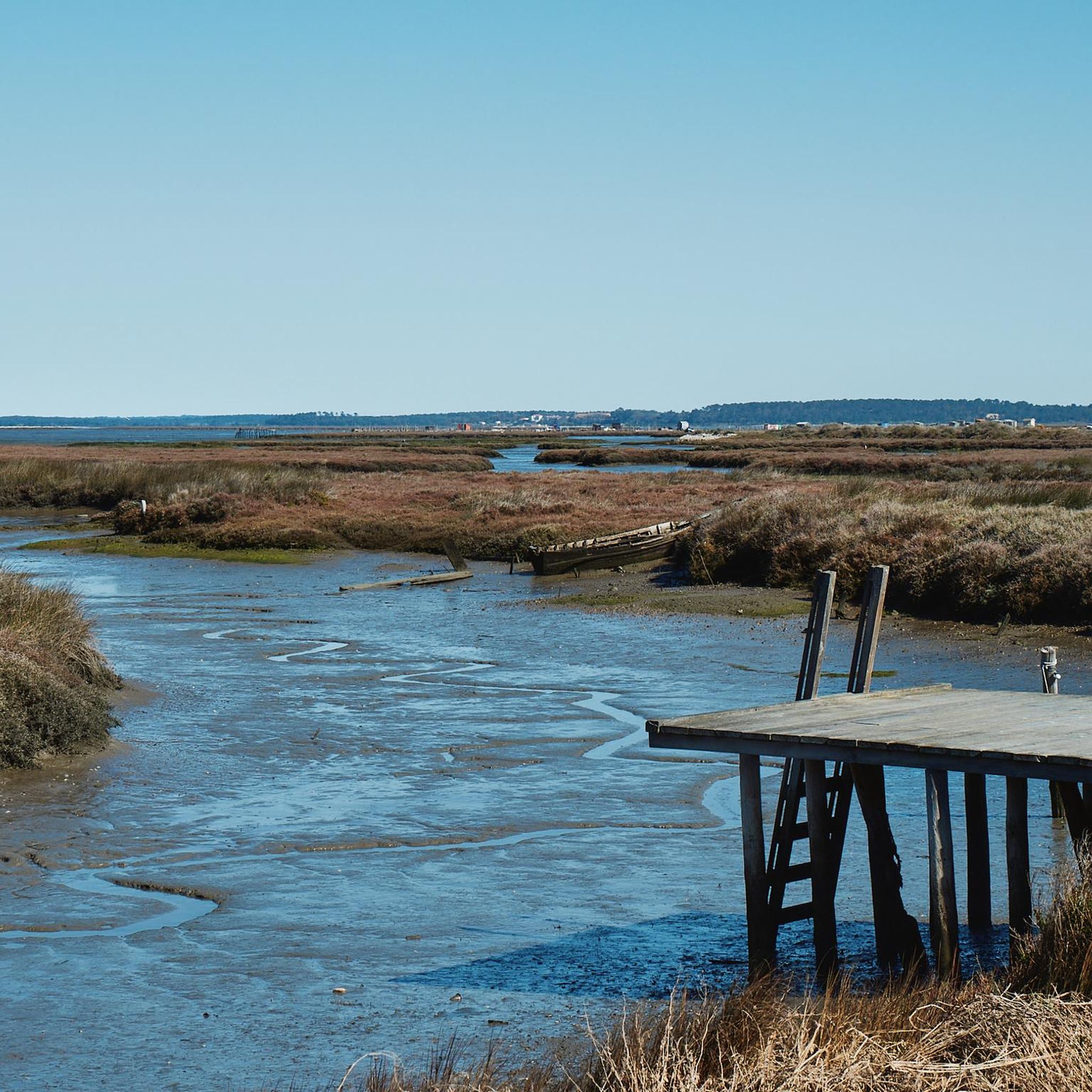
There are small wooden piers that lead into the lagoon. The fishermen have their boats moored on the piers. It has a certain charm both at low tide and at high tide.
5
0

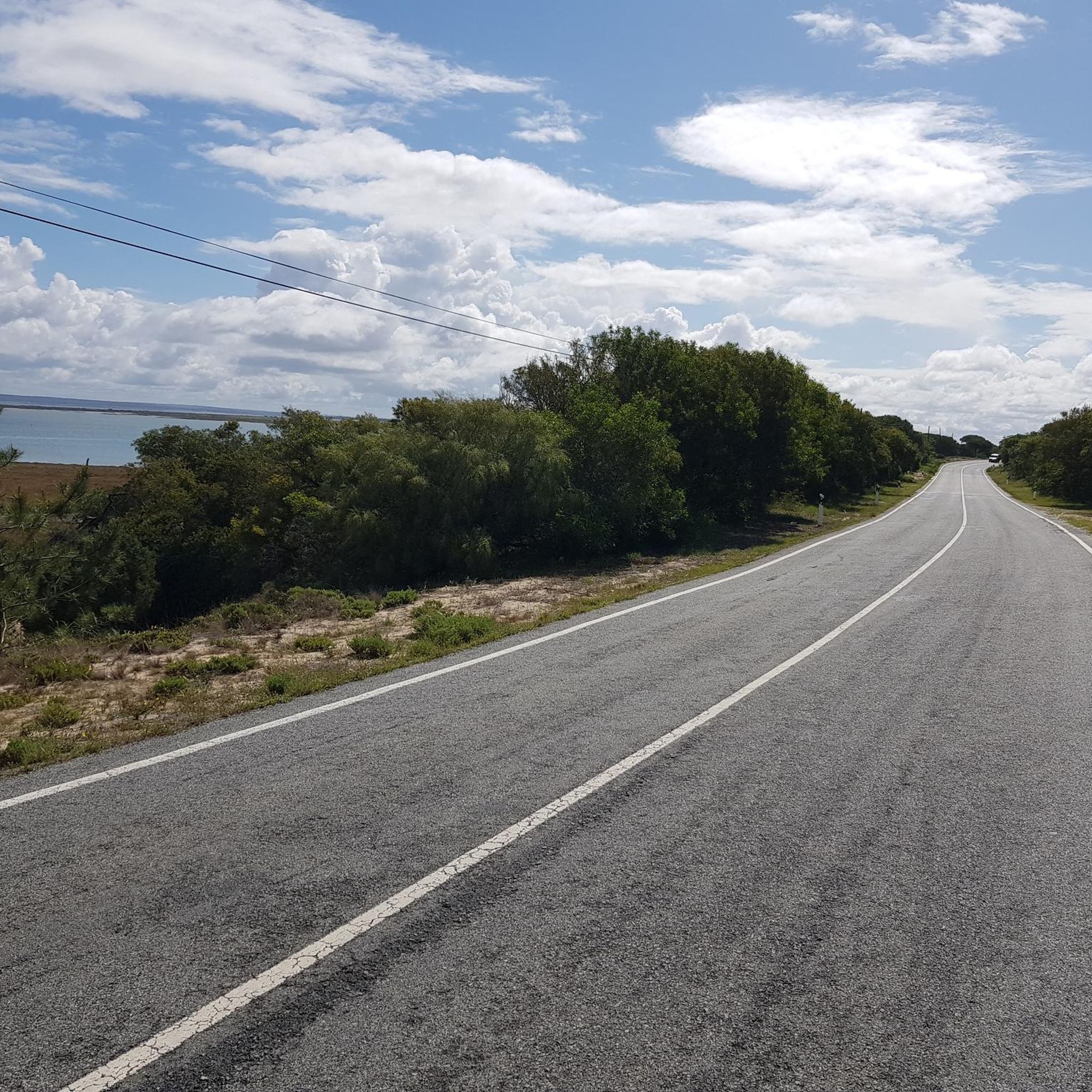
Very few cars (but those are mostly speeding !! so be careful). The first bit of the road has a new tarmac, which is great but overall the road has very good pavement. It's mostly flat and there are only a few small towns - bring water and snacks. We parked our car in Grândola where there is plenty of free parking. You can stock up at Aldi or Lidl and hit the road. I recommend doing this trip during the cooler months as you will not find a lot of shade whilst riding there.
1
0

Between Soltrola and Comporta there is a very beautiful, attractive dune landscape. The only pity is that you have to drive on the main road.
2
0
A good road with moderate traffic leads through the nature reserve.
4
1

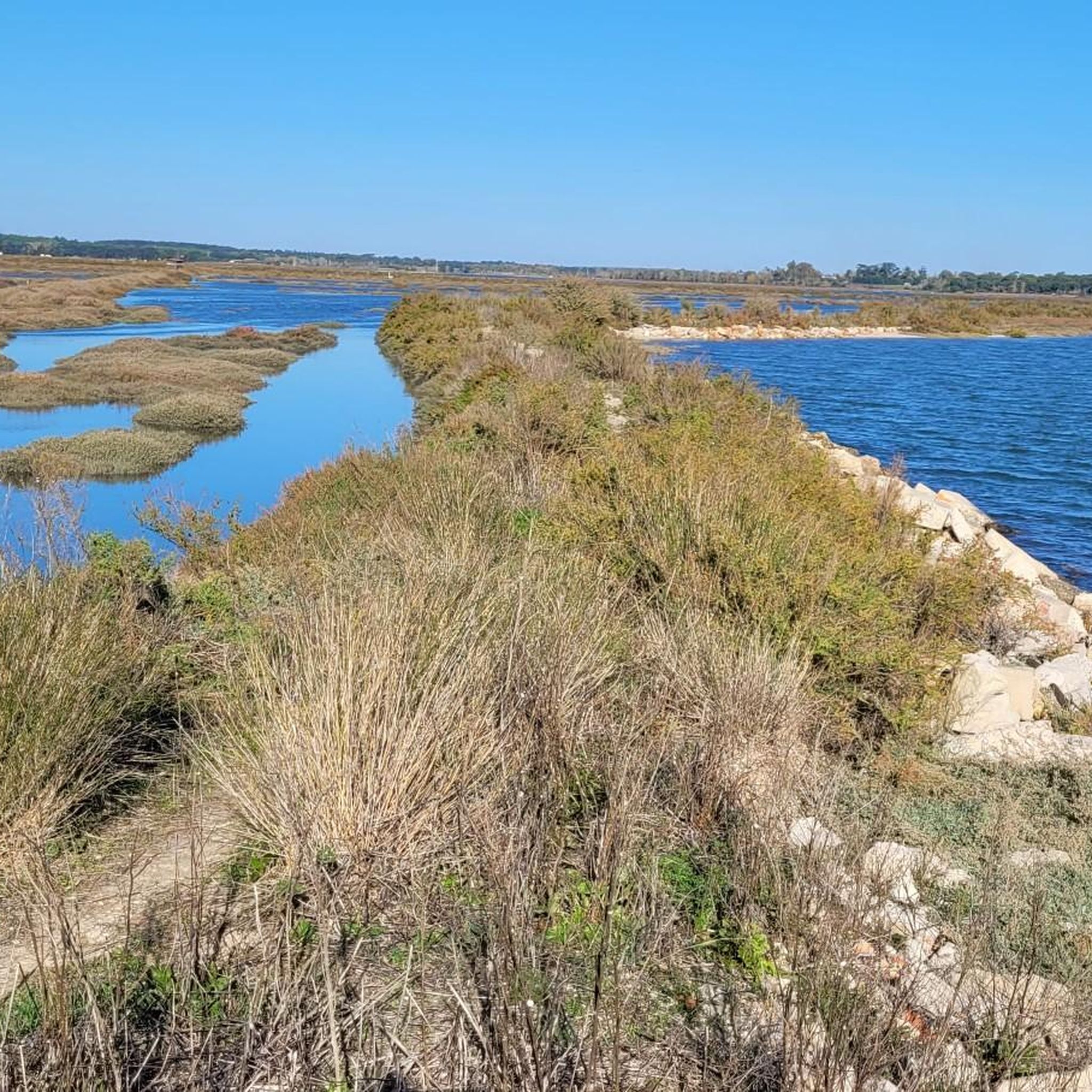
Narrow headland
1
0
Frequently Asked Questions
What unique wildlife can I observe in the Reserva Natural do Estuário do Sado?
The Reserva Natural do Estuário do Sado is renowned for its rich biodiversity. It is home to Portugal's only resident population of bottlenose dolphins (roaz-corvineiro), which can often be seen in the estuary. The reserve is also a vital habitat for over 200 bird species, including flamingos, storks, and various ducks, making it a paradise for birdwatchers.
Beyond wildlife, what other natural features define the Reserva Natural do Estuário do Sado?
The reserve boasts a diverse landscape. Key features include extensive salt marshes (sapais), mudflats, and sandbanks, which are crucial wetland habitats. You'll also find beautiful beaches and coastal dunes, such as the Sado Estuary Nature Reserve, which includes the Reserva Botânica das Dunas de Troia. Inland, there are cork oak forests (montados) and pine forests (pinhais) that add to the ecological variety.
What is the best time of year to visit the natural monuments in the Sado Estuary?
The Sado Estuary is a rewarding destination year-round. For optimal wildlife observation, particularly birdwatching, the cooler months (autumn to spring) are excellent as many migratory species are present. Dolphin sightings are possible throughout the year. Visiting during low tide is often recommended for better birdwatching opportunities, especially around areas like the Mourisca Tide Mill.
Are there any specific viewpoints to appreciate the landscape of the Sado Estuary Nature Reserve?
Yes, there are several spots offering panoramic views. A popular choice is the View of the Sado Estuary Nature Reserve, which provides excellent perspectives of the natural landscape. This area typically features flat terrain with good pavement, making it accessible for exploration.
What outdoor activities are available near the natural monuments of the Sado Estuary?
The region offers a variety of outdoor activities. You can enjoy wildlife observation, boat trips to see dolphins, canoeing, hiking, and cycling. For specific routes, you can explore MTB Trails, Road Cycling Routes, and general Cycling routes around the Reserva Natural do Estuário do Sado.
Are there family-friendly natural attractions or activities in the Reserva Natural do Estuário do Sado?
Absolutely. The reserve is great for families. Activities like dolphin watching boat trips are a major highlight. Exploring the Carrasqueira Palafitic Pier offers a unique architectural experience combined with bird and boat watching. The Mourisca Tide Mill is another family-friendly spot, especially at low tide when bird activity is high. Many areas within the Sado Estuary Nature Reserve are suitable for leisurely walks and nature appreciation.
Can I find cycling routes around the natural monuments of the Sado Estuary?
Yes, the area is well-suited for cycling. You can find various routes, from easy to difficult, that allow you to explore the diverse landscapes. For detailed options, check out the Cycling around Reserva Natural do Estuário do Sado guide, which includes routes like the 'Café Atlantic – Carrasqueira Stilt Pier loop from Comporta' for an easy ride.
What is the significance of the <a href="https://www.komoot.com/highlight/7065404" target="_blank" rel="noopener">Carrasqueira Palafitic Pier</a>?
The Carrasqueira Palafitic Pier is a unique man-made monument built between the 1950s and 60s. Constructed with irregular wooden stakes, it serves as a pier for local fishing boats. It's an architectural masterpiece and a popular spot for visitors to walk, observe the boats, and watch birds from the Sado Estuary, especially beautiful at sunset.
What do visitors enjoy most about the natural monuments in the Sado Estuary?
Visitors particularly enjoy the unparalleled opportunities for wildlife observation, especially spotting the bottlenose dolphins and the diverse birdlife, including flamingos and storks. The serene natural landscapes, from the extensive wetlands to the coastal dunes and forests, provide a peaceful escape and a chance to connect with nature. The unique charm of places like the Carrasqueira Palafitic Pier also leaves a lasting impression.
Are there any historical or cultural sites integrated with the natural landscape?
While primarily a natural reserve, the area does feature points of cultural interest. The Carrasqueira Palafitic Pier is a historical fishing structure that blends with the estuarine environment. Additionally, the Mourisca Tide Mill is a historical site that showcases traditional uses of the estuary's natural resources, now serving as a great spot for birdwatching.
Is the Reserva Natural do Estuário do Sado accessible for visitors with limited mobility?
While specific wheelchair accessibility varies by exact location, some areas, like the paved sections leading to the View of the Sado Estuary Nature Reserve, offer relatively flat terrain suitable for easier exploration. It's advisable to check specific paths or attractions beforehand, as some natural areas might involve uneven ground or trails.
Can I bring my dog to the natural attractions in the Sado Estuary?
Many natural areas in Portugal are dog-friendly, especially on trails and open spaces, provided dogs are kept on a leash and waste is properly disposed of. However, specific rules may apply in protected areas or on certain beaches. It's always best to check local signage or specific regulations for the particular natural monument you plan to visit within the Reserva Natural do Estuário do Sado.
Most popular routes around Reserva Natural do Estuário do Sado
Most popular attractions around Reserva Natural do Estuário do Sado

Get inspired with the komoot mobile app


Explore more
Extend your search for the best caves by checking out these guides of the top ones around Reserva Natural do Estuário do Sado:
