Top 17 Natural Monuments around National Park Serras Aire e Candeeiros
Best natural monuments around National Park Serras Aire e Candeeiros are characterized by a diverse karst landscape, featuring an intricate network of underground caves, dramatic rock formations, and significant hydrological phenomena. This protected area in central Portugal offers a range of geological features. Visitors can explore these natural formations, which include ancient caves, springs, and unique rock structures. The park's terrain provides opportunities to observe the effects of erosion and subterranean water systems.
Best natural monuments around National Park Serras…
Last updated: May 14, 2026
Fórnea Waterfall
Highlight • Waterfall
Tip by

Fórnea Viewpoint
Highlight • Viewpoint
Translated by Google •
Tip by

Sign up now to discover places like this
Get recommendations on the best single tracks, peaks, & plenty of other exciting outdoor places.
Sign up for free
PR3 Hiking Trail – Serras de Aire e Candeeiros Natural Park
Highlight • Trail
Translated by Google •
Tip by

Serras de Aire e Candeeiros Natural Park
Highlight (Segment) • Natural Monument
Tip by

Peão Fountain - Monsanto
Highlight • Natural Monument
Translated by Google •
Tip by

Sign up for free to discover even more natural monuments around National Park Serras Aire e Candeeiros.
Sign up for free
Already have an account?
Start today with a free account
Your next adventure awaits.
Login or Signup
Popular around National Park Serras Aire e Candeeiros
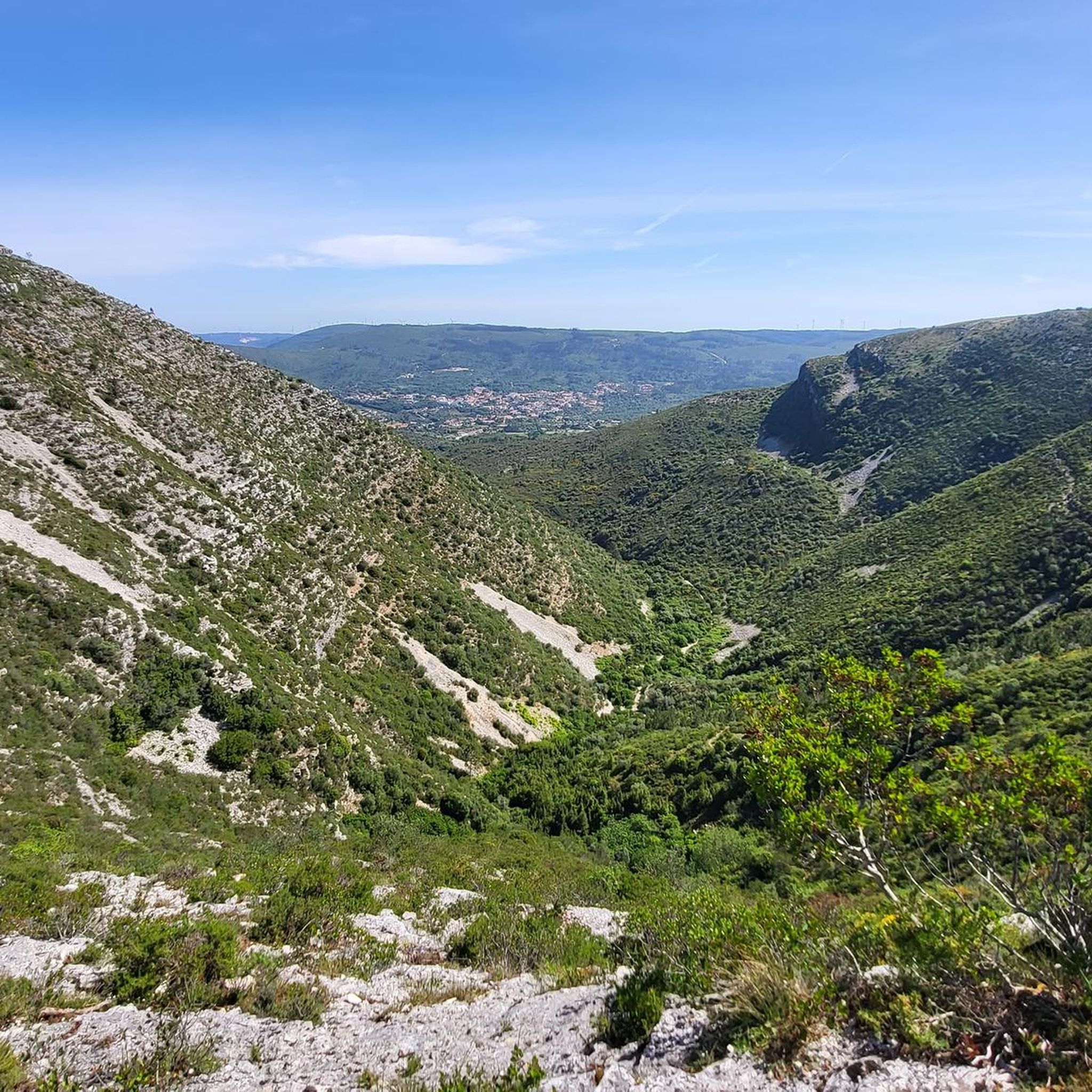
Hiking around National Park Serras Aire e Candeeiros
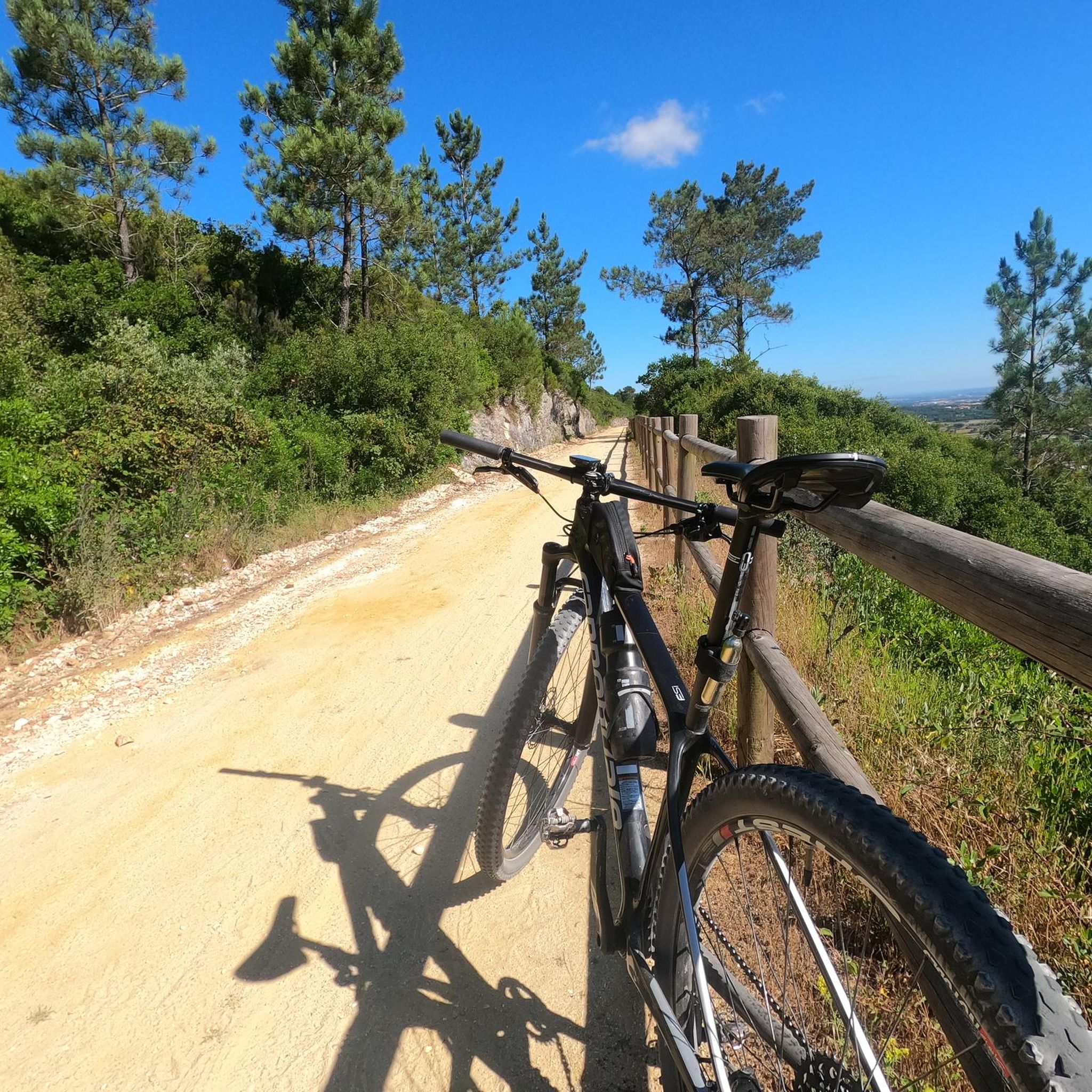
MTB Trails around National Park Serras Aire e Candeeiros
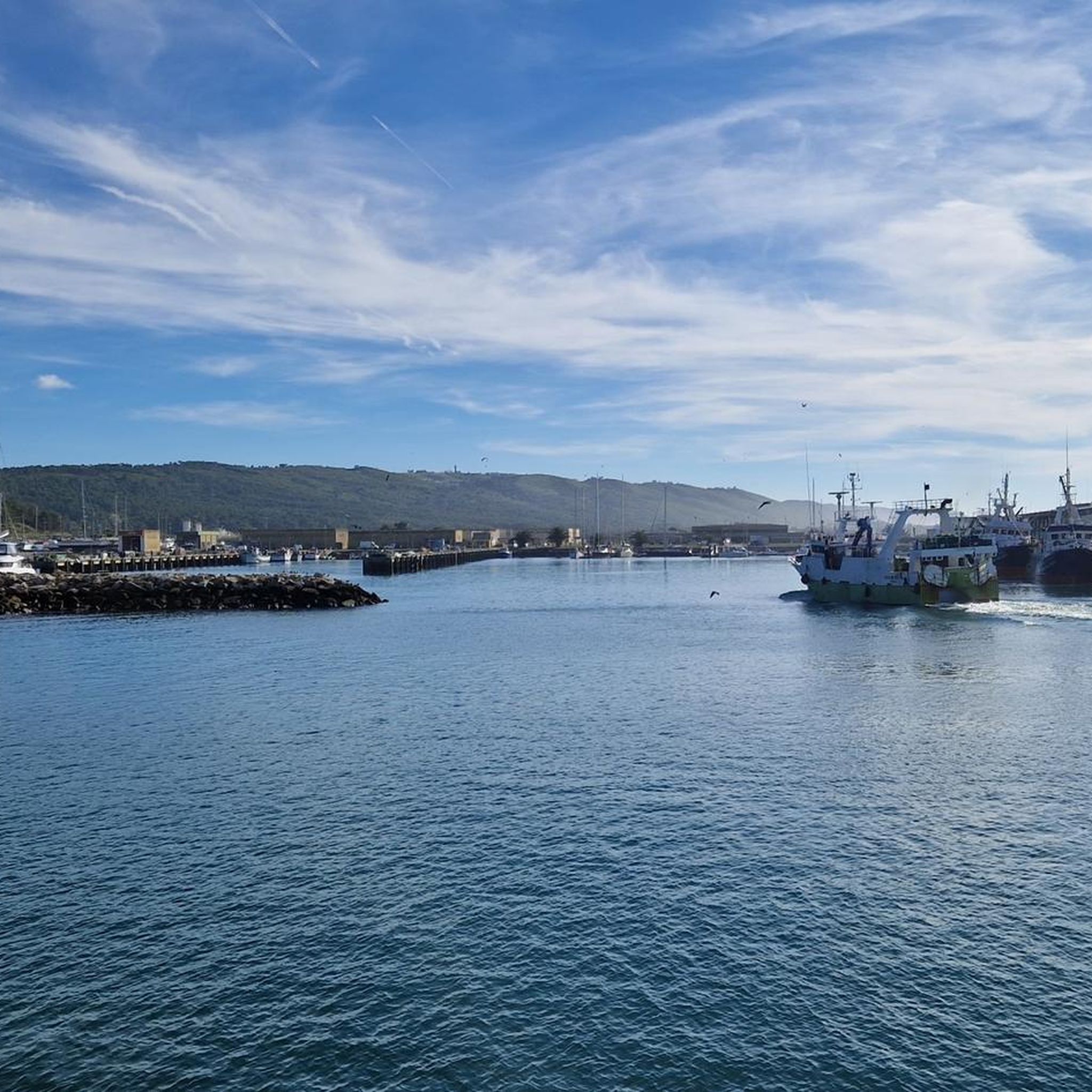
Running Trails around National Park Serras Aire e Candeeiros
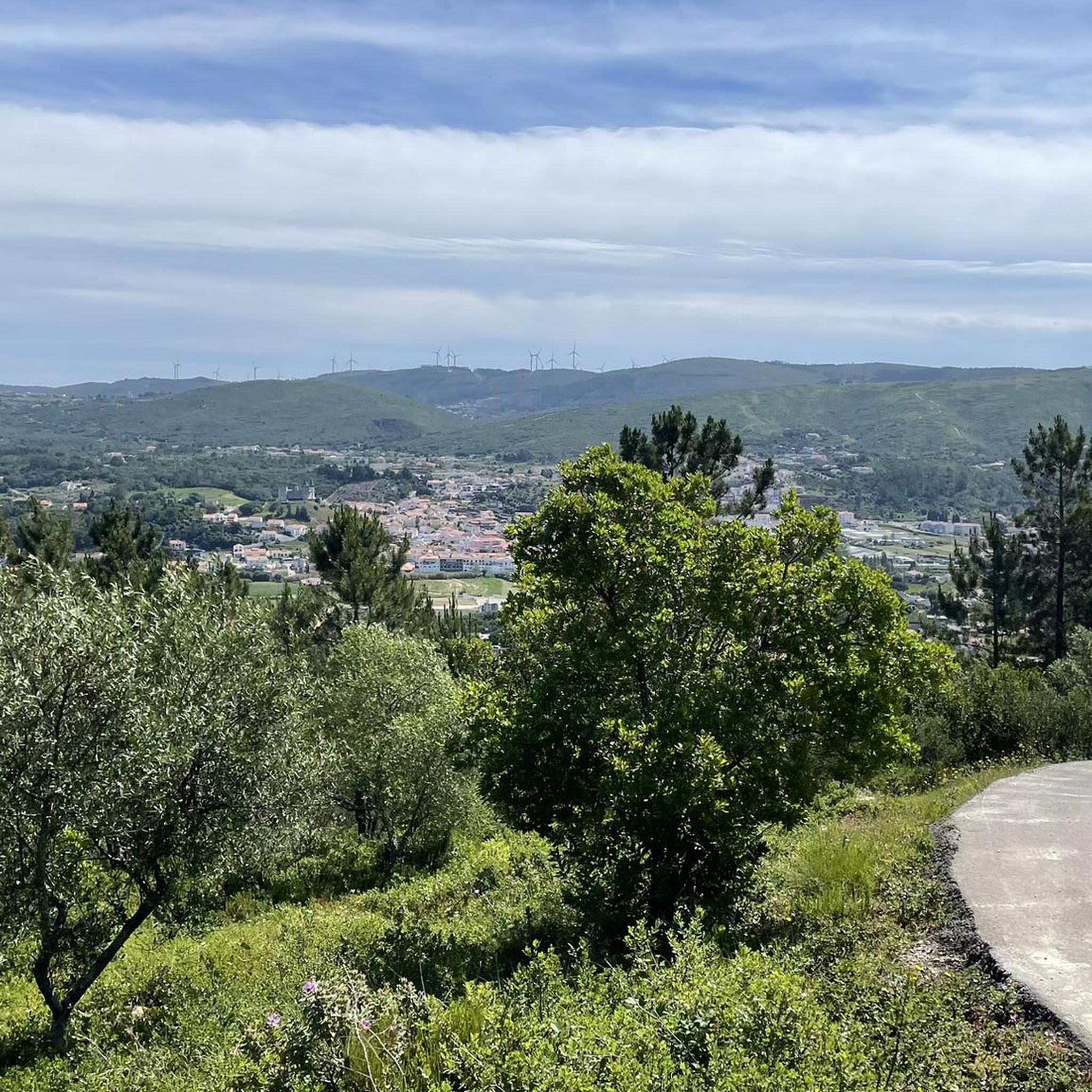
Cycling around National Park Serras Aire e Candeeiros
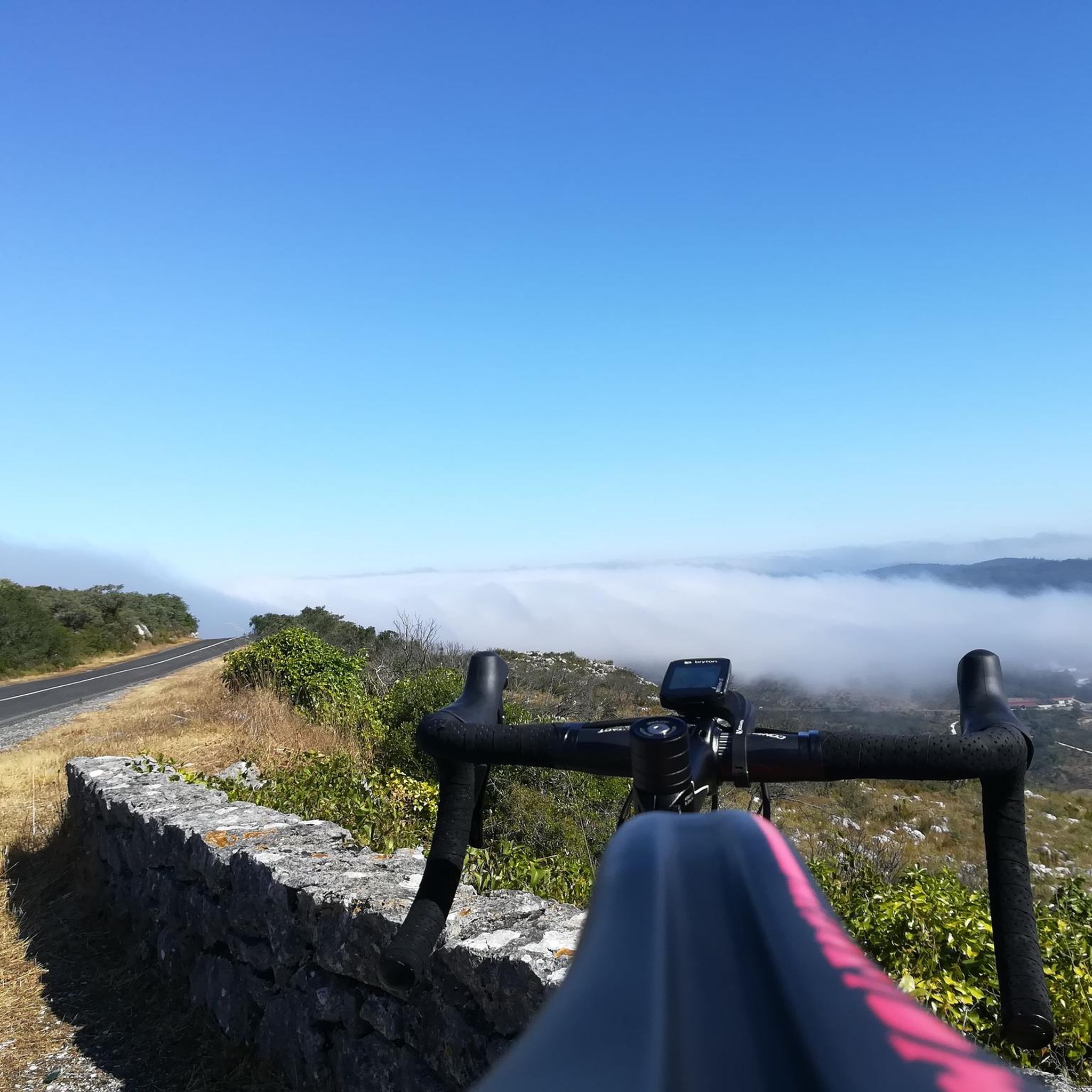
Road Cycling Routes around National Park Serras Aire e Candeeiros

Gravel biking around National Park Serras Aire e Candeeiros
Tips from the Community

The view from here over Cabeço da Fórnea and its valley is simply breathtaking. The climb to the top is very accessible and definitely worth the effort.
2
0

The Fórnea Waterfall is located right in the heart of the Serras de Aire e Candeeiros Natural Park, and is fed by the Fórnea Stream, which in turn flows from the Cova da Velha cave.
2
0
La Fórnea is one of the largest natural amphitheatres in Europe, measuring approximately 500 metres in diameter and 250 metres high. From the Alcaria viewpoint, you can admire this unique geological formation, which resembles a huge crater. The view is simply breathtaking.
1
0

Nice quiet route. No water at the waterfall, unfortunately. Because that would give a different experience, certainly worth it for the beautiful views
0
0

The waterfall only appears after heavy rain! Fórnea waterfall just appear after intense rain!
1
0

Actually, there is supposed to be a waterfall here. Unfortunately dried out due to the drought in July.
1
1
The Fonte do Peão, built in 1884, is one of the symbols of the parish of Monsanto. It is covered in tiles that depict rural life. The water in the Fonte do Peão comes from a spring and flows regularly throughout the year. According to information obtained from local residents, the water is good for human consumption and is used as a source of water for the many travellers who pass through there.
2
0

Fornea Waterfall. In the lower part of Fórnea, after a few days of rain, you can enjoy a beautiful waterfall.
1
0
Frequently Asked Questions
What unique geological features can I explore in the Serras de Aire e Candeeiros Natural Park?
The park is renowned for its diverse karst landscape, featuring an intricate network of underground caves, dramatic rock formations, and significant hydrological phenomena. You can explore sites like the impressive natural amphitheater of Fórnea, which showcases the powerful forces of geological processes and erosion, or the unique Cova da Velha cave where the Fórnea stream originates.
Are there any caves to visit in the Natural Park Serras de Aire e Candeeiros?
Yes, the region is famous for its extensive cave systems. The Grutas de Mira de Aire are Portugal's largest show caves, offering stunning limestone formations and an underground 'Black River'. Another excellent option is the Grutas da Moeda, known for their imaginative chamber names and on-site scientific interpretation center. Additionally, the Cova da Velha cave is where the Fórnea stream originates.
Where can I see dinosaur footprints in the region?
The Monumento Natural das Pegadas de Dinossáurios offers a unique opportunity to witness traces of dinosaurs, connecting visitors to the ancient history of the region. This site is a significant paleontological treasure within the park.
What are the Olhos d'Água do Alviela and why are they worth visiting?
The Olhos d'Água do Alviela mark the spring of the Alviela River, where subterranean water emerges at the surface. It's the most significant hydrokarstic phenomenon in the Serras de Aire e Candeeiros, with water flow reaching up to 17,000 liters per second during peak winter floods. Visitors can enjoy a refreshing experience at the fluvial beach, explore a walking trail showcasing beautiful karstic geological phenomena, and learn more at the Carsoscópio - Alviela Ciência Viva Centre.
What outdoor activities can I do near these natural monuments?
The area around the natural monuments offers a variety of outdoor activities. You can find numerous hiking trails, such as the 'Tour of the Friars (PR 5)' or the 'Fórnea Viewpoint – Fórnea Summit loop'. For cycling enthusiasts, there are gravel biking routes like the 'Porto de Mós Castle loop' and challenging MTB trails. You can explore more options on the hiking guide, gravel biking guide, and MTB trails guide for the National Park Serras de Aire e Candeeiros.
Are there family-friendly natural monuments to visit?
Yes, several natural monuments are suitable for families. The Fórnea Waterfall is a beautiful place to visit with family, especially after rains. The Peão Fountain - Monsanto, with its tiles depicting rural life, is also considered family-friendly. The Grutas de Mira de Aire site includes a tourist shop, bar, and a small zoo, making it a comprehensive family destination.
What is the best time to visit the natural monuments in Serras de Aire e Candeeiros?
The caves, such as Grutas de Mira de Aire and Grutas da Moeda, maintain a constant temperature year-round (around 17-18°C), making them suitable for visits in any season. For outdoor sites like the Fórnea Waterfall or the Olhos d'Água do Alviela, spring and autumn offer pleasant weather for exploration. The fluvial beach at Olhos d'Água do Alviela is particularly popular in summer.
What do visitors enjoy most about the natural monuments in this park?
Visitors frequently appreciate the stunning geological formations, especially the intricate stalactites and stalagmites in the caves. The unique experience of witnessing ancient dinosaur footprints and the dramatic landscapes of sites like Fórnea are also highly valued. The refreshing atmosphere of the springs and the opportunity for scenic walks are often highlighted.
Are there any historical or cultural points of interest near the natural monuments?
While the focus is on natural monuments, the broader region has historical significance. For example, the Serras de Aire e Candeeiros Natural Park is near Fátima, a city known for the Sanctuary of Fátima, a significant Catholic pilgrimage site with its Basilica of Nossa Senhora do Rosário and the modern Church of the Holy Trinity.
Can I find places to eat or stay near the natural monuments?
While specific cafes, restaurants, or accommodations are not detailed for each monument, the region surrounding the National Park Serras de Aire e Candeeiros offers various options. Towns and villages within and around the park provide local eateries and lodging choices for visitors.
What is the Peão Fountain - Monsanto?
The Peão Fountain - Monsanto, built in 1884, is a notable natural monument and a symbol of the Monsanto parish. It features tiles depicting rural life and is fed by a spring that flows consistently throughout the year. Local residents consider its water good for consumption, making it a popular stop for travelers.
What is the difficulty level of hiking trails near the natural monuments?
Many hiking trails in the National Park Serras de Aire e Candeeiros are rated as moderate difficulty, such as the 'Tour of the Friars (PR 5)' and various loops around Fórnea Viewpoint. These trails offer a good balance for those looking for an engaging walk without extreme challenges. There are also options for different skill levels, from easier paths to more demanding routes for experienced hikers.
Most popular routes around National Park Serras Aire e Candeeiros
Most popular attractions around National Park Serras Aire e Candeeiros

Get inspired with the komoot mobile app


Explore more
Extend your search for the best caves by checking out these guides of the top ones around National Park Serras Aire e Candeeiros:
