Top 11 Natural Monuments around Murnauer Moos
Best natural monuments around Murnauer Moos include one of Central Europe's most significant natural wetlands. This area features a vast moorland ecosystem spanning over 4,200 hectares, making it a crucial carbon sink. It is a sanctuary for an extraordinary array of flora and fauna, with approximately 1,000 species of vascular plants and ferns identified. The region's unique landscape and rich biodiversity offer diverse natural features for exploration.
Best natural monuments around Murnauer Moos
- The most popular natural monuments is Langer…
Last updated: August 6, 2026
Boardwalk in the Murnauer Moos
Highlight (Segment) • Trail
Translated by Google •
Tip by

Murnauer Moos Biological Station (Ruth-Rosner House)
Highlight • Rest Area
Translated by Google •
Tip by

Sign up now to discover places like this
Get recommendations on the best single tracks, peaks, & plenty of other exciting outdoor places.
Sign up for free
New Moosberg Lake
Highlight • Lake
Translated by Google •
Tip by

Observation hut at Am Lindenbach Pond
Highlight • Mountain Hut
Translated by Google •
Tip by

Siberian Iris Meadows in Murnauer Moos
Highlight (Segment) • Natural
Translated by Google •
Tip by

Sign up for free to discover even more natural monuments around Murnauer Moos.
Sign up for free
Already have an account?
Start today with a free account
Your next adventure awaits.
Login or Signup

Tips from the Community

The Murnauer Moos Biological Station (Ruth Rosner House) is located directly on the northern edge of the "largest living bog in Central Europe." It is part of the lower nature conservation authority of the Garmisch-Partenkirchen District Office. Vast meadows, remote raised bogs, and natural forests of the Köchel ("rock islands" in the bog) are home to numerous rare plants and animals. Among them are highlights such as the corncrake, the bug-orchid, the dwarf dragonfly, and many more. Information: https://murnauermoos.de/index.php/biologische-station/foerderer-u-partner
1
0

Very worth seeing, you have to see it
0
0

Beautiful view of the lake! The "New Moosbergsee" is an artificial body of water. The former mine, which now contains the lake, was created after surface mining of glaucoquartzite was exhausted and continued below the level of the surrounding Murnau Moor. After mining activities ceased, the mine filled within a few years.
2
0
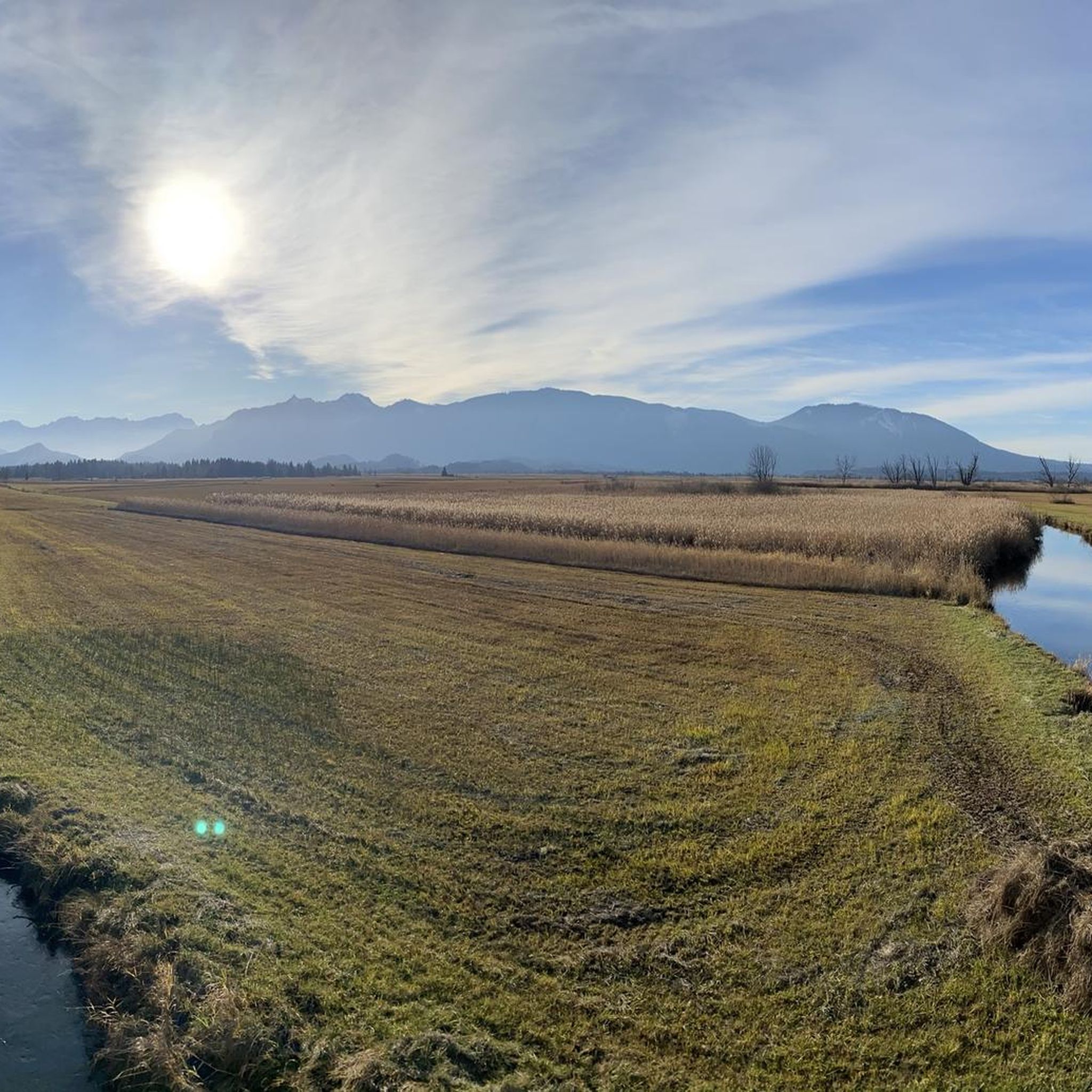
Truly fantastic views. One of those regions that you should see at least once. The great impressions stay in your memory. Very beautiful landscape, a great bike tour on a wonderful route. The Siberian iris stands out with its spectacular flowers and often grows in the meadows of the Murnauer Moos, where it blooms at the beginning of June.
4
0

More beautiful on the new Moosbergsee
2
0
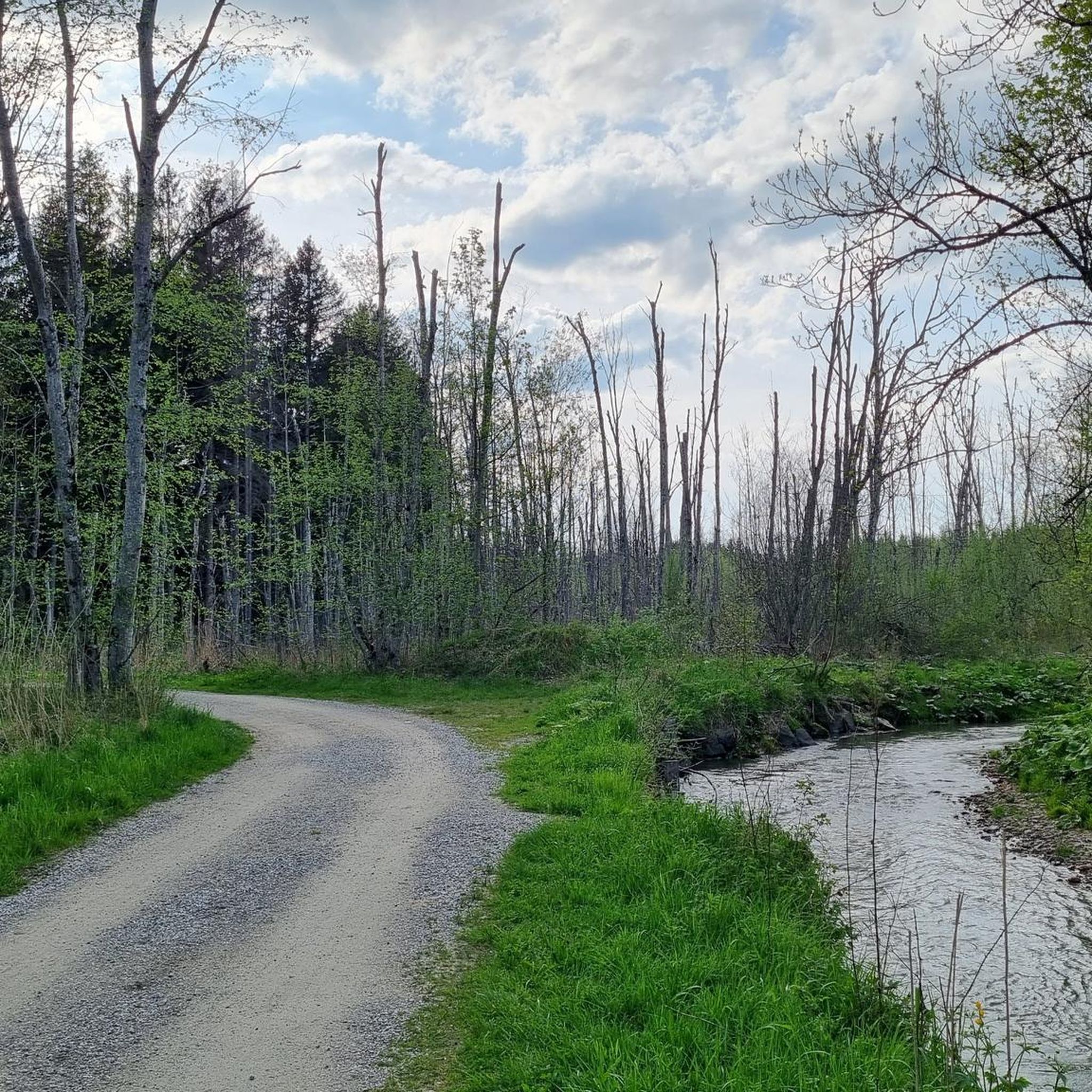
Shelter and observation hut with a view of the biotope "Am Lindenbach"
1
0
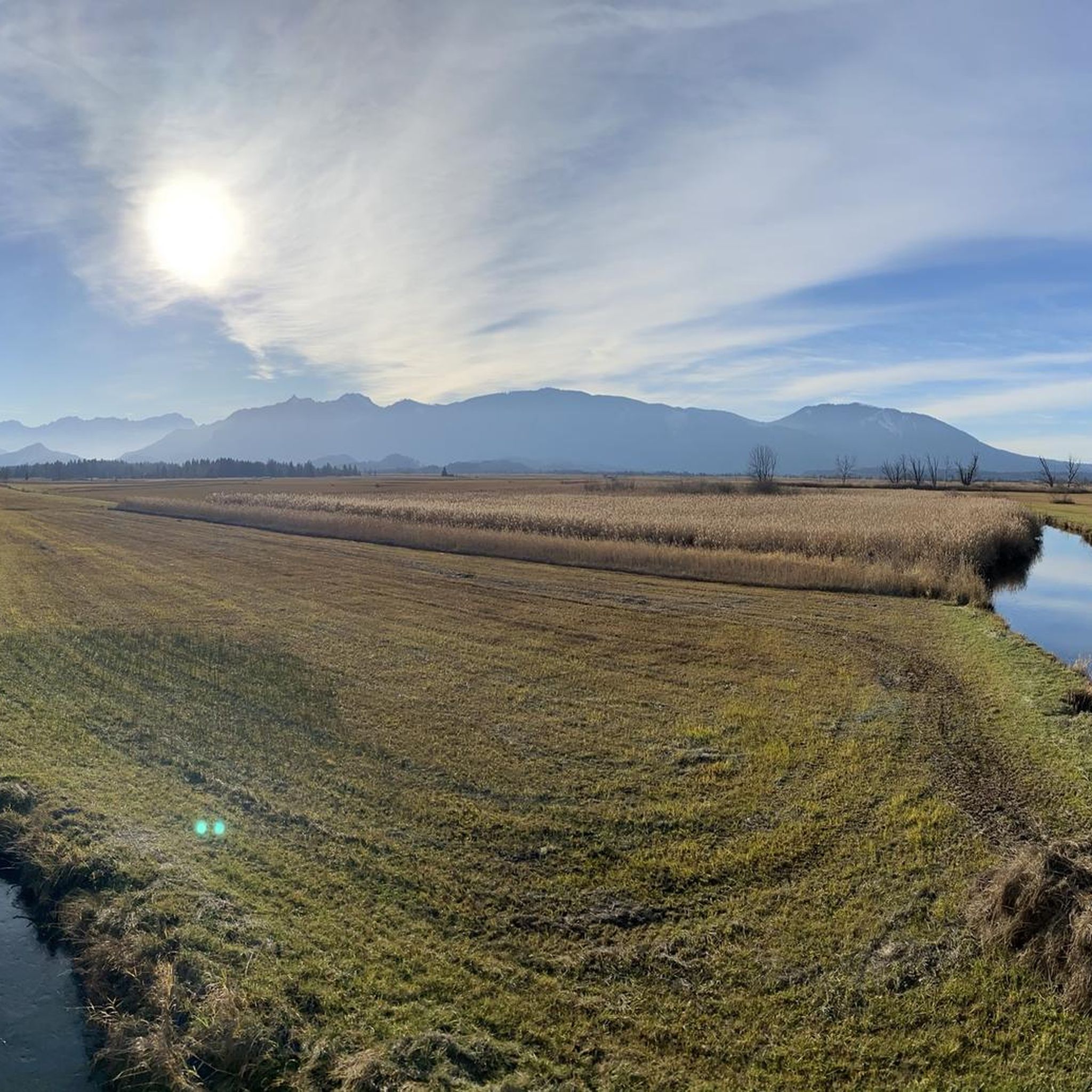
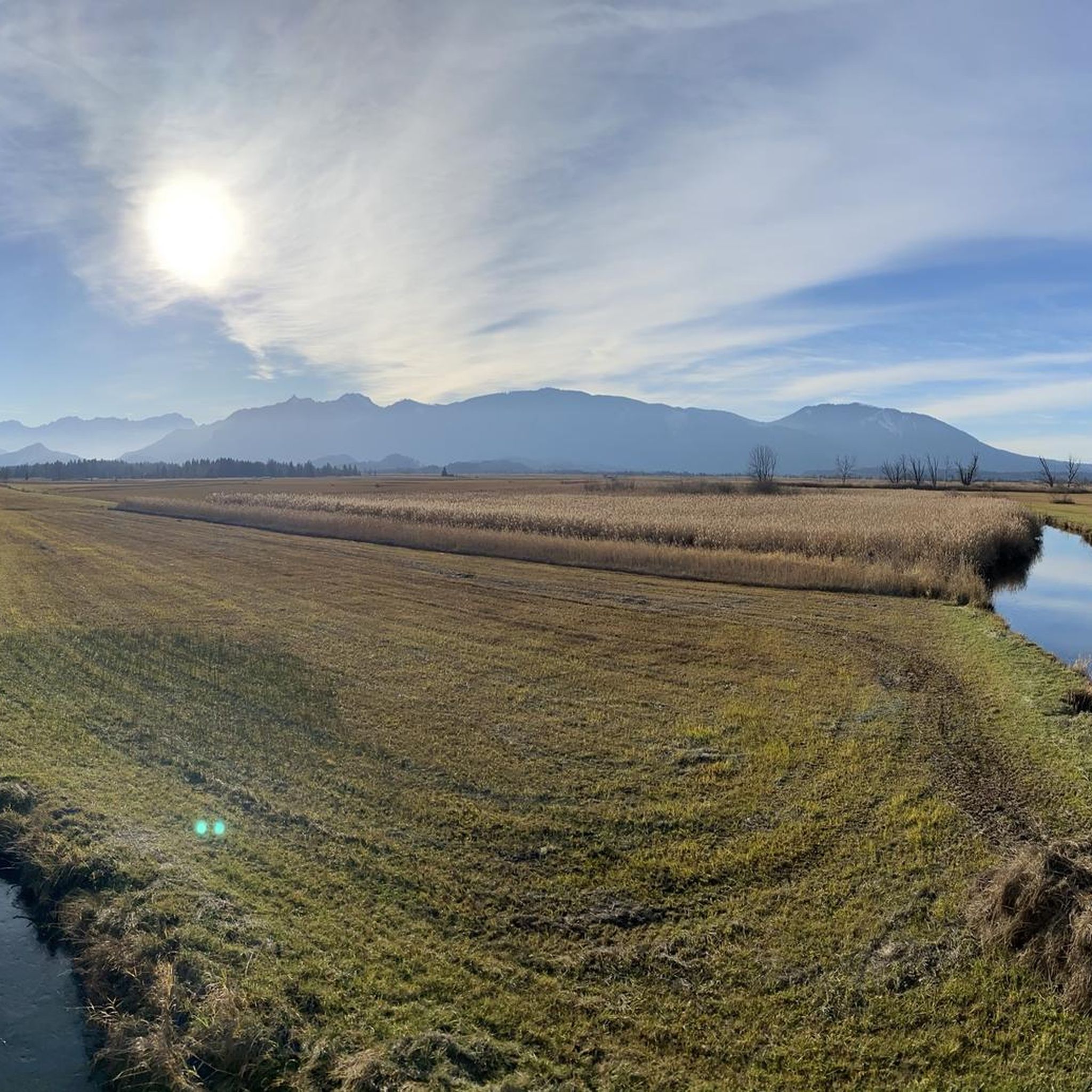
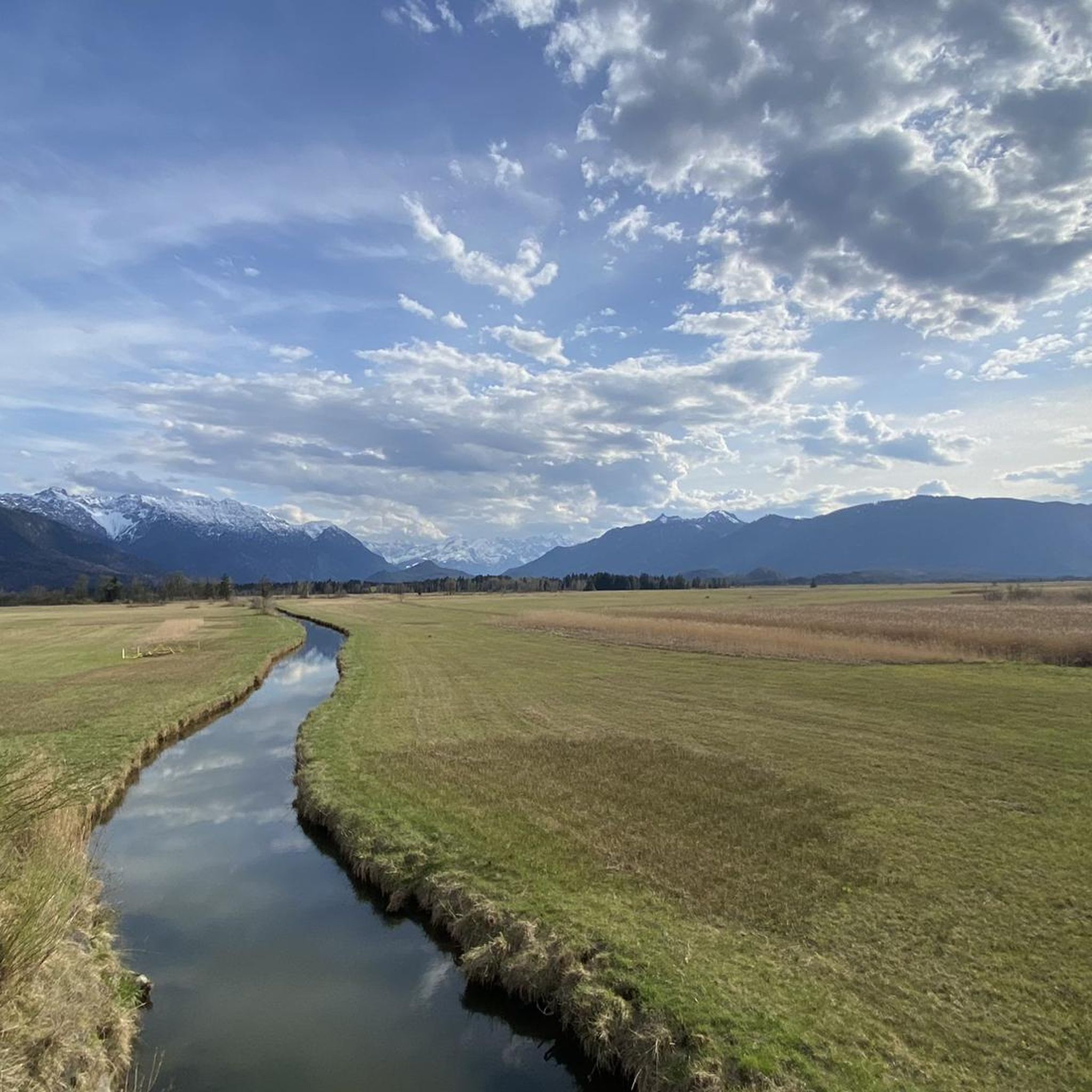
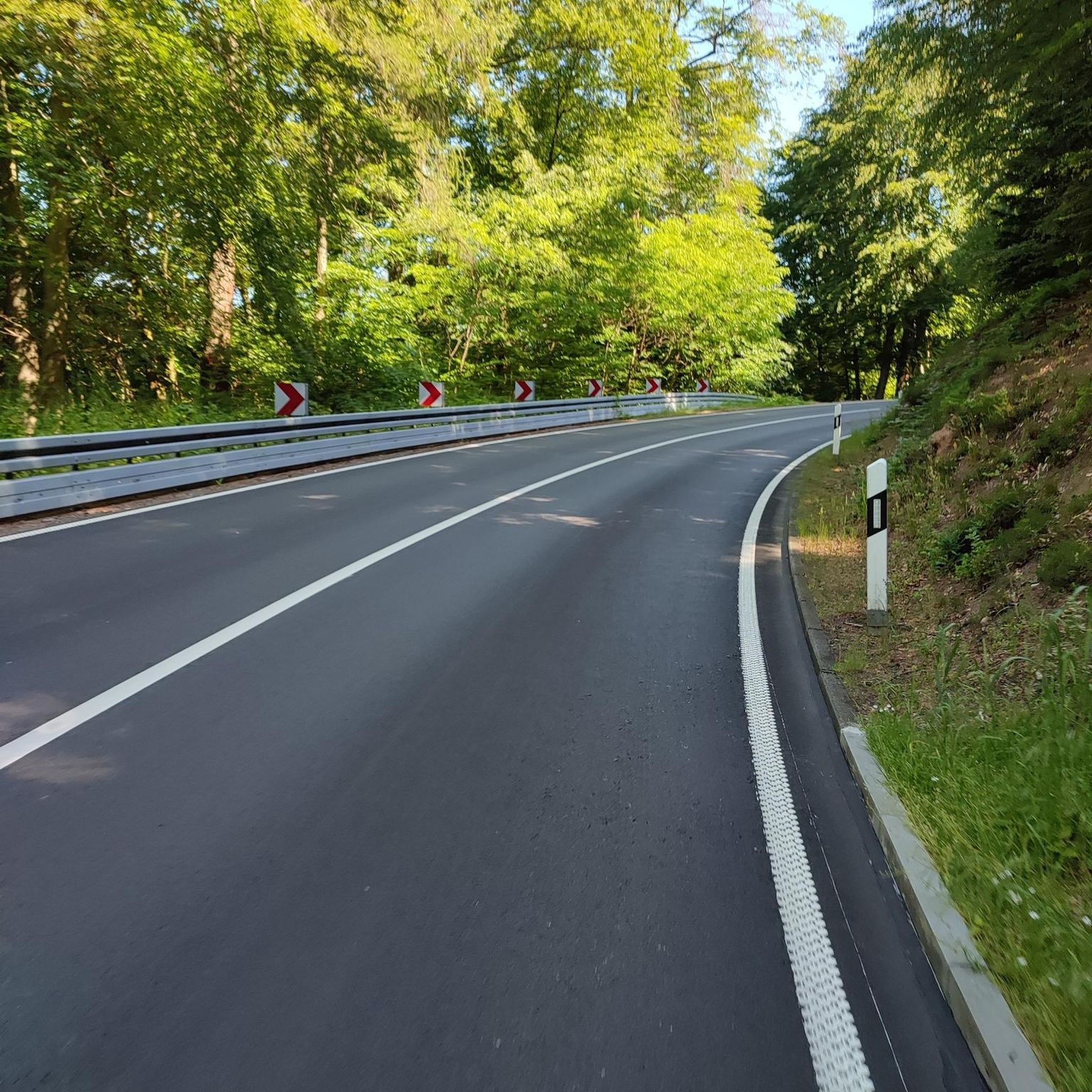
Great paved cycle path through the Murnauer Moos, with beautiful views over the moor towards the mountains
2
0

you absolutely have to go to the small refuge. Is a quiet place with a wonderful view
0
0
Frequently Asked Questions
What unique natural features can I explore in the Murnauer Moos region?
The Murnauer Moos is one of Central Europe's most significant natural wetlands, featuring a vast moorland ecosystem spanning over 4,200 hectares. You can explore diverse moors, wet meadows, and forests. A key feature is the Langer Filz boardwalk in Murnauer Moos, which allows you to walk deep into the moor landscape without disturbing its delicate ecosystem, offering close-up views of unique flora like heather and sparse birch and pine stands.
What makes the Murnauer Moos a significant natural monument?
The Murnauer Moos is recognized for its exceptional ecological value and rich biodiversity. It acts as a crucial carbon sink and is a sanctuary for an extraordinary array of flora and fauna, including many endangered species. Approximately 1,000 species of vascular plants and ferns, along with about 100 species of moss, have been identified here, representing roughly a third of Bavaria's native flora. It also provides a vital refuge for threatened birds and other rare animals.
Are there specific viewpoints to enjoy the landscape of Murnauer Moos?
Yes, several spots offer excellent views. The Langer Filz boardwalk in Murnauer Moos provides panoramic views of the surrounding mountains and the moorland. Additionally, the New Moosberg Lake offers beautiful views, and the Observation hut at Am Lindenbach Pond is a peaceful resting place with views of the pond.
Are there hiking trails to explore the natural monuments in Murnauer Moos?
Absolutely. The Murnau Moss itself can be explored via a popular 12-kilometer-long circular trail that starts near St. George's Chapel in Ramsbach. This easy, flat route offers deep insights into the moor's nature and history. The Langer Filz boardwalk is also a key part of many walking routes through the area.
What outdoor activities can I do near these natural monuments?
Beyond hiking, the region around Murnauer Moos offers various outdoor activities. You can find numerous running trails, such as the 'Bridge over the Ramsach – Moosbergsee loop from Murnau am Staffelsee' or the 'View of the Staffelsee – Kottmüllerallee loop from Westried'. For cyclists, there are road cycling routes like the 'Murnauer Moos – Scenic Road in Upper Bavaria loop from Eschenlohe', and gravel biking options including the 'Loisach – Murnauer Moos loop from Hechendorf'. You can find more details on these activities in the Running Trails around Murnauer Moos, Road Cycling Routes around Murnauer Moos, and Gravel biking around Murnauer Moos guides.
Are there family-friendly natural monuments or activities in Murnauer Moos?
Yes, the Murnauer Moos is very family-friendly. The circular trail through Murnau Moss is generally easy and flat, suitable for families. The Langer Filz boardwalk provides an engaging experience for all ages, allowing close observation of nature. The Murnauer Moos Biological Station (Ruth-Rosner House) also offers insights into the local flora and fauna, which can be educational for children.
What is the best time to visit the natural monuments around Murnauer Moos?
The Murnauer Moos can be visited at any time of year, as it offers unique experiences in every season. Spring brings blooming wildflowers and active wildlife, while summer provides lush greenery. Autumn showcases beautiful colors, and winter offers a serene, often snow-covered landscape. The boardwalks and trails are generally accessible year-round, making it ideal for switching off no matter the season.
Can I spot wildlife in the Murnauer Moos?
The Murnauer Moos is a haven for wildlife, making it an excellent spot for nature observation. It's home to over 1,800 identified species, including many endangered ones. You might spot threatened birds like the Eurasian Curlew, Corn Crake, and Whinchat, as well as rare animals such as adders and dwarf dragonflies. The boardwalks allow for quiet observation without disturbing the ecosystem.
Is the Murnauer Moos accessible by public transport?
While specific public transport details are not provided, the region is generally accessible. The main starting points for exploring the Murnauer Moos, such as the area near the Murnauer Moos Biological Station, are typically reachable. It's advisable to check local transport schedules for the most up-to-date information on bus or train connections to Murnau am Staffelsee and surrounding areas.
Are there any geological features of interest in the Murnauer Moos area?
Yes, the formation of the Murnauer Moos itself is a significant geological event, dating back to the Würm Ice Age when a lake gradually silted up. Additionally, the New Moosberg Lake is an interesting geological feature. It's an artificial body of water that formed after mining activities ceased in a former mine, which had been excavated to a depth of up to 80 meters to extract glaucoquartzite, a hard rock used as building material since Roman times.
What do visitors enjoy most about the natural monuments in Murnauer Moos?
Visitors particularly appreciate the immersive experience of walking through the natural moor landscape on the boardwalks, enjoying the fantastic panoramic views of the surrounding mountains. The tranquility and the opportunity to observe unique flora and fauna up close are also highly valued. Many find the area ideal for switching off and connecting with nature, regardless of the season.
Most popular routes around Murnauer Moos
Most popular attractions around Murnauer Moos

Get inspired with the komoot mobile app


Explore more
Extend your search for the best caves by checking out these guides of the top ones around Murnauer Moos:
