Natural Park Großes Moor
Natural Park Großes Moor
Top 10 Natural Monuments around Natural Park Großes Moor
Best natural monuments around Natural Park Großes Moor include significant natural areas in Germany, characterized by unique bog and moorland ecosystems. These regions feature dense peat formations, numerous ponds, and specific flora and fauna adapted to wet environments. Conservation efforts are often underway to restore and preserve these habitats, making them important sites for ecological study. The Großes Moor near Gifhorn, a prominent example, encompasses approximately 6,100 hectares, with peat layers up to 6 meters thick.
Best natural monuments around…
Last updated: October 13, 2026
Bloody Bone
Highlight • Natural Monument
Part of the circuit "Großer Sassenburg Rundkurs" and the leisure cycle network of the community of Sassenburg in the southern heath of Gifhorn.
A …
Translated by Google •
Tip by

Großes Moor near Gifhorn
Highlight • Natural
Translated by Google •
Tip by

Sign up now to discover places like this
Get recommendations on the best single tracks, peaks, & plenty of other exciting outdoor places.
Dead Birch Forest in Großes Moor near Gifhorn
Highlight • Forest
Translated by Google •
Tip by

Restoration Area in Großes Moor bei Gifhorn
Highlight • Natural
Translated by Google •
Tip by
Ostheide Moor Restoration Area
Highlight • Natural
Translated by Google •
Tip by

Sign up for free to discover even more natural monuments around Natural Park Großes Moor.
Already have an account?
Start today with a free account
Your next adventure awaits.
Popular around Natural Park Großes Moor

Tips from the Community

The "Dead Birch Forest in the Great Moor" is a particularly impressive section in the moorland area because dead birches stand out there as bright silhouettes against the dark moor landscape – a powerful example of how sensitive raised bogs are to changes in water levels.
0
0

Looks like something out of a sci-fi movie
0
0
The "Ostheide Renaturation Area" is not a single, self-contained reserve, but a network of various protection and renaturation projects in the region between Lüneburg, Uelzen and Gifhorn. The heart of it is the "Ostheide bei Himbergen und Bad Bodenteich" bird sanctuary. It covers around 1,830 hectares and is divided into two sub-areas.
0
0

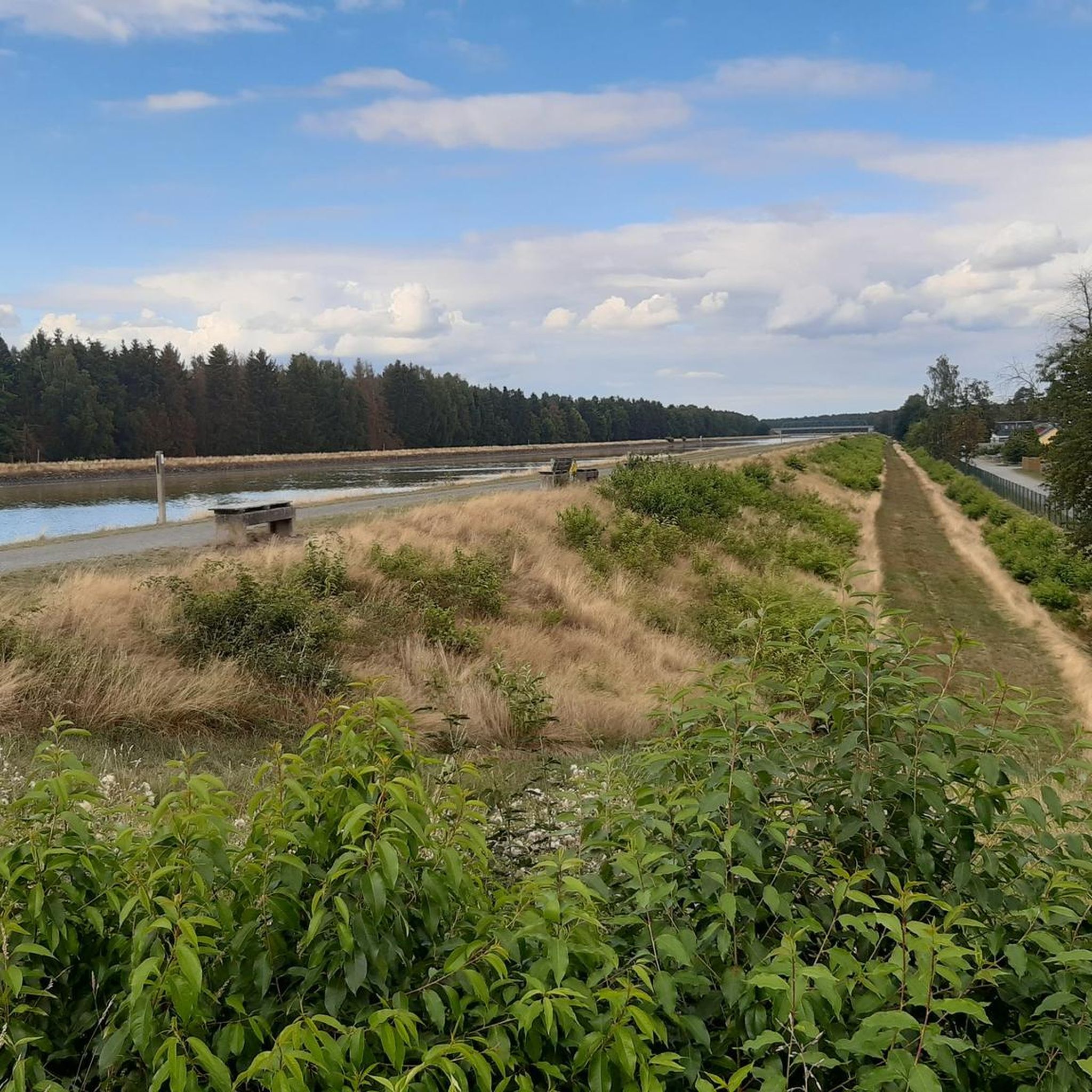
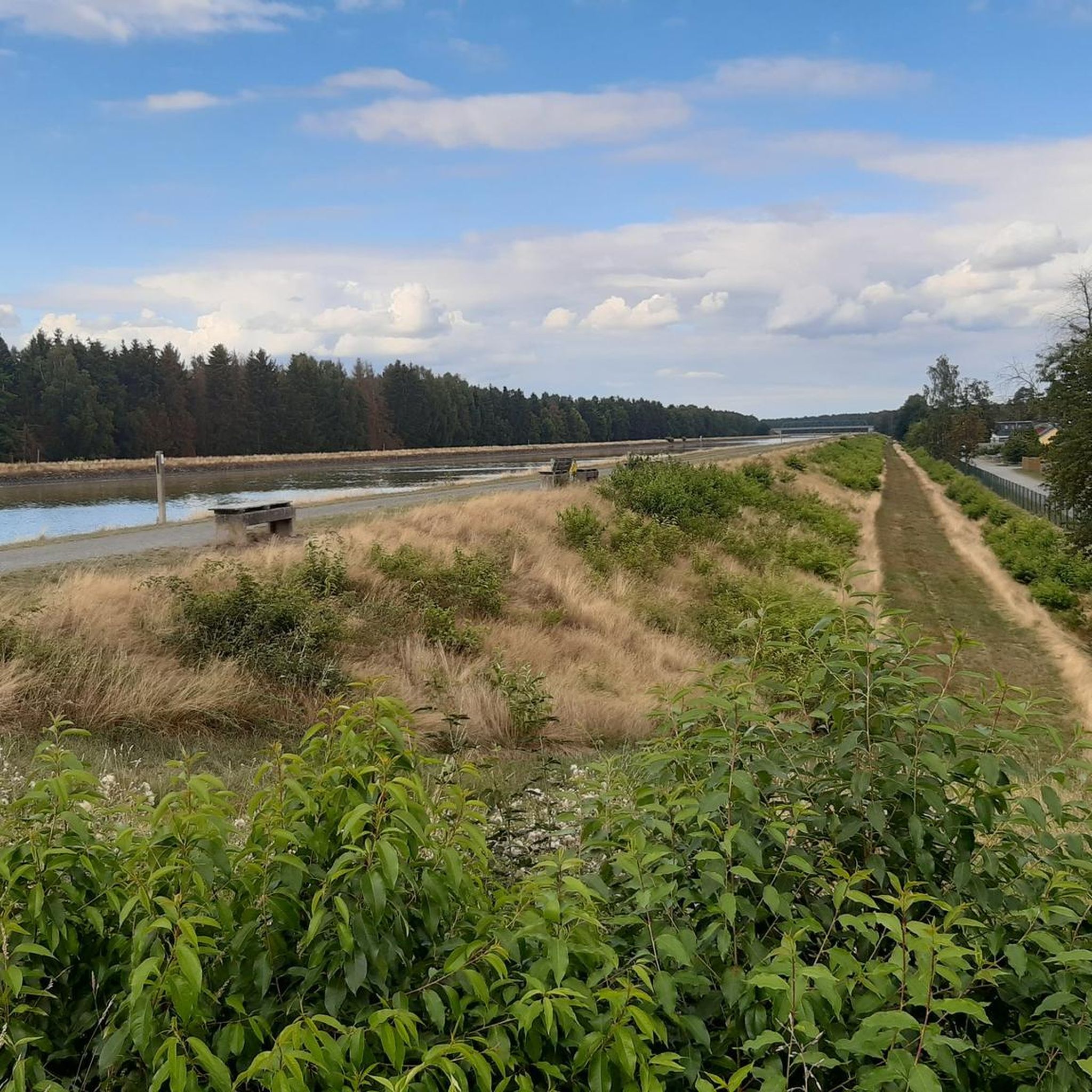
The entire network of junctions in the district of Gifhorn can be found here: https://www.suedheide-gifhorn.de/urlaubsthemen/radfahren/knotenpunkte
1
0
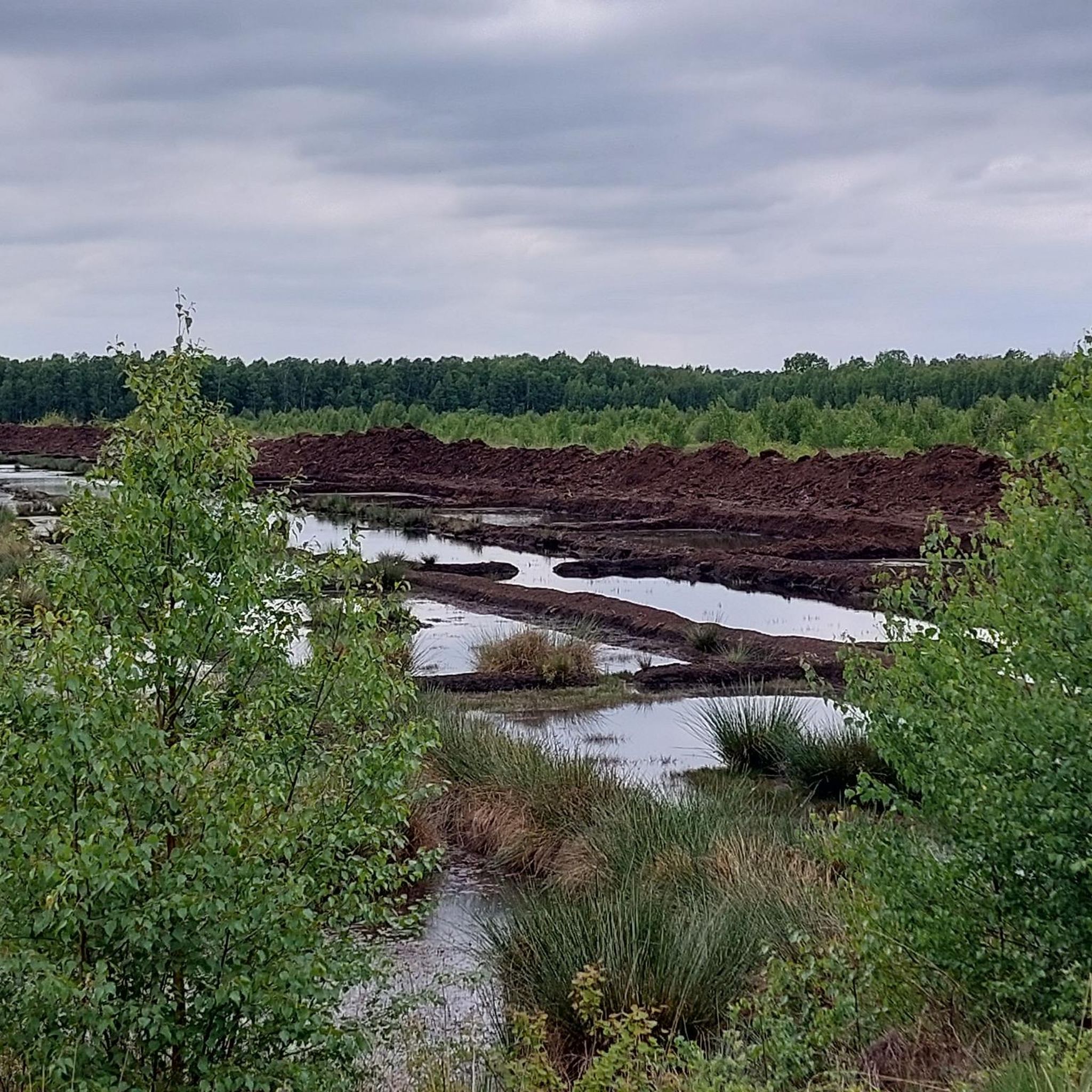
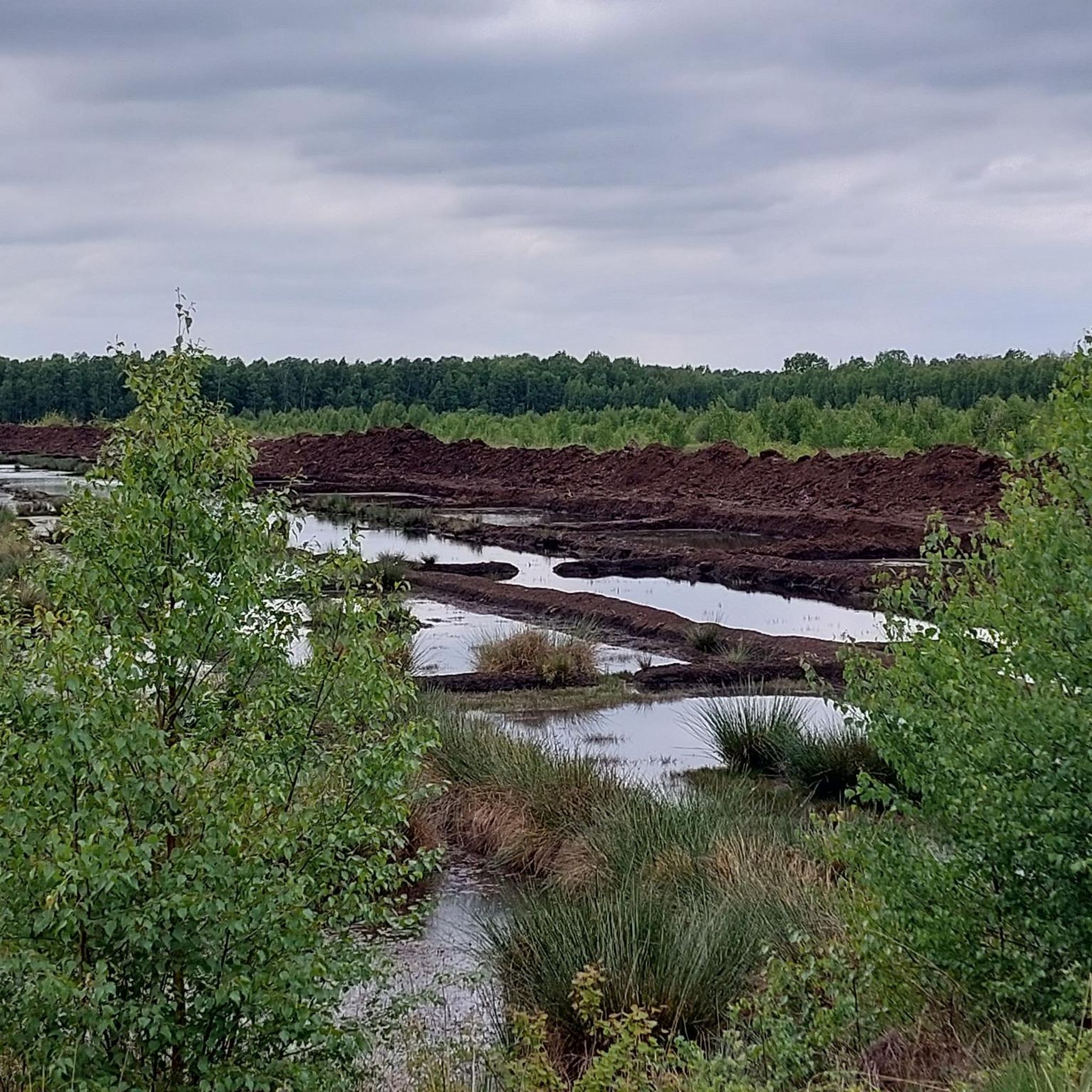
Here you can admire a small part of the renaturation area of the Great Moor. There is no longer any deep mining. The peat is gradually being removed for the pits, but this has nothing to do with peat mining, as some people wrongly describe it.
1
0

Peat is still actively mined here, and the "harvested" areas are then renaturalized and re-watered.
1
1

At this point, where the streets "Am Knüppeldamm" and "Arnoldshof" cross, there used to be a restaurant called "Zum Wahrenholzer Moor". Eventually the restaurant was called "Blutiger Knochen". Today there is an information board here.
1
0

A large moorland area has just been leveled for renaturation.
3
1
Frequently Asked Questions
What makes the natural monuments around Natural Park Großes Moor unique?
The natural monuments in this region are primarily characterized by their unique bog and moorland ecosystems, which are crucial for supporting a variety of specialized plant and animal species. These areas, often designated as nature reserves, feature dense peat formations, numerous ponds, and ongoing restoration efforts to preserve these valuable habitats. For instance, the Großes Moor near Gifhorn is part of the north-west German raised bog district, with peat layers reaching up to 6 meters thick.
Are there opportunities for wildlife spotting in the Großes Moor region?
Yes, the Großes Moor areas are rich in wildlife. The bogs and wetlands provide habitats for numerous bird species like cranes, buzzards, sparrowhawks, and marsh harriers. You might also spot moor frogs, adders, and various dragonflies and butterflies. The Großes Moor near Gifhorn, for example, supports around 150 animal species and 40 types of vascular plants endangered in Lower Saxony, including the adder, crane, nightjar, and woodlark. Efforts are also underway to restore habitats for species like cranes and snipe.
What kind of hiking trails can I find near the natural monuments?
The region offers a variety of hiking trails suitable for different preferences. For example, the Großes und Weißes Moor near Rotenburg (Wümme) features four color-coded hiking trails ranging from 1.5 km to 11.5 km, including a unique barefoot path. Near Gifhorn, visitors can explore the southern part of the Großes Moor via nature trails, including a 5 km walking trail. You can find more hiking options, such as the 7.46 km "Amber Lake – Großes Moor near Gifhorn loop from Stüde," by exploring the Hiking around Natural Park Großes Moor guide.
Are there any family-friendly natural monuments or activities in the area?
Many areas within the Großes Moor are suitable for families. The Großes und Weißes Moor near Rotenburg (Wümme) has interactive educational pavilions and information boards along marked trails, explaining the bog's ecology, and a barefoot path for a unique sensory experience. The Animal landscape managers in the Großen Moor / Sauerbach highlight also provides information about the local ecosystem, which can be interesting for children. Additionally, the nearby Large Bullensee is popular for swimming.
Where can I find good viewpoints to observe the landscape?
Several locations offer excellent views of the moorland landscape. Near Becklingen, an 8.44-meter-high Heinrich Eggers observation tower provides panoramic views of the re-wetted bog areas, meadows, and forests. In the Großes und Weißes Moor near Rotenburg (Wümme), a covered observation tower near the central ponds is ideal for birdwatching. The Dead Birch Forest in Großes Moor near Gifhorn also offers a unique and striking view over a birch forest submerged in water.
What is the significance of the restoration areas in Großes Moor?
The restoration areas are crucial for the ecological recovery of the moorland. Historically, much of the moor was drained for agriculture or peat extraction. Today, extensive efforts are made to re-wet these areas, allowing the original bog landscape to regenerate. This process helps to restore habitats for rare species and contributes to carbon dioxide binding. The Restoration Area in Großes Moor bei Gifhorn is an example where visitors can observe these renaturation efforts firsthand.
Can I cycle around the natural monuments in the Großes Moor region?
Yes, cycling is a popular way to explore the diverse landscapes. Near Gifhorn, there's a 12 km cycle path through the southern part of the Großes Moor. The Bourtanger Moor-Veenland International Nature Park also offers an extensive network of cycling paths. For more options, you can check out the Road Cycling Routes around Natural Park Großes Moor guide, which includes routes like the 25.39 km "Charlottenhof Bridge – Elbe Lateral Canal loop from Stüde," or the Gravel biking around Natural Park Großes Moor guide.
What historical or cultural points of interest are related to the Großes Moor?
The history of the Großes Moor is closely tied to peat extraction and settlement. The Bourtanger Moor-Veenland International Nature Park, for instance, showcases a mosaic of peat extraction history and agriculture, with 'moor gates' (information centers and museums like the Emsland Moor Museum) providing insights into the moor's past and its inhabitants. The Bloody Bone highlight, part of a local cycling circuit, has an information board detailing its unique local history, including a former restaurant with a distinctive name.
What is the best time of year to visit the Großes Moor natural monuments?
The Großes Moor can be visited year-round, but certain seasons offer unique experiences. Spring and summer are excellent for observing diverse flora and fauna, including blooming cotton grass and heather, and active birdlife. Autumn provides a beautiful landscape with changing colors, as noted by visitors to the Großes Moor near Gifhorn. Winter walks can also be serene, offering a different perspective of the quiet moorland.
Are there specific rules or considerations for visiting the nature reserves?
As these are nature reserves, it's important to respect the protected environment. Visitors should stick to marked trails to avoid disturbing sensitive habitats and wildlife. Information boards often provide details on local regulations, such as dog rules or specific access restrictions. The focus is on protecting rare and endangered species, so observing from a distance and leaving no trace are key principles.
What do visitors particularly enjoy about the natural monuments in this region?
Visitors frequently appreciate the tranquility and unique natural beauty of the moorland. Many enjoy the well-maintained paths and the opportunity to observe rare flora and fauna. The educational aspects, such as information boards and observation towers, are also highly valued. For example, visitors to the Dead Birch Forest in Großes Moor near Gifhorn describe it as a 'beautiful place' offering a unique view, while the Animal landscape managers in the Großen Moor / Sauerbach highlight is praised for its informative boards.
Most popular routes around Natural Park Großes Moor
Most popular attractions around Natural Park Großes Moor

Get inspired with the komoot mobile app


Explore more
Extend your search for the best caves by checking out these guides of the top ones around Natural Park Großes Moor:
