Top 19 Natural Monuments around Lippeaue
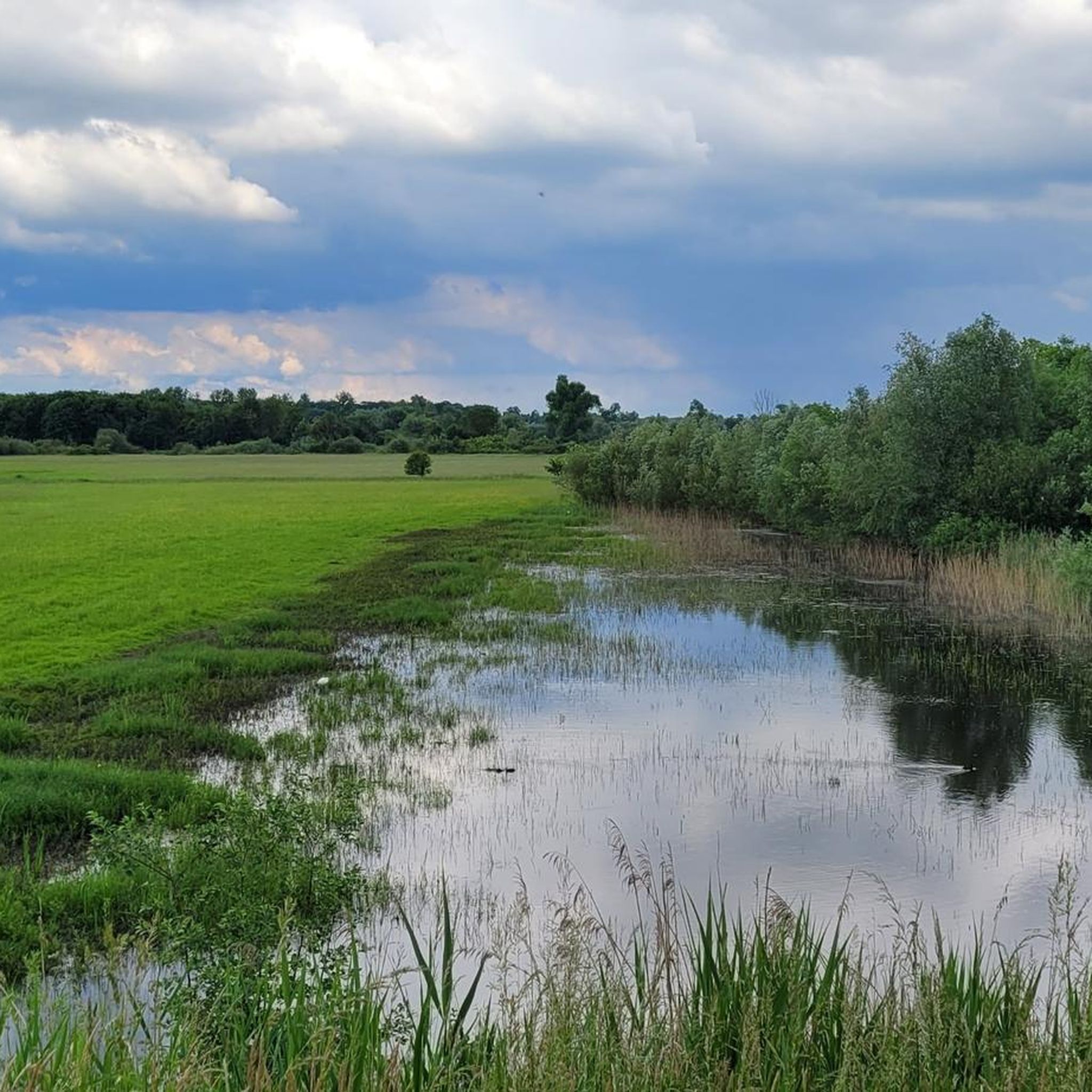
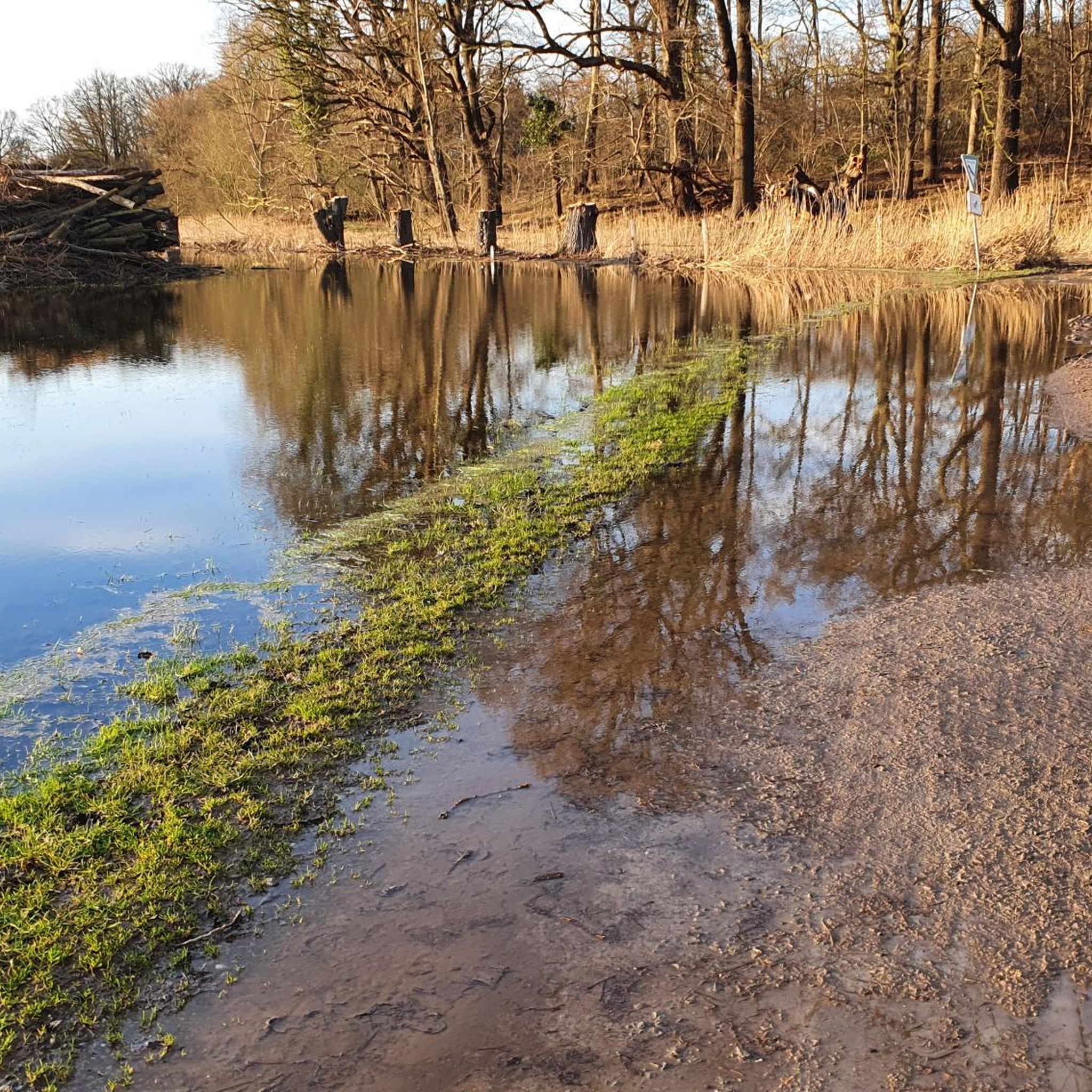
Best natural monuments around Lippeaue encompass a vast, interconnected natural area, primarily the floodplains of the Lippe River. This extensive landscape, designated as a significant nature reserve and a European Flora-Fauna-Habitat area, features diverse habitats including marshlands, forests, and grasslands. Renatured river sections allow the Lippe to reclaim its natural course, contributing to the ecological richness. The region provides habitat for numerous plant and animal species, including various birds and rare flora, making it a compelling natural monument due to…
Last updated: September 30, 2026
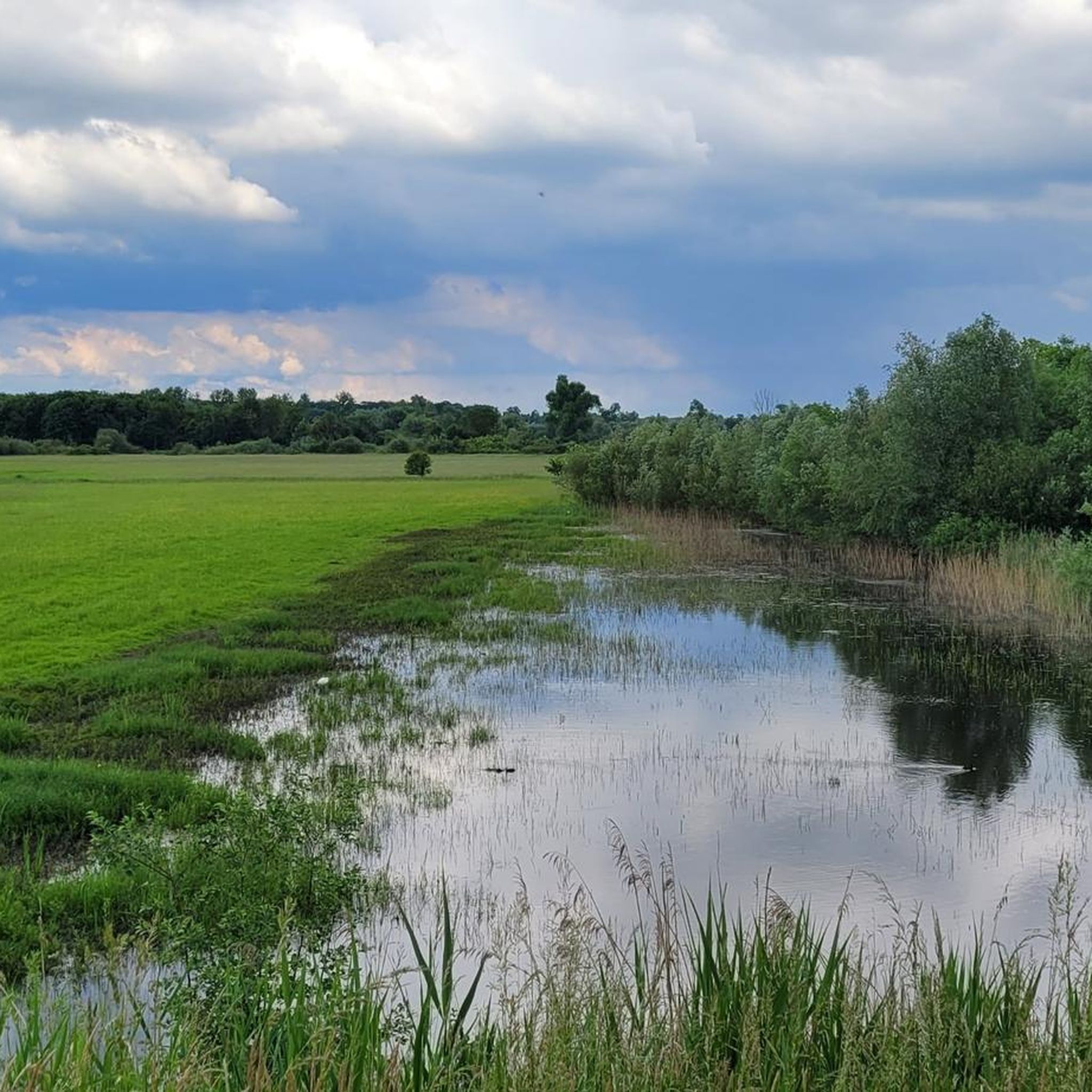
Lippeaue Nature Reserve
Highlight • Natural
Translated by Google •
Tip by

Observation Tower Klostermersch Nature Reserve
Highlight • Viewpoint
Translated by Google •
Tip by

Sign up now to discover places like this
Get recommendations on the best single tracks, peaks, & plenty of other exciting outdoor places.
Stork nest at Disselmersch observation point
Highlight • Viewpoint
Translated by Google •
Tip by

NSG Lippeaue between Goettingen and Cappel
Highlight (Segment) • Viewpoint
Translated by Google •
Tip by

Lippeaue Viewpoint
Highlight • Viewpoint
Translated by Google •
Tip by

Sign up for free to discover even more natural monuments around Lippeaue.
Already have an account?
Start today with a free account
Your next adventure awaits.
Other adventures around Lippeaue

Tips from the Community

A very small observation tower in Klostermersch - it's just a few steps and you're already on the viewing platform and can observe the small field in front. But I find the place good for a short break.
6
0

A very nice observation station for observing water birds in the Lippe meadows. The area itself is a paradise for wildlife. Since there are car parking spaces right next to the station, on nice days it can happen that all the "window seats" are occupied by photographers with tripods and long telephoto lenses. Immediately at the station there is also an occupied stork's nest.
1
0

Also on the Schelhasseweg you will find a lookout tower that can only be reached by stairs. In order to create better observation opportunities, especially for water birds, a large still body of water with an island was created as part of the project.
3
0
A viewing hill with an observation platform was created here in 2008 by the North Rhine-Westphalia Foundation. The vantage point can only be reached by stairs.
2
0

Very interesting is the high-pressure line along the way. Nature and industry come together here. The paths are narrow and are nicely shaded.
3
0
There are many lookout towers along the Lippe. Small information boards provide an overview of flora and fauna.
4
0
The Lippe is very close to nature and therefore extremely attractive for ornithologists or nature lovers.
4
0

The tornado of May 20th, 2022 raged along there 😫 tearing up and knocking down an awful lot of trees...
3
0
Frequently Asked Questions
What are the most popular natural monuments to visit in the Lippeaue region?
Visitors frequently enjoy the Lippeaue Viewpoint, a tranquil spot with viewing huts for observing local nature and wildlife. Another favorite is the Stork nest at Disselmersch observation point, located within the floodplains, which has been a nature reserve since 2004. The Observation Tower Klostermersch Nature Reserve also offers outstanding views into the Lippeauen, where many endangered species can be seen.
Are there family-friendly natural monuments or activities in the Lippeaue?
Yes, many natural monuments in the Lippeaue are suitable for families. Viewpoints like the Lippeaue Viewpoint and the Stork nest at Disselmersch observation point are great for wildlife observation. The Auenland Cycle Route along the Lippe Floodplain is also a family-friendly option for cycling and enjoying the river scenery.
What kind of wildlife can I expect to see in the Lippeaue natural monuments?
The Lippeaue is a haven for diverse wildlife. You can spot numerous bird species, including kingfishers, great bitterns, nightingales, marsh harriers, and white storks. It's also a significant resting and wintering ground for wading birds, ducks, and cranes. Semi-wild cattle and horses graze in the floodplains, and the rare river lamprey inhabits the river.
What are the best times of year to visit the natural monuments in Lippeaue for wildlife spotting?
The Lippeaue offers excellent wildlife spotting opportunities throughout the year. Spring and summer are ideal for observing breeding birds and diverse flora. Autumn and winter are particularly good for spotting migratory wading birds, ducks, and cranes, as the area serves as an important resting and wintering ground.
Are there hiking trails near the natural monuments in Lippeaue?
Yes, the Lippeaue region offers a variety of hiking trails. For example, you can explore routes like the 'Lippeaue Nature Reserve – Lusebredde Nature Reserve loop' or 'The Saloon Kessler – Kesselermühle Weir loop'. You can find more hiking options and detailed routes on the Hiking around Lippeaue guide page.
Can I cycle near the natural monuments in Lippeaue?
Absolutely. The Lippeaue is well-suited for cycling. The Auenland Cycle Route along the Lippe Floodplain is a popular choice, offering scenic views of the renatured river sections. For more cycling adventures, including MTB and gravel biking, check out the MTB Trails around Lippeaue and Gravel biking around Lippeaue guide pages.
What unique natural features define the Lippeaue region?
The Lippeaue is characterized by its diverse habitats, including marshlands, various riparian forests (marsh, soft, and hardwood), sandy heaths, wet and lean grasslands, and tall forb communities. The Lippe River itself, a typical lowland river, still meanders through the landscape, with significant sections having undergone renaturation to restore its natural course.
Are there any historical or cultural sites near the natural monuments in Lippeaue?
While the Lippeaue is primarily known for its natural beauty, there are cultural and historical sites in its vicinity. Examples include Sändkers Mühle, a technical cultural monument windmill, and the Heintrop museum station, offering additional points of interest beyond the natural landscapes.
What do visitors appreciate most about the natural monuments in Lippeaue?
Visitors consistently praise the tranquility and natural beauty of the Lippeaue. They enjoy the opportunities for wildlife observation, especially from the viewing huts that allow for undisturbed insights into local nature. The well-maintained bike paths and the peaceful atmosphere along the river are also frequently highlighted.
Are there specific observation points for birdwatching in the Lippeaue?
Yes, the Lippeaue offers several excellent observation points for birdwatching. The Stork nest at Disselmersch observation point is known for its storks, and the Observation Tower Klostermersch Nature Reserve provides panoramic views where many endangered species can be observed. The Lippeaue Viewpoint also features viewing huts designed for discreet observation.
What types of plants can be found in the Lippeaue natural monuments?
The Lippeaue is home to a rich variety of flora. In the smooth oat and wet meadows, you can find rare species like meadow saxifrage, yellow meadow rue, meadow fleabane, and yellow rattle. Higher, sandy river terraces support specialists such as English broom, dwarf feltwort, and heather, which thrive in nutrient-poor conditions.
Is the Lippeaue region accessible by public transport?
While the Lippeaue is a vast natural area, specific access points and observation sites may have varying public transport connections. It's advisable to research local bus or train services to the towns bordering the Lippeaue, such as Waltrop or Dorsten, and then plan your route to specific natural monuments.
Most popular routes around Lippeaue
Most popular attractions around Lippeaue

Get inspired with the komoot mobile app


Explore more
Extend your search for the best caves by checking out these guides of the top ones around Lippeaue:
