Natural Park Drover Heide
Natural Park Drover Heide
Top 8 Natural Monuments around Natural Park Drover Heide
Best natural monuments around Natural Park Drover Heide encompass a diverse landscape of open heathlands, woodlands, and historical features. This nature reserve, spanning over 600 hectares, is recognized as an important bird sanctuary and habitat for rare species. The park's unique character is shaped by its ecological richness and historical significance, including remnants from its past as a military training area. Visitors can explore a blend of natural beauty and ancient human ingenuity within its boundaries.
Best natural monuments around…
Last updated: September 30, 2026
Drover Heath
Highlight • Natural
Translated by Google •
Tip by

Drover Heide Nature Reserve
Highlight • Natural Monument
Translated by Google •
Tip by
Sign up now to discover places like this
Get recommendations on the best single tracks, peaks, & plenty of other exciting outdoor places.
Drover-Berg Tunnel Route
Highlight • Historical Site
Translated by Google •
Tip by

Wooden Boardwalk in Hohes Venn-Eifel Nature Park
Highlight • Trail
Translated by Google •
Tip by

Bench with a View of the Drover Heath
Highlight • Viewpoint
Translated by Google •
Tip by
Sign up for free to discover even more natural monuments around Natural Park Drover Heide.
Already have an account?
Start today with a free account
Your next adventure awaits.
Popular around Natural Park Drover Heide
Tips from the Community

Beautiful scenery is everywhere here
0
0

The Drover mountain tunnel is not only the only ancient tunnel in NRW, but at 1,660 m it is also the longest north of the Alps. Probably built in the middle of the 2nd century, it crosses the Drover mountain to bring fresh water from the "Heiliger Pütz" spring to a villa rustica that is believed to be near Froitzheim. Built in sections of 10 to 26 m and depths of up to 26 m, the construction shafts can now be recognized by funnel-shaped depressions in the forest floor. After the tunnel was completed, the actual water pipe was installed. Audio guide to the station at https://rebrand.ly/RTZ_Wasserradwege_POI-Bergtunnel
1
0

It's beautiful, but seemed a bit overrated to me. There are also a lot of hikers, so it's better to explore on foot.
3
0

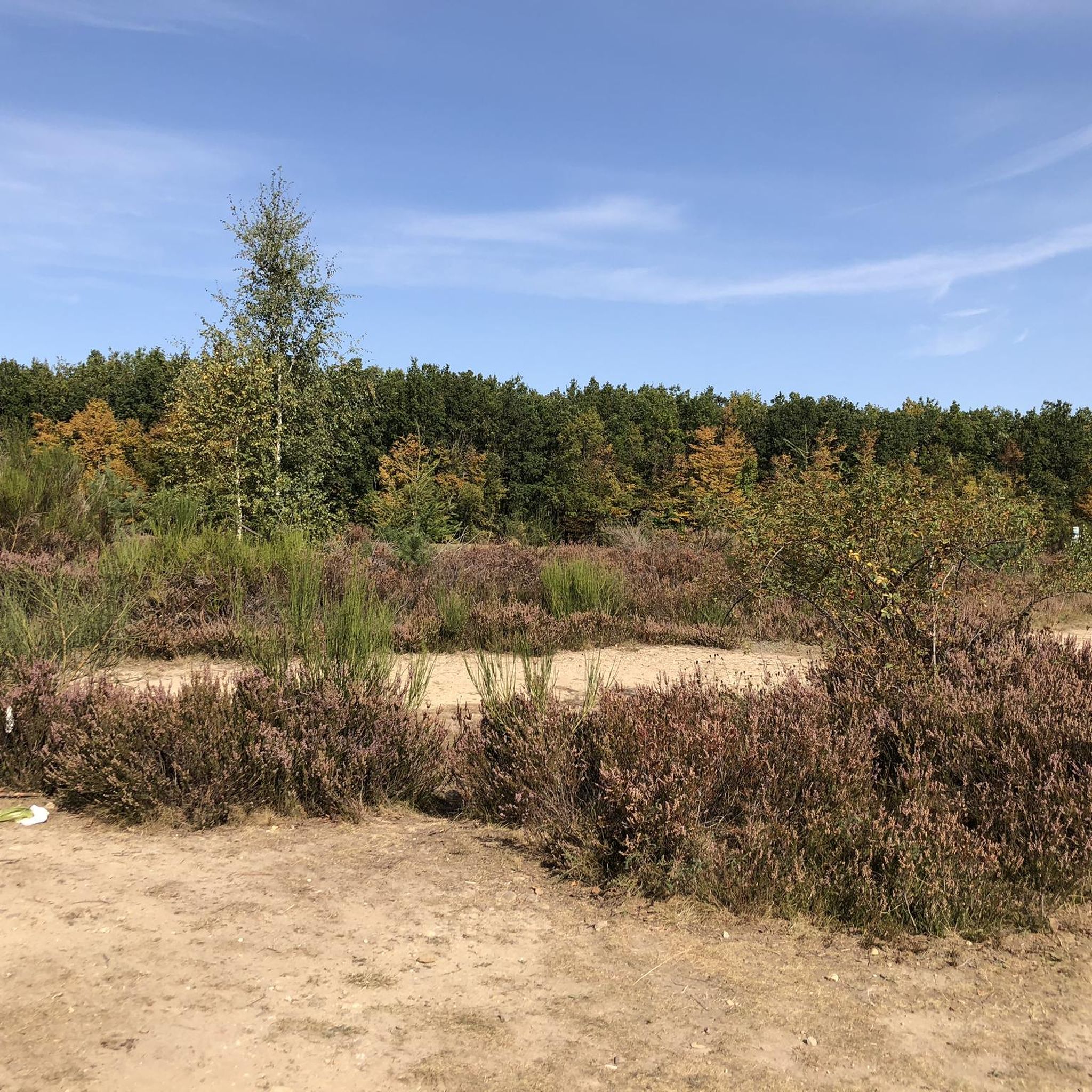
The area is a habitat for rare plant and animal species. That is why it is a recognized FFH area and is therefore included in the network of the European Fauna-Flora-Habitat Directive (FFH). 460 ferns and flowering plants have been identified here. 21 species of dragonflies live around the approximately 700 small wet biotopes that were formed through military exercises such as tank trips or entrenchments. 17 different species of grasshoppers and 38 species of butterflies are known to be arthropods. Two further representatives of threatened (FFH) species are the crabs Branchipus schaefferi and Triops cancriformis, which in Germany can be found almost exclusively in the temporary puddles on (former) military training areas.
6
0

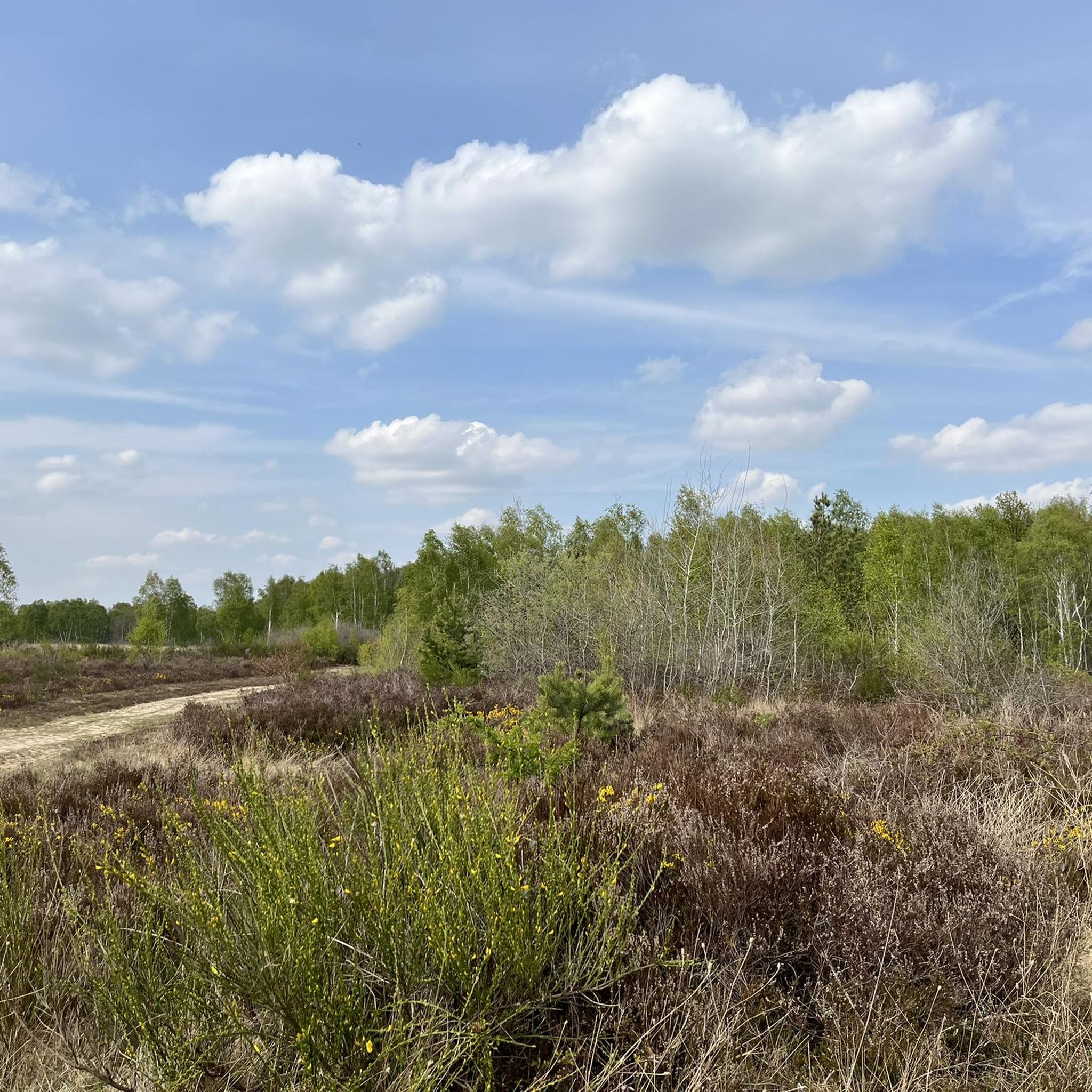
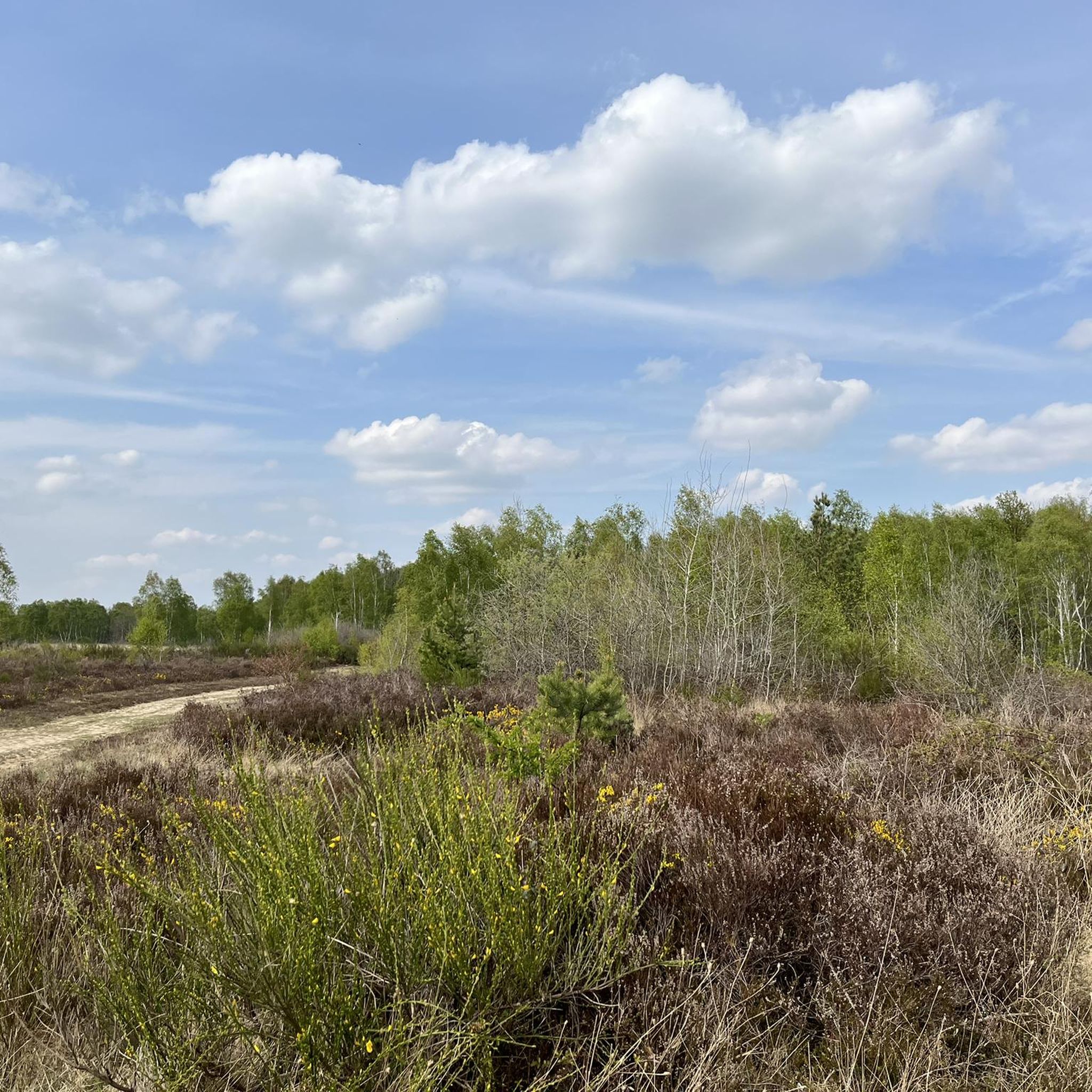
Here on the northern crossing path over the Drover Heath you are already deeper into the protection zone - the view extends far over the heath vegetation. A bench invites you to take a break.
5
0

A beautiful landscape in every season and usually good hiking trails.
2
0

Boardwalks not only have the task of guiding hikers safely through swampy terrain. They also protect plants and animals in this terrain. Please tread carefully on the wooden paths, lizards like to sunbathe on them,
1
0

Very nice, how everywhere the footbridges were put down, so nature remains intact
1
0
Frequently Asked Questions
What are the most popular natural monuments to visit in Natural Park Drover Heide?
Among the most popular natural monuments are the expansive Drover Heath, which is particularly stunning when the heather blooms in late summer. Another significant site is the Drover Heide Nature Reserve, a former military training area now recognized as a European bird sanctuary. Don't miss the historical Drover-Berg Tunnel Route, an ancient Roman water channel.
When is the best time to visit Natural Park Drover Heide to see its natural beauty?
The best time to visit is in late summer, particularly August, when the heather on the heathlands blossoms into a vibrant violet spectacle. This period offers the most picturesque scenery and is highly recommended by visitors.
Are there family-friendly natural monuments or activities in Natural Park Drover Heide?
Yes, many areas within Natural Park Drover Heide are family-friendly. The Drover Heath and Drover Heide Nature Reserve are suitable for families, offering easy walks and opportunities to observe nature. You might also spot the Scottish Highland cattle grazing, which is often a delight for children. The park features well-maintained paths, some with wooden footbridges, making exploration accessible for various ages.
What unique wildlife can I expect to see in Natural Park Drover Heide?
Natural Park Drover Heide is a biodiversity hotspot. It's an important bird sanctuary, home to over 130 species, including rare birds like the Nightjar, Woodlark, and Meadow Pipit. You might also spot the protected Eurasian Wryneck and Red-backed Shrike. The park's small bodies of water host primeval crayfish and great crested newts. With a little luck, you can also see the Common lizard sunbathing on wooden structures.
What historical features are part of the natural monuments in Drover Heide?
The most significant historical feature is the Drover-Berg Tunnel Route, an ancient Roman structure likely used to channel water from a spring to a Roman villa. This 1660-meter-long tunnel offers a fascinating glimpse into the region's past. The park also has a more recent history as a military training area from 1914 to 2004, with some remnants still visible.
Are there hiking trails available to explore the natural monuments?
Yes, the park features well-maintained, marked hiking paths, including circular routes and barrier-free options. These trails allow you to explore the Drover Heath, the Drover Heide Nature Reserve, and the Drover-Berg Tunnel Route. For more specific running routes, you can find options like the "Drover Heath Nature Reserve loop from Drove" on the Running Trails around Natural Park Drover Heide guide.
What outdoor activities can I do near the natural monuments in Natural Park Drover Heide?
Beyond hiking, you can enjoy various outdoor activities. The region offers excellent opportunities for cycling, with routes like the "Drover Heide (heathland) – Drover Heath loop from Drove" available in the Cycling around Natural Park Drover Heide guide. For those interested in gravel biking, there are also routes such as the "Rursee Loop Trail" listed in the Gravel biking around Natural Park Drover Heide guide.
Is it possible to see the Scottish Highland cattle in Natural Park Drover Heide?
Yes, the Scottish Highland cattle are an integral part of the landscape management in Drover Heide. They graze in fenced areas to help maintain the heathland. While sightings are not guaranteed, many visitors have the pleasure of seeing these robust animals, known for their long orange fur and curved horns, contributing to the park's unique visual appeal.
What should I know about accessibility and staying on marked paths?
The park offers well-maintained paths, including some barrier-free options and wooden footbridges over sensitive areas. However, due to its past as a military training ground, it's crucial to remain on marked paths for your safety. Sturdy footwear is advisable for exploring the diverse terrain.
What do visitors enjoy most about Natural Park Drover Heide?
Visitors frequently praise the park's tranquil atmosphere and scenic beauty, especially during the heather bloom. The opportunity to observe diverse wildlife, including rare birds and the Scottish Highland cattle, is a major draw. The blend of natural landscapes with historical elements, like the Roman Drover-Berg Tunnel, also adds to its unique appeal.
Are there any specific viewpoints or scenic spots within the natural monuments?
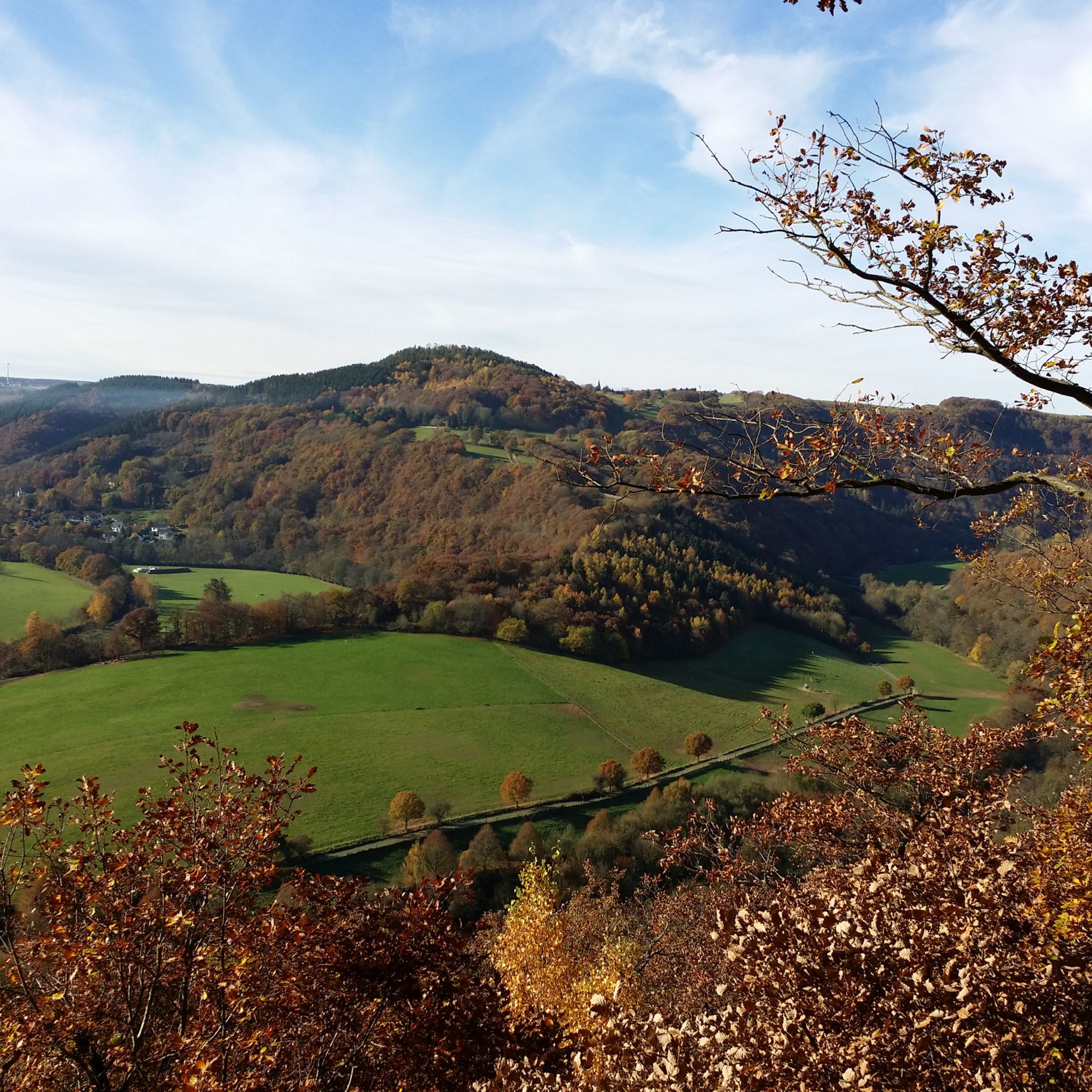
Yes, the expansive Drover Heath itself offers stunning panoramic views, particularly when the heather is in bloom. There are also elevated viewpoints along some of the circular routes, providing excellent perspectives over the diverse landscape of heathland, meadows, and woodlands.
How can I get to Natural Park Drover Heide using public transport?
While the guide focuses on the natural monuments themselves, information regarding public transport to Drover Heide can be found through local tourism resources. For detailed travel planning, it's recommended to check the Rureifel Tourism website for current public transport options to the area.
Most popular routes around Natural Park Drover Heide
Most popular attractions around Natural Park Drover Heide

Get inspired with the komoot mobile app


Explore more
Extend your search for the best caves by checking out these guides of the top ones around Natural Park Drover Heide:
