Top 9 Natural Monuments around Beltringharder Koog
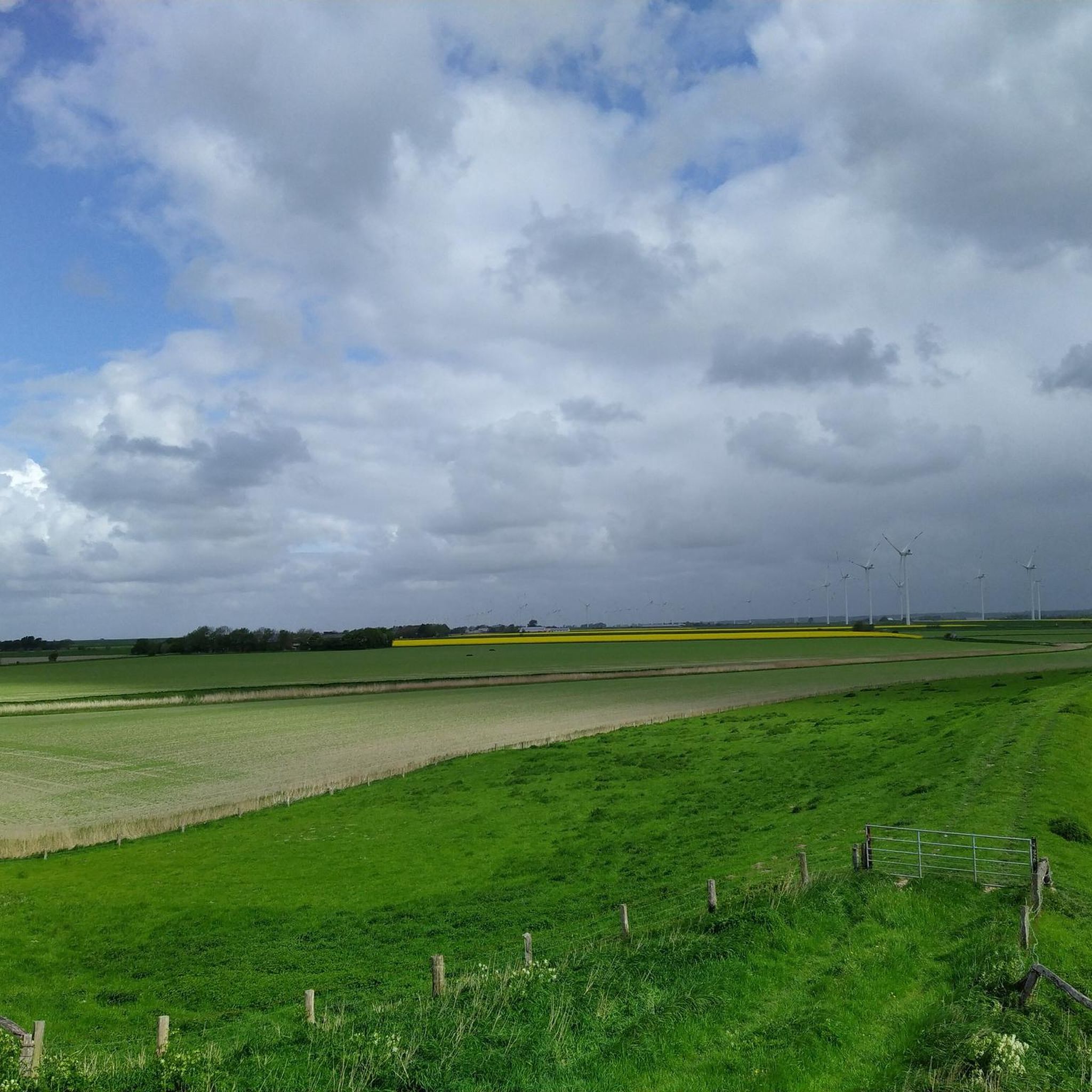
Best natural monuments around Beltringharder Koog offer a diverse landscape, making it Schleswig-Holstein's largest mainland nature reserve. This area features a unique blend of saltwater and freshwater habitats, including lakes, wetlands, and mudflats. Established through the diking of a portion of the Wadden Sea, it provides a significant ecosystem for countless bird species. The Koog is a prime destination for nature enthusiasts and birdwatchers, with over 100,000 wading and water birds using it as a resting place.
Best natural monuments…
Last updated: September 30, 2026
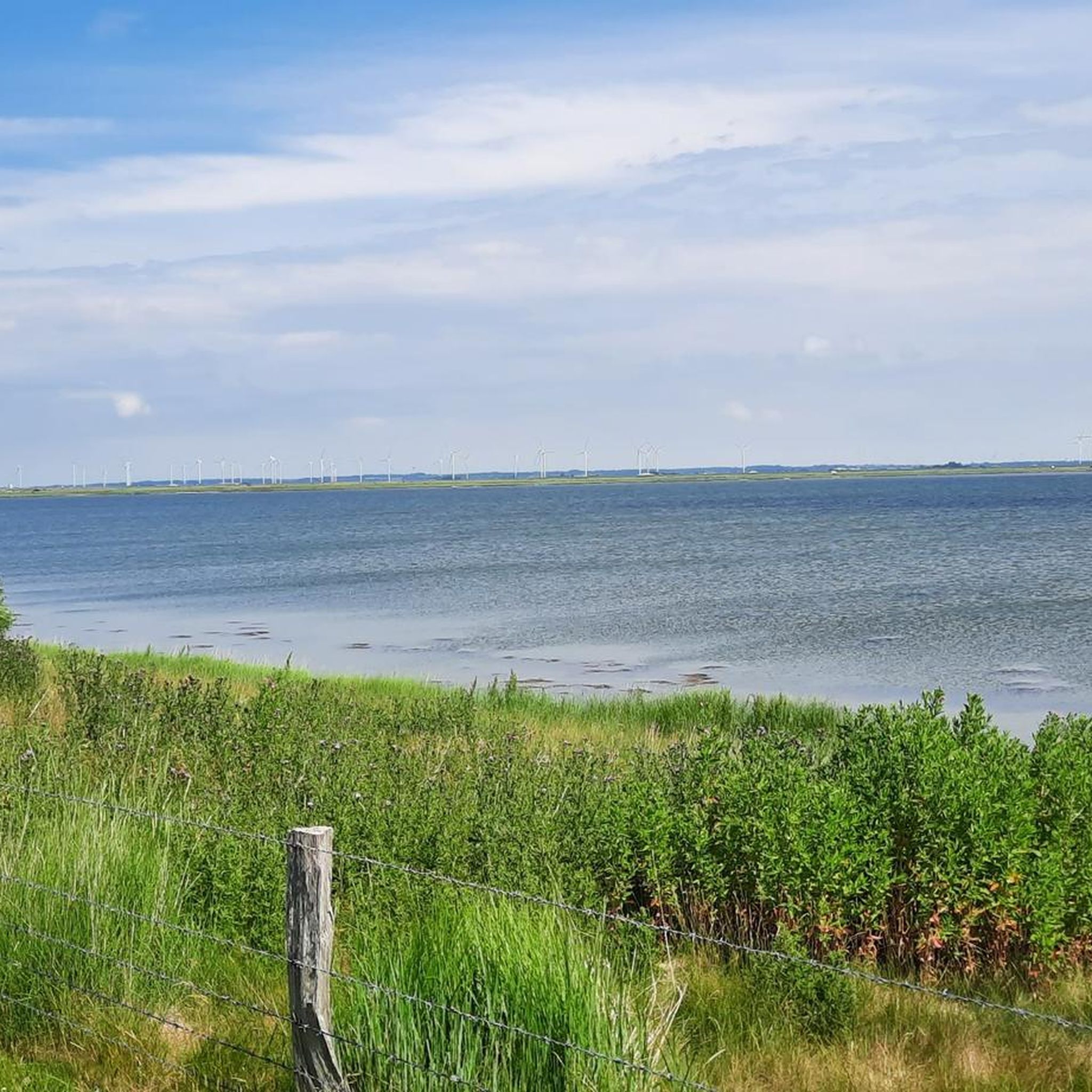
Lüttmoorsiel Seawall and View over the Beltringharder Koog
Highlight • Viewpoint
Translated by Google •
Tip by

Beltringharder Polder
Highlight • Natural Monument
Translated by Google •
Tip by

Sign up now to discover places like this
Get recommendations on the best single tracks, peaks, & plenty of other exciting outdoor places.
Beltringharder Koog Nature Reserve
Highlight • Natural Monument
Translated by Google •
Tip by

Lüttmoordamm Birdwatching Hide
Highlight • Viewpoint
Translated by Google •
Tip by

Transport Dam to Cecilienkoog
Highlight (Segment) • Trail
Translated by Google •
Tip by

Sign up for free to discover even more natural monuments around Beltringharder Koog.
Already have an account?
Start today with a free account
Your next adventure awaits.
Tips from the Community

You can observe a lot of birds here. Not just during migration season. Including glossy ibises and eagles!
0
0

For those who are interested...here you can observe the birds very well, from a well-protected shelter
0
0

Very nice viewing hut. Overlooks a headland in the water near the hut, so if you sit for a while you can see all kinds of waders passing by. Also seen and special ducks. Also after the hut, towards the mudflats, there is water on the right with land nearby, giving you a good view of various birds from the road. Eagle also seen. In July...
1
0

The Beltringharder Koog is the largest nature reserve on the mainland of Schleswig-Holstein and covers around 3,350 hectares. It is located near the Nordstrand Bay and was dammed in 1987 as part of a coastal protection project. Originally designed as a retention area for floods, the Koog has developed into an important habitat for many bird species and is now a true paradise for nature lovers and ornithologists. The diverse landscape of the Beltringharder Koog includes saltwater lagoons, wet meadows and wilderness areas. These different biotopes provide an ideal habitat for numerous plant and animal species. Countless waders and water birds can be observed here, especially during the migration periods in spring and autumn. There are numerous ways for visitors to explore the Beltringharder Koog. Well-developed walking and hiking trails lead through the area and provide impressive views of nature. There are also bird watching huts that offer an undisturbed view of the wildlife. The West Coast Integrated Station also offers informative exhibitions and guided tours that provide deeper insights into nature conservation and the ecology of the region. The Beltringharder Koog is an outstanding example of successful coastal and nature conservation in Germany. It not only offers valuable protection from storm surges, but also an important refuge for endangered animal and plant species. For nature lovers and bird watchers, the Koog is a worthwhile destination that offers unique nature experiences.
0
0
The Beltringharder Koog is an impressive nature reserve in North Friesland, Schleswig-Holstein. The Koog was embanked in 1987 and covers an area of 3,350 hectares, making it the largest nature reserve on the Schleswig-Holstein mainland. It was created in response to storm surges and today serves to protect the coast and promote biodiversity in the region. The Beltringharder Koog has a variety of habitats, including saltwater and freshwater lagoons, wet grassland and tidal floodplains. These diverse biotopes provide habitat for numerous species of birds that breed or rest here. Over 100,000 waders and water birds use the Koog throughout the year, making it a paradise for birdwatchers. Commonly seen species include greylag geese and black-necked grebes. For visitors, there are well-developed hiking and cycling trails that lead through the diverse landscape of the Koog. Tours that start at Lüttmoorsiel and lead along the dike to Lüttmoorsee and further are particularly recommended. Observation huts and viewing platforms on these routes offer excellent opportunities to observe wildlife in its natural environment. The Koog is also an example of successful cooperation between nature conservation organizations such as NABU, the Wadden Sea Conservation Station and the WWF. Together they ensure that this unique ecosystem is protected and cared for.
1
0

Beltringharder Koog is the name of the embankment of part of the Schleswig-Holstein Wadden Sea in the area of Nordstrand Bay, which was completed in 1987. This measure effectively connected the former island of Nordstrand to the mainland and thus made it part of a peninsula. Wikipedia
3
0
Great to drive. 10,000 hectares of salt marshes, a unique habitat 👍🍀
3
0

Although it is not a perfect route for racing bikes, there are many gates to open and close. But in my opinion you should accept that, whether at high or low water, the Wadden Sea is always an experience, so it doesn't matter if it took you more time than planned. Also along the dike to Nordstand, really pleasant and if you want you can also take a break at the Holmersiel bathing area.
2
0
Frequently Asked Questions
What natural features can I expect to see in the Beltringharder Koog?
The Beltringharder Koog is Schleswig-Holstein's largest mainland nature reserve, offering a unique blend of saltwater and freshwater habitats. You can explore diverse landscapes including lakes like Speicherbecken and Lüttmorsee, extensive wetlands, mudflats, and salt meadows. These areas are home to a rich variety of flora and fauna, especially numerous bird species.
Are there good spots for birdwatching in the Beltringharder Koog?
Yes, the Beltringharder Koog is a prime destination for birdwatchers, with over 100,000 wading and water birds using it as a resting place. Excellent viewing opportunities are available at the Lüttmoordamm Birdwatching Hide, which provides prime views of diverse birdlife. The Lüttmoorsiel Seawall also offers expansive views where many sea wading birds are visible in the mudflats.
What outdoor activities can I do near the natural monuments in Beltringharder Koog?
The area around Beltringharder Koog offers various outdoor activities. You can enjoy hiking on trails like the easy "Beltringharder Koog Dike – Lüttmoordamm loop from Badestelle Lüttmoorsiel" or cycling routes such as the "View of Lorendamm Causeway – Wattenmeer Information Board loop from Elisabeth-Sophien-Koog." For more options, explore the hiking, cycling, and running guides for the region.
Are there family-friendly natural monuments or trails in the area?
Many areas within the Beltringharder Koog are family-friendly. The Beltringharder Koog Nature Reserve and the Beltringharder Koog Nature Reserve Entrance are suitable for families. The Lüttmoordamm Birdwatching Hide is also easily accessible and offers an engaging experience for all ages to observe wildlife.
What do visitors enjoy most about the natural monuments in Beltringharder Koog?
Visitors particularly appreciate the expansive views and the rich birdlife. The Lüttmoorsiel Seawall is highly rated for its infinite horizons, views of the sea, the Halligen, and the Koog, where many sea wading birds are visible. The unique combination of wetland, grassland, lakes, and mudflats provides exceptional opportunities for nature observation and tranquil walks.
Is the Beltringharder Koog accessible for wheelchairs?
Yes, some areas are designed for accessibility. For instance, the Lüttmorsee boasts two observation hides that are easily accessible by foot, bicycle, car, or wheelchair, enhancing the visitor experience for everyone.
What is the best time of year to visit the Beltringharder Koog?
The Beltringharder Koog is significant throughout the year, especially for birdwatching. Over 100,000 wading and water birds use the Koog as a resting place year-round. Spring and autumn migration periods are particularly spectacular for observing large flocks of birds. However, the diverse habitats offer something to see in every season.
Are there specific viewpoints to get the best scenic photos?
Absolutely. The Lüttmoorsiel Seawall offers magnificent views with a clear sight of Nordstrandischmoor, the salt lagoon, and the Beltringharder Koog. The dikes at Lüttmoor Siel and Holmer Siel also provide excellent vantage points for capturing the natural landscapes and birdlife.
Can I bring my dog to the Beltringharder Koog nature reserve?
While the Beltringharder Koog is a nature reserve, specific rules apply to protect the sensitive ecosystem and wildlife. It's generally recommended to keep dogs on a leash in designated areas to avoid disturbing the numerous bird species and other animals. Always check local signage for current regulations.
Are there any lesser-known trails or areas worth exploring in the Koog?
Beyond the main highlights, exploring the areas around Holmer-See in the southeast can offer a glimpse into a wilder, less managed part of the Koog. This smaller lake is nestled within a succession area, showcasing natural ecological processes. The former Transport Dam to Cecilienkoog also offers a unique perspective, separating Lüttmoorsee from the tidal saltwater lagoon.
Where can I find information about the history of the Beltringharder Koog?
The Beltringharder Koog was established in 1987 through the diking of a portion of the Wadden Sea, specifically the Nordstrand Bay. This transformation created the unique landscape you see today, with its blend of saltwater and freshwater areas. Information boards, such as those near the Beltringharder Koog Nature Reserve, often provide details about its creation and ecological significance. You can also find more context on Nordseetourismus.de.
Most popular routes around Beltringharder Koog
Most popular attractions around Beltringharder Koog

Get inspired with the komoot mobile app


Explore more
Extend your search for the best caves by checking out these guides of the top ones around Beltringharder Koog:
