Top 8 Natural Monuments around Natural Park Dosenmoor
Best natural monuments around Natural Park Dosenmoor include the largest and best-preserved Atlantic plateau raised bog in Schleswig-Holstein, Germany, spanning 521 hectares. This unique ecosystem, fed solely by rainwater, supports specialized flora such as cotton grass and sundew, alongside diverse fauna including nearly 100 bird species. The Dosenmoor nature reserve trails offer well-developed circular paths and a nature trail, allowing visitors to explore its regenerating bog landscape. It is an ecologically significant area for biodiversity and climate protection.
Best natural…
Last updated: October 13, 2026
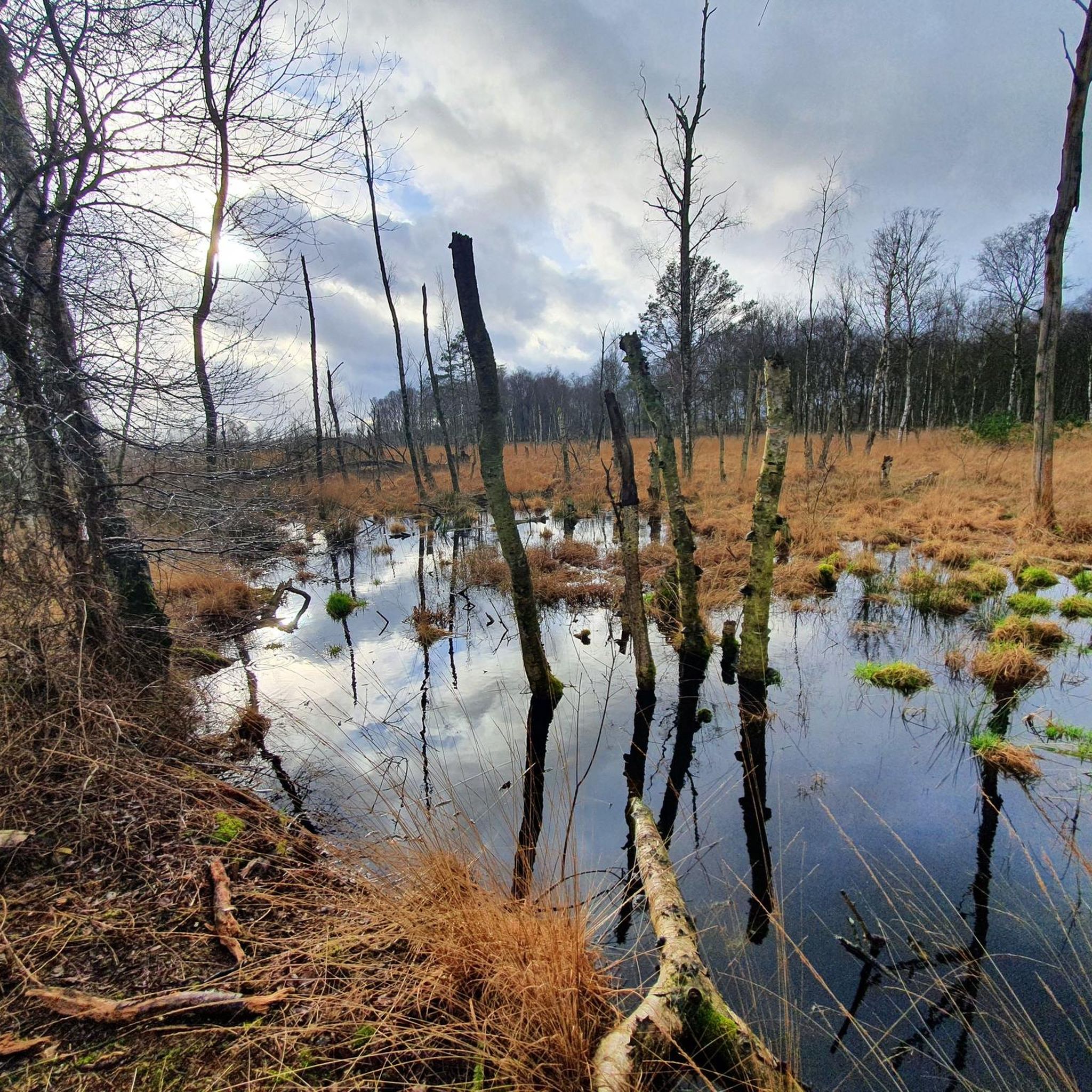
Boardwalk in the Dosenmoor Nature Reserve
Highlight • Trail
Translated by Google •
Tip by

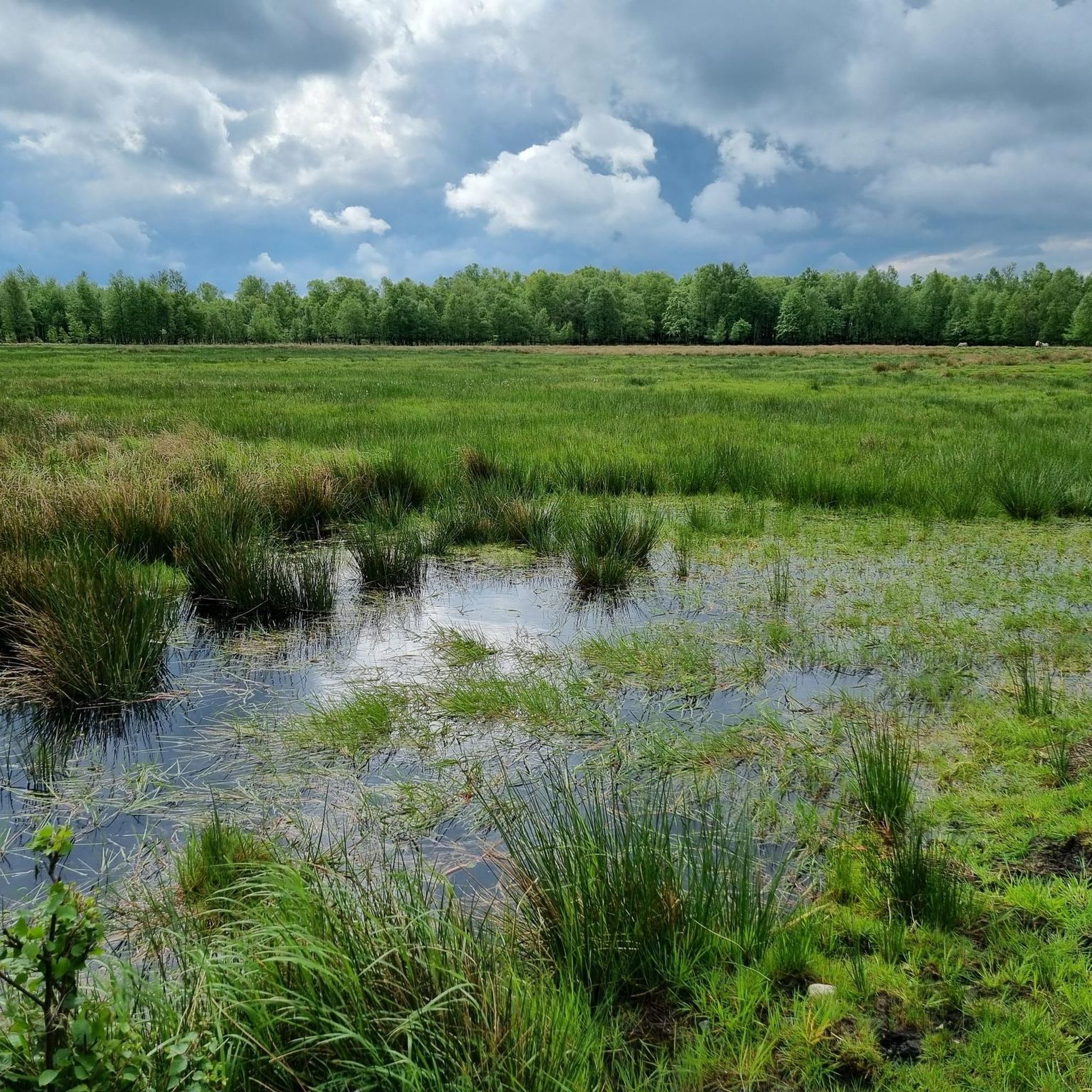
Dosenmoor Nature Reserve
Highlight • Natural
Translated by Google •
Tip by
Sign up now to discover places like this
Get recommendations on the best single tracks, peaks, & plenty of other exciting outdoor places.
Wattenbek Staff Discovery Site
Highlight • Historical Site
Translated by Google •
Tip by

Bürgerwald Am Dosenmoor Tree Trail
Highlight • Trail
and the "Hamburg - Kiel" railway line, there is a 1.3 hectare area …
Translated by Google •
Tip by

Four Distinct Willows by the Dosenbek
Highlight • Natural Monument
Translated by Google •
Tip by
Start today with a free account
Your next adventure awaits.
Tips from the Community

The moor is well-equipped with information panels. This one also explains the Wattenbeck staff. It appears to be a very old, treated staff that has survived the centuries in the moor remarkably well.
0
0

very informative board about the staff found here
1
0

There are 4 striking pastures where the Fügenbek runs towards the moor from the east and bends. A nice photo stop.
7
0
“It is not known what the staff ultimately served. The experts vary between calling it a cult staff, consecration staff, messenger staff or shepherd's throwing stack. - The assumption that it is a cult or consecration staff could be contradicted by the fact that it is an isolated find. - If there had been a messenger staff, the message would have been recorded with less effort. - Throwing sticks were usually thickened at one end, were easily lost or got stuck in trees. The risk of losing such an ornate staff would be far too high. It is most likely that the Wattenbeker staff was simply used for daily driving of cattle. The staff as well as the Wattenbek local files with the correspondence and research results from Hans Hingst are now in the Archaeological State Museum Gottorf Castle preserved.” [Information board]
3
1
“Nothing is known anywhere in the world from the Iron Age that is comparable to the Wattenbeker Staff. The large number of figures skillfully cut into wood, which dynamically represent an impressive scene, are considered particularly unique and significant: • over 20 rushing, mostly horned animals, * two human figures (perhaps shepherds) as well as the legs of a third person and - presumably - two dogs, * a series of 53 notches as well * a web-like pattern that divides the group of animals. According to the opinions of the Heidelberg ethnologist Dauvel (1954) and the representative of the Jessen State Hunting Association (1958), the row of notches could represent numbers, while the net pattern more likely indicates a net hunt. Interesting are Jessen's interpretations that the net is broken through by the animals and only the legs of the net post can be seen because it lies under the net." [Information board]
5
1

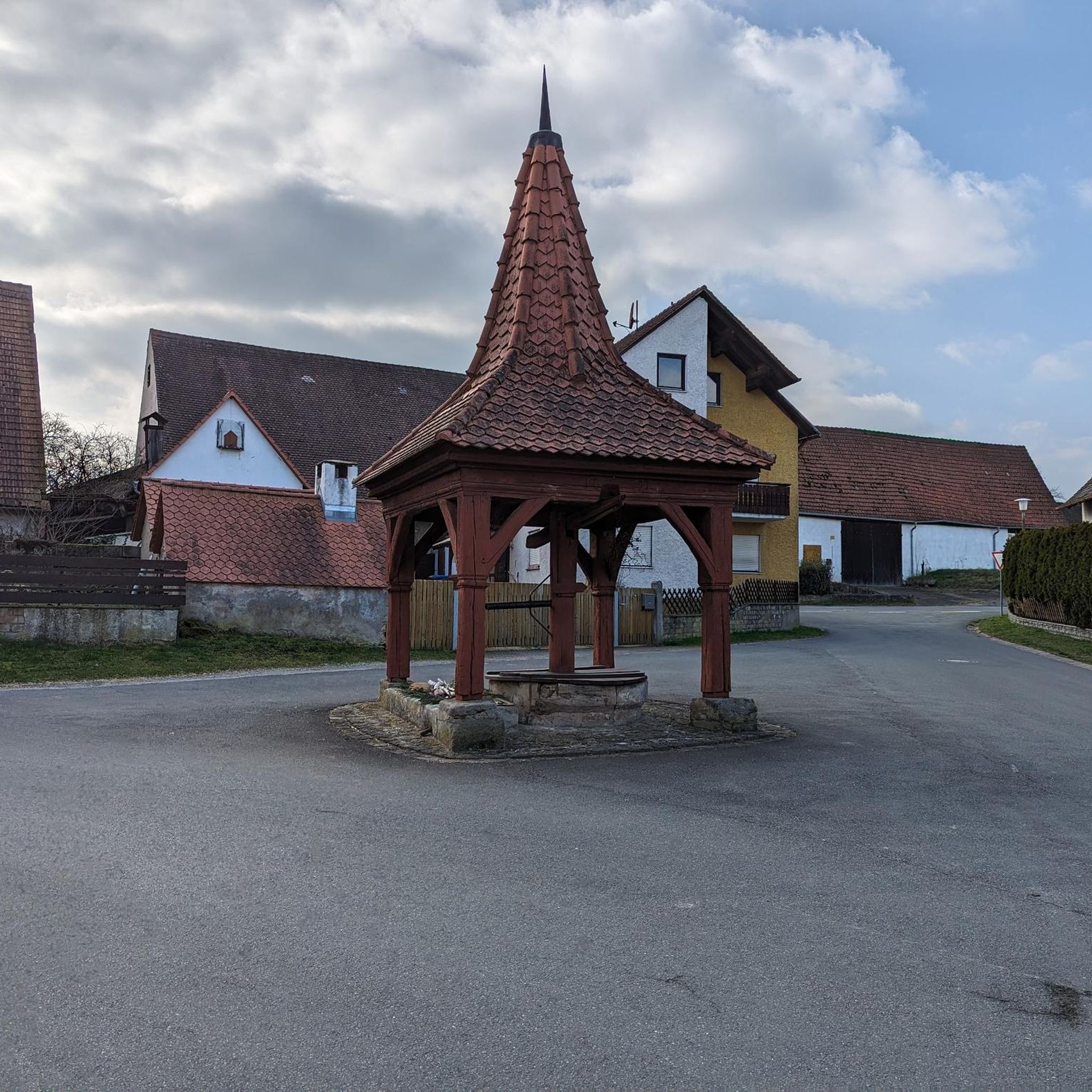
At the point where three (actually four, but you can usually only see three at a time) willow trees grow photogenically, a moor ditch flows into the Töpfenbek. The east entrance to NSG Töpfemoor is in the immediate vicinity.
6
0
These three – correction: four – willows are a striking and pleasing landmark. Nearby, the ditch that runs parallel to the path around the moor flows into the Dosenbek River. I find this landmark very photogenic.
0
0

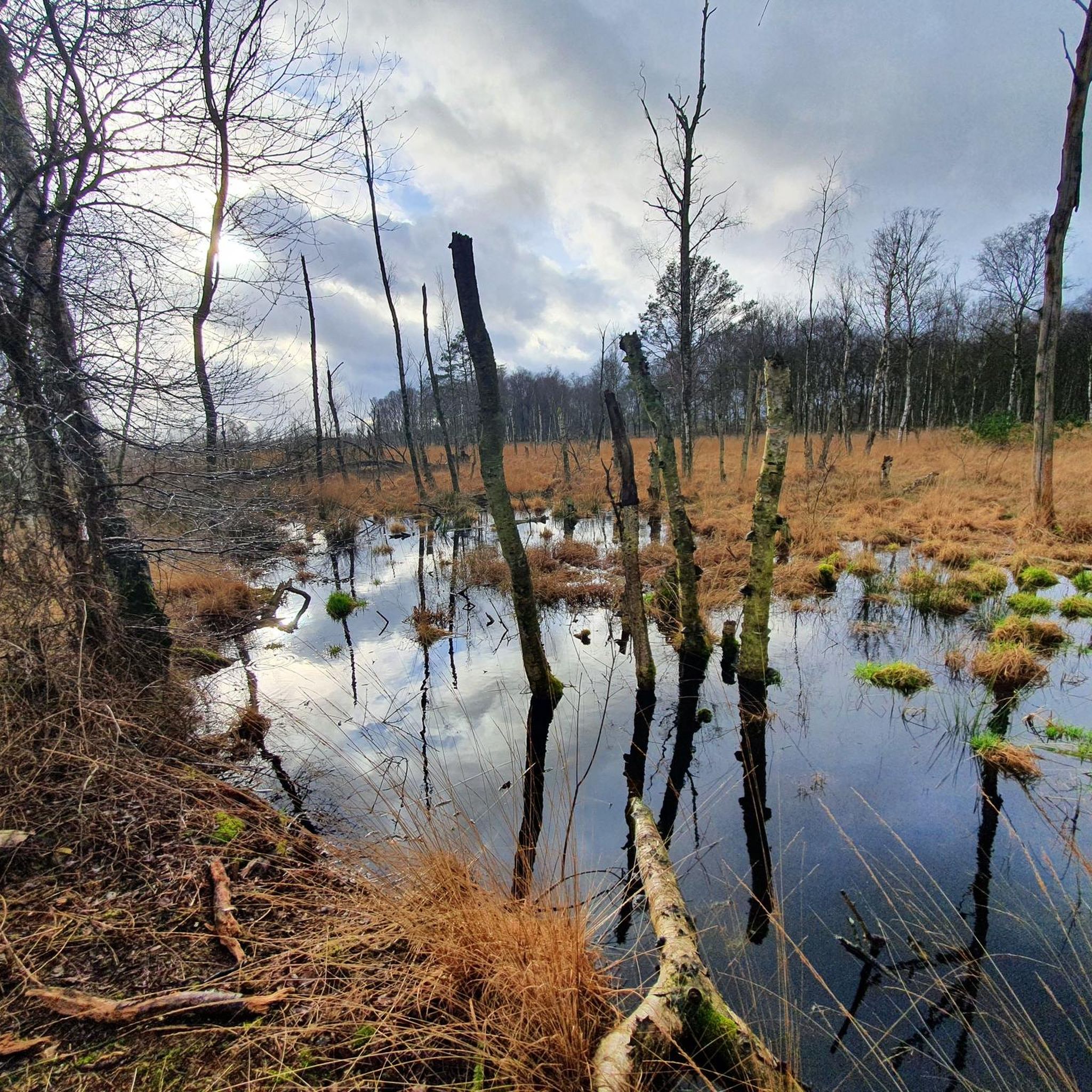
The Dosenmoor is located north of Neumünster, right next to the Einfelder See, and covers an area of 521 hectares. It is one of the best preserved raised bogs in Schleswig-Holstein and invites those seeking relaxation to its hiking trails, viewing areas and an educational trail. Many rare plants and animals are adapted to the special living conditions in the raised bog and can be easily observed from some of the trails. For example, you might notice blue frogs at the waters from March to April. These are the colorful male moor frogs. The blue coloring can only be observed at this time of year, when the frog man calls for his chosen one. Although the Dosenmoor is one of the best preserved in our country and some rewetting measures have already been implemented, it still shows many traces of human intervention in the natural system, such as the subsidence of the bog, which was caused by drainage. The drained bog was previously used to extract peat. The Doosenmoor has been a nature reserve since 1982 and has been re-wetted since then. Sheep and goats graze here so that the areas do not grow over again, but provide light and space for the typical moor plants such as peat mosses, heather plants and the rare sundew. The Dosenmoor offers a great diversity of species, especially birds. A walk on the paths through the Dosenmoor is definitely a worthwhile experience. https://www.stiftungsland.de/was-wir-tun/erlebnisraumgestalter/karte/stiftungslandgebiete/dosenmoor/
12
1
Frequently Asked Questions
What makes the Dosenmoor Natural Park a unique natural monument?
The Dosenmoor is recognized as the largest and best-preserved Atlantic plateau raised bog in Schleswig-Holstein, Germany, covering 521 hectares. Its unique ecosystem is fed exclusively by rainwater, supporting specialized flora and fauna adapted to its acidic, low-nutrient environment. It's an ecologically significant area crucial for biodiversity and climate protection, with ongoing renaturation efforts.
What kind of wildlife can I expect to see in the Dosenmoor Natural Park?
The Dosenmoor is home to nearly 100 different bird species, with around 90 breeding in the moor, including cranes and short-eared owls. You might also spot moor frogs, especially in April when males turn a striking blue during mating season, as well as ringed snakes, adders, and various water-loving insects like the large moor dragonfly.
Are there specific plants to look out for in the Dosenmoor?
Yes, the Dosenmoor features specialized plants adapted to its bog environment. Keep an eye out for cotton grass with its distinctive white, fluffy seed heads, bell heath creating purple blossoms, and the carnivorous sundew, often visible in autumn. Peat moss forms the very body of the bog, and you can also find rosemary heath and cranberry.
What are the best ways to explore the Dosenmoor Natural Park?
The northern part of the nature reserve is well-developed with several circular paths and a nature trail along a boardwalk. The Boardwalk in the Dosenmoor Nature Reserve provides accessible routes with information boards. These paths allow visitors to explore the moor while protecting its delicate ecosystem.
Are there family-friendly options for visiting the natural monuments around Dosenmoor?
Yes, several natural monuments in the area are suitable for families. The Boardwalk in the Dosenmoor Nature Reserve and the Dosenmoor Nature Reserve itself offer accessible paths. The Wattenbek Staff Discovery Site provides an interesting historical context with informative boards, and the Bürgerwald Am Dosenmoor Tree Trail is also family-friendly.
What is the best time of year to visit the Dosenmoor Natural Park?
The Dosenmoor offers a unique experience in every season. In spring and summer, you can see cotton grass and bell heath in bloom. Autumn is ideal for spotting sundew and observing the gathering of cranes. Even in late November, the heather can still be colorful, making it a serene destination year-round. For birdwatching, spring and autumn are particularly rewarding.
Are there any historical sites among the natural monuments?
Yes, the Wattenbek Staff Discovery Site is a notable historical location. It features information about a significant archaeological find from the moor: a shepherd's crook or throwing stick made of nut wood, dated to 221 CE, with artistic carvings of people and animals in a hunting scene.
Where can I find good viewpoints or photo opportunities in the Dosenmoor area?
The Boardwalk in the Dosenmoor Nature Reserve offers excellent views into the bog landscape. Another photogenic spot is the Four Distinct Willows by the Dosenbek, a striking landmark where a moor ditch flows into the Dosenbek River.
Are there hiking routes available near the Dosenmoor natural monuments?
Yes, there are numerous hiking opportunities. You can find various routes, including an easy 4.5 km loop from Mühbrook to the Dosenmoor Nature Reserve and Parking, or a moderate 11.2 km loop around Einfelder Lake. For more options, explore the Hiking around Natural Park Dosenmoor guide.
What other outdoor activities can I do around Natural Park Dosenmoor?
Beyond hiking, the area offers great opportunities for road cycling and running. You can find easy to moderate road cycling loops from Einfeld, such as a 33.5 km route. For runners, there are moderate trails like the 7.1 km Dosenmoor Nature Reserve loop from Großharrie. Discover more routes in the Road Cycling Routes and Running Trails around Natural Park Dosenmoor guides.
How accessible is the Dosenmoor Natural Park for visitors?
The northern part of the nature reserve is well-developed with circular paths and a boardwalk, making it accessible for exploration. Informational signs are placed along the trails to enhance the educational experience. The moor is also easily accessible due to its proximity to Neumünster.
What do visitors generally enjoy about the Dosenmoor Natural Park?
Visitors appreciate the unique experience of exploring a rare and actively regenerating raised bog landscape. The serene atmosphere, diverse flora and fauna, and the well-laid-out paths like the Boardwalk in the Dosenmoor Nature Reserve are frequently highlighted. The ecological significance and the opportunity for quiet walks and wildlife observation are also highly valued.
Are there any unique tree formations or specific natural landmarks to see?
Beyond the bog itself, the Bürgerwald Am Dosenmoor Tree Trail features 17 'Trees of the Year' planted in 2006, forming a signposted trail with information signs. Additionally, the Four Distinct Willows by the Dosenbek are a striking and photogenic landmark where a moor ditch meets the river.
Most popular routes around Natural Park Dosenmoor
Most popular attractions around Natural Park Dosenmoor

Get inspired with the komoot mobile app


Explore more
Extend your search for the best caves by checking out these guides of the top ones around Natural Park Dosenmoor:
