Top 9 Natural Monuments around Natural Park Hörselberge
Best natural monuments around Natural Park Hörselberge are characterized by a striking mountain range in western Thuringia, Germany. The region features Muschelkalk (shell limestone) geology, which has led to the formation of notable caves and rock formations. This landscape is also known for its diverse flora and fauna, and deep-rooted legends, including those that inspired Richard Wagner's opera "Tannhäuser." Visitors can explore various natural features and experience the area's geological and cultural heritage.
Best natural monuments around Natural Park Hörselberge
…Last updated: July 10, 2026
Venus Cave
Highlight • Cave
Translated by Google •
Tip by

Jesusbrünnlein (Thuringia Stamp Station No. 306)
Highlight • Natural Monument
Translated by Google •
Tip by
Sign up now to discover places like this
Get recommendations on the best single tracks, peaks, & plenty of other exciting outdoor places.
Sign up for free
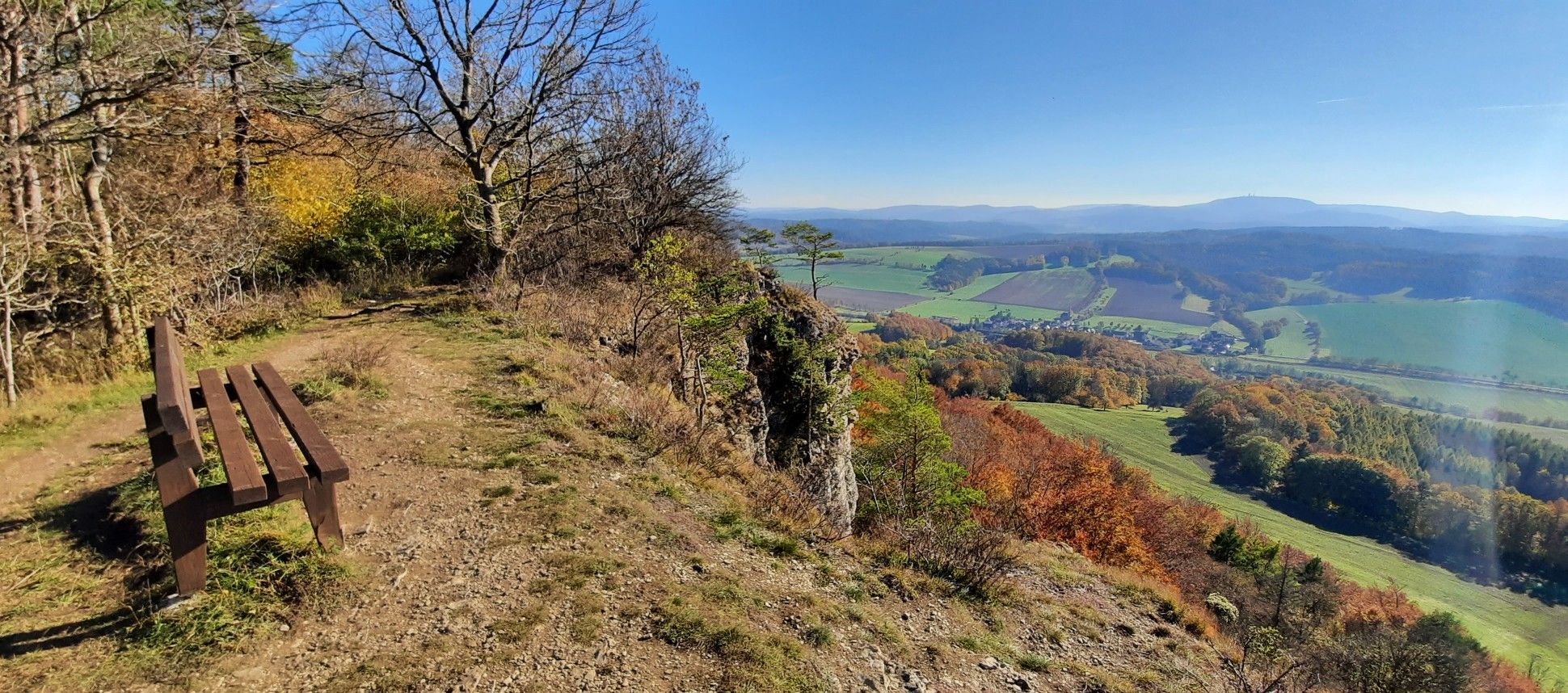
View from Hörselberg Ridge
Highlight • Viewpoint
Translated by Google •
Tip by

Tannhäuser Cave
Highlight • Cave
Translated by Google •
Tip by
Protected biotope Apotheke
Highlight • Natural Monument
Here grow rare and protected plants, u.a. rare orchid species.
Translated by Google •
Tip by

Sign up for free to discover even more natural monuments around Natural Park Hörselberge.
Sign up for free
Already have an account?
Start today with a free account
Your next adventure awaits.
Login or Signup
Popular around Natural Park Hörselberge
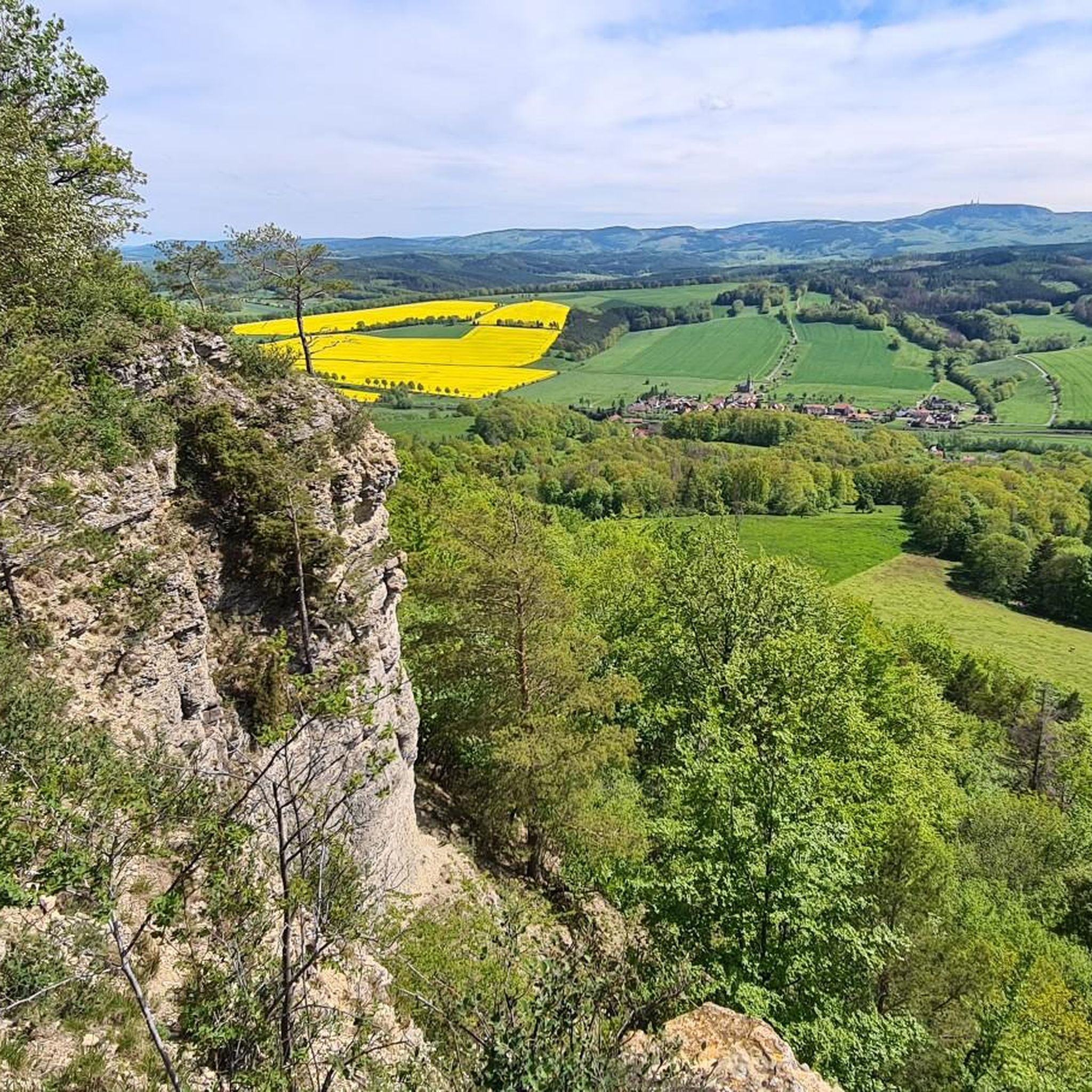
Bike Tours between Hainich and Hörselberg
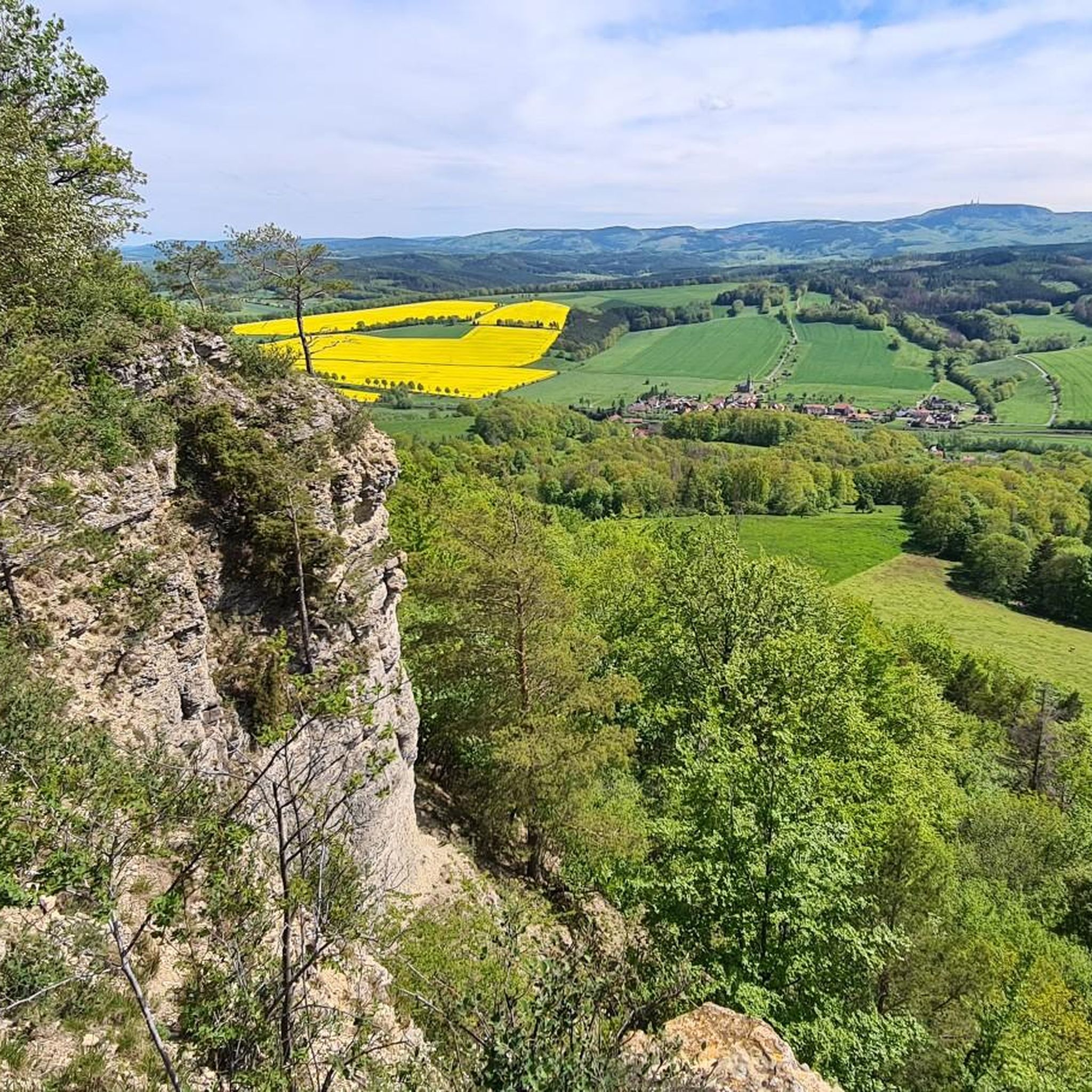
Hiking around Natural Park Hörselberge
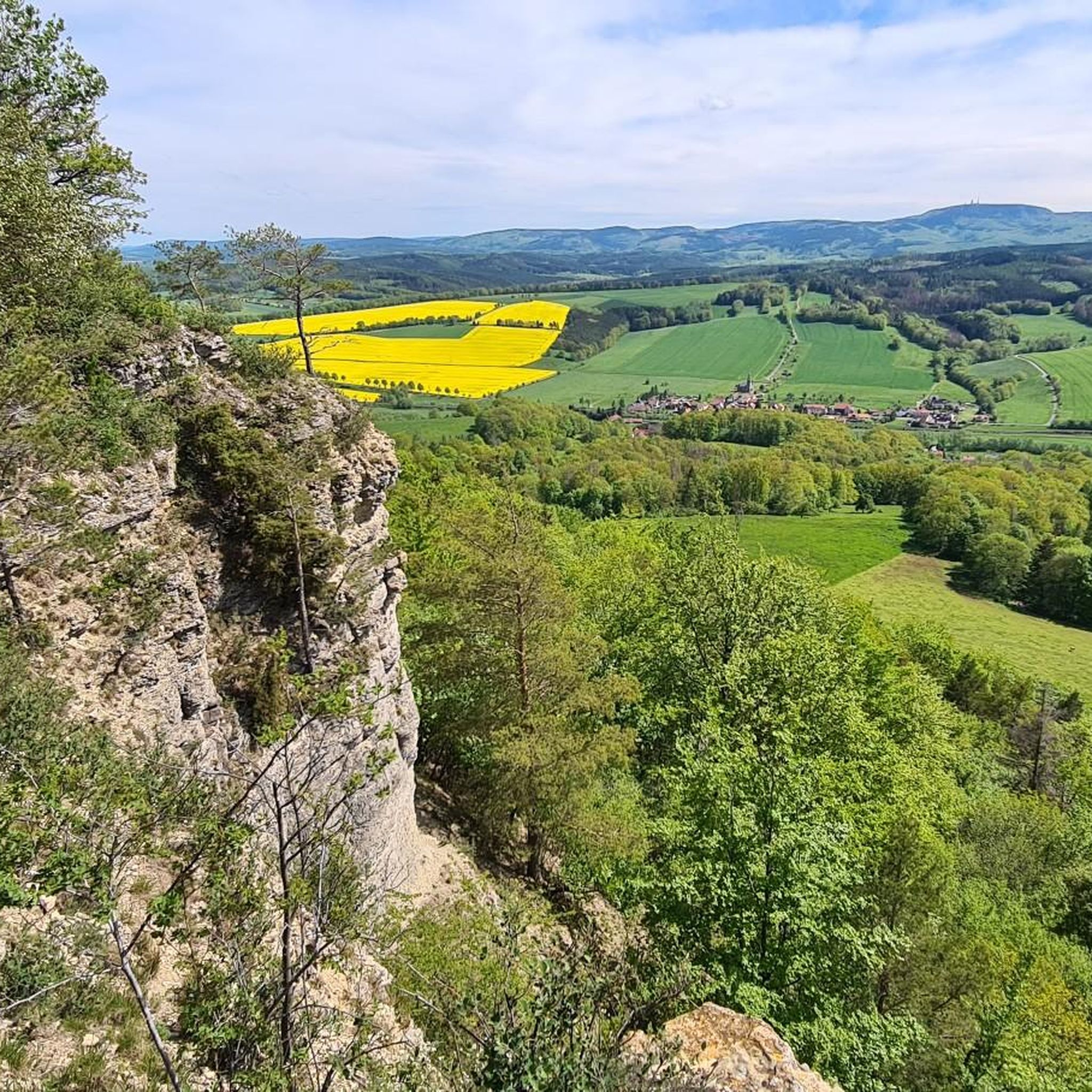
Cycling around Natural Park Hörselberge
Road Cycling Routes around Natural Park Hörselberge
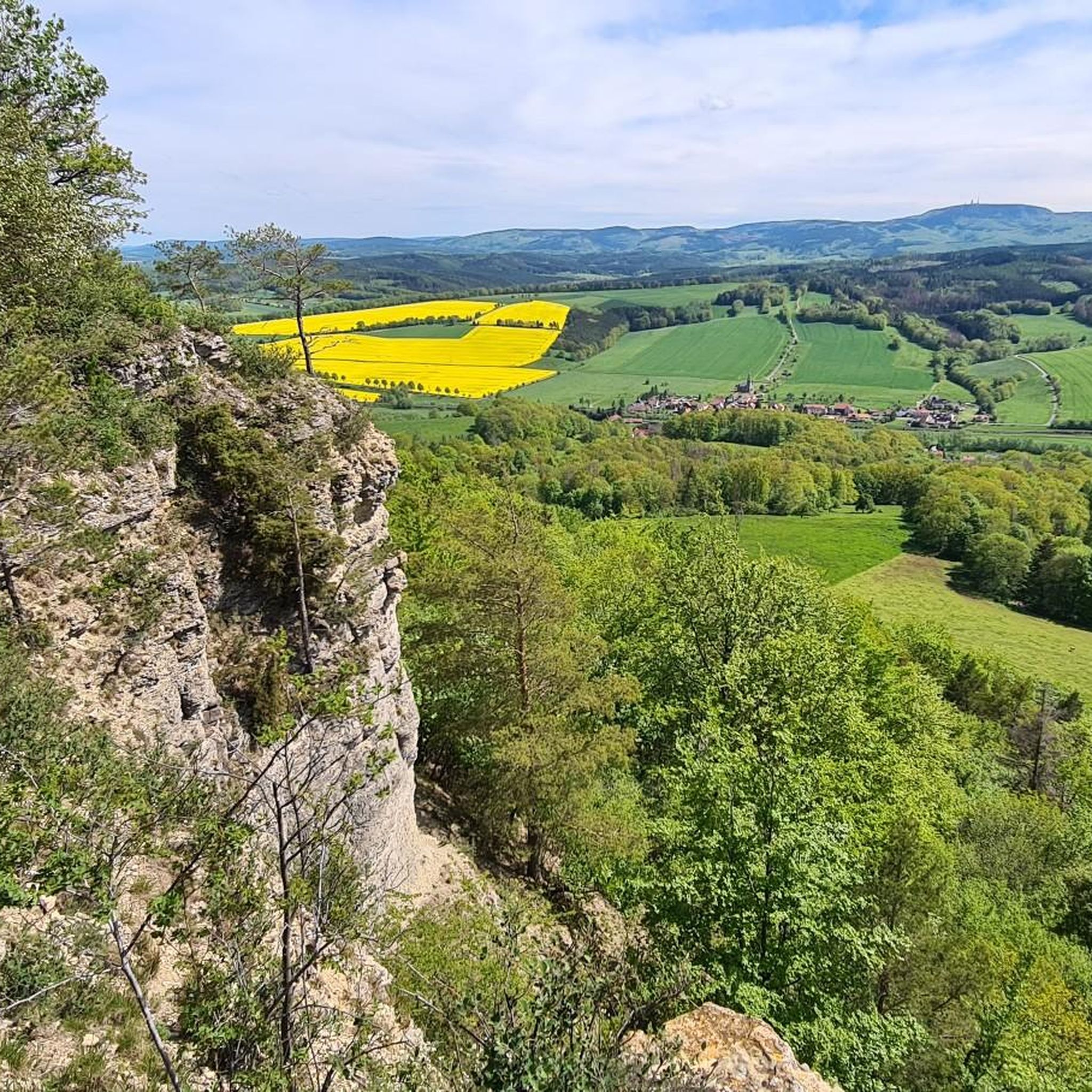
MTB Trails around Natural Park Hörselberge
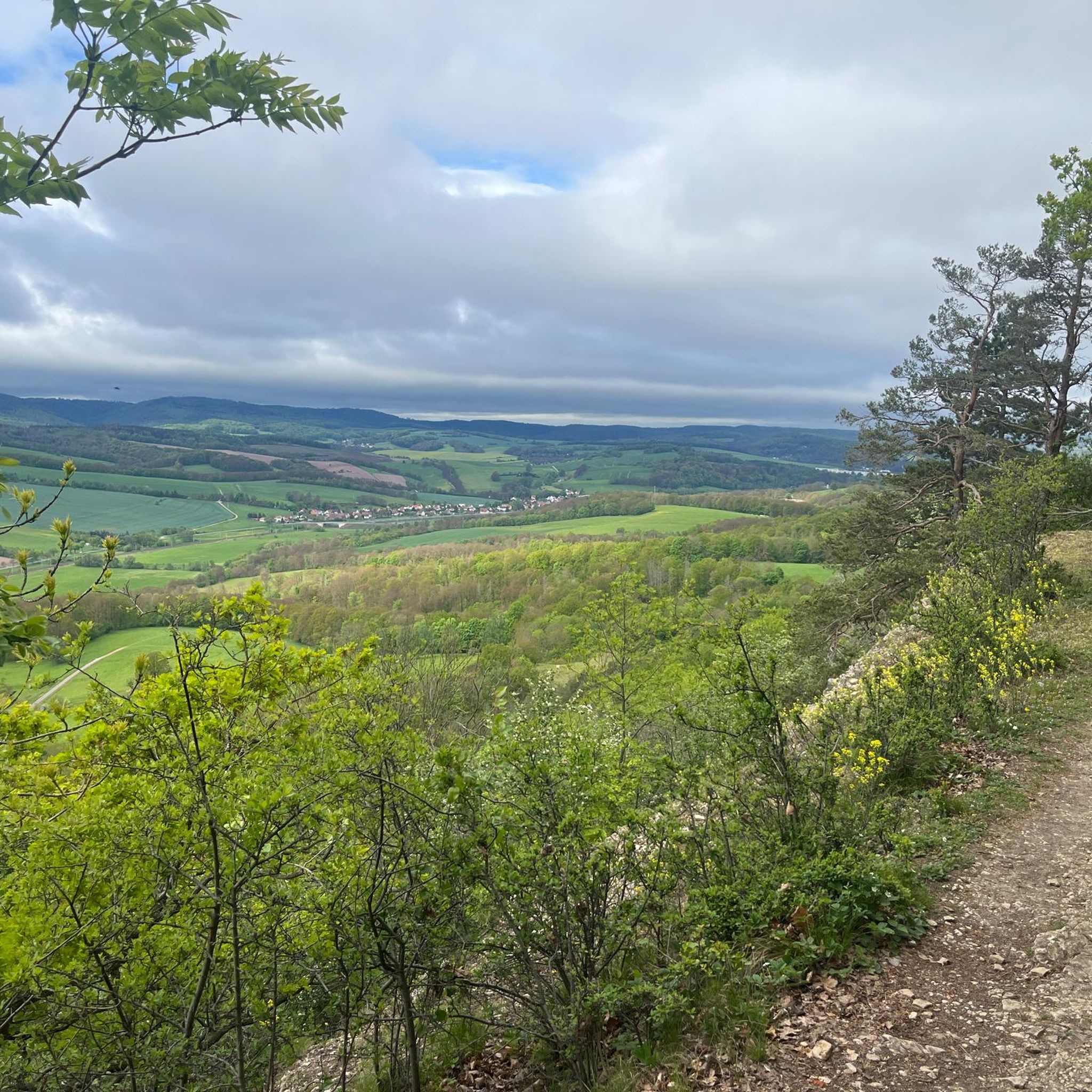
Running Trails around Natural Park Hörselberge

Gravel biking around Natural Park Hörselberge

Mountain Hikes around Natural Park Hörselberge
Other adventures around Natural Park Hörselberge

Tips from the Community

The cave is no longer a high rock crevice, which also does not go deep into the rock. The descent there is the most exciting. Technically, any child can do this, but a slip could have fatal consequences. Not for the politically correct and the timid.
2
0

A great adventure, about 15 meters into the shell limestone.
5
0

The easiest way is directly above the cave, descending a few steps, some of which are artificially constructed. The cave is a ravine, and no lamp is needed.
10
1
Unfortunately, this karst spring has dried up.
10
1
It's good that hikers can visit the cave. You do need a lamp even though the cave isn't very big.
10
1
One of many viewpoints and each one better than the other.
10
1

Unfortunately the fountain is out of service!
0
0

Access is only easy for experienced mountain climbers. The descent is easy to miss. The Tannhäuser Cave is significantly larger and deeper than the Venus Cave
4
0
Frequently Asked Questions
What are some of the most famous natural monuments in the Hörselberge region?
The Hörselberge region is renowned for its caves and springs. Among the most famous are the Venus Cave and the Tannhäuser Cave, both deeply connected to local legends and geological formations. Another significant site is the Jesusbrünnlein, a spring with a compelling Christian legend.
What kind of geological features can I expect to see in the Hörselberge?
The Hörselberge is characterized by its Muschelkalk (shell limestone) geology. This has led to the formation of numerous caves, such as the Venus Cave and Tannhäuser Cave, as well as dramatic rock formations and karst springs like the Jesusbrünnlein.
Are there any natural monuments suitable for families with children?
Yes, the Venus Cave is listed as family-friendly and offers an engaging experience with its connection to legends. The general area around the natural monuments also provides various hiking trails, including easy options, which can be suitable for families.
What legends are associated with the natural monuments in the Hörselberge?
The Hörselberge is rich in folklore. The Venus Cave is famously linked to the Germanic goddess Holba (Frau Holle) and later Venus, inspiring Richard Wagner's opera "Tannhäuser." The Jesusbrünnlein has a Christian legend about a shepherd. These tales add a mystical layer to the natural beauty.
What kind of flora and fauna can be observed around the Hörselberge natural monuments?
The region boasts diverse flora, particularly at the Protected biotope Apotheke (Apothecary Meadow), known for medicinal herbs and rare orchid species. The wider Hörselberge area is home to silver and gold thistles, gentians, and various wild fruit varieties. Fauna includes wildcats, eagle owls, various songbirds, and bat species, especially in the caves during winter.
What hiking opportunities are available near the natural monuments?
The Hörselberge offers a variety of hiking trails. For those interested in mountain hikes, you can find routes like the "Torstein Rock Arch – Red Tower loop" or "Backofenloch Cave – Torstein Rock Arch loop." There are also easy hikes such as the "Großer Hörselberg panorama trail" or "Bench with a view of the Hörselberg Hills." You can explore more options on the Mountain Hikes and Easy Hikes guide pages.
Are there cycling routes in the Hörselberge area?
Yes, the Hörselberge region provides several cycling routes. Options range from easy, like the "Hörsel Cycle Path – Rothenhof Cycle Path loop," to more challenging, such as the "View of Wartburg Castle – Eisenach-Kindel Airfield loop." More details can be found on the Cycling around Natural Park Hörselberge guide page.
What should I know before visiting the caves in the Hörselberge?
When visiting caves like the Venus Cave or Tannhäuser Cave, it's advisable to bring a lamp, even for smaller caves. The Venus Cave is closed during winter months to protect bat colonies. Access to the Tannhäuser Cave can be challenging, with some parts requiring experienced climbers or being impassable.
What is the best time of year to visit the natural monuments in the Hörselberge?
The Hörselberge can be enjoyed year-round, but spring and summer are ideal for experiencing the full botanical diversity, especially at the Apothecary Meadow. Autumn offers beautiful foliage. Winter provides a different, quieter experience, though some caves may be closed for bat protection.
What do visitors particularly enjoy about the natural monuments in the Hörselberge?
Visitors appreciate the unique blend of natural beauty, geological wonders, and rich historical legends. The caves, like the Venus Cave, are popular for their mythical connections, while spots like the Jesusbrünnlein offer tranquil resting places. The diverse plant life and picturesque views also receive high praise from the community, with over 400 upvotes and 370 photos shared.
Are there any special events or traditions associated with the natural monuments?
Yes, the Jesusbrünnlein hosts an annual "Kräutersonntag" (Herb Sunday) on the Sunday after Pentecost (Trinitatis). This tradition, dating back to 1535, celebrates the area's natural heritage and medicinal plants, offering a unique cultural experience alongside the natural monument.
Most popular routes around Natural Park Hörselberge
Most popular attractions around Natural Park Hörselberge

Get inspired with the komoot mobile app


Explore more
Extend your search for the best caves by checking out these guides of the top ones around Natural Park Hörselberge:
