Top 20 Natural Monuments around Saignelégier
Best natural monuments around Saignelégier are found within the Jura region of Switzerland, characterized by a park-like landscape. This area features open pastures, dense fir forests, and a high plain at an altitude of 978 to 1,000 meters. The region offers diverse natural attractions, including significant marsh landscapes, rivers, and unique geological formations. It is recognized for its unspoiled nature and rich biodiversity.
Best natural monuments around Saignelégier
- The most popular natural monuments is Étang de la Gruère, a…
Last updated: May 14, 2026
Étang de la Gruère
Highlight • Lake
Translated by Google •
Tip by

Étang Plain-de-Saigne
Highlight • Lake
Translated by Google •
Tip by

Sign up now to discover places like this
Get recommendations on the best single tracks, peaks, & plenty of other exciting outdoor places.
Sign up for free
The Ladders of Death
Highlight • Gorge
Translated by Google •
Tip by

Doubs
Highlight (Segment) • River
Translated by Google •
Tip by

Mont Soleil
Highlight • Summit
The Monts trail between Mont Soleil and Mont Crosin allows …
Translated by Google •
Tip by
Sign up for free to discover even more natural monuments around Saignelégier.
Sign up for free
Already have an account?
Start today with a free account
Your next adventure awaits.
Login or Signup
Popular around Saignelégier
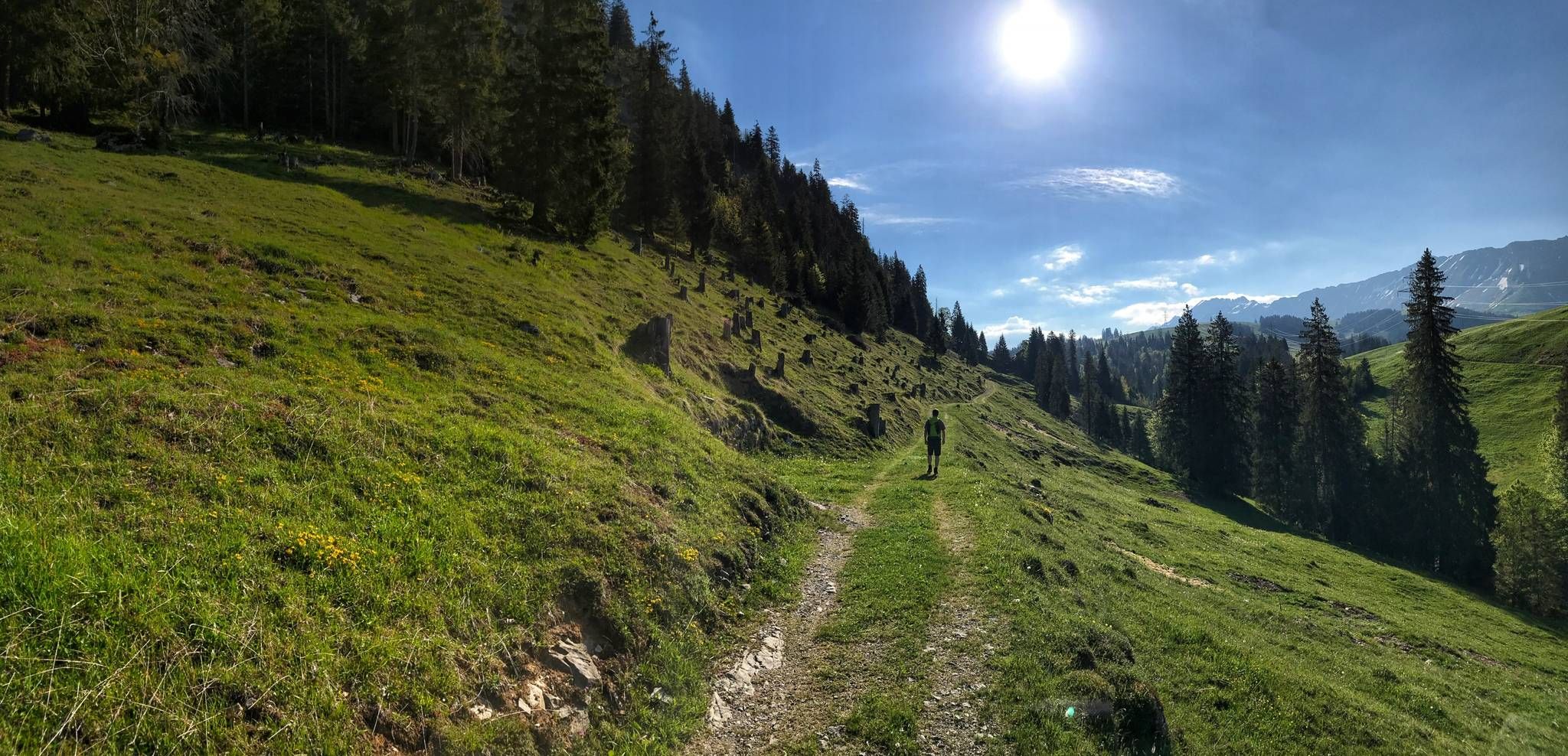
Trans Swiss Trail – Hiking across Switzerland
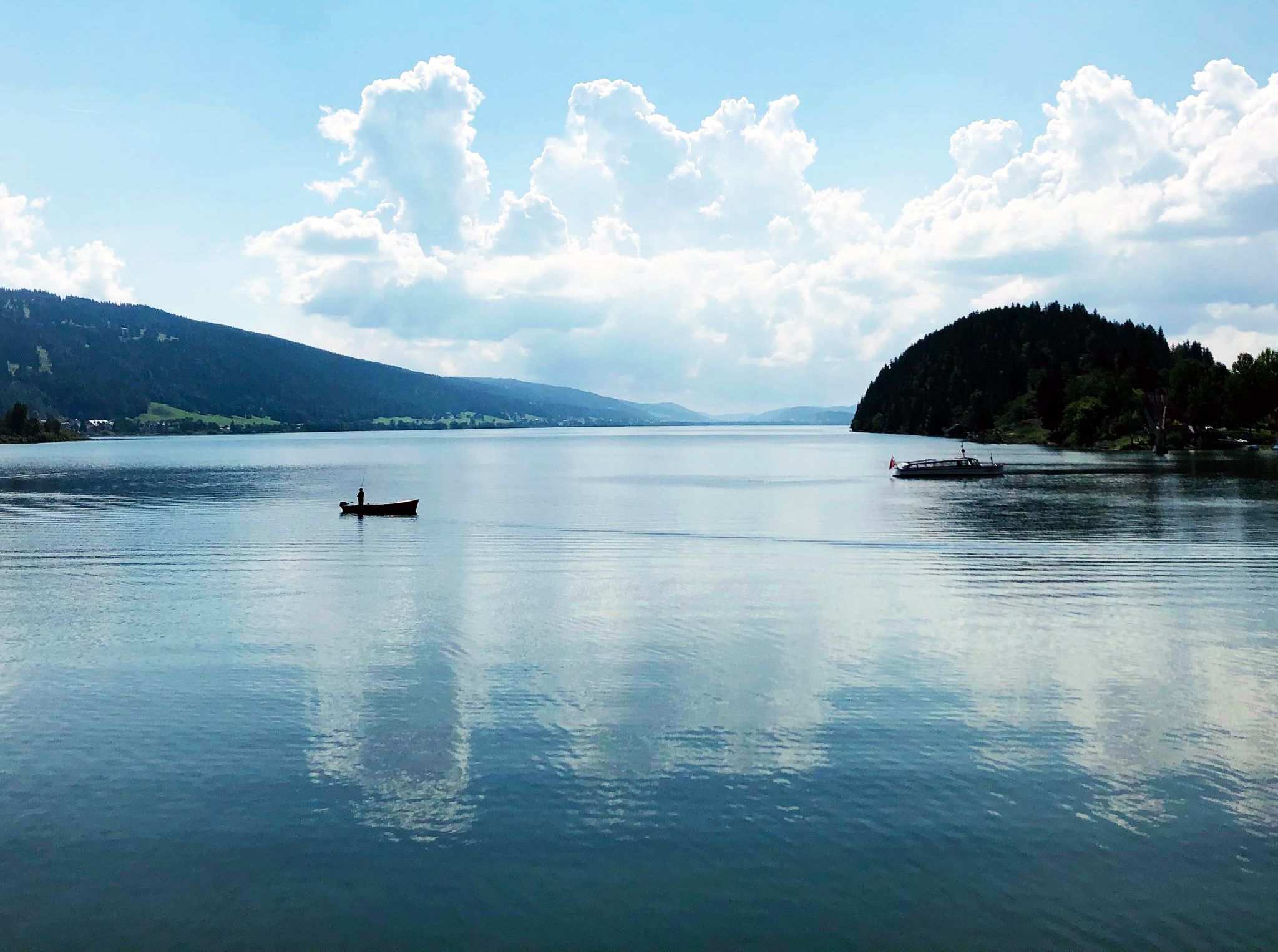
Cycling the Jura from Basel to Lake Geneva in 6 stages
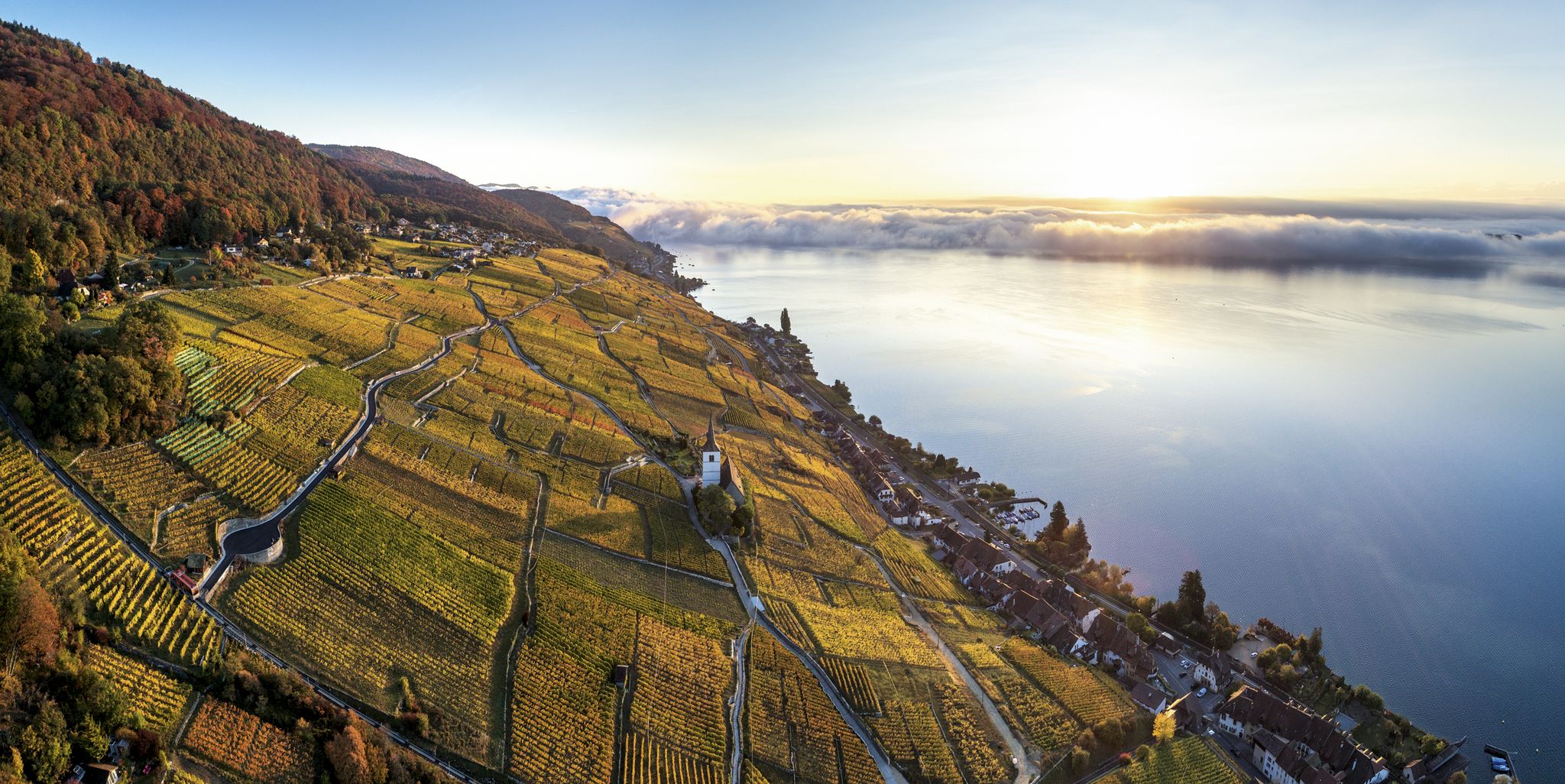
Waterside hiking in the Jura & Three-Lakes region
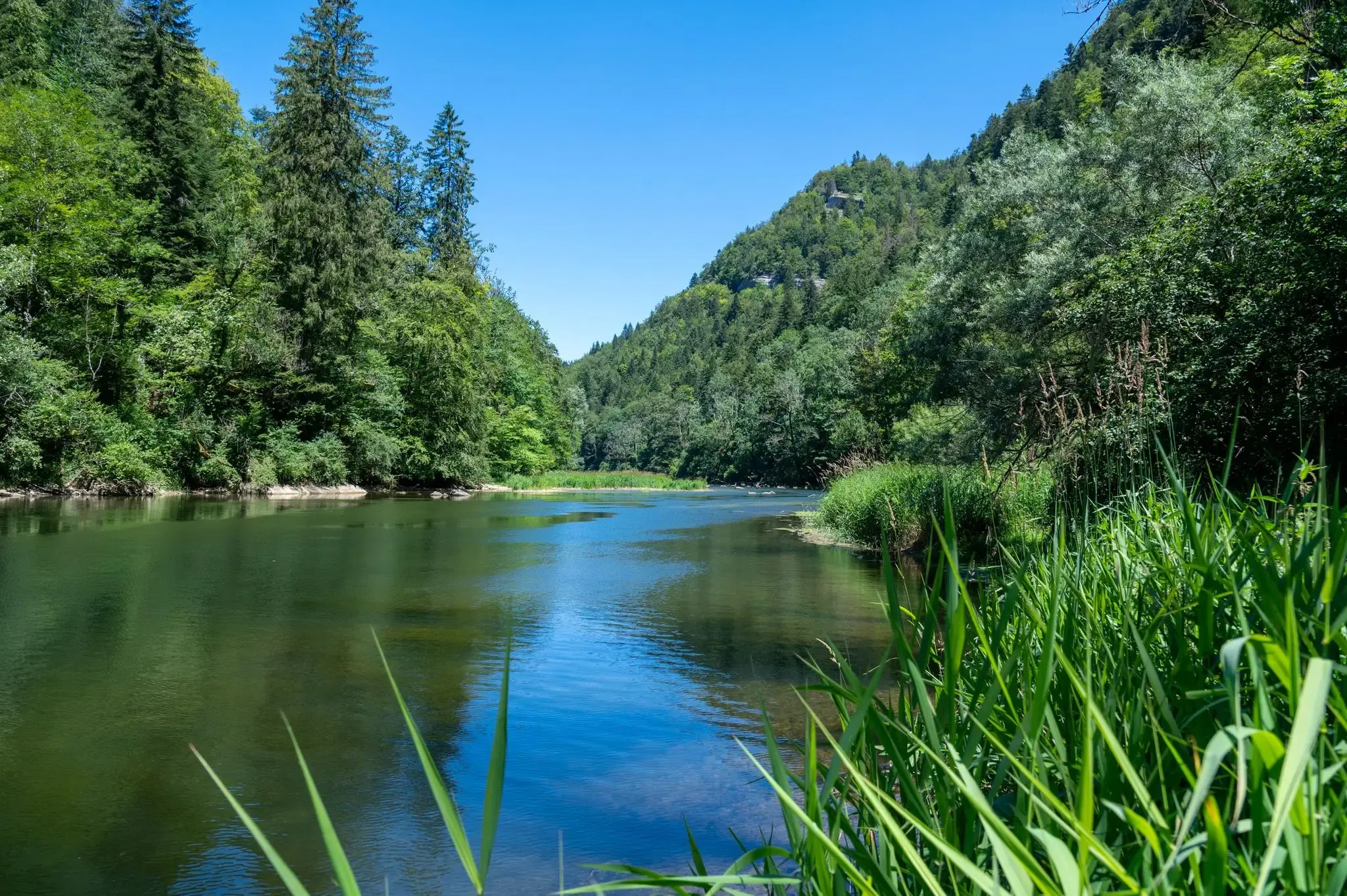
Follow France’s Doubs River through spectacular landscapes
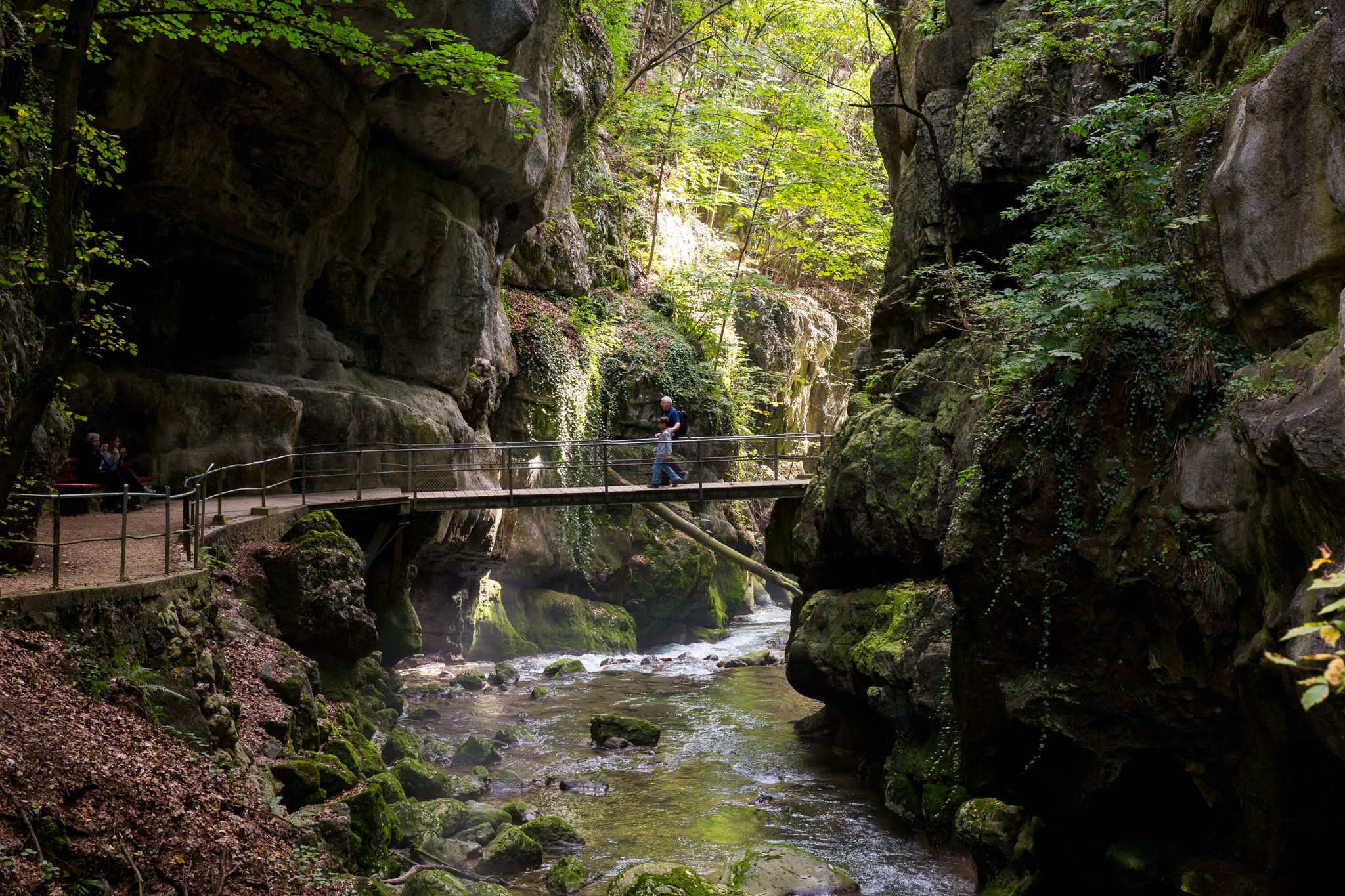
Schluchtenwanderungen im Jura & Drei-Seen-Land
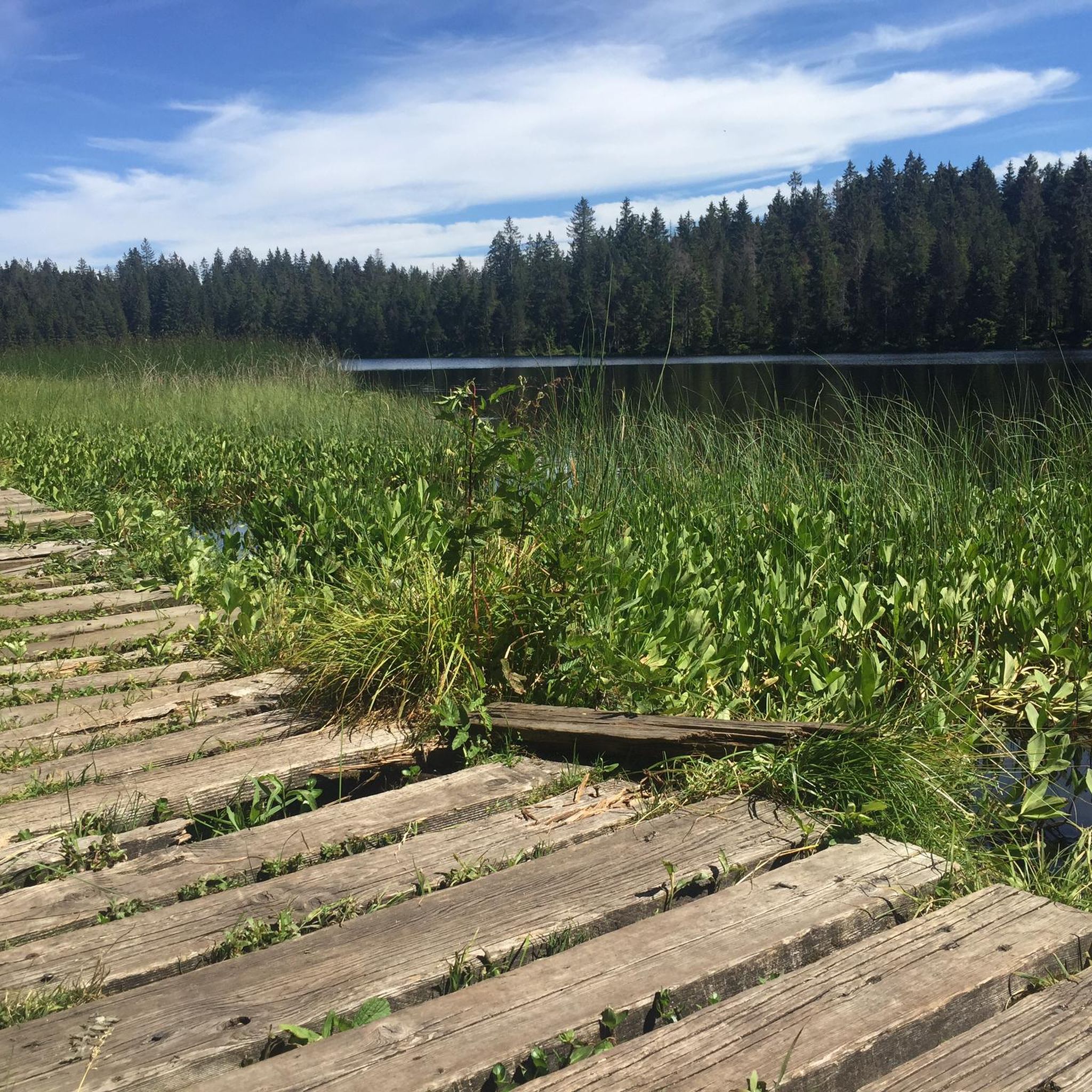
Hiking around Saignelégier
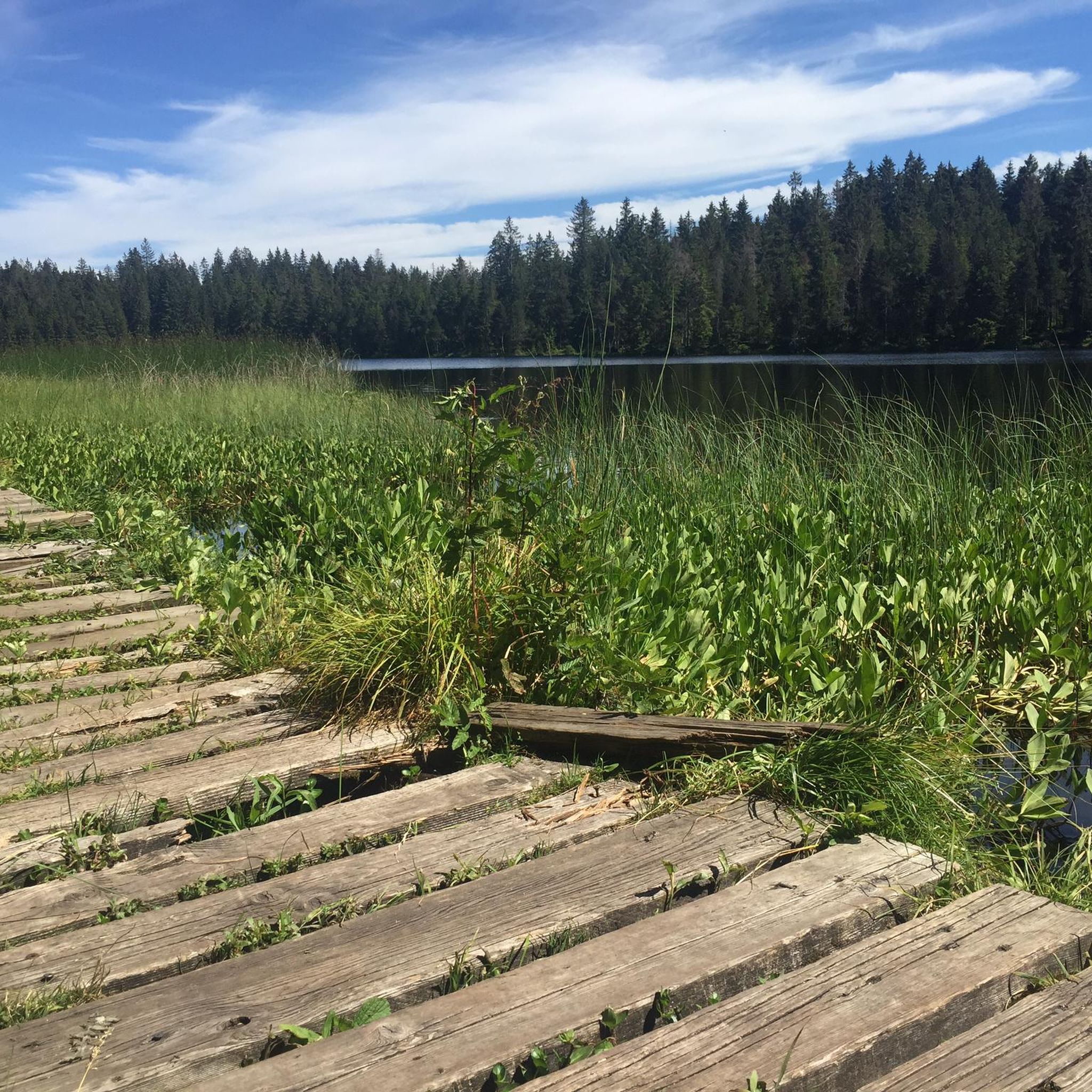
Cycling around Saignelégier
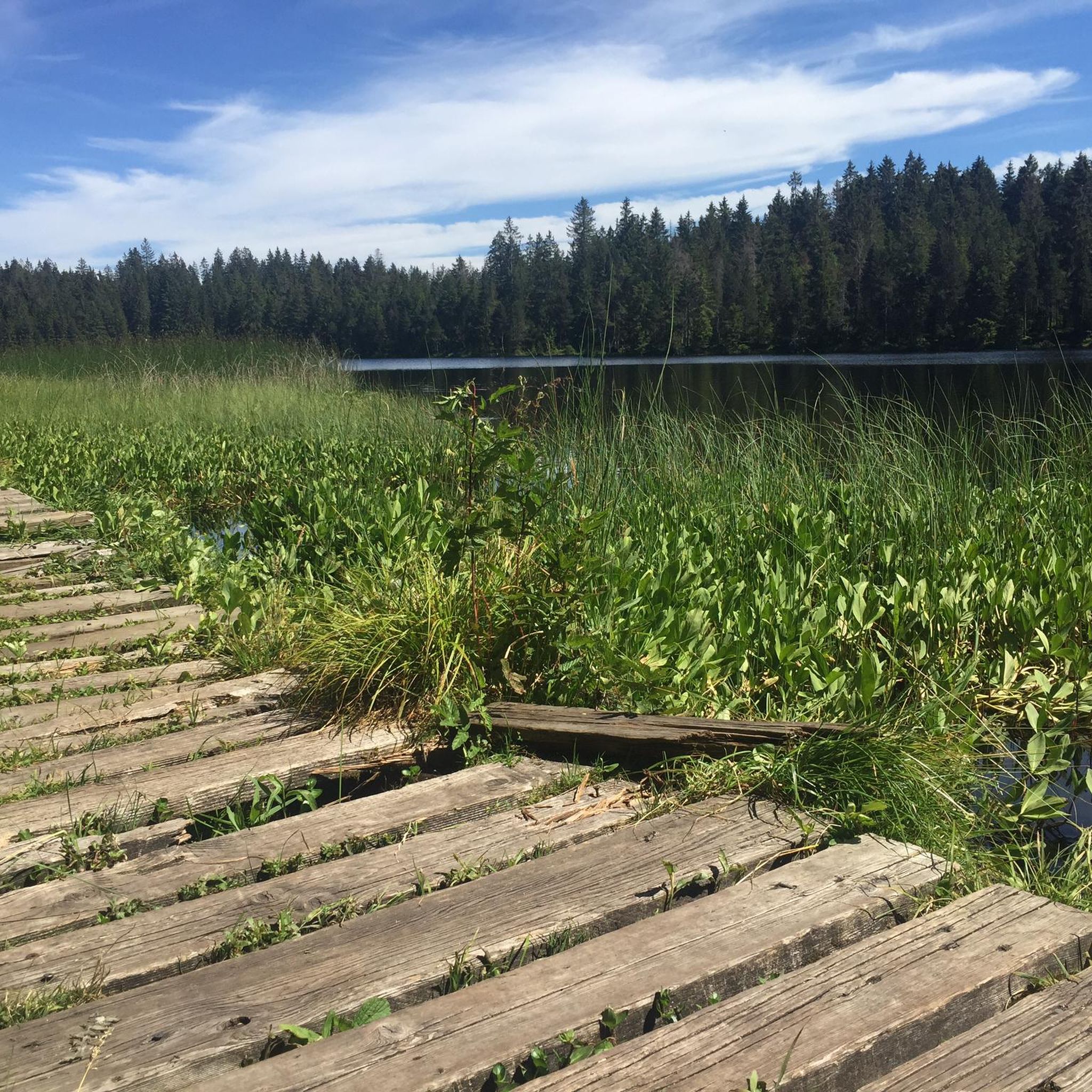
MTB Trails around Saignelégier
Road Cycling Routes around Saignelégier
Running Trails around Saignelégier
Other adventures around Saignelégier


Tips from the Community

The ride up on the cable car and the view from the plateau across to the Chasseral and down to St. Imier is beautiful.
0
0

Please note that most of the photos associated with the route are photos of the via ferrata and the names of the ladders themselves, which are very solid stairs and not rope bridges! It is perfectly feasible for hiking, even if the height can be disconcerting.
4
0

Everything is in good working order. A beautiful experience, thank you to whomever keeps this maintained and safe!
1
0

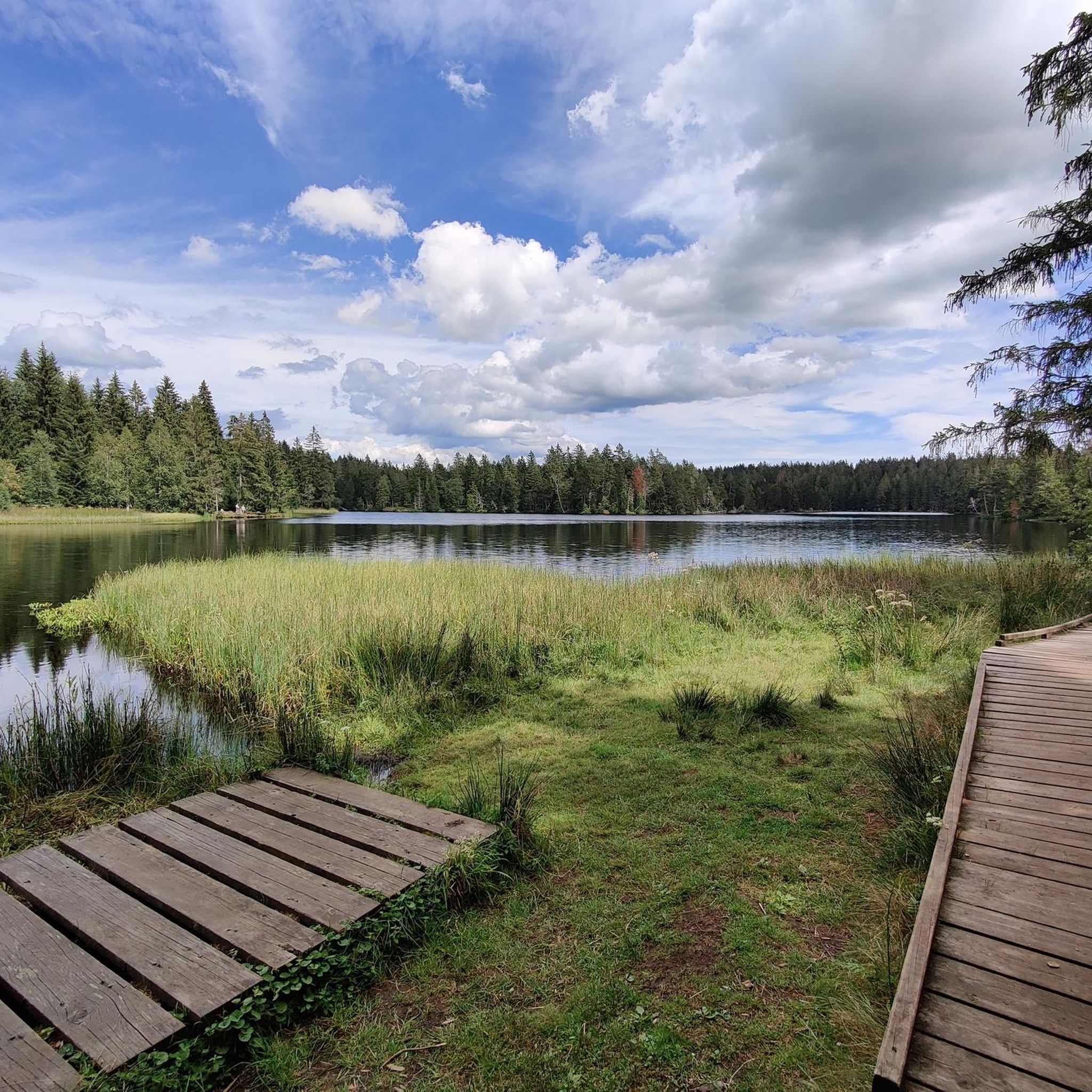
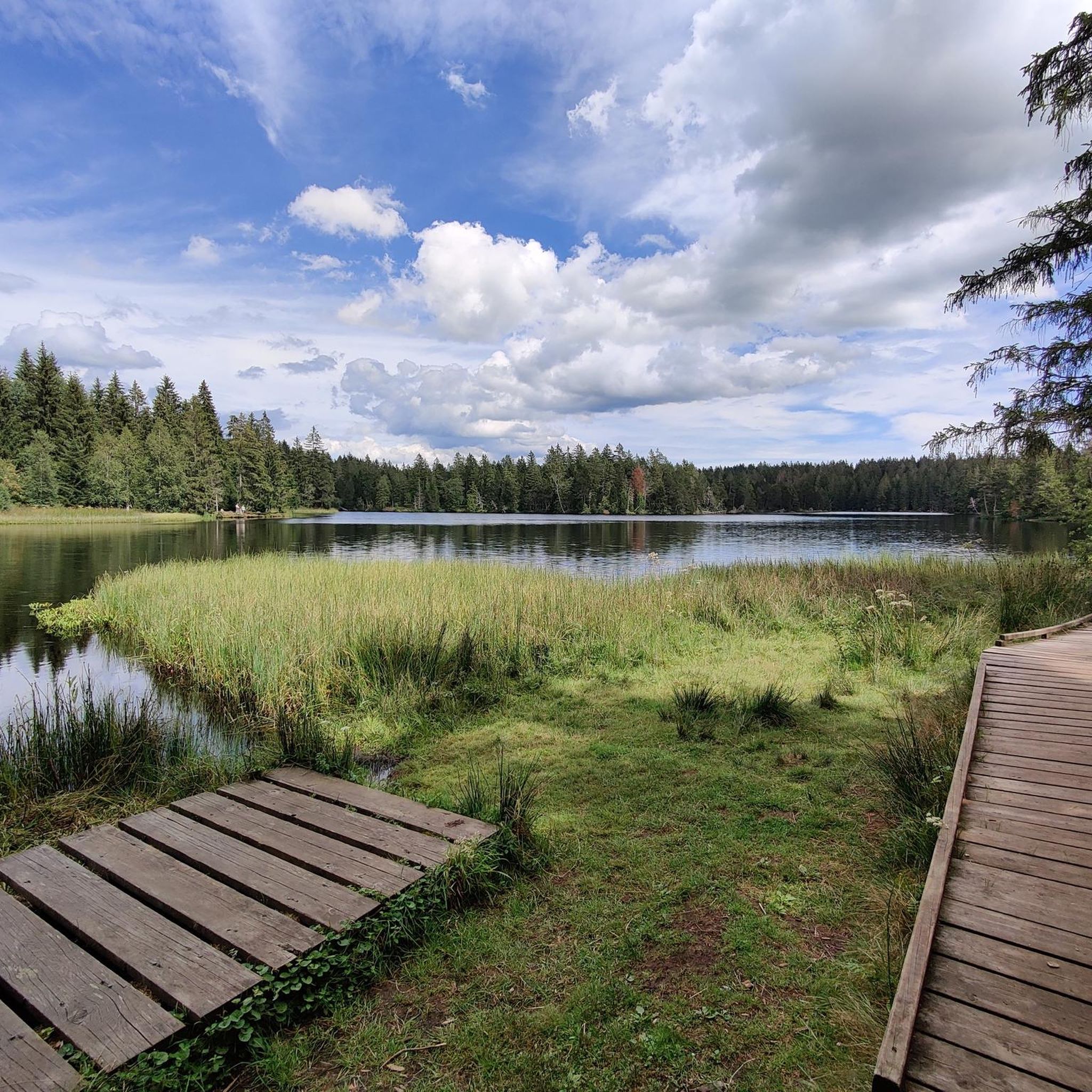
The Etang de la Gruère nature reserve is a paradise for nature lovers. Opt for a morning hike to enjoy the calm, and to observe the rising mists over the water.
1
1
At an altitude of 1,280 m, the Mont-Soleil resort offers you magnificent views of the Chasseral and the Combe Grède. The Monts trail between Mont Soleil and Mont Crosin allows you to enjoy panoramas of the Jura massif, as well as the possibility of visiting the solar power plant and the wind turbine park. The funicular, built in 1903, connects St Imier and Mont-Soleil.
2
0

The Source du Doubs is a powerful karst spring in a heavily karstified area of the Jura Mountains. It is located near Mouthe, in the Haut-Jura Regional Nature Park, at an altitude of 937 m at the foot of the wooded, up to 1419 m high Mont Risoux mountain range, which marks the border between France and Switzerland. The Doubs rises from a cave in the rock from a small, approximately five-meter-deep spring basin. The spring discharges an average of 1740 litres per second and is the exit of a complex cave system with several siphons. The discharge can vary greatly. Several layers of rock can be distinguished on the rock above the spring. Below the spring, the river plunges down over a small waterfall. About two kilometers below the Source du Doubs, the approximately nine-kilometer-long Cébriot flows into the Doubs.
0
0

This 500 meters long via ferrata with a 100 meters positive difference in altitude takes place on the French-Swiss border, in the grandiose and vertiginous setting of the Doubs gorges which for a long time sheltered the smuggling activities between these two countries. Very playful and vertiginous with ladders, footbridges, a zip line, cable and Nepalese bridges, it is certainly one of the most beautiful and impressive via ferrata of the region. After a few minutes of walking on a path, the course begins in the beautiful vertical limestone cliff by a first ladder soon followed by a Nepalese bridge, a beam and a slightly overhanging dihedral. This is the most physical part of the route, and it precedes the first escape route that leads to the Cendrée lookout. The next section offers a short, slightly overhanging passage, then a Tibetan bridge made of logs and a 42-meter-long "3-strand" cable bridge, both of which test your balance. The itinerary continues across a ledge (second possible escape route), takes a descending ladder, crosses a new cable bridge ("2 strands" this time), then goes up vertically by exploiting the weaknesses of the wall. The ladder and the beam that follow announce the long 60 meter zip line that can be avoided via the third escape route (but that would be a shame!). A last beam and a steep and original rope ladder bring you to the end of the via ferrata. A safe path follows the cliff, passes by the belvedere where you can still admire the superb landscapes, then follows the route of the smugglers of yesteryear before bringing you back to the parking lot. (https://www.directmountain.com/en/activities/807-via-ferrata-charquemont/)
4
0

The Plain-de-Saigne pond is a small artificial lake located in Montfaucon. It's a great place to picnic and admire the reflections of the sky and trees on the water. You can also learn about the history of the lake, which was once home to a mill and peat extraction site.
3
1
Frequently Asked Questions
What are some of the most notable natural monuments around Saignelégier?
The region boasts several remarkable natural monuments. Among them are Étang de la Gruère, a 12,000-year-old marsh landscape of national significance, and Étang Plain-de-Saigne, a nationally important raised bog and peat bog. For a more adventurous experience, The Ladders of Death offers a challenging route with metal ladders and a via ferrata course in the Doubs gorges. The Doubs River itself is a significant natural feature, and Mont Soleil provides magnificent views and is home to Switzerland's largest solar power plant.
Are there family-friendly natural monuments to visit in the Saignelégier region?
Yes, several natural monuments are well-suited for families. Étang de la Gruère and Étang Plain-de-Saigne both offer easy footpaths for nature observation. The Doubs River has small beaches and gentle sections, while Mont Soleil is accessible via funicular and offers activities for all ages, including panoramic views.
What kind of outdoor activities can I do near these natural monuments?
The Saignelégier region, particularly the Franches Montagnes, is ideal for various outdoor activities. You can enjoy hiking, biking, horseback riding, and even horse-drawn cart rides. In winter, snowshoeing and cross-country skiing are popular. For specific routes, explore the hiking trails, running trails, and MTB trails around Saignelégier.
Where can I find the best viewpoints of the natural landscape?
Many natural monuments offer excellent viewpoints. Mont Soleil provides breathtaking panoramic views of the Chasseral and the Combe Grède. The path around Étang de la Gruère offers serene vistas of the marsh landscape, especially in the morning mist. The challenging route at The Ladders of Death also features dramatic views of the Doubs gorges.
What is the best time of year to visit the natural monuments around Saignelégier?
The Saignelégier region offers beauty year-round. Spring and autumn are ideal for hiking and enjoying the changing colors. Summer is perfect for outdoor activities and exploring the open pastures. In winter, the landscape transforms, offering opportunities for snowshoeing and cross-country skiing, particularly in the Franches Montagnes region.
Are there any challenging natural monuments or trails for experienced adventurers?
Yes, The Ladders of Death is a notable challenging natural monument. It features a route with three metal ladders and a via ferrata course, offering a thrilling experience suspended between the cliffs of the Doubs gorges. This site is located on the French-Swiss border and is recommended for those seeking an adventurous climb.
What kind of wildlife can I expect to see in the natural monuments?
The region is rich in biodiversity. Étang de la Gruère is a conservation area home to rare and threatened species of flora and fauna, making it an excellent spot for nature observation. Étang Plain-de-Saigne is also a significant birdwatching spot. The Doubs Regional Nature Park, encompassing this area, aims to preserve its rich biodiversity, including the unique Franches-Montagnes horse breed.
How can I access these natural monuments, and is parking available?
Access varies by monument. Many areas, like Étang de la Gruère, have designated parking areas nearby. For Mont Soleil, a funicular connects it to Saint-Imier, offering a scenic way to arrive. Public transport options are available to reach Saignelégier, and from there, local buses or walking/cycling routes can lead to various natural sites. Specific parking information is often available at the sites themselves.
Are there easy walking trails suitable for all fitness levels?
Absolutely. The footpath around Étang de la Gruère is an easy and relaxing walk, perfect for experiencing the pristine surroundings. Étang Plain-de-Saigne also offers a peaceful place to rest and observe nature with benches and tables. The Franches Montagnes region is known for its gently undulating high plain, offering many slow walks and gentle trails.
What makes the Franches Montagnes region unique as a natural monument?
The entire Franches Montagnes region is considered a primary natural attraction due to its unique 'park-like' landscape. It features open grazing pastures interspersed with copses and fir forests, creating a serene, unspoiled atmosphere. This gently undulating high plain, at an altitude of 978 to 1,000 meters, offers clear views and a relaxed pace, making it ideal for those seeking tranquility and natural beauty.
Can I bring my dog to the natural monuments?
Many natural areas in the Saignelégier region are dog-friendly, especially trails in the open pastures and forests of the Franches Montagnes. However, it's always advisable to keep dogs on a leash, especially in nature reserves like Étang de la Gruère, to protect the local flora and fauna. Always check local signage for specific regulations at each site.
Are there places to eat or rest near the natural monuments?
Yes, you'll find options for refreshments and rest. The area around Étang Plain-de-Saigne has benches and tables, and even a fireplace. Mont Soleil has restaurants. The Franches Montagnes region features quiet farms, some of which may offer local produce or hospitality. Saignelégier itself has cafes and pubs.
What is the significance of the Doubs Regional Nature Park?
The Doubs Regional Nature Park, which extends across the cantons of Jura, Neuchâtel, and Bern, is recognized as a regional nature park of national importance. It aims to preserve and sustainably develop its environment, heritage, and population. The park is known for its scenic beauty, rich biodiversity, and cultural assets, including unspoiled nature, a fjord-like river, and the highest waterfall in the Jura Mountains. It promotes environmental education and sustainable activities.
Most popular routes around Saignelégier
Most popular attractions around Saignelégier

Get inspired with the komoot mobile app


Explore more
Extend your search for the best caves by checking out these guides of the top ones around Saignelégier:
