Top 20 Natural Monuments around Quinto
Best natural monuments around Quinto feature a diverse alpine landscape. This region is characterized by high mountain passes, pristine lakes, and the sources of significant rivers. Visitors can explore a variety of geological features and enjoy the natural beauty of the Swiss Alps. The area offers numerous opportunities for outdoor activities amidst its natural monuments.
Best natural monuments around Quinto
- The most popular natural monuments is Source of the Rhine – Lai da Tuma, a lake that marks the…
Last updated: May 30, 2026
Source of the Rhine – Lai da Tuma
Highlight • Lake
Translated by Google •
Tip by

Guex Monument at Gotthard Pass
Highlight • Monument
Translated by Google •
Tip by

Sign up now to discover places like this
Get recommendations on the best single tracks, peaks, & plenty of other exciting outdoor places.
Sign up for free
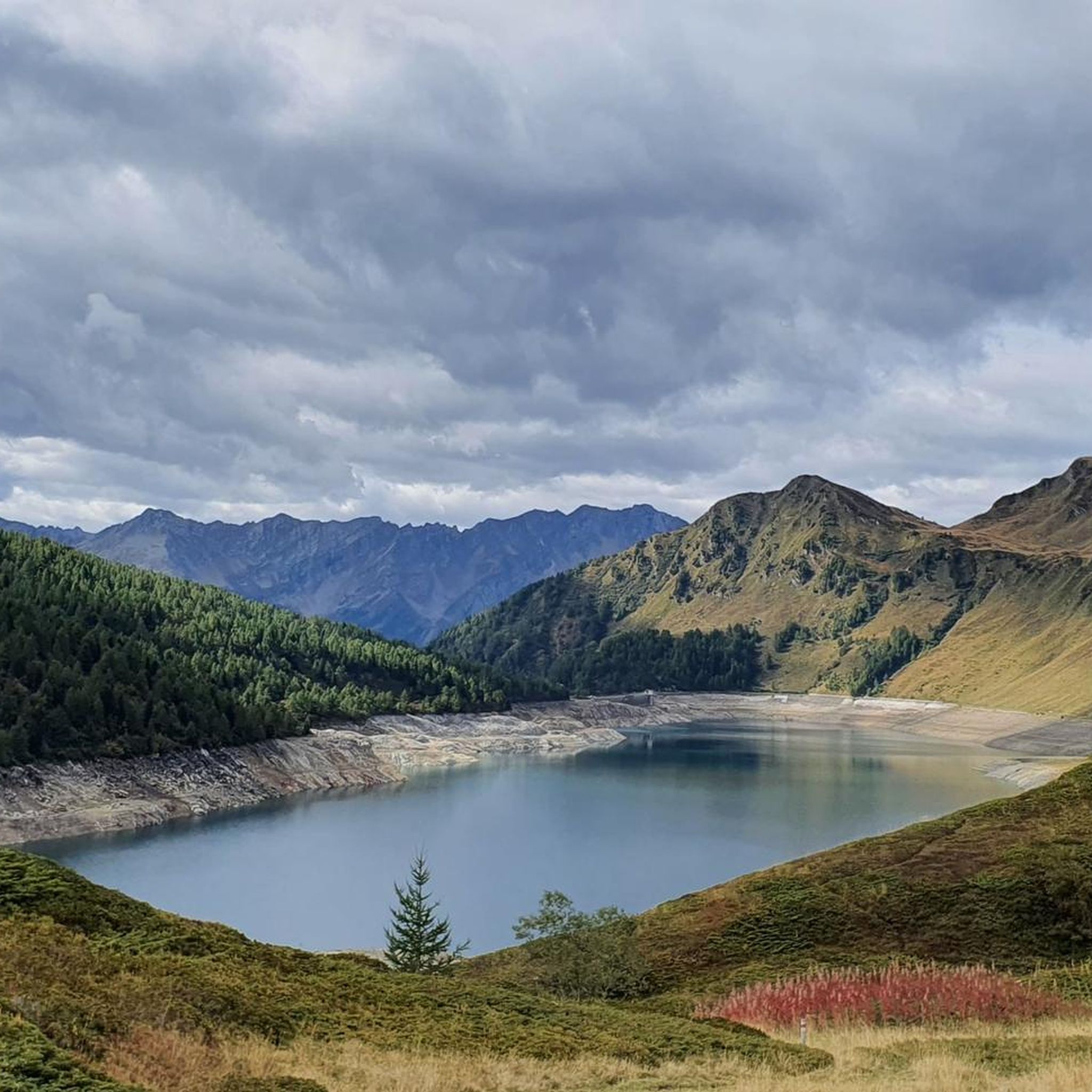
Lake Ritom
Highlight • Lake
Translated by Google •
Tip by

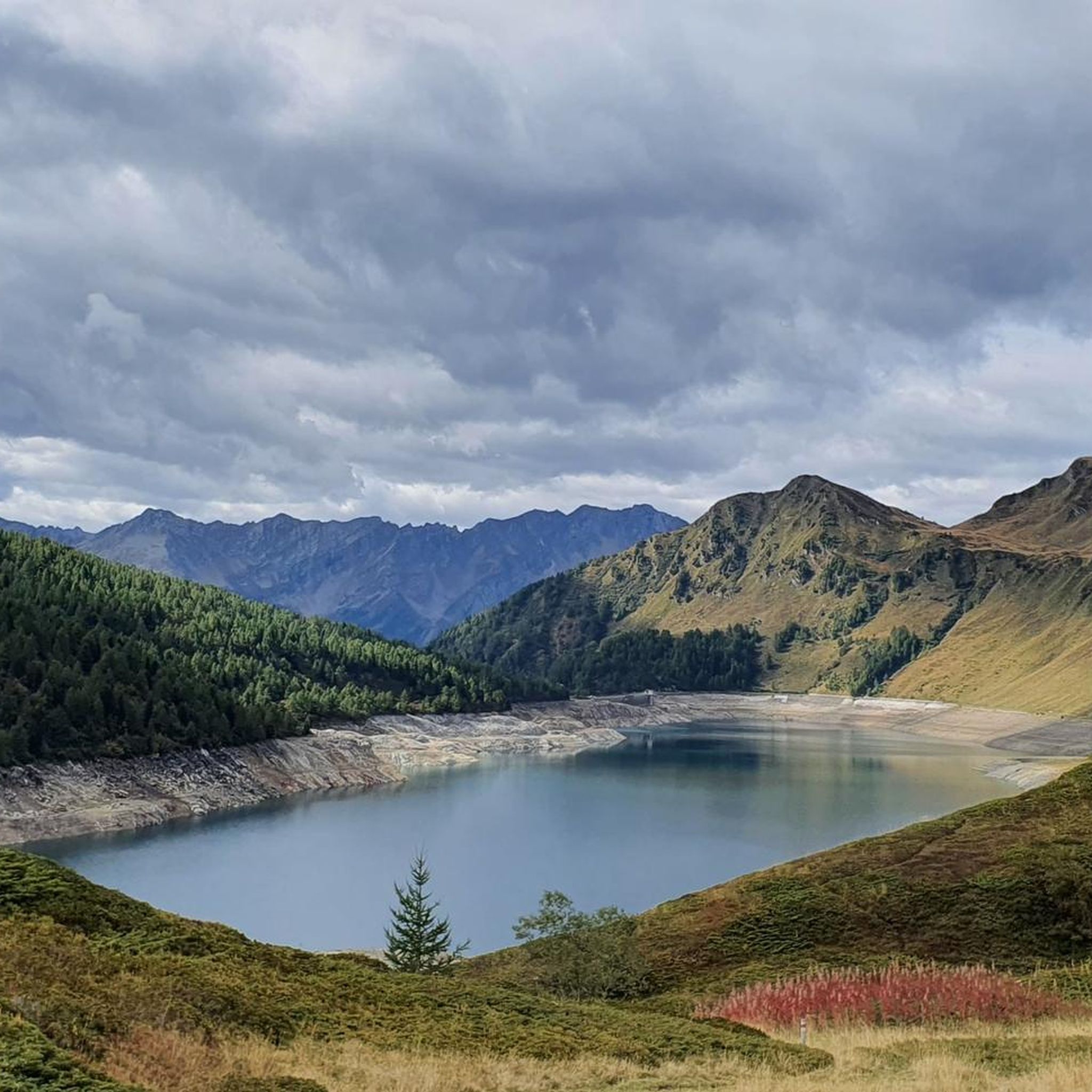
Lago di Sella
Highlight • Lake
Translated by Google •
Tip by

Passo del Sole
Highlight • Mountain Pass
Translated by Google •
Tip by

Sign up for free to discover even more natural monuments around Quinto.
Sign up for free
Already have an account?
Start today with a free account
Your next adventure awaits.
Login or Signup
Popular around Quinto
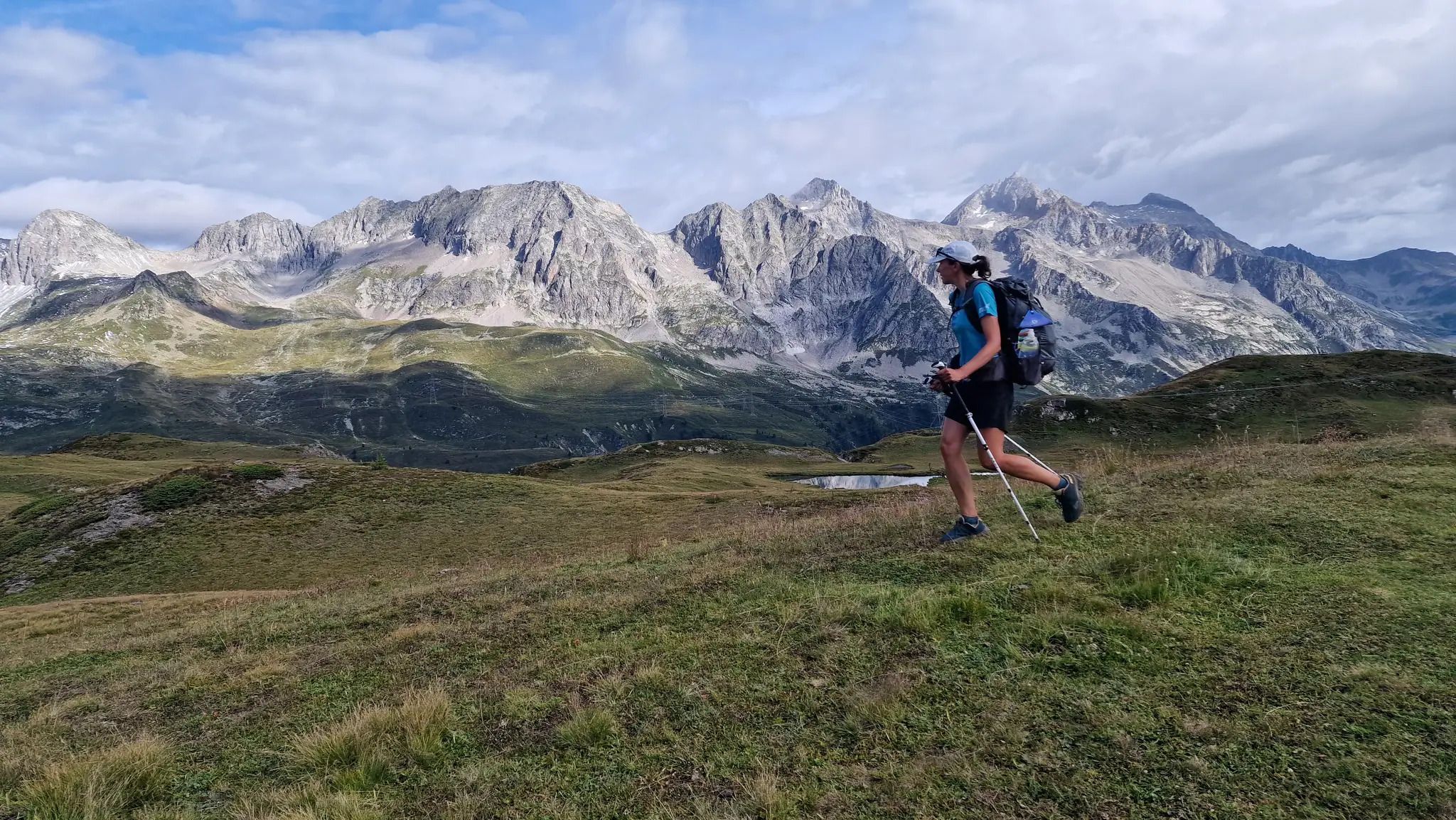
Alpine Passes Trail – hiking 700km across Switzerland
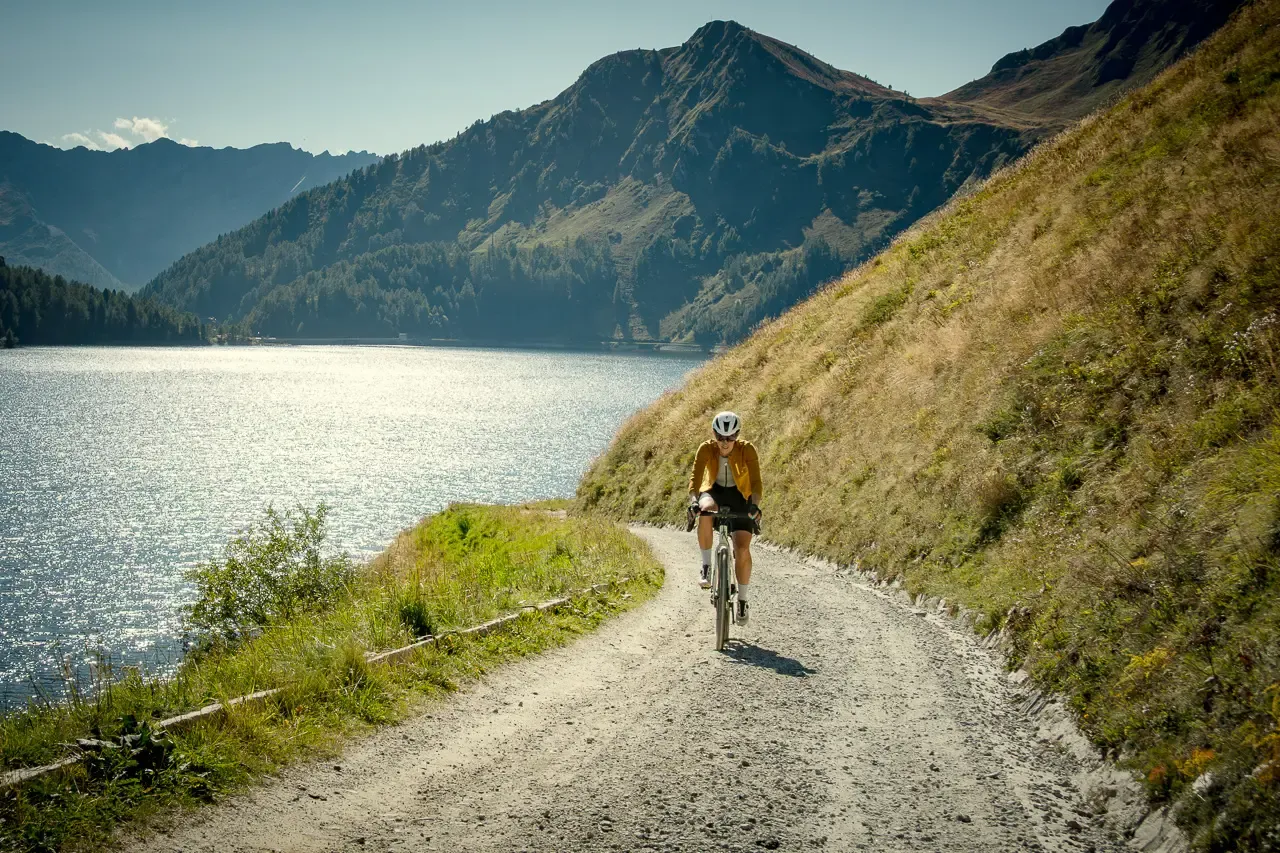
Ticino hut-to-hut: a 3-day alpine gravel escape
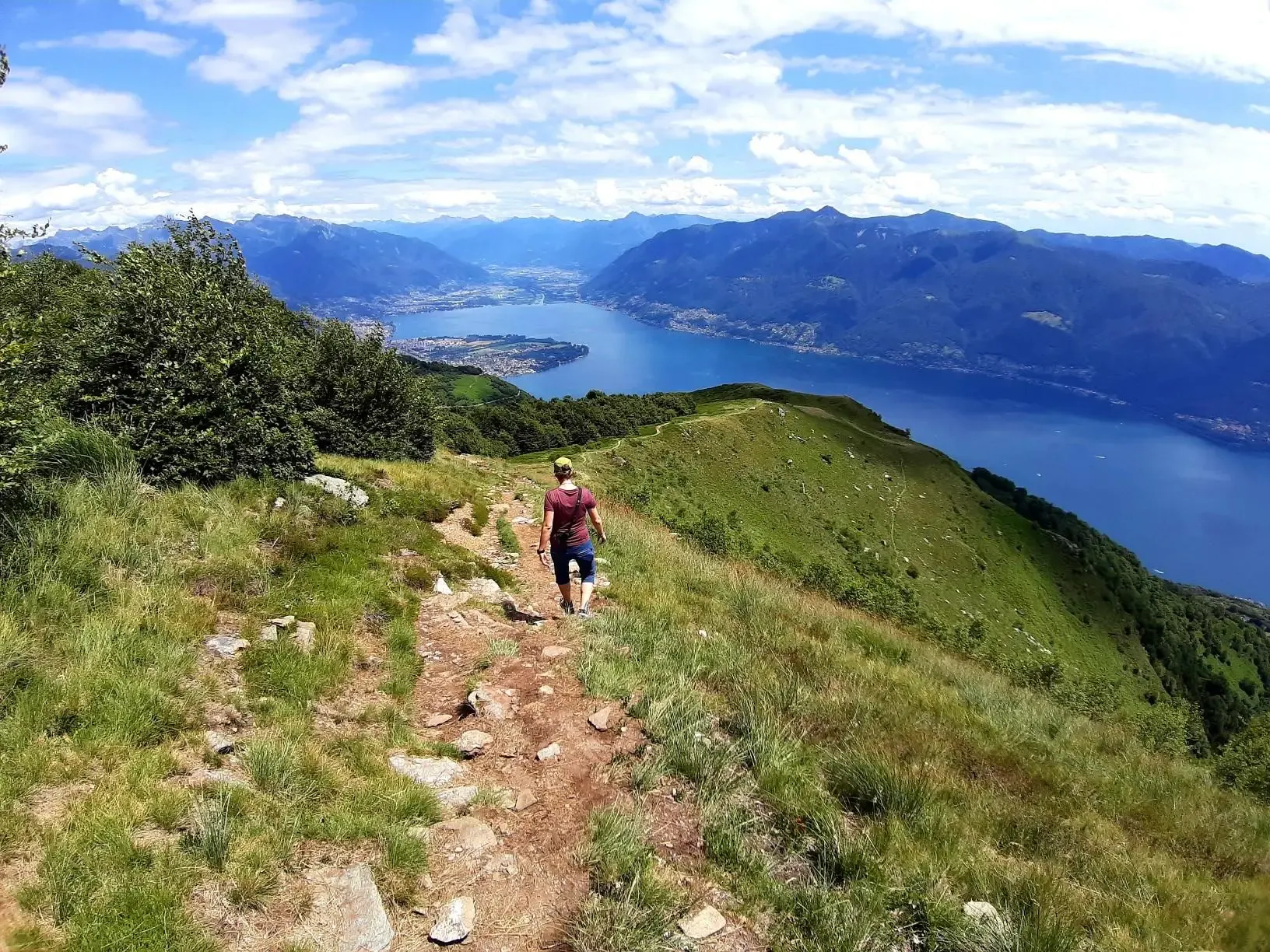
Autumn magic – vibrant, scenic hikes in Ticino
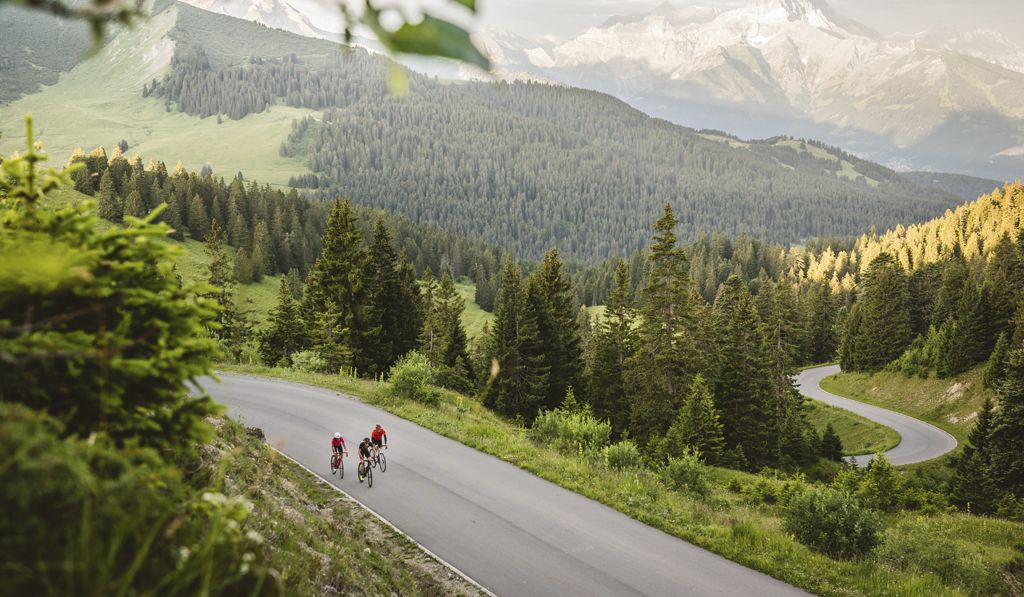
"Coop Ride the Alps"— a spectacular cycling experience
Hiking around Quinto
Running Trails around Quinto
Cycling around Quinto
MTB Trails around Quinto
Road Cycling Routes around Quinto

Mountain Hikes around Quinto
Other adventures around Quinto


Tips from the Community

St. Gotthard Pass The Gotthard Pass divides waterways and connects various cultural and linguistic areas. Its significance as an "Alpine transversal" began at the beginning of the 13th century with the construction of the legendary Devil's Bridge in the Schöllenen Gorge. For many centuries, trade caravans (trading cattle and cheese for grain, wine, rice, and salt), mercenaries, messengers, and even entire armies crossed the pass. Between 1818 and 1836, the canton of Uri, with the help of other cantons, expanded the pass road, thus achieving its predominance among Swiss Alpine passes. The Gotthard Pass has significantly shaped the economy and culture of Central Switzerland for centuries. Until the opening of the Gotthard Railway in 1882, the Gotthard Pass was also used in winter. Dozens of roadmen and shovel workers were employed for this purpose. In 1922, the post bus replaced the stagecoach, and with the introduction of gasoline duties in 1923, the expansion of the pass roads began, continuing to this day. The old pass road on the south side, the Tremola between the top of the pass and Airolo, is still preserved and passable. This stretch of road recalls more tranquil journeys over the Gotthard that occurred not so long ago. In the 19th and 20th centuries, the Gotthard Pass was "condensed" into a myth, a symbol of Switzerland's independence, unity, and identity. Text / Source: Interest Group for Alpine Passes IAP, PO Box 11, 6491 Realp https://alpen-paesse.ch/de/alpenpaesse/gotthardpass
15
1

very pretty here, very pretty
2
0

Descent to Lucomagno done on Gravel (45mm tires, only got off the bike a couple of times)
0
0

In summer, arrival by post bus from Andermatt or Airolo is possible.
2
0

A must-see for every road cyclist! Featuring arguably the most famous cobblestone road in the Alps...
2
0

The Passo del Sole is located between the Valle di Santa Maria (the upper Val di Blenio) and the upper Val Piora (where Lake Ritom is located. From here you can enjoy a beautiful panorama and the fresh Alpine breeze.
2
0

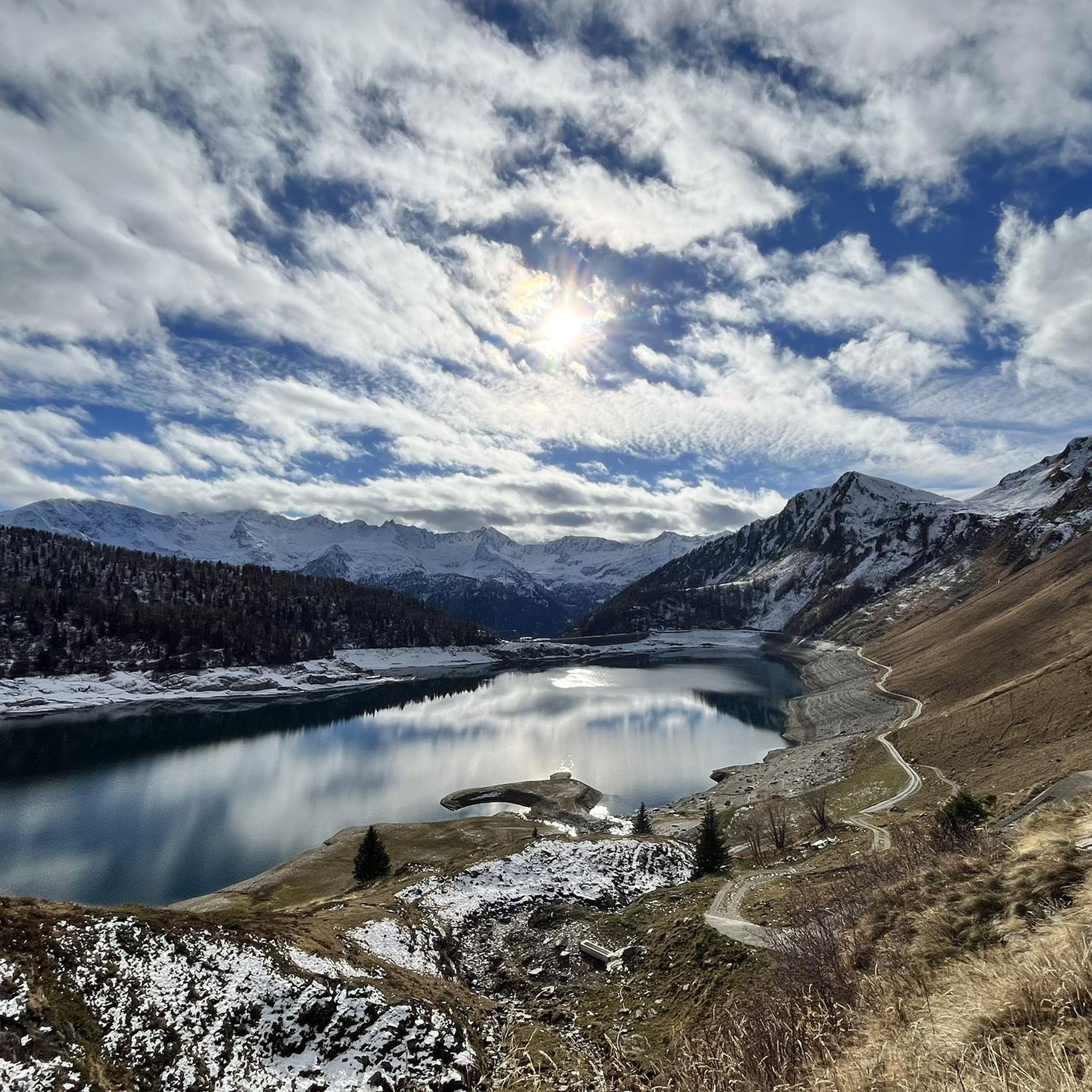
We are talking about Lake Sella here.
0
0

The Gotthard pass is located at an altitude of 2,106 meters and connects the canton of Ticino in Italian Switzerland with the canton of Uri in German-speaking Switzerland. Historically the San Gottardo pass was important for pilgrims who wanted to reach Rome: this, in fact, was one of the quickest passages to cross the Alps. At the summit there is the Piazza lake and the San Gottardo hospice, founded in 1237 .
0
0
Frequently Asked Questions
What are the most popular natural monuments around Quinto?
The region around Quinto is known for its alpine landscape, featuring high mountain passes and pristine lakes. Among the most popular natural monuments are the Source of the Rhine – Lai da Tuma, a lake marking the official source of the Rhine River, and Lake Ritom, an alpine lake with beautiful flowers and scenic trails. Visitors also highly appreciate Lago di Sella, a reservoir east of the Gotthard Pass, and the historical Guex Monument at Gotthard Pass.
Are there family-friendly natural monuments around Quinto?
Yes, several natural monuments in the Quinto region are suitable for families. Lago di Sella offers great hiking trails that are perfect for children. Lake Ritom also features a wide dirt road along its northern bank, making it accessible for families. Additionally, Lake Tremorgio is easily reachable by cable car, providing a peaceful experience for all ages.
What natural features can I expect to see around Quinto?
The Quinto region is characterized by a diverse alpine landscape. You'll encounter stunning alpine lakes like Lake Ritom and Lake Tremorgio, as well as the unique high moor area around the Source of the Rhine – Lai da Tuma with its streams and meadows. The area also features significant mountain passes, such as the Gotthard Pass, offering breathtaking views and geological formations.
Are there historical sites among the natural monuments?
Yes, the Guex Monument at Gotthard Pass is a significant historical site. The Gotthard Pass itself has a rich history, serving as an important route for pilgrims, trade caravans, and armies since the 13th century. It connects different cultural and linguistic areas and has shaped the economy and culture of Central Switzerland for centuries. The old pass road, the Tremola, is still preserved and passable.
What outdoor activities can I do near these natural monuments?
The Quinto region offers a variety of outdoor activities. You can enjoy extensive hiking, running, and mountain biking. For example, near Lake Ritom, there are numerous trails for running and hiking, including the "Lago Ritom and Lago di Cadagno – loop run in Val Leventina" and the "Path of the Piora Valley lakes." You can find more details on routes for running, hiking, and MTB around Quinto.
Are there hiking trails near these natural monuments?
Absolutely. The natural monuments around Quinto are surrounded by numerous hiking opportunities. You can hike along the southeastern bank of Lake Ritom, explore the trails around Lago di Sella, or embark on longer treks from the Lake Tremorgio hut into the fascinating mountain world. The path from Oberalp Pass to the Source of the Rhine – Lai da Tuma is also a popular hiking route. For more options, explore the hiking guide for Quinto.
What do visitors enjoy the most about the natural monuments in Quinto?
Visitors frequently praise the breathtaking views and the serene atmosphere. Many enjoy the unique experience of reaching the Source of the Rhine – Lai da Tuma and observing the high moor area. The beautiful flowers around Lake Ritom are a highlight, as is the sense of accomplishment and the stunning landscapes encountered when crossing the Gotthard Pass. The peacefulness and accessibility of places like Lake Tremorgio, reached by cable car, are also highly valued.
Can I bring my dog to the natural monuments in Quinto?
Yes, some natural monuments offer dog-friendly trails. For instance, Lago di Sella is noted for having great hiking trails suitable for dogs. When planning your visit, it's always advisable to check specific trail regulations for other locations to ensure a pleasant experience for you and your pet.
How can I reach these natural monuments using public transport?
Public transport options are available for some locations. You can reach Lake Ritom comfortably via the steepest cog railway from Ambri. For Lake Tremorgio, a cable car operates daily from Rodi-Fiesso, overcoming nearly 1000 meters in just five minutes. For other locations, check local transport schedules, often involving post buses to mountain passes or trailheads.
What is the best time of year to visit the natural monuments around Quinto?
The alpine region around Quinto is best visited during the warmer months, typically from June to October. During this period, mountain passes are generally open, trails are accessible, and the weather is more favorable for hiking and outdoor activities. The cable car to Lake Tremorgio, for example, operates daily from June to mid-October.
Are there any hidden gems or less-known natural attractions in the Quinto area?
While the main highlights are well-known, the entire Val Piora, where Lake Ritom is located, is considered a gem for its natural beauty and unique ecosystem. Exploring the trails beyond the immediate lake areas, such as those leading to Lago Cadagno or Lago di Tom, can reveal quieter spots and stunning alpine flora. The high moor area and the Plidutscha plateau near the Source of the Rhine – Lai da Tuma also offer magnificent, less crowded views.
What kind of wildlife can I spot near the natural monuments?
The alpine environment around Quinto supports diverse flora and fauna. While specific wildlife sightings are not guaranteed, you can expect to see various alpine birds and potentially some mammals adapted to high altitudes. The high moor areas, like those near the Source of the Rhine – Lai da Tuma, are particularly rich in unique plant life and smaller creatures. Keep an eye out for beautiful alpine flowers, especially around Lake Ritom.
Most popular attractions around Quinto

Get inspired with the komoot mobile app


Explore more
Extend your search for the best caves by checking out these guides of the top ones around Quinto:
