Fürstlich Löwenstein'scher Park
Fürstlich Löwenstein'scher Park
Top 10 Natural Monuments around Fürstlich Löwenstein'scher Park
Best natural monuments around Fürstlich Löwenstein'scher Park are found within a vast, predominantly forested area in the Bavarian Spessart. This park, covering over 30 km², is characterized by extensive beech forests and is recognized as a European bird sanctuary. The region features significant natural features, including valleys, nature reserves, and the highest elevation in the park. These natural monuments collectively highlight the Fürstlich Löwenstein'scher Park as an area for nature conservation and outdoor recreation.
Best natural monuments around Fürstlich Löwenstein'scher…
Last updated: May 30, 2026
Water buffalo in the Hafenlohr Valley
Highlight • Natural
Translated by Google •
Tip by

Capuchin Oak
Highlight • Natural Monument
Translated by Google •
Tip by

Sign up now to discover places like this
Get recommendations on the best single tracks, peaks, & plenty of other exciting outdoor places.
Sign up for free
Hafenlohr Valley
Highlight (Segment) • Forest
Translated by Google •
Tip by

Water Buffalo Project Hafertor Trail, Dinaric, Naturpark Spessart
Highlight • Natural Monument
Translated by Google •
Tip by

Old Oak Forest near Neubau
Highlight • Forest
Translated by Google •
Tip by

Sign up for free to discover even more natural monuments around Fürstlich Löwenstein'scher Park.
Sign up for free
Already have an account?
Start today with a free account
Your next adventure awaits.
Login or Signup
Popular around Fürstlich Löwenstein'scher Park
Hiking around Fürstlich Löwenstein'scher Park
Cycling around Fürstlich Löwenstein'scher Park
Road Cycling Routes around Fürstlich Löwenstein'scher Park
Running Trails around Fürstlich Löwenstein'scher Park
MTB Trails around Fürstlich Löwenstein'scher Park
Gravel biking around Fürstlich Löwenstein'scher Park
Tips from the Community

Beautiful road cycling section, flowing and idyllic
0
0

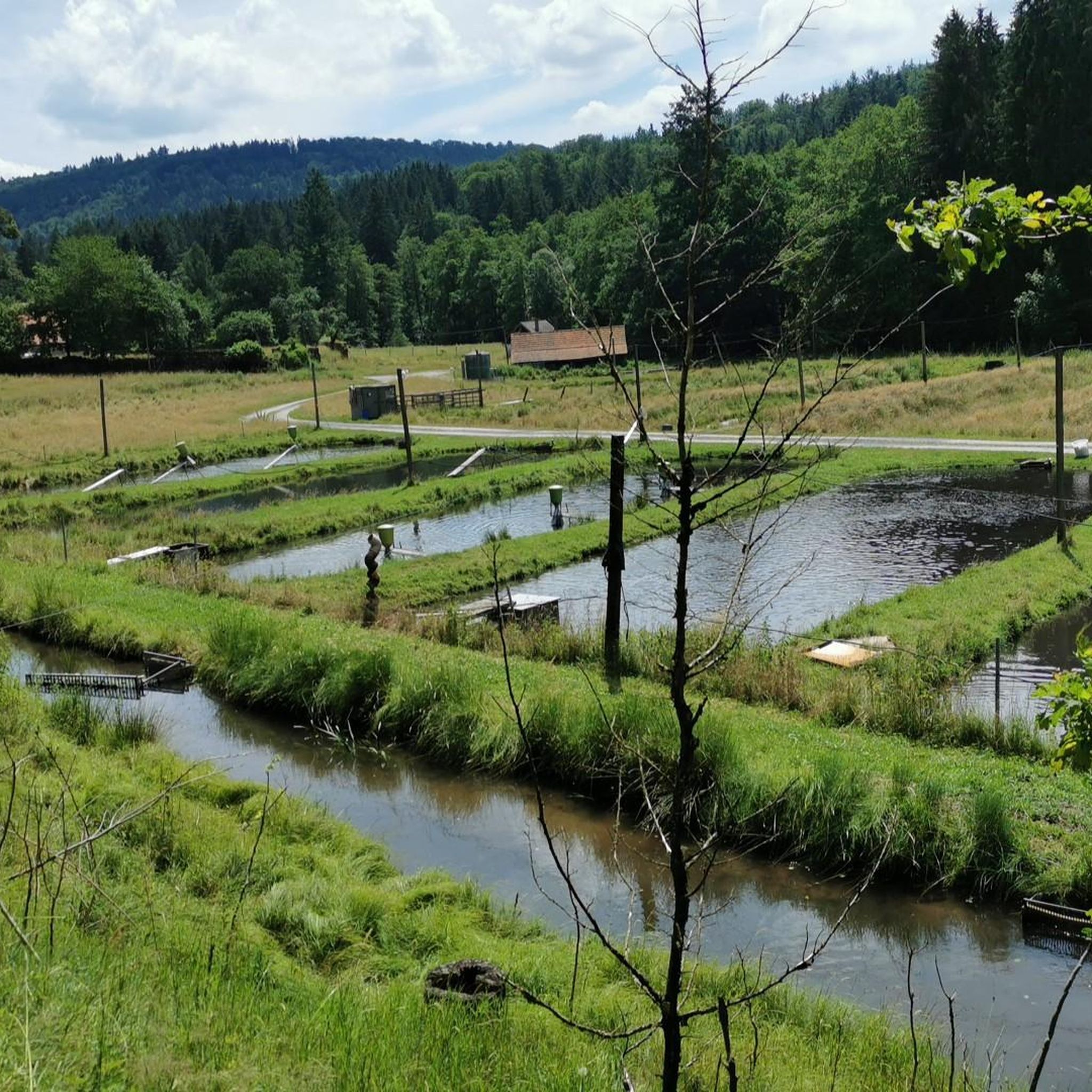
The Hafenlohr is a 26.5 km long (27.7 km including the Tiergartenbach) right tributary of the Main River in the districts of Aschaffenburg and Main-Spessart in the Bavarian Spessart region. The Hafenlohr rises from two springs in the municipality of Rothenbuch. The longer and occasionally more water-rich branch is the Tiergartenbach, which often dries up on dry days. Officially, it is considered the upper course of the Hafenlohr main watercourse. The source, known as the Hafenlohr Spring, in the center of the village provides water almost year-round. The Hafenlohr Spring is located at Rothenbuch Castle. It was encased in sandstone during the road widening of the St 2317. Its water flows northwest through the castle moat and, after about 100 meters, flows from the left bank into the bed of the Tiergartenbach, which flows from the Tiergartengrund on the northern edge of the village and is already 1.3 km[7] long. It doesn't provide water year-round, but at times it provides more than the perennial spring at the castle. The spring at the castle was probably once a meeting place for hunters in the eastern Spessart, which is why construction of a hunting lodge began here in 1342. The spring water fed the castle moat and several surrounding trout lakes, which no longer exist. Source and further information: https://de.wikipedia.org/wiki/Hafenlohr_(Fluss)
1
0
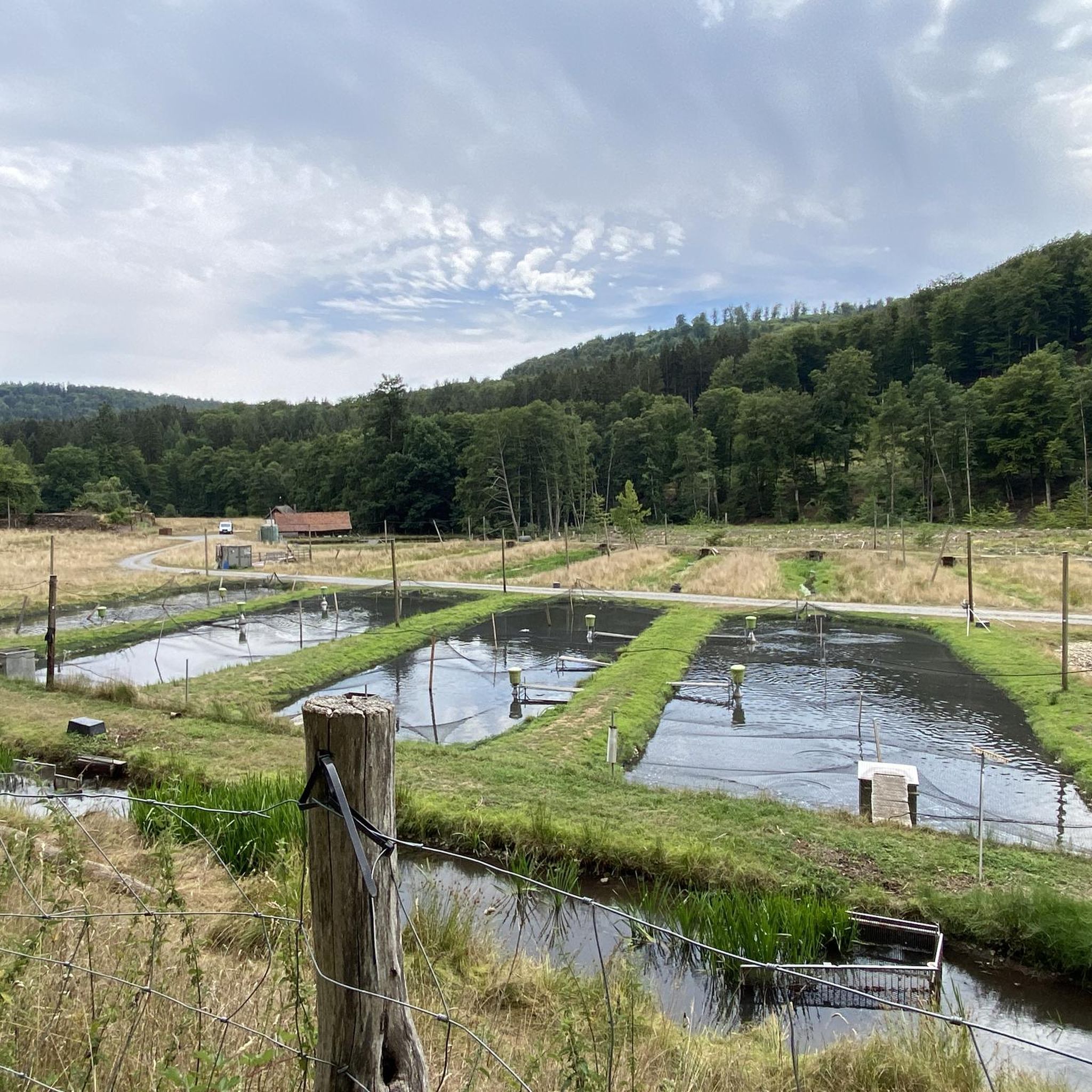
The Hafenlohr is a 26.5 km long (27.7 km including the Tiergartenbach) right tributary of the Main River in the districts of Aschaffenburg and Main-Spessart in the Bavarian Spessart region. The Hafenlohr rises from two springs in the municipality of Rothenbuch. The longer and occasionally more water-rich branch is the Tiergartenbach, which often dries up on dry days. Officially, it is considered the upper course of the Hafenlohr main watercourse. The source, known as the Hafenlohr Spring, in the center of the village provides water almost year-round. The Hafenlohr Spring is located at Rothenbuch Castle. It was encased in sandstone during the road widening of the St 2317. Its water flows northwest through the castle moat and, after about 100 meters, flows from the left bank into the bed of the Tiergartenbach, which flows from the Tiergartengrund on the northern edge of the village and is already 1.3 km[7] long. It doesn't provide water year-round, but at times it provides more than the perennial spring at the castle. The spring at the castle was probably once a meeting place for hunters in the eastern Spessart, which is why construction of a hunting lodge began here in 1342. The spring water fed the castle moat and several surrounding trout lakes, which no longer exist. Source and further information: https://de.wikipedia.org/wiki/Hafenlohr_(Fluss)
1
0

A wonderful oak forest, with plenty of space to grow
2
0


There are relatively few cars on the road through the Hafenlohrtal. Therefore it is perfect for cycling through beautiful nature
1
1

Beautifully through the Spessart
1
0

Frequently Asked Questions
What are the most notable natural features to explore in Fürstlich Löwenstein'scher Park?
The park is rich in natural features. You can explore the scenic Hafenlohr Valley, known for its extensive hiking and cycling paths and unique wildlife. Another significant area is the Weihersgrundtal, a peaceful valley with a designated nature reserve. The vast beech forests themselves are a natural monument, providing vital habitats and a tranquil environment for visitors.
Can I see wildlife in Fürstlich Löwenstein'scher Park?
Yes, the park offers unique wildlife viewing opportunities. The Hafenlohr Valley is particularly known for its water buffalo, which are employed for landscape maintenance. The park is also recognized as a European bird sanctuary, home to over 30 bird species within its extensive beech forests.
Are there any specific viewpoints or elevated natural landmarks in the park?
Yes, the Hintere Bauhöhe is the highest elevation in Fürstlich Löwenstein'scher Park, reaching 533 meters above sea level. It offers panoramic views of the surrounding Spessart landscape, making it a rewarding destination for hikers seeking vistas.
Are there family-friendly natural monuments or activities in Fürstlich Löwenstein'scher Park?
Many natural monuments in the park are family-friendly. The Hafenlohr Valley and the area around the Water buffalo in the Hafenlohr Valley are great for families to explore. The Capuchin Oak is another natural monument within the forest that can be an interesting stop for families.
What kind of hiking trails can I find near the natural monuments?
The region around Fürstlich Löwenstein'scher Park offers a variety of hiking trails. You can find routes with moderate to difficult ratings, often traversing through the extensive beech forests and valleys like the Hafenlohrtal. For more detailed descriptions and routes, you can explore the Running Trails around Fürstlich Löwenstein'scher Park guide, which includes many suitable paths for hiking.
Are there cycling opportunities near the natural monuments?
Absolutely. The park and its surroundings are excellent for cycling. The Hafenlohrtal, for instance, features extensive cycling paths. You can find various routes, including road cycling and gravel biking options. Check out the Road Cycling Routes around Fürstlich Löwenstein'scher Park or the Gravel biking around Fürstlich Löwenstein'scher Park guides for detailed tours.
What is the best time of year to visit the natural monuments in Fürstlich Löwenstein'scher Park?
The park's natural monuments can be enjoyed throughout the year. Spring brings lush greenery and blooming flora, while autumn offers vibrant foliage, especially in the beech forests. Summer is ideal for longer hikes and outdoor activities, and even winter can be beautiful for tranquil walks, though some paths might be more challenging.
Are dogs allowed on the trails and near the natural monuments?
Generally, dogs are welcome on trails in natural areas like Fürstlich Löwenstein'scher Park. However, it's always recommended to keep them on a leash, especially in nature reserves or areas with wildlife, such as where the water buffalo graze in the Hafenlohr Valley, to ensure the safety of both your pet and the local fauna.
Where can I find parking facilities when visiting the natural monuments?
While specific parking facilities for each natural monument are not detailed, the park is generally accessible. Visitors often find parking near trailheads or designated recreational areas within or bordering the park. It's advisable to check local signage upon arrival for specific parking regulations and options.
Are there any cafes or restaurants near the natural monuments for a break?
Yes, for a break and refreshments, the Waldschänke im Weihersgrund, a forest guesthouse located in the Weihersgrundtal, provides a place for hikers and mountain bikers to rest and enjoy traditional cuisine amidst nature. Other cafes and restaurants can be found in the villages surrounding the park.
What makes the beech forests in Fürstlich Löwenstein'scher Park special?
The extensive beech forests are a defining feature of Fürstlich Löwenstein'scher Park, covering 97% of its over 30 km² area. They are considered a natural monument in themselves, providing vital habitats for numerous bird species and contributing to the park's status as a European bird sanctuary. These mature woodlands offer profound tranquility and ecological richness.
Is there a specific nature reserve within the park dedicated to untouched forest?
Yes, the Naturwaldreservat Hoher Knuck is explicitly listed as a nature reserve within the park. Exploring this reserve offers an immersive experience into the untouched forest ecosystem of the Spessart, showcasing the park's commitment to preserving its natural woodlands.
Most popular routes around Fürstlich Löwenstein'scher Park
Most popular attractions around Fürstlich Löwenstein'scher Park

Get inspired with the komoot mobile app


Explore more
Extend your search for the best caves by checking out these guides of the top ones around Fürstlich Löwenstein'scher Park:
