Top 20 Mountain Passes in the Greater Caucasus
Best mountain passes in the Greater Caucasus traverse a mountain range stretching between the Black and Caspian Seas, primarily in Georgia. This region features diverse landscapes, from high-altitude trekking routes to historic drives. The passes are characterized by significant elevation changes, varied terrain, and views of the Greater Caucasus peaks. The area also holds cultural significance with ancient settlements and historical sites.
Best mountain passes in the Greater Caucasus
- The most popular mountain passes is Guli Pass, a viewpoint…
Last updated: May 14, 2026
Atsunta Pass
Highlight • Mountain Pass
Translated by Google •
Tip by

Guli Pass
Highlight • Viewpoint
Translated by Google •
Tip by

Sign up now to discover places like this
Get recommendations on the best single tracks, peaks, & plenty of other exciting outdoor places.
Sign up for free
Rocky Path to Saberze Pass
Highlight • Trail
Translated by Google •
Tip by

View of the Greater Caucasus Mountains
Highlight • Viewpoint
Translated by Google •
Tip by
View of Mount Ushba
Highlight • Viewpoint
Translated by Google •
Tip by

Chkhutnieri Pass
Highlight • Mountain Pass
Translated by Google •
Tip by

Belorechensky Pass
Highlight • Mountain Pass
Translated by Google •
Tip by

Latpari Pass
Highlight • Mountain Pass
Translated by Google •
Tip by
Jvari Mountain Pass (2395 m)
Highlight • Mountain Pass
Translated by Google •
Tip by

The Cross Pass
Highlight • Mountain Pass
Translated by Google •
Tip by

Sign up for free to discover even more mountain passes in the Greater Caucasus.
Sign up for free
Already have an account?
Start today with a free account
Your next adventure awaits.
Login or Signup
Popular around Greater Caucasus
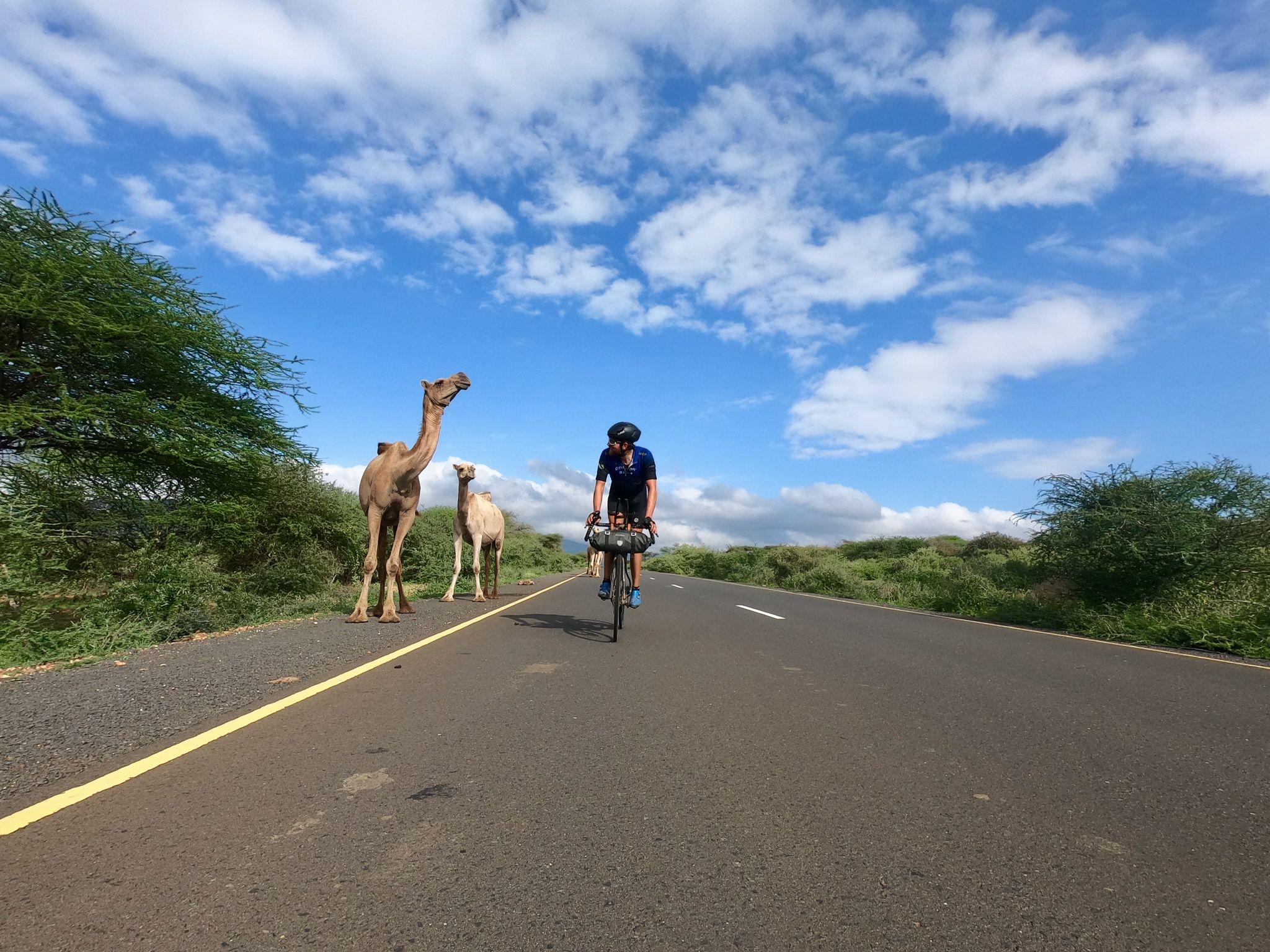
Cape to Cape Challenge – 18,000km in 73 days
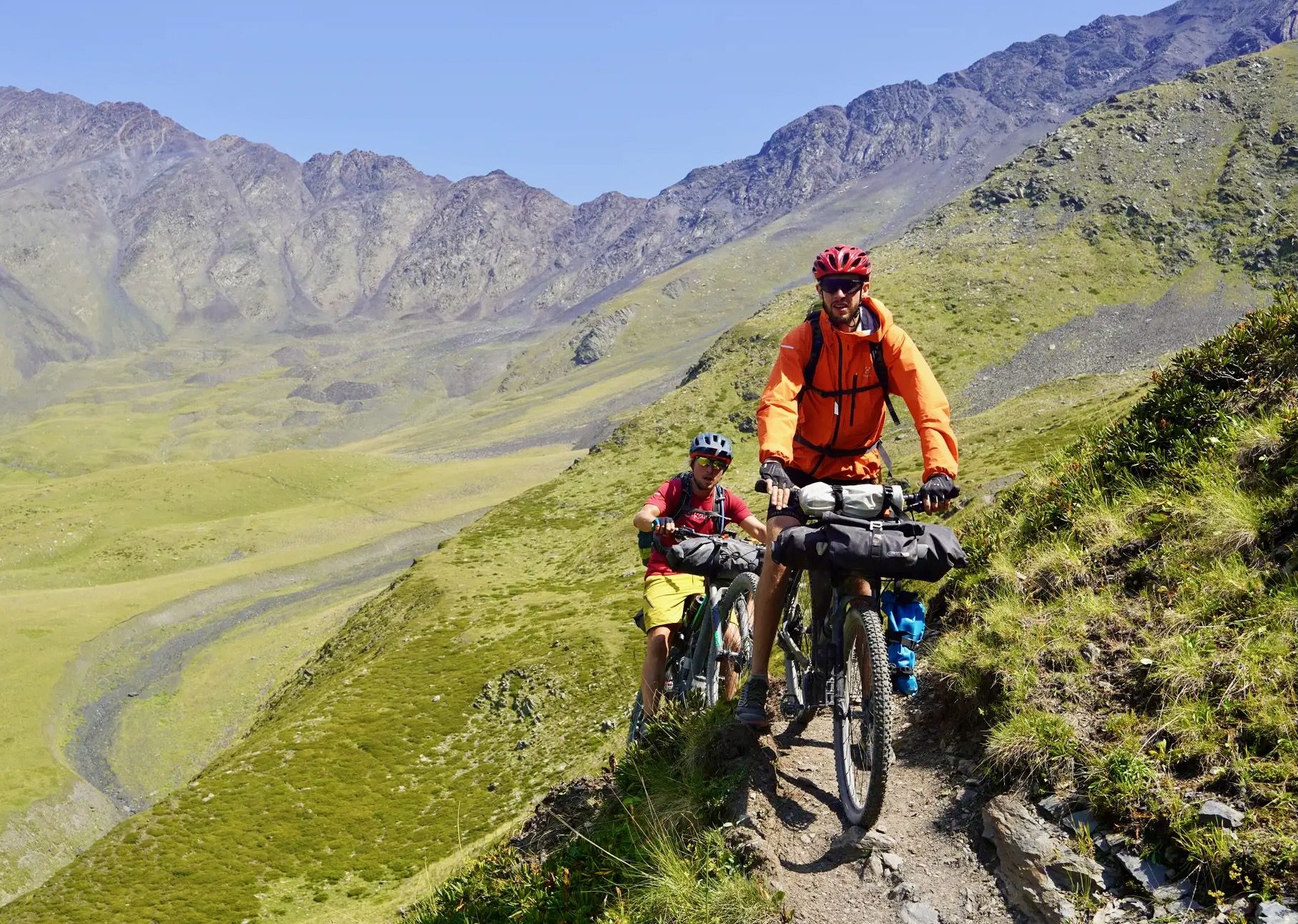
Georgia’s Caucasus Crossing
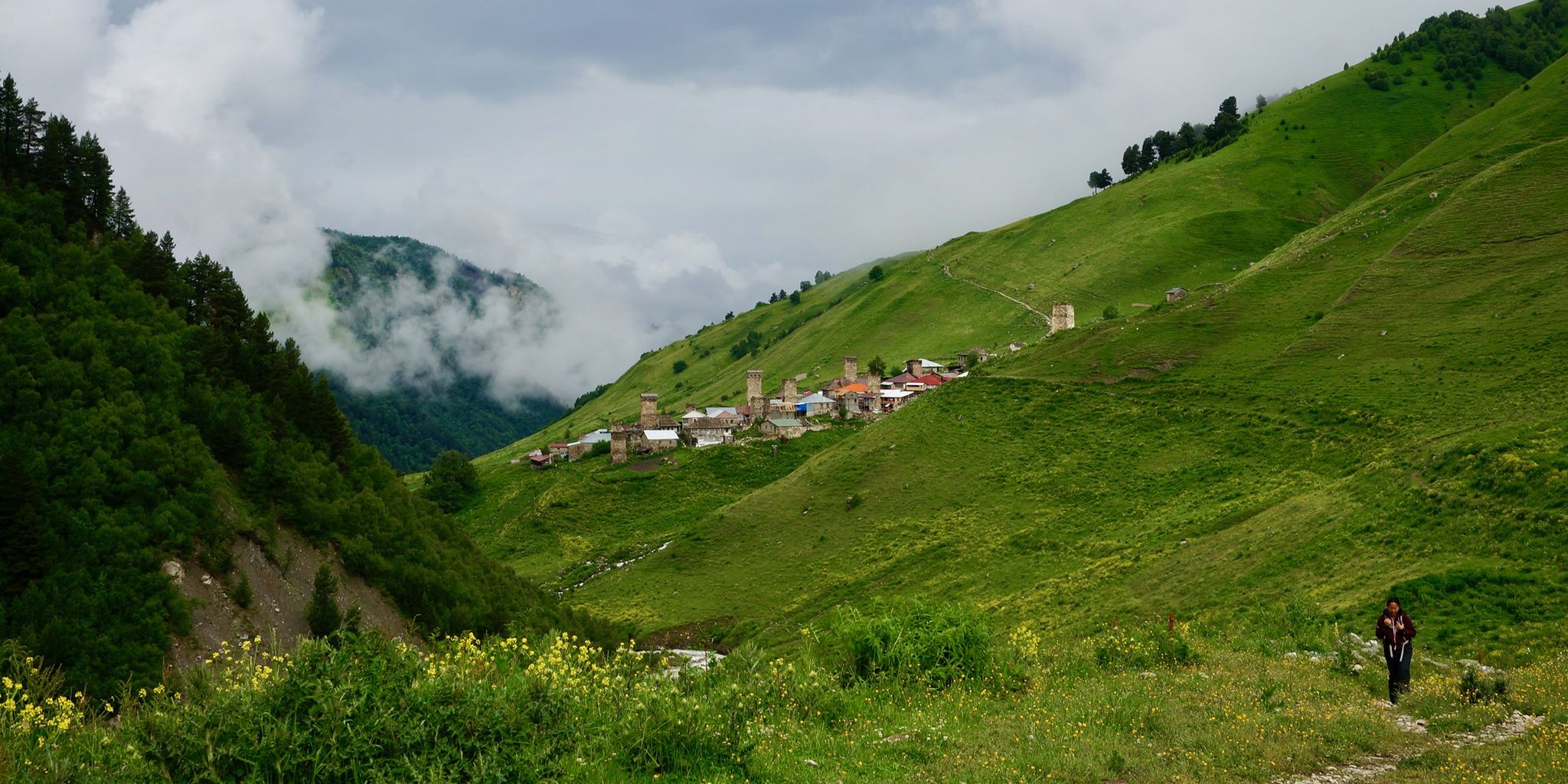
The mighty Caucasus Mountains – 4-day trek in Georgia
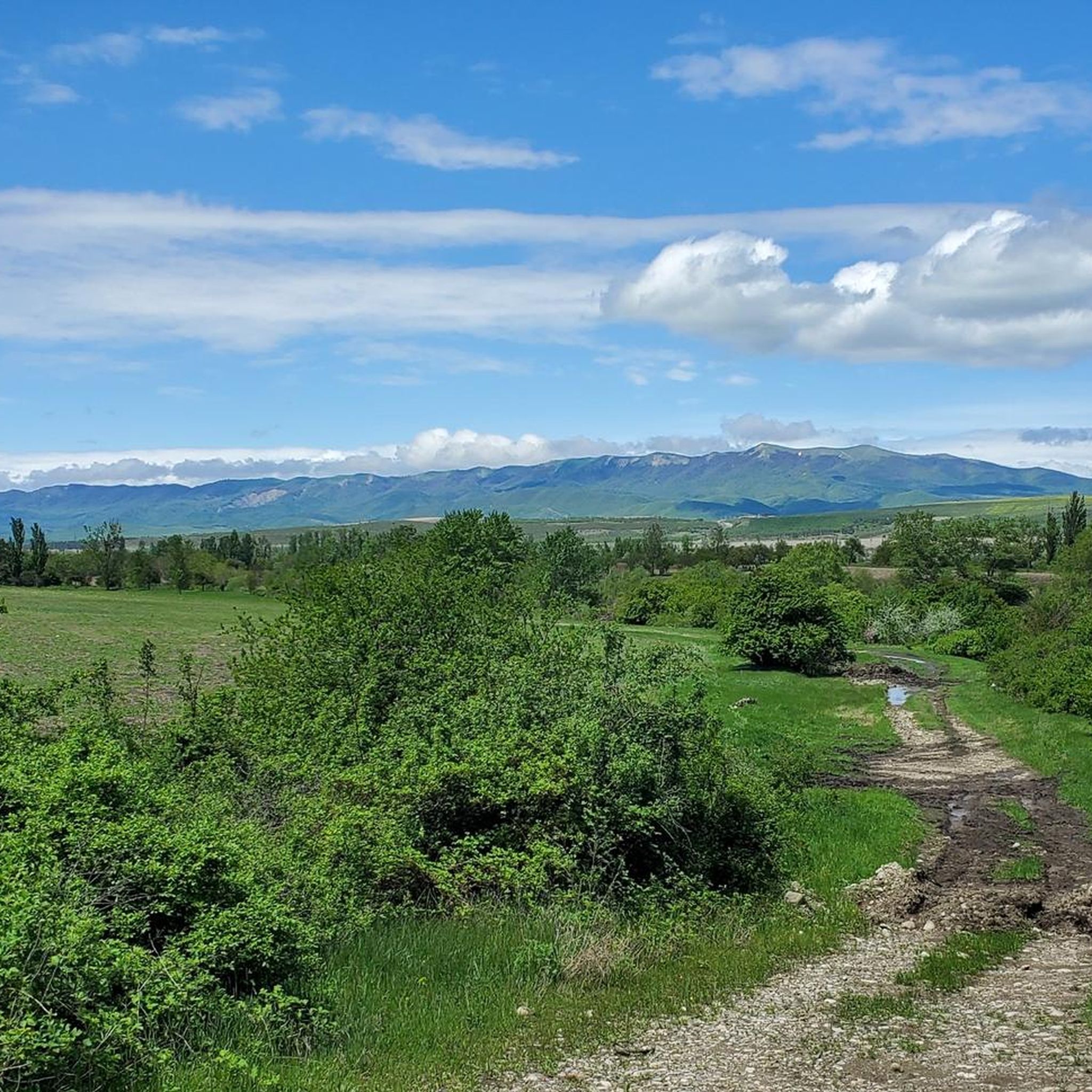
Hiking in the Greater Caucasus
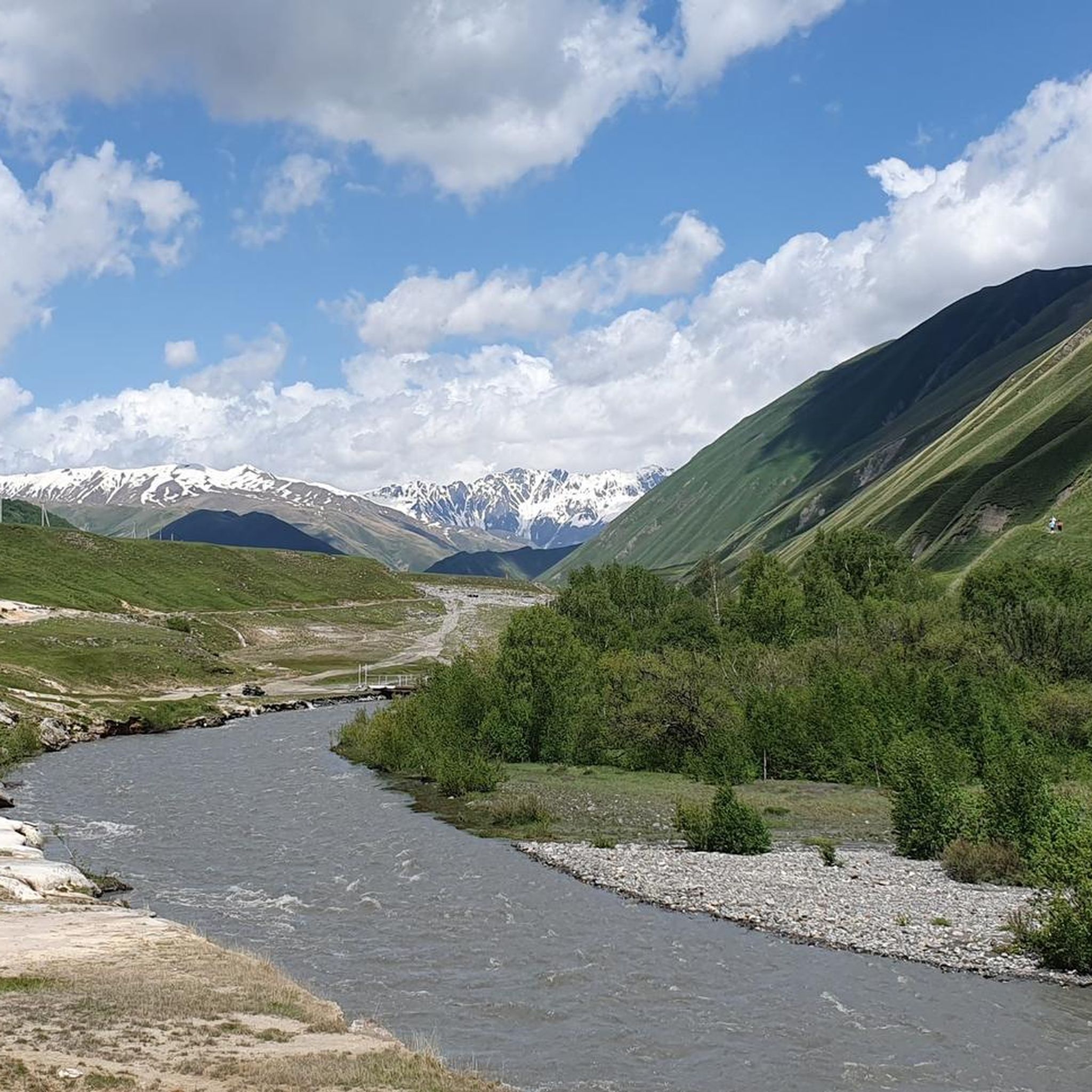
Road Cycling Routes in the Greater Caucasus
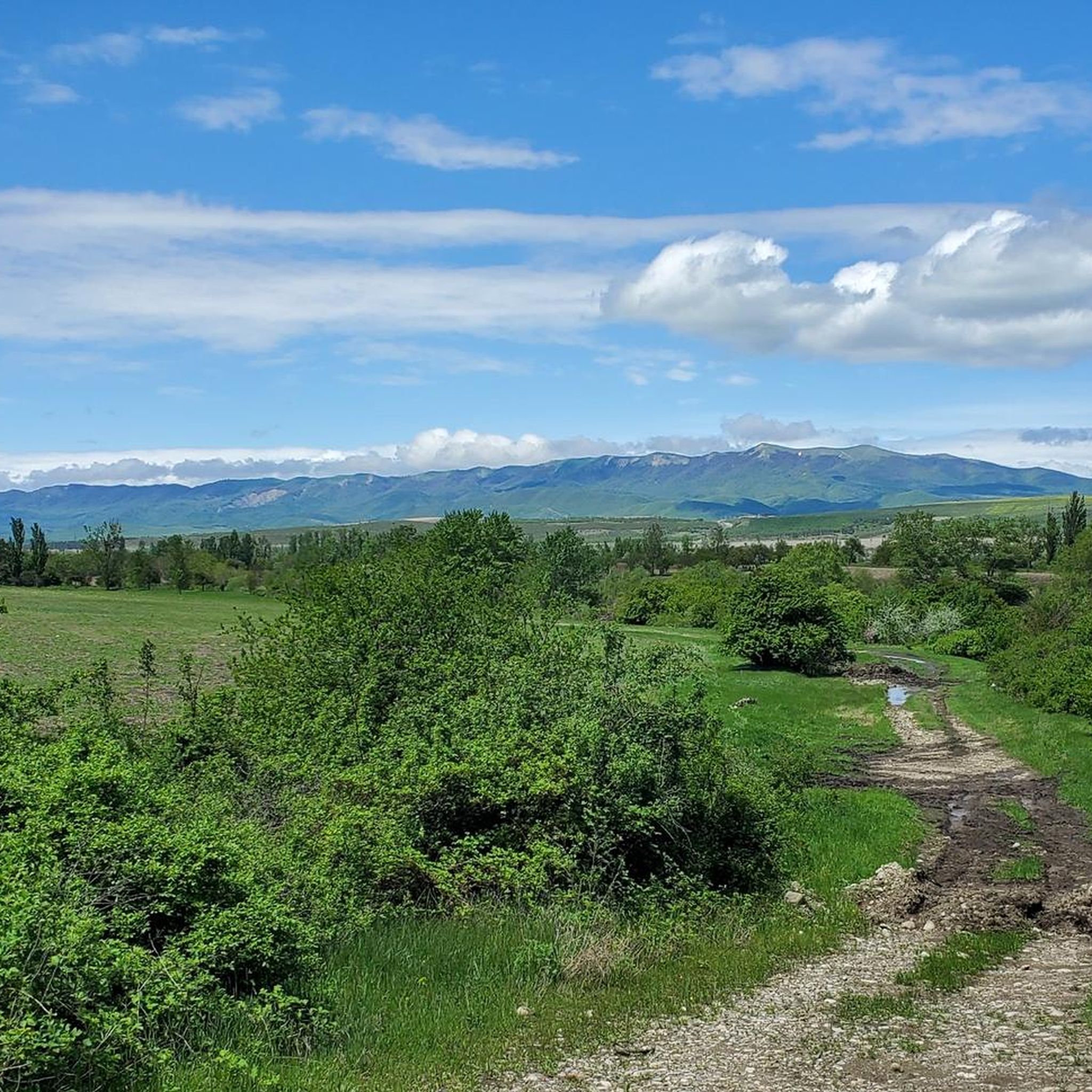
Running Trails in the Greater Caucasus
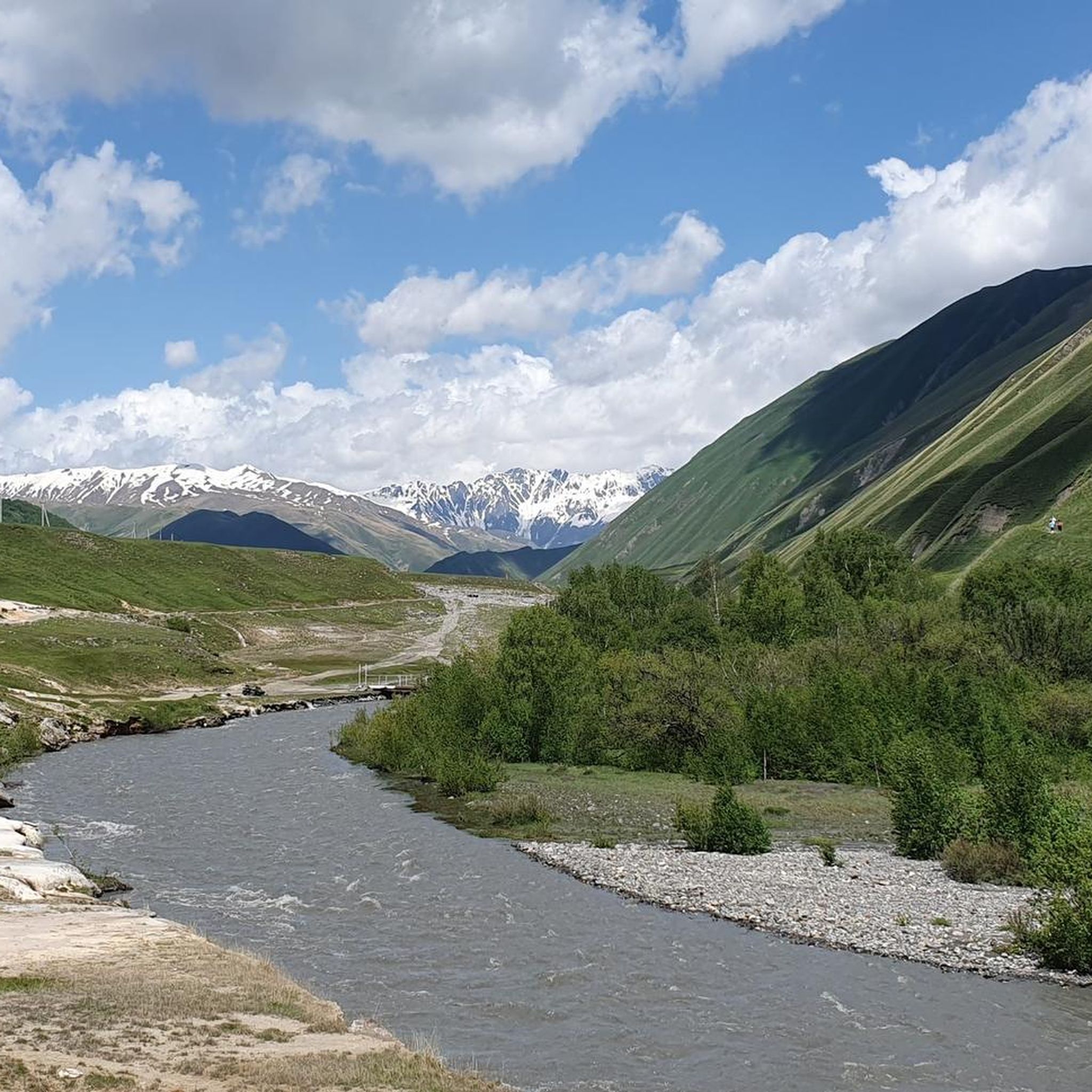
Cycling in the Greater Caucasus
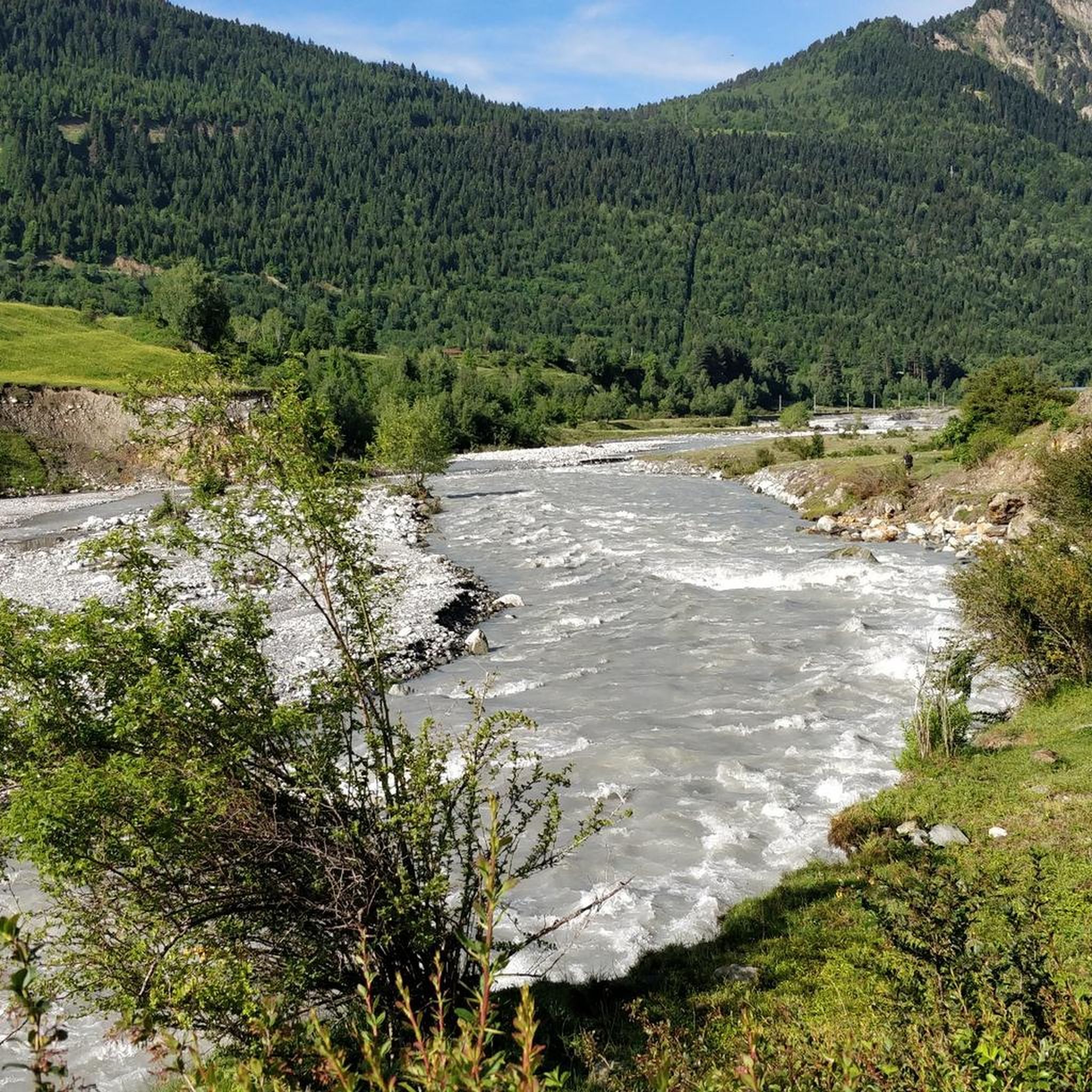
MTB Trails in the Greater Caucasus

Mountain Hikes in the Greater Caucasus


Tips from the Community

The pass is at an altitude of 2,379 m. The Georgian Military Highway runs over the Cross Pass from Tbilisi through the Darial Gorge, located north of the pass, to Vladikavkaz in Russia. The border with Russia is just under 40 km further north.
7
0

Belorechensky Pass is located at an altitude of 1782 m, non-categorized, grassy. Refers to the Main Dividing Range, between the Fisht massif and Belorechenskaya Mountain 1972 m, the sources of the Belaya River (Fisht shelter) - the sources of the Bushiy River (Shakhe River) Belorechensky Pass is an ancient trade and cattle trail for communication between mountain tribes living on the sea coast and on the northern slope of the Main Caucasian Range.
0
0

Jvari Pass. Here, the road reaches its highest point (2395 metres above sea level) – and your trip will reach its crescendo – as you glide along the Jvari Pass down into Kazbegi.
1
0

In good weather great views in both directions
0
0

Anyone who arrives here has made it: 3510m, the whole thing is a huge pile of slate and gravel. In some places there is no path anymore because the slate has slipped over it (on both sides).
0
0

Simply magnificent when the view opens up to the white peaks of the Caucasus.
0
0

Up here at the Cross Pass there is still a monument, the remains of former fortresses, a small monastery and a cemetery where German prisoners of war are buried.
1
0

It's totally mesmerizing to stand on this pass. On one side is the Adishi Glacier and a huge mountain massif and on the other side the meadows run down into a lovely valley. From up here you can also easily get to the next two highest peaks and to the Russian border
0
0
Frequently Asked Questions
Which mountain passes in the Greater Caucasus are known for their challenging terrain?
For those seeking a challenge, the Greater Caucasus offers several demanding passes. Atsunta Pass is a high-altitude trekking pass known for rocky terrain and snow patches. Abano Pass features an unpaved, challenging road with steep climbs and tight turns, ideal for experienced drivers. Mamison Pass also presents steep serpentines and narrow slopes. For hikers, the Guli Pass is considered long and demanding, offering significant elevation changes.
What is the best time of year to visit the mountain passes in the Greater Caucasus?
The best time to visit most mountain passes in the Greater Caucasus is generally during the summer months, from June to October. Passes like Abano Pass and Mamison Pass are typically only open during this period due to heavy snow and ice. While Jvari Pass is accessible year-round, the warmer months allow for full exploration of the higher-altitude trekking passes and offer the most favorable weather conditions for outdoor activities.
Are there any mountain passes in the Greater Caucasus with significant historical or cultural importance?
Yes, several passes are rich in history. Jvari Pass (Cross Pass) is a crucial section of the historic Georgian Military Road, connecting important cities and featuring the Russia-Georgia Friendship Monument. Mamison Pass, crossed by the Ossetian Military Road, offers a journey through history with ruins of ancient settlements and watchtowers. Datvisjvari Pass leads to historical sites like Shatili village with its ancient tower fortresses and the Necropolis of Anatori.
What kind of natural features and viewpoints can I expect to see at the mountain passes?
The mountain passes in the Greater Caucasus are renowned for their stunning natural beauty. You can expect panoramic views of verdant valleys, snow-capped peaks, and unique geological formations. Jvari Pass features a striking orange waterfall fed by mineral springs. Guli Pass offers a 360-degree panorama over Upper Svaneti, including iconic peaks like Ushba and Tetnuldi. Chaukhi Pass provides dramatic views of the 'Georgian Dolomites' and glacial lakes, while Atsunta Pass showcases wild gorges and alpine meadows.
What outdoor activities can I do near the mountain passes in the Greater Caucasus?
The region around the mountain passes offers a wide range of outdoor activities. You can find numerous hiking trails, from moderate day hikes to multi-day treks. For example, there are many options for hiking in the Greater Caucasus. Road cycling is also popular, with routes like those found in Road Cycling Routes in the Greater Caucasus. Additionally, the nearby Gudauri ski resort makes Jvari Pass a popular destination for winter sports.
Are there any family-friendly options among the mountain passes in the Greater Caucasus?
While many high-altitude passes are challenging, some areas offer more accessible experiences. Passes with drivable roads, like Jvari Pass, allow families to enjoy the scenic views from a vehicle and visit landmarks such as the Russia-Georgia Friendship Monument. For gentle walks, look for viewpoints or shorter trails near accessible passes. Always check specific route details for suitability with children.
Which mountain passes offer the best panoramic views?
Many passes boast incredible panoramas. Guli Pass is celebrated for its 360-degree panorama over the entire Upper Svaneti, including the twin towers of Ushba. Jvari Pass offers sweeping views of verdant valleys and snow-capped peaks. Datvisjvari Pass provides magnificent views of the Chaukhi mountains and the surrounding Khevsureti landscapes. The View of the Greater Caucasus Mountains highlight is also noted for its fantastic vistas.
What should I pack for a trek through the Greater Caucasus mountain passes?
For trekking in the Greater Caucasus mountain passes, it's essential to pack layers of clothing suitable for varying weather conditions, including waterproof and windproof outerwear. Sturdy hiking boots, a backpack with sufficient water and snacks, navigation tools (map, compass, or GPS), sun protection, and a first-aid kit are crucial. For multi-day treks, camping gear and cooking equipment will also be necessary. Always check the forecast and specific trail requirements before you go.
Are there any permits required for hiking or driving through the mountain passes?
While general access to most passes in Georgia does not typically require specific permits for tourists, it's always advisable to check for any updated regulations, especially for remote or border areas. Some protected areas or national parks might have entrance fees or require registration for multi-day treks. For passes on international borders, like Mamison Pass, ensure you have all necessary travel documents and are aware of any border crossing restrictions.
What makes the Tusheti region's passes unique?
The Tusheti region, accessed via passes like Abano Pass and Atsunta Pass, is known for its remote and wild character. Abano Pass is one of the highest drivable mountain passes in the Caucasus, famous for its challenging unpaved road and access to picturesque villages and ancient towers. Atsunta Pass connects Tusheti with Khevsureti, offering an immersive experience of unspoiled nature and ancient mountain culture, including historical sites like Mutso fortress.
Can I find accommodation or amenities near the mountain passes?
Amenities vary significantly by pass. More accessible passes like Jvari Pass, being on the Georgian Military Road, have nearby infrastructure, including the Gudauri ski resort with hotels and restaurants. Remote passes like Abano Pass or Atsunta Pass lead to areas with more basic accommodation, such as guesthouses in villages like Omalo or shepherds' huts. It's recommended to plan ahead and book accommodation, especially in peak season, and carry supplies for more isolated routes.
What is the difficulty level of the <a href="https://www.komoot.com/highlight/4720142" target="_blank" rel="noopener">Rocky Path to Saberze Pass</a>?
The Rocky Path to Saberze Pass is considered a challenging trail. Visitors have noted that the paths, often used by herds of sheep, can be demanding, particularly on descents. It requires good physical condition and appropriate footwear.
Most popular routes in the Greater Caucasus
Most popular attractions in the Greater Caucasus

Get inspired with the komoot mobile app


