Top 20 Natural Monuments in the Hejaz Mountains
Best natural monuments in the Hejaz Mountains are shaped by millions of years of geological activity, erosion, and volcanic forces. This prominent range in western Saudi Arabia features diverse landscapes, from ancient sandstone formations to extensive volcanic fields. The region offers a glimpse into its rich natural history through its unique geological features. These sites provide opportunities to explore landscapes formed by powerful natural processes.
Best natural monuments in the Hejaz Mountains
- The most popular natural monuments is Rock Arch…
Last updated: May 14, 2026
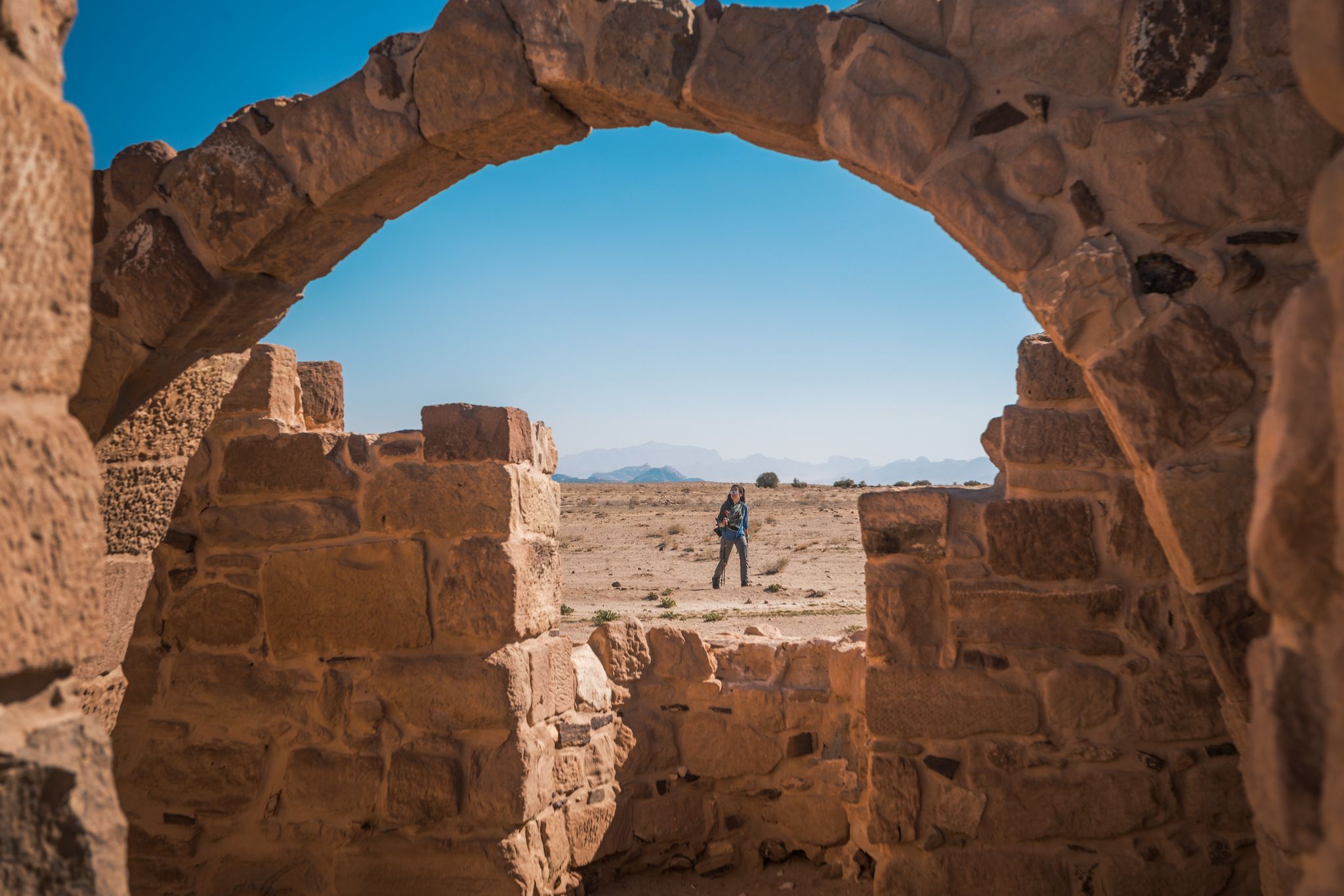
Rock Arch in Wadi Rum
Highlight • Natural Monument
But Wadi Rum offers a lot more impressions. It is …
Translated by Google •
Tip by

Seven Pillars of Wisdom
Highlight • Natural Monument
Translated by Google •
Tip by

Sign up now to discover places like this
Get recommendations on the best single tracks, peaks, & plenty of other exciting outdoor places.
Sign up for free
Al-Khazali Canyon
Highlight • Canyon
Tip by

Red Sand Dune, Wadi Rum
Highlight • Natural Monument
Tip by
Wadi Rum Petroglyphs
Highlight • Historical Site
Translated by Google •
Tip by

Lawrence and Prince Faisal Rock Carvings
Highlight • Monument
Translated by Google •
Tip by
Alameleh Inscriptions (Wadi Rum Petroglyphs)
Highlight • Historical Site
Translated by Google •
Tip by
Elephant Rock (Jabal AlFil), AlUla
Highlight • Natural Monument
Elephant Rock, also known as Jabal AlFil, stands as a monumental natural wonder sculpted by millennia of wind and water erosion. Its distinctive shape, …
Tip by

Lawrence's Spring (Ain Shelaleh), Wadi Rum
Highlight • Natural Monument
There are about four water-filled stone containers that animals can drink from. The spring itself is about a 15 minute climb up the mountain over rocks.
Translated by Google •
Tip by

Mushroom Rock, Wadi Rum
Highlight • Natural Monument
Translated by Google •
Tip by

Sign up for free to discover even more natural monuments in the Hejaz Mountains.
Sign up for free
Already have an account?
Start today with a free account
Your next adventure awaits.
Login or Signup
Popular around Hejaz Mountains


Tips from the Community

Elephant Rock, AlUla, Saudi Arabia 🇸🇦 Elephant Rock, also known as Jabal AlFil, stands as a monumental natural wonder sculpted by millennia of wind and water erosion. Its distinctive shape, resembling an elephant with its trunk touching the ground, makes it a captivating landmark in the vast desert landscape of AlUla. The warm hues of the sandstone glow exquisitely under the desert sun, offering a breathtaking spectacle, especially during sunrise or sunset when the light plays across its textured surface. This iconic geological formation is more than just a striking rock; it's a testament to the raw artistic power of nature. Visitors often find themselves mesmerized by its sheer scale and the intricate layers of rock that tell a silent story of geological time. The surrounding area, with its soft sands and sparse desert flora, adds to the serene and mystical ambiance, making it a perfect spot for quiet contemplation and photography. Beyond its visual appeal, Elephant Rock is a popular destination for those seeking a unique desert experience. The vast open spaces around it allow for a sense of freedom and adventure. It’s an ideal location for stargazing, as the clear desert skies offer an unparalleled view of the celestial canopy, enhancing the magical allure of this extraordinary natural sculpture.
2
0

Or a mushroom (hence its name) 😀
0
0

The 'Alameleh Inscriptions' are over 2000 year old inscriptions on sandstone rocks in the Wadi Rum desert. One of the Nabataeans' main trading routes ran through the Wadi Rum desert, where they left behind fascinating rock art. They show large numbers of camels heading north. There is a Thamud lettering next to each camel to identify the owner. https://arabiannightsrum.com/wadi-rum/attractions/alameleh/
1
1
At the entrance to the 'Siq Um Tawaqi' gorge are carved rock images of 'Lawrence of Arabia' and 'Prince Faisal', popularized by the 1962 feature film.
2
0
'Seven Pillars of Wisdom' is the autobiographical account of the experiences of British Army Colonel T. E. Lawrence ('Lawrence of Arabia') as a military advisor to the Bedouins during the Arab Revolt against the Ottoman Empire from 1916 to 1918. Many places in the Wadi Rum area were named after 'Lawrence of Arabia', including the rock formation near the entrance to the park, now also known as the 'Seven Pillars of Wisdom'. https://en.wikipedia.org/wiki/Seven_Pillars_of_Wisdom
3
0

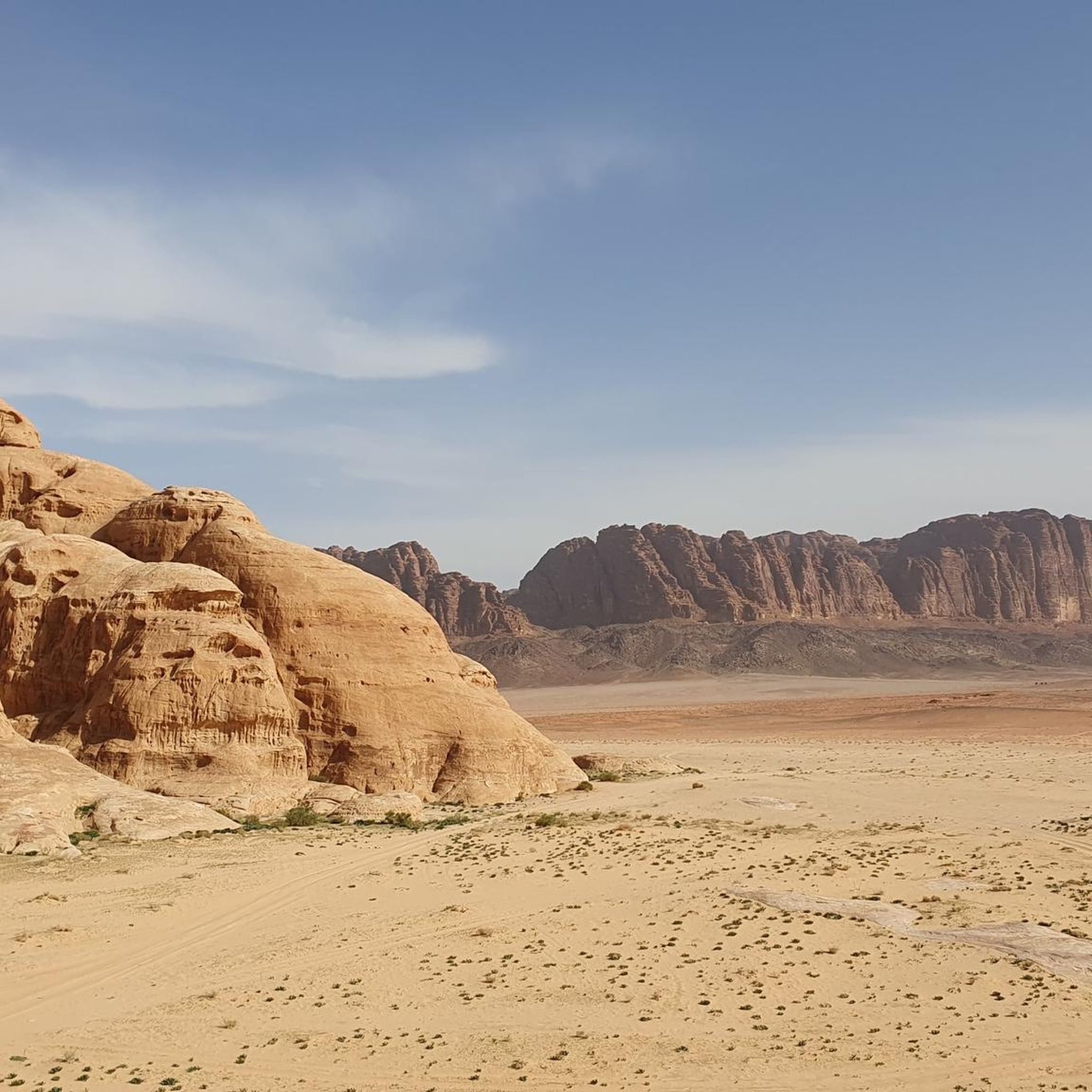
Nature creates wondrous creations.. 🤩
0
0

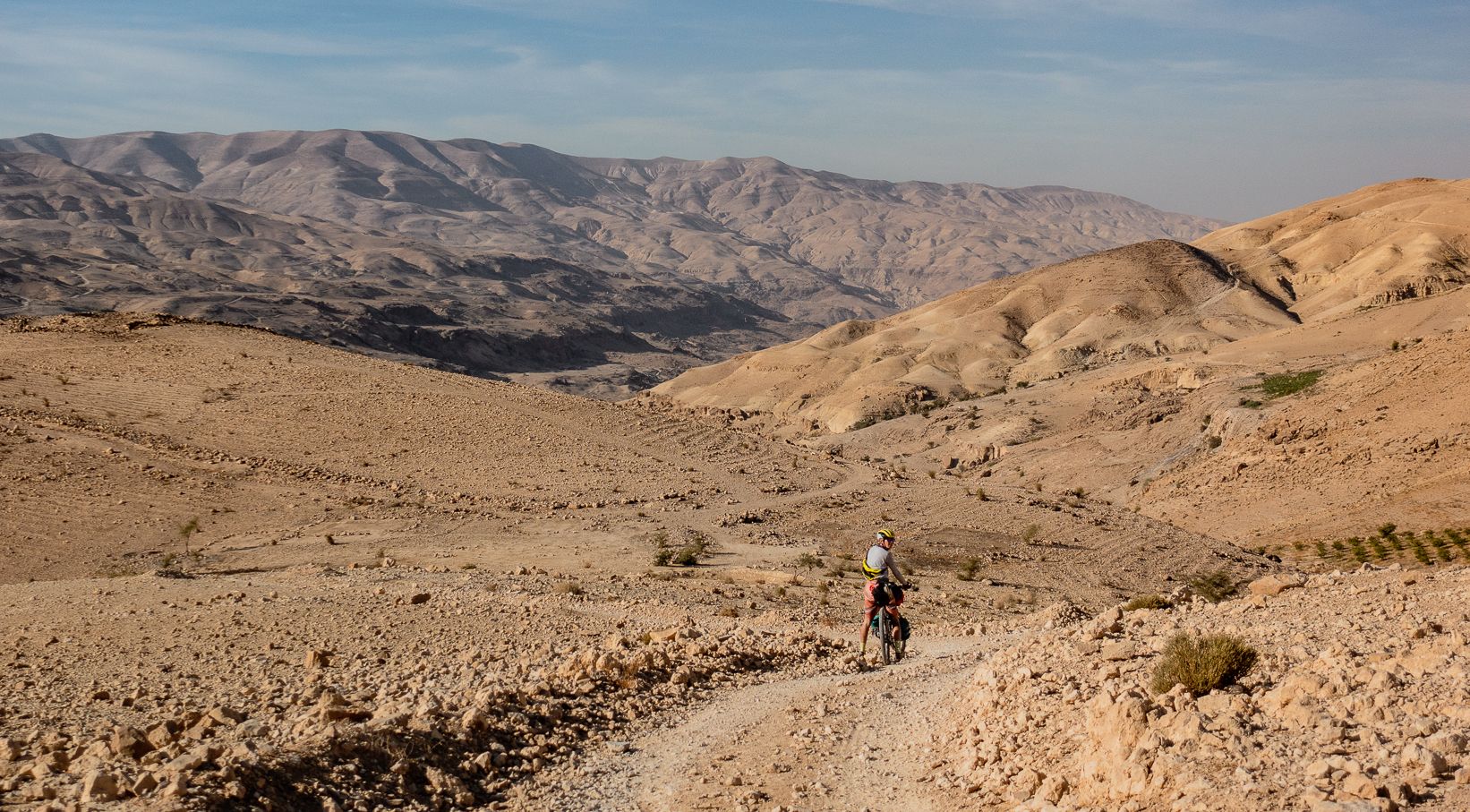
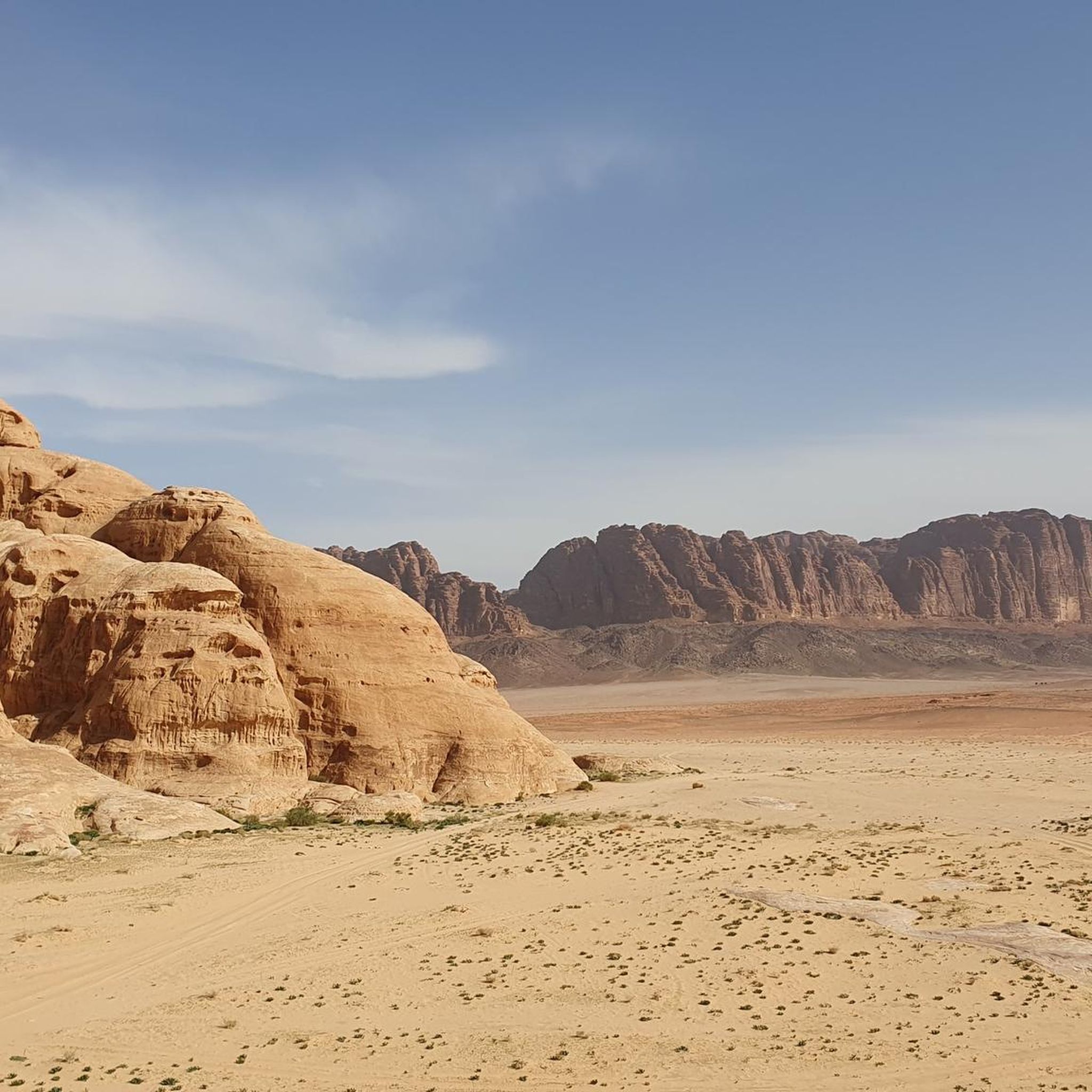
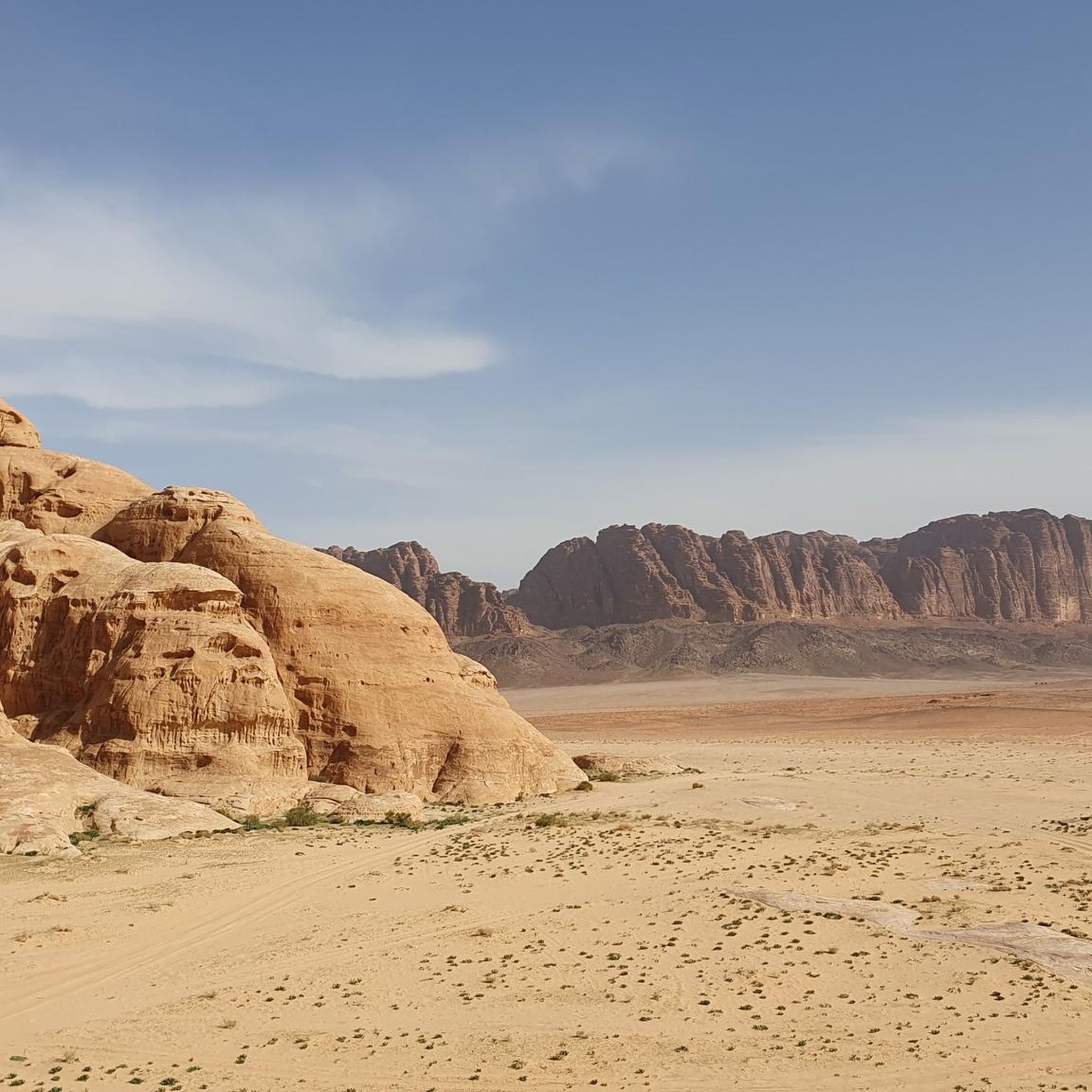
Although the desert seems hostile at first glance, there is still a surprising amount of life there. Among other things, white-flowering onion plants and a herb that dromedaries like to eat. But various insects and birds can also be observed.
0
0

Many inscriptions from ancient times in a narrow canyon. Lots of tourists on site, so you even have to queue.
2
0
Frequently Asked Questions
What unique geological formations can I explore in the Hejaz Mountains?
The Hejaz Mountains offer a diverse range of geological wonders. You can marvel at the iconic sandstone formations in AlUla, such as Elephant Rock (Jabal AlFil), The Arch (Rainbow Rock), and the spiraling Dancing Rocks. Further south, the region features extensive volcanic fields like Harrat Khaybar and Harrat Rahat, where you can see dramatic lava flows, volcanic cones, and the striking Red Sand Dune in Wadi Rum.
Are there natural monuments with historical or cultural significance in the Hejaz Mountains?
Yes, several natural monuments in the Hejaz Mountains are rich in history. Al-Khazali Canyon features ancient Nabataean inscriptions on its walls. The Seven Pillars of Wisdom rock formation is famously associated with T. E. Lawrence. Additionally, Wadi Fatimah contains rock drawings from pre-Islamic and early Islamic eras, and Harrat Khaybar is home to over 400 enigmatic ancient stone structures.
What outdoor activities can I do near the natural monuments in the Hejaz Mountains?
The Hejaz Mountains provide excellent opportunities for various outdoor activities. You can find numerous hiking trails, including moderate routes like the Rock Arch in Wadi Rum loop. For cyclists, there are road cycling routes, such as a moderate loop from Al Ula Old town. If you enjoy running, explore running trails that offer challenging distances, like the Um Fruth loop.
When is the best time to visit the natural monuments in the Hejaz Mountains?
The best time to visit the natural monuments in the Hejaz Mountains is generally during the cooler months, from October to April, when temperatures are more pleasant for outdoor exploration. Visiting during sunrise or sunset is often recommended for sites like Elephant Rock and Face Rock in AlUla, as the changing light enhances their colors and offers stunning photographic opportunities.
Are there family-friendly natural monuments in the Hejaz Mountains?
Yes, there are natural monuments suitable for families. Elephant Rock (Jabal AlFil) in AlUla is a popular and easily accessible spot, perfect for photography and enjoying the desert landscape. Many of the rock formations in AlUla offer relatively easy viewing experiences, making them enjoyable for all ages.
What makes the volcanic fields in the Hejaz Mountains unique?
The volcanic fields, such as Harrat Khaybar and Harrat Rahat, are unique due to their vast scale and diverse volcanic features. Harrat Khaybar, one of the Arabian Peninsula's largest volcanic fields, features extensive lava flows, cones, and striking lava domes, including the historic Jabal Qidr. Harrat Rahat, the largest lava field in Saudi Arabia, is home to the breathtaking Al Wahbah Crater, known for its deep basin filled with white salt deposits and lush rim.
Can I see any unique natural phenomena like rock arches or mushroom rocks?
Absolutely! The Hejaz Mountains are famous for such formations. You can find the impressive Rock Arch in Wadi Rum, a natural stone formation created by erosion. In AlUla, The Arch (Rainbow Rock) is a captivating bridge-shaped sandstone formation. Additionally, several Mushroom Rocks, formed by differential erosion, can be found in areas like Wadi Rum and the Sharaan Nature Reserve.
What is special about Mount Wirqan?
Mount Wirqan (Jabal Warqan) is the highest peak in the Hejaz Mountains, reaching approximately 2,393 meters. This massive range is known for its distinctive hue, shifting from deep black to hints of red, and its rugged terrain. It supports a unique micro-ecosystem with endemic flora and fauna, including plants that contribute to its exceptionally high-quality honey. It's a destination for adventurous hikers and off-road enthusiasts.
Are there any natural monuments that offer insights into ancient human activity?
Yes, several sites provide glimpses into ancient human activity. Al-Khazali Canyon in Wadi Rum contains old pictures and inscriptions from the Nabataean culture. The Harrat Khaybar volcanic field is notable for over 400 enigmatic ancient stone structures, known as 'gates,' scattered across its lava fields, hinting at early human habitation.
What kind of wildlife might I encounter in the natural areas of the Hejaz Mountains?
While not a primary focus for all sites, some natural areas in the Hejaz Mountains support diverse wildlife. For instance, the Rock Arch in Wadi Rum is known for a surprising amount of life, including various insects and birds. Mount Wirqan's unique micro-ecosystem is home to wild animals such as Arabian leopards, hyraxes, and foxes.
What is the significance of Wadi Fatimah?
Wadi Fatimah is a significant seasonal watercourse in Makkah Province, known for its pristine nature, majestic mountains, and fertile lands. Historically, it was a crucial station for Hajj pilgrims and is noted for its rock drawings and inscriptions from pre-Islamic and early Islamic eras. After rainfall, it offers unique landscapes with potential for viewing waterfalls and natural ponds.
Where can I see contrasting volcanic landscapes?
For contrasting volcanic landscapes, visit Harrat Khaybar. Here, you can witness the stark difference between the dark basaltic lava flows of Jabal Qidr and the white volcanoes like Jabal Abyad and Jabal Bayda. Jabal Abyad, at 2,093 meters, is the tallest volcano in Saudi Arabia, offering a unique visual experience.
Most popular routes in the Hejaz Mountains
Most popular attractions in the Hejaz Mountains

Get inspired with the komoot mobile app


