Top 20 Natural Monuments in the Rila Mountains
Natural monuments in the Rila Mountains include diverse geological formations and high-alpine environments. The region features glacial lakes, prominent peaks, and extensive forests, all within a protected natural landscape. These natural features contribute to the Rila Mountains' status as a significant outdoor destination in Bulgaria. The area offers a variety of notable landmarks and natural features for exploration.
Best natural monuments in the Rila Mountains
- The most popular natural monuments is Seven Rila Lakes, a lake system consisting of…
Last updated: July 23, 2026
Musala Peak
Highlight • Summit
Tip by

Babreka (The Kidney) Lake
Highlight • Lake
Translated by Google •
Tip by

Sign up now to discover places like this
Get recommendations on the best single tracks, peaks, & plenty of other exciting outdoor places.
Sign up for free
Seven Rila Lakes
Highlight • Lake
The water in all lakes was pure as a drop, but now some lakes grew green :(
Tip by
Malyovitsa Peak
Highlight • Summit
Before the peak there is a view to Rila monastery
Tip by
Rila National Park Entrance
Highlight • Rest Area
Translated by Google •
Tip by

The Twin Lake (Bliznaka), Seven Rila Lakes
Highlight • Lake
Tip by

Steep Rocky Section – Rila Mountains
Highlight • Climb
Tip by

Skakavitsa Waterfall
Highlight (Segment) • Waterfall
Tip by

Strashnoto Lake
Highlight • Lake
Tip by
Kabul Peak
Highlight • Summit
Tip by
Sign up for free to discover even more natural monuments in the Rila Mountains.
Sign up for free
Already have an account?
Start today with a free account
Your next adventure awaits.
Login or Signup

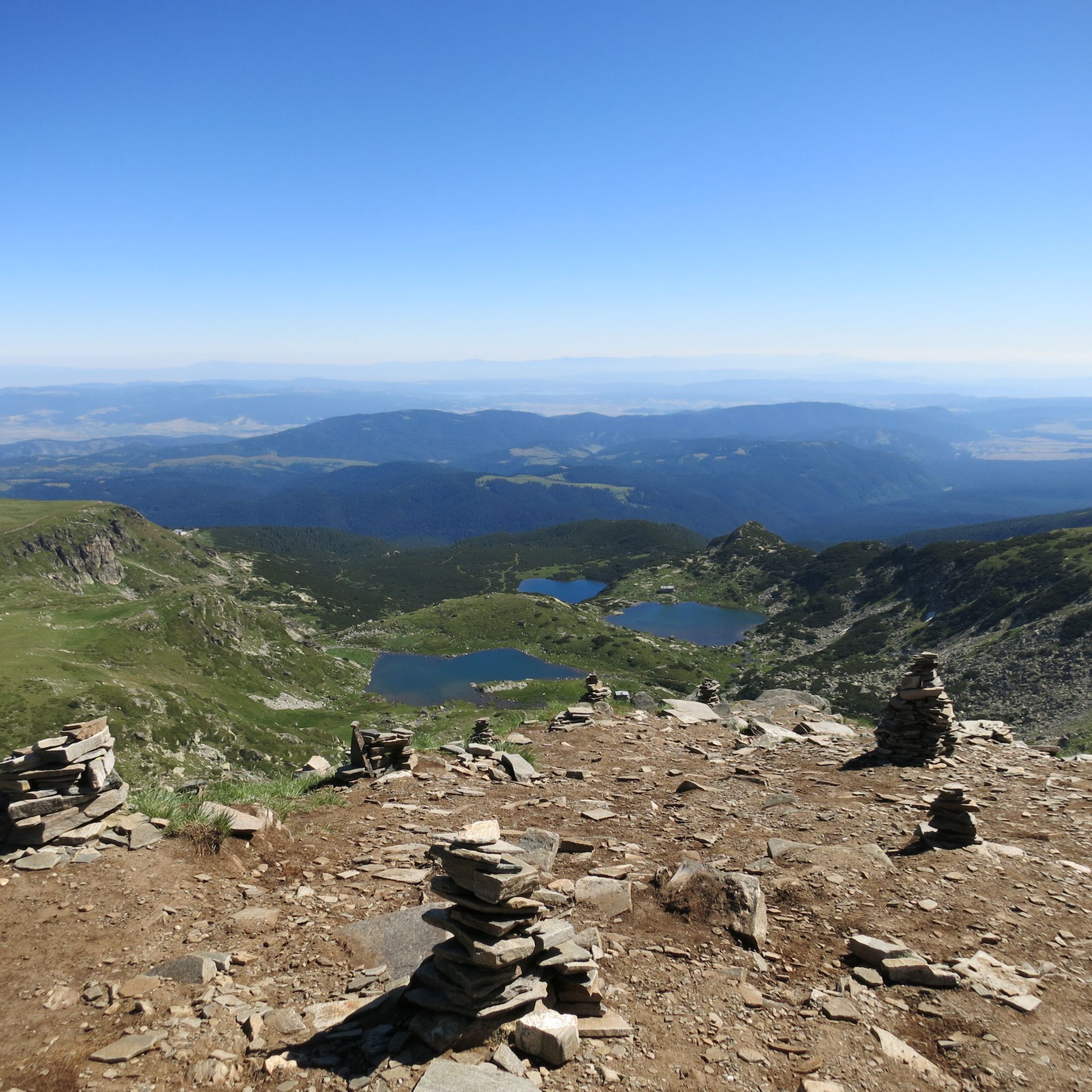
Other adventures in the Rila Mountains

Tips from the Community

If you’re well-conditioned, consider extending your route up to Otovitsa Ridge for incredible views.
0
0

Start of the trail to Malyovitsa hut. In some places you can also find it as the Malyovitsa eco-trail. The route is not difficult, but it is very picturesque. The hut is located about 3km from the start of the trail and the Malyovitsa and Alpinist hotels. There is also a large paid parking lot there. A large part of the trail goes through a forest and there is a lot of shade. There is a fountain in the middle of the route, so you can safely pour yourself some water.
0
0

Lake Bliznaka is the largest in area of the Seven Rila Lakes. It is located 1940 m north of Vazov Peak and is 2243 m above sea level. The catchment area is 2.10 square kilometres. The water surface area is 168.6 acres. The water volume of the lake is 590 thousand m3 and the maximum depth is 27.5 metres. In the recent past the lake was called Chifte Göl. The name "Bliznaka" comes from the fact that in times of drought the lake splits into two small ponds. From this it takes the shape of an hourglass.
0
0

From here you enter the Rila National Park. After the gate you will find an overview map with the park rules. Please follow them to protect our nature.
0
0
Fantastic panoramic view! If you climb from the Malyovista hut you should be in good shape and have mountain experience.
1
0
Nice view, but very busy. I found the climb from Yastrebets a bit boring in places: relatively flat at the beginning for about 3km, then uphill through boulders.
0
0

Beautiful path up to the peak! The views from above are also stunning! It feels great to be on the highest peak in the entire country and the entire Balkan mountain range.
0
0
Beautiful, crystal-clear water, surrounded by majestic peaks.
1
0
Frequently Asked Questions
What are some popular hiking trails to experience the natural monuments in the Rila Mountains?
The Rila Mountains offer numerous trails to explore its natural beauty. A highly popular route leads to the Seven Rila Lakes, a series of stunning glacial lakes. Another iconic ascent is to Musala Peak, the highest point in the Balkans, offering sweeping panoramic views. For those seeking a challenging climb with fantastic vistas, Malyovitsa Peak is an emblematic destination for alpinists. You can find more hiking options in the region by exploring the Easy hikes in the Rila Mountains guide.
When is the best time to visit the natural monuments in the Rila Mountains?
The most popular time to visit the natural monuments in the Rila Mountains, especially the Seven Rila Lakes and Musala Peak, is during the summer, particularly July and August. During these months, temperatures are milder, and the trails are generally clear of snow, making for ideal hiking conditions. The vibrant flora around the lakes is also at its peak.
Are there family-friendly natural monuments or activities in the Rila Mountains?
Yes, the Rila Mountains offer options for families. The Seven Rila Lakes can be accessed via a chairlift, significantly reducing the strenuousness of the ascent and making it more manageable for families. Once at the top, there are various paths around the lakes, including the beautiful Babreka (The Kidney) Lake, which can be explored. The Skakavitsa Waterfall also offers a relatively accessible natural attraction within a forested setting. For more gentle walks, consider routes from the Easy hikes in the Rila Mountains guide.
What kind of natural features can I expect to see in the Rila Mountains?
The Rila Mountains are renowned for their diverse natural features. You'll encounter stunning glacial lakes, such as the famous Seven Rila Lakes, and high-alpine environments around prominent peaks like Musala Peak and Malyovitsa Peak. The region also features impressive waterfalls like Skakavitsa Waterfall, extensive forests, and unique geological formations sculpted by ancient glaciation.
Are there any mountain huts available for overnight stays near the natural monuments?
Yes, there are mountain huts that provide accommodation and a place to rest during longer treks. For instance, the Musala Hut is located on the route to Musala Peak, serving as a crucial stop for hikers. Near the Seven Rila Lakes, the Rilski Ezera hut is a common starting point for exploring the lakes. Additionally, Strashnoto Lake also has a shelter nearby.
What outdoor activities can I do near these natural monuments besides hiking?
Beyond hiking, the Rila Mountains offer a variety of outdoor activities. You can explore the region on two wheels with numerous mountain biking trails, as detailed in the MTB Trails in the Rila Mountains guide. Road cycling is also popular, with routes like those found in the Road Cycling Routes in the Rila Mountains guide. The diverse terrain provides opportunities for various adventures.
What do visitors enjoy most about the natural monuments in the Rila Mountains?
Visitors consistently praise the breathtaking panoramic views from peaks like Musala Peak and Malyovitsa Peak. The crystal-clear waters and unique shapes of the Seven Rila Lakes, particularly Babreka (The Kidney) Lake, are also highly appreciated. Many find a deep connection to nature and a sense of accomplishment after reaching the summits. The region's rich biodiversity and the serene high-alpine environment are also frequently mentioned highlights.
Are there any specific permits required for hiking or visiting natural monuments in the Rila Mountains?
The Rila Mountains are largely within Rila National Park and Rila Monastery Natural Park. Generally, hiking on marked trails does not require specific individual permits. However, it's always advisable to check with local park authorities or visitor centers for any current regulations, especially if planning off-trail excursions or camping. Access to certain areas, like the Rila National Park Entrance, might have specific guidelines.
How can I reach the trailheads for popular natural monuments like the Seven Rila Lakes or Musala Peak?
For the Seven Rila Lakes, access is often facilitated by a chairlift from the Pionerska hut to the Rilski Ezera hut, from where marked trails lead to the lakes. To reach Musala Peak, the primary summer hiking route typically starts from Borovets, utilizing a chairlift to the Musala Hut, followed by a marked trail to the summit. Public transport options to these starting points are available from nearby towns.
What kind of wildlife and flora can be observed in the Rila Mountains?
The Rila Mountains, particularly within Rila National Park, boast rich biodiversity. You can encounter specialized high-alpine fauna such as chamois, alpine accentors, northern wheatears, and alpine choughs around Musala Peak. The areas around the Seven Rila Lakes are home to endemic plants and wildflowers. Larger mammals like wild goats and brown bears also inhabit the park, though they are more elusive. The extensive forests and mountain meadows provide habitats for a wide array of species.
Are there any natural monuments in the Rila Mountains that are less crowded but still offer great views?
While popular spots like the Seven Rila Lakes can get crowded, especially on weekends, you might find fewer people on trails leading to Malyovitsa Peak due to its more challenging nature, yet it offers equally fantastic panoramic views. Strashnoto Lake, with its nearby shelter, also provides a beautiful and often quieter spot for rest and reflection. Exploring routes from the Easy hikes in the Rila Mountains guide might also lead to less frequented but scenic spots.
Most popular routes in the Rila Mountains
Most popular attractions in the Rila Mountains

Get inspired with the komoot mobile app


Explore more
Extend your search for the best caves by checking out these guides of the top ones in the Rila Mountains:
