Top 9 Natural Monuments in the Wallowa Mountains
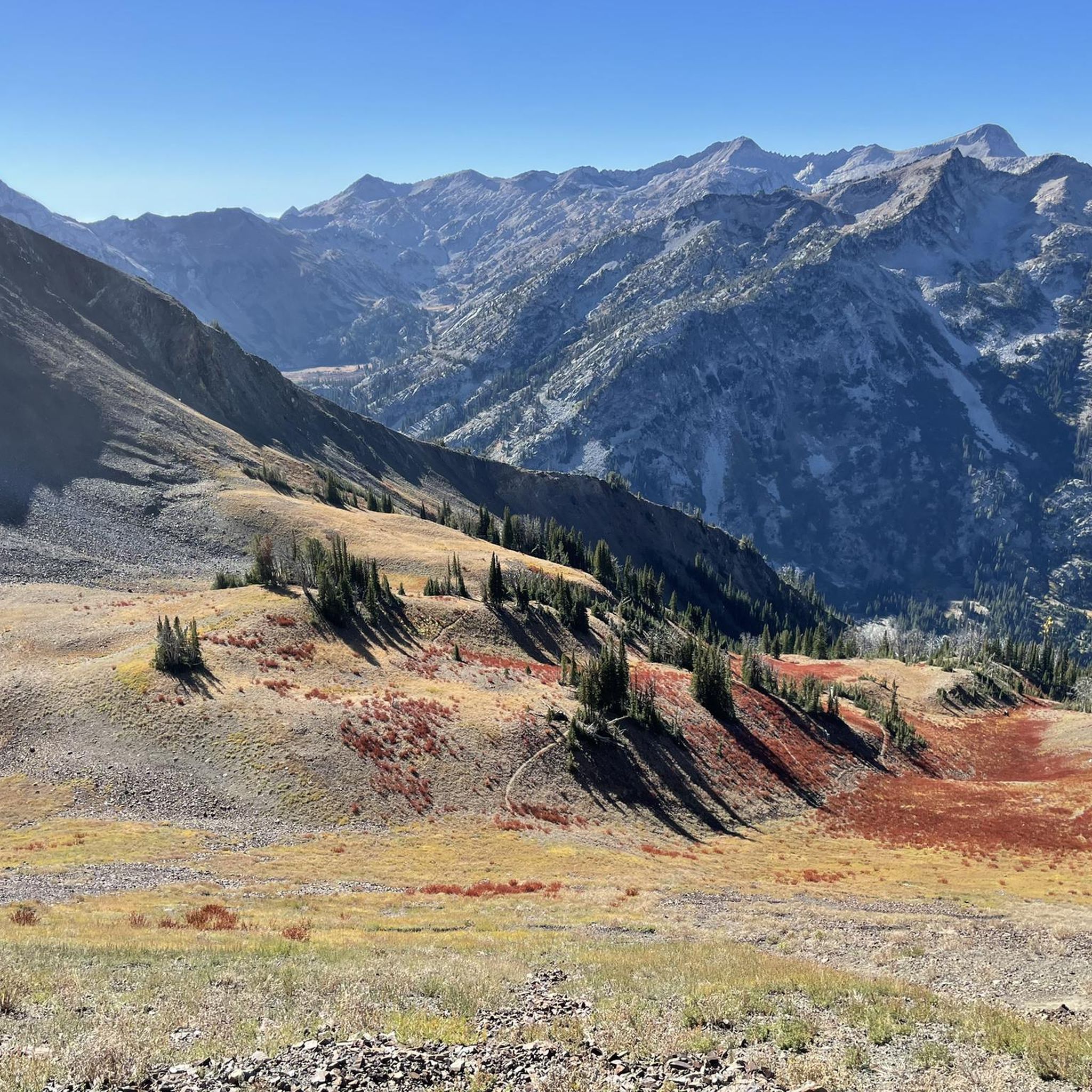
Best natural monuments in the Wallowa Mountains include a diverse range of geological features, from deep canyons to alpine lakes and towering peaks. This region features rugged wilderness and pristine natural landscapes, encompassing over 500 miles of hiking trails and numerous alpine lakes. Visitors can explore vast wilderness areas, high-elevation grasslands, and North America's deepest river-carved gorge. The Wallowa Mountains offer a variety of natural monuments for exploration.
Best natural monuments in the Wallowa Mountains
- The most popular natural monuments is Ice Lake, a lake with crystal-clear water. It is surrounded by towering mountains like the Matterhorn and offers opportunities for trout fishing.
- Another must-see spot is Adam Creek Falls, a waterfall that can be spotted on the way to Ice Lake. The falls are not directly accessible at this location, but the creek can be reached further downstream.
- Visitors also love Matterhorn, a summit offering exceptional views over the surrounding Wallowa Mountains. The trail to the summit is steep and rocky in places, but provides sweeping views of the peaks.
- Wallowa Mountains is known for its lakes, summits, waterfalls, and canyons. The region offers a variety of natural monuments to see and explore, including mountain passes and river confluences.
- The natural monuments in the Wallowa Mountains are appreciated by the komoot community, with 4 upvotes and 29 photos contributed by visitors.
Last updated: July 23, 2026
Ice Lake
Highlight • Lake
Tip by

Matterhorn
Highlight • Summit
Tip by
Sign up now to discover places like this
Get recommendations on the best single tracks, peaks, & plenty of other exciting outdoor places.
Sign up for free
Hells Canyon Overlook
Highlight • Viewpoint
Tip by
Mirror Lake (Eagle Cap Wilderness)
Highlight • Lake
Tip by
Adam Creek Falls
Highlight • Waterfall
Tip by
Horton Pass
Highlight (Segment) • Mountain Pass
Tip by

Minam and Wallowa River confluence
Highlight • River
Tip by
Tenderfoot Pass
Highlight • Mountain Pass
Tip by
Upper Lake
Highlight • Lake
Tip by
Start today with a free account
Your next adventure awaits.
Login or Signup
Popular around Wallowa Mountains
Tips from the Community

This pass connects the East Eagle Valley with the Lakes Basin. This pass is technical in nature, but the trail is easy to follow and in fairly good condition. There is not much water between the start of the western climb and Upper Lake on the eastern side, so be sure to load up before you climb up and over.
0
0
A small cirque above Mirror Lake, Upper Lake offers a quiet spot for camping as well as a good water source for filtering below the Ivan Carper and Horton Passes.
0
0
Mirror Lake is one of the most popular destinations in the Wallowa Mountains, so don't be surprised when you find a lot of people camping along its shores. Most maps show a camping symbol on the northwest corner of the lake; this is where people will likely head to set up camp (it's where we went in the dark!). If you are willing to hike further to the east, you'll find some great locations (try crossing the creek on the east side - really great camps up on the granite!). Be sure to pitch your tent at least 100 feet from the lakes or wetlands - you will be asked to move by the rangers if you set up too close.
0
0

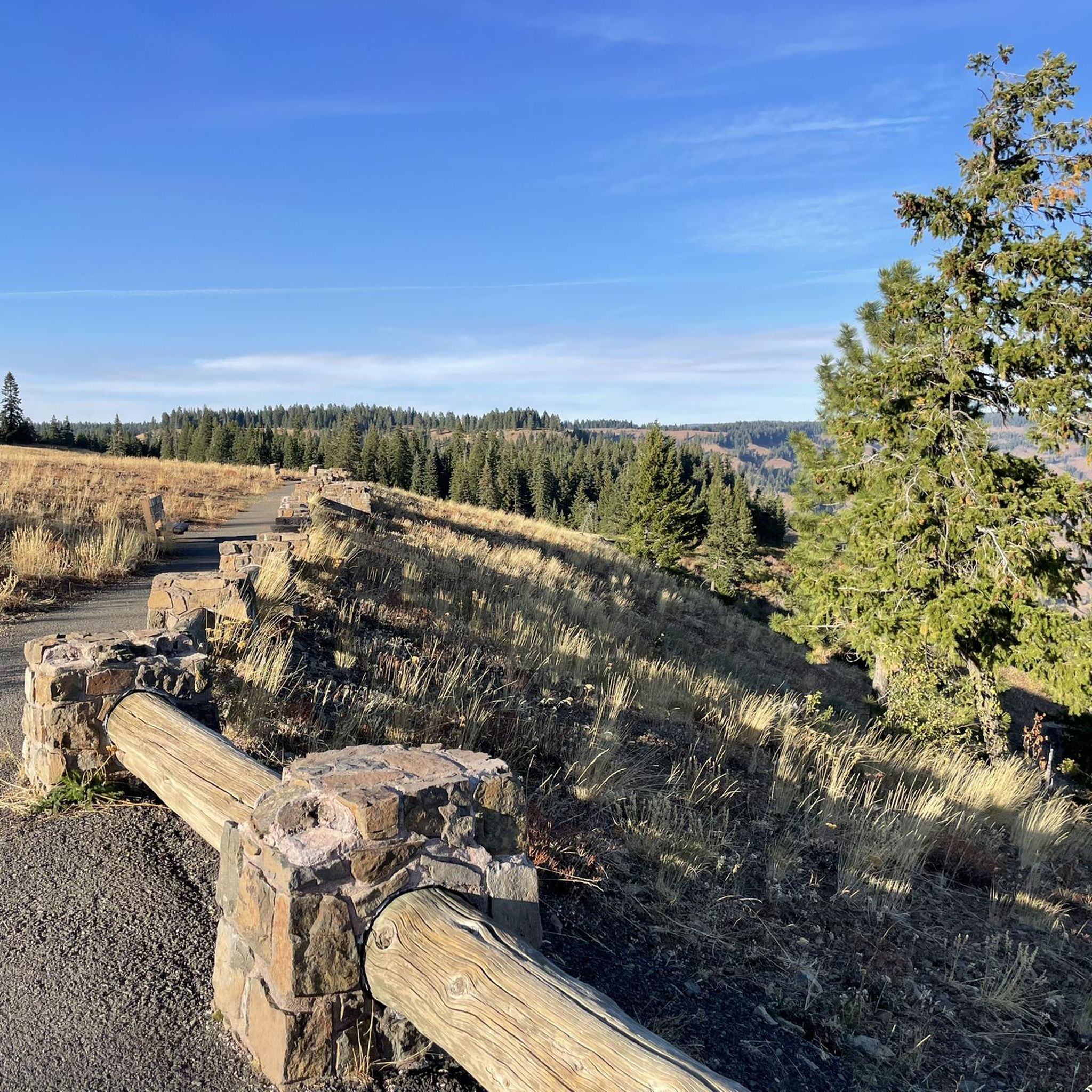
Hells Canyon Overlook is a popular spot to see panoramic views of Hells Canyon and as far as the eye can see! There are signs here with information about the canyon and you can see the Seven Devil Mountains just across the border in Idaho. In the spring & summer there are tons of wildflowers here making it even more scenic.
0
0
The trail to the summit of the Matterhorn is fairly well defined even as a user trail. Accessing this summit is one of the easier options in the area and provides sweeping views of the surrounding peaks.
0
0

Right here, the beautiful Minam River flows into the Wallowa River and continues to shape the landscape. If you are lucky, you can watch some whitewater rafter passing.
2
0
Until I got here, I was convinced, the majestic Grand Canyon is the deepest canyon the United States. In fact, Hells Canyon, shaped by the Snake River, takes the cake. The overlook offers a nice panoramic view with some benches to spend more time. There is also a pit toilet available.
3
0
Frequently Asked Questions
What are some of the most popular natural monuments in the Wallowa Mountains?
Among the most popular natural monuments are Ice Lake, known for its crystal-clear water and surrounding peaks, and the challenging ascent to Matterhorn summit, which offers exceptional panoramic views. Visitors also frequently seek out Adam Creek Falls, often spotted on the way to Ice Lake, and the dramatic Hells Canyon Overlook.
Are there family-friendly natural monuments in the Wallowa Mountains?
Yes, several natural monuments are suitable for families. The Hells Canyon Overlook provides stunning views of North America's deepest river-carved gorge with informational signs, making it accessible for all ages. Another family-friendly spot is the Minam and Wallowa River confluence, where you can observe the rivers merging and potentially whitewater rafters.
What kind of natural features can I expect to see in the Wallowa Mountains?
The Wallowa Mountains are rich in diverse natural features. You'll encounter numerous alpine lakes like Ice Lake, Mirror Lake, and Upper Lake. Towering summits such as the Matterhorn offer breathtaking vistas. Waterfalls like Adam Creek Falls, deep canyons like Hells Canyon, and scenic mountain passes such as Horton Pass and Tenderfoot Pass are also prominent.
What is the best time to visit the natural monuments in the Wallowa Mountains?
The best time to visit is generally from late spring through early fall. During this period, the weather is more favorable for hiking and exploring, and the high-elevation grasslands like Zumwalt Prairie Preserve burst with wildflowers. For popular spots like Ice Lake, visiting during early spring or fall can offer more solitude away from peak summer crowds.
Are there hiking trails near these natural monuments?
Yes, the Wallowa Mountains are a prime hiking destination. Many natural monuments are accessible via trails, ranging from intermediate to challenging. For example, the trail to Ice Lake is popular, and the ascent to the Matterhorn summit is a challenging endeavor. You can find detailed routes and guides for hiking in the region, including trails like the Ice Lake Trail to Matterhorn Peak or the Lakes Basin Loop, by visiting our guide on Hiking in the Wallowa Mountains.
What outdoor activities can I do near the natural monuments in the Wallowa Mountains?
Beyond exploring the natural monuments themselves, the Wallowa Mountains offer a wide range of outdoor activities. Hiking is very popular, with numerous trails leading to lakes, summits, and viewpoints. You can also find opportunities for running on scenic trails, or explore specific waterfall hikes. For more information on various routes, check out our guides on Hiking in the Wallowa Mountains, Running Trails in the Wallowa Mountains, and Waterfall hikes in the Wallowa Mountains.
What is the difficulty level of trails to natural monuments like the Matterhorn?
Trails to prominent natural monuments like the Matterhorn are considered challenging. The path can be steep and rocky in places, requiring good physical condition and appropriate gear. Other trails, such as those leading to Ice Lake or Mirror Lake, are generally intermediate, offering a rewarding experience without extreme difficulty.
Can I camp near the natural monuments in the Wallowa Mountains?
Camping is a popular activity in the Eagle Cap Wilderness, where many natural monuments are located. For instance, there are campsites available above Ice Lake. Mirror Lake is also a popular spot for pitching a tent, though campfires are not permitted there. Always adhere to Leave No Trace principles and check for specific regulations regarding camping and campfires in the area you plan to visit.
What makes the Hells Canyon Overlook a significant natural monument?
The Hells Canyon Overlook provides unparalleled views of Hells Canyon, which is the deepest river-carved gorge in North America. It surpasses the Grand Canyon in depth, with the Snake River winding through sheer rock walls. The overlook is particularly stunning at sunrise or sunset and offers informational signs about the canyon's geology and history, making it a truly 'jaw-dropping' experience.
Are there any unique geological features to observe in the Wallowa Mountains?
The Wallowa Mountains are known for their rugged wilderness and unique geology. The Eagle Cap Wilderness, for example, features jagged, white-granite peaks that are a result of ancient glacial activity. The formation of deep alpine lakes like Ice Lake is also a direct result of glacial carving. Hells Canyon itself is a monumental geological feature, showcasing the immense power of river erosion over millennia.
What do visitors enjoy most about the natural monuments in the Wallowa Mountains?
Visitors consistently praise the breathtaking views and the pristine, rugged wilderness. The crystal-clear waters of lakes like Ice Lake, the panoramic vistas from summits like the Matterhorn, and the sheer scale of Hells Canyon Overlook are frequently highlighted. The opportunity for solitude, trout fishing, and spotting wildlife like mountain goats also contributes to the region's appeal.
Are permits required to visit natural monuments in the Wallowa Mountains?
While specific permits for individual natural monuments are not typically required, many of these sites are located within the Eagle Cap Wilderness, which is part of the Wallowa-Whitman National Forest. Wilderness permits are often required for overnight stays and sometimes for day use in certain areas. It's always best to check with the U.S. Forest Service or local ranger stations for the most current permit requirements before your visit.
Most popular attractions in the Wallowa Mountains

Get inspired with the komoot mobile app


Explore more
Extend your search for the best caves by checking out these guides of the top ones in the Wallowa Mountains:
