Top 7 Natural Monuments in the Manzano Mountains
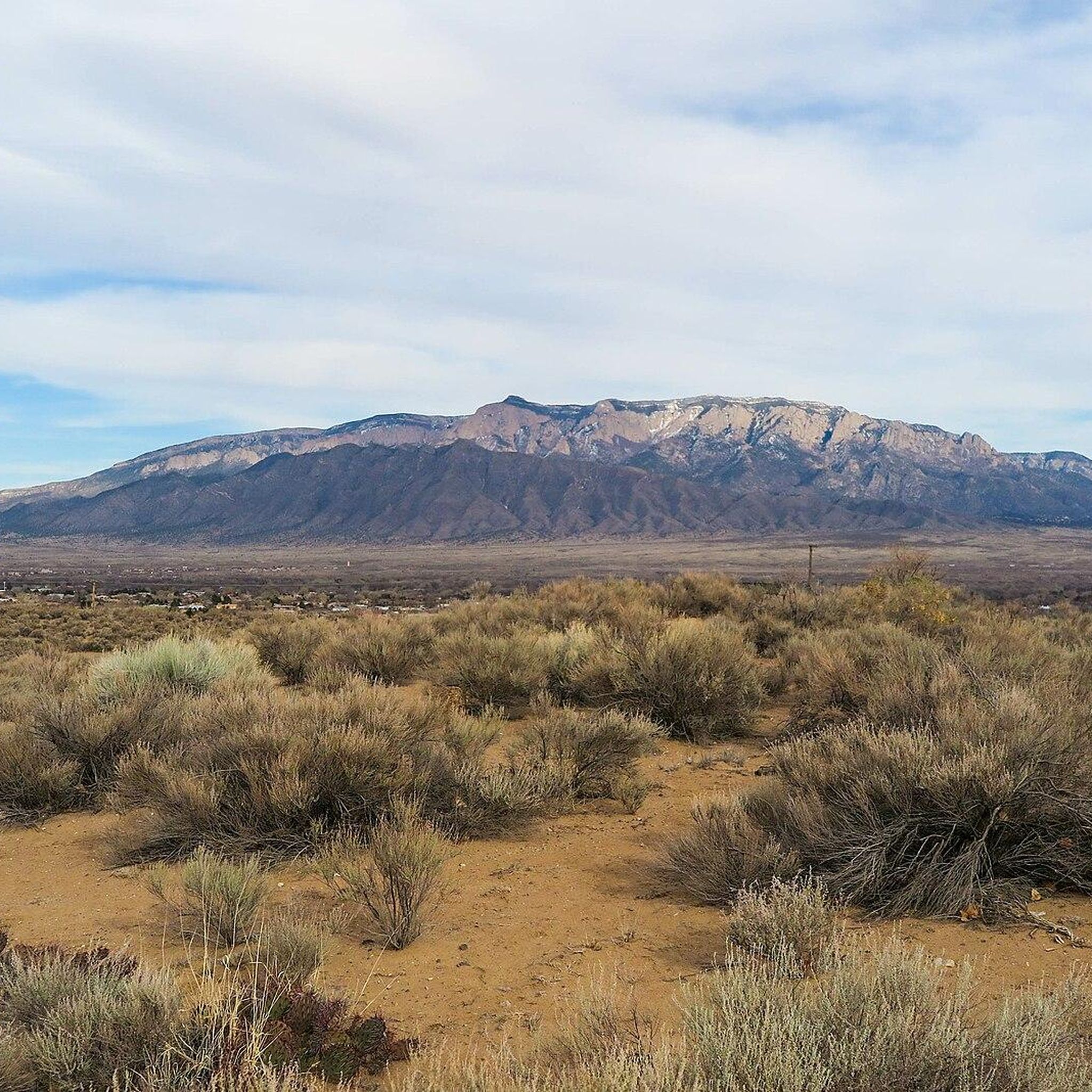
Best natural monuments in the Manzano Mountains are located southeast of Albuquerque, New Mexico, offering diverse ecosystems and opportunities for outdoor recreation. This region features a range of elevations, from juniper woodlands to pine and aspen forests. The Manzano Mountains provide a wilderness experience with notable natural features. The area is characterized by its dramatic local relief and varied natural landscapes.
Best natural monuments in the Manzano Mountains
- The most popular natural monuments is Kiwanis Cabin, a hut that…
Last updated: September 29, 2026
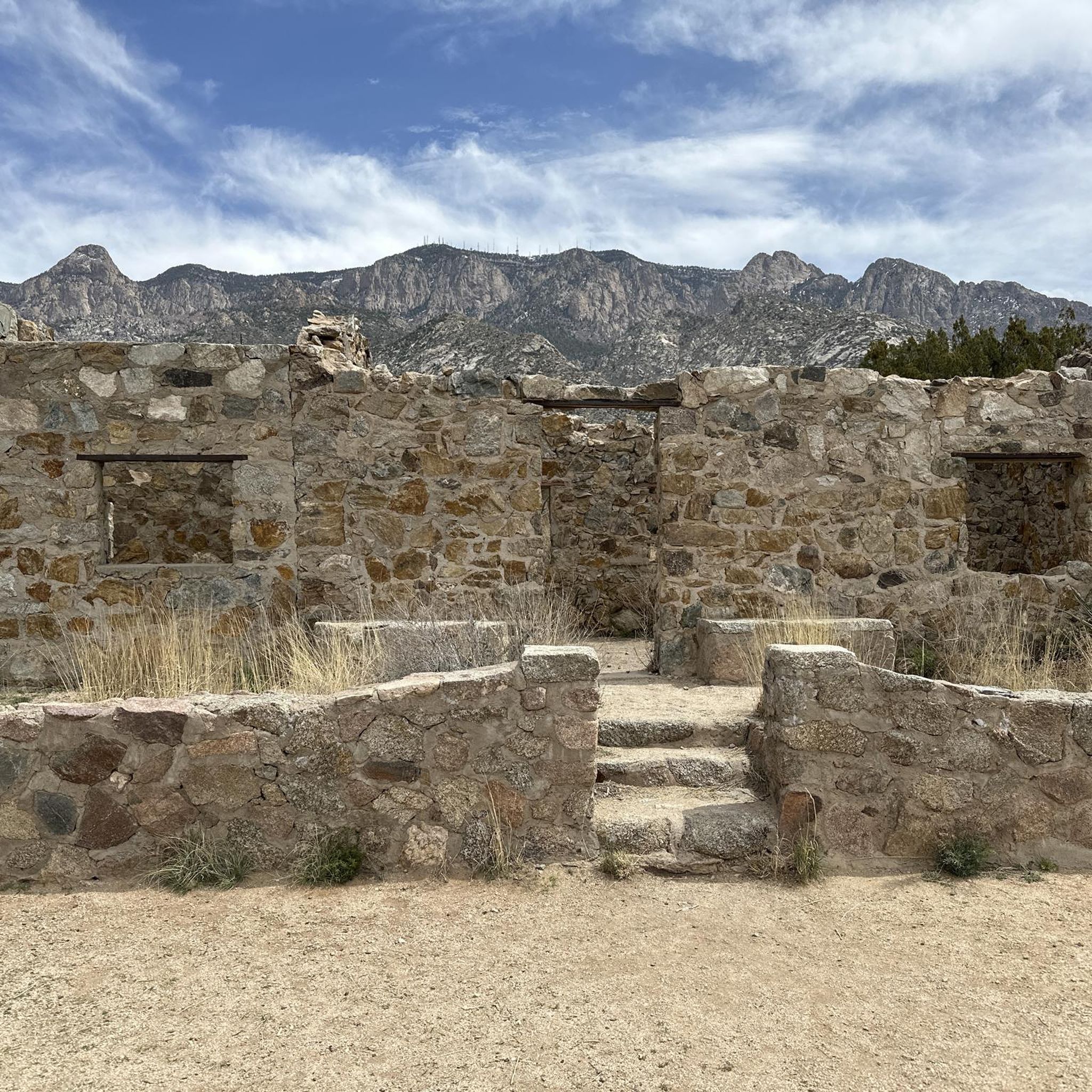
Kiwanis Cabin
Highlight • Mountain Hut
The Corps are known to have built countless infrastructures around …
Tip by

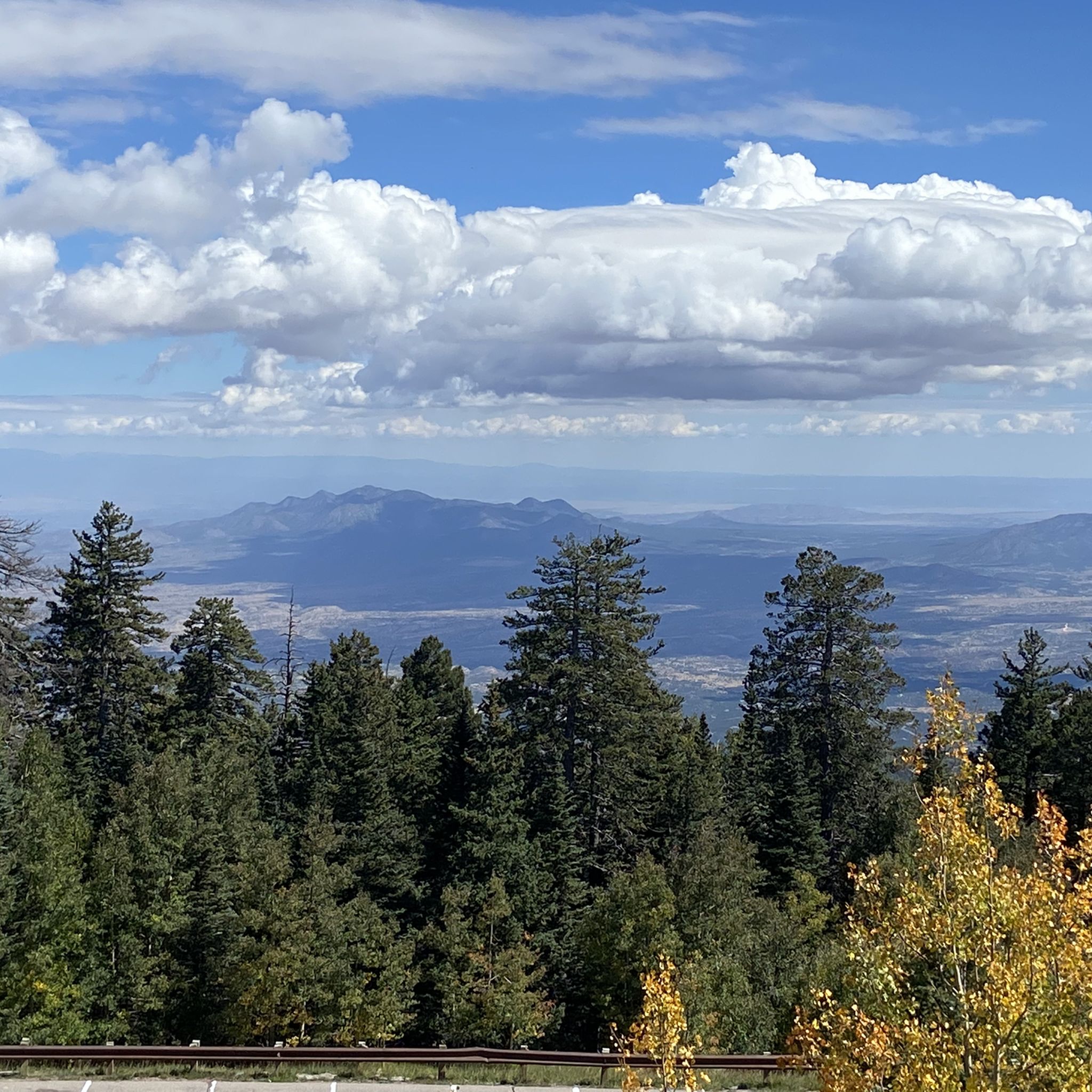
Sandia Crest Overlook
Highlight • Viewpoint
Tip by

Sign up now to discover places like this
Get recommendations on the best single tracks, peaks, & plenty of other exciting outdoor places.
Travertine Falls
Highlight • Waterfall
Tip by

Eye of the Sandias
Highlight • Natural Monument
Tip by

View of the Sandia Mountains
Highlight (Segment) • Viewpoint
Tip by
North Sandia Peak
Highlight • Summit
Tip by
4th of July Canyon
Highlight (Segment) • Canyon
Tip by

Sandia Man Cave
Highlight • Cave
Tip by
South Crest Trail
Highlight (Segment) • Trail
Tip by
U-Mound Rock Formation
Highlight (Segment) • Natural Monument
Tip by
Sign up for free to discover even more natural monuments in the Manzano Mountains.
Already have an account?
Start today with a free account
Your next adventure awaits.
Popular around Manzano Mountains
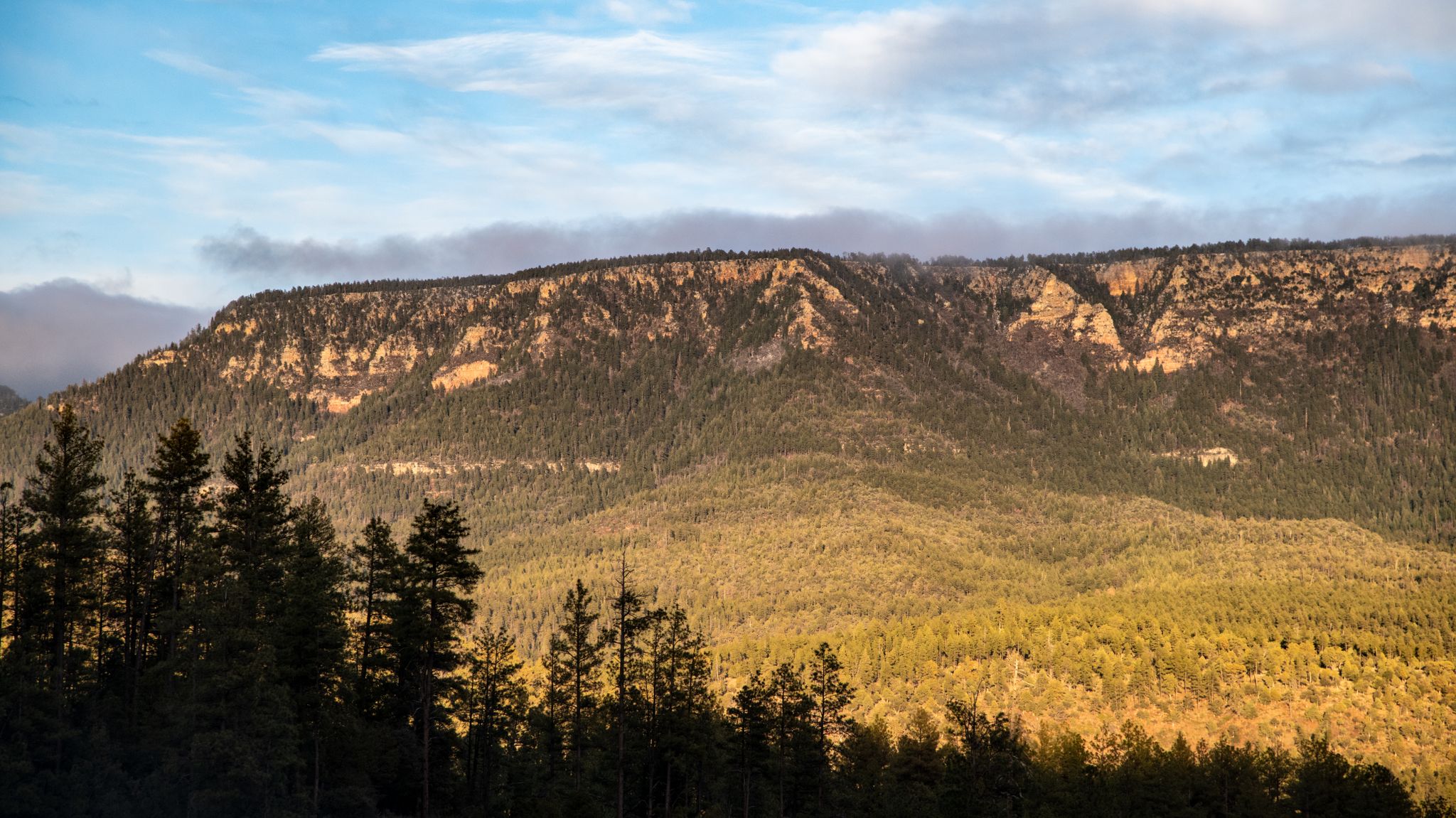
Grand Enchantment Trail — Slot canyons, spruce peaks & desert solitude
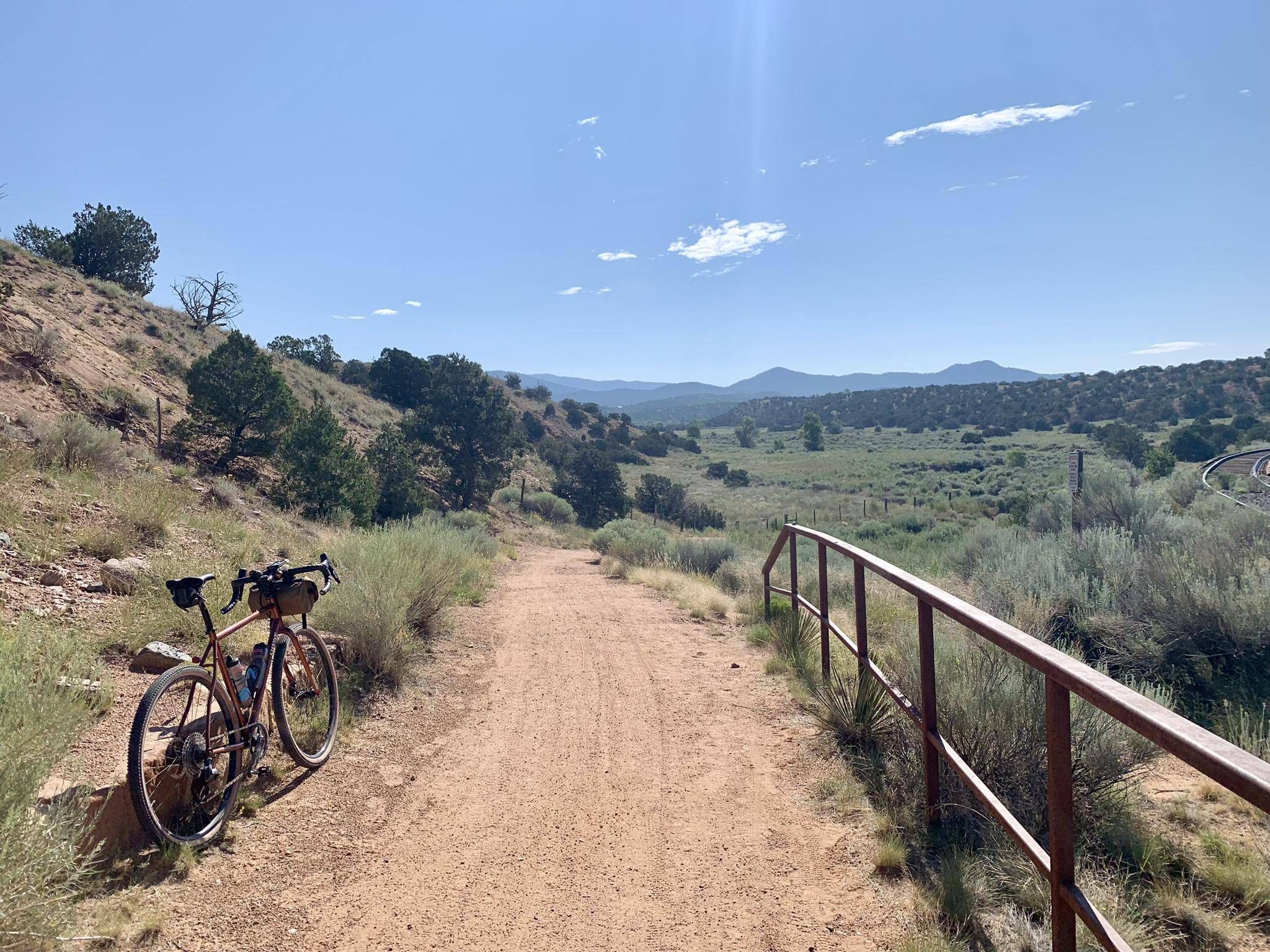
New Mexico Off-Road Runner
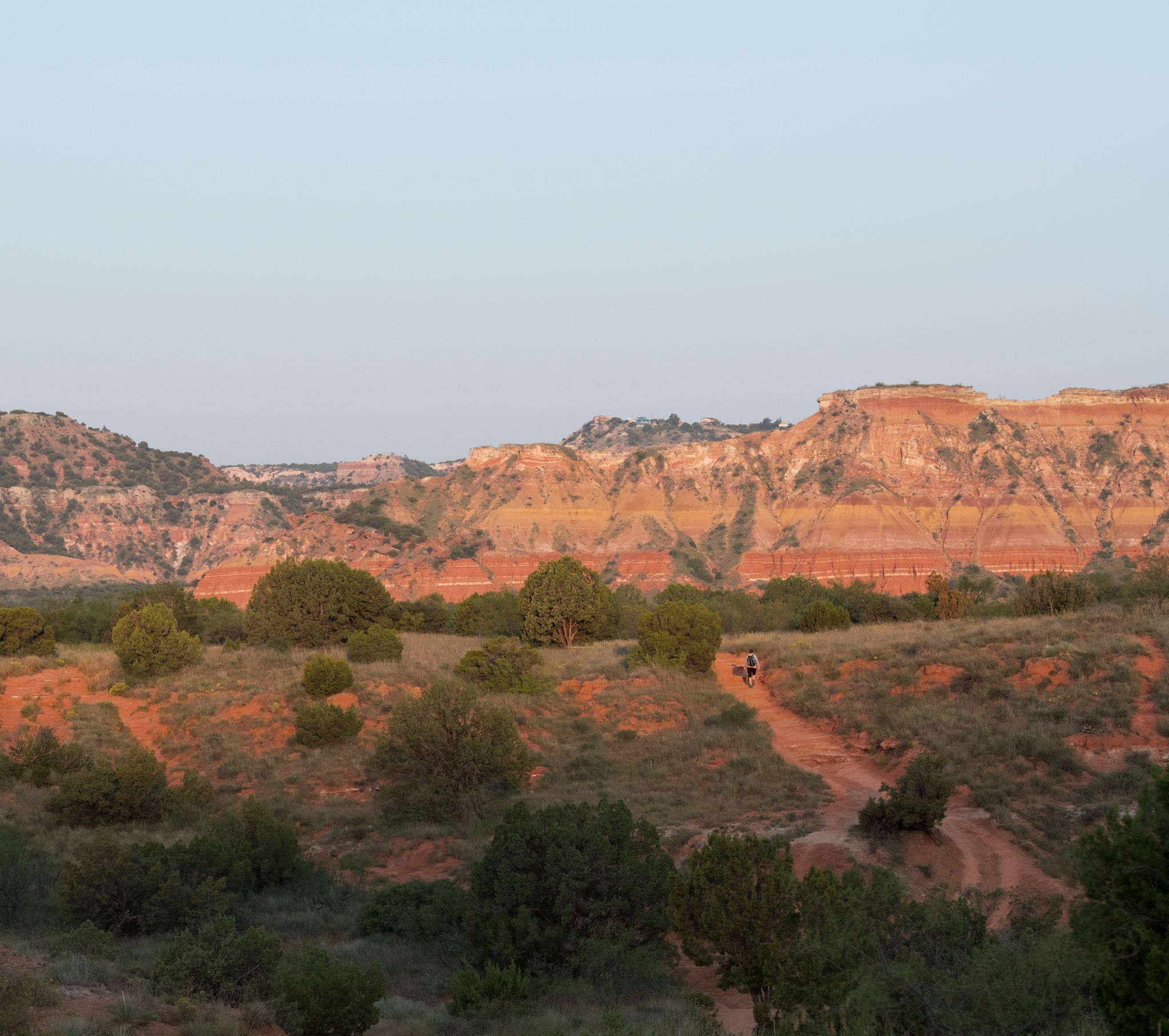
Historic Route 66 – curiosities, selfie spots and diners
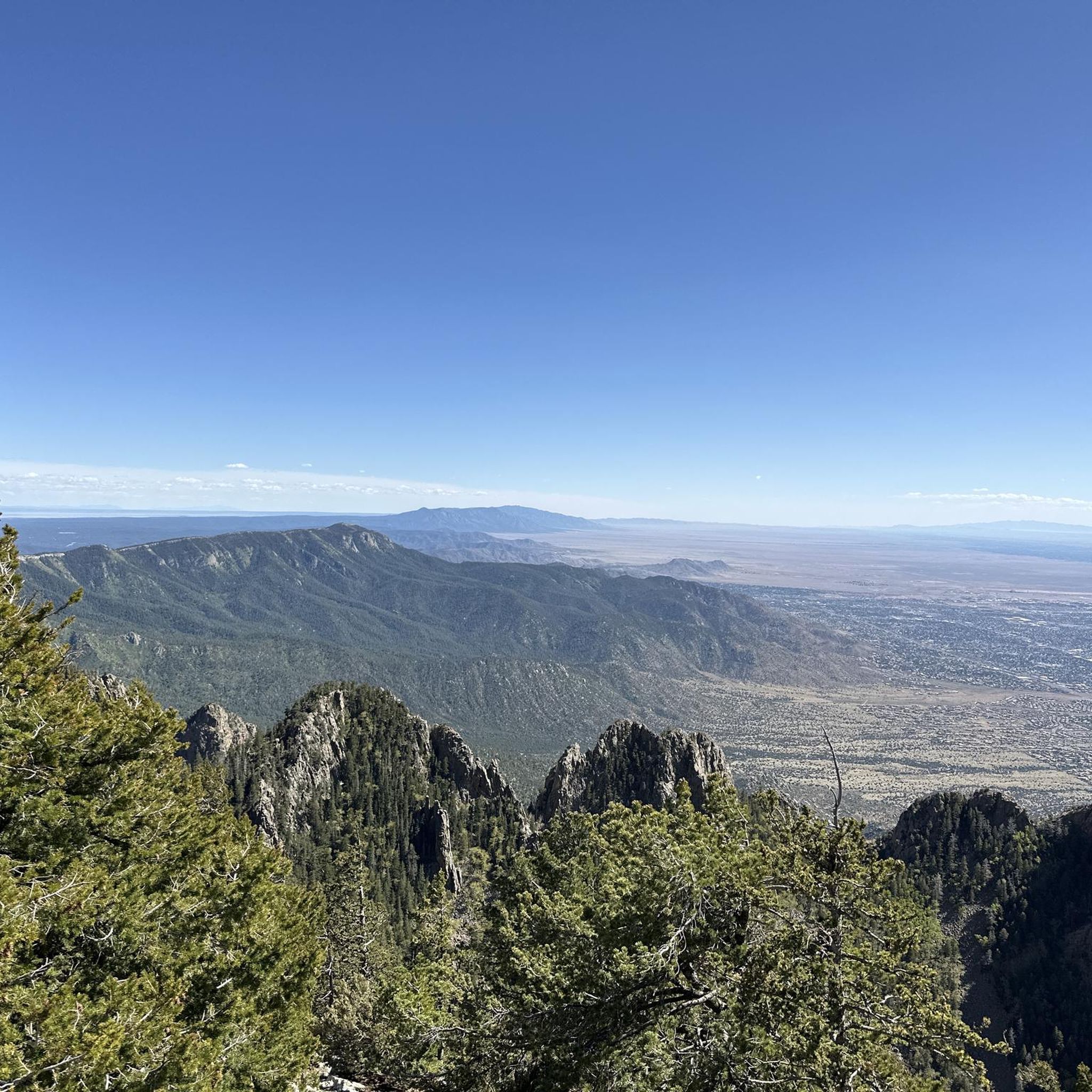
Hiking in the Manzano Mountains
Running Trails in the Manzano Mountains
MTB Trails in the Manzano Mountains
Road Cycling Routes in the Manzano Mountains
Cycling in the Manzano Mountains

Gravel biking in the Manzano Mountains


Tips from the Community

4th of July Canyon is one of the most famous spots in the whole of the Manzano Mountains. Known for the abundance of maple trees, 4th of July Canyon in the fall is a must-visit; as the leaves change from green to orange, gold, and especially vibrant red, the canyon is truly awash with color.
0
0

Two small caves with a waterfall that is more or less visible depending on the season and that you can also climb.
0
0

The Civilian Conservatives Corps built this cabin around 1930 and named it after the group that planned it: the Kiwanis. The Corps are known to have built countless infrastructures around New Mexico, but this is one of the only remaining sites that can be seen and accessed.
0
0

The Eye of the Sandias is a 6.4km hiking loop in the Sandia Foothills Open Space Park. There is also an actual eye painted onto one of the rocks and finding it makes the experience even more special.
0
0

At an elevation of 10,446 feet, this peak marks the northernmost summit in the Sandia Mountain wilderness over 10,000 feet. The views from this vantage point are truly breathtaking, offering a panoramic vista of the Albuquerque area.
1
0
This trail provides a challenging rocky terrain with a consistent incline leading up to Travertine Falls. It requires a more technical and attentive approach to running as you navigate the rocks, but it's both enjoyable and rewarding.
0
0
This seasonal waterfall is at its best during spring, when the water flows most abundantly; otherwise, you might catch just a trickle. Nevertheless, it's a splendid sight, and the fact that it's less frequented makes it a tranquil spot to enjoy.
0
0
This trail spans 12.7 miles from Sandia Peak Tramway to Camino de la Sierra, offering views of the city and the unique U-Mound, a mound of boulders popular for rock climbing.
0
0
Frequently Asked Questions
What unique natural features can I explore in the Manzano Mountains?
The Manzano Mountains offer a diverse range of natural features. You can discover stunning seasonal waterfalls like Travertine Falls, which is best seen in spring. The region is also home to dramatic rock formations such as the U-Mound Rock Formation, and expansive canyons like 4th of July Canyon, famous for its autumn colors. The area's elevation ranges from juniper woodlands to pine and aspen forests, providing varied landscapes.
Are there any historical natural monuments in the Manzano Mountains?
Yes, the Manzano Mountains feature several historical natural monuments. You can visit Kiwanis Cabin, a hut built around 1930 by the Civilian Conservation Corps, which is one of the few remaining accessible structures from their work in New Mexico. Another significant site is the Sandia Man Cave, discovered in 1936 and later declared a National Historical Landmark due to evidence of ancient human use found within.
What are some of the most scenic viewpoints in the Manzano Mountains?
For breathtaking panoramic vistas, consider visiting North Sandia Peak, which offers expansive views of the Albuquerque area from its 3184-meter summit. Another excellent spot is Sunset View from Sandia Crest, the highest point in the Sandia Mountains at 10,678 feet, known for its vibrant sunset colors. Additionally, South Sandia Peak View provides another fantastic perspective of the surrounding landscape.
When is the best time to visit the Manzano Mountains for natural monuments?
The best time to visit depends on what you want to see. For spectacular fall foliage, early October is ideal to experience the vibrant reds and oranges of the big-toothed maples in 4th of July Canyon. If you wish to see Travertine Falls at its fullest, spring is the best season when water flows most abundantly. Generally, spring and fall offer pleasant hiking temperatures and opportunities for bird watching during raptor migrations.
What kind of wildlife can I expect to see in the Manzano Mountains?
The Manzano Mountains are home to diverse wildlife. Manzano Mountains State Park is particularly known as a raptor flyway during spring and fall migrations, making it an excellent spot for bird watching. The broader wilderness area supports various species adapted to its diverse ecosystems, from juniper woodlands to pine and aspen forests.
Are there family-friendly natural monuments or trails in the Manzano Mountains?
Yes, several natural monuments and areas are suitable for families. Travertine Falls is considered family-friendly, offering a tranquil spot to enjoy. 4th of July Canyon has a moderately-easy one-mile trail perfect for families, especially during the fall foliage season. Sunset View from Sandia Crest is also family-friendly, providing accessible views.
Are dogs allowed on trails near the natural monuments?
Yes, some areas are dog-friendly. For example, Travertine Falls is listed as dog-friendly. It's always a good idea to check specific park or trail regulations before bringing your dog, especially regarding leash requirements and waste disposal.
Do I need any permits to visit natural monuments in the Manzano Mountains?
For Manzano Mountains State Park, standard state park entrance fees typically apply. For the Manzano Mountains Wilderness Area within Cibola National Forest, permits are generally not required for day hiking, but specific activities like overnight camping or commercial use might require them. It's advisable to check with the U.S. Forest Service or New Mexico State Parks for the most current regulations.
What outdoor activities can I do near these natural monuments?
The Manzano Mountains offer extensive opportunities for outdoor activities. You can enjoy hiking on trails like the challenging South Crest Trail, or explore numerous other routes. The region is also popular for road cycling and running. For more detailed information on routes, you can explore guides such as Hiking in the Manzano Mountains, Road Cycling Routes in the Manzano Mountains, and Running Trails in the Manzano Mountains.
Are there hiking trails near these natural monuments?
Absolutely. The Manzano Mountains boast a comprehensive trail system. You can find trails ranging from easy nature walks to challenging mountain ascents. The Manzano Mountains Wilderness Area alone features 64 miles of trails, including the 22-mile Crest Trail. Notable routes include the La Luz Trail, South Crest and Faulty Trails Loop, and the North Sandia Peak via North Crest Trail. For a full list of hiking options, refer to the Hiking in the Manzano Mountains guide.
What should I bring when hiking to natural monuments in the Manzano Mountains?
Given the varied terrain and elevations, it's essential to be prepared. Bring plenty of water, especially for longer hikes, as well as snacks. Wear appropriate hiking footwear and layers of clothing, as temperatures can change quickly, especially at higher elevations like Sandia Crest, which can be windy and colder. Sun protection, a map or GPS, and basic first-aid supplies are also recommended.
What do visitors enjoy most about the natural monuments in the Manzano Mountains?
Visitors frequently appreciate the peaceful and immersive natural experience due to the relatively low visitor count compared to other nearby areas. The stunning panoramic views from peaks like North Sandia Peak and Sandia Crest are highly praised. The vibrant fall colors in 4th of July Canyon are also a major draw, as is the tranquility of less-frequented spots like Travertine Falls.
Most popular routes in the Manzano Mountains
Most popular attractions in the Manzano Mountains

Get inspired with the komoot mobile app


