Top 6 Natural Monuments around Hualālai
Best natural monuments around Hualālai showcase a rugged and diverse landscape shaped by its volcanic history. This region features unique geological formations, significant ecological zones, and insights into the island's dynamic creation. Hualālai, as the third-youngest and third-most active volcano on Hawaiʻi Island, offers a compelling natural environment for exploration. These sites provide opportunities to connect with Hawaii's volcanic origins and experience diverse ecosystems.
Best natural monuments around Hualālai
- The most popular natural monuments is Kealakekua Bay Snorkeling Area,…
Last updated: May 29, 2026
Kealakekua Bay Snorkeling Area
Highlight • Beach
Translated by Google •
Tip by

Lava Tube
Highlight • Cave
Tip by

Sign up now to discover places like this
Get recommendations on the best single tracks, peaks, & plenty of other exciting outdoor places.
Sign up for free
Kealakekua Bay State Historical Park
Highlight • Historical Site
Tip by

Kaloko-Honokōhau National Historical Park
Highlight • Historical Site
Tip by
Start today with a free account
Your next adventure awaits.
Login or Signup
Tips from the Community

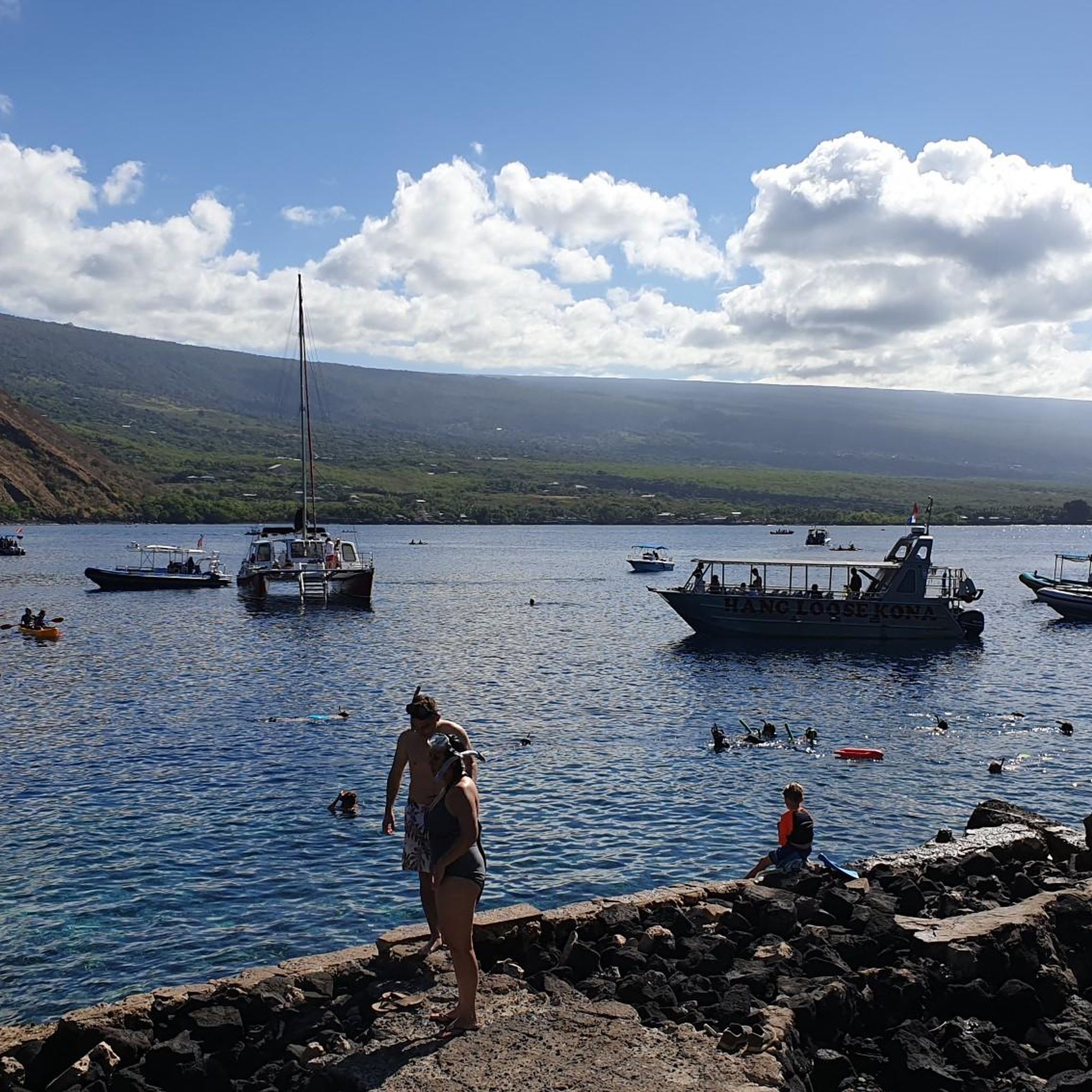
If the ocean is not calm, access to the snorkeling area is not easy, or dangerous . Pay attention to the sign indicating walking on the reef being not allowed.
0
0

Breathtaking landscapes, beautiful routes to tackle!
0
1


Kealakekua Bay is a Marine Life Conservation area that offers snorkeling, scuba diving and kayaking. The bay is filled with coral and schools of tropical fish. Occasionally you can see spinner dolphins swimming in the clear blue waters of the bay. If you want to stay dry, there is a picnic area to relax and spectate from.
1
0

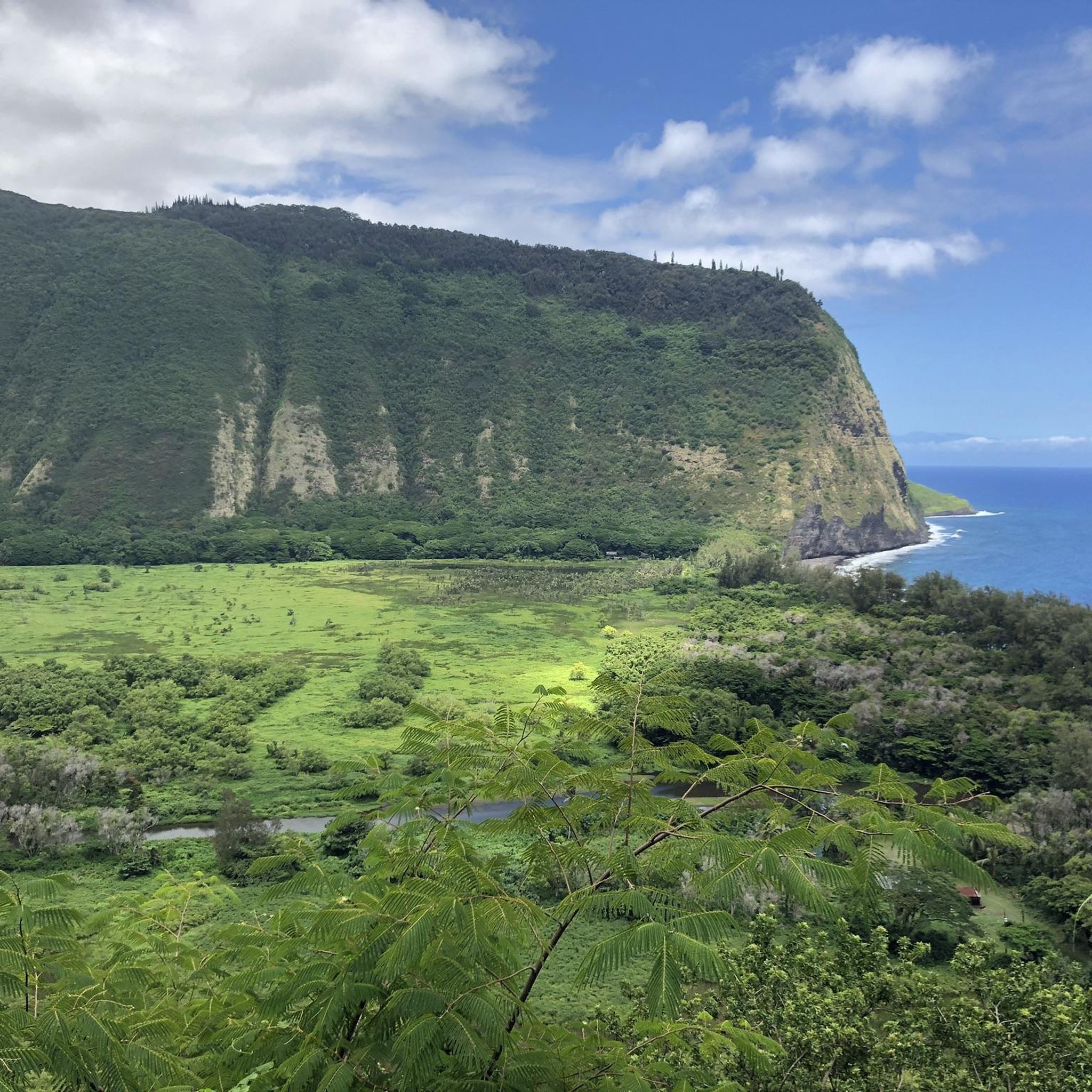
Kealakekua Bay State Historical Park has lots of attractions and is a great stop. Here, cyclists can find the Picnic Pavilion and restroom. Trash Cans. The water fountain and scenic viewpoint of this beautiful area This area is said to be the place of the first extensive contact between Hawaiians, Captain Cook, and other westerners in 1779. There is a Captain Cook monument across Kealakekua Bay.
0
0
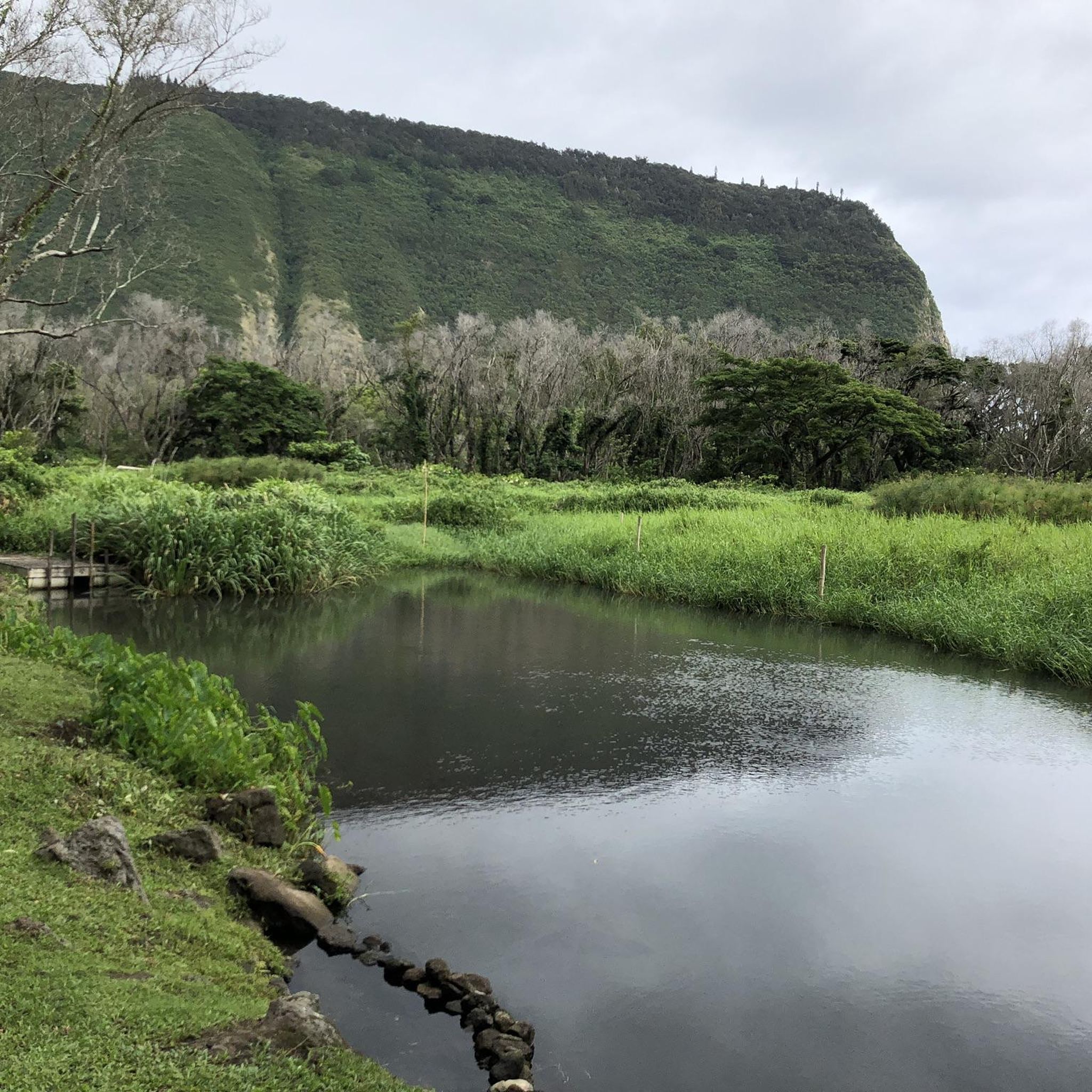
The Kaloko-Honokōhau Park showcases the engineering of Native Hawaiians with two amazing Hawaiian fishponds. Visitors can go to the visitor center by the parking lot open from 8:30 a.m.– 4 p.m. daily; while Kaloko Road is open to cars from 8 a.m.–5 p.m. daily. At the beaches, visitors can see local wildlife, including honu which are the green sea turtles. Visitors can also see native birds, and maybe even a Hawaiian monk seal getting warm in the sunshine.
1
0
This lava tube is just inland from the black sand beaches typical of this area on the west coast of the big island. Lava tubes are created by the volcanic process and can be made two ways. One way is when the surface of lava cools faster, and the other way is sequential lava flows, with newer flows going underneath the older flows and creating cavities by inflation.
3
0
Frequently Asked Questions
What are some of the most unique geological features to explore around Hualālai?
Hualālai's volcanic history has created a diverse landscape. You can explore its prominent rift zones with over a hundred cinder and spatter cones, offering dramatic volcanic rock formations. Another unique feature is Lava Tube, which provides an exciting insight into how molten rock flows beneath a solidified surface. The 1800-1801 Kaupulehu Lava Flow is also notable for its abundant mantle xenoliths, offering a rare chance to observe pieces of the Earth's interior.
Are there any historical sites among the natural monuments near Hualālai?
Yes, the region boasts significant historical natural monuments. Kaloko-Honokōhau National Historical Park showcases the engineering of Native Hawaiians with two amazing fishponds and offers a chance to see local wildlife like green sea turtles. Kealakekua Bay State Historical Park is another important site, known for being the place of the first extensive contact between Hawaiians and Captain Cook in 1779.
What are the most popular natural monuments around Hualālai?
The komoot community highly appreciates several natural monuments. The most popular is the Kealakekua Bay Snorkeling Area, known for its crystal-clear water and abundant marine life, including dolphins, manta rays, and tropical fish. Other popular spots include Kaloko-Honokōhau National Historical Park and the Lava Tube.
Can I explore lava tubes around Hualālai?
Yes, Hualālai's slopes contain various lava tubes, which are remnants of past eruptions. The Lava Tube highlight offers an exciting insight into how molten rock flows beneath a solidified surface, allowing visitors to literally walk through the volcano's interior. Several tours provide exclusive access to these subterranean caves, offering an adventurous and educational experience.
What kind of outdoor activities can I do near Hualālai's natural monuments?
The area around Hualālai offers a variety of outdoor activities. You can find numerous hiking trails, including easy options like 'The End of the World Trail' and 'Makāula ʻOʻoma Trail loop', as well as more challenging routes like 'Kealakekua Bay Snorkeling Area loop from Captain Cook'. For runners, there are trails like 'Ali'i Gardens Marketplace via Kuakini Highway loop'. Cyclists can explore road cycling routes such as 'Keauhou to Lava Tube'. You can find more details on these activities in the Hiking around Hualālai, Running Trails around Hualālai, and Road Cycling Routes around Hualālai guides.
Are there family-friendly natural monuments to visit around Hualālai?
Absolutely! Kaloko-Honokōhau National Historical Park is considered family-friendly, offering trails and beaches where visitors can observe local wildlife like green sea turtles. Kealakekua Bay State Historical Park also provides a picnic area and scenic viewpoints, making it suitable for families to relax and enjoy the surroundings.
What are the hiking difficulties for natural monuments around Hualālai?
Hiking difficulties vary depending on the specific location and trail. For instance, the 'The End of the World Trail' is rated as easy, while the 'Kealakekua Bay Snorkeling Area loop from Captain Cook' is considered difficult. Many areas on Hualālai are privately owned, so guided tours are often the best way to access and learn about these special places, which can also help in choosing a suitable difficulty level.
What can I expect to see at the summit craters of Hualālai?
While Hualālai lacks a large summit caldera, it features a smaller collapse crater and over 200 massive craters cascading down its flanks. A two-mile hike around the summit craters, at nearly 8,000 feet, reveals a landscape painted with vibrant colors—violet, vermillion, and rose—derived from the earth's interior. The summit also offers breathtaking panoramic views of the Kona Coast, Mauna Kea, and the Kohala Mountains.
What makes Puʻu Waʻawaʻa geologically significant?
Puʻu Waʻawaʻa is a distinctive 372-meter-tall volcanic cone located north of Hualālai's summit. It is unique because it is constructed of trachyte, a type of volcanic lava not found on any other volcano on Hawaiʻi Island. Trachyte lava is much slower-moving than typical Hawaiian lavas due to its higher silica content, making it a fascinating site for those interested in volcanology.
What is the best time to visit Hualālai's natural monuments?
The best time to visit Hualālai's natural monuments generally depends on your preferred activities and weather tolerance. The island of Hawaiʻi experiences relatively consistent temperatures year-round, but weather can vary significantly with elevation. The dry season (roughly May to October) typically offers sunnier and drier conditions, which can be ideal for hiking and exploring. However, the cooler, wetter season (November to April) can bring lush landscapes and dramatic cloud formations, though some trails might be muddier. Always check local weather forecasts before your visit.
Are there any natural monuments where I can see marine life?
Yes, the Kealakekua Bay Snorkeling Area is renowned for its abundant marine life. Dolphins, manta rays, and tropical fish are commonly seen in its crystal-clear waters. Additionally, at Kaloko-Honokōhau National Historical Park, visitors can often spot local wildlife, including green sea turtles (honu) and native birds along its beaches and trails.
What should I wear when exploring Hualālai's natural monuments?
Given the diverse environments, from coastal areas to higher elevations, it's best to dress in layers. Comfortable, sturdy hiking shoes are essential for volcanic terrain and trails. Sun protection, including a hat, sunglasses, and sunscreen, is highly recommended. For lava tube explorations, you might want long pants and sleeves to protect against rough surfaces. Always bring plenty of water, especially for longer hikes.
Most popular routes around Hualālai
Most popular attractions around Hualālai

Get inspired with the komoot mobile app


Explore more
Extend your search for the best caves by checking out these guides of the top ones around Hualālai:
