Top 10 Natural Monuments around Mauna Loa
Best natural monuments around Mauna Loa include diverse volcanic landscapes and significant cultural sites on Hawaiʻi Island. Mauna Loa, the world's largest active volcano, features barren rock formations and unique ecosystems. The region offers insights into geological processes and Hawaiian culture, with many sites located within Hawaiʻi Volcanoes National Park. These natural features provide varied terrain for exploration.
Best natural monuments around Mauna Loa
- The most popular natural monuments is Puʻuhonua o Hōnaunau National Historical Park, a historical site…
Last updated: May 29, 2026
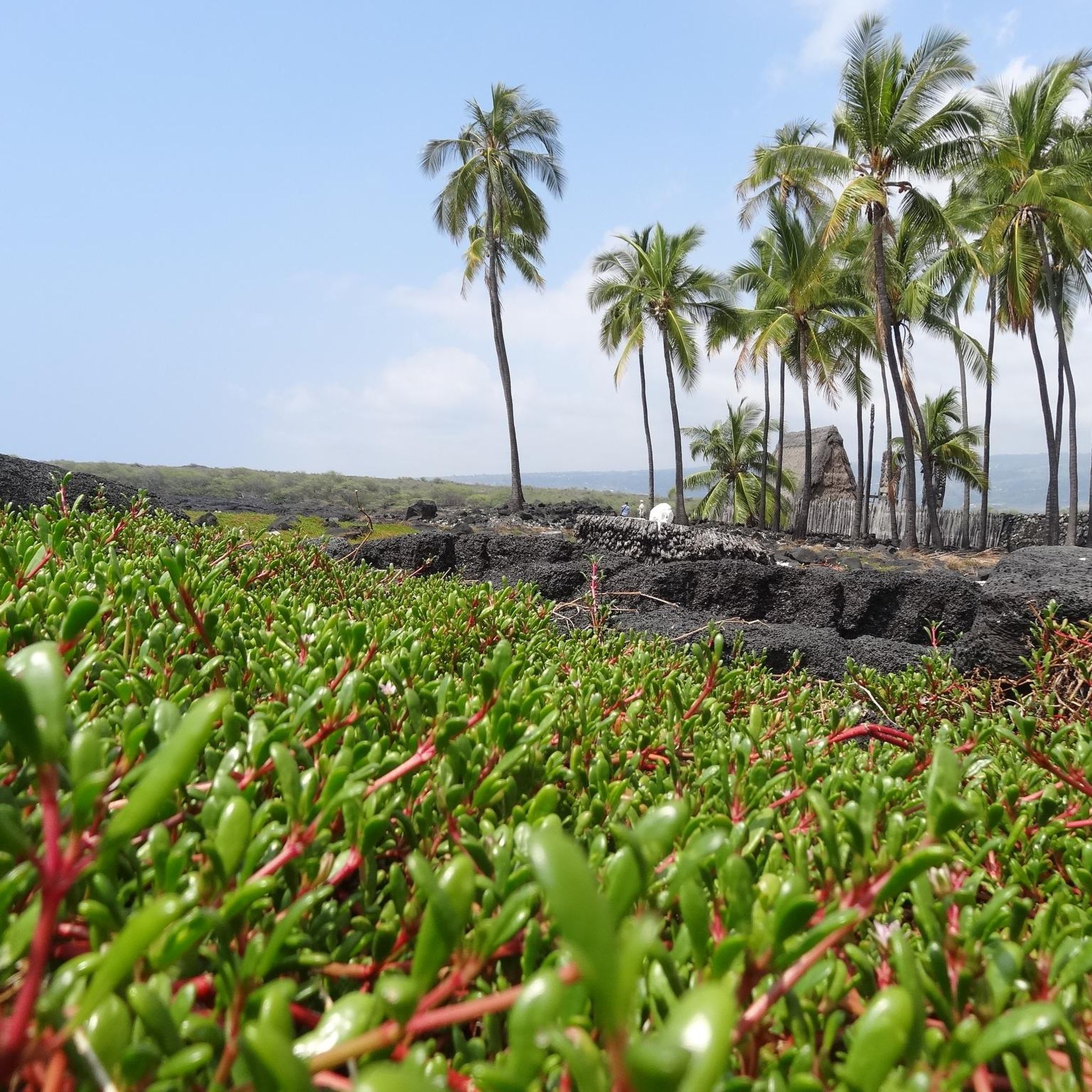
Puʻuhonua o Hōnaunau National Historical Park
Highlight • Historical Site
Tip by

Punaluʻu Black Sand Beach
Highlight • Beach
Translated by Google •
Tip by

Sign up now to discover places like this
Get recommendations on the best single tracks, peaks, & plenty of other exciting outdoor places.
Sign up for free
Kauila and the Sea Turtles of Punalu'u Monument
Highlight • Monument
Translated by Google •
Tip by
Alahaka Bay
Highlight • Beach
Tip by
Ki'i Point Overlook
Highlight • Viewpoint
Tip by

Mauna Loa Observatory
Highlight • Monument
Tip by

Lower Kona Trail
Highlight (Segment) • Trail
Tip by
Mauna Loa Lookout and Trailhead
Highlight • Viewpoint
Tip by

Mauna Loa Summit Crater
Highlight • Summit
Tip by
Whittington Beach Park and Honuapo Pier
Highlight • Beach
Tip by

Start today with a free account
Your next adventure awaits.
Login or Signup
Tips from the Community


Sea turtles can be seen on the black lava beach during egg-laying
1
0
The tablet's inscription reads roughly: The mystical turtle, Kauila, makes her home in the Ka'u district on Punalu'u Bay. According to Hawaiian mythology, Kauila had the ability to transform from a turtle into human form and play with and watch over children along the shore. The people of Ka'u loved Kauila as the guardian of their children and also for their spring, which provided them with pure drinking water.
4
0

The spectacularly crafted Ala Kahakai National Historic Trail takes you down a black rocky bluff and right up to the water's edge. You can see across the Ki'ilae Watercourse to Ki'i Point where the old lava flow meets the sea.
0
0

Beautiful viewpoint above the clouds with the opportunity to have a picnic. Pheasants can also be seen here occasionally.
0
0

Interesting information with video and a short tour on historical topics.
0
0

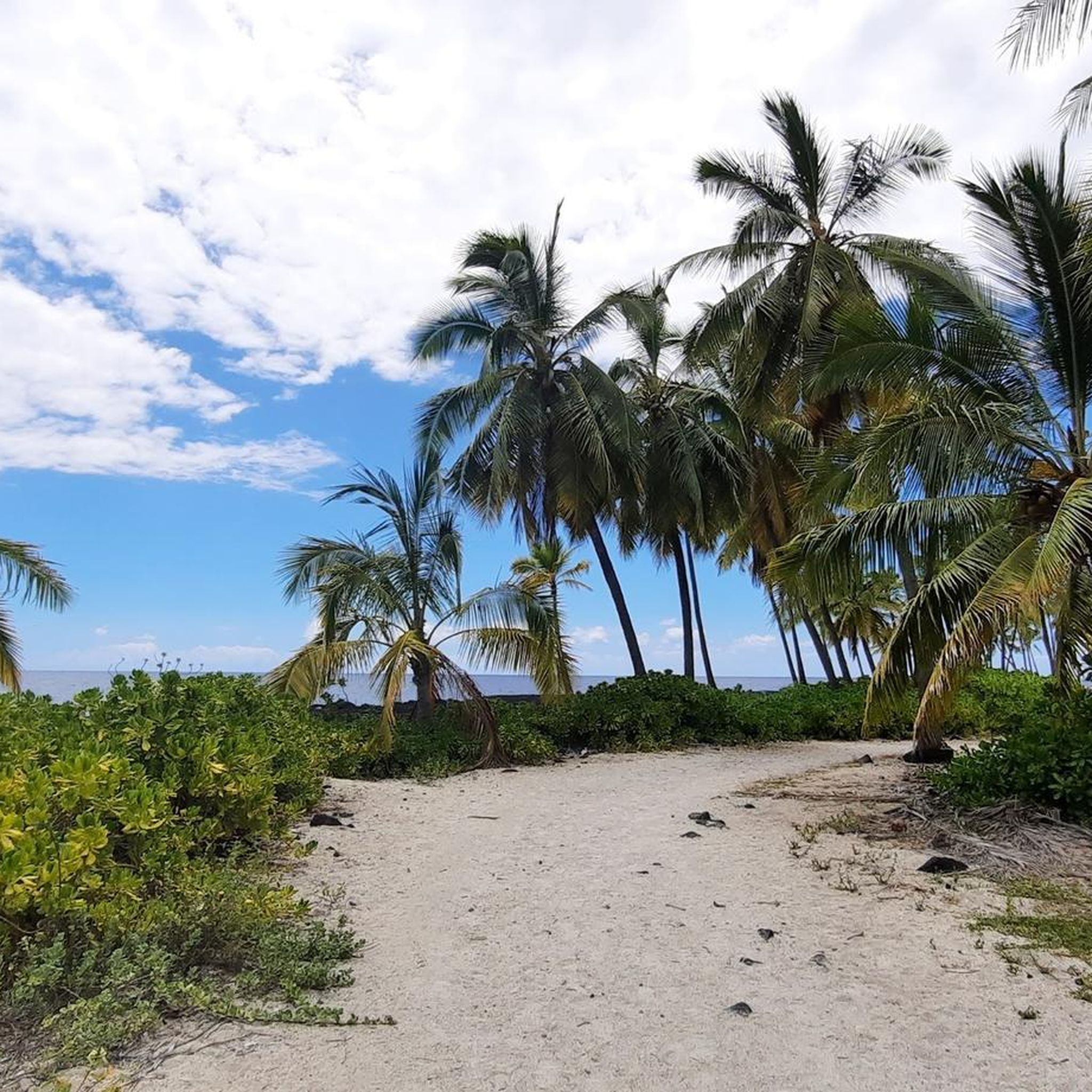
This park is generally quiet on weekdays, but popular with families on the weekend. The beautiful southern coast has lava rocks, an abandoned pier slowly being consumed by the waves, and lush greenery. After Pearl Harbor was bombed in 1941, the U.S. military wanted to minimize landing options by bombing Honuapo Pier and it has remained untouched to this day.
0
0

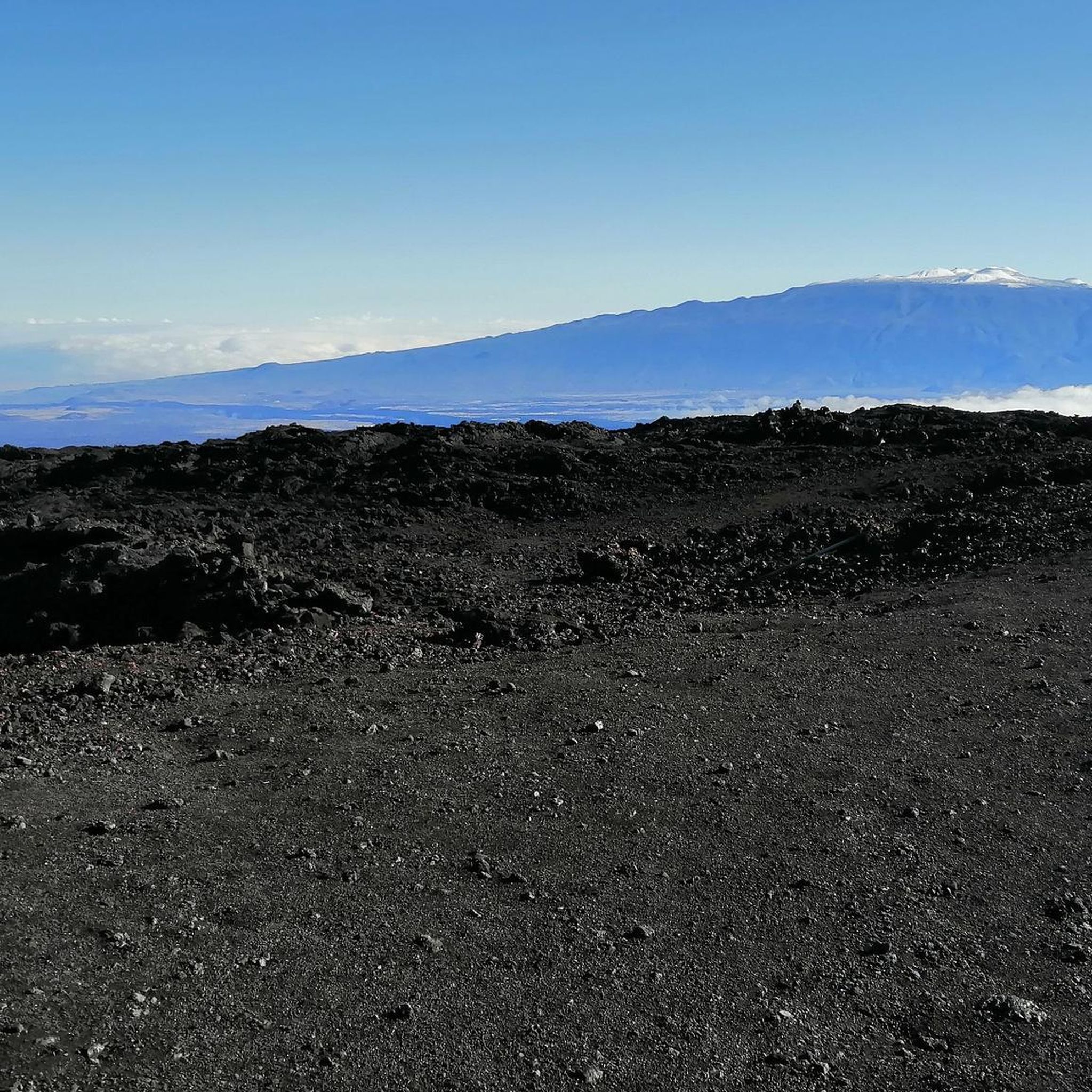
The Mauna Loa Lookout and Trailhead is where the Mauna Loa Road ends. Mauna Loa Lookout is at 6,662 feet above sea level, and from here visitors can see the Kīlauea volcano, old lava flows, and on a clear day even the ocean. The area is subalpine woodland, and by biking here, cyclists will pass Koa, Māmane and ‘ōhi‘a trees. Bird spotting is popular here, and there are sometimes sightings of the ‘i‘iwi. The shade shelter here was built by the Civilian Conservation Corps in 1937 and still stands strong today.
0
0
Frequently Asked Questions
What are some of the most popular natural monuments around Mauna Loa?
Visitors frequently enjoy exploring Puʻuhonua o Hōnaunau National Historical Park, a significant cultural site. Another favorite is Punaluʻu Black Sand Beach, known for its unique black sand and frequent sea turtle sightings. The nearby Kauila and the Sea Turtles of Punalu'u Monument also draws many visitors.
Are there family-friendly natural monuments around Mauna Loa?
Yes, several natural monuments are suitable for families. Puʻuhonua o Hōnaunau National Historical Park offers an engaging cultural experience. Punaluʻu Black Sand Beach and Whittington Beach Park and Honuapo Pier are great for enjoying the coast and observing marine life. The Mauna Loa Lookout and Trailhead provides accessible views and a starting point for easier walks.
What unique natural formations can I see in the Mauna Loa region?
The region is rich in volcanic landscapes. You can observe diverse lava flows, including smooth Pāhoehoe lava at Alahaka Bay. The distinctive black sand beaches, like Punaluʻu Black Sand Beach, are a direct result of volcanic activity. Higher up, along Mauna Loa Road, you might spot rare Mauna Loa Silversword plants and ancient 'ōhi'a and koa forests in 'Bird Park' (Kipuka Puaulu).
What cultural or historical sites are there around Mauna Loa?
The most prominent cultural site is Puʻuhonua o Hōnaunau National Historical Park, a sacred place of refuge with deep historical significance in Hawaiian culture. Additionally, the Kauila and the Sea Turtles of Punalu'u Monument at Punaluʻu Black Sand Beach connects to Hawaiian mythology.
Where can I find the best viewpoints around Mauna Loa?
For expansive views of Kīlauea volcano, ancient lava flows, and the distant ocean, visit the Mauna Loa Lookout and Trailhead. Another excellent spot is Ki'i Point Overlook, offering breathtaking ocean vistas and dramatic seascapes.
What outdoor activities can I do near these natural monuments?
The area offers various outdoor activities. You can find easy hikes like the Kawa'a Beach Trail or the Manukā Nature Trail loop. For more challenging options, consider the Crater Rim Trail or the Mauna Loa Summit Trail. Explore more options on the hiking guide for Mauna Loa or the running trails guide.
What is the best time to visit the natural monuments around Mauna Loa?
The Mauna Loa region can be visited year-round, but conditions vary. For stunning views from the Mauna Loa Lookout, sunset is particularly recommended on clear days. Always check weather forecasts, especially for higher elevations, as conditions can change rapidly. The coastal areas are generally warmer and more consistent.
Do I need a permit to visit natural monuments near Mauna Loa?
Most natural monuments within Hawaiʻi Volcanoes National Park, which encompasses much of the Mauna Loa region, require an entrance fee. Specific permits might be needed for backcountry hiking, especially for summiting Mauna Loa. It's advisable to check the official National Park Service website for the latest requirements before your visit.
Where can I park when visiting natural monuments around Mauna Loa?
Parking is generally available at designated trailheads and visitor centers within Hawaiʻi Volcanoes National Park. For instance, the Mauna Loa Lookout has parking facilities. Coastal sites like Punaluʻu Black Sand Beach and Puʻuhonua o Hōnaunau National Historical Park also offer visitor parking.
What should I pack for visiting Mauna Loa natural monuments?
Given the diverse environments, it's best to pack layers. Bring sun protection (hat, sunscreen, sunglasses), plenty of water, sturdy closed-toe shoes for walking on uneven terrain, and rain gear. If visiting higher elevations like the Mauna Loa Lookout, a warm jacket is recommended, even on sunny days.
Are the natural monuments around Mauna Loa dog-friendly?
Within Hawaiʻi Volcanoes National Park, pets are generally restricted to paved roads, parking lots, and specific designated trails. They are not allowed on most trails or in undeveloped areas to protect wildlife and natural resources. However, some coastal parks outside the national park may have different policies. Always check specific site regulations before bringing your dog.
What is the difficulty of trails around Mauna Loa natural monuments?
Trail difficulties vary significantly. You can find easy walks like the Lower Kona Trail or the Kawa'a Beach Trail. Intermediate options include the Ala Kahakai National Historic Trail. For experienced hikers, challenging routes like the Mauna Loa Summit Crater trail offer strenuous climbs. Always check the specific trail's difficulty before heading out.
Are there any lesser-known natural monuments worth exploring near Mauna Loa?
Beyond the main attractions, consider visiting Alahaka Bay within Puʻuhonua o Hōnaunau National Historical Park, where you can see beautiful Pāhoehoe lava formations. Whittington Beach Park and Honuapo Pier offers a scenic coastal experience with historical remnants.
Most popular routes around Mauna Loa
Most popular attractions around Mauna Loa

Get inspired with the komoot mobile app


Explore more
Extend your search for the best caves by checking out these guides of the top ones around Mauna Loa:
