Top 8 Natural Monuments in Ærø
Best natural monuments in Ærø showcase the island's diverse landscapes, from dramatic sea cliffs to ancient historical sites integrated with nature. Ærø, a Danish island, features unique geological formations and rich biodiversity. These natural features provide insights into the region's Quaternary deposits and support varied ecosystems. The island offers a range of natural monuments for exploration.
Best natural monuments in Ærø
- The most popular natural monuments is Voderup Cliff, a natural monument featuring dramatic stepped sea cliffs. This site…
Last updated: August 6, 2026
Kragnaes Passage Grave
Highlight • Historical Site
Showing Translation
Tip by

Urehoved Headland
Highlight • Natural Monument
Translated by Google •
Tip by

Sign up now to discover places like this
Get recommendations on the best single tracks, peaks, & plenty of other exciting outdoor places.
Sign up for free
Voderup Cliff
Highlight • Natural Monument
Translated by Google •
Tip by

St. Albert's Church and Fortress Earthworks
Highlight • Historical Site
Translated by Google •
Tip by
Søby Volde Hillfort
Highlight • Historical Site
Showing Translation
Tip by

Næbbet Nature Reserve
Highlight • Natural Monument
Translated by Google •
Tip by
Storstensgrave at Lindsbjerg Bakke
Highlight • Historical Site
Tip by

Start today with a free account
Your next adventure awaits.
Login or Signup
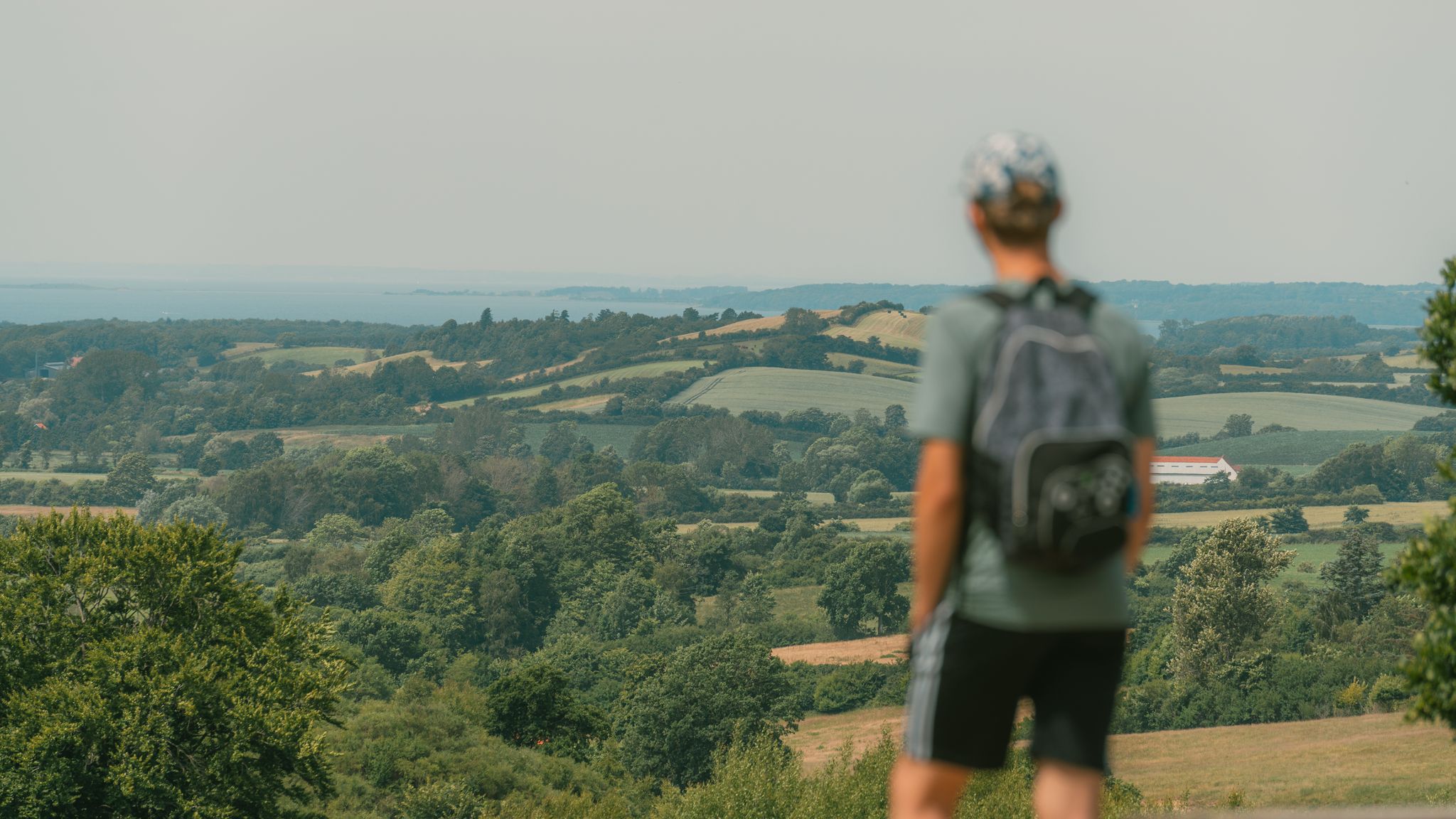
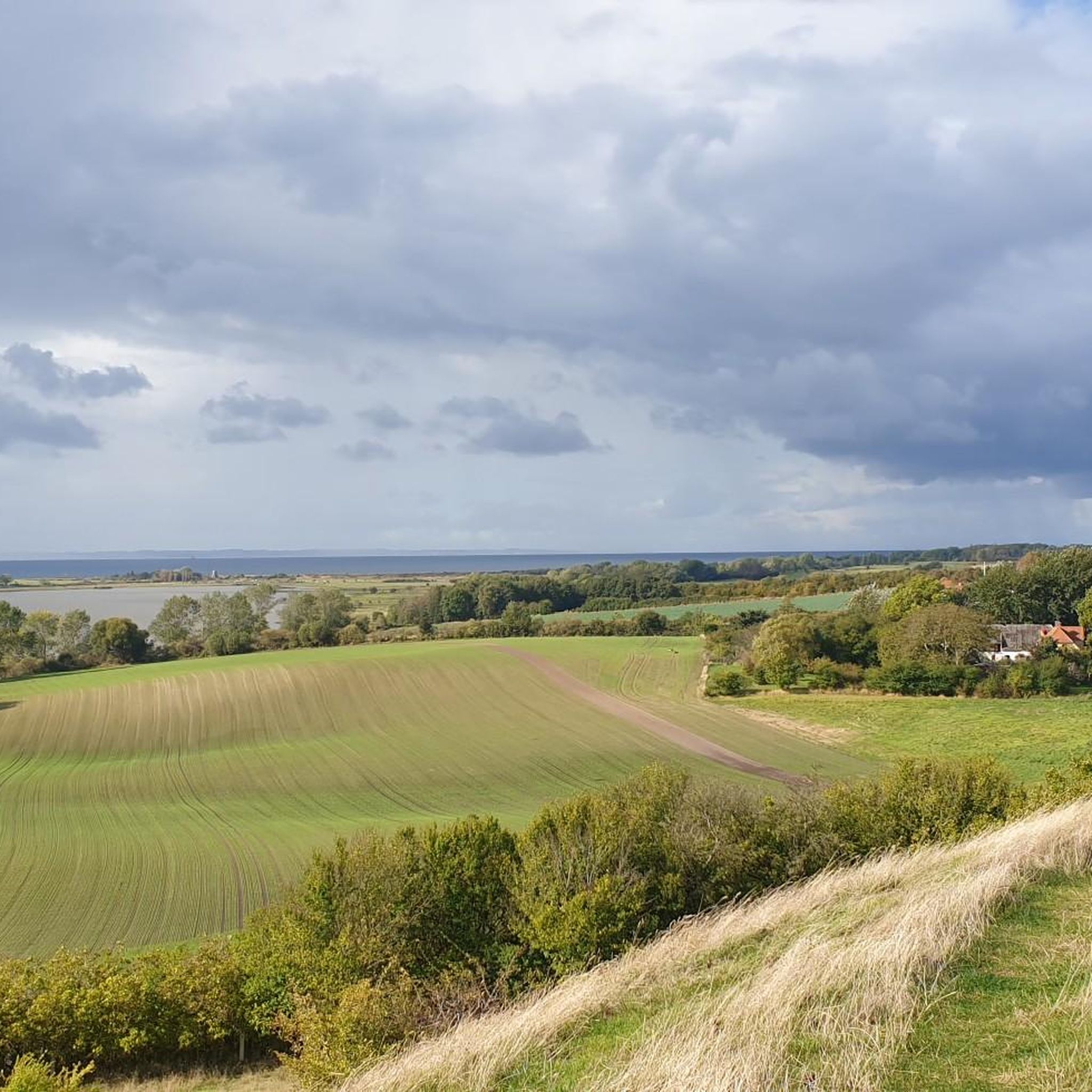
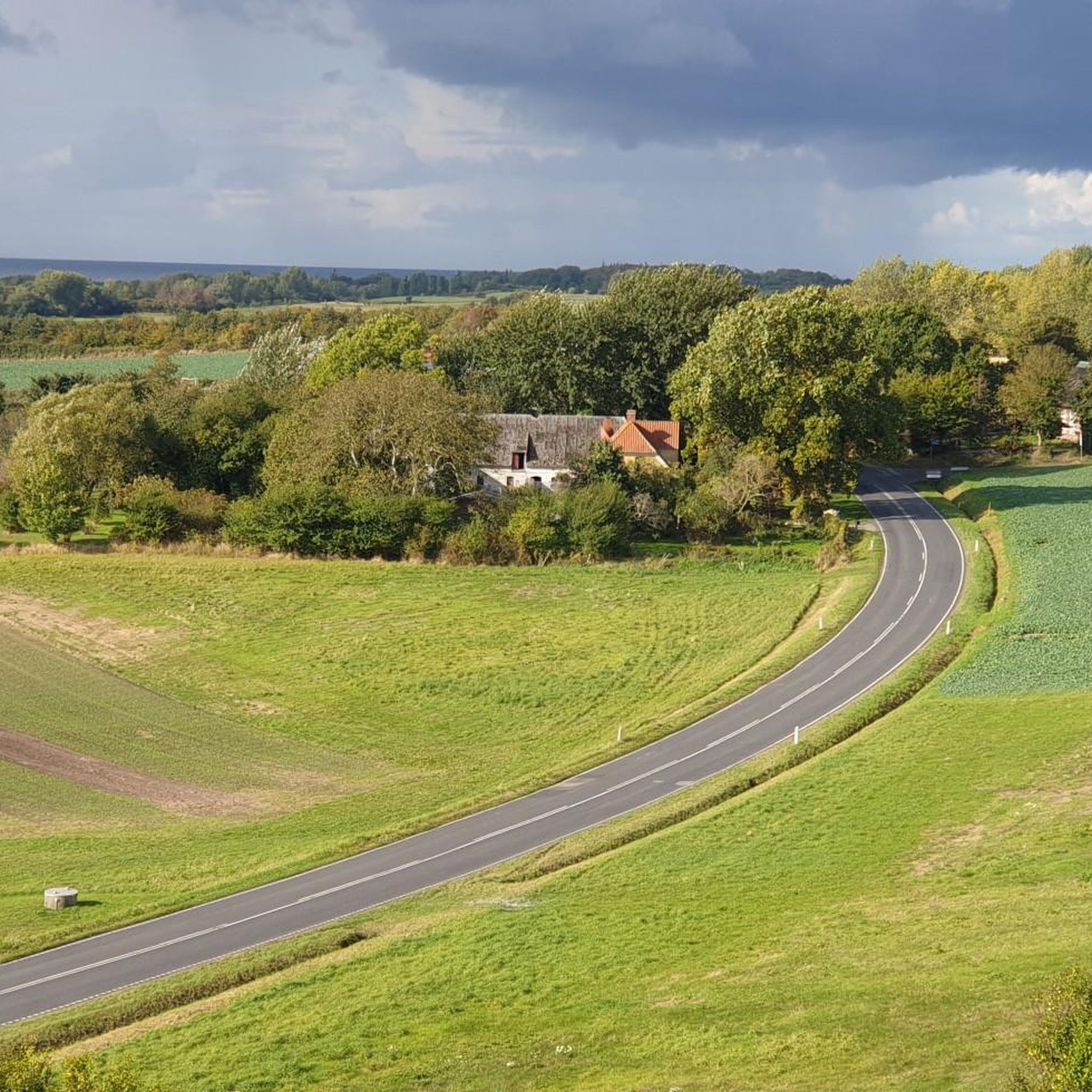
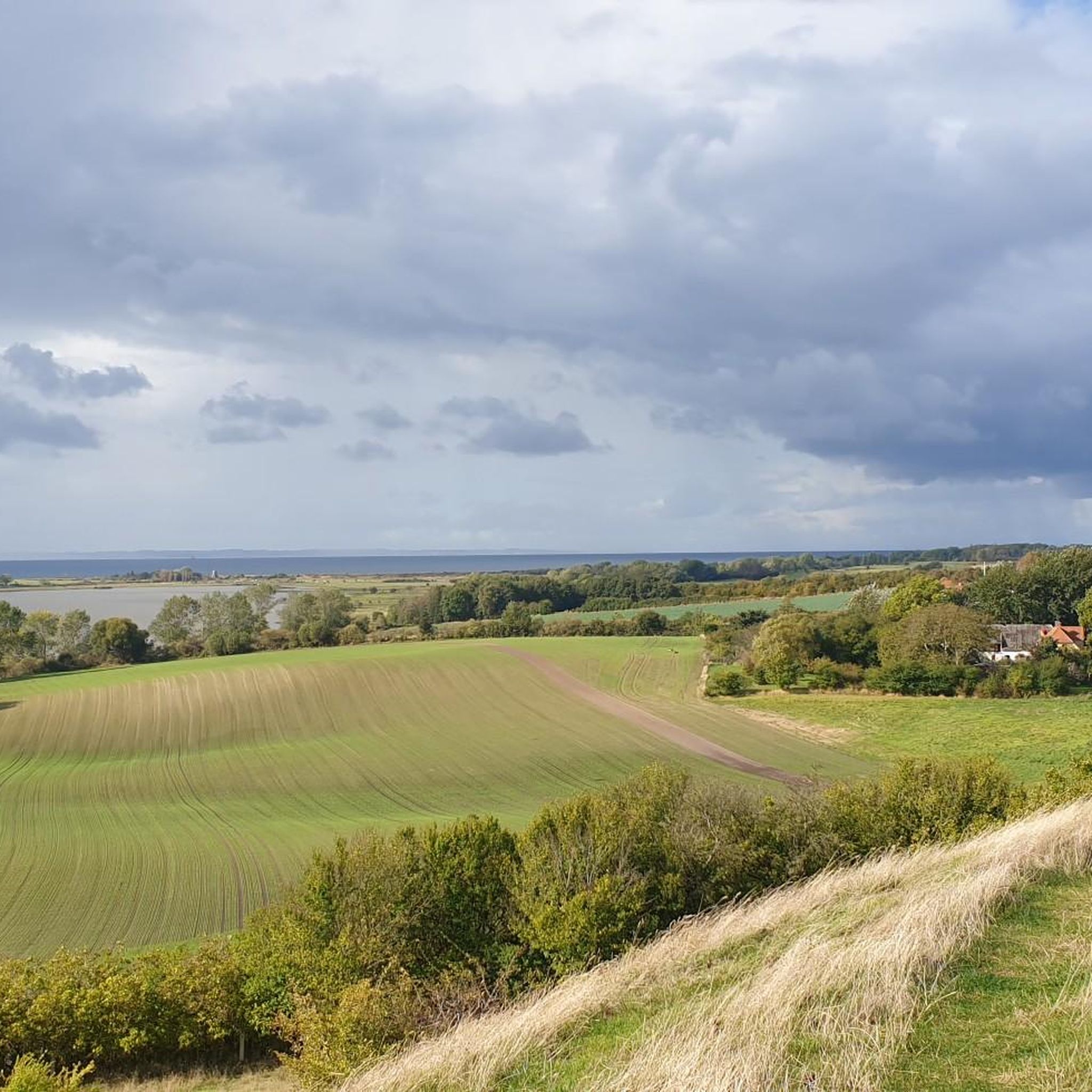
Other adventures in Ærø

Tips from the Community

The beach entrance will be closed in September 2025. An alternative exit is one km further west.
0
0

Mound with 2 giant living chambers, the exact access was a little unclear to me (perhaps only because of simultaneous harvesting work). In any case, the view from here is fantastic. Translated from the local Information sign: Dyser and giant houses are graves from the Peasant Stone Age. They both have burial chambers built of stone , with a mound of earth above. A die chamber usually has one large cover stone. The giant room chambers are larger, and they always have more cover stones. The youngest dowels can have a passage to the high side, while giants always have a passage. The dowels are the oldest, they were built in the earlier Stone Age , between 3500 and 3100 BC. The giant houses were built around 3100 BC, in the middle Bon desten age. The long jet here is 27.5 m long, 6 m wide and 1 m high. It has 2 burial chambers, both of which are today without cover stones. Around the mound stood a dense row of large stones, curbstones. Some of these have been preserved. The mound around the chambers is a strongly plowed long mound, 15 m long and 7.5 m wide. The 2 rather small chambers are both very damaged. They were originally oval, with a passage to the high side and with several large cover stones over chambers and passages. Of the row of curb stones around the mound, only 2 stones have been preserved. No finds are known from the graves. Looting stones from large stone tombs was very common in the past. The stones were e.g. used as building materials. According to the legend, stones from both the dowel and the giants' houses were used as a plinth for Rise Fattiggård. During the Second World War , the German Armed Forces had removed all the turf from the long jetty. They used it to build a parapet at the western giant's room, which was used as an aerial observation post. The graves were restored by the national museum in 1945. The traces of protection ten was removed and the turf put back in place. Unfortunately, the giant living room chambers were restored incorrectly. The drawing below shows how the chambers looked in the last century
2
0

You can reach the burial mound well both by bike and on foot. The entrance was clear again, so you could go inside. Very impressive and worth a trip.
2
0

great cliffs, where you can hike well both below and above. A wooden staircase leads down. Above is a small pavilion with barbecue facilities.
5
0
currently you can enter it.
2
0
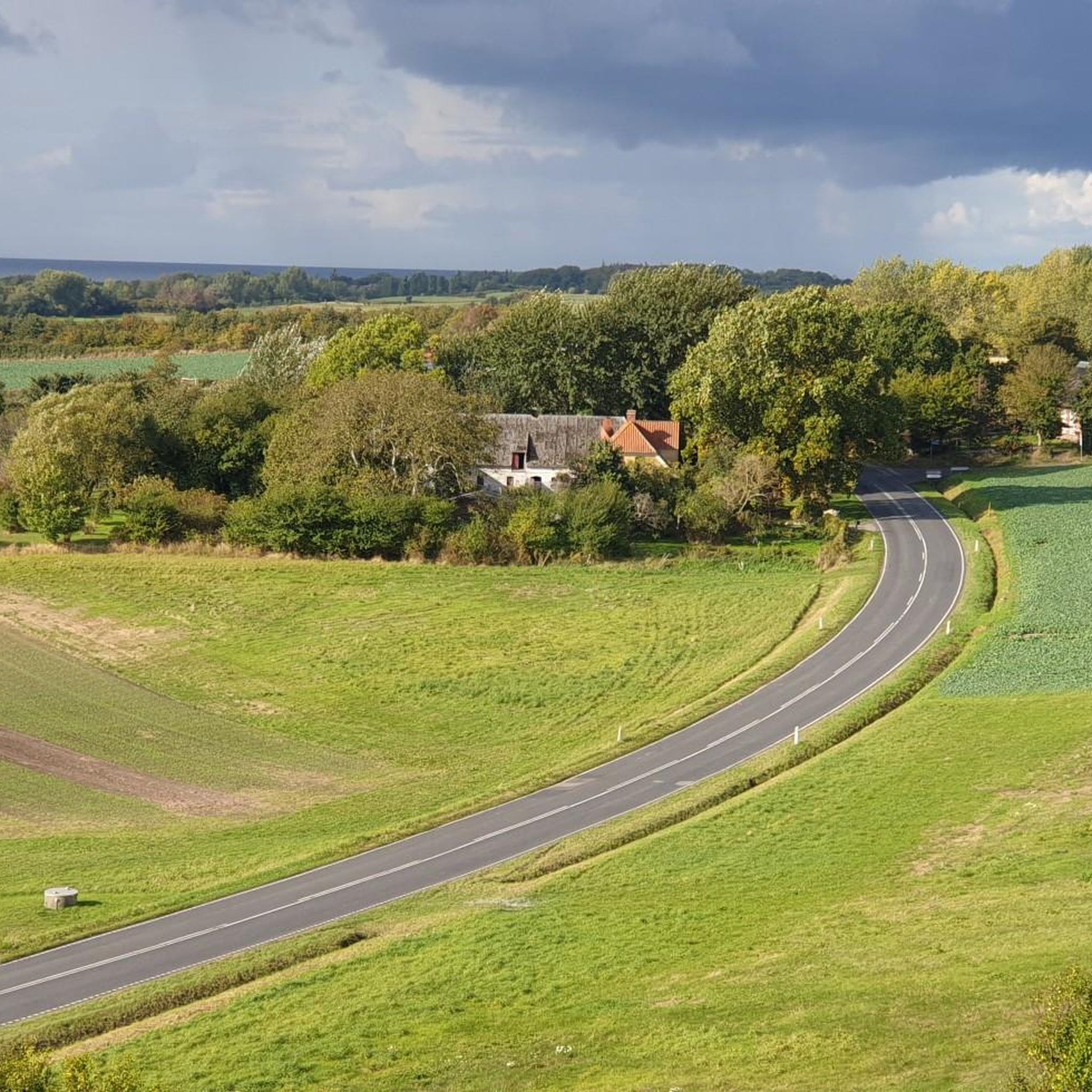
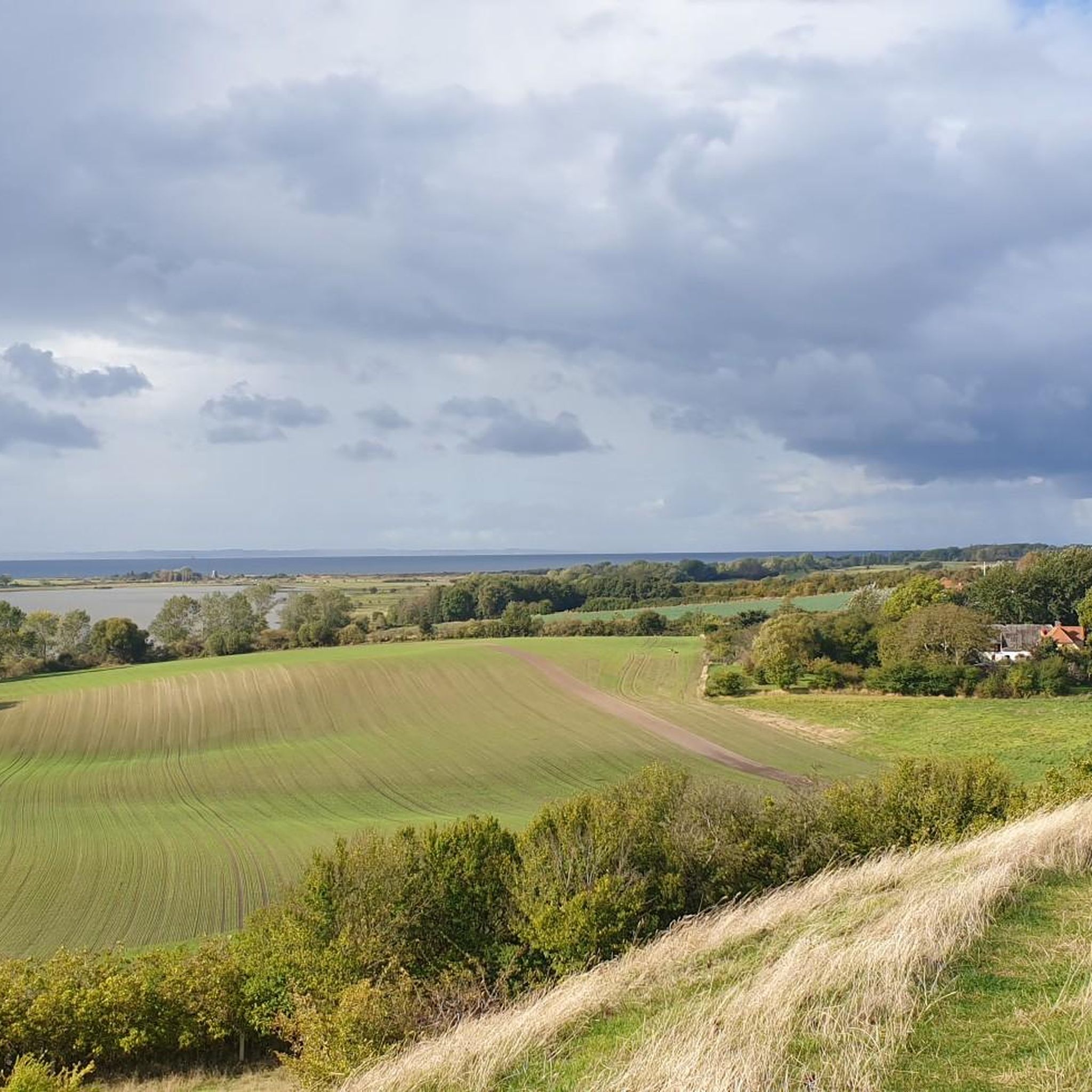
from here you have a nice overview of the Vitsö. A beaten path leads to the disused mill.
1
0
After climbing the tower, a short hike along the stony beach to Næbbet, a beautiful bird sanctuary, is ideal.
3
0

Hill, on whose summit a castle once stood. The rampart can still be discerned.
4
0
Frequently Asked Questions
What unique natural features can I explore on Ærø?
Ærø offers a diverse range of natural features. You can visit Voderup Cliff, known for its dramatic stepped sea cliffs and unique geological formations. Another notable area is Urehoved Headland, a coastal area with steep banks. The island also features areas like Næbbet, significant for its diverse flora and fauna, and Vitsø, a restored nature area with a large lake and salt marshes.
Are there any historical sites integrated with the natural monuments in Ærø?
Yes, Ærø beautifully blends history with nature. You can explore Kragnaes Passage Grave, a 5000-year-old stone chamber grave. Another site is St. Albert's Church and Fortress Earthworks, where you can see traces of an ancient rampart in a lonely coastal landscape. Additionally, Søby Volde Hillfort offers views over the Vitsø area from the site of a former castle.
What kind of wildlife can I observe at Ærø's natural monuments?
Ærø's natural monuments are rich in wildlife. At Urehoved Headland, hundreds of sandbank swallows nest in the steep bank walls during summer and late summer. Næbbet Nature Reserve is particularly significant for its diverse flora and fauna, making it a prime location for bird and plant enthusiasts. Voderup Klint also supports diverse flora and fauna, including reptile species and specialized plant communities, with small wetlands crucial for amphibians.
Are there family-friendly natural monuments in Ærø?
Many of Ærø's natural monuments are suitable for families. Næbbet Nature Reserve is categorized as family-friendly, offering opportunities for observing wildlife. The general outdoor activities like walking along the coast at Voderup Cliff or exploring the surroundings of Skjoldnæs Lighthouse also provide enjoyable experiences for families.
What outdoor activities can I do near these natural monuments?
You can enjoy various outdoor activities near Ærø's natural monuments. Hiking and cycling are popular, especially around Voderup Cliff. For more structured routes, you can find easy hikes like the Vitsø Lake loop or the Voderup Cliff coastal loop, and moderate to difficult hikes around Søby. Road cycling routes are also available, such as the Voderup Klint to Ærøskøbing loop. For detailed route information, explore the hiking and road cycling guides for Ærø.
What is the best time to visit Ærø's natural monuments?
The best time to visit depends on your interests. For observing the sandbank swallows at Urehoved Headland, summer and late summer are ideal. Generally, the warmer months offer pleasant conditions for hiking and cycling. The microclimate at Voderup Cliff, with its dry, warm, southwest-facing slopes, is enjoyable for walks.
Are there viewpoints offering panoramic views of the Baltic Sea?
Absolutely. Voderup Cliff offers panoramic views of the Baltic Sea and the Danish coastline. The natural surroundings at Skjoldnæs Lighthouse also provide magnificent vistas of the Baltic Sea, the Little Belt, and the South Funen Archipelago. Many of the natural monuments, including Urehoved Headland and Næbbet Nature Reserve, are excellent spots for scenic views.
Can I find ancient burial sites among the natural monuments?
Yes, Ærø is home to ancient burial sites that are considered natural monuments. Besides Kragnaes Passage Grave, you can also visit the Storstensgrave at Lindsbjerg Bakke, which are ancient megalithic tombs offering a glimpse into the island's prehistoric past.
What facilities are available at Voderup Cliff?
At Voderup Cliff, you'll find a wooden staircase providing access to the beach. There is also a small pavilion with barbecue facilities available for visitors to use, making it a pleasant spot for a break during your hike.
Is there parking available at the natural monuments?
Parking is available at some natural monuments. For instance, Urehoved Headland is noted to have parking facilities. It's always advisable to check specific locations for parking availability before your visit.
What is the significance of Vitsø as a natural area?
Vitsø, originally a fjord, has been restored into a continuous nature area featuring a large lake, salt marshes, and meadows. This restoration has created a vital stop for migratory birds, making it an important ecological site. It is also recognized for its geological value as part of Geopark The South Funen Archipelago.
Most popular attractions in Ærø

Get inspired with the komoot mobile app


Explore more
Extend your search for the best caves by checking out these guides of the top ones in Ærø:
