Top 8 Natural Monuments in Norddjurs
Best natural monuments in Norddjurs showcase a diverse landscape, from coastal formations to unique island ecosystems. This Danish municipality features significant geological sites, including ancient cliffs and a distinctive desert-like heathland. The region offers varied natural landmarks, providing opportunities to observe wildlife and explore historical natural features. Norddjurs is characterized by its blend of marine and terrestrial natural environments.
Best natural monuments in Norddjurs
- The most popular natural monuments is Sangstrup Cliffs and Pebble Beach, a beach featuring impressive coastal limestone formations. These cliffs rise up to 17 meters and are known for their geological significance and fossil abundance.
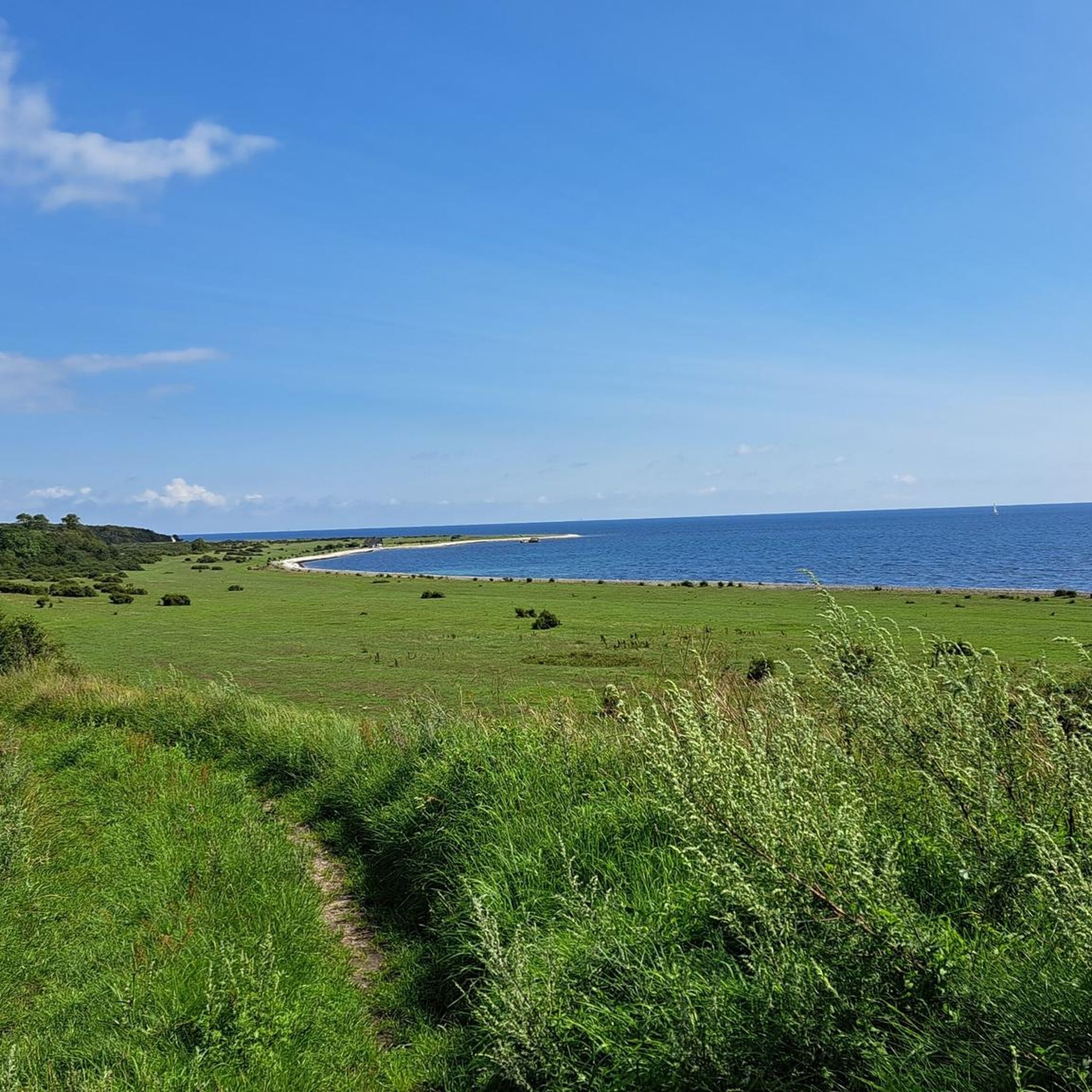
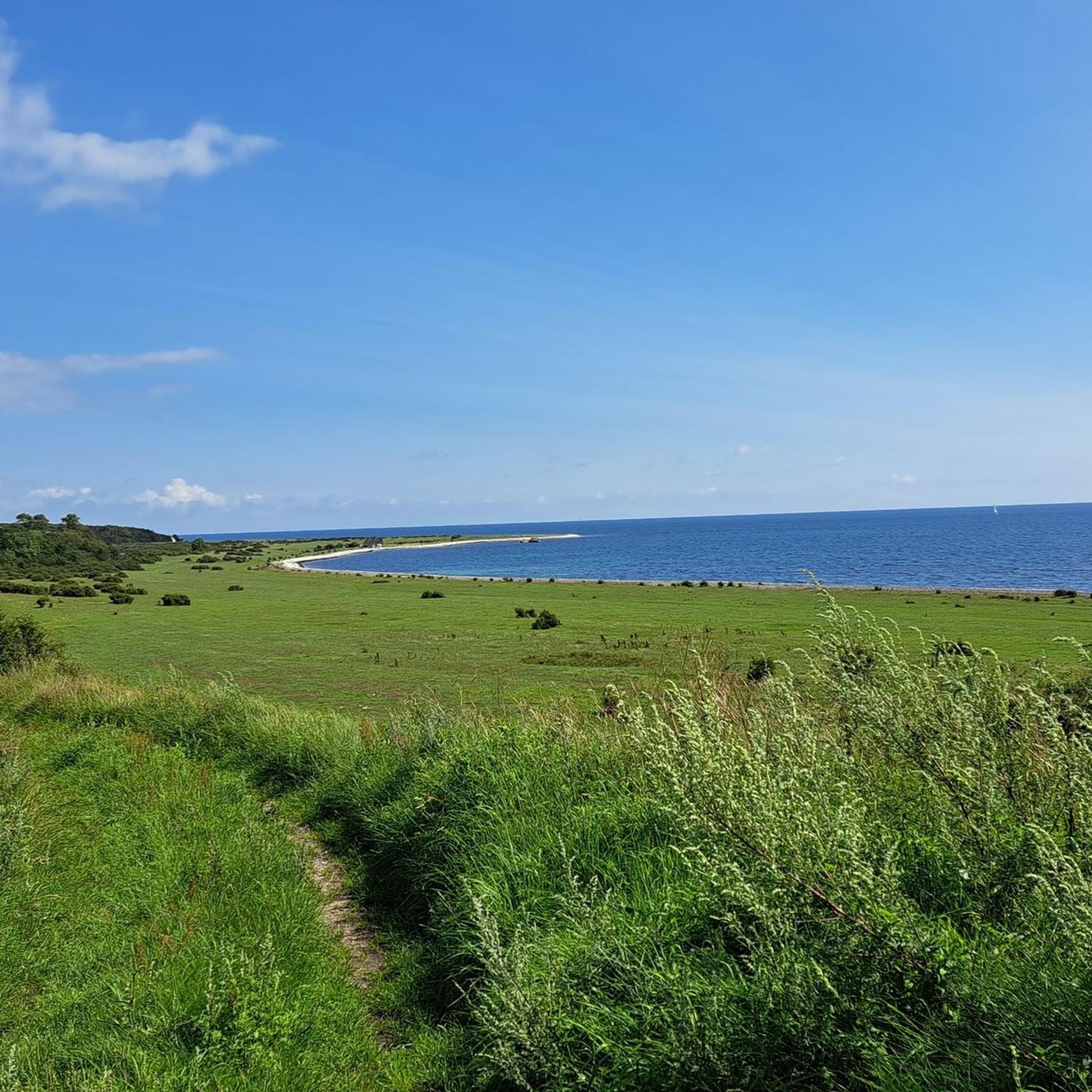
- Another must-see spot is Jernhatten Summit, a summit offering wide views over the sea to the island of Hjelm. This 49-meter-high point supports rare plant life due to its unique climate.
- Visitors also love Totten Nature Reserve, a natural monument recognized as one of Europe's largest seal habitats. Visitors can observe seals from a dedicated observation hut near the Anholt lighthouse.
- Norddjurs is known for its diverse natural monuments, including coastal cliffs, unique island deserts, and significant wildlife habitats. The region offers a variety of natural monuments to see and explore, from geological formations to protected ecosystems.
- The natural monuments in Norddjurs are appreciated by the komoot community, with more than 30 upvotes and 20 photos shared by visitors.
Last updated: May 14, 2026
Jernhatten Summit
Highlight (Segment) • Summit
The "summit" is accessed by a staircase from the beach or by a pathway from north or south.
Tip by

Sangstrup Cliffs and Pebble Beach
Highlight • Beach
Translated by Google •
Tip by

Sign up now to discover places like this
Get recommendations on the best single tracks, peaks, & plenty of other exciting outdoor places.
Sign up for free
Stubbe Lake
Highlight • Lake
The lake shore has limited access, but at the same time makes the lake an undisturbed place. The best way to observe the hustle and bustle of the lake from the large bird watching tower. From up there you have a good view over part of the lake and the immediate surroundings.
Source and more information:
de.nationalparkmolsbjerge.dk/erleben-sie-den-nationalpark/ausflugsziehle/20-stubbe-soe
Translated by Google •
Tip by

Totten Nature Reserve
Highlight • Natural Monument
Translated by Google •
Tip by

Beautiful trail through the Ørkenen (desert)
Highlight (Segment) • Natural
Translated by Google •
Tip by

Sign up for free to discover even more natural monuments in Norddjurs.
Sign up for free
Already have an account?
Start today with a free account
Your next adventure awaits.
Login or Signup



Tips from the Community

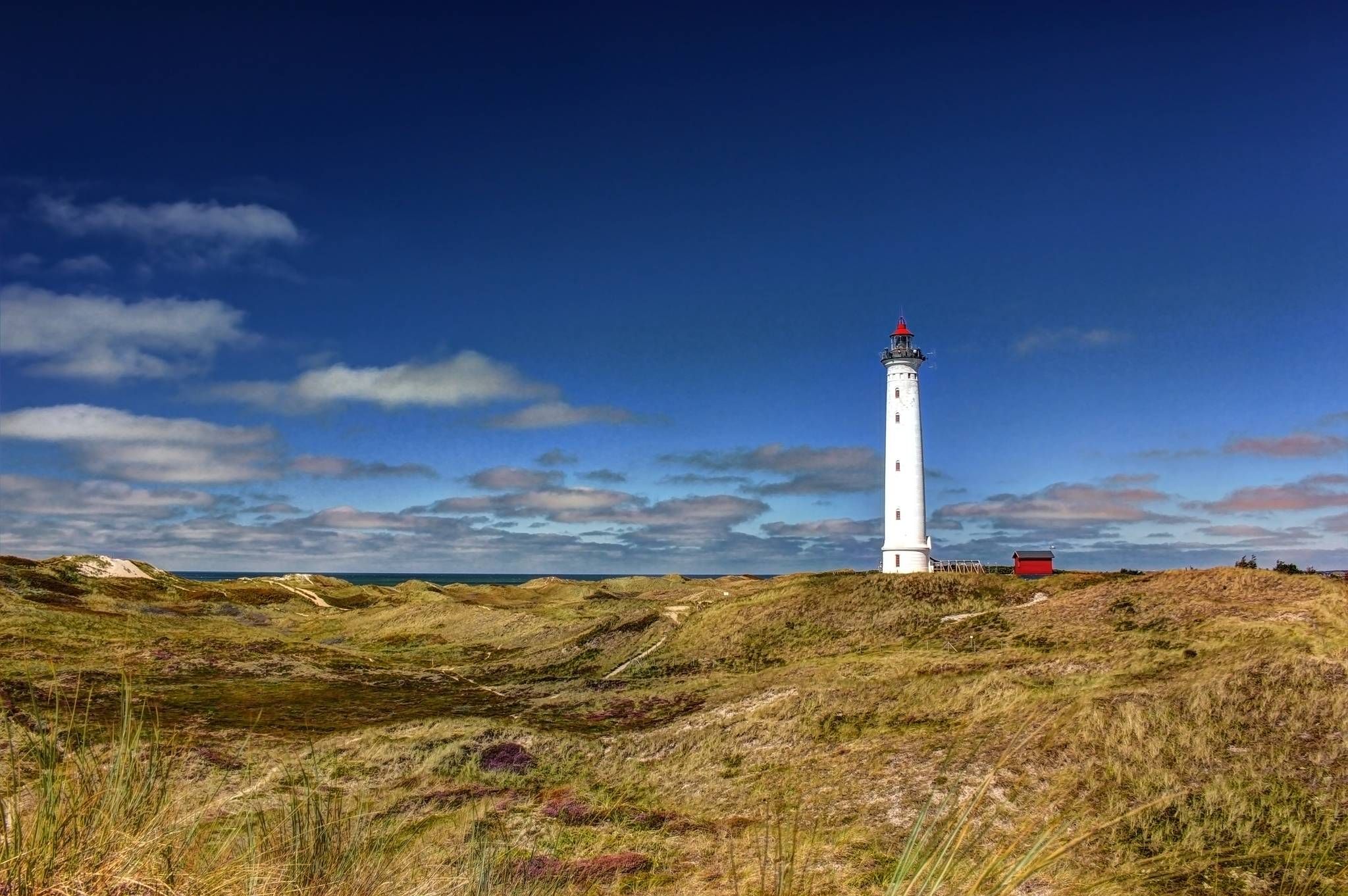
"Are you from the desert?" we were asked in the bar, and yes, Ørkenen means desert. It covers most of the island, and hikers are advised to take a compass. The landscape has existed in this form since the Ice Age.
0
0


A great place with many Vesperbänkle, look for stones and shells, just look and if you're lucky the café is open, which is run by the community members. Clean public toilet, parking available. Swimming is also possible, but take shoes with you.
0
0

Until the 17th century, the island was covered with pine forest, which was lost due to deforestation. In its place, a heathland spread: Ørkenen, meaning "desert," extends over most of the island. Its unique feature is that the soil has not been cultivated since time immemorial, thus preserving its original glacial terrain. The area is sparsely vegetated, including heather, black crowberry, common larkspur, and lichens. Anholt boasts the largest contiguous lichen heathland in Europe. The developmental stages from crustose lichen to broadleaf lichen can be clearly observed here, with cup lichen, lungwort, and reindeer lichen being the main representatives. Of the island's 2,237 hectares, 2,067 hectares are protected. Source: Wikipedia Please note that driving and cycling are not permitted on the paths in "Ørkenen." The only way to visit the area is on foot. If you walk all the way to the lighthouse, it's a good idea to bring water, as there is no access to water either along the trail or outside the lighthouse.
1
0
Anholt is one of the largest and most important seal habitats in Europe. Seals breed at the northwestern tip of Anholt – Totten. Therefore, there is no public access to this area. A small observation hut has been built near the Anholt lighthouse, from which you can observe the seals. The hut also contains powerful binoculars, allowing for a very good study of the seals.
2
0

nice place to stay
0
0

A really nice spot at the end of the road coming from Sangstrup. Nice view of the cliffs to the left and right and many tables for a little rest.
0
0

Locals like to picnic here and comb the beach for fossils that are easy to find here.
1
0
Frequently Asked Questions
What unique natural features can I explore in Norddjurs?
Norddjurs offers a diverse range of natural features. You can discover the unique desert-like landscape of Ørkenen on Anholt Island, which is Northern Europe's largest low heath. The region also boasts the impressive coastal limestone formations of Sangstrup Cliffs and Pebble Beach, and the expansive Kolindsund Natural Area, a former lakebed now rich in birdlife.
Are there opportunities for wildlife observation in Norddjurs' natural monuments?
Yes, Norddjurs provides excellent opportunities for wildlife observation. On Anholt Island, Totten Nature Reserve is one of Europe's largest seal habitats, where you can observe seals from a dedicated hut near the lighthouse. The Ørkenen area on Anholt is also a crucial stop for thousands of migratory birds. Additionally, the Kolindsund Natural Area is known for its rich birdlife, making it a great spot for birdwatching.
What makes Anholt Island's Ørkenen (The Desert) a unique natural monument?
Ørkenen, meaning 'desert,' on Anholt Island is unique due to its distinctive desert-like appearance and specialized flora. It's Northern Europe's largest low heath, featuring dunes, beach ridges, and low-growing vegetation. The area's soil has remained uncultivated since the Ice Age, preserving its original glacial terrain. It's best explored on foot, offering a sense of peace and freedom, and is also certified as one of Denmark's darkest places for exceptional stargazing.
Can I find fossils at the natural monuments in Norddjurs?
Yes, the Sangstrup Cliffs and Pebble Beach are renowned for their abundance of fossils. Due to regular coastal erosion, visitors can often find fossilized sea urchins and other ancient marine life embedded in the limestone and flint layers of the cliffs.
What kind of views can I expect from Norddjurs' natural monuments?
Norddjurs offers several impressive viewpoints. From Jernhatten Summit, you can enjoy wide views over the sea to the island of Hjelm. If you climb one of the shifting dunes on Anholt, you'll get a beautiful panoramic view of the Ørkenen (desert) landscape.
Are there hiking trails suitable for exploring the natural monuments?
Yes, many natural monuments in Norddjurs are best explored on foot. For instance, the Beautiful trail through the Ørkenen (desert) on Anholt Island is a prime example, though driving and cycling are not permitted there. The Kolindsund Natural Area also offers scenic walks on the old lakebed. You can find more hiking options in the region by exploring the Running Trails in Norddjurs guide, which includes routes like the Anholt Church loop.
What other outdoor activities are available near the natural monuments in Norddjurs?
Beyond hiking, Norddjurs offers various outdoor activities. The Karlby & Sangstrup Cliffs attract anglers, snorkelers, and scuba divers. The watercourses and canal systems of the Kolindsund Natural Area provide good opportunities for fishing. For cycling enthusiasts, there are numerous routes, including those found in the Cycling in Norddjurs guide and the Road Cycling Routes in Norddjurs guide.
Are there family-friendly natural monuments in Norddjurs?
Yes, several natural monuments are suitable for families. The Sangstrup Cliffs and Pebble Beach are considered family-friendly, with locals often picnicking there and children enjoying fossil hunting. The accessible observation hut at Totten Nature Reserve for seal watching is also a great experience for all ages.
What is the best time to visit the natural monuments in Norddjurs?
The best time to visit largely depends on your interests. For birdwatching, spring and autumn are ideal as thousands of migratory birds stop at Anholt. Summer offers pleasant weather for hiking and exploring the beaches and cliffs. If you're interested in stargazing, Anholt's dark skies are best appreciated on clear nights, especially outside of peak summer months when daylight hours are longer.
Are there any natural monuments in Norddjurs with historical or geological significance?
Absolutely. The Karlby & Sangstrup Cliffs are highly significant geologically, with a history spanning 65 million years. They originated from an ancient coral reef and showcase visible limestone and flint layers. The Kolindsund Natural Area also holds historical significance as it was once the largest lake in Jutland before its drainage in 1874, offering a unique perspective on a historical natural feature.
What do visitors enjoy most about the natural monuments in Norddjurs?
Visitors frequently appreciate the tranquility and unique landscapes. Many enjoy the peaceful atmosphere and freedom found while hiking through the Ørkenen on Anholt. The opportunity to find fossils at Sangstrup Cliffs and Pebble Beach is also a popular activity, as is observing the large seal population at Totten Nature Reserve.
Most popular attractions in Norddjurs

Get inspired with the komoot mobile app


Explore more
Extend your search for the best caves by checking out these guides of the top ones in Norddjurs:
