Top 20 Natural Monuments in Dordogne
Natural monuments in Dordogne feature a diverse range of geological formations, river valleys, and unique ecological sites. The region is characterized by its limestone cliffs, extensive cave systems, and the winding Dordogne River. These natural attractions offer insights into both natural history and prehistoric human activity. The area is recognized for its picturesque landscapes and rich biodiversity.
Best natural monuments in Dordogne
- The most popular natural monument is La Roque-Gageac, a settlement and natural monument located at the foot…
Last updated: May 14, 2026
La Roque-Gageac
Highlight • Settlement
Translated by Google •
Tip by

Saut Ruban Waterfall
Highlight • Waterfall
Translated by Google •
Tip by

Sign up now to discover places like this
Get recommendations on the best single tracks, peaks, & plenty of other exciting outdoor places.
Sign up for free
La Roque Saint-Christophe
Highlight • Historical Site
Translated by Google •
Tip by
Les Eyzies-de-Tayac
Highlight • Historical Site
Translated by Google •
Tip by
Abri de La Madeleine
Highlight • Cave
Translated by Google •
Tip by

Commarque Castle
Highlight • Cave
Translated by Google •
Tip by

The Rocking Stone
Highlight • Natural Monument
Tip by

Sainte-Marie Fountain of Sarlat
Highlight • Natural Monument
Translated by Google •
Tip by

The Rock Shelters of the Vézère Valley
Highlight • Cave
Translated by Google •
Tip by

Saut du Chalard Waterfall on the Dronne
Highlight • Waterfall
Translated by Google •
Tip by

Sign up for free to discover even more natural monuments in Dordogne.
Sign up for free
Already have an account?
Start today with a free account
Your next adventure awaits.
Login or Signup
Popular around Dordogne
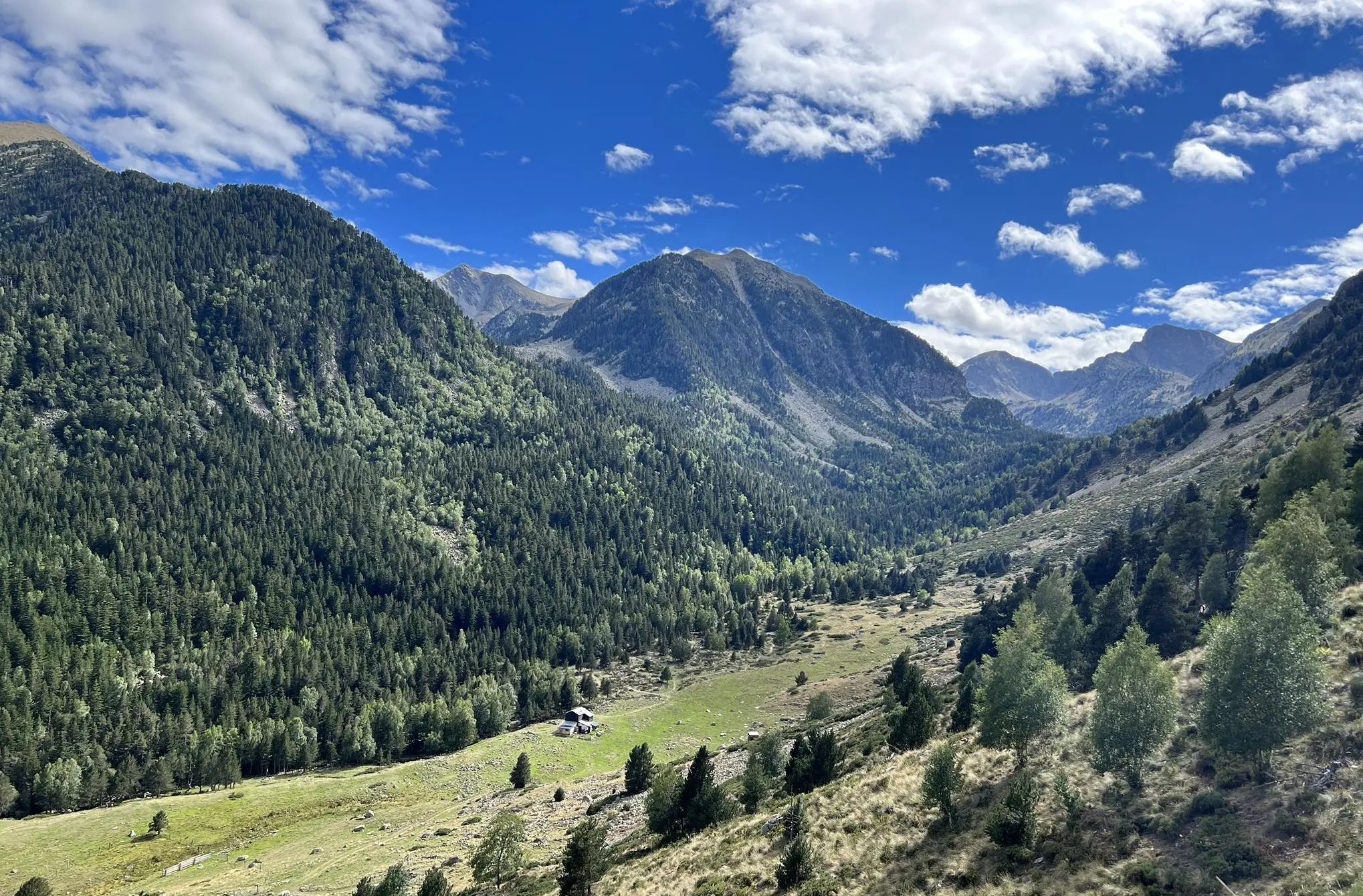
GR 36 long-distance footpath – Cross France from the Channel to the Pyrenees
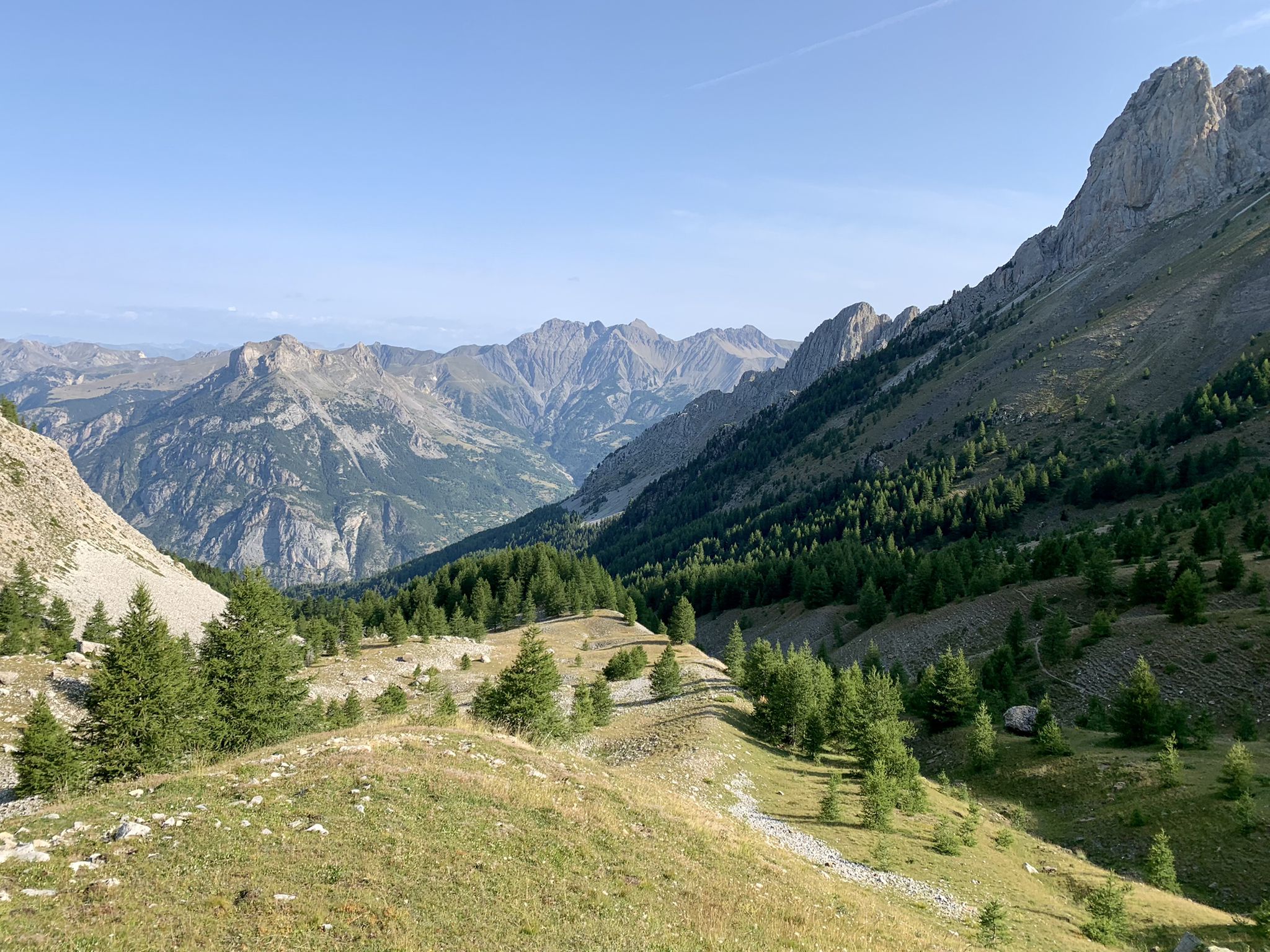
From the Alps to the Atlantic — GR 6
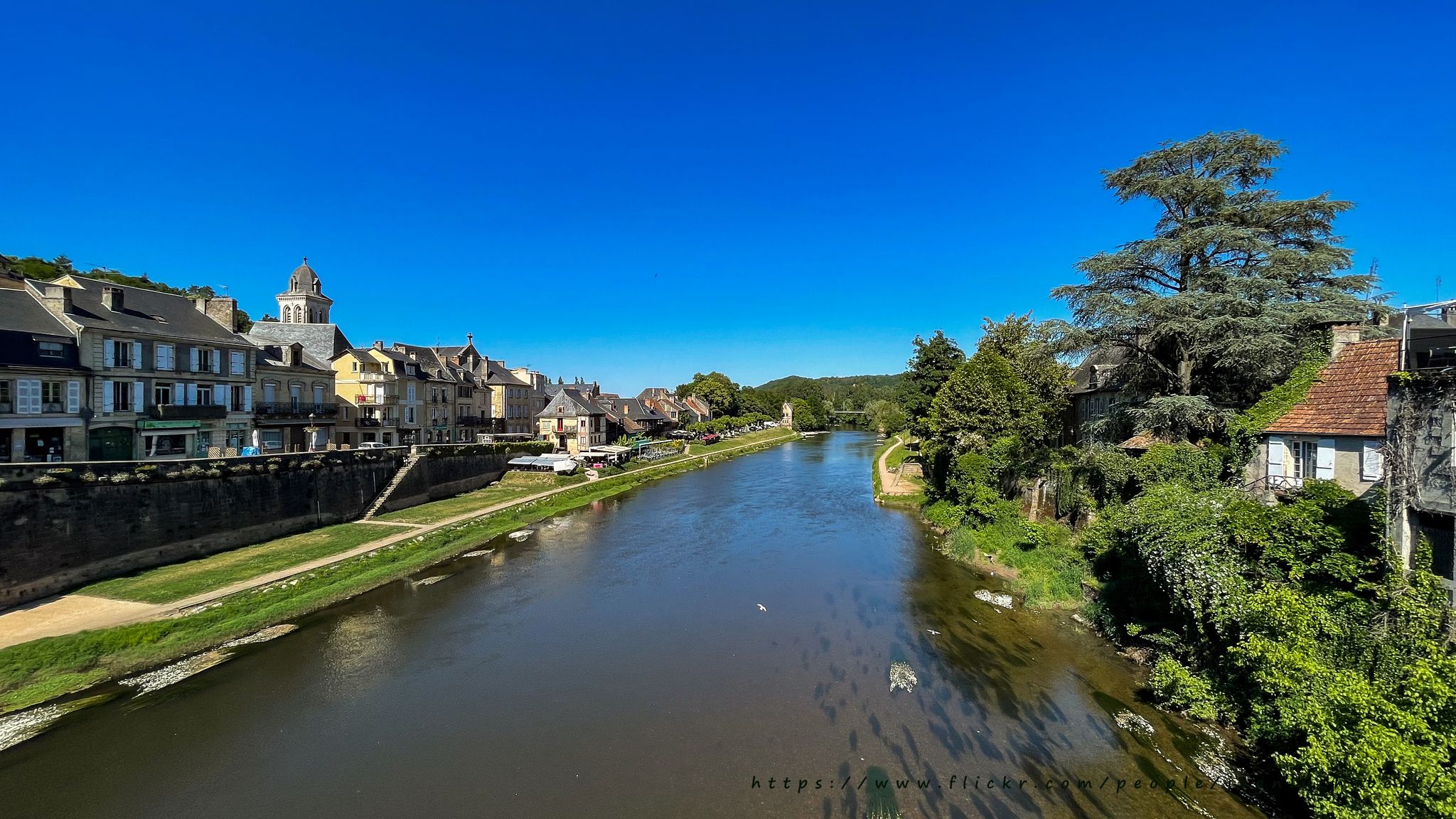
From prehistory to history – hiking the GR 461
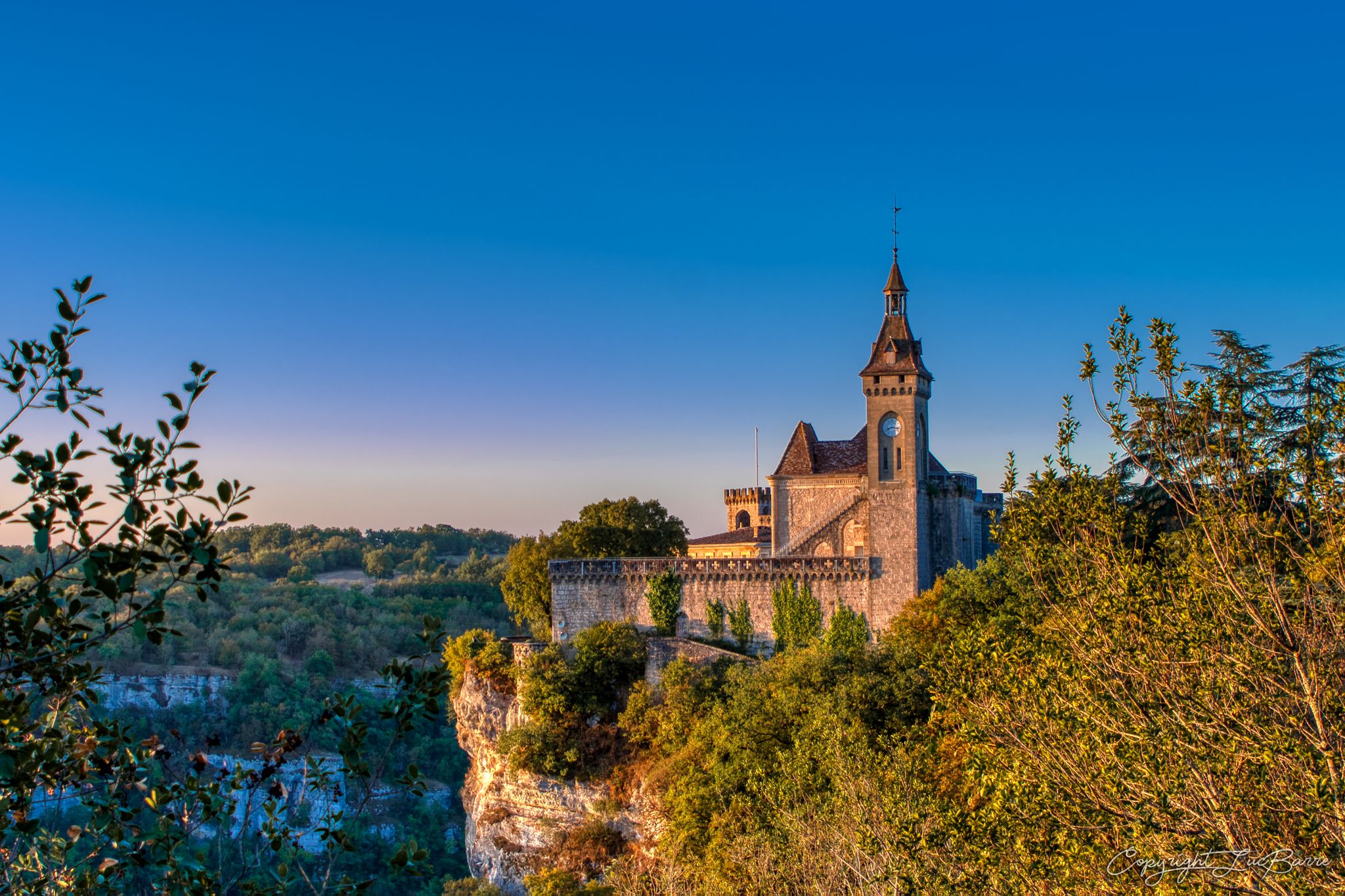
From caves to castles – France’s GR 64
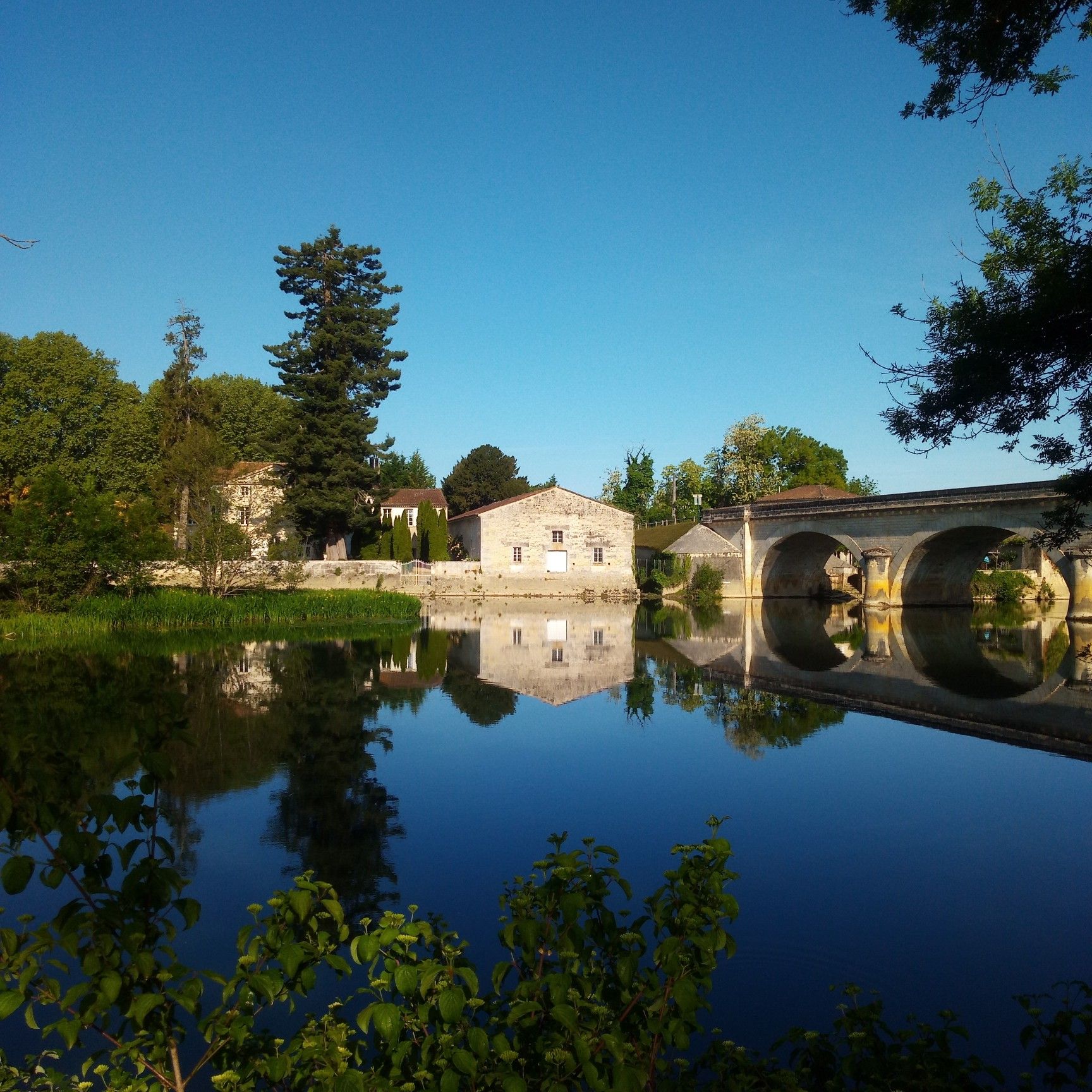
The Flow Vélo – a route that transports you
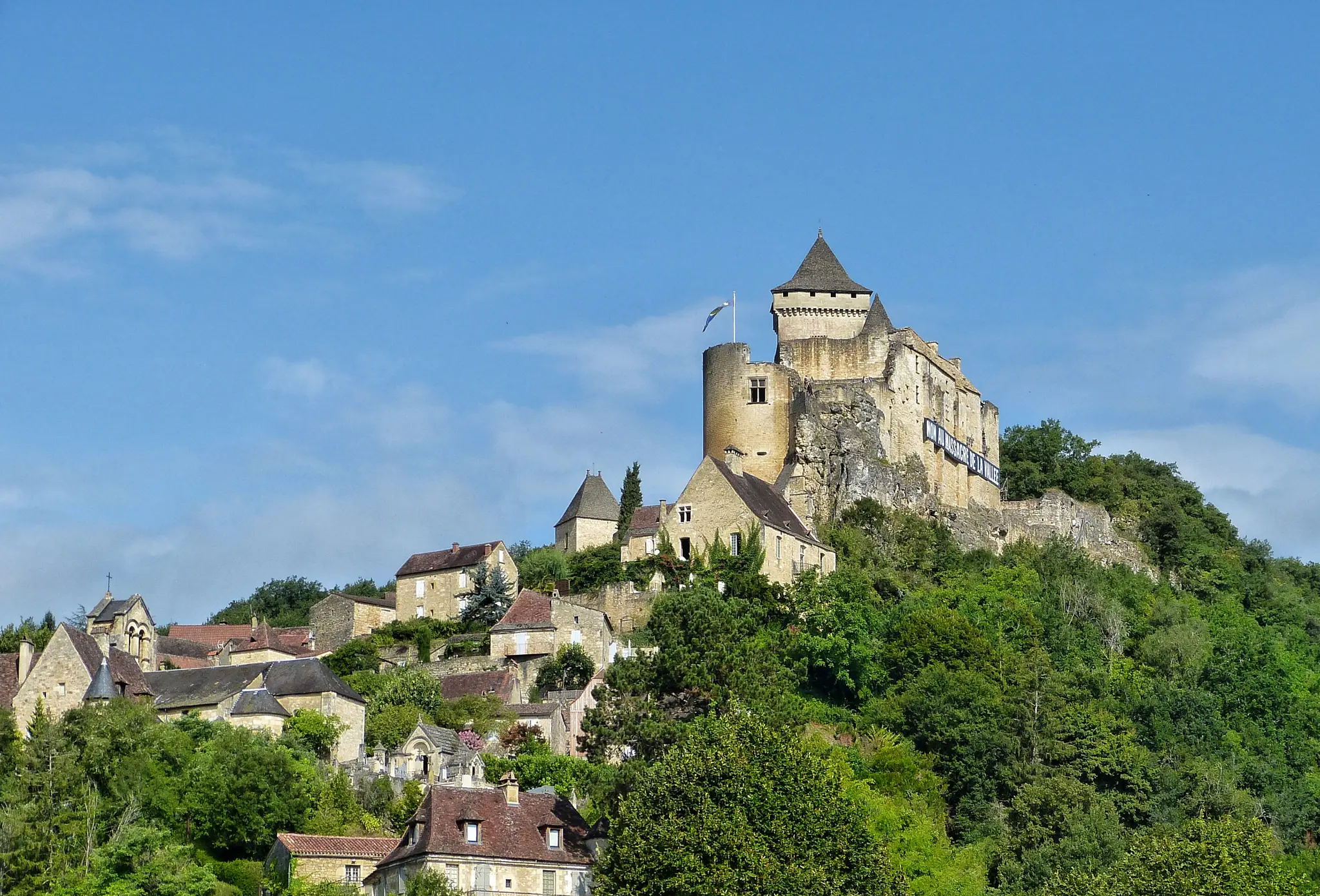
Le sud Sarladais — the Grand Tour of the Périgord noir
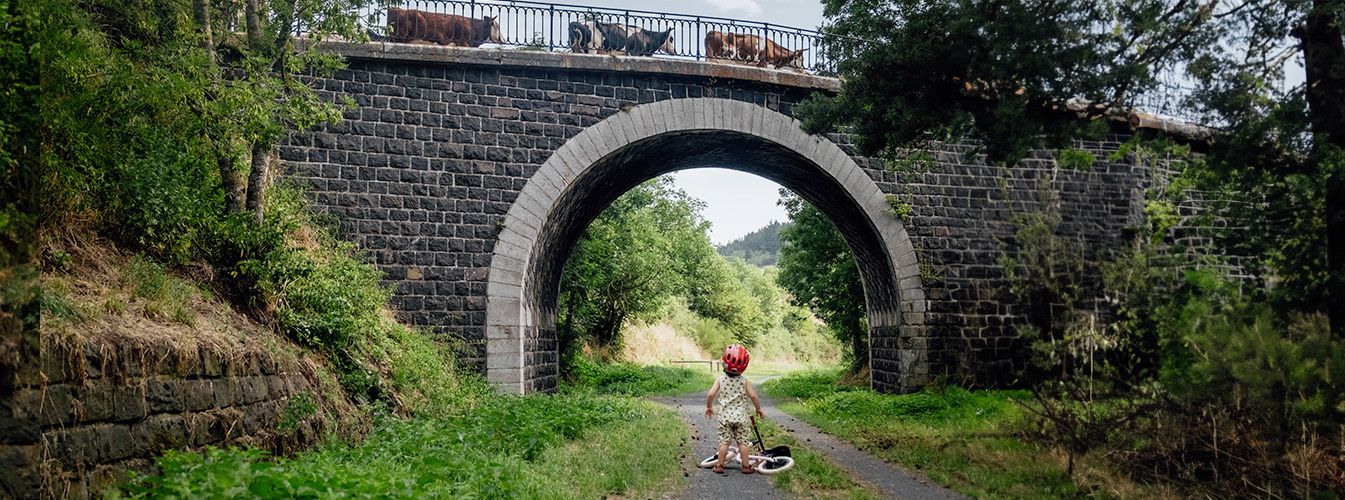
‘La Joyeuse Vadrouille’ – two months cycling with the family
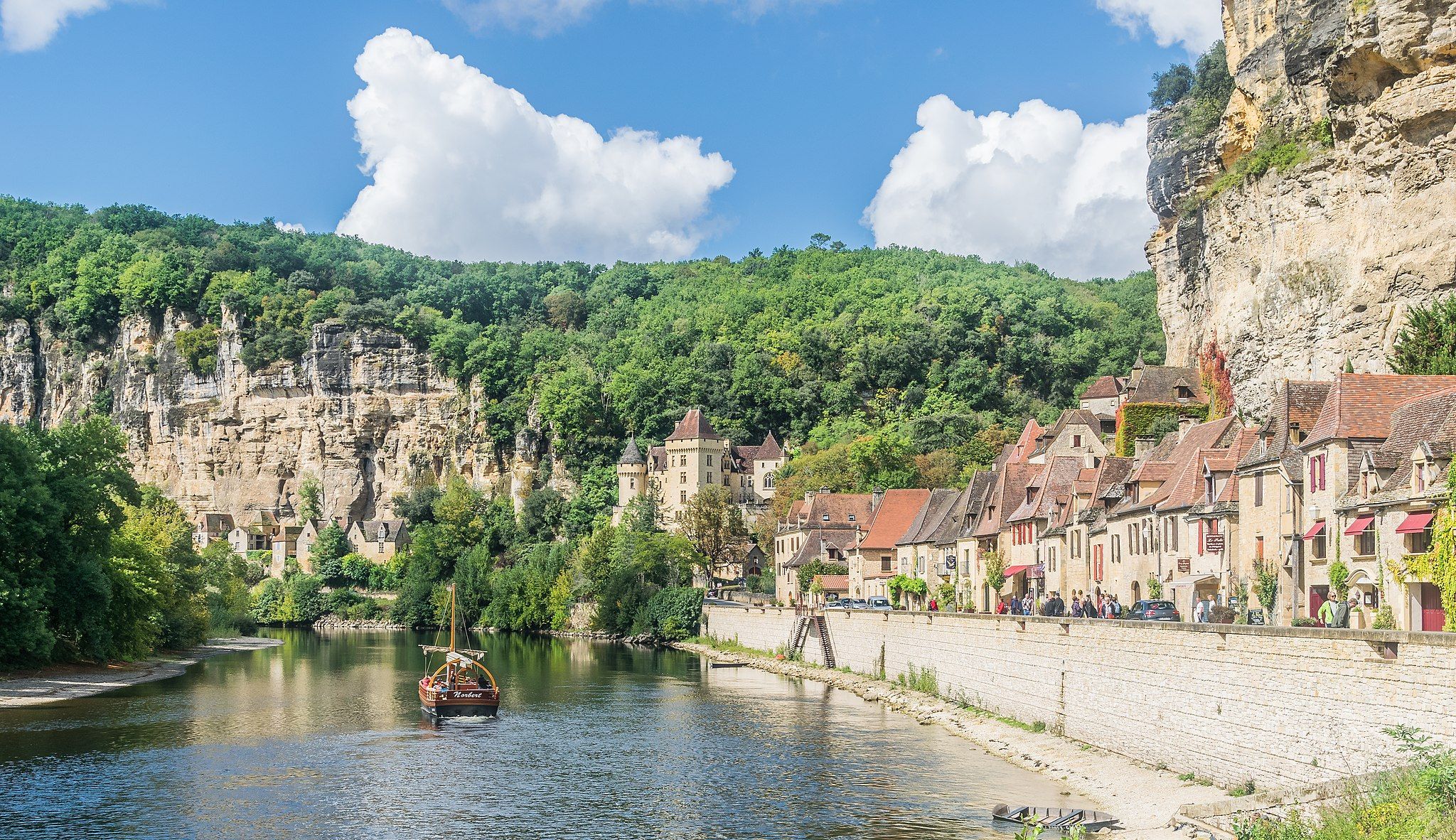
Périgourdine Escape — from Lalinde to Gramat in France
In the steps of the Cro-Magnon – a prehistoric journey in France
Hiking in Dordogne
Other adventures in Dordogne


Tips from the Community


Super beautiful, rugged, along the river
0
0

Under the rock, you can also try to insert your mother-in-law, guaranteed effect 👍🦆👙🦐🎸🥂
0
0

This museum is certainly interesting, unfortunately we didn't have enough time
0
0
Impressive are the dwellings in the rocks and the houses from the rocks
0
0

Why Visit Saut Ruban Waterfall? For the natural setting: This site is perfect for nature lovers seeking serenity and escape, far from the noise of the city. For hiking: The trails around the waterfall are ideal for a pleasant hike in the heart of nature, with varied landscapes. For a moment of relaxation: The soothing sound of the water and the beauty of the place make it a perfect place to relax and enjoy some time outdoors. Saut Ruban Waterfall is therefore a must-see for nature and hiking enthusiasts, offering an enchanting setting and a moment of tranquility in the heart of the Dordogne.
2
0
The Saut Ruban Waterfall is a magnificent natural site located in the Dordogne department. Hidden in the heart of nature, this waterfall offers a soothing spectacle, perfect for those who love hiking and tranquility. Points of Interest at the Saut Ruban Waterfall: Natural Beauty: Picturesque Waterfall: The waterfall gets its name from the appearance of the water flowing down like a "ribbon," creating a delicate and peaceful spectacle. Lush Environment: It is surrounded by lush vegetation, with trees and plants enhancing the wild charm of the place. A Haven of Peace: A Place to Relax: The waterfall is an ideal place to recharge your batteries, with the soothing sound of the falling water creating a relaxing atmosphere. Picnics and Rest: The setting is also ideal for a picnic break or a quiet walk in nature. Hiking: Hiking Trails: To reach the waterfall, several marked hiking trails allow hikers to enjoy the surrounding landscapes before arriving at the site. These paths offer splendid views of the surrounding nature. Moderate Access: The route to reach the waterfall is relatively easy, making it an accessible destination for families and beginner hikers. Wildlife and Flora Observation: Natural Richness: Along the way to the waterfall, you can observe a variety of wildlife and rich flora typical of wetlands, such as birds, small mammals, and aquatic plants.
3
0

This real limestone wall, one kilometer long and eighty meters high, constantly undermined by the river and the frost, has been hollowed out with a hundred rock shelters and long aerial terraces; these natural cavities were occupied by prehistoric man and then modified to become a fort and a city from the Middle Ages until the beginning of the Renaissance.
2
0
Frequently Asked Questions
What are some of the most unique geological formations to explore in Dordogne?
Dordogne is rich in unique geological formations. You can explore vast subterranean vaults like the Gouffre de Proumeyssac, known as the "crystal cathedral" for its dense crystallisation. The Grotte du Grand Roc also showcases impressive stalactites, stalagmites, and rare helictites. For a different experience, visit The Rocking Stone, a striking natural monument that can be made to wobble.
Are there any natural monuments in Dordogne that offer insights into prehistoric human activity?
Yes, Dordogne is famous for its prehistoric sites. While the original Lascaux Cave is closed, Lascaux IV offers an immersive replica of its 17,000-year-old cave paintings. You can also visit Font de Gaume, one of the few places where original polychrome prehistoric paintings are still accessible, or Rouffignac Cave, known for its frescoes of mammoths. Additionally, La Roque Saint-Christophe features natural cavities inhabited since prehistoric times, later converted into a medieval fortress.
What natural attractions in the Dordogne Valley are ideal for scenic views and outdoor activities?
The Dordogne Valley, a UNESCO Biosphere Reserve, offers majestic scenery. You can enjoy traditional flat-bottomed boat (gabarre) trips or canoeing on the Dordogne River, passing medieval castles and limestone cliffs. Notable bends in the river like Cingle de Trémolat and Cingle de Montfort provide unique panoramic views. For breathtaking vistas, visit View of La Roque-Gageac and the Dordogne cliffs, offering stunning perspectives of the village and river.
Which natural monuments in Dordogne are suitable for families with children?
Several natural monuments in Dordogne are great for families. La Roque-Gageac is a picturesque village with boat trips on the Dordogne. The Saut Ruban Waterfall and Saut du Chalard Waterfall on the Dronne offer easy hiking trails and a soothing natural spectacle. Lascaux IV is captivating for all ages, and the Gouffre de Proumeyssac provides an accessible and unique underground experience with options for basket descent or stairs.
Are there opportunities for hiking near the natural monuments in Dordogne?
Yes, Dordogne offers numerous hiking opportunities near its natural monuments. For example, you can find trails around the Saut Ruban Waterfall, which are relatively easy and suitable for families. The Auvézère Gorges are also perfect for hiking enthusiasts, offering a combination of physical activity and natural beauty. You can explore more hiking routes in the region by checking out the Hiking in Dordogne guide.
What is the best time of year to visit the natural monuments in Dordogne?
The Dordogne region generally enjoys a mild climate. Spring (April-May) and autumn (September-October) are often considered ideal, offering pleasant temperatures for exploring caves, hiking, and enjoying the river activities without the peak summer crowds. Summer (June-August) is also popular, especially for water-based activities, but sites can be busier. Some natural monuments, like La Roque-Gageac, are known for their almost Mediterranean climate and tropical vegetation, making them enjoyable for much of the year.
Are there any natural monuments in Dordogne that are particularly good for photography?
Many natural monuments in Dordogne offer stunning photographic opportunities. The "crystal cathedral" of Gouffre de Proumeyssac provides dramatic underground scenes. The picturesque village of La Roque-Gageac, nestled against cliffs by the Dordogne River, is highly photogenic, especially from viewpoints like View of La Roque-Gageac and the Dordogne cliffs. The Les Jardins Suspendus de Marqueyssac, with its manicured boxwoods and belvedere 400 feet above the river, offers exceptional landscape shots, particularly during their romantic candlelit evenings in summer.
Can I find natural monuments in Dordogne that are less crowded?
While popular sites can attract many visitors, exploring some of the lesser-known or more extensive natural areas can offer a quieter experience. The Auvézère Gorges, for instance, provide opportunities for hiking and reconnecting with nature away from the main tourist hubs. Exploring the various bends of the Dordogne River, such as Cingle de Trémolat, can also offer peaceful moments and unique perspectives. Visiting during the shoulder seasons (spring or autumn) can also help avoid peak crowds at popular locations.
What types of outdoor activities can be done near the natural monuments in Dordogne?
Beyond exploring the monuments themselves, the region offers a variety of outdoor activities. Canoeing and gabarre trips are popular on the Dordogne River. Hiking is a major draw, with trails near waterfalls like Saut Ruban Waterfall. For cycling enthusiasts, there are numerous road cycling routes that pass through scenic areas and near natural features. You can find more details on these activities in guides like Waterfall hikes in Dordogne and Road Cycling Routes in Dordogne.
Are there any gardens considered natural monuments in Dordogne?
Yes, Dordogne features exquisite gardens that are considered natural and cultural treasures. Les Jardins Suspendus de Marqueyssac, perched high above the Dordogne Valley, are renowned for their 150,000 hand-pruned boxwoods, breathtaking viewpoints, and waterfalls. The Gardens of Eyrignac Manor also offer a different take with their perfectly manicured French-style plant sculptures and romantic pathways. These gardens provide a unique blend of natural beauty and human artistry.
What should I pack for a visit to the natural monuments in Dordogne?
For exploring Dordogne's natural monuments, comfortable walking shoes are essential, especially for cave tours and hiking trails. If visiting caves, a light jacket might be useful as temperatures underground are consistently cool. Sun protection (hat, sunscreen) is advisable for outdoor sites and river activities. Don't forget a camera for the stunning landscapes and historical sites. For specific activities like canoeing or hiking, consider appropriate sportswear and a water bottle.
Are there any natural monuments in Dordogne that are accessible by public transport?
While many natural monuments in Dordogne are best reached by car, some popular sites may have limited public transport options or be accessible via organized tours from larger towns. For example, La Roque-Gageac is a well-known village on the Dordogne River, and some regional bus services or tourist shuttles might connect to it or nearby towns. However, for flexibility and to reach more remote natural sites, renting a car is generally recommended.
Most popular routes in Dordogne
Most popular attractions in Dordogne

Get inspired with the komoot mobile app


Explore more
Extend your search for the best caves by checking out these guides of the top ones in Dordogne:
