Top 4 Natural Monuments in Carlow
Best natural monuments in Carlow include a diverse range of geological formations, ancient sites, and scenic landscapes. County Carlow features majestic mountains, winding rivers, and significant woodlands, offering varied natural attractions. The region's geology, with limestone, granite, shale, and sandstone, contributes to unique habitats. These sites provide opportunities for exploring natural heritage and engaging in outdoor activities.
Best natural monuments in Carlow
- The most popular natural monuments is Scullogue Gap Stone Table and Battle Memorial, a historical site that offers access to routes for Blackstairs Mountain and Mount Leinster. It features a car park and a small stone table.
- Another must-see spot is Haroldstown Dolmen, a well-preserved portal dolmen. This ancient structure features two overlapping capstones, with the larger one almost 4 meters long.
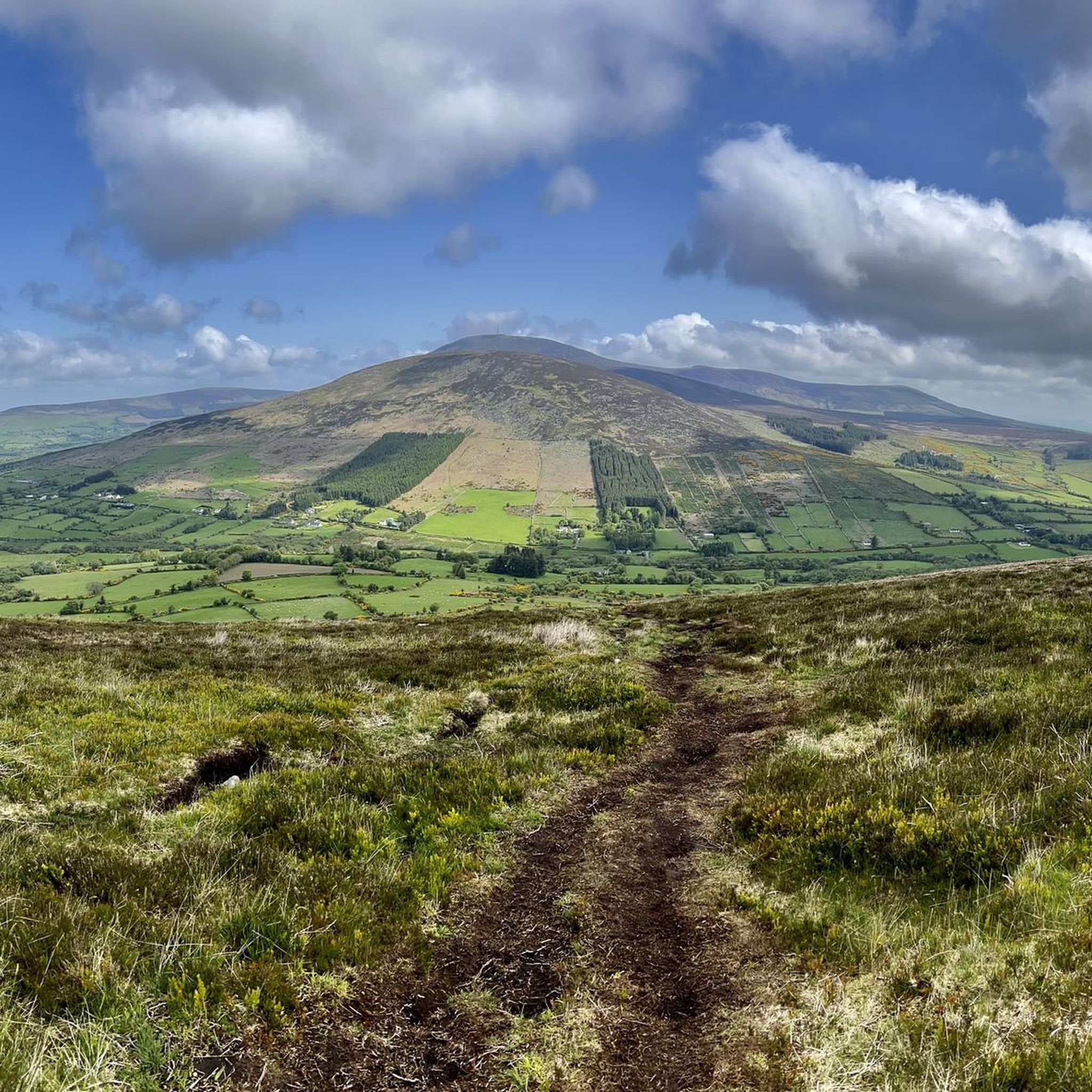
- Visitors also love Mount Slievebawn, a 524m summit. From the top, visitors can enjoy views west over County Wexford and north over County Carlow.
- Carlow is known for its dolmens, mountain summits, and historical natural sites. The region offers a variety of natural monuments to see and explore, from ancient megalithic structures to elevated viewpoints.
- The natural monuments in Carlow are appreciated by the komoot community, with 7 upvotes and 2 photos contributed by visitors.
Last updated: May 14, 2026
Scullogue Gap Stone Table and Battle Memorial
Highlight • Historical Site
Tip by

Haroldstown Dolmen
Highlight • Historical Site
The chamber is on private land so enjoy the sight from the roadside.
Tip by

Sign up now to discover places like this
Get recommendations on the best single tracks, peaks, & plenty of other exciting outdoor places.
Sign up for free
Brownshill Dolmen
Highlight • Monument
Tip by

Nine Stones
Highlight • Monument
Tip by

Mount Slievebawn
Highlight • Summit
Tip by

Start today with a free account
Your next adventure awaits.
Login or Signup
Popular around Carlow
Other adventures in Carlow


Tips from the Community

Mountain Sliabh Bán A name in Irish, (Ir. Sliabh Bán [OS 6], 'white mountain'), Carlow County in Leinster province, in Arderin Lists, Slievebawn is the 496th highest place in Ireland.
0
0
One very unmistakable monument dating back to pre-historical times is the great Brownshill Dolmen the east of Carlow town. Brownshill Dolmen has a granite capstone weighing over 100 tonnes, making it the largest of its kind in Europe. The massive capstone rests on two portal stones which flank a door stone and slopes downwards to the west where it rests on a low boulder. https://carlowtourism.com/attraction/brownshill-dolmen-2/
0
0
On the lower side of the road, you will see an alignment of nine small stones in the ground. These are said to commemorate nine shepherds lost on Mount Leinster in some distant winter storm, hence the origin of the viewing point's name.
2
0

You can access routes for Blackstairs Mountain and Mount Leinster from here at Scullogue gap. There is a neat car park here where the unclassified road meets the R702. There is a small cute stone table there for leprechauns but only enough room for two cars.
4
0

Slievebawn is a 524m summit in the region of County Carlow. With the car park being on high ground already, this is considered a fairly easy climb. From the top, you can enjoy views west over County Wexford and north over County Carlow.
3
0

Sat on the banks of the Derren River, Haroldstown Dolmen is a well preserved example of a portal dolmen. There are two overlapping cornerstones, the larger is almost 4 metres long. The chamber is bigger than typical portal tomb chambers and it is thought a family used the tomb as a dwelling in the 1840s. The chamber is on private land so enjoy the sight from the roadside.
1
0

Brownshill Dolmen (Dolmain Chnoc an Bhrúnaigh) is a very large megalithic portal tomb situated 3 km east of Carlow. Its capstone weighs an estimated 150 tons, and is reputed to be the heaviest in Europe. Known as the Kernanstown Cromlech, sometimes spelled as Browneshill Dolmen, it is sited on the former estate house of the Browne family from which it takes its name. The tomb was built between 4000 and 3000 BC. https://en.wikipedia.org/wiki/Brownshill_dolmen
0
0
Situated on the banks of the Derren River. Haroldstown Dolmen is regarded as one of the most attractive and well-preserved examples of a portal dolmen in Ireland. There are two overlapping capstones, the larger being almost four metres long, the smaller around three metres. The chamber consists of two portal stones with a large door stone and side stones. The chamber is bigger than the average portal tomb chamber, indeed it is reported that during the 1840s a family used the tomb as a makeshift dwelling. https://www.discoverireland.ie/carlow/haroldstown-dolmen
0
0
Frequently Asked Questions
Which natural monuments in Carlow are most popular with visitors?
Visitors frequently enjoy the historical significance of sites like Scullogue Gap Stone Table and Battle Memorial, which also serves as an access point for routes into the Blackstairs Mountains. Another highly regarded spot is Haroldstown Dolmen, a well-preserved ancient structure. For panoramic views, Mount Slievebawn offers stunning vistas over County Wexford and Carlow.
What unique geological features can I explore in Carlow?
County Carlow's diverse geology, including limestone, granite, shale, and sandstone, has created unique features. You can find examples of eskers, such as the Ballymoon Esker, which are winding ridges formed by ancient glaciers. The region also boasts important wetland habitats like Ardristan Fen and Drummin Bog, which support specialized ecosystems and biodiversity.
Are there any ancient historical sites among Carlow's natural monuments?
Yes, Carlow is renowned for its ancient megalithic structures. The Haroldstown Dolmen is a well-preserved portal dolmen with two overlapping capstones. Even more impressive is the Brownshill Dolmen, which features a capstone estimated to weigh 150 tons, making it one of the heaviest in Europe. These sites offer a glimpse into Carlow's prehistoric past.
What outdoor activities can I do near Carlow's natural monuments?
The natural monuments in Carlow are excellent starting points for various outdoor activities. You can find numerous hiking trails, including routes in the Blackstairs Mountains and along the River Barrow. For cycling enthusiasts, the Barrow Way offers tranquil routes. There are also running trails available throughout the region.
Are there hiking trails near Carlow's natural monuments?
Absolutely. The Blackstairs Mountains, accessible from points like Scullogue Gap, offer diverse hiking adventures. The River Barrow also features the Barrow Way, a peaceful route popular for walking. You can explore trails like Kilbrannish Forest or the challenging Blackstairs Mountain loop. Find more options in the hiking guide for Carlow.
Can I go cycling near the natural monuments in Carlow?
Yes, cycling is a popular activity in Carlow, especially along the River Barrow. The Barrow Way offers scenic routes suitable for various skill levels. You can find routes like the Barrow Way: Carlow to Athy Loop or the Climb Towards the Nine Stones. For more detailed cycling routes, refer to the cycling guide for Carlow.
Are there family-friendly natural attractions in Carlow?
Many of Carlow's natural sites are suitable for families. Oak Park Forest Park, with its nearly 4km of wheelchair-accessible trails, lakes, and diverse woodlands, is an excellent choice for all ages. Ancient sites like Haroldstown Dolmen and Brownshill Dolmen are also categorized as family-friendly, offering an educational and engaging experience.
Are any natural sites in Carlow wheelchair accessible?
Oak Park Forest Park is particularly notable for its accessibility, offering nearly 4km of wheelchair-friendly walking trails. This allows visitors of all mobility levels to enjoy its diverse natural scenery, lakes, and wildlife.
Is parking available at Carlow's natural monuments?
Parking availability varies by site. For instance, Scullogue Gap Stone Table and Battle Memorial has a neat car park, though it's small. For sites like Haroldstown Dolmen, the chamber is on private land, so viewing is typically from the roadside, and parking might be limited to roadside pull-offs. It's advisable to check specific location details before visiting.
What is the best time of year to visit Carlow's natural monuments?
The best time to visit Carlow's natural monuments generally depends on your preferred activities. Spring and summer offer pleasant weather for hiking and exploring, with lush greenery and active wildlife. Autumn brings beautiful foliage, especially in woodlands like Oak Park Forest Park. While winter can be colder, sites like the River Barrow attract nationally important numbers of birds, making it ideal for birdwatching.
What kind of wildlife can I expect to see in Carlow's natural areas?
Carlow's diverse habitats support a rich array of wildlife. In the Blackstairs Mountains, you might spot pine martens, hares, stoats, red squirrels, kestrels, merlins, peregrine falcons, and red grouse. The River Barrow's woodlands and floodplains are home to diverse insect life, supporting bats and birds, including lapwing and golden plover in winter. Oak Park Forest Park's lakes and woodlands host swans, ducks, and various wild and game birds.
Where can I find impressive dolmens in County Carlow?
County Carlow is often called 'The Dolmen County' for good reason. You can visit the well-preserved Haroldstown Dolmen on the banks of the Derren River. Even more renowned is the Brownshill Dolmen, located east of Carlow town, famous for its massive capstone, which is one of the largest in Europe.
Are there any viewpoints offering panoramic views of Carlow's landscape?
Yes, several natural monuments offer excellent viewpoints. Mount Slievebawn, a 524m summit, provides extensive views west over County Wexford and north over County Carlow. Additionally, the Nine Stones viewing point on the Blackstairs Mountains offers panoramic vistas of the Carlow countryside.
Are there any hidden natural gems in County Carlow?
Beyond the well-known sites, Carlow holds several lesser-known natural gems. These include important wetland habitats like Ardristan Fen and Drummin Bog, which are crucial for biodiversity. Ancient woodlands such as Clongrennan Wood, Toberbride Wood, and Drummond Wood are also recognized for their rare lichens and rich wildlife, offering a glimpse into Carlow's untouched wilderness for those interested in specialized ecology.
Are Carlow's natural monuments dog-friendly?
While many outdoor areas in Carlow are suitable for dogs, it's always best to check specific regulations for each natural monument or park. Generally, dogs are welcome on leads in public walking areas like Oak Park Forest Park and along the Barrow Way. However, some sensitive ecological sites or private lands may have restrictions. Always ensure your dog is under control and that you clean up after them.
Most popular routes in Carlow
Most popular attractions in Carlow

Get inspired with the komoot mobile app


Explore more
Extend your search for the best caves by checking out these guides of the top ones in Carlow:
